


How to Design Grow With Me Kids Clothes for Durability and Style
For over 15 years in the kids' fashion industry, I've witnessed countless parents grappling with the same frustration: children outgrowing clothes at an astonishing rate. It's a cyclical problem that drains wallets, fills landfills, and often leaves designers feeling limited by traditional sizing structures.
This rapid consumption isn't just an inconvenience; it's a significant contributor to textile waste and unsustainable practices within our industry. The demand for fast fashion for kids has overshadowed the potential for thoughtful, long-lasting garments that truly adapt to a child's dynamic growth.
In this comprehensive guide, I'll share my insights and actionable frameworks on how to design grow with me kids clothes for durability and style, offering solutions that extend garment life, reduce environmental impact, and provide genuine value to families. We'll dive deep into fabrics, construction, design mechanics, and the essential balance of aesthetics and longevity.
The Core Philosophy: Beyond Just 'Bigger Sizes'
The concept of 'grow-with-me' clothing is often misunderstood as simply making clothes a size too big. In my experience, true grow-with-me design is a sophisticated blend of engineering and artistry, allowing a single garment to comfortably fit a child through multiple growth stages.
Understanding True Growth Adaptability
Adaptability isn't just about length; it's about accommodating changes in width, limb length, and even body shape. This requires a designer to think dynamically about the garment's interaction with a growing body, anticipating where stretch, adjustment, or expansion will be needed most.
The Sustainability Imperative
Designing for longevity inherently aligns with sustainability. By creating clothes that last longer, we reduce the demand for new items, conserve resources, and decrease textile waste. This commitment goes beyond just the product; it influences material sourcing, production processes, and even end-of-life considerations for the garment.
Fabric First: Engineering for Longevity and Comfort
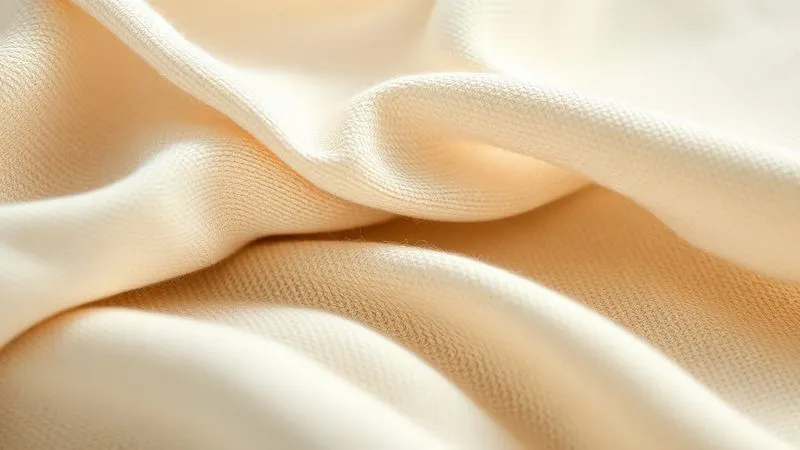
The foundation of any durable and stylish grow-with-me garment begins with fabric selection. I always emphasize that the material must not only withstand the rigors of childhood but also remain comfortable and maintain its aesthetic appeal over time.
- Organic Cotton: Known for its softness, breathability, and durability. Opt for heavier knits like French terry or interlock for enhanced resilience.
- Bamboo Viscose: Offers incredible softness, natural stretch, and moisture-wicking properties. It's gentle on sensitive skin and holds up well to frequent washing.
- Merino Wool: While often associated with warmth, lightweight merino is excellent for all seasons, offering temperature regulation, odor resistance, and natural elasticity.
- Hemp Blends: Hemp is incredibly strong, durable, and softens with wear. Blending it with organic cotton or Tencel can create a fabric that is both resilient and comfortable.
- Recycled Polyester Blends: For outerwear or activewear components, recycled options can offer water resistance and durability while reducing reliance on virgin plastics.
Choosing the right fabric isn't just about its initial feel; it's about its recovery, its ability to resist pilling, fading, and tearing, and its environmental footprint. Always consider the entire lifecycle of the material.
Reinforcement Techniques for High-Wear Areas
Even the strongest fabrics benefit from strategic reinforcement, especially in areas prone to stress and friction. This is a critical step in ensuring true durability.
- Double Stitching: Use on seams that experience significant stress, such as crotches, armholes, and side seams.
- Reinforced Knees and Elbows: Adding a second layer of fabric or a durable patch in these high-impact areas can dramatically extend garment life.
- Bar Tacks: Small, dense stitches used to reinforce stress points like pocket openings, belt loops, and the ends of zippers.
- Topstitching: Not just decorative, topstitching can add strength and stability to seams and edges.
Smart Design Mechanics: Adapting for Growth
This is where the 'grow-with-me' magic truly happens. It's about integrating clever, unobtrusive mechanisms that allow a garment to expand and contract with a child's changing body.
Adjustable Waistbands and Cuffs
These are perhaps the most common and effective adjustment mechanisms. They must be user-friendly and comfortable for the child.
- Internal Buttonhole Elastic: This classic method allows for significant waist adjustment. Ensure the elastic is durable and the buttons are securely attached.
- Roll-Up Cuffs and Hems: Design sleeves and pant legs with extra length that can be rolled up and secured with a tab and button, or simply styled cuffed.
- Drawstrings with Toggles: For more casual items, a soft drawstring with a child-safe toggle can offer quick and easy adjustment.
- Rib Knit Cuffs and Waistbands: High-quality rib knit with excellent recovery can stretch significantly and return to its original shape, accommodating growth without overt mechanisms.
Strategic Pleats, Gathers, and Darts
These traditional tailoring techniques can be re-imagined for growth. For instance, a dress with generous gathers at the waist can accommodate a wider range of torsos, or strategically placed pleats in a pant leg can be let out as a child grows taller.
Snap Panels and Extendable Hems
For items like rompers or bodysuits, snap panels at the crotch can provide crucial length adjustment. Similarly, a hidden hem that can be easily unpicked and re-stitched offers an additional inch or two of length for pants or skirts. This thoughtful design minimizes the need for new purchases.
| Mechanism | Pros | Cons |
|---|---|---|
| Internal Buttonhole Elastic | Significant waist adjustment, hidden, secure | Can be fiddly for young children, requires buttons |
| Roll-Up Cuffs/Hems | Simple, stylish, visible adjustment, no hardware | Can come undone, less precise adjustment |
| Rib Knit Cuffs/Waistbands | Comfortable, natural stretch, no visible mechanism | Requires high-quality rib knit for good recovery, limited precise adjustment |
| Snap Panels (for rompers) | Quick length adjustment, secure | Can be bulky if not designed well, snaps can wear out |
Style That Endures: Aesthetics Beyond Trends
Durability isn't enough; the garment must also remain stylish and appealing throughout its lifespan. As a designer, I always aim for timelessness over fleeting trends.
Gender-Neutral and Timeless Palettes
Opt for colors and prints that transcend specific seasons or gender stereotypes. Muted tones, classic stripes, simple geometric patterns, and nature-inspired motifs tend to have a longer shelf life in a child's wardrobe. This also makes garments easier to pass down or sell second-hand.
Versatile Silhouettes
Design garments with silhouettes that are comfortable and adaptable. Loose-fitting styles, A-line dresses, and straight-leg pants often provide more room for growth and are less restrictive for active children than highly fitted garments. Think about layering potential and how pieces can be mixed and matched.
A truly stylish grow-with-me piece is one that looks intentional and chic at every stage of a child's growth, not just like an oversized hand-me-down.
The Durability Blueprint: Construction Techniques That Last
Beyond fabric and design mechanics, the actual construction of the garment plays a monumental role in its longevity. This is where meticulous craftsmanship and attention to detail truly shine.
Seam Strength and Finish
Weak seams are often the first point of failure in children's clothing. Investing in superior seam finishes is non-negotiable.
- French Seams: Encapsulate raw edges, making them incredibly strong and preventing fraying. Ideal for delicate fabrics or garments needing a clean finish.
- Flat-Felled Seams: Extremely durable, commonly seen in denim. They create a flat, strong seam that can withstand significant stress.
- Serged Edges (Overlock Stitch): While not as robust as French or flat-felled, a well-executed serged seam prevents fraying and offers good flexibility, especially in knits.
- Reinforced Seams: Adding a second line of stitching or using a stronger thread can significantly bolster critical seams.
Hardware and Fastenings: Built to Withstand
Buttons, snaps, and zippers must be chosen for their durability and securely attached.
- Durable Snaps: Opt for high-quality metal snaps or robust plastic snaps that can withstand repeated opening and closing without losing their grip. Reinforce the fabric where snaps are applied.
- Secure Buttons: Use strong, flat buttons with four holes, sewn with a shank and reinforced with an interior backing button if possible.
- High-Quality Zippers: Choose durable coil or Vislon zippers, especially for items like jackets or overalls. Ensure they are smooth-gliding and have a sturdy pull tab.
- Reinforced Buttonholes: Well-made buttonholes that are tightly stitched and not prone to fraying are essential for longevity.
Case Study: How 'Little Sprouts Apparel' Mastered Durability
Little Sprouts Apparel, a burgeoning brand, initially struggled with customer complaints about garment wear-and-tear. Their solution? They implemented a rigorous quality control program that included fabric tensile strength testing and adopting French seams on all internal garment construction. They also switched to reinforced knee patches on all their trousers, a concept inspired by military-grade apparel. This strategic shift reduced their return rate by 40% within the first year and significantly boosted customer loyalty, proving that investing in durability pays dividends.
Testing and Iteration: The Path to Perfection
Designing grow-with-me clothes is an iterative process. You can't truly know if a garment will perform as intended without thorough testing.
Wear Testing with Real Kids
This is arguably the most crucial step. Provide prototypes to children in your target age range and gather feedback from their parents. Observe how the garment moves, how the adjustment mechanisms are used, and how it holds up to play, washing, and general wear. Ask specific questions about comfort, ease of adjustment, and perceived durability. For guidance on textile performance standards, I often refer to resources like the ASTM International standards for textile testing.
Feedback Loops and Continuous Improvement
Establish a system for collecting and analyzing feedback. Are certain adjustment mechanisms failing? Is a particular seam coming undone? Use this data to refine your designs, make material changes, or adjust your construction techniques. As marketing guru Seth Godin often says, "The market tells you what it wants." Listen intently.
Ethical Production and Supply Chain Considerations
True durability and style in grow-with-me clothing must be underpinned by ethical and sustainable production practices. This builds trust and authority.
Sourcing Sustainable Materials
Beyond the fabric itself, consider the entire supply chain. Are your dyes low-impact? Are your trims eco-friendly? Are you minimizing waste in your cutting room? Look for certifications like GOTS (Global Organic Textile Standard) for organic fibers or Oeko-Tex Standard 100 for harmful substance testing. The Fair Trade certification is an excellent benchmark for ensuring ethical labor practices in your supply chain.
Fair Labor Practices
Ensure that everyone involved in the production of your garments, from cotton farmers to factory workers, is treated fairly and paid a living wage. Transparency in the supply chain is not just good for your brand's reputation; it's the right thing to do. As an industry veteran, I've seen how a commitment to ethical practices resonates deeply with discerning consumers.
| Category | Checklist Item |
|---|---|
| Materials Sourcing | GOTS or Oeko-Tex certified fabrics? |
| Materials Sourcing | Recycled or upcycled content considered? |
| Production Ethics | Fair Trade certified suppliers? |
| Production Ethics | Transparent supply chain documentation? |
| Waste Reduction | Low-waste pattern cutting techniques? |
| Waste Reduction | Recycling program for fabric scraps? |
Marketing and Communicating the Value
Once you've mastered how to design grow with me kids clothes for durability and style, it's essential to communicate that value effectively to your audience. This isn't just selling a product; it's selling a solution and a philosophy.
Educating Consumers on Longevity
Highlight the engineering behind your designs. Explain how adjustable features work. Provide care instructions that maximize garment life. Emphasize the cost-per-wear benefits compared to fast fashion. A well-informed customer becomes a loyal advocate.
Highlighting Sustainability Benefits
Clearly articulate the environmental and ethical advantages of choosing your grow-with-me clothing. Use clear, concise language about reduced waste, resource conservation, and fair labor. According to a Deloitte study, consumers are increasingly prioritizing sustainability in their purchasing decisions, making this a powerful selling point.
Frequently Asked Questions (FAQ)
What's the best fabric choice for a garment intended to span 3 years of growth? For a 3-year growth span, I highly recommend a high-quality organic cotton interlock or a bamboo viscose blend with a good percentage of spandex (5-8%). These fabrics offer excellent stretch and recovery, which is crucial for accommodating significant changes in body size and shape without looking stretched out or losing its form. Merino wool is another fantastic option due to its natural elasticity and resilience, though it often comes at a higher price point.
How do I balance adjustability with ensuring the garment remains comfortable for the child at all stages? The key is to integrate adjustment mechanisms seamlessly and thoughtfully. Avoid bulky hardware or stiff elastic that can irritate sensitive skin. For waistbands, internal buttonhole elastic is often preferred over external cinching. For cuffs and hems, soft roll-up options or high-quality rib knits are more comfortable than rigid tabs. Always prioritize soft, flexible materials for any part of the garment that touches the skin.
Are grow-with-me clothes inherently more expensive to produce than standard children's clothing? Initially, yes, the design and prototyping phase might require more time and specialized pattern making. High-quality, sustainable fabrics also tend to have a higher cost per yard. However, the long-term value proposition for the consumer is significantly higher. From a production standpoint, once patterns are perfected, the manufacturing costs can be comparable, or even slightly higher due to additional construction steps like reinforced seams or specialized adjustable components. The investment is in longevity and quality.
What are some tips for ensuring the garment maintains its style and aesthetic appeal as the child grows and adjusts the features? Focus on timeless, versatile designs. Opt for gender-neutral colors and classic silhouettes that don't rely on a perfect fit for their appeal. Ensure that when features are adjusted (e.g., cuffs rolled up), they still look intentional and part of the design, rather than an afterthought. For example, a contrasting lining in a roll-up cuff can add a stylish detail. The goal is for the garment to look good at its smallest and largest settings.
What certifications should I look for when sourcing materials for grow-with-me clothing? For ethical and sustainable sourcing, I strongly recommend looking for GOTS (Global Organic Textile Standard) for organic cotton and other natural fibers, Oeko-Tex Standard 100 for textiles tested free from harmful substances, and Fair Trade certification for ensuring ethical labor practices throughout the supply chain. These certifications provide independent verification and build significant trust with consumers.
Key Takeaways and Final Thoughts
Designing grow-with-me kids' clothes for durability and style is more than just a trend; it's a commitment to sustainability, quality, and thoughtful innovation in children's fashion. It requires a holistic approach, from initial concept to final stitch.
- Prioritize Fabric: Select high-quality, resilient, and comfortable materials that can withstand repeated wear and washing.
- Innovate with Design Mechanics: Implement clever, subtle adjustment features that truly adapt to a child's growth without compromising comfort or aesthetics.
- Master Construction: Utilize superior seam finishes and reinforcement techniques to ensure the garment's structural integrity over time.
- Embrace Timeless Style: Opt for versatile silhouettes and enduring palettes that transcend fleeting trends.
- Test Rigorously: Conduct wear testing and gather feedback to continuously refine and perfect your designs.
- Commit to Ethics: Ensure your entire supply chain aligns with sustainable and fair labor practices.
The journey to creating truly durable and stylish grow-with-me clothing is challenging but incredibly rewarding. By investing in these principles, you're not just designing clothes; you're crafting heirlooms, reducing environmental impact, and building a brand that parents can trust for generations. Embrace the challenge, innovate with purpose, and watch your designs grow with the children who wear them.
Recommended Reading
- 7 Steps: Accurately Appraise Rare Vintage Designer Pieces for Insurance
- 5 Innovations: Unlocking Flexible Drape in 3D Printed Fashion Fabrics
- 7 Essential Checks: Identify Truly Durable Classic Menswear for Retail
- 5 Proven Ways to Fix 3D Body Scan Data for Perfect Fashion Patterns
- Boost Fashion Blog SEO: 7 Steps to Optimize Images for Speed & Rank




Your email address will not be published. Required fields are marked *