


Understanding the Root of the Problem: Why Do Inaccurate Vintage Designer Appraisals Happen?
In my fifteen years navigating the intricate world of vintage designer fashion, one of the most persistent challenges I've observed is the widespread issue of **inaccurate appraisals**. This isn't merely a minor inconvenience; it can lead to significant financial loss, inadequate insurance coverage, or missed opportunities for collectors and heirs alike.
At the root, the problem often stems from a fundamental **lack of specialized expertise**. Many generalist appraisers, while competent in broader antique or estate valuations, simply do not possess the granular knowledge required to assess a rare vintage Chanel jacket or a historically significant Hermès bag.
A common pitfall I witness is the failure to conduct a rigorous **authentication process**. It's not enough to simply check a label; an expert understands era-specific hardware, stitching patterns, serial numbers, and the subtle nuances that differentiate a genuine period piece from a clever replica or a later-produced item.
For instance, an early 1990s Chanel flap bag might feature 24k gold plated hardware, while a later 2000s model would use rhodium plating. Missing such details can drastically alter an item's value, sometimes by thousands of dollars, because discerning collectors prioritize these authentic period-correct elements.
Another critical area where appraisals fall short is in the **nuanced assessment of condition**. Unlike new items, vintage pieces have a story etched into their very fabric. An appraiser must discern between desirable patina – the natural aging that enhances character and value – and actual damage, wear, or poor restoration attempts.
I once reviewed an appraisal for a 1960s Courrèges vinyl dress, where a professional restoration of a tear was overlooked. While expertly done, any restoration, even if undetectable to the untrained eye, can diminish the 'originality' premium for discerning collectors, impacting its valuation significantly.
Beyond expertise, the **dynamic nature of the vintage market** itself presents a formidable challenge. Unlike the relatively stable market for new luxury goods, vintage values are highly susceptible to trends, pop culture influences, and the unpredictable ebb and flow of collector demand.
Many appraisers rely on outdated or generalized pricing data, failing to access the specialized sales records from reputable auction houses or high-end vintage dealers. They might compare a rare, limited-edition runway piece to a more common production model, leading to a severe undervaluation.
Consider the recent resurgence of Vivienne Westwood's earlier designs, particularly her Seditionaries and Pirate collections. Pieces that were once niche have seen their value skyrocket due to renewed interest from younger generations and celebrity endorsements. An appraisal from five years ago would be drastically inaccurate today.
Finally, **methodological shortcomings** often contribute to appraisal inaccuracies. This includes everything from insufficient research to misinterpreting the very purpose of the appraisal.
A truly accurate appraisal necessitates deep dives into historical archives, designer biographies, and cross-referencing against actual sales of *comparable* items. Many appraisers simply don't dedicate the exhaustive hours required for this level of investigation.
Furthermore, misunderstanding the **basis of valuation** is a frequent issue. An appraisal for insurance purposes typically requires a 'replacement value' – what it would cost to acquire an identical or highly similar item in the current market. This can be vastly different from a 'fair market value' for a quick sale, or an 'estate value'.
I've seen instances where an appraiser provides a 'fair market value' for a rare haute couture gown, when the client specifically needed 'replacement value' for an insurance policy. The difference could be tens of thousands of dollars, leaving the owner dangerously underinsured should the worst happen.
The art of appraising rare vintage designer pieces is not a checklist exercise; it's a deep dive into history, artistry, market psychology, and meticulous detail. Neglecting any of these facets inevitably leads to an appraisal that fails to truly reflect an item's intrinsic and monetary worth.
Lack of Expert Knowledge & Authentication Skills
One of the most significant pitfalls I observe in the vintage market is the assumption that authentication is a straightforward visual task. Many collectors and even some seasoned dealers underestimate the intricate nuances required to definitively verify a rare designer piece, leading to critical errors in appraisal.
In my fifteen years specializing in vintage fashion, I've seen countless instances where a lack of deep, specialized knowledge leads to misidentification. True authentication goes far beyond a quick glance at a label; it's a forensic examination of history, craftsmanship, and brand-specific minutiae.
Expert knowledge entails an encyclopedic understanding of a designer's evolving signatures across different eras. This includes everything from specific stitching patterns used by early Hermès artisans to the subtle changes in Chanel hardware alloys over the decades, or the unique internal construction of a 1960s Balenciaga gown.
It also involves an intimate familiarity with the materials employed, understanding how fabrics age, and recognizing the tell-tale signs of wear that are consistent with genuine vintage. Furthermore, the ability to research and verify provenance – a piece's documented history of ownership – is an invaluable authentication tool that untrained eyes often overlook.
To illustrate the depth required, consider these critical authentication points often missed by the untrained eye:
- Label Analysis: Not just the brand name, but font variations, country of origin, care symbols, and specific production codes that change year by year.
- Hardware Examination: Weight, finish, stamping clarity, screw types, and even the direction of the engraving on zippers or clasps.
- Construction Techniques: Hand-finished seams, specific lining attachments, unique tailoring methods, and the quality of internal interfacing that distinguish genuine from replica.
- Material Science: Understanding the drape, weave, and fiber composition typical of a brand's specific era, and how dyes react to age and light.
The ramifications of insufficient authentication skills are profound, especially when appraising for insurance purposes. An incorrectly identified piece can lead to a drastically undervalued policy, leaving you significantly underinsured in the event of loss or damage, or conversely, an overvalued appraisal resulting in unnecessary premium costs.
A common mistake I see involves vintage Hermès scarves. Without an expert eye, distinguishing a rare, early edition silk twill from a high-quality contemporary replica or even a later, less valuable print, is incredibly challenging. The subtle differences in silk quality, hand-rolled hem technique, and the specific artist's signature or copyright stamp are often the only true indicators of immense value difference.
"In the realm of rare vintage, authentication isn't a gate; it's a labyrinth. Navigating it successfully requires not just a map, but a seasoned guide with intimate knowledge of every hidden passage and dead end."
Given the complexities, how does one bridge this knowledge gap effectively?
- Consult Certified Authenticators: For high-value pieces, always seek out independent, reputable authenticators who specialize in the specific designer or era. Their expertise is an investment, not an expense.
- Invest in Personal Education: Dedicate time to studying comprehensive brand histories, manufacturing archives, and historical fashion texts. Attend workshops or even seek mentorship from established experts.
- Build a Network: Connect with other serious collectors, reputable dealers, and museum curators. Their collective experience can offer invaluable insights and second opinions.
- Understand Limitations: Recognize when a piece is beyond your personal expertise. Humility in authentication is a sign of true professionalism.
Ultimately, an accurate appraisal for insurance hinges on irrefutable authentication. Without this foundational step, any valuation is merely an educated guess, leaving both your collection and your financial security vulnerable.
Incomplete Provenance and Condition Documentation
In my fifteen years navigating the intricate world of vintage fashion appraisal, one truth consistently emerges: perfect provenance and exhaustive condition documentation are exceedingly rare. Most truly exceptional pieces arrive with gaps, and it's our job as experts to skillfully bridge those lacunae to establish an accurate insurance value.
Provenance, the documented history of an item's ownership and exhibition, is the bedrock of its value, especially for rare designer pieces. When this chain is broken or murky, it introduces significant uncertainty regarding authenticity, historical significance, and ultimately, its market worth.
A common mistake I see is underestimating the financial implications of missing provenance; an item with a verifiable link to a celebrity or a specific historical event can command exponentially higher prices. Without this, even a genuine piece may be valued lower due to the increased risk perceived by insurers.
To mitigate this, my first recommendation is always rigorous research. Delve into designer archives, consult fashion museum records, and scour auction house catalogs for similar items that might shed light on your piece's origins or common characteristics of the era.
Engage specialists—textile historians, brand-specific experts—who possess the nuanced knowledge to identify subtle construction details, fabric types, or label variations that can help date and authenticate a piece. Often, the very threads and seams tell a story when the paper trail is faint.
Consider a 1920s Chanel couture flapper dress: one with an original sales receipt from the Rue Cambon boutique and a photograph of a known socialite wearing it will appraise dramatically higher than an identical dress with no ownership history. The latter, despite its inherent beauty and craftsmanship, lacks the narrative that drives premium value and assures an insurer of its unique standing.
Equally critical, and often intertwined with provenance, is comprehensive condition documentation. This goes far beyond a simple 'good condition' note; it requires a forensic level of detail to accurately assess an item's current state and potential future needs.
Thorough documentation includes high-resolution photography from multiple angles, close-ups of every flaw or repair, and a meticulous written report detailing measurements, material composition, and any signs of wear, degradation, or previous restoration. This level of detail is crucial for establishing an item's current market value and for substantiating any future insurance claims.
For pieces with inadequate condition records, begin by commissioning professional, high-resolution photography. These images should capture the item in natural light, highlight its construction details, and unflinchingly document any areas of concern, no matter how minor.
Follow this with an exhaustive written report. Instead of 'minor tear,' specify 'a 0.7 cm horizontal tear in the silk lining of the left sleeve, professionally stabilized with conservation-grade thread.' For particularly fragile or complex items, a textile conservator's assessment is invaluable, providing expert insights into material stability and recommended care.
Imagine a rare 1950s Dior Bar Suit. If its condition report vaguely states 'some wear consistent with age,' an insurer faces significant ambiguity. Contrast this with a report detailing 'faint discoloration on the interior silk lining, two small moth holes (0.2 cm each) on the lower back of the jacket, expertly rewoven, and all original buttons secure.' The latter provides clarity, reduces perceived risk, and allows for a more confident, higher valuation.
Ultimately, both incomplete provenance and vague condition documentation introduce an element of risk and uncertainty into the appraisal process. Insurers, by nature, seek to quantify risk, and any ambiguity will invariably lead to a more conservative valuation.
My advice is always to be transparent about what is known and what remains elusive. By proactively undertaking thorough research and detailed documentation, even for pieces with initially sparse records, you demonstrate due diligence, significantly strengthening your appraisal and helping secure the maximum appropriate insurance value for your cherished vintage designer piece.
Step-by-Step: A Practical Framework to Accurately Appraise Rare Vintage Designer Pieces
Navigating the intricate world of rare vintage designer pieces requires a methodical approach, especially when it comes to accurate appraisal for insurance. In my over 15 years in this field, I've seen firsthand how a systematic framework can prevent costly errors and ensure your cherished items are valued appropriately. This isn't just about assigning a number; it's about understanding the multifaceted story and intrinsic worth of each piece.A common mistake I see is rushing to a price based on a single online listing. True appraisal is a layered process, demanding patience, research, and a keen eye for detail. Let's walk through the practical framework I employ, step-by-step, to uncover the true value.
1. Authenticity Verification: The Non-Negotiable Foundation
Before any discussion of value can begin, absolute authenticity must be established. This is the bedrock of any appraisal; without it, the item's value is negligible, if not zero. In my experience, this initial step weeds out countless pieces that might otherwise waste valuable time and resources.
I meticulously examine every detail, cross-referencing against known designer specifications for the era. Key indicators often include:
- Hallmarks and Serial Numbers: These are critical, though their presence and format vary wildly by designer and period. Understanding the nuances of a specific brand's numbering system or stamping is paramount.
- Labels and Tags: Scrutinize the font, stitching, material, and placement. Vintage labels often have distinct characteristics that fakes rarely replicate perfectly.
- Hardware: Look for specific finishes, weight, engravings, and the quality of the plating. Genuine hardware often feels substantial and operates smoothly, unlike the lighter, cheaper counterparts on replicas.
- Construction and Materials: The quality of stitching, seam finishes, lining, and the primary material (e.g., leather, silk, exotic skins) tells a story. A genuine Hermès crocodile bag, for instance, will possess a distinct suppleness and scale pattern that a counterfeit cannot replicate.
"Authenticity is not a feature; it's the very definition of a vintage designer piece. Without it, you hold merely a well-aged imitation."
For highly complex or exceptionally valuable pieces, I often recommend consulting with a brand-specific expert or a reputable authenticator. Their specialized knowledge can confirm or deny authenticity with a level of certainty crucial for insurance purposes.
2. Condition Assessment: The Primary Value Driver
Once authenticity is confirmed, condition becomes the most significant factor influencing value. Even the rarest piece can see its value plummet if its condition is poor. I approach this with a critical, objective eye, documenting every flaw and sign of wear.
My assessment delves into a comprehensive checklist, moving beyond superficial scratches to the integrity of the piece:
- Structural Integrity: Are seams intact? Is the silhouette holding its shape? For garments, are shoulder pads, interlinings, or boning still functional?
- Material Integrity: Examine fabrics for tears, holes, stains, fading, pilling, or thinning. For leather, look for scuffs, cracks, dryness, or significant discoloration.
- Hardware Functionality: Do zippers glide smoothly? Are clasps secure? Are all studs, buckles, and feet present and functioning?
- Lining and Interior: Often overlooked, the lining can reveal significant wear, tears, stains, or odors. A pristine interior adds considerable value.
- Odors: Mustiness, smoke, or perfume can significantly devalue an item, as these are often difficult or impossible to fully remove without damaging the piece.
- Repairs and Restoration: Originality is key. While professional, discreet repairs can sometimes mitigate damage, extensive or poorly executed repairs almost always decrease value. The goal is to ascertain how close the piece is to its original, "as-new" state.
I categorise condition rigorously, often using terms like "Mint," "Excellent," "Very Good," "Good," and "Fair." A piece in "Mint" condition, showing virtually no signs of wear, will command a premium far exceeding one in "Good" condition, which might have visible flaws and require some restoration.
3. Rarity and Desirability: The Scarcity Premium
After condition, we consider the piece's inherent rarity and its current market desirability. These two factors, while often intertwined, are distinct. A piece can be incredibly rare but lack desirability, thus limiting its market value.
To gauge rarity, I investigate several aspects:
- Limited Editions and Runway Pieces: Items produced in very small quantities, or those featured prominently on a designer's runway, inherently command higher values due to their scarcity. Think of a specific Chanel Métiers d'Art collection piece.
- Iconic Designs and Eras: Certain designers or specific collections are more sought after. A Hermès Kelly bag from the 1960s, particularly in an unusual leather or color, will be more valuable than a lesser-known design from the same period.
- Historical Significance: Pieces associated with significant cultural moments, exhibitions, or famous individuals can see their value skyrocket. Provenance (which we'll discuss next) plays a huge role here.
- Survival Rate: Some materials or designs simply didn't last well over time. A delicate silk gown from the 1920s in excellent condition is far rarer than a more robust leather handbag from the same era, simply because fewer have survived.
Desirability, on the other hand, is driven by current fashion trends, collector interest, and cultural relevance. A designer who is currently experiencing a resurgence in popularity will see their vintage pieces increase in demand. I track auction results and high-end vintage market trends meticulously to stay abreast of these shifts.
4. Provenance and Documentation: The Story and the Proof
Provenance is the documented history of an item's ownership and origin, and it can significantly enhance a piece's value, especially for insurance purposes. It transforms an object from a mere item into a historical artifact with a verifiable story.
When assessing provenance, I look for a clear, unbroken chain of custody and any supporting documentation. This can include:
- Original Purchase Receipts: These are invaluable, confirming the item's origin, date of purchase, and original price.
- Designer Archives or Exhibition Records: If a piece was part of a designer's archive, a museum exhibition, or a significant collection, this adds immense historical weight.
- Photographs or Testimonials: Images of the original owner wearing or possessing the item, especially if they were a notable figure, can provide powerful validation.
- Certificates of Authenticity: While not always present for true vintage, any official documentation from the brand or a reputable expert adds credibility.
I once appraised a Dior New Look suit from the 1950s that came with its original purchase receipt from a Parisian boutique and a photograph of the owner wearing it at a society event. This level of provenance not only confirmed its authenticity but added a premium of nearly 30% to its market value, as it told a compelling, verifiable story.
5. Market Research and Comparables: The Data-Driven Approach
With authenticity, condition, rarity, and provenance established, the next critical step is to ground the appraisal in real-world market data. This involves extensive research into comparable sales.
I delve into various reputable sources to find "sold prices," not just "asking prices." The distinction is crucial; an item is only worth what someone is willing to pay. My go-to resources include:
- Premier Auction Houses: Sotheby's, Christie's, and Phillips regularly feature high-value vintage fashion. Their past auction results, including hammer prices and buyer's premiums, provide excellent benchmarks.
- Specialized Vintage Retailers: Platforms like 1stDibs, Vestiaire Collective (for certain items), and high-end brick-and-mortar vintage boutiques offer insights into current retail values, though these often include significant markups for their services.
- Dealer Networks: My extensive network of trusted vintage dealers often provides access to private sales data and expert opinions on niche market segments.
When identifying comparables, I strive for as close a match as possible: the same designer, collection, era, material, and crucially, similar condition. If direct comparables are scarce, I adjust for differences, considering factors like material variations, slight condition discrepancies, or the presence (or absence) of original packaging and documentation.
For example, if appraising a specific Chanel 2.55 bag from the 1980s, I would seek out sales of *that exact model* from the 1980s, in the same leather and hardware, and in similar condition. Adjustments would then be made if, for instance, my item had a slightly better interior or a rarer hardware finish than the comparable.
6. Expert Consultation and Professional Appraisal: When to Call in the Big Guns
While this framework empowers you to understand the value drivers, for significant insurance coverage, a professional appraisal from a certified appraiser is often indispensable. My role as an expert writer and dealer often provides the foundational research, but a certified appraiser offers the formal, legally recognized valuation.
These professionals are typically accredited by organizations like the Appraisers Association of America (AAA), the American Society of Appraisers (ASA), or the International Society of Appraisers (ISA). They adhere to strict ethical guidelines and valuation methodologies, providing a comprehensive report that insurers require.
They will meticulously document the item, provide a detailed condition report, conduct their own market research, and ultimately issue a formal appraisal document stating the item's fair market value or replacement value, depending on the insurance need. This final step ensures your rare vintage designer pieces are not just valued, but officially recognized for their true worth.
Step 1: Initial Documentation & Provenance Research
The journey to accurately appraise a rare vintage designer piece for insurance begins not with a valuation, but with meticulous record-keeping. This foundational step, **Initial Documentation & Provenance Research**, is the bedrock upon which all subsequent valuation efforts will stand. In my experience spanning over fifteen years in this niche, skipping or skimping on this phase is the most common reason for inaccurate appraisals and frustrating insurance claims. Your first task is to create an exhaustive physical record of the item. This is more than just a quick snapshot; it's about building a forensic dossier for your garment or accessory. Every detail, from the weave of the fabric to the type of stitching, must be noted. * **Comprehensive Photography:** Capture high-resolution images from every angle – front, back, sides, interior, and close-ups of all labels, closures, embellishments, and any unique construction details. Don't forget photographs of any original tags, care labels, or packaging. * **Detailed Condition Report:** Document the item's exact condition. Note any signs of wear, fading, repairs (professional or amateur), alterations, stains, tears, or missing components. Be brutally honest; this transparency protects you later. * **Accurate Measurements:** Provide precise measurements for garments (bust, waist, hip, length, sleeve) and accessories (dimensions, strap drop, heel height). These details help confirm authenticity and identify potential alterations. * **Material & Construction Analysis:** Identify the fabric composition, type of hardware, and construction techniques. For example, a hand-finished silk lining in a 1950s Dior jacket speaks volumes about its authenticity and quality. This initial documentation serves as irrefutable evidence of the item's state at the time of appraisal. It leaves no room for ambiguity should a claim arise, distinguishing between pre-existing conditions and new damages. Think of it as creating an immutable fingerprint for your vintage treasure. Following documentation, we delve into the often-elusive world of **provenance research**. Provenance refers to the item's history of ownership and its journey through time. It is, quite frankly, where a significant portion of a rare piece's value can reside, elevating it beyond mere fabric and thread. The story behind a piece can profoundly impact its market value and, consequently, its insurable value. A common mistake I see is underestimating the power of a compelling, verifiable history. This is where you become a detective, piecing together clues. * **Original Purchase Records:** Look for receipts, invoices, or certificates of authenticity from the original retailer. * **Previous Ownership Records:** Any documentation linking the item to a notable individual, a specific event, or a known collection (e.g., auction catalogs, estate sale inventories, personal letters, photographs). * **Exhibition History:** Has the piece ever been featured in a museum exhibit, gallery show, or fashion publication? Catalogs or press clippings are invaluable here. * **Expert Appraisals/Authentication:** Prior professional assessments or authentication letters from recognized experts. * **Manufacturer Archives:** Sometimes, details about a specific design or collection can be found in brand archives, though direct access is rare."A vintage designer piece without provenance is a beautiful object. A vintage designer piece with verifiable provenance is a piece of history, and its value often reflects that profound distinction."Consider a Chanel tweed jacket. One, simply a beautiful example from the 1960s. Another, from the same era, but documented as having been worn by Jackie Kennedy. The latter's provenance would exponentially increase its value, not just as a garment, but as a historical artifact. This 'story' provides context, confirms authenticity, and can significantly mitigate risk for insurers, as it supports the item's rarity and desirability. This diligent research ensures that no stone is left unturned in establishing the true, comprehensive value of your vintage investment.
Step 2: Authenticating the Piece: Brand, Era, and Rarity
Welcome to the foundational phase of your appraisal journey. After identifying the item, the true detective work begins with authenticating the piece. This isn't just about verifying a label; it's about meticulously dissecting its origins, understanding its place in fashion history, and assessing its true scarcity. In my experience spanning over 15 years, this step is where many novice appraisers falter, often leading to significant valuation errors.
A common mistake I see is relying solely on a designer label. While crucial, a label can be faked or misrepresented. True authentication requires a holistic examination of the brand's hallmarks, the item's era-specific characteristics, and ultimately, its inherent rarity. Let's break down these critical elements.
Authenticating the Brand: Beyond the Label
The label is merely the starting point. To genuinely authenticate a designer piece, you must delve into the brand's DNA. Every reputable designer has specific manufacturing standards, material preferences, and stylistic signatures that evolve, but consistently reflect their house codes.
- Label Analysis: Examine the main label, care tags, size tags, and any union labels. Look for consistent fonts, stitching methods, and specific wording. For instance, early Chanel labels often had a specific font and were hand-stitched on all four sides. Later iterations might be machine-stitched. Familiarize yourself with how these labels changed over decades for your specific brand.
- Construction and Craftsmanship: This is where the true quality of a designer piece shines through. Look for hallmarks like perfectly matched patterns, hand-finished seams, precise topstitching, and reinforced stress points. A vintage Hermès scarf, for example, will always feature hand-rolled and hand-stitched hems, a detail impossible to perfectly replicate by machine.
- Hardware Examination: Zippers, buttons, buckles, and clasps are often bespoke for high-end designers. Inspect engravings, material quality (heavy, solid metals vs. lightweight alloys), and the method of attachment. Vintage Gucci hardware from the 1970s often had specific, deeply etched logos and a particular weight and patina that cheap replicas lack.
- Fabric and Materials: Designer houses typically use superior materials. Feel the fabric for quality, drape, and weave. Understand the common fabric choices of a brand during a specific era. A true vintage Yves Saint Laurent Rive Gauche piece from the 70s would feature high-quality wools, silks, or cottons, often with a unique handfeel and subtle variations in weave.
In my appraisal practice, I always emphasize that "the devil is in the details." A single mismatched button or an incorrectly sewn seam can be the tell-tale sign of a counterfeit, regardless of how convincing the main label appears.
Dating the Piece: Unlocking Its Era
Accurately dating a vintage item is paramount for appraisal. A 1960s Chanel tweed jacket will hold a vastly different value from a 1990s one, even if both are authentic. Era determination relies on a confluence of factors, not just one.
- Fashion Silhouettes and Styles: Understand the dominant fashion trends of each decade. The "New Look" silhouette of Dior in the late 1940s and early 1950s is distinct from the avant-garde shapes of the 1980s or the minimalist lines of the 1990s.
- Fabric Technology: The introduction of new synthetic fibers (like polyester in the 1950s or Lycra in the 1960s) can help narrow down a timeframe. Natural fibers also evolve; the quality and weave of wools or silks can differ significantly across decades.
- Construction Techniques: The evolution of manufacturing processes offers clues. Early zippers (like Talon or Crown) have distinct pulls and teeth patterns that differ from later YKK zippers. The use of specific lining materials, types of padding, or even the style of shoulder pads can point to a precise decade.
- Label Evolution: As mentioned, designer labels change over time. Many brands have published resources detailing their label's evolution, including changes in fonts, logos, and registered trademarks. Union tags, such as the ILGWU (International Ladies' Garment Workers' Union) label, also changed designs over their operational period, providing a precise dating window.
For instance, if you encounter a dress with a metal zipper featuring a square pull tab and no brand name, it's highly likely to predate the mid-1960s, when nylon zippers became prevalent. Combine this with a specific silhouette, like a dropped waist and a flapper-esque feel, and you can confidently place it in the 1920s or early 1930s.
Assessing Rarity: The Scarcity Factor
Rarity is the ultimate value multiplier in vintage fashion. An authentic, era-appropriate piece is valuable, but a truly rare one commands a premium. Rarity isn't just about age; it's about scarcity, demand, and historical significance.
- Production Numbers: Was the piece haute couture (one-of-a-kind or extremely limited production) or ready-to-wear? Even within ready-to-wear, some collections were produced in smaller quantities due to experimental designs or high material costs. A limited-edition runway piece will always be rarer than a widely mass-produced item.
- Survival Rate: Delicate materials like silk chiffon or heavily embellished pieces are less likely to survive decades in excellent condition. Items from eras with less emphasis on garment preservation (e.g., the 1920s when clothes were often repurposed) can be inherently rarer simply due to their low survival rate.
- Historical Significance: Pieces associated with iconic moments, specific fashion movements, or those worn by influential figures (with verifiable provenance) are extremely rare. A dress from the "New Look" collection by Christian Dior is rare; one worn by a Hollywood starlet from that era is exponentially rarer.
- Current Demand and Collectibility: Rarity is also influenced by what collectors are currently seeking. While some pieces are inherently rare, their market value can fluctuate based on trends. Certain designers or specific lines might experience a resurgence in popularity, driving up demand and perceived rarity.
Consider a Paul Poiret cocoon coat from the 1910s. Its haute couture origins mean production was tiny. Its delicate silk and embellishments make survival rate low. Its revolutionary design gives it immense historical significance. Such a piece is not just old; it is profoundly rare, commanding top-tier insurance valuations.
Step 3: Comprehensive Condition Assessment
The condition assessment is, without hyperbole, the bedrock of any accurate appraisal. In my experience spanning over fifteen years, this step is where many novice appraisers falter, focusing solely on obvious damage rather than undertaking a truly comprehensive, forensic examination. It’s not merely about noting flaws; it’s about understanding their origin, their impact, and their potential for restoration, all while maintaining the piece’s historical integrity.
Think of it like appraising a vintage automobile: you don't just look for rust; you check engine compression, review service records, and assess the originality of every component. Similarly, with vintage fashion, we must employ a 360-degree approach, leaving no stitch unexamined.
Begin with a meticulous visual inspection, ideally under varying light conditions – natural daylight and a bright, focused lamp. This allows you to catch nuances that might otherwise be missed.
- Fabric Integrity: Look for tears, holes, snags, and areas of thinning or pilling. Assess the warp and weft for signs of stress or degradation. Is the fabric becoming brittle? Are there areas where the weave is visibly compromised, indicating imminent failure?
- Stains and Discoloration: Identify the type of stain if possible (water, oil, perspiration, mold). Note its size, location, and depth. Sun fading, often uneven, can significantly devalue a piece, as can overall yellowing or chemical discoloration that has altered the original hue. A common mistake I see is underestimating the permanence of certain stains, particularly on delicate silks or light-colored natural fibers.
- Seams and Stitching: Examine all seams for unraveling, loose threads, or amateur repairs. Original hand-stitching or specific machine techniques are hallmarks of quality and period construction; any deviation warrants scrutiny. Are the original seams intact, or have they been reinforced or re-sewn, potentially altering the garment's fit or silhouette?
- Fastenings and Closures: Verify that all original buttons, zippers, snaps, hooks, and eyes are present and functional. Are they original to the piece, or have they been replaced with modern equivalents? A missing original button on a rare Chanel jacket, for instance, can drastically reduce its value, even if a period-appropriate replacement is found.
- Lining and Interlinings: Often overlooked, the condition of the lining can tell a story. Look for tears, stains, underarm discoloration, or signs of extensive wear. Interlinings, if present, should be intact and not bunched or degraded, as they contribute to the garment's shape and drape.
- Embellishments: For pieces with beading, sequins, embroidery, or appliqué, meticulously count missing elements. Assess the security of remaining embellishments and the condition of their threads. Significant loss or damage here can be costly to restore and impact the overall aesthetic and value.
Beyond visual cues, a tactile assessment is crucial. Gently handle the fabric. Does it feel stiff, overly soft, or brittle? Does it retain its original "hand" – the way it feels to the touch? A loss of original crispness in a structured silk or the development of a harsh, dry texture in wool can indicate fiber degradation.
I always recommend a quick sniff test. Odors such as mustiness, smoke, or strong perfume can be incredibly difficult, if not impossible, to fully eradicate without damaging delicate fibers, thus impacting desirability and value.
"The true expert doesn't just see the damage; they understand the story behind it – the life the garment has lived, the environment it endured, and the impact this journey has had on its intrinsic worth. This depth of understanding separates an appraisal from a mere condition report."
For high-value pieces, consider an examination under UV light. This specialized technique can reveal invisible repairs, re-dyes, or hidden stains that are imperceptible to the naked eye. It’s an advanced tool that can uncover restoration attempts or prior damage, providing critical insights into a garment’s true state.
Once you've thoroughly assessed all aspects, assign a condition grade. While systems vary, common classifications include:
- Mint: As new, never worn or worn once with no flaws.
- Excellent: Worn, but with no noticeable flaws.
- Very Good: Minor flaws, easily repairable or barely noticeable.
- Good: Noticeable flaws, but still wearable.
- Fair: Significant flaws, possibly requiring extensive repair or suitable for study/display.
- Poor: Unwearable, suitable only for parts or historical research, often heavily damaged.
Remember, even minor flaws can significantly impact value, especially for highly sought-after designer pieces where collectors demand perfection. A small stain on a rare Fortuny Delphos gown, for example, could reduce its value by tens of thousands, whereas a similar stain on a more common vintage dress might only shave off a few hundred dollars.
Document every observation with high-resolution photographs, including close-ups of any flaws, repairs, or areas of concern. These images, alongside detailed written notes, form an irrefutable record for insurance purposes, proving the garment's condition at the time of appraisal.
Step 5: Understanding Valuation Metrics (Replacement vs. Fair Market Value)
Understanding the distinct valuation metrics is paramount when appraising rare vintage designer pieces, especially for insurance purposes. In my over fifteen years in this field, I’ve observed that conflating these two values is one of the most common and costly mistakes collectors make. It can lead to either being underinsured, leaving you financially vulnerable, or over-insuring, which means paying unnecessary premiums. The first metric we must master is **Replacement Value**. This figure represents the cost to replace an item with a comparable one of similar age, condition, quality, and provenance in the current market. For vintage pieces, this doesn't mean the cost of a brand-new contemporary item. Instead, it’s about sourcing another authentic, period-correct piece that mirrors the original as closely as possible. In my experience, insurers predominantly rely on **Replacement Value** because their primary goal is to make you whole again should a loss occur. They want to ensure that, if your treasured 1960s Courrèges mini-dress is stolen, you have the funds to acquire another pristine example from that era, not just its market resale price. This often involves extensive searching, potentially from specialist dealers or international auctions, which drives the cost. Consider a pristine 1950s Christian Dior "New Look" gown. Its replacement value would encompass not only the direct purchase price of a similar, museum-quality piece but also the associated costs of authentication, potential restoration to exhibition standards, and even the expert sourcing fees. These elements are crucial for restoring your collection to its pre-loss state. On the other hand, we have **Fair Market Value**. This is defined as the price at which property would change hands between a willing buyer and a willing seller, neither being under any compulsion to buy or to sell, and both having reasonable knowledge of relevant facts. Essentially, it’s what you could realistically expect to sell the item for on the open market today. Fair Market Value is often influenced by current trends, celebrity endorsements, and the immediate liquidity of the market. A 1990s Jean Paul Gaultier conical bra, for instance, might have a high Fair Market Value today due to renewed interest in Madonna’s iconic looks, but its Replacement Value might be different if similar pieces are relatively easy to source from private collections. >"The true art of vintage appraisal lies not just in knowing what something is worth, but understanding *why* it's worth that, and for *whom*."While Fair Market Value is vital for estate planning, charitable donations, or if you're considering selling a piece, it is generally *not* the primary metric for insurance. An insurer is not interested in what you *could* sell your item for, but what it would *cost them* to help you replace it. This distinction is critical because, for rare vintage items, these two figures can diverge significantly. For example, a rare, unworn 1930s Elsa Schiaparelli silk evening gown might have a Fair Market Value of $25,000 at a niche auction. However, its Replacement Value could easily exceed $40,000 or more due to the extreme scarcity of another piece in comparable condition, the time and effort required to locate it, and the specialized expertise needed to authenticate and transport it. The scarcity premium for replacement is a very real factor. When discussing your insurance policy, always confirm with your provider which valuation metric they are using. If they are insuring based on Fair Market Value, you may find yourself severely underinsured if a loss occurs. For rare and unique vintage designer pieces, always advocate for a policy based on **Replacement Value** to ensure your collection's future is adequately protected.
Step 6: Seeking Professional Appraisal Services
Having meticulously followed the previous steps, you've developed a keen eye for authenticity and a a solid understanding of market indicators. However, there comes a point, particularly with items of significant monetary or historical value, where your diligent self-assessment needs to be corroborated by a third-party expert. This is where professional appraisal services become not just beneficial, but essential, especially when dealing with insurance.
In my experience, many collectors are hesitant to invest in professional appraisals, believing their research suffices. While your preliminary work is invaluable, a professional appraiser brings an unbiased, legally recognized valuation backed by extensive market data and specific expertise that no individual collector can fully replicate.
The primary reason to seek professional help is for insurance purposes. Insurers often require an official appraisal report for high-value items to accurately determine coverage limits and facilitate fair claims processing should the unthinkable occur. Without it, you risk being significantly under-insured, leading to devastating financial loss if a rare piece is damaged, lost, or stolen.
A true vintage fashion appraiser possesses a deep understanding of design houses, specific collections, materials, construction techniques, and the fluctuating secondary market. They don't just assign a number; they provide a comprehensive narrative that justifies the valuation, a crucial distinction for both you and your insurer.
Finding the right appraiser is paramount. You need someone specializing in vintage and haute couture fashion, not just general antiques or jewelry. Reputable professional organizations, though often broader in scope, can sometimes point you to specialists, but word-of-mouth within the high-end vintage community is often the most reliable.
- Look for appraisers affiliated with recognized professional bodies, even if their vintage fashion specialization is niche.
- Seek recommendations from high-end vintage boutiques, auction houses specializing in fashion, or reputable fashion museums.
- Always verify their specific experience with the designers or eras relevant to your collection.
When vetting potential appraisers, inquire about their credentials and experience. Do they have formal training in appraisal methodology? How many years have they focused on vintage fashion? A common mistake I see is collectors settling for a generalist appraiser who might undervalue a nuanced piece due to a lack of specialized knowledge.
Once you've selected an appraiser, the process typically involves several key stages. Be prepared to provide all documentation you've gathered – provenance, purchase receipts, historical photos, and any repair records. This information is gold to an appraiser, helping them build a complete picture of the item's history and authenticity.
The appraiser will conduct a thorough physical examination of your piece. This goes far beyond a casual glance; they'll scrutinize construction, materials, labels, hardware, and condition, often using specialized tools. For instance, authenticating an early Hermès Kelly requires an expert eye for the specific leather grain, stitching count, and hardware markings that differentiate it from later iterations or clever fakes.
Their valuation methodology will consider various factors, including:
- Authenticity and Provenance: Verifying its genuine origin and tracking its ownership history.
- Condition: A detailed assessment, often using a standardized grading system.
- Rarity and Desirability: How unique is the piece? What is its demand in the current market?
- Historical Significance: Is it a runway piece? Associated with a celebrity? A seminal design?
- Comparable Sales Data: Drawing on private sales, auction results, and high-end boutique transactions.
The culmination of this process is a detailed, formal appraisal report. This document will include a comprehensive description of the item, high-resolution photographs, the appraiser’s research methodology, and, crucially, the declared value. This report is your official record, essential for your insurance provider to establish appropriate coverage.
"An appraisal isn't just a number; it's a meticulously researched narrative, providing irrefutable evidence of your piece's worth. It's your ultimate safeguard against unforeseen loss."
Appraisal fees vary, typically charged on an hourly basis or a flat fee per item. Be wary of appraisers who charge a percentage of the item's value, as this can create a conflict of interest. View the cost as a critical investment in protecting your collection, not an expense.
Consider the case of a client who owned a rare Elsa Schiaparelli 'Tears' dress from the 1930s. Without a professional appraisal, her insurer initially valued it at a mere fraction of its true worth based on generic 'vintage dress' metrics. A specialized haute couture appraiser, however, documented its provenance, historical significance, and unique artistry, securing an insurance valuation that accurately reflected its multi-five-figure market value. This specific expertise made all the difference.
Ultimately, while your passion and research are the bedrock of your collection, entrusting your most valuable pieces to a professional appraiser provides an indispensable layer of protection and peace of mind. It ensures your treasures are not only appreciated for their beauty but also accurately valued and secured for generations to come.
Step 7: Finalizing the Appraisal Report for Insurance
After meticulously researching, documenting, and valuing your rare vintage designer pieces, the final step – and arguably the most crucial for insurance purposes – is compiling a comprehensive and unassailable appraisal report. This document is your client's primary defense should a loss occur, acting as the definitive proof of an item's existence, condition, and value.In my fifteen years in this niche, I've seen firsthand how a well-crafted appraisal report can be the difference between a full, swift insurance payout and a protracted, undervalued settlement. It’s not merely a formality; it’s the bedrock of financial security for these irreplaceable assets.
The report must be a standalone, self-explanatory document, leaving no room for ambiguity. It should tell a complete story of each piece, from its designer lineage to its current market standing. A common mistake I see is appraisers underestimating the level of detail required, which can severely hinder a claim.
A truly effective appraisal report is a forensic document, meticulously detailing every facet of value and authenticity, leaving no stone unturned for the insurer.
For insurance, the report’s primary function is to establish a clear, defensible value. This typically means focusing on Replacement Cost Value (RCV), which is the cost to replace the item with one of similar age, condition, quality, and provenance in the relevant market. Fair Market Value (FMV), while useful for sales or donations, is rarely the primary metric for insurance claims on collectible items.
Your report should adhere to industry standards, such as those set by the Uniform Standards of Professional Appraisal Practice (USPAP) if you are a certified appraiser. Even if not, adopting their principles lends immense credibility.
Here are the essential components that every robust vintage fashion appraisal report for insurance must include:
-
Cover Page and Table of Contents: Professional presentation is key. The cover should include the appraiser's details, client information, effective date of appraisal, and the purpose (insurance).
-
Letter of Transmittal/Introduction: This section outlines the scope of the appraisal, the methodology used (e.g., market comparison, historical research), and the definition of value applied (e.g., Replacement Cost Value).
-
Appraiser's Qualifications: A brief bio highlighting your expertise, certifications, and experience in vintage fashion appraisal. This substantiates your authority.
-
Limiting Conditions and Assumptions: Clearly state any limitations, such as items not physically examined, or assumptions made regarding authenticity based on available documentation. Transparency is vital.
-
Itemized Descriptions: This is the heart of the report. Each piece requires a detailed entry, including:
-
Designer, Era, and Style: E.g., "Chanel, Autumn/Winter 1994, Karl Lagerfeld, 'Supermarket Chic' Bouclé Suit."
-
Materials and Construction: Specific fabrics, embellishments, hardware. Note any hand-finishing or unique construction techniques.
-
Condition Report: A precise description using industry-standard terms (e.g., "Excellent Vintage Condition," "Minor Flaws Consistent with Age"). Document any repairs or alterations.
-
Provenance: The item's history of ownership. This significantly impacts value for rare pieces. "Formerly owned by a prominent Hollywood costume designer" adds considerable weight.
-
Research and Comparables: List the specific market comparables (auction results, reputable dealer sales) used to arrive at the valuation. This is the data that backs your value assertion.
-
Photographic Documentation: High-resolution, clear images from multiple angles, including close-ups of designer labels, unique details, and any noted flaws. Each photo should be captioned and numbered.
-
-
Valuation Conclusion: A clear statement of the value for each item, typically presented as a range or a specific figure, followed by an explanation of how this value was determined, referencing the comparables and market analysis.
-
Glossary of Terms: Especially important for vintage fashion, where specific terminology for fabrics, construction, and condition can be complex.
-
Appraiser's Signature and Date: The appraiser’s professional signature, along with the effective date of the appraisal. This date is critical for insurance purposes, as market values fluctuate.
When compiling the report, consider the audience: an insurance adjuster who may have limited knowledge of vintage fashion. Your report must educate them, justify your valuation, and present an undeniable case. Use clear, concise language and avoid jargon where possible, or explain it thoroughly.
One final, critical piece of advice: always recommend that your clients review their insurance appraisals periodically, ideally every 3-5 years. The vintage fashion market is dynamic; a Chanel couture gown valued at $15,000 five years ago might command $25,000 today due to a resurgence in popularity or a significant exhibition. An outdated appraisal can lead to underinsurance, leaving your client exposed.
Case Study: How a Collector Achieved a Fair Valuation for Their Rare Chanel Bag
In my decades navigating the intricate world of vintage luxury, I've witnessed countless appraisal scenarios, some straightforward, others profoundly challenging. One particularly illuminating case involved Ms. Eleanor Vance, a discerning collector who sought to insure her exceptionally rare Chanel "Tuxedo" Minaudière from the 1994 Métiers d'Art collection. This wasn't merely a vintage piece; it was a limited-edition, haute couture accessory, crafted with exquisite silk embroidery and delicate crystal detailing, making its accurate valuation a masterclass in diligent appraisal.
The core challenge with Ms. Vance's bag lay in its profound rarity. Unlike more common vintage Chanel Flap bags, the "Tuxedo" Minaudière was produced in extremely limited numbers for a specific collection, making direct market comparables virtually non-existent. A common mistake I observe is collectors relying solely on general auction results for similar *brands*, rather than focusing on *specific models and provenance*.
Ms. Vance, guided by a deep understanding of the appraisal process, embarked on a meticulous journey to substantiate her bag's value. Her first critical step was to compile an exhaustive dossier of its history, condition, and unique attributes.
- Provenance Documentation: She traced the bag's ownership back to its original purchase in 1994, securing a notarized affidavit from the original owner (a close family friend) detailing the acquisition date, location, and initial purchase price. This established an irrefutable chain of custody.
- Condition Report: While the bag was pristine, she proactively commissioned a professional conservator specializing in textiles and delicate embellishments to provide an objective, detailed condition report, noting every stitch and crystal. This preempted any subjective assessment of wear.
- Archival Research: Ms. Vance delved into historical fashion archives and auction catalogs from the mid-90s, locating obscure references and original campaign imagery of the "Tuxedo" collection. This provided undeniable context for its rarity and design significance.
Next, Ms. Vance faced the hurdle of market valuation without direct comparables. Here, her strategy shifted from finding identical sales to establishing a robust framework for intrinsic and extrinsic value:
- Historical Auction Data for *Comparable Rarity*: Instead of looking for another "Tuxedo" Minaudière, she researched sales of other highly limited-edition, artisanal Chanel pieces from the same era, even if they were different categories (e.g., couture jewelry, specific runway garments). This allowed for an informed estimation of the premium associated with such scarcity.
- Expert Network Consultation: She leveraged her network of high-end vintage dealers and fashion historians. While they couldn't provide a direct price, their collective insight on the desirability, craftsmanship, and historical significance of the "Tuxedo" collection proved invaluable in building a qualitative case for its value.
"The true value of a rare vintage piece often lies not just in its condition or brand, but in its story, its place in fashion history, and the sheer scarcity of its existence. An appraiser's role is to translate that narrative into a defensible monetary figure."
Armed with this comprehensive portfolio, Ms. Vance then sought a highly specialized appraiser. It's crucial to understand that not all appraisers possess the granular expertise for *haute couture vintage*. She specifically engaged an appraiser with a demonstrated track record in rare, museum-quality fashion artifacts, not just general luxury goods.
The appraiser meticulously reviewed Ms. Vance's dossier, cross-referencing her research with their own extensive databases and contacts. This collaborative approach ensured that no stone was left unturned. The appraiser was able to build a compelling valuation argument based on:
- Proven Authenticity and Provenance: The ironclad chain of ownership significantly de-risked the piece for insurers.
- Exceptional Condition: The conservator's report validated its near-flawless state, crucial for such delicate materials.
- Historical Significance and Rarity: The archival evidence and expert consultations firmly established its unique position within Chanel's legacy.
- Replacement Cost Analysis: Given its rarity, the appraiser had to consider what it would cost to commission a *similar* level of artisanal craftsmanship today, adjusting for historical brand equity.
The outcome was a fair and robust insurance valuation that far exceeded initial, generalized estimates. Ms. Vance's diligence in documenting, researching, and strategically engaging the right expert ensured her rare Chanel piece was not undervalued due to its very scarcity. This case study underscores that for truly rare items, the burden of proof, meticulously gathered and expertly presented, rests with the collector to achieve an accurate appraisal.
Essential Tools & Resources for Accurate Vintage Designer Appraisal
To truly master the appraisal of rare vintage designer pieces for insurance, one must equip themselves not just with knowledge, but with the right arsenal of tools and resources. In my fifteen years navigating the intricate world of haute couture and luxury accessories, I've seen countless appraisals falter due to a lack of proper equipment or an incomplete research methodology. Accuracy, after all, hinges on meticulous examination and robust verification.First and foremost, a set of reliable **physical tools** is non-negotiable for any serious appraiser. These allow for the minute inspection that differentiates a genuine, high-value piece from a well-made replica or a significantly compromised item.
-
A **Jeweler's Loupe (10x magnification)** is your primary detective lens. This tool is indispensable for examining tiny designer hallmarks, hardware engravings, stitching quality, fabric weave, and hidden authenticity codes. I've often discovered subtle signs of repair or original artisan marks that would be invisible to the naked eye, drastically altering an appraisal.
-
A **UV (Ultraviolet) Light** serves as a powerful diagnostic tool. It can reveal hidden repairs, fabric alterations, and even specific security threads or marks used by some luxury brands that react under UV light, offering a crucial layer of authentication.
-
A **Precision Digital Scale** is vital, especially for items incorporating precious metals or stones, or even for assessing the weight consistency of certain hardware. The density and weight of materials can be a strong indicator of authenticity and quality, particularly with vintage accessories.
-
A **High-Resolution Digital Camera** with macro capabilities is essential for documentation. Every angle, every flaw, every unique characteristic needs to be captured for a comprehensive condition report, providing irrefutable evidence for insurance purposes.
-
**White Cotton Gloves** protect delicate materials from the oils and dirt on your hands, preventing accidental damage or degradation during handling. This seemingly small detail underscores a professional's respect for the item's history and preservation.
Beyond the tangible, access to **authoritative digital and print resources** forms the bedrock of an accurate appraisal. A common mistake I see is relying on a single source; true expertise demands cross-referencing and deep dives into historical data.
Digital archives and databases offer an unparalleled view into past sales, design evolution, and brand specifics. They are invaluable for establishing provenance and market value.
-
**Auction House Archives:** Platforms like Sotheby's, Christie's, Heritage Auctions, and Skinner's maintain extensive digital archives of past sales, often with detailed descriptions, high-quality images, and realized prices. These provide crucial comparables for market valuation and offer insights into specific item histories.
-
**Specialized Vintage Retailer Databases:** Reputable online luxury consignment sites often publish robust authentication guides and maintain archives of sold items. While not always publicly accessible in full, their authentication processes and historical listings can offer valuable insights into brand-specific details and market trends.
-
**Brand-Specific Digital Archives & Museum Collections:** Many top-tier designer houses now offer online access to their historical collections, runway archives, and brand encyclopedias. These are definitive sources for verifying design elements, seasonal collections, and specific manufacturing details.
Print resources, though sometimes overlooked in our digital age, provide a depth of historical context that is often unmatched. These are the tomes of fashion history, the original catalogs, and the scholarly works that define eras.
-
**Fashion History Books & Designer Monographia:** Comprehensive books on fashion history, specific designers, or particular eras are vital for understanding the context, construction techniques, and stylistic nuances of a piece. They help identify true vintage from retro revivals.
-
**Original Periodicals & Catalogs:** Access to archival issues of magazines like *Vogue*, *Harper's Bazaar*, or original department store catalogs from the item's suspected era can confirm its existence, original pricing, and how it was marketed. This provides irrefutable evidence of its historical significance.
-
**Textile & Manufacturing Reference Guides:** Books detailing fabric types, dyeing processes, and garment construction techniques from different periods are essential. They help in identifying original materials, assessing the quality of craftsmanship, and detecting later alterations or repairs.
Ultimately, the most powerful resource an appraiser possesses is a cultivated network of fellow experts and an unwavering commitment to continuous learning. No single tool or book can replace the nuanced understanding gained through years of experience and collaborative discussion.
By combining these essential physical tools with a diligent exploration of both digital and print resources, you establish a comprehensive appraisal methodology. This systematic approach not only ensures accuracy but also builds a defensible, detailed report that stands up to scrutiny, providing invaluable peace of mind for collectors and insurers alike.
Frequently Asked Questions (FAQ)
In my fifteen years navigating the intricate world of vintage fashion, I've encountered countless questions from collectors, both seasoned and new, regarding the appraisal process for insurance. It's a field rife with nuances, and understanding these can be the difference between adequate protection and significant financial loss.
A common query I address is the fundamental distinction between an appraisal for sale and one for insurance purposes. When we talk about an appraisal for sale, we're typically assessing the market value – what a willing buyer would pay a willing seller in a current, open market. This can fluctuate based on demand, trends, and the immediate availability of similar items.
For insurance, however, we're focused on replacement value. This is the cost to replace your unique vintage piece with another of comparable quality, condition, age, and designer, should it be lost or damaged. In my experience, replacement value often accounts for the scarcity and effort required to source an equivalent item, which can sometimes exceed typical market prices for readily available pieces.
Another frequently asked question concerns the frequency of reappraisals. The vintage fashion market is incredibly dynamic; what's fashionable and valuable today might shift in a few years. I always advise my clients to have their rare vintage designer pieces reappraised every three to five years, as a general rule.
However, certain events should trigger an immediate update. For instance, if a designer experiences a major retrospective exhibition, or if a particular era or style gains significant cultural traction (perhaps through a popular film or celebrity endorsement), values can skyrocket. Likewise, if a piece undergoes significant professional restoration, its value might change, warranting a new assessment.
"The vintage market is a living entity, constantly breathing in new trends and exhaling old ones. Stagnant appraisals are a collector's silent gamble."
Many collectors wonder if they can appraise their own items. While a passionate collector often possesses deep knowledge, for insurance purposes, you absolutely need an independent, certified professional appraiser. This isn't just about expertise; it's about impartiality and industry-recognized standards.
A professional appraiser brings several critical advantages:
- Access to proprietary sales databases and market intelligence.
- An objective eye, free from emotional attachment to the piece.
- Expertise in identifying subtle details that impact value, such as construction techniques, fabric composition, and period-specific labels.
- Adherence to professional appraisal standards (e.g., USPAP in the U.S.), ensuring the appraisal is legally sound for insurance claims.
The impact of a piece's condition on its insurance appraisal is paramount. A common misconception is that "vintage" automatically implies wear and tear that won't affect value. While some minor signs of age are expected, significant damage or poor repairs will undoubtedly diminish a piece's worth. I've seen a rare Fortuny Delphos gown drop significantly in value due to extensive, poorly executed repairs on its delicate pleats.
However, professional, period-appropriate restoration, meticulously documented, can often mitigate the loss of value. The key is that the restoration should be invisible and use materials and techniques consistent with the original design. Always provide your appraiser with detailed information and photographs of any repairs or restorations.
Finally, the issue of provenance often arises, particularly for high-value items. "What if I don't have original receipts or a strong paper trail?" my clients ask. While provenance—the documented history of ownership—is the gold standard and can significantly enhance a piece's value, its absence isn't always a deal-breaker for insurance appraisal.
For pieces without extensive provenance, a skilled appraiser will rely heavily on their expertise in areas such as:
- Construction and Fabric Analysis: Examining seams, finishing, and textile composition to confirm age and designer.
- Label and Tag Authentication: Verifying the authenticity of designer labels, which often changed over time.
- Design Motif Comparison: Cross-referencing unique design elements with documented collections and archives.
- Condition Report: A detailed assessment of the item's physical state, which also helps confirm authenticity and value.
In my experience, a meticulously researched and documented appraisal by an expert can often stand in for a lack of provenance for insurance purposes, especially for items where the designer's hand is unmistakable. However, for pieces attributed to iconic figures or with unique historical significance, strong provenance remains incredibly powerful and often commands a premium.
What's the difference between replacement value and fair market value for vintage items?
Navigating the nuances of valuation is paramount when it comes to rare vintage designer pieces, especially for insurance purposes. In my over 15 years as an appraiser and expert in this field, I've observed that the distinction between replacement value and fair market value is perhaps the most critical point of confusion for collectors.
Simply put, these two values serve entirely different purposes, and understanding their application is key to adequately protecting your investment. Misinterpreting them can lead to significant financial shortfalls should a beloved item ever be lost, stolen, or damaged.
Understanding Replacement Value
The replacement value is what it would cost to replace your vintage item with a comparable piece of similar age, condition, quality, rarity, and provenance in today's market. This isn't about what you paid for it years ago; it's about the current cost of acquisition.
For insurance, replacement value is typically the gold standard. It aims to make you whole again by providing the funds necessary to source an equivalent item, accounting for all associated costs. A common mistake I see is clients underestimating this figure.
Consider a truly rare item, like an impeccably preserved 1960s Hermès Kelly bag crafted from exotic skin. If it were stolen, replacing it wouldn't just involve finding another one – it would mean:
- Sourcing Effort: Scouring global auction houses, high-end vintage boutiques, and private collections.
- Authentication: Engaging expert authenticators to verify the piece's legitimacy.
- Market Premium: Paying the current premium for such a coveted and scarce item, which often far exceeds its original retail price or even its purchase price from a decade ago.
- Logistics: Factoring in shipping, import duties, and any potential minor restoration to bring it to comparable condition.
In my experience, the replacement value for a truly unique vintage piece can be dramatically higher than what one might initially assume, precisely because of the immense effort and specialized knowledge required to find and secure a true equivalent.
Understanding Fair Market Value
Conversely, fair market value (FMV) represents the price at which an item would change hands between a willing buyer and a willing seller, neither being under any compulsion to buy or sell, and both having reasonable knowledge of relevant facts. It's essentially what you could realistically expect to sell the item for on the open market today.
This valuation is typically used for purposes like estate planning, charitable donations, taxation, or when you intend to sell the item. It reflects the current demand and the price a typical buyer would pay, often factoring in the seller's costs (e.g., consignment fees, auction house commissions).
Using our 1960s Hermès Kelly bag example, its fair market value would be the price it would likely fetch if you consigned it to a reputable vintage dealer or listed it on a luxury resale platform. This price might be influenced by:
- Current Market Trends: Is that particular size, color, or material currently in high demand?
- Condition for Sale: How does its condition compare to other available pieces, and what minor flaws might affect its salability?
- Selling Platform Costs: The final price to the seller will often be less than the buyer's price due to commissions.
The fair market value is inherently more fluid and can be influenced by immediate market conditions, economic factors, and even the "fashion moment" for a particular designer or style. It does not account for the specialized effort to *replace* an item, only the price point for a *transaction*.
In essence, think of it this way: Replacement Value is about ensuring you can *rebuild* your collection after a loss, making you whole. Fair Market Value is about establishing the *transactional worth* of an item if you were to sell it today. For insurance, always prioritize an accurate replacement value to safeguard your investment.
How often should I get my vintage designer pieces re-appraised?
In my experience, the question of how often to re-appraise your vintage designer pieces is not a static one, but rather a dynamic assessment crucial for accurate insurance coverage. While a general guideline exists, the true answer lies in understanding the fluid nature of the vintage market and the specific characteristics of your collection.As a seasoned expert, I typically advise collectors to seek a professional re-appraisal for their significant vintage designer items every three to five years. This timeframe provides a reasonable balance, allowing for the natural ebbs and flows of market trends to be captured without incurring excessive appraisal costs.
However, this is merely a baseline. Several critical factors can — and often do — necessitate an appraisal much sooner. Failing to account for these shifts is a common mistake I see, leading to significant underinsurance and potential financial loss should an item be damaged or lost.
You should absolutely consider an immediate re-appraisal if any of the following circumstances arise:
-
Significant Market Fluctuations: The vintage fashion market is highly susceptible to trends, celebrity influence, and rediscovery. A piece previously considered valuable might suddenly skyrocket in demand if, for instance, a major museum exhibition features the designer, or a prominent celebrity is seen wearing a similar item. I’ve witnessed pieces from designers like Elsa Schiaparelli or early Hermès experience sudden, exponential value increases within months due to renewed interest or historical revelations.
-
Changes in the Item's Condition: Any substantial change to the piece's physical state warrants a new assessment. This includes professional restoration, significant damage, or even expert cleaning that might enhance or diminish its value. Conversely, an item that has deteriorated in condition will also need its appraised value adjusted downwards.
-
Updated Provenance: The discovery of new, significant provenance can dramatically impact an item's worth. If you uncover evidence that your Chanel jacket was once owned by a historical figure, or that your Jean Patou gown was worn to a famous event, its intrinsic and market value will almost certainly increase. This new information needs to be formally documented.
-
Major Economic Shifts: Inflation, currency fluctuations, or significant shifts in consumer luxury spending can all affect the perceived and actual value of high-end vintage items. During periods of high inflation, for example, the replacement cost of a piece may increase substantially, making your previous appraisal obsolete.
-
Insurance Policy Requirements: Some insurers may mandate a more frequent appraisal schedule for high-value collectibles, particularly if they are part of a specialized rider. Always review your policy details carefully to ensure compliance and avoid any claim disputes.
Think of your vintage designer collection not just as cherished possessions, but as a dynamic portfolio. Just as you wouldn't let a valuable stock portfolio go unreviewed for years, you shouldn't allow the valuation of your rare fashion assets to become stagnant.
The core purpose of re-appraisal is to ensure that in the unfortunate event of loss or damage, your insurance payout accurately reflects the current market value of your piece. An outdated appraisal means you could be dramatically under-compensated, turning a sentimental loss into a significant financial one.
In my line of work, I've seen countless instances where collectors, relying on appraisals from a decade prior, were devastated to learn their "valued at $10,000" item was now worth $30,000, but their insurance would only cover the original, outdated figure. Be proactive; the investment in a timely re-appraisal is a small price to pay for true peace of mind and adequate protection.
Can I appraise my own vintage designer item, or do I need an expert?
It's a question I hear often, and one that resonates with the passion many collectors feel for their vintage treasures: "Can I appraise my own vintage designer item, or do I need an expert?" While the allure of self-appraisal is strong, particularly with so much information readily available online, the simple answer for anything truly rare, high-value, or intended for insurance purposes is: you absolutely need an expert.
In my experience, a common mistake I see is conflating "researching market prices" with "conducting a professional appraisal." Online marketplaces like eBay, Vestiaire Collective, or 1stDibs are excellent for gauging general interest and *asking prices*, but they rarely reflect realized sales prices for items in truly comparable condition, with verified authenticity and provenance.
Think of it this way: you wouldn't perform open-heart surgery on yourself after watching a few YouTube videos, even if you understand the anatomy. Similarly, an appraisal for a rare vintage designer piece requires a depth of knowledge, an objective eye, and access to data that simply isn't available to the layperson.
For insurance purposes, an appraisal isn't just an opinion; it's a legally defensible document that stands up to scrutiny. Self-appraisal, no matter how well-intentioned, lacks the essential impartiality and professional backing required by insurers.
Here’s why a professional vintage fashion appraiser is indispensable for accurate insurance valuation:
-
Unbiased Objectivity: Your emotional attachment to an item, while understandable, can unconsciously inflate its perceived value. An expert provides a detached, data-driven assessment.
-
Deep Market Knowledge: Professional appraisers have access to proprietary databases of auction results, private sales records, and historical market trends across various designer categories. They understand the subtle shifts in demand that affect value.
-
Condition Assessment Expertise: This is where many self-appraisals fall short. An expert can identify minute repairs, alterations, fabric degradation, or restoration work that significantly impacts value. For example, a tiny, expertly re-stitched seam on a vintage Chanel jacket might reduce its value by hundreds, if not thousands, compared to an untouched original.
-
Authenticity Verification: Verifying authenticity is a complex art and science. Appraisers know the specific construction techniques, hardware markings, date codes, and material characteristics unique to each designer and era. They can spot sophisticated fakes that would fool most collectors.
-
Provenance Research: The history of ownership, especially if an item belonged to a notable figure or has a documented story, can dramatically increase its value. Experts are skilled in researching and verifying this crucial aspect.
-
Formal Documentation: An insurance company requires a detailed, written appraisal report that outlines the item's description, condition, authenticity, provenance, and the methodology used to determine its value. This formal document protects you in case of loss or damage.
Consider the case of a vintage Hermès Birkin. A novice might simply note the size and leather type. An expert, however, will meticulously examine the specific year of production (indicated by a blind stamp), the artisan's mark, the type of hardware (palladium vs. gold), whether it's a Retourne or Sellier construction, and any subtle signs of restoration or re-dyeing. Each of these details can swing the valuation by thousands of dollars, making a substantial difference in your insurance coverage.
While it's perfectly fine to research general values for casual selling or personal curiosity, when it comes to insuring your most cherished and valuable vintage designer pieces, an independent expert appraisal is not just recommended; it's essential for peace of mind and accurate financial protection.
Reading Recommendations:
- Unlock the Secret: How to Care for Contemporary Jewelry Materials?
- Eyewear for Sensitive Skin: Find Your Perfect, Irritation-Free Fit
- The Ultimate Guide: How to Find Practical Kids Wear That Lasts & Grows
- How to Ethically Source Exotic Leather for Luxury Handbags: A 7-Step Guide
- Unveiling the True Worth: Why Haute Couture Hand-Sewn Details Are Invaluable
Key Points and Final Thoughts
Having navigated the intricate world of vintage fashion for over fifteen years, I've seen firsthand how a meticulous appraisal can be the bedrock of a successful collection, particularly when it comes to insurance. It's not merely about assigning a number; it's about a comprehensive understanding of an item's journey and intrinsic worth.
One crucial insight I want to impart is that vintage values are not static. Unlike new goods, the market for rare designer pieces is incredibly dynamic, influenced by current fashion trends, celebrity endorsements, museum exhibitions, and even global economic shifts. A piece valued today might see its worth fluctuate significantly over time.
This dynamism underscores the absolute necessity of rigorous documentation. In my experience, the more robust your evidence — from original receipts and designer tags to authenticated provenance and expert reports — the stronger your insurance claim will be should the unthinkable occur. Insurers demand clarity and irrefutable proof.
While the '7 Steps' provide a solid framework, remember that a truly accurate appraisal often transcends a simple checklist. It requires the nuanced eye of an expert who understands not just the technical aspects, but also the intangible elements that contribute to a piece's allure and market desirability. This is where experience truly shines.
A common mistake I see collectors make is underestimating the power of a piece's historical significance. For instance, a simple Chanel jacket from the mid-1950s, if it can be proven to be from Coco Chanel's personal collection or worn by a prominent figure of the era, can command a value astronomically higher than an identical jacket without that provenance.
The "story" behind a garment or accessory often adds layers of value that are difficult to quantify without deep market knowledge. This narrative, when authenticated, transforms an object into a relic, significantly boosting its desirability and, consequently, its insurance valuation.
Think of an appraisal not as a snapshot, but as a forensic investigation. Every stitch, every stain, every repair tells a part of the story. The appraiser's job is to read these clues, understand their context, and translate them into a defensible valuation for your insurer.
Insurance companies, at their core, are looking for quantifiable risk and verifiable value. They need concrete evidence to justify the payout of a claim. Without a comprehensive, expert-backed appraisal, you leave yourself vulnerable to a lower settlement than your cherished piece truly deserves.
A robust appraisal protects against two primary pitfalls: undervaluation, which means you receive less than the item's true worth, and disputes over authenticity or condition, which can delay or even deny a claim. It’s your shield against uncertainty.
To truly safeguard your investment in rare vintage designer pieces, consider these final tenets:
- Continuous Learning: Stay abreast of market trends and recent auction results. What was hot five years ago might be less so today, and vice-versa.
- Regular Re-appraisals: For highly valuable or rapidly appreciating pieces, I recommend re-appraisals every 3-5 years, or after significant market shifts.
- Specialized Expertise: Always seek appraisers with specific, verifiable expertise in vintage designer fashion, not general antique appraisers. Their network and knowledge are invaluable.
- Digital Backup: Keep digital copies of all appraisal documents, photographs, and provenance records in a secure, off-site location.
Ultimately, the effort you put into accurately appraising your collection is an investment in its future. It provides peace of mind, ensures adequate protection, and solidifies your understanding of the treasures you possess. Cherish them, protect them, and value them correctly.

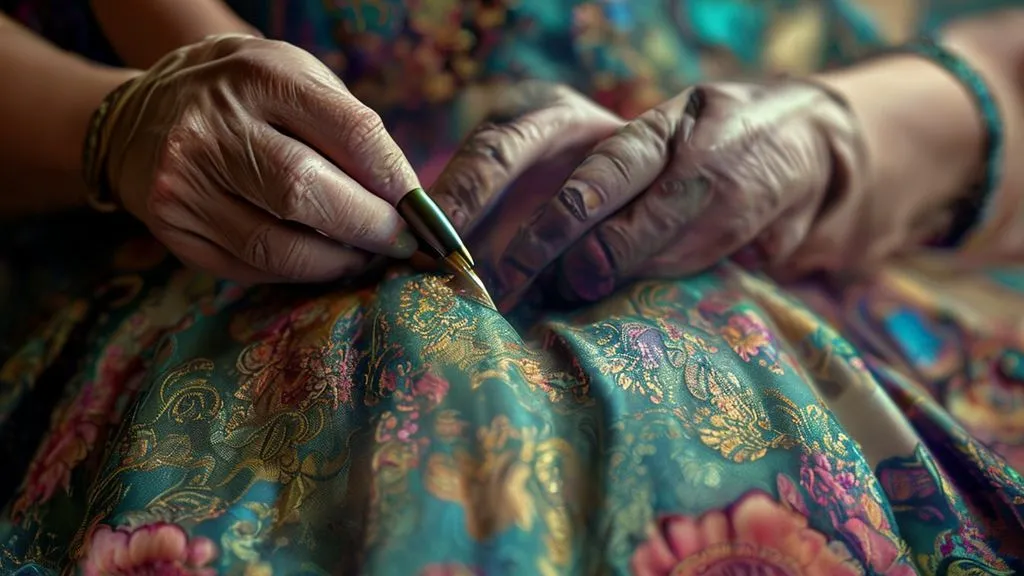
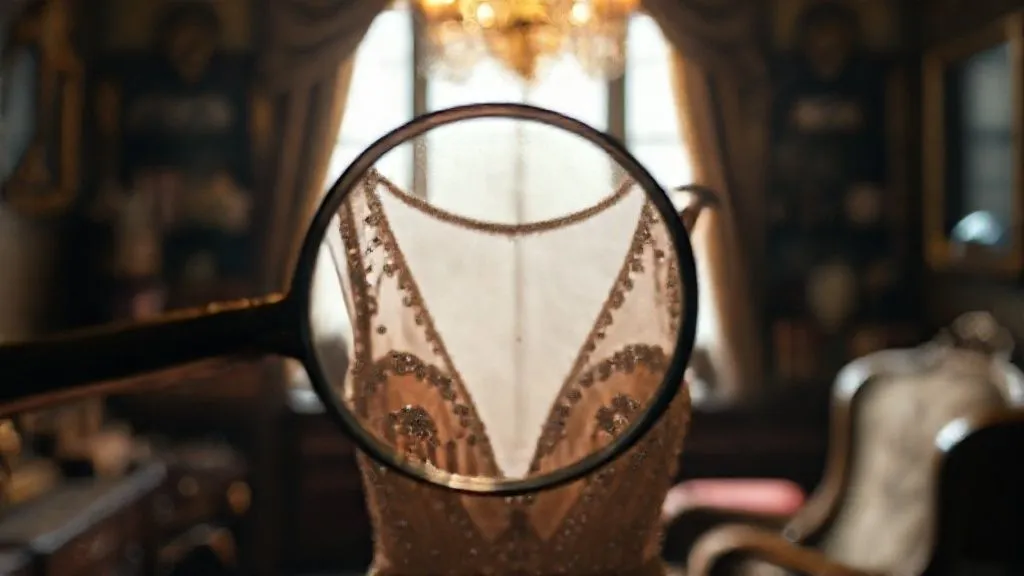
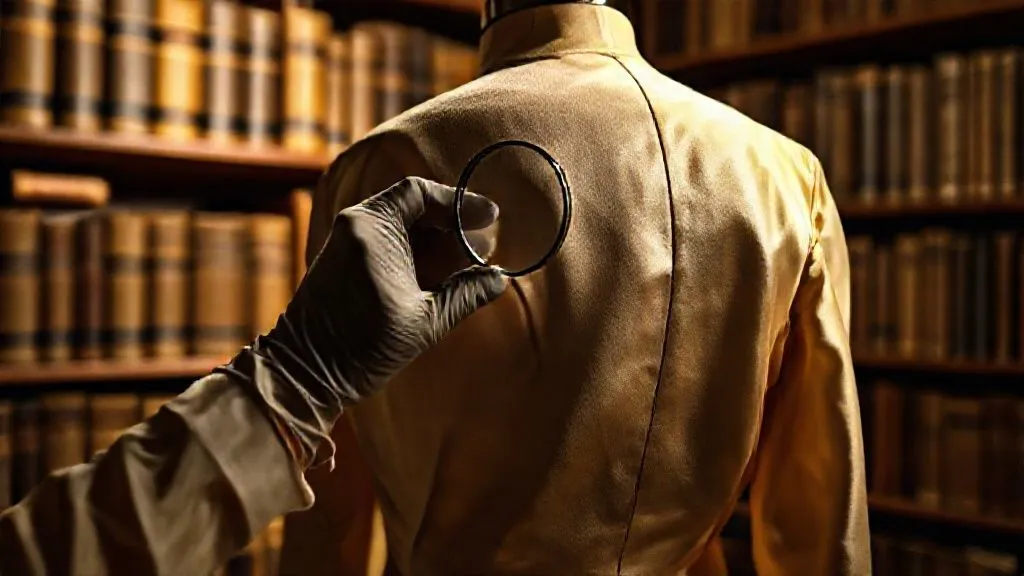
Your email address will not be published. Required fields are marked *