


How to Eliminate Severe Razor Burn Before a Client Pitch?
As someone who's spent decades in menswear and professional image consulting, I've seen countless details make or break a first impression. From the cut of a suit to the shine on one's shoes, every element contributes to how you're perceived. But few are as universally dreaded, or as potentially disastrous for confidence, as severe razor burn erupting just hours before a make-or-break client pitch.
That fiery redness, the painful bumps, the undeniable discomfort – it's not just a physical nuisance; it's a glaring visual distraction that can erode your self-assurance at the very moment you need it most. Imagine trying to command a room, articulate complex ideas, and project unwavering competence when all you can think about is the stinging irritation on your face. It's a scenario I've seen play out, and it's always avoidable.
This isn't merely about looking good; it's about feeling good, which directly translates into performing at your peak. In this definitive guide, I'll walk you through expert-backed, actionable strategies – from immediate crisis intervention to long-term preventative measures – to not just alleviate but truly eliminate severe razor burn. You'll learn frameworks, specific product recommendations, and real-world insights to ensure your grooming never sabotages your professional success again, especially when you need to eliminate severe razor burn before a client pitch.
Immediate Crisis Management: Rapid Relief Strategies
When you discover severe razor burn hours before a critical client pitch, panic is a natural first reaction. However, controlled, swift action is your best ally. My primary goal in these moments is to calm the inflammation, reduce redness, and soothe the pain as quickly as possible.
The Cold Compress & Aloe Vera Power Duo
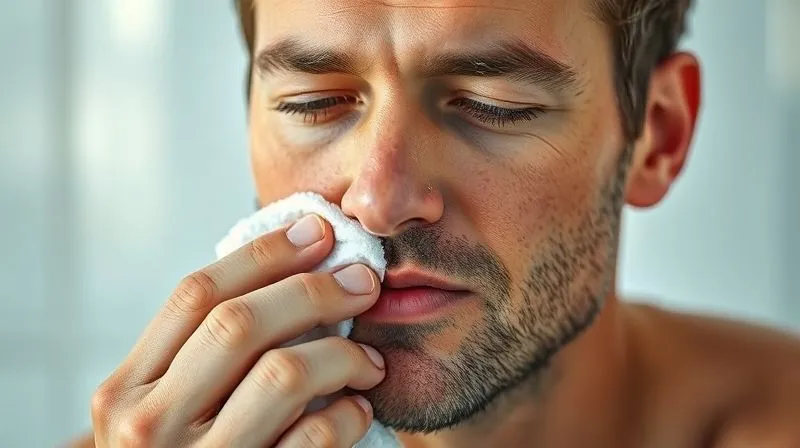
The first line of defense against inflammation is cold. A cold compress constricts blood vessels, reducing swelling and redness. Follow this immediately with pure aloe vera gel, a natural anti-inflammatory and healing agent.
- Prepare the Compress: Soak a clean, soft cloth in ice-cold water, wring it out, and apply it gently to the affected area for 5-10 minutes. Repeat this once or twice if time allows.
- Apply Aloe Vera: After the cold compress, gently pat the skin dry. Apply a generous layer of 100% pure aloe vera gel (ensure it's free of alcohol or artificial fragrances) to the razor burn. Allow it to absorb fully.
- Avoid Rubbing: Do not rub or massage the area. The goal is to soothe, not further irritate.
Hydrocortisone Cream: A Targeted Intervention
For particularly severe, inflamed razor burn, a mild over-the-counter hydrocortisone cream (0.5% or 1%) can be a lifesaver. This corticosteroid reduces inflammation and itching quickly, providing rapid relief.
- Cleanse Gently: Lightly rinse the affected area with cool water and pat dry.
- Thin Layer Application: Apply a very thin layer of hydrocortisone cream directly to the most irritated spots.
- Use Sparingly: This is a short-term solution for emergencies. Do not use it regularly or for prolonged periods, as it can thin the skin.
The Witch Hazel & Tea Tree Oil Calming Protocol
Witch hazel is a natural astringent that can reduce inflammation and redness, while tea tree oil is known for its antiseptic and anti-inflammatory properties. Used correctly, they can significantly calm irritated skin.
- Dilute Tea Tree Oil: Never apply pure tea tree oil directly to the skin. Mix 2-3 drops of pure tea tree oil with a tablespoon of a carrier oil like jojoba or almond oil, or even with your aloe vera gel.
- Apply Witch Hazel: Dab a cotton pad soaked in alcohol-free witch hazel onto the razor burn. Allow it to air dry.
- Follow with Diluted Tea Tree: Gently apply the diluted tea tree oil mixture to the affected areas.
Expert Insight: "In high-pressure situations, every detail counts. Addressing razor burn isn't just about comfort; it's about reclaiming your focus and projecting an image of meticulous professionalism. These immediate steps are your first line of defense against perceived vulnerability."
The Pre-Pitch Shave: Damage Control & Prevention
If you absolutely must shave before your client pitch, even with existing razor burn, the approach must be one of extreme caution and damage control. The goal is to remove stubble without exacerbating the irritation. This requires a complete overhaul of your typical shaving habits for this critical moment.
Gentle Exfoliation: Clearing the Path
Before any shave, especially one under duress, preparing the skin is paramount. Gentle exfoliation helps to lift hairs and clear dead skin cells, preventing ingrown hairs and allowing for a smoother glide. Do this with extreme care if the razor burn is already present.
- Warm Water Rinse: Splash your face with warm water for at least a minute to soften the hairs and open pores.
- Mild Exfoliant: Use a very mild, non-abrasive facial scrub or a soft facial brush in light, circular motions. Focus on areas not severely affected by the current razor burn. If the burn is widespread, skip this step to avoid further irritation.
- Rinse Thoroughly: Ensure all exfoliating particles are removed.
The Warm Water & Pre-Shave Oil Ritual
A proper pre-shave routine isn't a luxury; it's a necessity for sensitive skin. Warm water softens the beard, and a quality pre-shave oil creates a protective barrier, allowing the blade to glide effortlessly.
- Hot Towel Method: Apply a hot, damp towel to your face for 2-3 minutes. This further softens the hair and relaxes the skin.
- Pre-Shave Oil Application: Massage a few drops of a high-quality pre-shave oil (look for ingredients like jojoba, grapeseed, or almond oil) into your beard. Allow it to sit for 30-60 seconds to fully penetrate.
- Lather Up: Apply a rich, creamy shaving cream or gel, ideally one designed for sensitive skin, using a badger hair brush if you have one. This creates a thick, protective lather.
Mastering the Single-Pass Shave Technique
This is where most men go wrong. Multiple passes over the same area, especially against the grain, are primary culprits for razor burn. For a pre-pitch shave, focus on efficiency and minimizing skin contact.
- Sharp Blade is Non-Negotiable: Use a brand-new, sharp razor blade. A dull blade pulls and drags, causing micro-tears.
- Shave with the Grain ONLY: Identify the direction of your hair growth and shave strictly with the grain. This reduces irritation significantly.
- Light Pressure, Short Strokes: Use minimal pressure. Let the blade do the work. Use short, controlled strokes.
- Rinse Blade Frequently: Rinse your blade after every few strokes to prevent clogging and maintain efficiency.
- Avoid Re-Lathering & Re-Shaving: Resist the urge to go back over areas for a 'perfectly smooth' finish if it means irritating existing razor burn. A slightly less close shave is preferable to visible irritation.
| Shaving Method | Irritation Level | Closeness | Recommendation for Pitch |
|---|---|---|---|
| With the Grain | Low | Good | Highly Recommended |
| Across the Grain | Medium | Very Good | Avoid if Burn Present |
| Against the Grain | High | Excellent | Strictly Avoid |
| Electric Shaver (Clean) | Low-Medium | Moderate | Consider for Speed |
Post-Shave Sanctuary: Healing & Protection
The moments immediately after shaving are crucial for preventing and treating razor burn. This is when your skin is most vulnerable and receptive to soothing agents. Don't skip these steps, especially when you're trying to eliminate severe razor burn before a client pitch.
Alcohol-Free Aftershave Balms: Your Skin's Best Friend
Traditional alcohol-based aftershaves might offer a 'sting' that feels clean, but they strip your skin of natural oils and exacerbate irritation. Opt for balms specifically formulated for sensitive skin.
- Cool Rinse: After shaving, rinse your face with cool water to close pores and remove any residual shaving cream.
- Gentle Pat Dry: Use a clean, soft towel and gently pat your face dry. Do not rub.
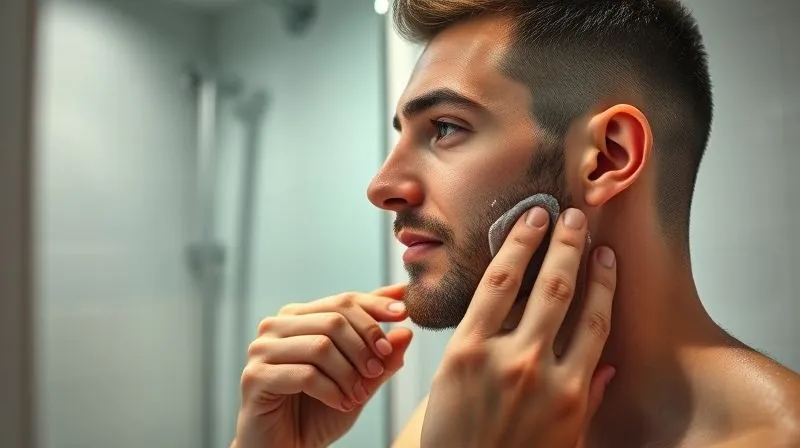
- Apply Balm: Dispense a small amount of an alcohol-free aftershave balm (look for ingredients like shea butter, glycerin, bisabolol, or oats) into your palms and gently massage it into your shaved areas.
Hydration is Key: Moisturizers with Soothing Ingredients
Beyond aftershave, consistent hydration is vital for skin barrier repair and resilience. A good moisturizer locks in moisture and delivers key soothing ingredients.
- Choose Wisely: Select a non-comedogenic moisturizer that contains calming ingredients like hyaluronic acid, ceramides, or niacinamide. Avoid heavy, oily formulas that can clog pores.
- Regular Application: Apply your moisturizer morning and night, and especially after shaving.
- Listen to Your Skin: If your skin feels tight or dry, it's asking for more hydration.
Sun Protection: Guarding Against Further Irritation
Sun exposure can worsen razor burn and delay healing. If your pitch involves any outdoor element, or even just commuting, protecting your skin is non-negotiable.
- Broad-Spectrum SPF: Use a broad-spectrum sunscreen with at least SPF 30.
- Gentle Formula: Choose a sunscreen formulated for sensitive skin, preferably mineral-based (zinc oxide or titanium dioxide) as these are generally less irritating.
- Apply Generously: Apply it as the last step in your morning routine, after your moisturizer.
Diet, Hydration, and Lifestyle: The Internal Battle Against Irritation
You might be surprised to learn how much your internal state impacts your external appearance. For serious skin issues like severe razor burn, what you put into your body and how you manage stress can be just as crucial as topical treatments. This holistic approach is often overlooked but provides a robust foundation for skin health.
Anti-Inflammatory Foods: Fueling Skin Health
Your diet plays a significant role in your body's inflammatory response. Incorporating anti-inflammatory foods can help reduce systemic inflammation, which in turn can improve skin resilience and healing.
- Omega-3 Fatty Acids: Found in fatty fish (salmon, mackerel), flaxseeds, and walnuts. These are powerful anti-inflammatories.
- Antioxidant-Rich Foods: Berries, leafy greens, colorful vegetables, and green tea are packed with antioxidants that combat cellular damage.
- Avoid Inflammatory Triggers: Minimize processed foods, excessive sugar, unhealthy fats, and dairy, which can exacerbate inflammation in some individuals.
Hydration: The Unsung Hero of Skin Resilience
Adequate water intake is fundamental for healthy, resilient skin. Dehydrated skin is more prone to irritation and takes longer to heal. Think of your skin cells like plump grapes when hydrated, and shriveled raisins when not.
- Consistent Intake: Aim for at least 8 glasses of water daily. Keep a water bottle handy.
- Limit Dehydrators: Reduce intake of caffeine and alcohol, which can contribute to dehydration.
- Herbal Teas: Incorporate soothing herbal teas like chamomile or peppermint for added hydration and calming benefits.
Stress Management: The Hidden Trigger
Stress is a notorious culprit for exacerbating various skin conditions, including inflammation and irritation. High stress levels can disrupt hormone balance and compromise the skin's barrier function, making it more susceptible to razor burn and slowing down healing.
- Mindfulness & Meditation: Even 10-15 minutes of mindfulness or meditation can significantly lower stress hormones.
- Adequate Sleep: Prioritize 7-9 hours of quality sleep. This is when your body, including your skin, repairs itself.
- Physical Activity: Regular exercise is a proven stress reducer, improving circulation and overall well-being.
Case Study: How Alex Transformed His Pre-Pitch Skin
Alex, a rising star in tech sales, frequently suffered from severe razor burn, especially when under pressure for big client pitches. His skin would often flare up the night before, leaving him self-conscious and distracted. After a particularly disastrous pitch where his visible irritation undermined his confidence, he sought my advice. We focused on a holistic shift: he incorporated more omega-3s and leafy greens into his diet, committed to drinking 3 liters of water daily, and started a 15-minute guided meditation practice each morning. Within three weeks, his skin's overall health dramatically improved. His razor burn incidents became rare, and when they did occur, they were far less severe and healed much faster. This not only boosted his physical appearance but profoundly enhanced his mental clarity and confidence during pitches, directly impacting his closing rates.
The Emergency Camouflage: When All Else Fails
Sometimes, despite your best efforts, a stubborn patch of razor burn persists. For those absolute emergency situations before a client pitch, a subtle cosmetic intervention can be a discreet lifesaver. The key here is 'subtle' – you want to neutralize redness, not look like you're wearing makeup.
Green Color Corrector: Neutralizing Redness
The color wheel is your friend here. Green is opposite red, meaning a tiny amount of green-tinted product can effectively cancel out redness, making it less noticeable to the naked eye.
- Choose a Lightweight Formula: Opt for a liquid or cream green color corrector that is lightweight and blendable.
- Pinpoint Application: Apply a tiny dot of the green corrector directly onto the reddest areas of the razor burn.
- Blend Gently: Using a clean fingertip or a small, clean makeup brush, gently tap and blend the product into the skin. Do not rub. You should see the redness visibly diminish.
Lightweight Concealer: A Touch-Up for Flawless Finish
After neutralizing the redness, a very thin layer of concealer can further perfect the area, blending it seamlessly with your natural skin tone. This step requires precision and a light hand.
- Match Your Skin Tone: Select a concealer that perfectly matches your skin tone. Test it on your jawline in natural light.
- Minimal Application: Apply a tiny amount of concealer over the green-corrected areas.
- Dab and Blend: Use your ring finger or a damp beauty sponge to gently dab and blend the concealer outwards, feathering the edges so there are no visible lines. The goal is to make it undetectable.
- Set (Optional): If you have oily skin or need extra staying power, a very light dusting of translucent setting powder can help.
Expert Insight: "The art of emergency camouflage for men is about mastery of subtlety. No one should ever know you've used it. It's a tool for confidence, not a mask. Less is always more, especially when you need to eliminate severe razor burn before a client pitch."
Long-Term Prevention: Breaking the Razor Burn Cycle
While immediate fixes are crucial for the pre-pitch emergency, true mastery lies in prevention. Breaking the cycle of razor burn requires a commitment to understanding your skin and refining your shaving routine. This investment pays dividends in consistent comfort and confidence.
Invest in Quality Tools: The Foundation of a Smooth Shave
You wouldn't use a dull knife to carve a steak, so why use a cheap, ineffective razor on your face? The quality of your shaving tools is paramount.
- Sharp Blades: Always use a fresh, sharp blade. Replace disposable cartridges every 5-7 shaves, or sooner if you feel any tugging. For safety razors, change blades after 2-3 shaves.
- Quality Razor: Invest in a well-balanced razor. Whether it's a multi-blade cartridge, a safety razor, or an electric shaver, ensure it's reputable and well-maintained.
- Good Shaving Cream/Soap: Ditch aerosol foams. Opt for rich, lubricating creams or soaps that create a dense lather, providing a cushion between the blade and your skin.
For more insights on selecting the right tools, consider exploring resources like The Art of Manliness's shaving guides, which offer comprehensive advice on traditional shaving methods.
Understanding Your Skin: Tailoring Your Routine
No two faces are exactly alike. Your skin type and beard growth pattern should dictate your personalized shaving and skincare regimen.
- Sensitive Skin: Prioritize fragrance-free, alcohol-free products. Consider a single-blade safety razor or a high-quality electric shaver if multi-blade razors cause irritation.
- Coarse Hair: Ensure thorough pre-shave preparation to soften the beard. You might benefit from a heavier pre-shave oil.
- Growth Direction: Map your beard growth. Shave with the grain first, and only go across the grain (never against) if absolutely necessary for closeness, and only in areas without current irritation.
The Importance of Blade Hygiene and Replacement
A surprising number of razor burn cases stem from poor blade hygiene. Bacteria thrive in damp environments, and a dirty blade is an invitation for infection and irritation.
- Rinse Thoroughly: After each shave, rinse your razor thoroughly under hot water to remove all hair and product residue.
- Air Dry: Store your razor in a way that allows it to air dry completely, preventing bacterial growth. Avoid leaving it in a damp shower.
- Regular Replacement: As mentioned, replace blades frequently. A dull blade is the enemy of smooth skin.
According to dermatological studies, such as those published in the Journal of the American Academy of Dermatology, proper shaving technique and hygiene are critical in preventing common shaving-related skin conditions.
Mastering Your Pre-Pitch Routine: A Checklist for Success
Integrating these strategies into a consistent pre-pitch routine will not only prevent razor burn but also significantly boost your overall confidence. This isn't just about looking good; it's about eliminating a potential source of anxiety and allowing you to fully focus on delivering your best.
- The Night Before:
- Hydrate well (water, not alcohol).
- Get 7-9 hours of quality sleep.
- Gently cleanse and moisturize your face.
- Morning of the Pitch (Allow 30-45 minutes):
- Warm Shower/Hot Towel: Soften beard for 5-10 minutes.
- Gentle Exfoliation: (If no severe existing burn) Mild scrub.
- Pre-Shave Oil: Apply generously.
- Rich Lather: Use a quality sensitive-skin shaving cream.
- Single-Pass Shave: With a sharp blade, with the grain ONLY, light pressure.
- Cool Rinse: Close pores.
- Alcohol-Free Aftershave Balm: Soothe and hydrate.
- Moisturizer + SPF: Protect and nourish.
- Emergency Camouflage: (If needed) Green corrector + light concealer.
- Throughout the Day:
- Stay hydrated.
- Avoid touching your face excessively.
Developing this routine makes you resilient to last-minute grooming mishaps. Remember, confidence is your most powerful tool in any client pitch. For further reading on professional image, I often refer to insights from experts like those featured on Harvard Business Review, which frequently touch upon personal presentation as a component of professional credibility.
Frequently Asked Questions (FAQ)
Question: Can I shave over razor burn if I absolutely have to? While it's strongly advised against, if you must, follow the 'Pre-Pitch Shave: Damage Control' section meticulously. Use a brand-new, sharp blade, shave strictly with the grain, apply zero pressure, and use a rich lather. Be prepared for potential worsening of irritation, and prioritize immediate soothing steps afterward.
Question: How long does severe razor burn typically last? Mild razor burn can subside within a few hours to a day. Severe razor burn, with significant redness, bumps, and irritation, can last anywhere from 2-3 days to over a week, especially if not properly treated. Consistent soothing and prevention are key to reducing its duration.
Question: Are electric shavers better for sensitive skin prone to razor burn? Often, yes. Electric shavers typically don't cut as close as blade razors, which means less direct contact and friction with the skin. This can significantly reduce irritation for many individuals. Ensure your electric shaver is clean, charged, and used on dry skin for best results.
Question: What ingredients should I avoid in shaving products if I get razor burn easily? Avoid products containing high concentrations of alcohol (denatured alcohol, isopropyl alcohol), strong synthetic fragrances, menthol, or eucalyptus, as these can be highly irritating and drying for sensitive skin. Look for labels that say 'alcohol-free,' 'fragrance-free,' or 'for sensitive skin.'
Question: Is it possible to completely prevent razor burn? While no method is 100% foolproof, consistent adherence to proper shaving techniques, using quality tools, maintaining excellent hygiene, and taking a holistic approach to skin health can drastically reduce the frequency and severity of razor burn. For many, it can lead to almost complete prevention.
Key Takeaways and Final Thoughts
Navigating the challenge of severe razor burn before a client pitch is more than just a grooming task; it's a strategic move to safeguard your confidence and professional image. I've walked countless professionals through these very steps, and the transformation is always profound – not just in appearance, but in their ability to perform under pressure.
- Act Swiftly: Immediate cold compresses, aloe vera, and targeted hydrocortisone can mitigate the crisis.
- Shave Smart: Prioritize a single-pass, with-the-grain shave using sharp blades and ample lubrication.
- Soothe & Protect: Alcohol-free aftershaves, moisturizers, and SPF are non-negotiable post-shave.
- Holistic Health: Your diet, hydration, and stress levels profoundly impact skin resilience.
- Master Camouflage: Learn to subtly neutralize redness with green corrector and concealer for emergencies.
- Prevent Relapses: Invest in quality tools, understand your skin, and maintain impeccable blade hygiene for long-term freedom from razor burn.
Remember, your presence in that pitch room speaks volumes before you even utter a word. By mastering these techniques to eliminate severe razor burn before a client pitch, you're not just fixing a skin issue; you're investing in your professional poise and ensuring that your focus remains squarely on your message, not on a preventable distraction. Go forth, groomed and confident, and close that deal.
Recommended Reading
- Unlock the Secrets: How to Create Dramatic Fashion Photography Lighting Outdoors?
- Revitalize Luxury: What to Do When Accessory Sales Decline from Sameness?
- Unlock Radiant Skin: Your Ultimate Guide to a Holistic Beauty Routine for Acne
- 7 Proven Strategies: Differentiating Luxury Fitness Fashion in a Crowded Market
- 1950s Dresses: Which Neckline Flatters You Most? Find Out!





Your email address will not be published. Required fields are marked *