

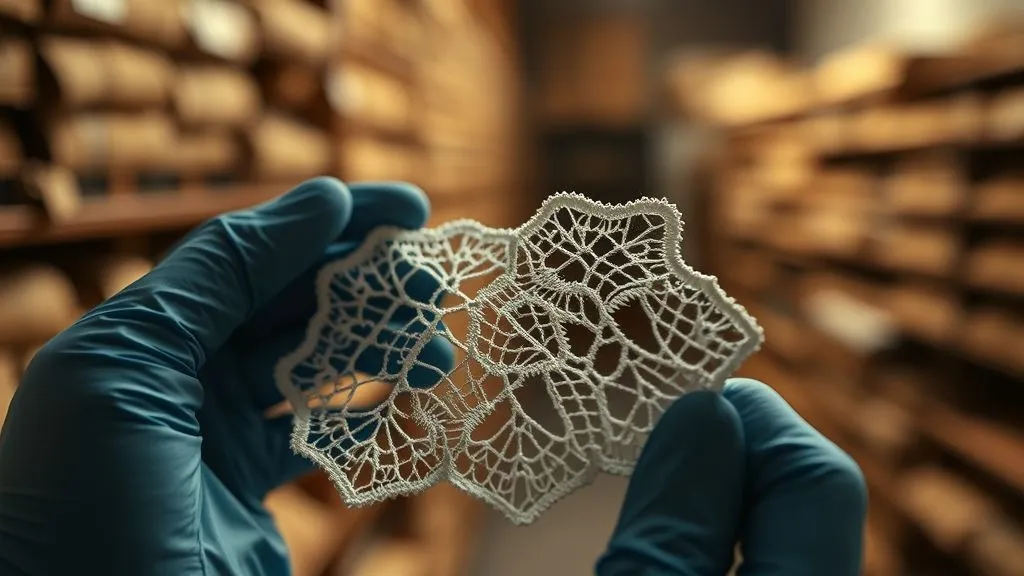
Preventing irreversible damage to delicate 19th-century lace?
For over three decades in the world of vintage fashion and textile conservation, I've witnessed the heartbreaking loss of countless exquisite pieces of 19th-century lace. I recall one instance where a magnificent Brussels point de gaze collar, a true masterpiece of its time, arrived in my studio, having been stored for generations in a cedar chest – a well-intentioned but ultimately devastating choice that left it brittle, discolored, and almost beyond rescue. This isn't just about fabric; it's about history, artistry, and the tangible echoes of lives lived.
The allure of 19th-century lace lies in its intricate beauty and the painstaking skill of its makers, but its very delicacy makes it profoundly vulnerable. These heirlooms, often passed down through families, face a myriad of threats: from the subtle creep of environmental degradation to the accidental snags of enthusiastic admirers, and perhaps most insidiously, the well-meaning but misguided attempts at preservation or cleaning. The pain point is clear: how do we safeguard these fragile treasures from irreversible harm without locking them away forever?
In this comprehensive guide, I will share my accumulated wisdom, providing you with actionable frameworks and expert insights to not only protect your delicate 19th-century lace but also understand its unique needs. We’ll delve into the science of textile degradation, explore museum-quality handling and storage techniques, debunk common myths about cleaning, and equip you with the knowledge to ensure these beautiful fragments of history endure for future generations. Consider this your essential roadmap to becoming a vigilant guardian of vintage lace.
Understanding the Enemy: The Unique Vulnerabilities of 19th-Century Lace
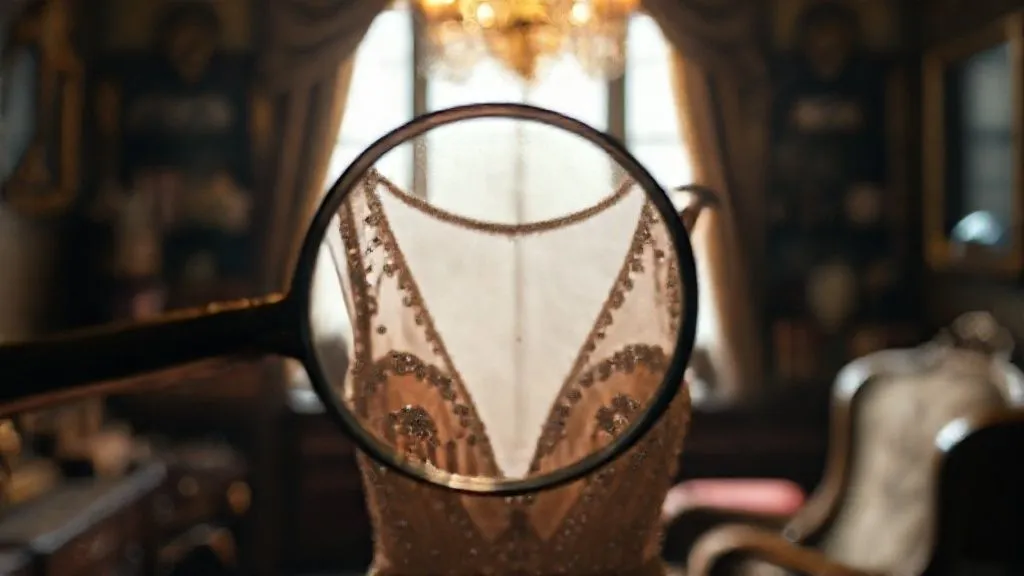
Before we can protect, we must understand. Nineteenth-century lace, whether machine-made or painstakingly handcrafted, carries inherent vulnerabilities that differ significantly from modern textiles. These weaknesses are often rooted in the materials, dyes, and construction methods of the era.
Fiber Degradation: Cotton, Linen, and Silk
The primary fibers used in 19th-century lace were cotton, linen, and silk, each with its own Achilles' heel. Cotton and linen, cellulosic fibers, are susceptible to acid hydrolysis, which can break down their molecular structure, leading to brittleness and yellowing. Silk, a protein fiber, is even more fragile, prone to degradation from light exposure, high humidity, and even residual acidic compounds from its original processing or storage materials. Over time, these fibers lose their elasticity and strength, becoming incredibly fragile to the touch.
Dye Instability and Fugitive Colors
The 19th century saw a revolution in synthetic dyes, but many early iterations were highly unstable. Exposure to light, even indirect ambient light, can cause these dyes to fade dramatically or, worse, change color entirely. Certain metallic salts used as mordants could also accelerate fiber degradation. I've seen vibrant blues turn to dull greys, and delicate pinks vanish completely, leaving behind ghost-like patterns where color once thrived.
Structural Integrity and Hand-Stitching
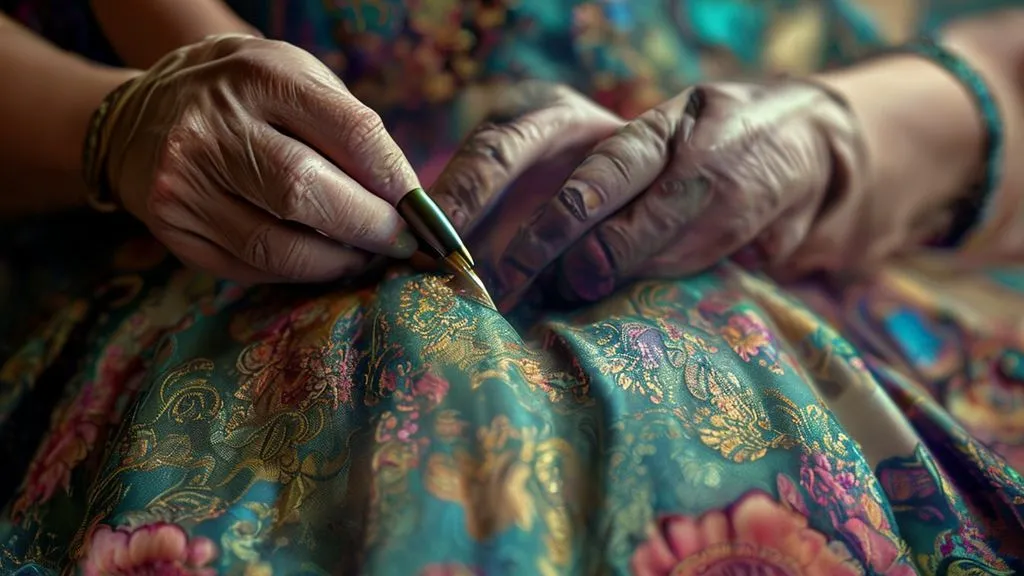
Much of the finest 19th-century lace was hand-stitched, or at least hand-finished, with incredibly fine threads. These delicate stitches can break with minimal stress, leading to unraveling. Machine-made laces, while more robust in some ways, still suffer from the inherent fragility of aged fibers. The very open structure of lace means there's less material to bear stress, making it prone to tearing and distortion.
“In the realm of historical textiles, prevention is not just better than cure; it is often the *only* cure. Once a fiber's integrity is compromised, full restoration to its original state is rarely, if ever, possible.”
The Golden Rules of Handling: Touch with Reverence
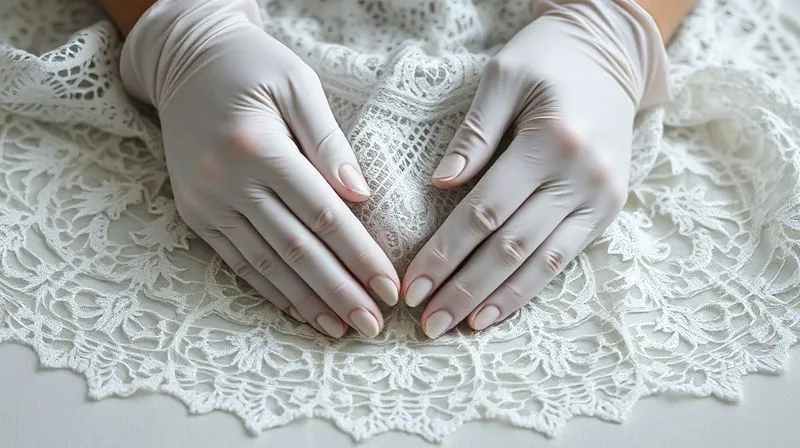
The most common cause of damage to delicate lace is improper handling. Every touch, every movement, carries a risk. I cannot stress enough the importance of approaching these pieces with a museum conservator's mindset.
The fibers of antique lace, even those that appear robust, have lost much of their original tensile strength. Oils and acids from our skin, though invisible, can transfer to the lace, accelerating degradation. Dust and microscopic debris can also act as abrasives. Therefore, meticulous preparation is paramount.
- Prepare Your Space: Ensure you have a clean, flat, uncluttered work surface. Avoid eating or drinking nearby.
- Wash Your Hands: Thoroughly wash your hands with plain soap and water, ensuring they are completely dry before proceeding.
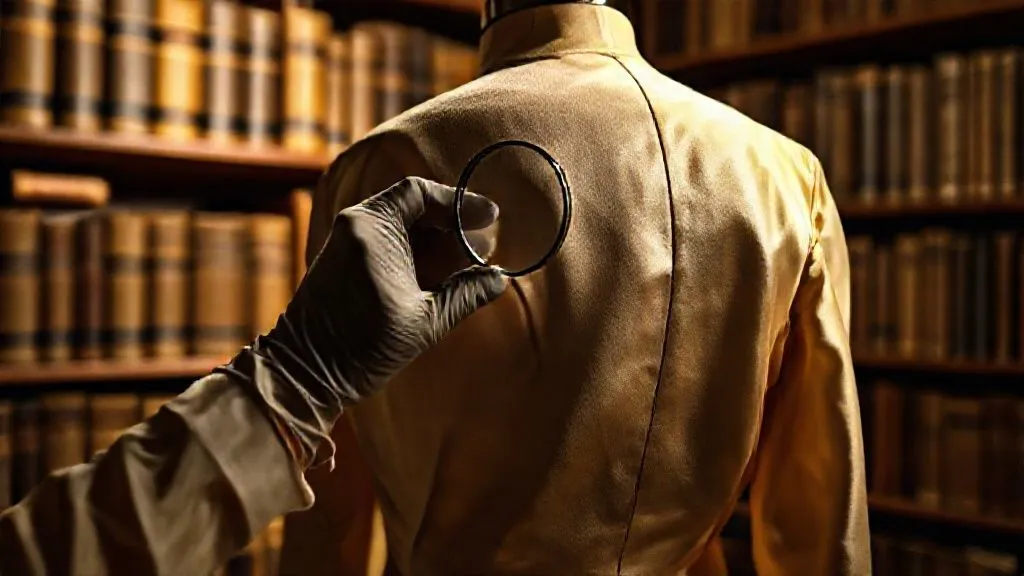
- Wear Gloves: Always wear clean, white cotton or nitrile gloves. Cotton gloves offer good dexterity but can snag on very delicate threads, so nitrile might be preferable for extremely fragile pieces. Change gloves frequently if they become soiled.
- Minimize Contact: Handle lace as little as possible. If you need to move it, support it fully from underneath, ideally on a piece of acid-free tissue or board. Never pick up lace by a single point or allow it to dangle.
- Avoid Pressure: Do not press down on the lace, stretch it, or pull it. Even gentle pressure can break brittle threads.
- Use Tools Wisely: For very fine adjustments, consider using blunt-ended tweezers or spatulas, but only if you are confident in your technique and the lace's stability.
- Limit Exposure: Keep handling sessions brief. The less time the lace is exposed to ambient air, light, and potential contaminants, the better.
Crafting the Perfect Sanctuary: Storage Solutions for Longevity
Once you've handled your lace with the utmost care, the next crucial step is to provide it with a safe and stable long-term home. Improper storage is a leading cause of irreversible damage, from yellowing and brittleness to pest infestations.
Acid-Free Materials: Boxes, Tissue, and Boards
The materials that touch your lace are just as important as the environment. Regular cardboard boxes and tissue paper contain lignins and acids that will, over time, leach into the fibers of your lace, causing irreversible yellowing and degradation. Always opt for archival-quality, acid-free, and lignin-free storage materials.
- Archival Boxes: These are typically made from corrugated board that has been pH-neutral (acid-free) and buffered to help neutralize any incoming acids.
- Acid-Free Tissue: Use this to gently cushion and separate layers of lace. Avoid colored tissue, as dyes can bleed.
- Padded Boards/Rolls: For larger pieces or those with significant three-dimensional elements, consider rolling them onto acid-free tubes padded with polyester batting and covered with unbleached cotton muslin. Ensure the roll is wide enough to prevent creasing.
- Unbleached Muslin: This natural fiber fabric is excellent for wrapping individual pieces of lace or lining boxes, providing a breathable barrier.
Environmental Control: Temperature, Humidity, Light
The environment surrounding your stored lace is a silent determinant of its fate. Fluctuations in temperature and humidity, along with exposure to light, are major accelerants of degradation.
- Temperature: Aim for a stable temperature between 60-70°F (15-21°C). Avoid attics, basements, or garages where temperatures can swing wildly.
- Relative Humidity (RH): A consistent RH of 45-55% is ideal. High humidity encourages mold growth and insect activity, while low humidity can cause fibers to become brittle. Dehumidifiers or humidifiers might be necessary depending on your climate.
- Light: Light, especially UV light, is incredibly damaging to textiles, causing fading and fiber degradation. Store lace in darkness within opaque archival boxes. If displaying, use UV-filtering glass and keep exposure to a minimum, rotating pieces regularly.
Pest Management: A Silent Threat
Insects like silverfish, carpet beetles, and moths view natural fibers as a gourmet meal. A single infestation can devastate a collection. Regular inspection is key.
- Cleanliness: Keep storage areas meticulously clean and dust-free.
- Sealed Boxes: Archival boxes, when properly closed, offer a good barrier against pests.
- Avoid Naphthalene (Mothballs): These chemicals are toxic, leave a persistent odor, and can accelerate textile degradation.
- Interceptors: Consider placing pheromone traps or sticky traps in the storage area to monitor for pest activity, but keep them away from direct contact with the lace.
For more detailed guidelines on textile preservation, I often refer to resources from leading institutions like the American Institute for Conservation (AIC), which offers invaluable insights for both professionals and enthusiasts.
| Storage Factor | Ideal Range | Risk of Deviation |
|---|---|---|
| Temperature | 60-70°F (15-21°C) | Fiber brittleness, mold growth |
| Relative Humidity | 45-55% RH | Mold, insect activity (high); Fiber brittleness (low) |
| Light Exposure | Darkness (UV-filtered for display) | Fading, fiber degradation, yellowing |
| Materials Contact | Acid-free, lignin-free | Acid hydrolysis, yellowing, staining |
| Pest Control | Clean, sealed, monitored | Irreversible fiber loss, holes, contamination |
To Clean or Not to Clean? Navigating the Perilous Waters of Lace Cleaning
This is perhaps the most contentious and risky aspect of lace preservation. My mantra, forged through years of experience, is simple: when in doubt, do nothing. And if you must do something, consult a professional. The desire to restore a piece to its pristine, 'original' white often leads to its destruction.
Professional Conservation vs. DIY
The vast majority of 19th-century lace should never be cleaned by an amateur. Professional textile conservators possess specialized knowledge of fiber chemistry, dye stability, and cleaning agents. They have access to controlled environments and equipment that can minimize risk. They can also perform spot tests and microscopic analysis to determine the safest approach.
Spot Cleaning: When Absolutely Necessary
If a piece of lace has a very localized, fresh, and non-greasy stain, very careful spot cleaning might be considered, but only after extensive testing on an inconspicuous area. Use distilled water and a clean cotton swab, gently dabbing (never rubbing) the area. This is a high-risk maneuver and should be avoided unless absolutely necessary for the preservation of the piece.
The Dangers of Water, Detergents, and Bleach
- Water: Even distilled water can cause dyes to bleed, fibers to swell and distort, or accelerate existing degradation in brittle lace.
- Detergents: Most household detergents are too harsh, contain optical brighteners that can yellow over time, or leave residues that attract dirt and degrade fibers.
- Bleach: Never, under any circumstances, use bleach on antique lace. Bleach is a powerful oxidizer that will irreversibly damage and dissolve cellulosic and protein fibers, turning them to dust. The allure of a 'whiter than white' result is a direct path to destruction.
Emergency First Aid: Responding to Accidental Damage
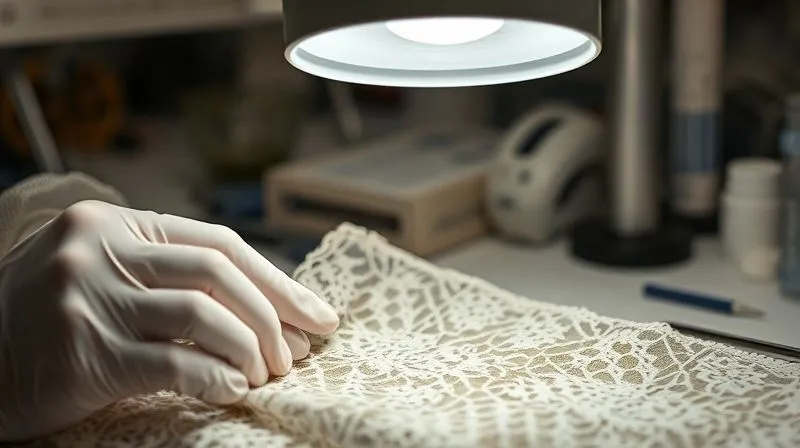
Despite all precautions, accidents can happen. A sudden tear, a spill, or an unexpected encounter with a curious pet can be devastating. The key is to act quickly and calmly, prioritizing stabilization over immediate repair.
I've coached countless collectors through these panicked moments. The first rule is always: do not attempt to fix it yourself. Your goal is to prevent further damage until a professional can assess and intervene.
- Assess Without Touching: Take a deep breath. Visually assess the damage without physically touching the compromised area.
- Contain the Damage: If a piece has torn or shed fragments, carefully collect any detached pieces. Place them in a small, clearly labeled, acid-free envelope or container.
- Support the Area: Gently slide a piece of acid-free tissue or board underneath the damaged section to provide support. Do not attempt to re-align torn edges or pull at loose threads.
- Isolate the Item: Place the damaged lace in an acid-free box, ensuring it is flat and well-supported, away from any potential further disturbance.
- Document the Incident: Take clear photographs of the damage. Note the date, time, and circumstances of the accident. This information will be invaluable to a conservator.
- Contact a Professional: Immediately reach out to a qualified textile conservator. They will guide you on the next steps, including how to safely transport the piece for evaluation.
Temporary Stabilization Techniques
In rare, extreme cases where immediate professional help is unavailable and further damage is imminent (e.g., a large tear in a heavily used display piece), a temporary, non-invasive stabilization might be considered. This would involve gently placing a piece of very fine, sheer, unbleached silk crepeline over the damaged area and securing it *outside* the lace's perimeter with tiny, widely spaced stitches using a very fine needle and silk thread. This is a last resort and should be reversible. Again, consultation with a conservator is paramount before attempting this.
When to Call a Professional Conservator
Always call a professional conservator for:
- Any significant tears, holes, or structural damage.
- Stains that are old, greasy, or cover a large area.
- Yellowing or discoloration that affects the aesthetic or structural integrity.
- Lace that has become brittle, stiff, or unusually fragile.
- Mold or mildew growth.
- Pest infestation evidence.
- When you are unsure about any aspect of cleaning or repair.
Finding a qualified textile conservator is critical. Organizations like the Textile Society of America or the Institute of Conservation (ICON) in the UK can often provide directories or recommendations.
Case Study: Rescuing the 'Empress Eugénie' Lace Fragment
Case Study: How a Neglected Heirloom Found New Life
Let me share a fictional, yet highly realistic, account inspired by countless pieces I've encountered. A few years ago, a client, Mrs. Eleanor Vance, inherited a small, exquisitely detailed fragment of Chantilly lace, believed to have once adorned a gown worn by Empress Eugénie. It was a family heirloom, carefully stored – or so they thought – in a velvet-lined jewelry box for decades. Upon examination, I discovered the velvet had deteriorated, releasing acidic compounds that had caused severe localized discoloration and embrittlement where it touched the lace. Furthermore, the fragment had been folded repeatedly, creating permanent creases and fiber breaks.
The Intervention Plan
Our intervention began with meticulous documentation and photographic evidence. We performed microscopic analysis to determine the fiber type (silk) and the extent of the acid damage. My team and I developed a multi-stage conservation plan:
- Stabilization: The lace was gently humidified in a controlled chamber to reduce brittleness, allowing for careful unfolding without further breakage.
- Surface Cleaning: Using micro-suction and very soft brushes, we removed surface dust and debris.
- Targeted Washing (Extremely Controlled): A highly localized, extremely dilute, pH-neutral detergent solution was applied with micro-pipettes to the discolored areas, followed by multiple rinses with distilled water, all under constant microscopic observation. This was a painstaking process, taking hours for a small area.
- Support and Mounting: Once dry, the lace was too fragile to handle directly. We meticulously mounted it onto a custom-cut, acid-free museum board, using fine, hair-thin silk threads to secure it at strategic, non-stress points. This provided crucial support and prevented further folding or creasing.
Long-Term Preservation Success
The result was not a 'new' piece of lace, but a stabilized, preserved fragment that could now be safely handled, studied, and admired. The discoloration was significantly reduced, the brittleness mitigated, and its structural integrity secured. Mrs. Vance now stores the mounted lace in an archival, climate-controlled display case, diligently monitoring its condition. This case perfectly illustrates that while irreversible damage cannot always be undone, expert intervention can prevent further deterioration and preserve the artifact for generations, ensuring its story continues.
Documentation and Legacy: Preserving the Story Along with the Fabric
Beyond the physical preservation of the lace itself, lies the equally important task of preserving its story. Every piece of antique lace carries a narrative – of its maker, its wearers, and the events it witnessed. This documentation adds immense value, both historical and sentimental, and can aid future conservators.
I always advise my clients that a piece of lace without its provenance is merely a beautiful object; with its story, it becomes a living piece of history. This practice aligns perfectly with the principles of institutions like the Smithsonian Institution, which emphasize the importance of context.
What should you document?
- Acquisition Information: When, where, and from whom the lace was acquired.
- Provenance: Any known history of ownership, including family stories, photos of the lace being worn, or associated documents.
- Description: Detailed physical description of the lace – type (e.g., Alençon, Honiton, machine-made), fiber content (if known), dimensions, color, and any identifying features.
- Condition Report: A thorough description of its current condition, noting any existing damage, repairs, or discoloration. Include dated photographs.
- Conservation History: Details of any previous conservation treatments, including who performed them, when, and what methods were used.
- Storage Conditions: A record of how the lace is currently stored, including materials used, temperature, and humidity.
- Personal Reflections: Any personal stories or connections you have with the lace.
Keep this documentation in an acid-free folder, separate from the lace itself, but stored nearby for easy reference. Regularly update the condition report and photographs, perhaps annually, to monitor for any changes. This proactive approach is a cornerstone of responsible stewardship.
Frequently Asked Questions (FAQ)
Question: How do I remove yellowing from old lace?
Answer: Yellowing is often a sign of fiber degradation (acid hydrolysis, oxidation) or contact with acidic materials. It is extremely difficult, and often impossible, to reverse safely without causing further damage. Never use bleach or harsh whitening agents. A professional conservator might attempt a controlled, very gentle aqueous treatment under specific conditions, but even then, complete removal of yellowing is not guaranteed and carries significant risk. In most cases, it's best to accept the natural patina of age and focus on preventing further yellowing through proper storage.
Question: Can I wear antique lace?
Answer: While the desire to wear such beautiful pieces is understandable, I strongly advise against wearing 19th-century lace, especially delicate pieces. The stress of wearing (movement, body oils, perfume, snags) will almost certainly cause irreversible damage to aged and fragile fibers. If you absolutely must, consider displaying it on a dress form in a climate-controlled environment or using a modern reproduction for actual wear. The risk of losing a priceless heirloom far outweighs the fleeting joy of wearing it.
Question: What's the best way to display vintage lace?
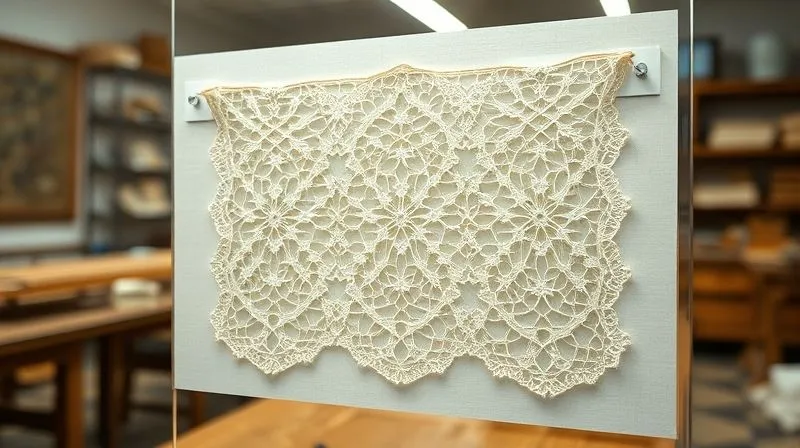
Answer: For display, mount the lace on an acid-free, fabric-covered board (using unbleached cotton or linen) and place it in a sealed frame with UV-filtering glass. Ensure the lace is lightly tacked or stitched to the board at minimal, non-stress points using fine, conservation-grade threads. Avoid direct sunlight or strong artificial light. Rotate displayed pieces every few months, returning them to dark, archival storage to minimize light exposure. Never use glue or adhesive tapes.
Question: How often should I check my stored lace?
Answer: I recommend a thorough inspection of all stored lace at least once a year. Gently remove each piece from its archival box, examine it for any signs of pest activity (frass, holes), mold, new discoloration, or structural changes. Re-fold or re-roll if necessary to vary stress points. This annual ritual allows you to catch potential problems early, before they become irreversible damage to delicate 19th-century lace.
Question: What are the key signs of irreversible damage to delicate 19th-century lace?
Answer: Key signs include significant brittleness (the lace feels stiff and crumbles or breaks easily when gently flexed), extensive yellowing or browning that cannot be attributed to surface dirt, widespread tears or holes not caused by a single incident (indicating overall fiber weakness), a powdery residue (often a sign of advanced silk degradation), or a strong, acrid odor (indicating chemical degradation). These are often indicators that the fiber structure itself has been fundamentally compromised beyond simple repair.
Key Takeaways and Final Thoughts
Preserving delicate 19th-century lace is not just a hobby; it’s an act of historical stewardship. The challenges of preventing irreversible damage to delicate 19th-century lace are significant, but by adopting a proactive, informed, and conservative approach, you can ensure these exquisite artifacts endure. Here are the most critical takeaways:
- Handle with Utmost Care: Always use clean hands or gloves, provide full support, and minimize contact.
- Invest in Archival Storage: Utilize acid-free boxes, tissue, and unbleached muslin.
- Control the Environment: Maintain stable temperature (60-70°F) and humidity (45-55% RH), and eliminate light exposure.
- Avoid DIY Cleaning: Never use bleach or harsh detergents. Consult a professional conservator for any cleaning beyond light dusting.
- Document Everything: Record provenance, condition, and any interventions to preserve the lace's story.
- Regularly Inspect: Annual checks for pests, mold, or changes in condition are vital.
- Prioritize Stabilization Over Repair: In case of damage, prevent further harm and seek professional advice.
The beauty of 19th-century lace lies not just in its intricate patterns but in its resilience through time. By becoming an informed guardian, you are not merely protecting fabric; you are safeguarding a tangible link to the past, ensuring that the whispers of history woven into each thread continue to speak to future generations. Your commitment to these principles is the true legacy of preservation, transforming potential loss into enduring beauty.
Recommended Reading
- 7 Proven Strategies: Solving Smart Fabric Failure in Commercial Laundry Cycles
- Boost Your Fashion Blog Income 50%: Traffic-Free Monetization Hacks
- Scaling Luxury Fashion: 7 Strategies to Preserve Artisan Quality
- 7 Steps: Ethically Sourcing Sustainable Leather for Handmade Footwear
- Unlock the Past: How to Construct a Historically Accurate Corset Pattern?

Your email address will not be published. Required fields are marked *