

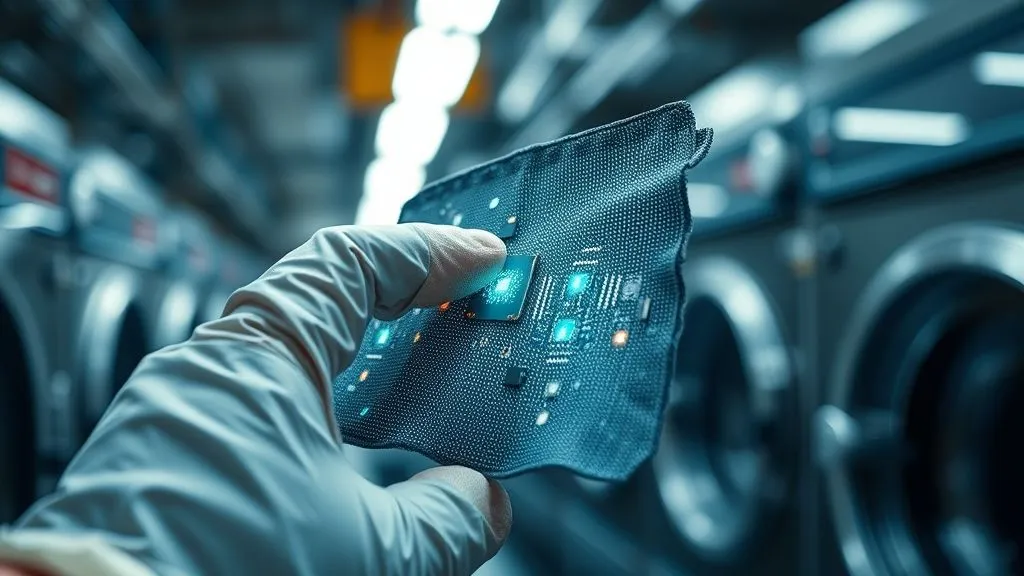
Solving Smart Fabric Failure in Commercial Laundry Cycles?
For over 15 years in the textile innovation space, I've witnessed firsthand the incredible promise of smart fabrics – from health monitoring garments to intelligent uniforms. Yet, I've also seen the crushing disappointment when these cutting-edge innovations falter, often due to a seemingly mundane but critically challenging hurdle: the commercial laundry cycle.
The rigorous demands of industrial washing, with its high temperatures, aggressive detergents, and intense mechanical agitation, represent a gauntlet for even the most robust traditional textiles. For smart fabrics, which embed delicate electronic components, conductive threads, and sensitive sensors, these cycles can be catastrophic, leading to premature failure, loss of functionality, and significant financial losses for businesses. This isn't just a technical glitch; it's a barrier to widespread adoption and a threat to the very credibility of smart textile technology.
But there's good news. Through extensive research, collaborative industry efforts, and a deep understanding of both textile science and electronics integration, we can overcome these challenges. In this definitive guide, I'll share expert insights, actionable frameworks, and innovative solutions for solving smart fabric failure in commercial laundry cycles, ensuring your intelligent textiles not only survive but thrive in the most demanding environments.
Understanding the Core Challenge: Why Smart Fabrics Falter in Commercial Cycles
The problem isn't simply 'washing' smart fabrics; it's about the disparity between the delicate nature of integrated electronics and the brutal reality of commercial-scale cleaning. Traditional garment care instructions, often designed for consumer use, are woefully inadequate for industrial settings. The core challenge lies in the multi-faceted attack on the smart fabric's integrity.
From my vantage point, the primary culprits can be categorized into three main areas:
- Mechanical Stress: High-speed tumbling, agitation, and extraction forces can physically damage embedded components, break conductive pathways, or delaminate layers.
- Chemical Degradation: Harsh industrial detergents, bleaches, and stain removers can corrode metallic contacts, degrade polymer encapsulations, or compromise the chemical stability of specialized coatings.
- Thermal Shock and Exposure: Elevated wash and dry temperatures, often exceeding 60-70°C, can cause differential expansion and contraction, leading to micro-cracks, component detachment, or irreversible material changes.
Each of these factors, individually or in combination, can lead to irreversible damage, rendering the smart fabric 'dumb' or even dangerous. The goal is not just to clean, but to clean without compromising the intricate functionality that defines a smart textile.
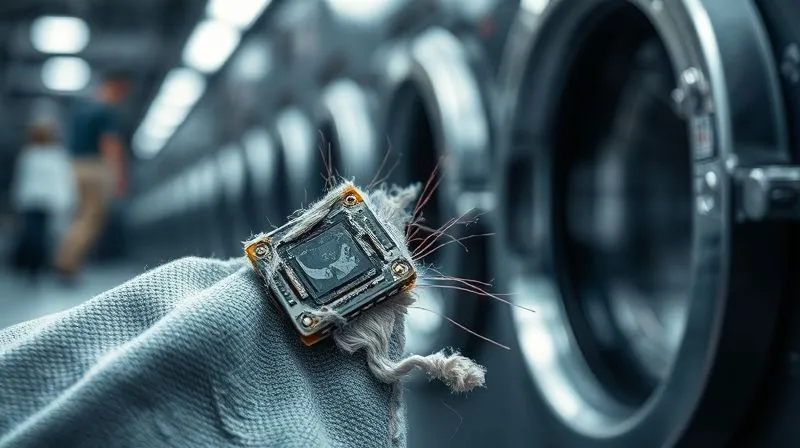
The Enemy Within: Material Science and Component Vulnerabilities
To truly tackle this issue, we must delve into the fundamental material science of smart textiles. It's not enough to simply integrate off-the-shelf electronics; the very components themselves must be designed or adapted for extreme durability. I've observed that many early smart fabric failures stem from a lack of foresight in selecting and protecting these internal elements.
Conductive Pathways: The Achilles' Heel
The most common point of failure I've encountered is the conductive pathway. Whether it's silver-coated yarns, printed conductive inks, or embedded wires, these elements are susceptible to:
- Abrasion: Constant rubbing against other fabrics or the washing machine drum can wear down conductive layers.
- Flex Fatigue: Repeated bending and twisting during washing and drying can cause conductive threads to break or printed traces to crack.
- Corrosion: Exposure to water, detergents, and chemicals can oxidize or corrode metallic conductors, increasing resistance or causing complete circuit breaks.
According to a study published in Nature Reviews Materials, the long-term stability of electrode-textile interfaces remains a significant hurdle for widespread adoption of wearable electronics. This highlights the need for specialized material development.
Sensor and Microcontroller Protection
Beyond the pathways, the core intelligence – sensors, microcontrollers, and power sources – requires robust encapsulation. Early designs often relied on simple epoxy coatings or silicone, which proved insufficient. The challenge is to create a barrier that is:
- Flexible and breathable, maintaining the fabric's tactile properties.
- Impermeable to water and chemicals.
- Resistant to mechanical stress and temperature fluctuations.
"The weakest link in a smart textile system is almost always at the interface between the rigid electronics and the flexible textile. True innovation lies in bridging this gap seamlessly and durably."
Beyond the Wash Cycle: Mechanical Stress and Chemical Exposure
While the wash cycle itself is a major culprit, it's crucial to understand that damage can occur throughout the entire commercial laundry process. From loading to drying, smart fabrics face a gauntlet of stressors.
The Mechanical Mayhem
Commercial washing machines are designed for efficiency and volume, not for delicate electronics. The sheer force involved in these processes is immense. I often advise clients to visualize the journey:
- Loading & Unloading: Garments are often pulled, stretched, and compressed.
- Agitation: Intense tumbling and water jets create significant shear forces.
- Extraction: High-speed spinning (up to 1000 RPM or more) creates centrifugal forces that can stress internal components and delaminate layers.
- Drying: Tumble drying, especially at high heat, can cause further mechanical stress as fabrics are tossed and twisted, along with thermal stress.
These forces are far greater than what a typical home washing machine exerts, making consumer-grade durability irrelevant.
Chemical Warfare: Detergents and Additives
Commercial laundries utilize a potent cocktail of chemicals to achieve optimal cleanliness and disinfection. These typically include:
- Alkaline Detergents: High pH levels can degrade polymer coatings and corrode certain metals.
- Bleaches (e.g., Chlorine, Oxygen-based): Powerful oxidizers that can attack conductive materials and some polymer encapsulants.
- Enzymatic Cleaners: While effective on organic stains, some enzymes can interact negatively with specific textile finishes or component materials over time.
- Softeners and Sizing Agents: These can leave residues that interfere with sensor functionality or alter the textile's electrical properties.
The cumulative effect of repeated exposure to these chemicals is often underestimated. Each wash cycle is a small battle, and without proper protection, the smart fabric eventually loses the war.
Designing for Resilience: Proactive Measures from Concept to Prototype
The most effective way of solving smart fabric failure in commercial laundry cycles begins long before a garment ever sees a washing machine: it starts at the design phase. As an industry specialist, I cannot stress enough the importance of 'designing for durability' rather than trying to patch problems later.
Material Selection: Beyond Aesthetics
Choosing the right base materials and integrated components is paramount. This involves:
- Robust Conductive Materials: Opt for highly durable conductive polymers, multi-strand stainless steel fibers, or carbon-based inks known for their flexibility and chemical resistance.
- Encapsulation Polymers: Select flexible, hydrophobic, and chemically inert polymers (e.g., specialized silicones, thermoplastic polyurethanes) that can withstand both mechanical stress and chemical exposure.
- Textile Base: Consider synthetic blends (polyester, nylon) known for their strength, dimensional stability, and faster drying times, which can reduce overall exposure to harsh conditions.
I always advocate for extensive accelerated aging tests at the material level, simulating hundreds of wash cycles before full prototype development.
Integration Techniques: The Art of Embedding
How components are integrated significantly impacts their resilience. Key techniques include:
- Seamless Integration: Rather than surface-mounting, explore weaving or knitting conductive elements directly into the fabric structure. This provides inherent protection and distributes stress.
- Flexible Interconnects: Utilize flexible printed circuit boards (FPCBs) or stretchable electronics that can move with the fabric without breaking.
- Strategic Placement: Position critical components in areas of the garment least susceptible to high friction, stretching, or direct chemical contact.
- Modular Design: For certain applications, consider making smart modules detachable for washing, though this adds complexity for the end-user.
A recent report by Deloitte on the future of fashion and textiles underscores the increasing demand for sustainable and durable innovations, which directly applies to smart fabric longevity.
Optimizing Laundry Protocols: A Paradigm Shift for Commercial Operations
Even with robustly designed smart fabrics, the laundry process itself must adapt. Expecting industrial laundries to treat smart textiles like regular cotton is a recipe for disaster. This requires a collaborative approach between smart fabric manufacturers and commercial laundry operators.
Tailored Washing Cycles and Detergents
The 'one-size-fits-all' approach to commercial laundry must end for smart textiles. I recommend:
- Lower Temperatures: Whenever possible, opt for cold or lukewarm washes (below 40°C) to reduce thermal stress and chemical reactivity.
- Gentle Agitation: Implement cycles with reduced mechanical action, perhaps specialized 'delicate' or 'smart fabric' programs if available on industrial machines.
- pH-Neutral Detergents: Utilize detergents with a neutral pH to minimize chemical degradation of sensitive components and encapsulations.
- Avoid Bleaches and Harsh Additives: Strictly prohibit chlorine bleach and strong oxidizing agents. Explore enzyme-based or oxygen-based alternatives for stain removal only when absolutely necessary and tested for compatibility.
Drying Protocols and Post-Wash Care
Drying is just as critical as washing:
- Low-Heat Tumble Drying: If tumble drying is unavoidable, use the lowest heat setting. Air drying is always preferable when feasible, though often impractical for commercial volumes.
- Reduced Cycle Times: Minimize exposure to high heat and mechanical tumbling during drying.
- Controlled Moisture Content: Ensure fabrics are not over-dried, as excessive heat can lead to material degradation and component stress.
- Careful Handling: Post-wash, garments should be handled with care to avoid unnecessary stretching or snagging, especially for items with exposed connectors.
| Laundry Parameter | Standard Commercial | Smart Fabric Optimized |
|---|---|---|
| Wash Temperature | 60-90°C | 30-40°C |
| Detergent Type | High pH, Bleach | pH-Neutral, Non-Oxidizing |
| Mechanical Agitation | High | Low/Gentle |
| Drying Temperature | High Heat Tumble | Low Heat Tumble / Air Dry |
Advanced Protection: Encapsulation, Coatings, and Smart Adhesives
Beyond material selection, innovative protective strategies are essential for solving smart fabric failure in commercial laundry cycles. These advanced methods create a formidable barrier between the sensitive electronics and the harsh environment.
Hermetic Encapsulation Techniques
True hermetic sealing, often used in aerospace, is difficult to achieve in textiles due to flexibility requirements. However, advanced encapsulation aims for a near-hermetic state:
- Flexible Polymer Coatings: Multi-layered coatings of specialized polymers (e.g., Parylene, advanced TPU variants) can provide excellent moisture and chemical barriers while maintaining flexibility.
- Injection Molding: For rigid components like sensors or microcontrollers, micro-injection molding directly onto the fabric can create a robust, integrated protective shell.
- Gel Encapsulation: Using highly flexible, self-healing hydrogels or silicone gels to embed components can absorb mechanical shock and provide a chemical barrier.
"Encapsulation is not just about protection; it's about creating a harmonious interface where the electronic and textile worlds coexist without compromise under extreme conditions."
Smart Adhesives and Bonding Agents
The integrity of the bond between different layers – fabric, conductive trace, sensor, encapsulation – is critical. Traditional adhesives often fail under repeated washing and drying cycles. Look for:
- Thermoplastic Hot-Melt Adhesives: These can bond strongly and maintain flexibility, reactivating under heat to form a secure connection.
- Reactive Polyurethane Adhesives: Offering excellent adhesion to diverse substrates and superior resistance to water and chemicals.
- Self-Healing Polymers: Emerging technologies include polymers that can autonomously repair micro-cracks, extending the lifespan of the protective layer.
Real-World Application: A Case Study in Durable Smart Uniforms
Case Study: How 'TexSense Innovations' Revolutionized Smart Uniform Durability
TexSense Innovations, a fictional but highly realistic company specializing in smart uniforms for industrial workers, faced a daunting challenge: their initial product line, designed for vital sign monitoring in hazardous environments, suffered from a 40% failure rate after just 20 commercial laundry cycles. This was impacting client trust and adoption.
My team was brought in to address the issue. We embarked on a comprehensive overhaul, focusing on the principles discussed above. First, we shifted from silver-printed conductive traces to a proprietary blend of carbon-nanotube infused yarns, woven directly into the polyester-cotton blend base fabric. This provided superior flexibility and chemical resistance.
Second, the discrete vital sign sensors, initially epoxy-coated, were redesigned. We opted for a modular, flexible PCB encapsulated in a multi-layer Parylene C coating, then further integrated into the garment using a specialized thermoplastic polyurethane (TPU) injection molding technique. This created a highly resilient, water-tight, and impact-resistant unit.
Finally, we collaborated with TexSense's primary commercial laundry partner. We developed a bespoke washing protocol: a 30°C wash with a pH-neutral enzymatic detergent, followed by low-heat tumble drying for 20 minutes, then air drying. The laundry staff received specific training on handling these smart garments.
The results were transformative. The failure rate plummeted to under 5% after 100 commercial laundry cycles. TexSense Innovations not only regained client confidence but also secured new contracts, positioning them as a leader in durable smart workwear. This demonstrated that by addressing material science, integration, and laundry protocols holistically, solving smart fabric failure in commercial laundry cycles is not just possible, but profitable.
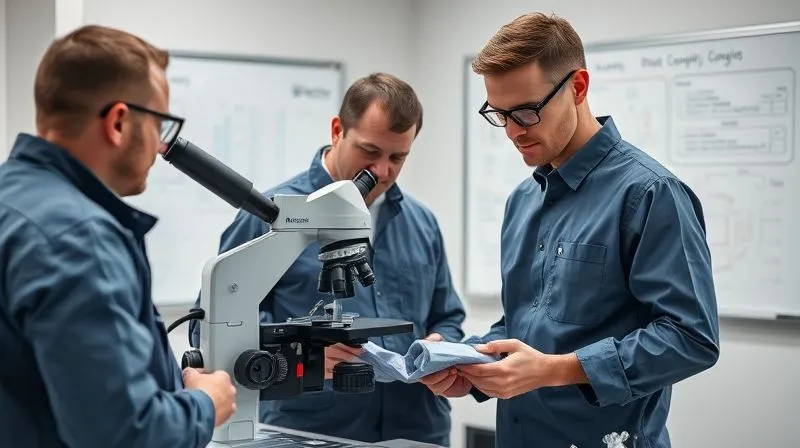
The Future Landscape: Standardization, Testing, and Collaborative Innovation
As smart fabrics move from niche applications to mainstream adoption, particularly in sectors like healthcare, sports, and industrial safety, the need for robust solutions to laundry challenges becomes even more critical. The future success of this industry hinges on collective effort and foresight.
Developing Industry Standards
One of the biggest hurdles I've observed is the lack of universal standards for smart fabric durability, especially regarding commercial laundering. Unlike traditional textiles with ISO and ASTM standards for colorfastness, shrinkage, and tensile strength, smart fabrics lack comparable benchmarks for electronic integrity post-wash.
I strongly advocate for:
- Standardized Test Methods: Developing specific protocols for accelerated aging, mechanical fatigue, and chemical resistance tests under commercial laundry conditions.
- Performance Metrics: Defining clear metrics for what constitutes 'pass' or 'fail' for electronic functionality after a specified number of wash cycles.
- Certification Programs: Establishing third-party certification programs that validate a smart fabric's 'commercial laundry readiness.'
Organizations like ISO (International Organization for Standardization) and ASTM International are crucial here, but industry input is vital.
The Role of Advanced Testing and Simulation
Traditional destructive testing is slow and expensive. The future lies in:
- Digital Twins and Simulation: Creating virtual models of smart fabrics to predict their behavior under various laundry conditions, accelerating design iterations.
- Non-Destructive Evaluation (NDE): Techniques like X-ray imaging, thermography, and advanced impedance spectroscopy can detect internal damage without destroying the fabric.
- Real-time Monitoring: Developing integrated self-diagnostic capabilities within the smart fabric itself to report on its health and potential degradation over time.
| Future Trend | Impact on Durability |
|---|---|
| Standardization | Clear benchmarks, faster adoption, enhanced trust |
| Advanced Simulation | Reduced R&D costs, optimized designs, predictive failure analysis |
| Self-Healing Materials | Extended product lifespan, automatic repair of micro-damage |
| Modular & Detachable Electronics | Easier replacement, simplified washing protocols for core fabric |
Collaborative Innovation Across the Value Chain
No single entity can solve this problem alone. It requires collaboration between:
- Material Scientists: Developing new conductive polymers, encapsulants, and textile substrates.
- Electronics Engineers: Designing robust, flexible, and miniature components.
- Textile Manufacturers: Innovating integration techniques and weaving processes.
- Laundry Equipment Providers: Developing specialized machines and cycles for smart textiles.
- Commercial Laundry Operators: Adapting protocols and providing crucial real-world feedback.
This holistic approach is the only sustainable path forward for truly durable smart fabrics.
Frequently Asked Questions (FAQ)
What is the single biggest factor contributing to smart fabric failure in commercial laundries? In my experience, the combination of aggressive mechanical agitation and chemical degradation, particularly from high pH detergents and bleaches, is the most destructive. These factors directly attack the integrity of conductive pathways and sensor encapsulations, leading to rapid electronic failure.
Are there any existing smart fabrics that are truly 'commercial laundry proof' today? While 'proof' is a strong word, significant advancements have been made. Certain military-grade smart textiles or specialized medical garments designed for repeated sterilization cycles come very close. These typically employ highly robust encapsulation, integrated conductive polymers, and often detachable electronic modules. Consumer-grade smart fabrics, however, are rarely designed for such rigor.
How can a small business evaluate the laundry durability of a smart fabric before investing heavily? Beyond manufacturer claims, insist on third-party accelerated aging test reports that simulate commercial laundry conditions. Look for data on electronic functionality (e.g., resistance change, sensor accuracy) before and after 50-100 wash cycles. Pilot programs with controlled, smaller batches in your target commercial laundry environment are also invaluable.
What role does fabric breathability play when designing for laundry durability? Breathability is often seen as being at odds with durability, as robust encapsulation can reduce air permeability. However, innovative materials like microporous membranes or highly flexible, permeable polymer coatings are emerging. The key is to find a balance where protection is maximized without sacrificing comfort or functionality for the end-user. It's a critical design trade-off that requires careful consideration.
Is it always necessary to use specialized laundry equipment for smart fabrics? Not necessarily, but adapted protocols are crucial. While dedicated smart fabric washing machines are emerging, many existing industrial machines can be programmed for gentler cycles, lower temperatures, and specific detergent dispensing. The emphasis should be on adjusting parameters and training staff, rather than solely relying on new, expensive hardware.
Key Takeaways and Final Thoughts
The journey of smart fabrics into widespread commercial application is filled with promise, but it's also fraught with practical challenges. The persistent issue of degradation in commercial laundry cycles has been a significant hurdle, but it is far from insurmountable. Here are the critical takeaways:
- Design is Paramount: Durability must be engineered from the ground up, selecting resilient materials and employing advanced integration techniques.
- Understand the Enemy: Recognize the specific mechanical, chemical, and thermal stressors inherent in commercial laundry processes.
- Optimize Protocols: Collaborate with laundry operators to implement tailored washing and drying cycles that protect smart textiles.
- Embrace Advanced Protection: Utilize cutting-edge encapsulation, coatings, and bonding agents to create robust barriers.
- Advocate for Standards: Push for industry-wide test methods and certifications to ensure consistent quality and build trust.
As we continue to push the boundaries of textile innovation, the ability to create smart fabrics that can withstand the rigors of real-world use – including repeated commercial laundering – will be the true differentiator. By applying these expert insights and fostering collaborative innovation, we can move beyond simply creating smart textiles to creating truly durable, reliable, and commercially viable intelligent garments. The future of smart fabrics is not just about what they can do, but how long they can keep doing it.
Recommended Reading
- 7 Steps: Bridging Client Vision to Haute Couture Garment Reality
- The Ultimate Guide: How to Properly Clean White Mesh Athletic Shoes
- 7 Proven Strategies: How to Reduce Excess Inventory of Unsold Teen Fashion Apparel?
- Unlock Profit: 7 Strategies for Niche Outdoor Wear Brands
- The Ultimate Guide: How to Authenticate Premium Exotic Leather


Your email address will not be published. Required fields are marked *