


Mastering Teen Fashion: How to Reduce Excess Inventory of Unsold Apparel?
For over two decades navigating the dynamic currents of the fashion industry, particularly in the ever-fickle teen apparel market, I've witnessed firsthand the crushing weight of excess inventory. It's not just a balance sheet problem; it's a drain on creativity, cash flow, and ultimately, your brand's vitality. I've seen promising brands falter not because of poor design or marketing, but simply due to a failure to manage their stock effectively.
The teen fashion segment is notoriously challenging – trends shift at warp speed, social media dictates demand, and predicting what resonates with this discerning demographic feels like shooting at a moving target. The result? Warehouses overflowing with last season's 'must-haves' that are now simply 'must-go,' eroding profits and tying up crucial capital. This isn't just about lost revenue; it's about damaged brand perception and the environmental impact of textile waste.
But it doesn't have to be this way. In this comprehensive guide, I'll share proven strategies, actionable frameworks, and expert insights drawn from my extensive experience to help you effectively tackle and prevent the issue of unsold teen fashion apparel. We'll explore everything from cutting-edge predictive analytics to innovative liquidation methods, ensuring your inventory moves as fast as teen trends and your business remains agile and profitable.
Understanding the Teen Fashion Landscape: More Than Just Trends
Before we dive into solutions for how to reduce excess inventory of unsold teen fashion apparel, it's crucial to understand the unique ecosystem of this market. Teenagers aren't just smaller adults; they are a distinct consumer group driven by different motivations, influenced by unique channels, and exhibiting rapid shifts in preference. Ignoring these nuances is a sure path to overstock.
The Psychology of Teen Consumers
Teens are highly social and identity-driven. Their fashion choices are often a reflection of their desire to belong, to express individuality, or to align with specific subcultures. This means trends are not just about aesthetics; they're about social currency. What's 'cool' can change overnight based on peer validation, celebrity endorsements, or viral social media content. Brands that fail to grasp this underlying psychological current will always be a step behind, producing items that miss the mark.
Authenticity is paramount. Teens can spot inauthenticity from a mile away. They prefer brands that genuinely reflect their values, whether it's sustainability, inclusivity, or a particular aesthetic. This makes generic, mass-produced items more susceptible to becoming dead stock if they don't resonate deeply.
The Social Media Amplifier
TikTok, Instagram, Snapchat – these aren't just platforms; they are the primary fashion magazines for today's teens. Trends explode, evolve, and fade at an unprecedented pace here. A single viral video can create immense demand for a specific item, while another can render an entire category obsolete. This presents both a challenge and an opportunity. The challenge is the volatility; the opportunity is the real-time feedback and direct engagement potential.
Brands must actively monitor these platforms, not just for what's trending, but for the underlying sentiment, the micro-trends emerging from niche communities, and the influencers who truly move the needle. A passive approach to social media intelligence will inevitably lead to misjudged inventory buys. According to a recent report by McKinsey & Company on the State of Fashion, digital acceleration and consumer shifts are key drivers of market dynamics, especially in youth segments.
The real challenge in teen fashion isn't just predicting the next big thing, but understanding the underlying behavioral shifts that drive those trends. Inventory management must evolve from reactive to deeply proactive.
Data-Driven Forecasting: Predicting the Unpredictable
One of the most powerful weapons in your arsenal for how to reduce excess inventory of unsold teen fashion apparel is precise forecasting. Gone are the days of relying solely on gut feelings or historical sales data. The teen market demands a sophisticated, multi-faceted approach.
Leveraging AI and Machine Learning
AI and ML algorithms can analyze vast datasets far beyond human capability. They can crunch historical sales, social media sentiment, macroeconomic indicators, weather patterns, competitor data, and even real-time web search trends to predict demand with remarkable accuracy. This isn't about replacing human insight but augmenting it.
Actionable Steps:
- Invest in Predictive Analytics Software: Explore platforms that specialize in fashion retail and offer AI-driven forecasting.
- Integrate Data Sources: Ensure your sales data, e-commerce analytics, social media listening tools, and even supplier lead times are all feeding into your forecasting model.
- Regularly Retrain Models: The teen market changes rapidly, so your AI models need constant retraining with the latest data to remain relevant and accurate.
Granular Sales Analysis
Beyond broad category sales, you need to drill down. Analyze sales by:
- SKU Level: Identify specific colors, sizes, and styles that perform well or poorly.
- Geographic Region: What sells in California might not sell in New York.
- Channel: Is it performing better online vs. in-store?
- Promotional Impact: How do specific discounts or marketing campaigns affect sales velocity?
- Return Rates: High return rates can inflate perceived demand and lead to overstock.
Understanding these granular insights helps you make informed decisions about future buys and identify potential overstock risks early. A study by Deloitte on consumer behavior trends highlights the importance of personalized, data-driven approaches in retail.
| Forecasting Method | Key Benefit | Application in Teen Fashion |
|---|---|---|
| Time-Series Analysis | Identifies historical patterns | Predicting seasonal basics, trend longevity |
| Qualitative Research | Captures emerging trends, sentiment | Interpreting social media buzz, influencer insights |
| Predictive Analytics (AI/ML) | High accuracy, real-time adjustments | Dynamic demand forecasting, trend prediction based on multiple data points |
Agile Sourcing & Production: Speed and Flexibility are Key
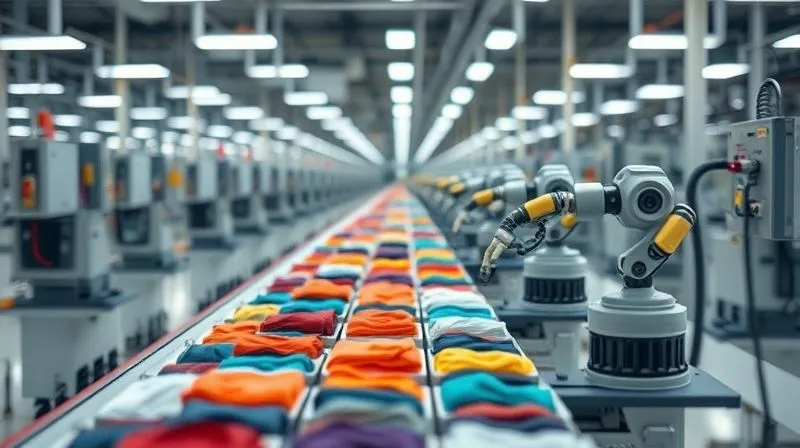
In the fast-paced teen fashion world, long lead times are a death sentence for inventory. Agile sourcing and production models are essential for how to reduce excess inventory of unsold teen fashion apparel, allowing you to react quickly to shifting demands and minimize risk.
On-Demand Manufacturing & Small Batch Runs
Instead of committing to massive production runs, explore options for on-demand manufacturing or small, iterative batches. This allows you to test the market with limited quantities, gauge genuine interest, and then scale up production only for proven winners. This significantly reduces the risk of holding large quantities of unpopular items.
Benefits of Small Batches:
- Reduced financial risk
- Ability to test trends quickly
- Less waste from unsold goods
- Enhanced brand perception of exclusivity
Nearshoring and Reshoring Benefits
While often more expensive upfront, bringing production closer to your market (nearshoring) or even back to your home country (reshoring) can dramatically cut lead times. This agility allows for quicker response to trends, faster replenishment of popular items, and reduced need for large safety stock, directly impacting your ability to how to reduce excess inventory of unsold teen fashion apparel. As supply chain expert Yossi Sheffi often emphasizes, resilience and speed are becoming more critical than sheer cost efficiency in today's volatile markets.
Optimizing Pricing & Promotion Strategies for Velocity
Even with excellent forecasting, some items will inevitably underperform. How you manage their pricing and promotion can be the difference between a minor loss and a significant inventory write-off. Smart strategies are crucial for how to reduce excess inventory of unsold teen fashion apparel without devaluing your brand.
Dynamic Pricing Models
Instead of fixed markdown schedules, consider dynamic pricing. This involves adjusting prices in real-time based on demand, competitor pricing, inventory levels, and even external factors like weather or local events. AI-powered pricing tools can automate this, ensuring you're always selling at the optimal price point to move stock without leaving money on the table.
Bundling and Cross-Selling Techniques
Sometimes an item doesn't sell well on its own but flies off the shelves when paired with something else. Create attractive bundles (e.g., a top with a matching accessory, a jacket with a basic tee). Cross-selling, where you suggest complementary items at checkout, can also help move related slow-moving stock.
Tips for Effective Bundling:
- Analyze Purchase Data: Identify items frequently bought together.
- Offer Real Value: The bundle price should be perceived as a better deal than buying items individually.
- Create Themed Bundles: Align with current trends or seasonal events.
| Strategy | Description | Benefit |
|---|---|---|
| Dynamic Pricing | Adjusts prices based on demand, competition, and inventory levels. | Maximizes revenue, clears slow-moving items faster. |
| Bundling | Offers multiple items together at a slightly reduced price. | Increases average order value, moves complementary items. |
| Flash Sales/Limited Drops | Short-term, high-urgency sales. | Creates buzz, clears specific inventory quickly. |
Creative Liquidation: Turning Dead Stock into Opportunities
Even with the best preventative measures, you will still encounter unsold inventory. The goal isn't just to get rid of it, but to do so strategically, minimizing loss and potentially even enhancing your brand image. This is a critical step in how to reduce excess inventory of unsold teen fashion apparel.
Flash Sales & Pop-Up Shops
Flash sales, especially through social media channels like TikTok or Instagram, can create immense urgency and clear stock quickly. Pop-up shops in trendy urban areas or at local events can also generate excitement and move inventory in a unique, experiential way, attracting teens looking for something special.
Partnerships with Discount Retailers or Resale Platforms
Consider partnering with reputable discount retailers or online resale platforms specializing in fashion. This allows you to offload larger quantities of stock without directly impacting your primary sales channels or brand perception. Ensure contracts protect your brand's image and pricing integrity.
Ethical Disposal & Upcycling Initiatives
For inventory that simply won't sell, explore ethical disposal options. This could involve donating to charities, working with textile recycling companies, or even upcycling initiatives. Many brands are finding success by partnering with designers or schools to transform unsold items into new, unique pieces, tapping into the teen market's growing demand for sustainability.
Case Study: 'TrendSetters Boutique' Recovers from Overstock
TrendSetters Boutique, a popular online retailer for teen apparel, found itself with 40% of its summer collection unsold as autumn approached. Instead of deep discounting everything, they partnered with a local fashion design school for an 'Upcycle Challenge,' turning unsold items into unique, limited-edition pieces. They also ran targeted flash sales on TikTok, leveraging micro-influencers to create urgency. This multi-pronged approach not only cleared 70% of the excess stock but also generated significant positive PR and attracted a new, ethically conscious customer segment, demonstrating that creative solutions can turn liabilities into assets.
Building a Feedback Loop: Listening to Your Audience
The best way to prevent unsold inventory is to sell what your customers actually want. This requires an active, continuous feedback loop. Engaging directly and indirectly with your teen audience is paramount for how to reduce excess inventory of unsold teen fashion apparel.
Social Listening Tools
Utilize social listening tools to monitor conversations around your brand, your competitors, and general teen fashion trends. Look for keywords, hashtags, and sentiment. This provides invaluable real-time insights into what's gaining traction and what's falling flat. Pay attention to comments on influencer posts and trending challenges that might hint at new styles.
What to Listen For:
- Mentions of specific clothing types or aesthetics
- Feedback on fit, style, and quality
- Emerging micro-trends and subcultures
- Sentiment towards your brand and products
Direct Customer Engagement
Don't just listen; ask! Conduct polls on social media, run focus groups (virtual or in-person), and send out surveys. Offer incentives for participation. Consider co-creation initiatives where teens can vote on designs or even submit their own ideas. This not only provides direct input for future collections but also builds a sense of community and brand loyalty.

Enhancing Visual Merchandising & E-commerce Presentation
Sometimes, inventory isn't unsold because it's undesirable, but because it's poorly presented. The visual appeal and ease of discovery are critical, especially for the visually-driven teen demographic. Optimizing this aspect directly contributes to how to reduce excess inventory of unsold teen fashion apparel.
Influencer Marketing & User-Generated Content
Teens trust their peers and authentic influencers far more than traditional advertising. Partner with micro and nano-influencers who genuinely resonate with your target audience. Encourage user-generated content (UGC) by running contests or featuring customer photos. Seeing peers wearing your apparel makes it more desirable and relatable, driving demand for existing stock.
Personalized Recommendations
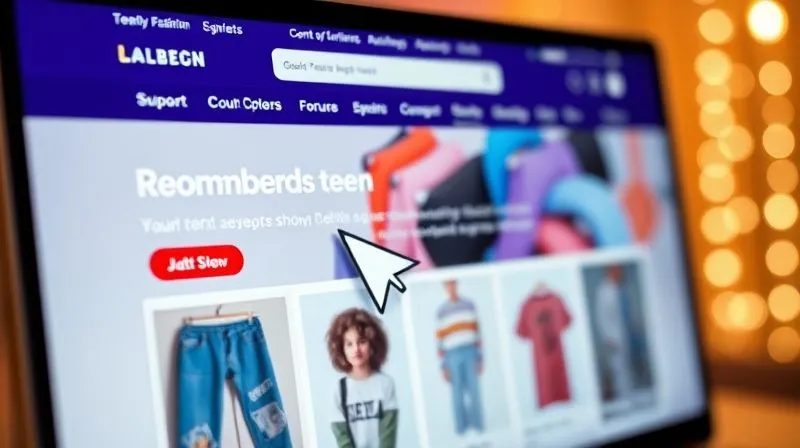
Leverage AI-driven recommendation engines on your e-commerce site. These tools can analyze browsing history, purchase patterns, and even social media activity to suggest items that are highly relevant to individual shoppers. This not only increases conversion rates but also helps move complementary or slightly older stock by surfacing it to the right audience.
High-Quality Product Photography & Video
Invest in professional photography and dynamic video content. Show apparel in diverse settings, on models who reflect your target demographic, and highlight key features. For teens, seeing how clothes move and fit in real-life scenarios is crucial. High-quality visuals reduce returns and increase confidence in purchasing.
The Power of Collaboration: Retailer-Supplier Synergy
Inventory management isn't a solo act. Strong collaboration throughout the supply chain can significantly impact how to reduce excess inventory of unsold teen fashion apparel. When retailers and suppliers work in tandem, efficiency soars and risks diminish.
Vendor-Managed Inventory (VMI)
In a VMI model, the supplier takes responsibility for managing the retailer's inventory of their products. This often means the supplier uses the retailer's sales data to forecast demand and replenish stock. For teen fashion, where trends are volatile, VMI can be particularly effective as the supplier, being closer to the production, can respond with greater agility.
Collaborative Planning, Forecasting, and Replenishment (CPFR)
CPFR is a more integrated approach where retailers and suppliers collaborate on every step: planning, forecasting, and replenishment. This shared visibility and joint decision-making minimize discrepancies in forecasts, reduce lead times, and ultimately prevent overstocking or stockouts. It requires a high level of trust and data sharing, but the benefits in efficiency and inventory reduction are substantial. According to a Harvard Business Review article on supply chain agility, such collaborative models are crucial for navigating market volatility.
Key Elements of Strong Collaboration:
- Shared Data: Real-time access to sales, inventory, and promotional data.
- Joint Planning: Collaborative forecasting and strategic planning sessions.
- Clear Communication: Open and frequent dialogue between all parties.
- Performance Metrics: Agreed-upon KPIs to track success and identify areas for improvement.
Excess inventory is not merely a financial burden; it's a strategic inhibitor. Every dollar tied up in unsold goods is a dollar not invested in innovation, marketing, or employee development.
Frequently Asked Questions (FAQ)
How often should I review my teen fashion inventory? In the teen fashion segment, I strongly recommend reviewing inventory at least weekly, if not daily for fast-moving items or during peak trend cycles. Monthly deep dives are essential for strategic adjustments, but the rapid shifts in this market demand constant vigilance. Early detection of slow-moving items allows for quicker intervention.
What's the biggest mistake brands make with teen apparel inventory? The biggest mistake I've observed is treating teen fashion like any other apparel category, relying on outdated forecasting methods, and failing to engage directly with the target demographic. Assuming past trends will predict future sales, or ignoring the power of social media for real-time feedback, almost always leads to significant unsold inventory. A lack of agility in production and a fear of small batch testing also contribute heavily.
Can sustainability initiatives help reduce excess inventory? Absolutely. Sustainability and inventory reduction go hand-in-hand. By focusing on quality over quantity, using on-demand or small-batch production, and implementing ethical disposal or upcycling programs, brands naturally produce less waste and reduce the likelihood of overstock. Promoting these initiatives also resonates strongly with eco-conscious teens, potentially boosting sales of carefully curated collections.
How do I balance trend-chasing with timeless pieces? This is a delicate balance. I advise an '80/20' or '70/30' rule: a larger percentage of your inventory should be adaptable basics or 'timeless' pieces that can be styled in various ways, forming the core of a teen's wardrobe. The remaining percentage can be dedicated to trend-driven, higher-risk items, produced in smaller, more agile batches. This way, you capture trends without betting the farm on their longevity.
What role does technology play in preventing unsold stock? Technology is indispensable. AI and machine learning for predictive analytics offer unparalleled accuracy in demand forecasting. RFID tags provide real-time inventory visibility, preventing misplaced stock. E-commerce platforms with robust recommendation engines and personalized marketing tools ensure products reach the right customer. Without leveraging these tools, managing teen fashion inventory effectively becomes an almost impossible task.
Key Takeaways and Final Thoughts
Mastering inventory in the volatile teen fashion market is a complex but achievable goal. It requires a blend of cutting-edge technology, deep consumer understanding, and agile operational strategies. My experience has shown that those who succeed are not necessarily the biggest players, but the most adaptable and data-savvy.
- Embrace Data: Leverage AI and granular analytics to predict demand with precision.
- Be Agile: Prioritize speed and flexibility in sourcing and production.
- Innovate Liquidation: Turn unsold stock into opportunities, not just losses.
- Listen Actively: Engage constantly with your teen audience through social media and direct feedback.
- Optimize Presentation: Ensure your products are visually compelling and easily discoverable.
- Collaborate Widely: Foster strong partnerships across your supply chain.
The journey to effectively how to reduce excess inventory of unsold teen fashion apparel is continuous, demanding constant learning and adaptation. By implementing these strategies, you're not just clearing shelves; you're building a more resilient, profitable, and respected brand that truly understands and serves its dynamic young audience. The future of fashion is agile, and your inventory strategy must reflect that.
Recommended Reading
- 7 Proven Strategies: Slash Beauty Returns from Shade Mismatching by 30%
- 5 Steps: Integrate Ethical Sourcing into Bespoke Haute Joaillerie
- 7 Proven Strategies: Stop Bot Scalping on Limited Sneaker Drops Now!
- Unleash Your Style: How to Incorporate Bold Prints into Streetwear Outfits
- 7 Steps: Design Kids' Clothes for Extreme Durability & Appeal




Your email address will not be published. Required fields are marked *