

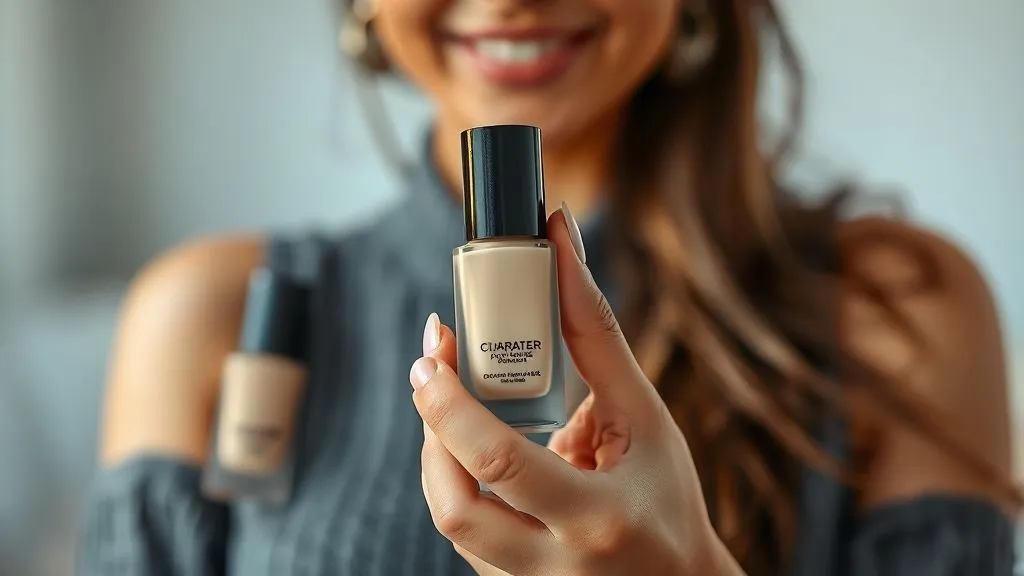
Mitigating Beauty Product Returns Due to Inconsistent Shade Matching?
For over 15 years in the beauty fashion industry, I've witnessed firsthand how a seemingly minor issue can erode brand loyalty and profitability: the frustrating cycle of beauty product returns stemming from inconsistent shade matching. It's a silent killer for many brands, silently eating away at margins and trust.
This isn't just about a customer picking the wrong shade; it's a systemic problem touching product development, retail training, e-commerce presentation, and technological adoption. The pain point is palpable – customers feel misunderstood, brands face operational headaches, and the environmental impact of returned goods grows.
Today, I'm going to share a definitive framework, born from years of observation and practical application, designed to empower beauty brands to overcome this challenge. You'll gain actionable strategies, backed by real-world insights and expert recommendations, to significantly reduce returns and foster genuine customer satisfaction.
The Hidden Cost of Shade Mismatching: More Than Just a Return Label
When a customer returns a foundation because the shade is off, it’s rarely just a simple transaction reversal. In my experience, it triggers a cascade of negative consequences that impact a brand's bottom line and reputation.
Financial Drain & Brand Erosion
Beyond the direct costs of processing returns – shipping, restocking, and potential disposal – there's the lost revenue from the original sale and the opportunity cost of future purchases. A customer who has a poor shade matching experience is less likely to repurchase from the brand, leading to a significant drop in Customer Lifetime Value (CLTV). According to a Deloitte study on consumer returns, inefficient return processes can severely impact profitability.
The Customer Experience Fallout
Inconsistent shade matching directly impacts customer trust and satisfaction. A customer expects a product to meet their needs, especially in something as personal as a beauty product designed for their skin. When this expectation isn't met, it leads to frustration, negative reviews, and word-of-mouth damage, which can be incredibly difficult to reverse in our interconnected world.
Understanding the Root Causes of Inconsistent Shade Matching
To effectively mitigate beauty product returns due to inconsistent shade matching, we must first dissect the multifaceted reasons behind this pervasive issue. It's a complex interplay of human perception, technological limitations, and product variability.
The Challenge of Skin Undertones
Skin tone is only half the battle; undertones (cool, warm, neutral, olive) are the true determinants of a perfect match. Many customers struggle to identify their own undertones, and without expert guidance or sophisticated tools, they often make incorrect choices. This is where the human element often falls short.
Lighting and Digital Display Discrepancies
The environment in which a shade is chosen plays a massive role. In-store lighting can dramatically alter how a shade appears, often differing from natural daylight. Online, monitor calibration, screen brightness, and device differences mean a shade displayed on one screen may look completely different on another. This digital variability is a major contributor to online returns.
Formulation Variability
Even within a single brand, slight inconsistencies can occur between batches during manufacturing. Furthermore, different product formulas (e.g., liquid foundation vs. powder) can interact with skin differently, leading to perceived shade shifts even if the pigment is technically the same. This requires rigorous quality control.
Strategy 1: Elevating In-Store Shade Matching Expertise
Despite the rise of e-commerce, the physical retail experience remains crucial for many beauty consumers, especially for complex purchases like foundation. Empowering your in-store staff is paramount for mitigating beauty product returns due to inconsistent shade matching.
"The human touch, when combined with expert training, remains one of the most powerful tools in precision shade matching."
Comprehensive Training Programs for Beauty Advisors
It's not enough to simply hand staff a shade chart. They need in-depth training that covers color theory, skin anatomy, and practical application techniques. This goes beyond product knowledge to true diagnostic skills.
- Advanced Color Theory: Train on identifying primary, secondary, and tertiary colors, and how they interact with skin pigments.
- Undertone Identification Mastery: Develop practical exercises for distinguishing cool, warm, neutral, and olive undertones using various methods (vein test, jewelry test, white paper test).
- Lighting Awareness: Educate on how different lighting conditions (fluorescent, LED, natural) affect shade perception and how to compensate for it.
- Application Techniques: Provide hands-on training for proper swatching and blending techniques to ensure an accurate match on the jawline or neck.
- Customer Communication: Teach advisors how to articulate their recommendations clearly and confidently, managing customer expectations about how a shade might look in different lights.
Case Study: How 'Glow Cosmetics' Slashed In-Store Returns
Glow Cosmetics, a mid-tier beauty brand, faced a 25% return rate on foundations specifically from their brick-and-mortar stores. By implementing a mandatory, two-day intensive shade matching certification program for all beauty advisors, followed by quarterly refreshers, they saw a dramatic improvement. Within six months, their in-store foundation return rate dropped to 8%, and customer satisfaction scores for personalized recommendations soared by 40%. This proactive investment in human capital directly translated into tangible business benefits.
Strategy 2: Harnessing AI & Virtual Try-On Technologies
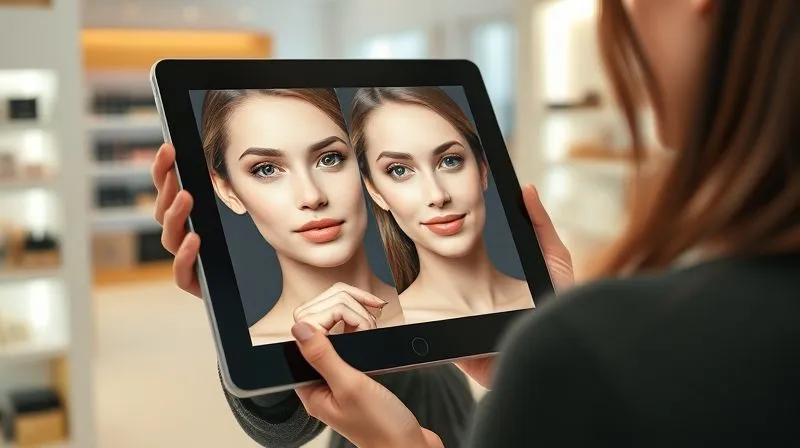
The digital realm presents unique challenges for shade matching, but also incredible opportunities through advanced technology. AI and virtual try-on (VTO) tools are revolutionizing how brands approach mitigating beauty product returns due to inconsistent shade matching online.
These technologies use sophisticated algorithms to analyze a customer's skin tone and undertone from a photo or live camera feed, then digitally apply different shades. This offers a personalized, interactive experience that mimics an in-store consultation.
Implementing Robust AI-Powered Shade Finders
Modern AI shade finders go beyond simple color detection. They incorporate data from thousands of skin tones, undertones, and even environmental lighting conditions to provide highly accurate recommendations. Integration with customer purchase history and preferences further refines these suggestions.
Leveraging Virtual Try-On (VTO) for Enhanced Confidence
VTO technology allows customers to 'see' how a shade looks on their own face, in real-time. This interactive element significantly boosts purchase confidence and reduces the guesswork that often leads to returns. Brands like L'Oréal and Estée Lauder have already seen success with these tools.
| Feature | Benefit for Customer | Benefit for Brand |
|---|---|---|
| AI Shade Finder | Highly accurate shade recommendations based on complex algorithms | Reduced returns, improved data insights, personalized experience |
| Virtual Try-On (VTO) | Real-time visual preview of shades on their face, interactive experience | Increased conversion rates, enhanced customer confidence, reduced returns |
| Personalized Quizzes | Guided journey to find best shade based on preferences and skin type | Better understanding of customer needs, reduced guesswork, higher satisfaction |
Strategy 3: Refining Product Development & Quality Control
The journey to a perfect shade match begins long before a product hits the shelves. It starts in the lab, with meticulous product development and stringent quality control protocols. This foundational work is critical for mitigating beauty product returns due to inconsistent shade matching.
Standardized Shade Development Protocols
Brands must invest in sophisticated color measurement instruments (spectrophotometers) to ensure precise and consistent color formulation across all batches. Relying solely on human eye judgment, no matter how expert, introduces variability. Establishing a 'master' shade standard and rigorously adhering to it is non-negotiable.
- Spectrophotometer Calibration: Regularly calibrate and use advanced spectrophotometers to objectively measure and match shades against a digital master.
- Multi-Ethnic Skin Tone Panel Testing: Conduct extensive testing on diverse skin tones and undertones during development to ensure inclusivity and accuracy across the spectrum.
- Stability Testing: Assess how shades behave under different environmental conditions (temperature, light) over time to prevent oxidation or color shift.
- Batch-to-Batch Consistency Checks: Implement strict QC checks at every stage of manufacturing to ensure minimal variation between production batches.
Rigorous Quality Control from Lab to Shelf
Beyond initial development, continuous quality control is essential. This includes sampling finished products from each batch and comparing them against established standards. Any deviations should trigger immediate investigation and remediation. This level of diligence ensures that the product delivered to the customer truly matches the intended shade. For more on quality control in cosmetics, see FDA guidelines on Cosmetic Good Manufacturing Practices.
Strategy 4: Empowering Customers with Education & Tools
Even with the best products and technology, customers need to be equipped with the knowledge to make informed decisions. An educated customer is a confident customer, and confidence reduces the likelihood of returns. This strategy focuses on providing accessible and clear educational resources.
Demystifying Undertones and Skin Tones
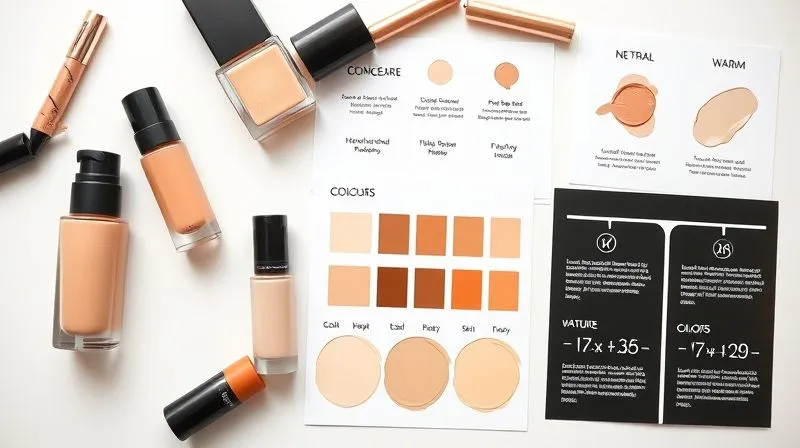
Create easily digestible content – blog posts, videos, interactive quizzes – that helps customers understand their own skin. Explain the difference between surface tone and undertone, and offer simple methods for self-identification (e.g., the vein test or jewelry test). This proactive education empowers them before they even consider a purchase.
Providing 'How-To' Guides for Online Shade Selection
For online shoppers, detailed guides on how to use AI tools, interpret swatches, and even take photos for virtual try-on are invaluable. These guides should address common pitfalls, like lighting conditions for selfies, and offer troubleshooting tips. Clear instructions build trust and competence.
Strategy 5: Optimizing Online Product Presentation
The digital storefront is often the first, and sometimes only, interaction a customer has with a product. Therefore, optimizing how shades are presented online is crucial for mitigating beauty product returns due to inconsistent shade matching.
"In e-commerce, every pixel must accurately represent the product, especially when it comes to color. Visual integrity is non-negotiable."
High-Fidelity Swatches & Diverse Model Imagery
Static swatches must be color-accurate and presented consistently. Even better, show products on a diverse range of models with varying skin tones and undertones. This helps customers visualize the product on skin that closely resembles their own, adding a layer of realism and relatability that generic swatches lack.
Contextualizing Shades with Lifestyle Imagery & Video
Beyond static images, incorporate short videos showing the product being applied and worn in different lighting conditions (e.g., natural light, indoor light). This provides a dynamic view of the shade, demonstrating how it interacts with the skin and adapts to various environments. This reduces surprises upon delivery.
| Online Element | Best Practice | Impact on Returns |
|---|---|---|
| Color-Accurate Swatches | Use spectrophotometer-verified swatches, display on neutral background | Minimizes perception discrepancies |
| Diverse Model Imagery | Show shades on 5-7 models representing various skin tones/undertones | Increases customer self-identification and confidence |
| Application Videos | Demonstrate product application and wear in varied lighting, unedited | Provides dynamic visual context, reduces surprises |
| Customer Reviews with Photos | Encourage users to upload selfies with product, filterable by skin tone | Builds social proof and realistic expectations |
Strategy 6: Implementing Advanced Analytics for Return Data
Data is the silent storyteller of your business. By deeply analyzing return data, brands can uncover patterns and pinpoint specific issues related to shade matching, transforming reactive problem-solving into proactive prevention. This is where you truly start mitigating beauty product returns due to inconsistent shade matching at scale.
Categorizing Return Reasons with Granularity
It's not enough to simply log a return as 'wrong shade'. Implement a system that allows customers (or customer service reps) to specify *why* the shade was wrong. Was it too light, too dark, too warm, too cool, or did it oxidize? This granular data provides actionable insights.
Identifying Problematic Shades or Product Lines
Once data is categorized, look for trends. Are certain shades returned more often? Is there a particular product line (e.g., liquid vs. powder foundation) that consistently has higher shade-related returns? This can point to issues in formulation, description, or even the AI matching algorithm for those specific products. For further insights on data-driven customer experience, check out this Harvard Business Review article.
Integrating Return Data with Customer Feedback
Cross-reference return data with direct customer feedback from surveys, reviews, and social media. Sometimes, the 'why' isn't explicitly stated in the return code but can be found in a customer's comment about feeling 'ashy' or 'orange'. This holistic view paints a clearer picture.
Strategy 7: Cultivating a Culture of Feedback & Continuous Improvement
The beauty industry is dynamic, with evolving trends, technologies, and consumer expectations. Therefore, mitigating beauty product returns due to inconsistent shade matching isn't a one-time fix but an ongoing commitment to improvement. A culture that values feedback is essential.
Establishing Feedback Loops Across Departments
Create formal and informal channels for feedback to flow between customer service, product development, marketing, and sales. Customer service agents are on the front lines and hear direct complaints; this invaluable information must reach the product development team to inform future formulations or shade extensions.
Regular Audits and Performance Reviews
Conduct regular audits of your shade matching processes, both in-store and online. Review the performance of your AI tools, the effectiveness of your training programs, and the accuracy of your online imagery. Use Key Performance Indicators (KPIs) like return rates, customer satisfaction scores, and conversion rates to measure success.
Staying Abreast of Beauty Tech Innovations
The landscape of beauty technology is constantly evolving. Attend industry conferences, read trade publications, and engage with tech providers to stay informed about the latest advancements in AI, AR, and personalized beauty solutions. Early adoption of relevant technologies can provide a significant competitive advantage. For insights into beauty tech trends, refer to Forbes' coverage on AI and AR in beauty.
Frequently Asked Questions (FAQ)
Q: How quickly can a brand expect to see a reduction in returns after implementing these strategies? A: While individual results vary, brands typically see a noticeable reduction in shade-related returns within 3-6 months of implementing a comprehensive strategy. Technologies like AI shade finders can show immediate improvements in conversion and reduced returns, while training programs take time to fully embed and show results. Consistent monitoring and adjustment are key.
Q: Is investing in AI and virtual try-on technology really worth the cost for smaller beauty brands? A: Absolutely. While the initial investment might seem significant, the long-term benefits – reduced returns, increased customer satisfaction, and improved data collection – offer a substantial ROI. Many platforms now offer scalable solutions, making advanced tech accessible even for smaller brands. Consider the cost of ongoing returns versus a one-time investment in a tool that prevents them.
Q: How can brands ensure their diverse customer base feels represented in shade matching efforts? A: Inclusivity must be at the core of all shade matching strategies. This means developing products with a wide range of undertones and depths, testing on genuinely diverse skin panels, using diverse models in online imagery and VTO, and training staff to understand and cater to all skin types. It's about authentic representation, not just tokenism.
Q: What role does packaging play in mitigating shade matching returns? A: Packaging, while not directly part of the shade matching process, can influence perception. Transparent packaging that accurately displays the shade can help. More importantly, clear labeling of shade names, numbers, and undertone indicators (e.g., 'Warm Beige,' 'Cool Ivory') on the packaging itself can reinforce the customer's choice and reduce confusion upon arrival.
Q: Beyond returns, what other benefits can brands expect from improving shade matching accuracy? A: The benefits extend far beyond just reducing returns. You'll see increased customer loyalty, higher conversion rates, more positive reviews, reduced customer service inquiries related to shade issues, and a stronger brand reputation for accuracy and reliability. Ultimately, it fosters a deeper, more trusting relationship with your customers.
Key Takeaways and Final Thoughts
Addressing the challenge of inconsistent shade matching is not merely a cost-saving exercise; it's a strategic imperative for any beauty brand aiming for long-term success and customer loyalty. My years in this industry have taught me that precision, empathy, and innovation are the pillars of a thriving beauty business.
- Invest in Expertise: Equip your in-store teams with unparalleled training in color theory and undertone identification.
- Embrace Technology: Leverage AI and Virtual Try-On to bridge the gap between digital display and real-world application.
- Prioritize Quality: Ensure rigorous product development and quality control to maintain shade consistency across all batches.
- Empower Customers: Provide clear, educational resources that help consumers understand their skin and make informed choices.
- Optimize Presentation: Present shades online with high fidelity, diverse models, and contextual video content.
- Analyze & Adapt: Use granular return data to identify patterns and continuously refine your strategies.
- Foster Feedback: Cultivate a culture where feedback drives continuous improvement and innovation.
By implementing these seven strategies, you're not just mitigating beauty product returns due to inconsistent shade matching; you're building a more trustworthy, efficient, and customer-centric brand that will stand the test of time. The journey to perfect match begins now, and I'm confident you have the tools to succeed.
Recommended Reading
- The Ultimate Guide: How to Prevent Cashmere Scarf Pilling Issues Forever
- 7 Pro Strategies: Banish Stubborn Dullness for Radiant Skin Clients
- 7 Proven Strategies: Attracting Luxury Buyers for Bespoke Footwear?
- Luxury Sponsorships: 7 Reasons Your Style Guides Fall Short
- 7 Secrets: Why Your Smart Casual Outfits Look Sloppy & How to Fix It


Your email address will not be published. Required fields are marked *