


How to bridge client's abstract vision to haute couture garment reality?
For over three decades in the rarefied world of haute couture, I've witnessed a singular, recurring challenge that stands as both a designer's greatest hurdle and their ultimate triumph: translating a client's often abstract, deeply personal vision into a tangible, exquisite garment. It's an alchemy, a delicate dance between intuition and precision, where the whispered dream must become a wearable masterpiece.
The pain point is palpable. Clients arrive with feelings, memories, aspirations—'I want to feel like a moonlit garden,' or 'It should evoke the strength of a glacier, yet be fluid.' These are not blueprints; they are poetic expressions, and failure to truly grasp and materialize them can lead to disappointment, rework, and a tarnished reputation in an industry where perfection is paramount.
In this definitive guide, I will share the frameworks, methodologies, and deeply human approaches I've honed over years of crafting bespoke dreams. You will discover actionable steps, psychological insights, and practical tools to not just understand, but truly *materialize* a client's abstract vision into breathtaking haute couture reality, ensuring every stitch tells their unique story.
1. The Art of Deep Listening: Beyond the Spoken Word
The journey from abstract vision to haute couture reality begins not with a sketch, but with profound listening. This isn't just about hearing words; it's about discerning the emotions, the unspoken desires, and the underlying narrative that fuels a client's request. In my experience, the true essence of a vision often resides in what isn't explicitly articulated.
Active Listening Techniques:
- The 'Why' Factor: Don't just ask 'What do you want?' Ask 'Why do you want it?' Dig into the occasion, the feeling they wish to evoke, the message they want to convey. This unearths the emotional core.
- Empathy Mapping: Try to put yourself in their shoes. What are their fears, their hopes, their aspirations for this garment? Understanding their context is crucial.
- Non-Verbal Cues: Pay close attention to body language, tone of voice, and even pauses. These often reveal more than words. A client's hesitation might signal an unvoiced concern, while a sudden spark in their eyes could highlight a key detail.
- Reflective Questioning: Rephrase their statements to confirm understanding. 'So, if I understand correctly, you're looking for a gown that feels ethereal and light, like a whisper, but also has a subtle strength, perhaps in its structure?' This validates their input and clarifies your interpretation.
- Silence as a Tool: Don't rush to fill silences. Often, the most profound insights emerge when a client is given space to reflect and elaborate.
I recall a client who simply said, 'I want to feel powerful.' Initially, I might have thought sharp tailoring or bold colors. But through deep listening, I uncovered that for her, 'power' wasn't about aggression; it was about inner resilience, quiet confidence, and a connection to her heritage. This led to a design that incorporated subtle structural elements inspired by ancient architecture, rendered in a rich, flowing silk, rather than a rigid form. It was a revelation that transformed the project.

2. Building a Shared Visual Language: Mood Boards & Digital Storytelling
Once the initial listening phase is complete, the next critical step is to translate those abstract feelings into a concrete visual language. Words alone are insufficient; we need a shared lexicon of images, textures, and forms. This is where mood boards and digital renderings become invaluable tools.
The Power of the Mood Board
A mood board is far more than a collection of pretty pictures. It's a curated narrative, a tactile representation of the client's vision. It should include:
- Color Palettes: Swatches, paint chips, images that convey specific hues and their emotional impact.
- Fabric Samples: Small pieces of silk, lace, velvet, organza—anything that speaks to the desired drape, weight, and texture.
- Inspirational Imagery: Art, architecture, nature, historical garments, photographs that evoke the desired mood, silhouette, or detail.
- Words & Phrases: Key adjectives the client used, or words that capture the essence of their vision.
Actionable Steps for Mood Board Creation:
- Collaborative Curation: Don't create the mood board in isolation. Involve the client. Ask them to bring images, objects, or even poems that resonate with their vision.
- Iterative Refinement: Start broad, then narrow down. Present several options and allow the client to react, guiding you closer to their true aesthetic.
- Digital & Physical: Combine digital tools (Pinterest boards, shared design software) with physical swatches and samples for a truly immersive experience.
Leveraging Digital Renderings and 3D Modeling
In today's haute couture, technology offers unprecedented precision. Digital renderings and 3D modeling can bring a garment to life long before a single stitch is made. This is particularly powerful for complex designs or for clients who struggle to visualize from 2D sketches.
- Realistic Projections: Show how fabrics will drape, how light will interact with embellishments, and how the garment will move on the body.
- Virtual Fittings: Some advanced software allows for virtual fittings, adjusting proportions and silhouettes without physical prototypes.
- Detail Visualization: Zoom in on intricate embroidery, beadwork, or structural elements, giving the client a clear understanding of the proposed craftsmanship.
According to a report by McKinsey & Company on the future of fashion, digital design tools are increasingly vital for reducing waste and enhancing client communication in bespoke creation. They bridge the gap between imagination and execution with remarkable fidelity. Read more on the evolving fashion landscape.
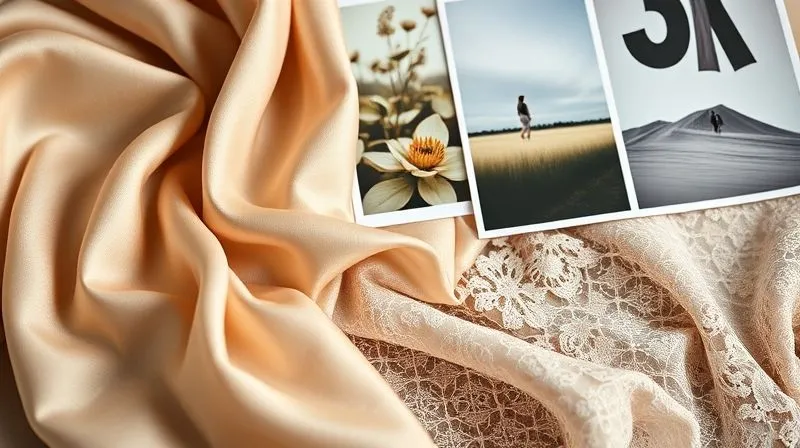
3. The Fabric Story: Materializing the Abstract with Textiles
Fabric is the soul of haute couture. It's not merely a material; it's a medium that carries emotion, light, and movement. Selecting the right fabric is often the most profound step in materializing an abstract vision, as it directly impacts drape, texture, color, and how the garment feels against the skin.
Understanding Fabric Psychology
Every fabric tells a story and evokes a feeling:
- Silk: Luxurious, fluid, ethereal. Perfect for 'moonlit garden' or 'whisper' concepts.
- Velvet: Rich, deep, regal, often associated with opulence and drama.
- Organza/Tulle: Light, airy, transparent, ideal for creating volume without weight, or for delicate layering.
- Brocade/Jacquard: Structured, ornate, historical, conveying grandeur and intricate detail.
- Wool Crepe: Sophisticated, elegant, with a beautiful drape and subtle texture, suggesting quiet strength.
Expert Tip: Don't just show swatches. Drape them on a mannequin, let the client feel them, see how they catch the light. Explain the unique properties of each textile and how it contributes to the overall narrative of the garment.
Integrating Sustainable and Unique Materials
Clients are increasingly conscious of sustainability and uniqueness. Exploring rare, artisan-crafted, or ethically sourced materials can elevate the garment and align with a broader vision. I've often sought out hand-loomed silks from remote villages or innovative biodegradable textiles to add depth and narrative to a piece. This not only adds to the garment's story but also builds trust and demonstrates a commitment to excellence beyond aesthetics.
"Fabric is the first conversation a garment has with the world. Choose its words wisely." - My personal philosophy.
4. Prototyping & Iteration: The Tangible Evolution
Even with the most detailed mood boards and digital renderings, the true test of a vision's translation comes with the tangible prototype. This stage is crucial for refining the silhouette, understanding the garment's movement, and ensuring the client's comfort and confidence.
The Toile: Your Three-Dimensional Sketch
The toile, or muslin prototype, is indispensable. It's a simplified version of the garment, usually made from an inexpensive material like unbleached cotton, that allows for precise adjustments without compromising the final fabric. I always explain to clients that the toile is our shared canvas for refinement.
Steps in Toile Development:
- Initial Toile Creation: Based on measurements and the approved design, a basic toile is constructed.
- First Fitting with Client: This is a critical interactive session. Ask for honest feedback. Does the silhouette feel right? Is the movement fluid? Are there any areas of discomfort?
- Adjustments and Annotations: Pin, mark, and adjust the toile directly on the client's body. Document every change meticulously.
- Second Toile (if necessary): For highly complex designs or significant changes, a second toile might be required to ensure all adjustments are perfectly integrated.
Iterative Design with Client Feedback
The prototyping phase is inherently iterative. It's a dialogue between designer and client, where small adjustments lead to significant improvements. Embrace feedback, even if it means revisiting previous decisions. This collaborative spirit ensures the final garment is a true reflection of their vision, not just your interpretation.
| Prototype Stage | Client Involvement | Outcome |
|---|---|---|
| Mood Board Approval | High (Collaborative Curation) | Shared Visual Language, Aesthetic Alignment |
| Initial Sketch/Renderings | Medium (Feedback on Design Options) | Silhouette & Detail Confirmation |
| First Toile Fitting | Very High (Direct Feedback on Fit & Feel) | Refined Silhouette, Comfort Assessment |
| Embellishment Mock-ups | Medium (Approval of Samples) | Detail & Texture Confirmation |
| Final Fitting | High (Minor Adjustments, Final Approval) | Perfect Fit, Client Satisfaction |
5. Client Education & Expectation Management
A significant part of bridging the abstract to the real in haute couture is managing client expectations. The client may have an ideal in their mind that is physically impossible or structurally unsound. It's our role as experts to gently educate them on the realities of garment construction, fabric limitations, and the time-intensive nature of bespoke work.
Transparent Process Communication
From the outset, clearly outline the haute couture process. Explain the stages, the time investment, and the meticulous handcraft involved. This demystifies the process and helps them appreciate the value.
- Timeline Breakdown: Provide a clear, though flexible, timeline for each stage: design, fabric sourcing, toile fittings, construction, embellishment, final fittings.
- Craftsmanship Explained: Describe the specific techniques that will be employed—hand-sewn seams, intricate embroidery, custom pattern making. This elevates their understanding of the artistry.
- Budget Transparency: While not directly related to vision, a clear understanding of costs for materials, labor, and specific embellishments prevents surprises and builds trust.
Navigating Creative Differences
Sometimes, a client's abstract vision clashes with practical realities or your expert judgment on aesthetics. This is where diplomacy and clear communication are paramount.
- Offer Alternatives: Instead of simply saying 'no,' explain *why* something isn't feasible and offer creative solutions that achieve a similar effect. 'While a fully transparent bodice might be structurally challenging with this fabric, we could achieve a similar lightness with strategically placed lace appliqué over a nude tulle underlayer.'
- Visual Proof: Use sketches or fabric manipulations to demonstrate your points. Show them what *would* happen if their suggestion was implemented versus your proposed solution.
- Trust Your Expertise: Clients come to you for your vision and expertise. Don't be afraid to guide them, but always do so with respect and a clear rationale. As leadership experts at Harvard Business Review often discuss, effective leadership involves guiding stakeholders towards the best possible outcome, even when it requires difficult conversations.
"Our role is not just to create, but to educate. A truly satisfied client is one who understands and trusts the journey as much as they adore the destination." - My core belief.
6. The Alchemy of Embellishment and Detail
Once the silhouette and main fabric are established, the magic of embellishment and intricate detail truly brings an abstract vision to life. This is where subtle nuances transform a beautiful dress into a wearable narrative, often reflecting the deepest parts of the client's initial abstract concept.
Translating Abstract Themes into Embellishment
Consider the client who wanted to feel like a 'moonlit garden.' This isn't just about the fabric; it's about how light plays on the surface, how textures mimic nature. Embellishments are the tools for this translation:
- Beadwork: Tiny, iridescent beads can mimic dew drops or the glimmer of moonlight.
- Embroidery: Hand-embroidered floral motifs, subtle leaves, or even abstract patterns can evoke the flora of a garden.
- Appliqué: Layers of delicate lace or fabric cutouts can create a three-dimensional effect, like petals unfolding.
- Sequins & Crystals: Strategically placed, they can create a constellation effect or the sparkle of water.
Actionable Steps for Embellishment Design:
- Create Swatches: Develop small samples of proposed embellishment patterns on the actual garment fabric. This shows the client how the elements will look and feel.
- Contextualize: Explain the 'story' behind each embellishment choice. 'These tiny pearl beads represent the morning dew on a petal, adding that ethereal quality you mentioned.'
- Consider Scale and Placement: Discuss where the embellishments will be concentrated and how they will flow across the garment to enhance the overall design and flatter the client's figure.
This stage often involves mini case studies for the client. I might show them photos of a previous project where a similar abstract concept (e.g., 'the feeling of falling snow') was translated into delicate, strategically placed crystal embellishments that created a shimmering, ethereal effect. This visual proof helps solidify their confidence.
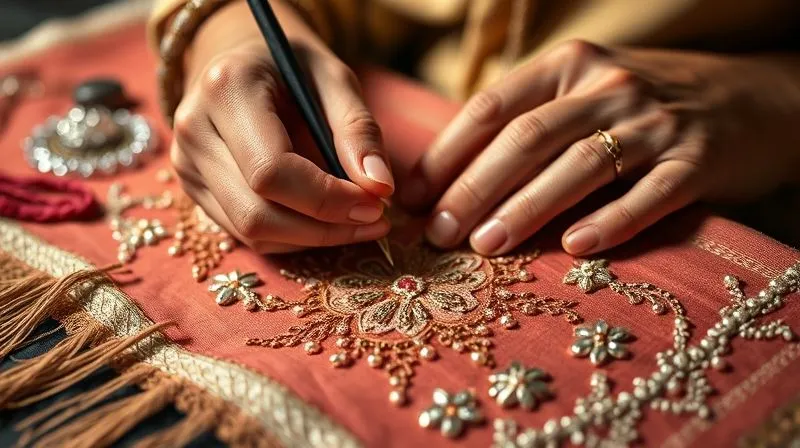
A photorealistic, professional photography, 8K, cinematic lighting, sharp focus, depth of field, shot on a high-end DSLR, capturing the skilled hands of an artisan meticulously applying intricate beadwork and embroidery to a luxurious fabric swatch. The focus is on the delicate details and the precision of the craftsmanship, with soft, focused lighting highlighting the sparkle of the beads and the texture of the threads, symbolizing the transformation of abstract ideas into tangible beauty. 7. The Fitting & Refinement: The Final Sculpt
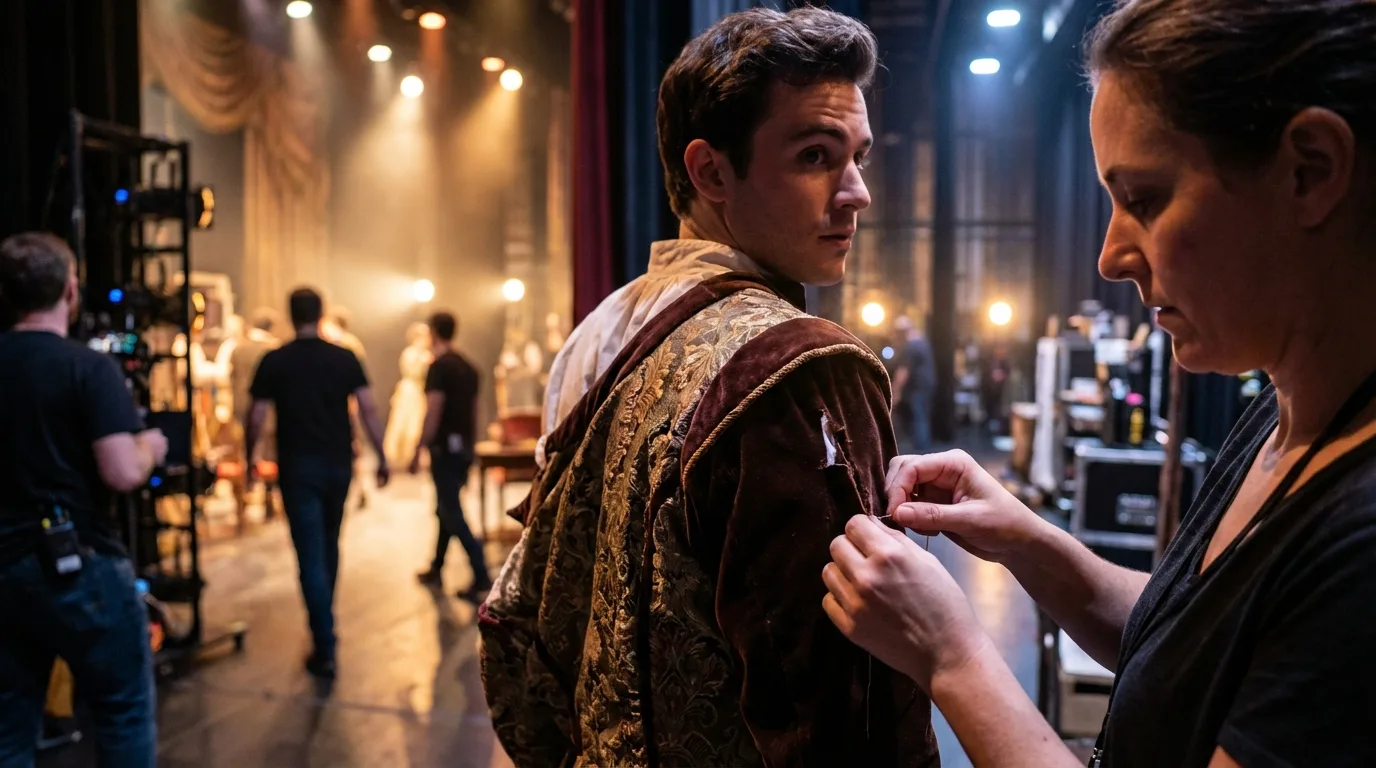
The final fittings are not just about ensuring a perfect fit; they are about allowing the client to fully inhabit their vision. This is where the garment truly becomes 'theirs,' and where any last, subtle refinements are made to align the physical reality with their abstract ideal.
Multiple Fittings for Perfection
Haute couture demands multiple fittings. Typically, there are at least three, sometimes more, depending on the complexity of the design and the client's schedule:
- First Fitting (Toile): Focus on overall silhouette, major structural elements, and initial comfort.
- Second Fitting (Partially Constructed): The garment is partially assembled in the final fabric. Focus shifts to internal structure, drape, and the placement of key design elements.
- Third Fitting (Nearly Complete): The garment is almost finished, with most embellishments in place. This fitting focuses on minor adjustments, hem length, sleeve adjustments, and overall balance.
- Final Review: A final check before delivery, ensuring every detail is perfect and the client is completely satisfied.
Empowering Client Feedback
During these fittings, create an atmosphere where the client feels comfortable giving honest feedback. Ask open-ended questions: 'How does this feel when you move?' 'Does this detail capture the essence we discussed?' 'Is there anything that doesn't quite resonate with your initial vision?'
Case Study: The 'Glacier' Gown
I once had a client who wanted a gown that evoked 'the strength and fluidity of a glacier.' The initial toile captured the strength, but the fluidity felt lacking. During the second fitting, as she moved, she pointed out, 'It feels a bit too rigid, not enough like melting ice.' This feedback was invaluable. We adjusted the internal boning, introduced strategic bias cuts in the silk lining, and added a subtle, iridescent overlay that shimmered with movement. The final gown was a triumph, capturing both the immovable force and the delicate, shifting nature of ice—a perfect translation of her abstract vision, achieved through iterative refinement and her crucial input.
This iterative process, deeply rooted in client collaboration and expert craftsmanship, is what defines haute couture. It's a testament to the power of human connection in bringing the most ethereal dreams into stunning, tangible reality.
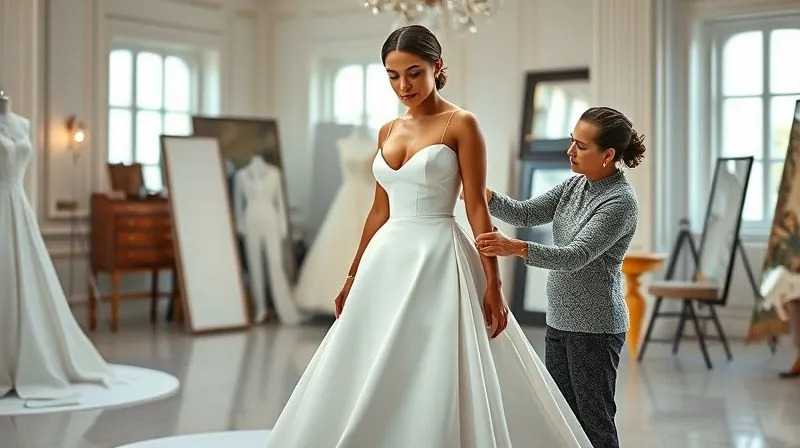
A photorealistic, professional photography, 8K, cinematic lighting, sharp focus, depth of field, shot on a high-end DSLR, capturing a haute couture client during a final fitting in a luxurious, brightly lit atelier. The client is standing gracefully in a stunning, partially finished gown, while a skilled designer makes a subtle, precise adjustment to the hemline, with a look of focused satisfaction on both their faces, symbolizing the culmination of a collaborative design process. 8. Navigating Challenges: When Visions Diverge
Even with the most meticulous process, challenges can arise. A client's vision might shift, or unforeseen technical difficulties could emerge. Navigating these moments with grace and expertise is crucial for maintaining trust and delivering a successful haute couture garment.
Anticipating and Addressing Vision Shifts
Clients are human; their desires can evolve. What seemed perfect at the mood board stage might feel different when they see it in fabric. This is why the iterative process is so vital.
- Document Everything: Keep detailed records of all discussions, decisions, and approvals at each stage. This provides a clear reference point if a client's memory differs from the agreed-upon design.
- Revisit the Core Vision: If a significant change is requested, gently guide the client back to their initial abstract vision. 'When we first discussed this, you wanted to evoke 'ethereal lightness.' How does this new direction align with that core feeling?'
- Cost and Time Implications: Be transparent about how significant changes impact the timeline and budget. This often helps clients weigh the necessity of a change against its practical implications.
Overcoming Technical Hurdles
Haute couture often pushes the boundaries of garment construction. What looks stunning on paper might present a structural challenge in reality.
- Problem-Solving Mindset: Approach challenges as opportunities for innovation. Can a different internal structure achieve the same external effect? Can a new technique be developed?
- Consult with Specialists: Don't hesitate to consult with experts in specific fields—embroidery artisans, textile engineers, or pattern makers—if a particular challenge requires specialized knowledge.
- Communicate Solutions, Not Just Problems: When presenting a technical issue to the client, always accompany it with one or two viable solutions. 'The drape you desire for the back is challenging with this fabric without compromising the waistline. I propose either a slight adjustment to the fabric choice or the integration of a delicate, almost invisible internal structure to maintain the desired flow.'
As renowned industrial designer Dieter Rams famously said, "Good design is as little design as possible." This principle, though from a different field, applies to haute couture in that efficient and elegant solutions often arise from thoroughly understanding and overcoming constraints. Explore Dieter Rams' 10 Principles of Good Design.
Frequently Asked Questions (FAQ)
Q: What if a client has no clear abstract vision, just a vague idea of 'beautiful'?
A: This is a common scenario. My approach is to become a 'vision archaeologist.' I start with broad questions about their lifestyle, favorite colors, art, music, and even their aspirations. I'd show them a wide range of inspirational images and fabrics, observing their reactions. Often, the 'beautiful' they seek is linked to a feeling, a memory, or an unarticulated desire. Through careful curation and intuitive questioning, we can uncover the underlying abstract vision together. It's a process of gentle discovery and suggestion, building trust until they feel comfortable enough to articulate what they truly want.Q: How do you handle a client who changes their mind significantly late in the process?
A: This is where meticulous documentation and clear expectation management become your best allies. I would first refer back to our agreed-upon design, mood boards, and signed approvals. Then, I'd have a very transparent conversation about the implications: the additional time required, the cost of deconstruction and new materials, and how it impacts the original timeline. While I always strive for client satisfaction, I also protect my atelier's resources and reputation. Sometimes, a compromise is necessary, finding a way to incorporate new ideas without completely abandoning the established work, or agreeing to a revised contract for the new direction.Q: How do you price such complex, custom-made projects when the vision is so abstract initially?
A: Pricing haute couture is an art in itself. My initial quote typically includes a design fee and an estimated range for material and labor costs, with a clear understanding that the final price will be refined as the design solidifies. I break down costs by design phase, material categories (e.g., base fabric, embellishments), and estimated hours for skilled labor. For abstract visions, I build in a contingency for design iteration and potential adjustments. Transparency is key; clients understand that true bespoke luxury comes with a cost that reflects unparalleled craftsmanship, unique materials, and the extensive design process.Q: What are the most common pitfalls when trying to translate abstract visions, and how can they be avoided?
A: The most common pitfalls include: 1) **Insufficient Listening:** Not truly understanding the client's emotional core. Avoid by using deep listening and reflective questioning. 2) **Skipping Visual Steps:** Rushing from words to sketches without proper mood boarding. Avoid by creating comprehensive visual narratives. 3) **Poor Expectation Management:** Not educating the client on the process or limitations. Avoid by being transparent about timelines, costs, and technical realities. 4) **Lack of Iteration:** Being rigid in the design process. Avoid by embracing prototyping and multiple fittings as opportunities for refinement. 5) **Designer Ego:** Imposing your vision over the client's. Avoid by always centering the client's dream, while guiding it with your expertise.Q: How do you ensure the final garment truly reflects the client's personality and not just a trend?
A: This is the essence of haute couture. It's about crafting a garment that is an extension of the client's identity. I achieve this by: 1) **Deep Personal Connection:** Building rapport and understanding their unique story, not just their fashion preferences. 2) **Ignoring Transient Trends:** While aware of fashion currents, my focus is on timeless elegance tailored to the individual. 3) **Focusing on Fit and Feel:** A garment that fits perfectly and feels comfortable is inherently more personal. 4) **Incorporating Personal Symbols:** Sometimes, a client's abstract vision can be subtly translated into a unique embroidery motif, a specific lining color, or a hidden detail that holds personal meaning for them. It's about creating a personal relic, not just a dress.Key Takeaways and Final Thoughts
- Master Deep Listening: The true heart of bridging vision to reality lies in understanding the unspoken emotions and narratives behind a client's request.
- Build a Shared Visual Language: Utilize mood boards, sketches, and digital renderings to create a concrete, collaborative reference point.
- Embrace Iteration: Prototyping, multiple fittings, and open feedback loops are not delays; they are essential steps to perfection.
- Educate and Manage Expectations: Be transparent about the haute couture process, its complexities, and its value, guiding clients with expertise and diplomacy.
- Elevate with Detail: Embellishments and meticulous craftsmanship are the final brushstrokes that transform an abstract idea into a breathtaking, personalized masterpiece.
The journey from an abstract whisper to a tangible haute couture garment is a profound act of creation, demanding not just technical skill but also immense empathy, psychological insight, and unwavering dedication. It is a testament to the power of collaboration, where the designer acts as a visionary guide, translating dreams into threads, and feelings into fabric. Embrace this intricate process, and you will not only create extraordinary garments but also forge unforgettable connections, solidifying your place as a true artisan in the world of bespoke luxury.
Recommended Reading
- Unleash Your Style: How to Incorporate Bold Prints into Streetwear Outfits
- Adapting 16th-Century Silhouettes: 7 Strategies for Modern Actor Movement
- EU-Compliant Antimicrobial Fabrics: 7 Sustainable Solutions for Textiles
- Clean Beauty's Credibility: 7 Proven Ways to Banish Greenwashing Skepticism
- Unlock the Secrets: How Do Brands Achieve Sustainable Textile Sourcing?


Your email address will not be published. Required fields are marked *