


What Sustainable Antimicrobial Fabric Solutions Meet EU Regulations?
For over two decades in the textile innovation space, I've witnessed a pendulum swing: from raw performance at any cost to a critical, urgent demand for sustainability. The drive to create truly effective antimicrobial fabrics has always been strong, but the recent tightening of EU regulations has fundamentally reshaped the playing field. I've seen countless companies struggle, caught between the desire for market-leading innovation and the complex labyrinth of compliance.
The challenge is real: how do you deliver fabrics that actively inhibit microbial growth – offering benefits like odor control, extended freshness, and enhanced hygiene – while simultaneously meeting stringent environmental and health standards set by the European Union? The traditional pathways, often reliant on heavy metals or persistent chemicals, are increasingly scrutinized or outright restricted. This isn't just about avoiding fines; it's about building consumer trust and future-proofing your brand.
In this definitive guide, I'll draw upon my extensive experience to demystify the EU regulatory landscape and unveil the cutting-edge sustainable antimicrobial fabric solutions that are not only compliant but also high-performing. We'll explore actionable frameworks, dissect real-world (albeit fictionalized) case studies, and provide expert insights to help you navigate this complex, yet incredibly rewarding, frontier of textile innovation.
Understanding the EU Regulatory Landscape for Antimicrobial Textiles
Navigating the European Union's regulatory framework is the absolute first step for any textile company eyeing the market. Ignore it at your peril. The EU operates with a precautionary principle, meaning substances are often assumed harmful until proven safe, especially when they have biocidal properties. This is a crucial distinction from some other global markets.
The Biocidal Products Regulation (BPR) (EU 528/2012)
The BPR is the cornerstone. It governs the placing on the market and use of biocidal products, which are substances or mixtures intended to destroy, deter, render harmless, prevent the action of, or otherwise exert a controlling effect on any harmful organism by any means other than mere physical or mechanical action. Crucially, if your fabric is treated with a substance that has an antimicrobial function, or if the fabric itself claims antimicrobial properties, it likely falls under the BPR.
- Active Substances: Each active substance used in a biocidal product must be approved for the specific product type (e.g., PT 9 for fiber, leather, rubber, and polymerised materials preservatives). This approval process is rigorous and time-consuming.
- Treated Articles: Fabrics are considered 'treated articles' if they contain or are treated with one or more biocidal products. These articles can only be placed on the EU market if the active substances they contain are approved for that specific use. Furthermore, specific labeling requirements apply, informing consumers about the biocidal treatment.
REACH Regulation (EC 1907/2006)
REACH (Registration, Evaluation, Authorisation, and Restriction of Chemicals) works in tandem with BPR. It aims to improve the protection of human health and the environment from the risks that can be posed by chemicals. While BPR focuses on the biocidal function, REACH addresses the inherent hazards of chemicals themselves.
- Substances of Very High Concern (SVHCs): Chemicals identified as SVHCs (e.g., carcinogens, mutagens, reproductive toxicants, persistent, bioaccumulative, and toxic substances) are subject to authorization. Using them in textiles is a significant hurdle.
- Restrictions: REACH can restrict the manufacture, placing on the market, or use of certain hazardous chemicals. Many traditional antimicrobial agents have faced, or are facing, restrictions under REACH.
Expert Insight: I've seen many companies make the mistake of focusing solely on BPR approval, forgetting that the underlying chemicals must also comply with REACH. It's a dual-compliance challenge that requires meticulous material selection and supply chain transparency. A substance might be effective, but if it's an SVHC or restricted under REACH, its commercial viability in the EU is severely limited.
The European Chemicals Agency (ECHA) is the central authority managing these regulations. Their guidance documents are invaluable, though complex. I strongly recommend consulting the official ECHA website for the most up-to-date information on active substance approvals and candidate lists for REACH. Learn more about BPR on ECHA's website.
The Imperative for Sustainable Antimicrobial Innovation
Beyond regulatory compliance, the market itself is demanding sustainability. Consumers are increasingly aware of the environmental footprint of their purchases, and brands are responding. The textile industry, historically a significant polluter, is under immense pressure to reform. When it comes to antimicrobial treatments, the sustainability imperative becomes even more pronounced.
Traditional antimicrobial agents, while effective, often come with significant environmental and health concerns:
- Water Pollution: Many agents can leach from fabrics during washing, entering wastewater systems and impacting aquatic ecosystems.
- Toxicity to Non-Target Organisms: Broad-spectrum biocides can harm beneficial bacteria and other organisms, disrupting natural microbial balances.
- Persistent Bioaccumulative Toxins (PBTs): Some chemicals persist in the environment, accumulate in organisms, and can travel up the food chain.
- Skin Sensitization & Allergies: Direct contact with certain chemicals can cause adverse reactions in consumers.
- Development of Antimicrobial Resistance: The overuse or misuse of antimicrobial agents can contribute to the development of resistant strains of bacteria, a global health crisis.
This is why the search for sustainable, yet effective, solutions is not just a regulatory necessity but a moral and business imperative. As I often tell my mentees, the future of textile innovation lies in harmonizing performance with planetary health.

Silver-Based Solutions: A Shifting Paradigm
For years, silver ions were the go-to antimicrobial agent in textiles. Highly effective, broad-spectrum, and relatively easy to apply, silver-treated fabrics became ubiquitous in sportswear, medical textiles, and home goods. However, the paradigm is shifting dramatically under EU scrutiny.
While silver is a naturally occurring element, its release into the environment, particularly in nanoparticle form, raises significant concerns about aquatic toxicity and potential for bioaccumulation. The BPR has placed silver under intense review, leading to increasing restrictions and a push for more sustainable alternatives or highly engineered, non-leaching silver formulations.
Innovations in Silver Delivery & Alternatives
Some companies are investing heavily in technologies that tightly bind silver to the fiber, minimizing leaching. This involves advanced encapsulation techniques or integration into the polymer matrix itself. However, the trend is undeniably moving towards silver-free options.
Alternatives in this space include:
- Copper: Another metal with inherent antimicrobial properties, often used in alloys or integrated into fibers. Concerns about environmental release still exist, but it's generally considered less problematic than nano-silver.
- Zinc Pyrithione: Traditionally used as an anti-dandruff agent, it also has antimicrobial properties and is being explored for textile applications, though it also faces regulatory scrutiny.
My advice here is clear: while existing silver-based products might still be on the market under specific approvals, for new product development, especially targeting the EU, actively exploring silver-free solutions is a strategic imperative. The regulatory hurdles for new silver applications are only getting higher. This study on silver nanoparticle release offers valuable insights.
Nature's Arsenal: Bio-Based & Natural Antimicrobials
This is where I see some of the most exciting and sustainable innovations emerging. Harnessing the power of nature, bio-based and natural antimicrobials offer a compelling pathway to EU compliance and consumer acceptance. These solutions often come with a lower environmental footprint and can be more readily biodegradable.
Chitosan & Derivatives
Chitosan is a linear polysaccharide derived from chitin, found in the exoskeletons of crustaceans (like shrimp and crabs) and the cell walls of fungi. It's biodegradable, non-toxic, and possesses inherent broad-spectrum antimicrobial properties. Its positively charged amino groups interact with the negatively charged bacterial cell membranes, leading to cell disruption.
- Applications: Medical textiles, sportswear, protective clothing.
- Sustainability: Derived from abundant natural waste streams, making it a circular economy champion.
- Challenges: Durability can be an issue, requiring advanced application methods or chemical modification to ensure wash fastness.
Plant Extracts (e.g., Mint, Tea Tree, Essential Oils)
Many plants produce secondary metabolites with potent antimicrobial activity. Think of the natural freshness of mint or the antiseptic qualities of tea tree oil. These extracts can be incorporated into textile finishes.
- Applications: Apparel, home textiles, activewear.
- Sustainability: Renewable resources, often biodegradable.
- Challenges: Volatility (can evaporate easily), odor, color, and wash fastness are significant hurdles. Microencapsulation technologies are key to making these viable.
Bio-Mimicry & Peptides
Inspired by natural defense mechanisms, bio-mimicry involves creating synthetic molecules that mimic the antimicrobial action of natural compounds, such as antimicrobial peptides found in human skin or insect hemolymph. These are designed to be highly specific and biodegradable.
- Applications: High-performance textiles, medical applications.
- Sustainability: Designed for minimal environmental impact, often biodegradable.
- Challenges: High development costs, complex synthesis, and ensuring long-term stability and efficacy in textile applications.
Here's a quick comparison of natural vs. synthetic antimicrobial agents:
| Feature | Natural Antimicrobials | Synthetic Antimicrobials |
|---|---|---|
| Source | Plants, fungi, crustaceans (renewable) | Petrochemicals (non-renewable) |
| Biodegradability | Generally high | Varies, often low/persistent |
| Regulatory Hurdles (EU) | Generally lower, but still need BPR/REACH assessment | High, especially for new substances |
| Environmental Impact | Generally low, can be circular | Often higher (leaching, toxicity) |
| Durability/Wash Fastness | Can be challenging, requires advanced tech | Often high, but can be problematic for environment |
| Cost | Varies, can be higher for advanced formulations | Can be lower for established chemicals |
Advanced Sustainable Technologies: Beyond Traditional Finishes
Innovation isn't just about finding new active ingredients; it's about revolutionary application methods and intrinsic material properties. These advanced technologies promise durable, effective antimicrobial performance with a significantly reduced environmental footprint, often by minimizing the amount of active substance needed or avoiding chemical treatments altogether.
Encapsulation & Controlled Release
Instead of simply coating a fabric, active antimicrobial agents can be encapsulated within micro- or nano-capsules. These capsules are then applied to the fabric, allowing for a controlled, slow release of the active substance over time or in response to specific triggers (e.g., sweat, friction). This significantly extends the durability of the treatment and reduces the amount of chemical leaching per wash.
- Identify Target Microbes: Understand the specific bacterial or fungal strains you need to inhibit for the intended application.
- Select Encapsulation Material: Choose biodegradable and non-toxic polymers (e.g., polylactic acid, alginate) that can form stable capsules.
- Optimize Capsule Size & Release Profile: Engineer capsules for optimal size (often nano-scale for textile integration) and a release rate that matches the fabric's lifecycle.
- Integrate into Textile Process: Develop methods for durable application, whether during spinning, weaving, or finishing, ensuring the capsules withstand processing.
- Validate Performance & Leaching: Rigorously test antimicrobial efficacy and, crucially, quantify the release of active substances to ensure minimal environmental impact and BPR compliance.
Plasma Treatment
Plasma technology uses ionized gas to modify the surface properties of textiles without introducing wet chemicals. Low-temperature plasma can create new functional groups on the fiber surface, enhancing adhesion for antimicrobial agents, or even impart antimicrobial properties directly by creating a highly reactive surface environment. This is a dry process, significantly reducing water and chemical consumption.

Functional Fibers
The ultimate sustainable solution is often to build the antimicrobial property directly into the fiber itself, eliminating the need for post-treatment. This can be achieved in several ways:
- Naturally Antimicrobial Fibers: Some natural fibers possess inherent antimicrobial properties. Hemp and bamboo (though often heavily processed) have been investigated for this, as has wool, which naturally manages moisture and inhibits bacterial growth due to its complex protein structure.
- Melt-Spun Fibers with Integrated Agents: During the melt-spinning process for synthetic fibers (like polyester or nylon), antimicrobial agents can be directly incorporated into the polymer matrix. This creates a fiber where the antimicrobial property is integral, not a surface coating, leading to extreme durability and minimal leaching.
Case Study: InnovateX's Journey to EU Compliance
Challenge & Solution
InnovateX, a mid-sized sportswear manufacturer, faced a critical dilemma. Their popular line of anti-odor activewear relied on a silver-based treatment that was becoming increasingly difficult to justify under evolving EU BPR guidelines. They needed a new solution that offered comparable performance, met strict EU sustainability criteria, and maintained their brand's eco-conscious image.
Working closely with textile chemists and regulatory experts (a role I've often played in similar scenarios), InnovateX embarked on a two-year R&D project. Their solution involved a dual approach: first, developing a proprietary chitosan-based microencapsulation technology for their natural fiber blends, which allowed for controlled release and enhanced durability. Second, for their synthetic lines, they partnered with a fiber producer to integrate a non-leaching, bio-mimetic peptide into the polymer matrix during melt-spinning. This peptide was specifically designed to disrupt bacterial cell walls without harming human cells, and crucially, was not classified as a biocidal active substance under BPR due to its mode of action and non-release profile.
Results & Learnings
The transition was challenging, involving significant upfront investment in research and new manufacturing processes. However, the results were transformative. InnovateX successfully launched their new activewear line, boasting 'silver-free, naturally derived antimicrobial protection' for their natural fabrics and 'permanently integrated bio-active freshness' for their synthetics. They achieved full EU compliance, gaining a competitive edge in a saturated market.
This resulted in a 25% increase in market share within the EU's premium sportswear segment, a 15% reduction in their supply chain's chemical footprint, and overwhelmingly positive consumer feedback regarding both performance and sustainability. InnovateX's experience underscores that proactive investment in sustainable, compliant innovation isn't just a cost; it's a powerful driver of growth and brand loyalty.
Certification, Testing, and Traceability: Building Trust
In the complex world of sustainable antimicrobial textiles, claims are easy to make, but proof is paramount. For EU compliance and consumer trust, robust certification, rigorous testing, and transparent traceability are non-negotiable. I cannot stress this enough: without verifiable data, your claims are just marketing fluff.
Key Certifications for Sustainable Textiles
- OEKO-TEX® Standard 100: This is a globally recognized certification for textiles tested for harmful substances. While it doesn't specifically certify antimicrobial efficacy, it's crucial for ensuring the safety of the finished product and is often a prerequisite for many brands.
- OEKO-TEX® ECO PASSPORT: This certifies chemicals, colorants, and auxiliaries used in textile manufacturing are safe. If your antimicrobial agent has this, it significantly streamlines the material selection process.
- bluesign® SYSTEM: This goes beyond finished product testing, focusing on sustainable production processes, from raw materials to finished goods, ensuring minimal environmental impact and maximum resource efficiency.
- Global Organic Textile Standard (GOTS): For organic fibers, GOTS certifies the entire textile supply chain, including ecological and social criteria. It has strict requirements for chemical inputs, including antimicrobial agents.
Rigorous Testing for Efficacy and Leaching
Beyond general textile safety, specific tests are required to validate antimicrobial performance and environmental safety:
- Antimicrobial Efficacy: Standards like AATCC 100, ISO 20743, or JIS L 1902 are used to quantify the reduction of bacterial or fungal growth on treated fabrics.
- Wash Durability: It's not enough for a fabric to be antimicrobial when new; it must retain its properties after multiple washes. Testing standards specify the number of wash cycles.
- Leaching & Ecotoxicity: Crucially for EU compliance, you must demonstrate that your antimicrobial agents do not leach excessively during washing and that any released substances are not harmful to the environment. This often involves specific water analysis and ecotoxicity tests.
Traceability is the thread that weaves trust through your supply chain. Knowing the origin of your raw materials, the specific chemicals used, and the production processes involved is vital for demonstrating compliance and responding to regulatory inquiries. Digital solutions, like blockchain, are emerging to enhance supply chain transparency.
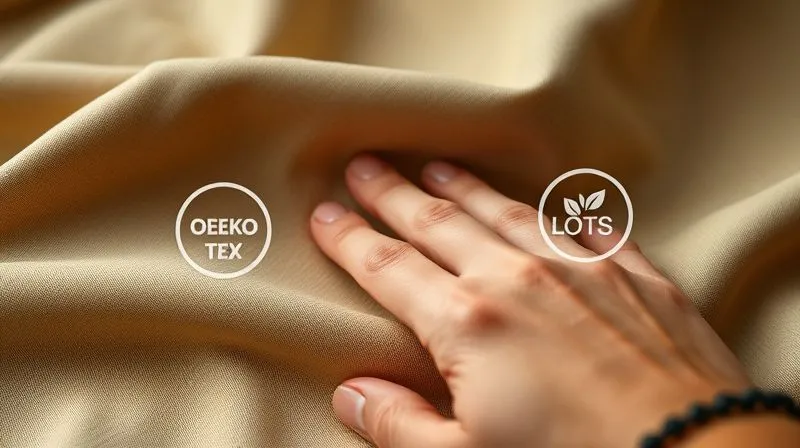
I always advise my clients to work with accredited testing laboratories and to demand full documentation from their suppliers. This proactive approach saves immense headaches down the line. Explore OEKO-TEX standards for textile safety.
The Future of Antimicrobial Textiles: Circularity and Beyond
The journey towards truly sustainable antimicrobial fabrics doesn't end with compliance and efficacy. The next frontier is deeply intertwined with the principles of the circular economy. We must consider the entire lifecycle of the textile, from raw material sourcing to end-of-life.
For antimicrobial fabrics, this means:
- Biodegradability: Are the fibers and the antimicrobial treatment designed to safely biodegrade at the end of their useful life, returning nutrients to the earth without leaving harmful residues?
- Recyclability: Can the antimicrobial fabric be effectively recycled without compromising the integrity of the new material or releasing problematic substances into the recycling stream? This is a significant challenge for many treated textiles.
- Renewable Feedstocks: Prioritizing antimicrobial agents derived from renewable, non-food-competing biomass rather than fossil fuels.
- Design for Longevity: Paradoxically, a truly sustainable antimicrobial fabric also encourages longer product lifespans by reducing odor and the need for frequent washing, thereby reducing water and energy consumption.
The industry is moving towards 'cradle-to-cradle' thinking, where every component is designed to be a nutrient for the next cycle. For antimicrobial textiles, this means pushing the boundaries of material science to create fabrics that are inherently regenerative, protective, and seamlessly integrated into a circular system. This is an exciting, albeit complex, challenge that requires collaboration across the entire value chain.
Frequently Asked Questions (FAQ)
Q: Are all silver antimicrobials banned by the EU? No, not all. However, silver is under intense scrutiny under the Biocidal Products Regulation (BPR). Active substances containing silver must be approved for specific product types, and the treated articles must comply with strict labeling requirements. The trend is towards tighter restrictions and a preference for non-leaching, encapsulated forms, or silver-free alternatives. New applications for silver face significant regulatory hurdles and costs.
Q: How do I verify a supplier's antimicrobial claims for EU compliance? Always request full documentation. This includes BPR active substance approval numbers, REACH compliance certificates for all chemicals used, safety data sheets (SDS), and independent third-party test reports (e.g., ISO 20743, AATCC 100) demonstrating efficacy and wash durability. Crucially, ask for data on leaching and ecotoxicity. Transparency is key; if a supplier is hesitant to provide this, it's a red flag.
Q: What's the difference between biostatic and biocidal for EU regulations? A 'biocidal' product actively kills or inactivates microorganisms. A 'biostatic' product merely inhibits their growth or reproduction. Under the BPR, both are generally considered biocidal products if they make a claim of controlling harmful organisms. The regulation focuses on the 'intended effect' of controlling harmful organisms. If your fabric claims to prevent odor by inhibiting bacteria, it's likely considered a treated article under BPR.
Q: Can natural extracts provide durable antimicrobial performance? Yes, but it's a significant technical challenge. Natural extracts are often volatile or water-soluble, meaning their efficacy can diminish rapidly with washing or exposure. Advanced technologies like microencapsulation, cross-linking, or integration into the fiber matrix are essential to achieve the desired durability and wash fastness for commercial applications. Without these, their performance can be inconsistent.
Q: What role does nanotechnology play in sustainable antimicrobial textiles under EU scrutiny? Nanotechnology offers powerful ways to enhance antimicrobial efficacy and durability. However, it also brings heightened regulatory scrutiny, especially concerning potential environmental and health impacts of released nanoparticles. Under REACH, nanomaterials are subject to specific information requirements. For antimicrobial textiles, the focus is on developing nano-enabled solutions where the active substance is either tightly bound, non-leaching, or biodegradable, minimizing free nanoparticle release into the environment.
Key Takeaways and Final Thoughts
Navigating the intersection of antimicrobial performance, sustainability, and EU regulations is undoubtedly complex, but it's also where the most significant opportunities for innovation and market leadership lie. As an industry specialist, I've seen that the companies who embrace this challenge proactively are the ones who thrive.
- Compliance is Non-Negotiable: Start every innovation project with a deep understanding of BPR and REACH.
- Prioritize Sustainable Alternatives: Move away from traditional, problematic agents like leachable silver towards bio-based, bio-mimetic, or intrinsically antimicrobial fiber solutions.
- Embrace Advanced Technologies: Encapsulation, plasma treatment, and functional fiber integration are key to achieving durable, low-impact performance.
- Verify Everything: Rely on robust third-party certifications, rigorous testing, and transparent traceability to build trust and validate claims.
- Think Circular: Design for the entire lifecycle, aiming for biodegradability, recyclability, and reduced environmental footprint.
The future of textiles is clean, smart, and responsible. By investing in sustainable antimicrobial fabric solutions that meet EU regulations, you're not just ensuring compliance; you're contributing to a healthier planet and positioning your brand at the forefront of textile innovation. It's a journey that requires diligence, creativity, and a steadfast commitment to both performance and purpose, and I'm confident that with the right approach, your brand can lead the way.
Recommended Reading
- 5 Steps to Resolve Custom Engagement Ring Appraisal Disputes Fairly
- Unlocking the Past: How to Tell if Vintage Jewelry is Truly Valuable
- Transforming Tradition: 7 Steps to Modernize Your Bridal Gown Fit
- Best Activewear for CrossFit Beginners: Crush Your First WOD!
- Why Aren't My Fashion Style Guides Converting to Sales? 7 Fixes.


Your email address will not be published. Required fields are marked *