

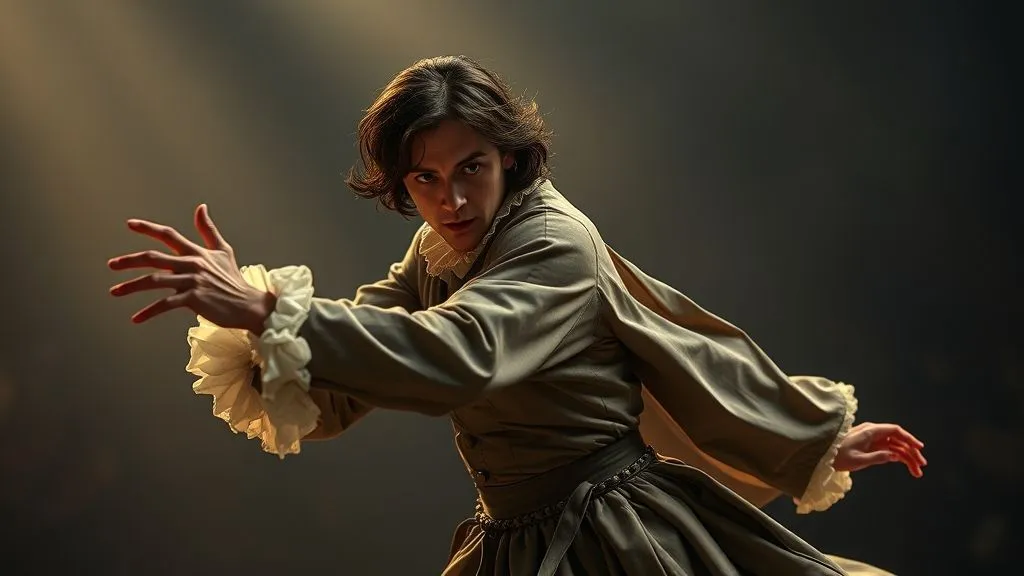
How to Adapt 16th-Century Silhouettes for Modern Actor Movement?
For over two decades in the demanding world of costume design for stage and screen, I've witnessed a recurring dilemma: the clash between historical authenticity and the dynamic needs of modern performance. Designers often find themselves at a crossroads, pressured to recreate exquisite 16th-century silhouettes while simultaneously ensuring actors can deliver powerful, uninhibited performances.
The problem is palpable. Imagine a stunning Elizabethan gown, meticulously crafted to period specifications, but which renders the actor stiff, unable to gesture freely, or even breathe deeply enough for a soliloquy. This isn't just a comfort issue; it directly impacts character portrayal, stage blocking, and the audience's engagement. The rigid forms of the 16th century—the farthingales, stays, and padded sleeves—were designed for a different era of movement and social etiquette, far removed from the physical demands of contemporary theatricality.
This article isn't just about historical facts; it's a deep dive into actionable frameworks and expert insights I've developed and refined over countless productions. You'll learn how to bridge this gap, transforming restrictive historical garments into flexible, performance-ready costumes that honor the past without hindering the present. We'll explore innovative materials, smart construction techniques, and collaborative processes that empower both designer and actor to achieve breathtaking results.
Understanding the 16th-Century Silhouette: Beyond the Surface
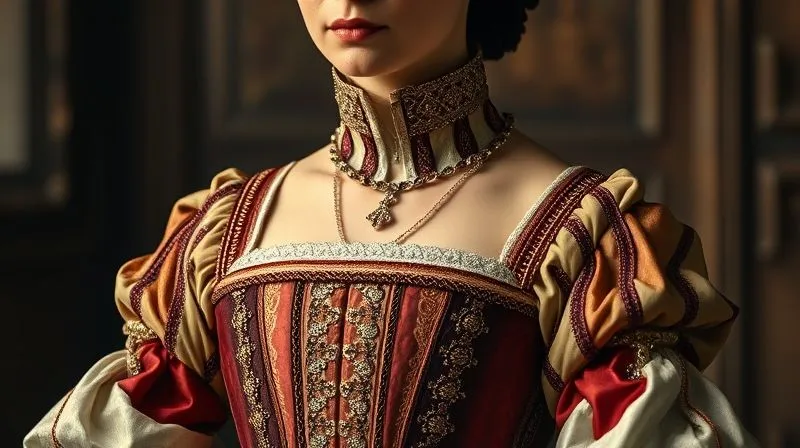
Before we can adapt, we must truly understand what we're adapting. The 16th-century silhouette, particularly for the upper classes, was an architectural marvel built upon a series of meticulously constructed undergarments. It was about creating an ideal, often artificial, shape that reflected social status and contemporary ideals of beauty.
The Core Elements: Stays, Farthingales, Ruff, Padding
At its heart, the silhouette was dictated by foundational pieces. For women, this included the stays (a form of corset, often boned with whalebone or reeds, to flatten the torso and lift the bust), and the farthingale (a hoop skirt structure, either conical Spanish or wheel French, to create voluminous skirts). Men's fashion, while less overtly structured, relied on padding in doublets and hose, particularly the peascod belly and padded shoulders, to achieve a broad, powerful upper body.
These understructures fundamentally altered the wearer's posture and range of motion. Movement was often restrained, deliberate, and formalized, reflecting the rigid social hierarchies of the time. A deep bow, a curtsy, or a subtle hand gesture would have been performed within the confines of these garments, not against them.
The Actor's Body: A Canvas, Not a Cage
The modern actor's approach to performance is vastly different from that of a 16th-century courtier. Today's theatrical landscape demands a full spectrum of physical expression, from intense emotional outbursts to naturalistic movement, from intricate stage combat to intimate, subtle gestures. The costume must facilitate, not impede, this range.
Modern Performance Demands vs. Historical Posture
Actors need to be able to breathe deeply for vocal projection, reach, bend, kneel, and even run. They need their bodies to be responsive and free, allowing them to fully inhabit a character's emotional and physical state. A costume that forces a rigid, unnatural posture or restricts essential movements can be detrimental to a performance, creating a disconnect between the character's inner life and outer expression.
"A costume should be a second skin for the actor, an extension of their character, not a barrier. If it inhibits their breath or movement, it diminishes their performance potential." - My own expert insight.
This is where the challenge of adapting 16th-century silhouettes for modern actor movement truly lies: how do we honor the visual language of the past while empowering the actor to embody a character with the full range of modern physical theatre?
Strategy 1: Deconstructing and Reconstructing the Foundation Garments
The key to liberating the actor within a historical silhouette often begins with the understructure. Instead of rigid replication, we aim for intelligent re-engineering.
The Art of the Flexible Farthingale
Traditional farthingales, whether Spanish or French, were often made with heavy materials like cane, willow, or even metal. For stage, these can be cumbersome, noisy, and challenging for quick changes. My approach involves using lighter, more flexible alternatives.
For a Spanish farthingale, I often opt for plastic boning (like Rigilene or synthetic whalebone) or even flexible hoops made from plumbing pipe or PEX tubing, encased in channels. These maintain the conical shape but allow for slight compression and bounce, crucial for sitting or navigating tight spaces. For French wheel farthingales, a lightweight aluminum wire frame, strategically hinged, can give the necessary width without the bulk.
Modern Stays and Corsetry: Support Without Restriction
Authentic 16th-century stays were designed to flatten and stiffen the torso. While this creates the desired silhouette, it can severely restrict an actor's diaphragm and rib cage, impacting breath and vocal power. Modern adaptation focuses on achieving the visual line with minimal physical constraint.
- Strategic Boning: Instead of full boning, use spiral steel boning (more flexible than flat steel) only where structural integrity is paramount, such as the front busk and side seams.
- Flexible Fabrics: Utilize strong but slightly yielding fabrics like cotton coutil or even a stretch cotton twill for the body of the stays.
- Adjustable Closures: While lacing is period-appropriate, ensure it's easily adjustable and allows for variations in actor's breath and comfort levels during a long performance.
- Underarm Gussets: Integrate small, hidden gussets under the arms to allow for greater arm mobility without distorting the bodice.
- Slightly Higher Waist: Sometimes, raising the waistline of the stays by an inch or two can free up the lower ribs, facilitating deeper breathing without visibly altering the silhouette.
| Component | Traditional Material | Modern Adaptation |
|---|---|---|
| Stays Boning | Whalebone, Reed, Wood | Spiral Steel, Plastic Boning, Rigilene |
| Farthingale Hoops | Cane, Willow, Metal | Lightweight Aluminum Wire, PEX Tubing, Flexible Plastic Hoops |
| Farthingale Fabric | Linen, Canvas | Sturdy Cotton Twill, Interfacing-backed Nylon Mesh |
| Doublet Padding | Horsehair, Wool | Lightweight Polyester Batting, Foam, Shaped Interfacing |
Strategy 2: Fabric Selection – The Unsung Hero of Movement
The choice of fabric is paramount when attempting to adapt 16th-century silhouettes for modern actor movement. While historical accuracy often points to heavy silks, brocades, and velvets, these can be incredibly restrictive and expensive for theatrical use. The trick is to achieve the visual richness without the physical burden.
Beyond Brocade: Embracing Drape and Stretch
I often look for fabrics that have excellent drape and a subtle, inherent stretch. Natural fibers like linen and cotton can be wonderful, but modern blends offer incredible advantages. A silk-blend velvet, for example, might offer the luxurious sheen of historical velvet but with a lighter weight and better fluidity. For understructures or linings, a strong cotton sateen or even a performance stretch fabric can provide support while allowing for greater ease of movement.
Strategic use of stretch panels, carefully hidden in areas of high stress like the back of a doublet or the underside of a sleeve, can make a world of difference. As Dr. Susan Watkins, a textile historian, often emphasizes, "The tactile quality of a fabric informs its movement, and a clever designer can manipulate this to serve both historical aesthetic and practical function." The Costume Society regularly publishes research on historical textiles and their modern applications, which I find invaluable.
Strategy 3: Strategic Seaming and Pattern Adjustments
The magic often lies in the tailoring itself. Period patterns, while informative, must be reinterpreted with an eye towards contemporary movement. This is where a skilled pattern-maker truly earns their keep.
Rethinking Armholes and Shoulder Lines
16th-century armholes were often quite high and tight, restricting overhead movement. For modern actors, I often drop the armhole slightly and add a bit more ease in the sleeve cap. Similarly, shoulder lines, particularly for men's doublets, can be subtly widened or shaped to allow for broader shoulder movement without sacrificing the period aesthetic.
Gussets, Pleats, and Hidden Darts
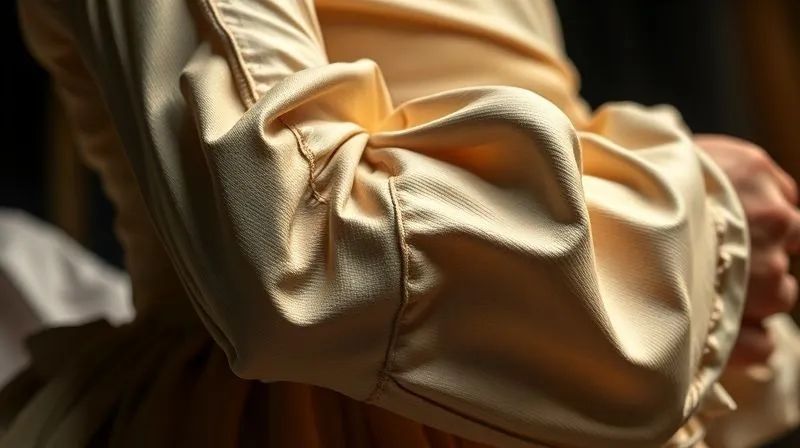
These are a costume designer's secret weapons. A diamond-shaped gusset inserted into the underarm of a doublet or bodice can provide a surprising amount of extra movement without being visible to the audience. Strategic pleats or godets in skirts, even within the confines of a farthingale, can add fullness and allow for wider strides. Hidden darts or princess seams can be engineered to accommodate the body's curves and movement, rather than rigidly encasing them.
Case Study: How the Globe Theatre Company Enhanced Actor Mobility in 'Twelfth Night'
The Globe Theatre Company was preparing for a new production of 'Twelfth Night,' aiming for a visually authentic 16th-century aesthetic but with the high-energy, physical comedy the play demands. Their initial costume prototypes, based on strict historical patterns, proved too restrictive for the actors, particularly during scenes requiring sword fighting and rapid stage crosses. The costume team, working closely with the movement director, implemented several adaptations.
They redesigned the women's farthingales using lightweight aluminum tubing for the hoops, connected by flexible webbing, allowing for slight give when sitting or bumping into other actors. For the men's doublets, traditional padded shoulders were replaced with lightweight foam inserts and the armholes were recut with a slightly deeper curve, incorporating small, hidden stretch gussets made from a matching silk-blend jersey. Additionally, the 'peascod belly' was achieved with soft, removable padding rather than stiff buckram. This combination of material innovation and pattern adjustment resulted in costumes that maintained the iconic 16th-century silhouette while granting the actors the freedom to perform with uninhibited physicality, enhancing the comedic timing and dramatic impact of the production.
Strategy 4: Illusion and Visual Cues – The Spectator's Eye
Sometimes, achieving the desired effect isn't about perfectly replicating every structural detail, but about skillfully manipulating perception. The audience's eye can be remarkably forgiving if the overall impression is correct.
The Power of Proportion and Embellishment
A designer can suggest the rigidity of a 16th-century bodice through clever use of proportion, strong vertical lines, and carefully placed embellishments like embroidery or trim. A slightly softer, less boned bodice can still read as historically accurate if its overall shape and decorative elements align with period styles. Similarly, the width of a farthingale can be suggested by the volume and drape of the outer skirt, even if the understructure is significantly less robust than its historical counterpart.
The human eye tends to fill in the gaps, especially in the context of a theatrical setting where lighting, distance, and the overall mise-en-scène contribute to the illusion. We aim to create a convincing visual narrative without imposing physical limitations.
Strategy 5: The Understructure Revolution – Lightweight and Modular Design
Beyond traditional materials, the modern era offers an exciting array of lightweight and durable options that can revolutionize how we construct 16th-century understructures. This is where engineering meets artistry.
Building with Modern Materials: Plastics, Wires, and Composites
I frequently experiment with materials like various grades of plastic boning, spring steel, and even lightweight aluminum or carbon fiber rods for farthingales and other structural elements. These materials offer incredible strength-to-weight ratios and can be shaped and manipulated in ways that traditional materials couldn't. For example, a farthingale made with a flexible plastic tubing can compress and rebound, making it much more forgiving for an actor navigating tight backstage areas or sitting on stage furniture.
Modular Components for Quick Changes and Adjustments
Consider designing understructures as modular components. A farthingale might be a separate piece that attaches to a bodice or waistband with Velcro or snaps, allowing for quick removal or adjustment. Padded elements for doublets can be designed as removable inserts, allowing the actor to customize their comfort level. This approach not only aids in actor movement but also simplifies cleaning, storage, and repairs.
"Authenticity is a spectrum, not a rigid rule. Our primary goal is to tell the story effectively, and sometimes that means a clever compromise in construction for the sake of performance." - My guiding principle in period adaptation.
Strategy 6: Collaboration with Actors and Movement Directors
Costume design for performance is inherently collaborative. The best results emerge when the designer, actor, and movement director work in concert from the earliest stages of a production.
The Iterative Design Process
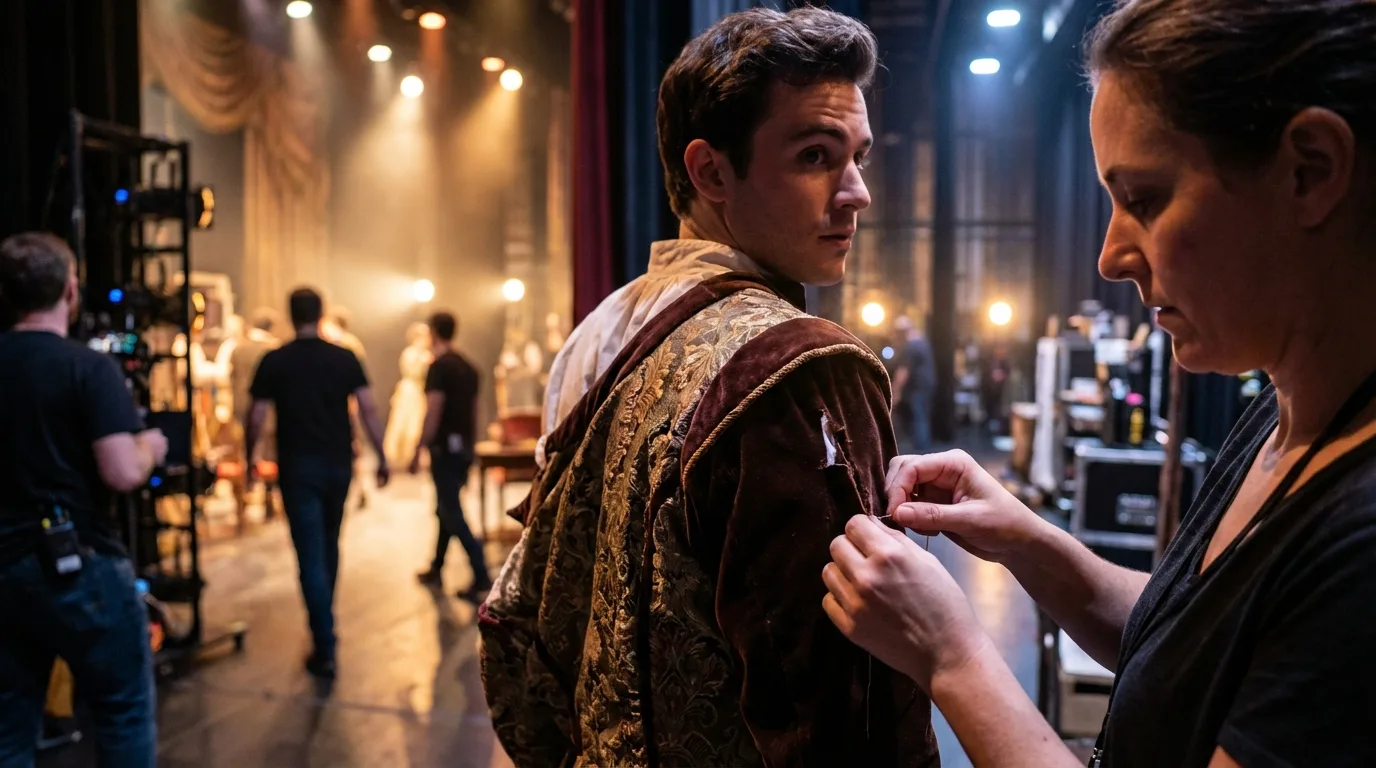
My process always includes early and frequent fittings. It's not enough for the costume to look right; it must *feel* right and *move* right. I encourage actors to try out key movements, gestures, and even fight choreography during fittings. This feedback loop is invaluable. Does the sleeve pull when they raise their arm? Is the farthingale catching on their knees during a turn? These insights allow for adjustments before construction is finalized, preventing costly and time-consuming alterations later.
Working closely with the movement director is also crucial. They can articulate the specific physical demands of the role and help identify potential points of restriction in the costume. This ensures that the costume supports, rather than hinders, the choreographed movements. For further insights into collaborative theatre design, I often recommend exploring resources from institutions like The Royal Academy of Dramatic Art (RADA), which emphasizes integrated training.
Strategy 7: Integrating Historical Movement Training
While we adapt the costume for modern actor movement, it's equally important to consider how the actor moves within that adapted costume. The body language of the 16th century was distinct, and understanding it can enhance the performance.
Educating the Performer on Period Posture
Even with a flexible costume, a modern actor might naturally fall into contemporary movement patterns that look incongruous with a 16th-century silhouette. I often advocate for workshops or coaching sessions focused on period movement, posture, and gesture. This doesn't mean forcing actors into discomfort, but rather educating them on the *intent* behind historical movement.
For instance, understanding how a woman might have carried herself with a farthingale, or how a man would have presented himself with a padded doublet, can inform the actor's choices and add layers of authenticity to their portrayal. This historical awareness, combined with a thoughtfully adapted costume, creates a truly compelling and believable character. Resources from institutions specializing in historical dance and movement, such as Shakespeare's Globe, offer excellent insights into period performance practices.
Frequently Asked Questions (FAQ)
Q: Can modern actors truly embody 16th-century posture without discomfort? A: While full historical posture might be uncomfortable, our goal isn't replication but intelligent adaptation. We aim to suggest the posture through costume design and actor training, allowing for comfort and freedom of movement. Modern ergonomic insights combined with strategic costume engineering prevent discomfort while maintaining the visual essence.
Q: How do you handle costume durability with increased actor movement? A: Durability is paramount. This involves selecting robust fabrics, reinforcing stress points (like armholes and seams) with double stitching or extra interfacing, and using durable hardware. Modular design also helps, as individual components can be repaired or replaced without rebuilding the entire costume. Regular maintenance and careful handling by the wardrobe team are also crucial.
Q: What's the biggest mistake designers make when adapting period costumes? A: The biggest mistake is often a rigid adherence to historical accuracy at the expense of actor functionality. While research is vital, a designer must always prioritize the actor's ability to perform. Another common error is failing to collaborate sufficiently with actors and movement directors early in the process, leading to last-minute, difficult adjustments.
Q: Are there specific 16th-century garments that are harder to adapt? A: Yes, garments that rely heavily on extreme, artificial shaping tend to be more challenging. The French farthingale, with its wide, flat wheel shape, and heavily boned or padded doublets (like the peascod belly style) require the most creative engineering to allow for modern movement without losing their iconic silhouette.
Q: How do you balance budget constraints with specialized adaptations? A: Budget is always a factor. I prioritize adaptations that offer the most impact for the least cost. This might mean using less expensive but functional modern materials for understructures, or focusing on strategic pattern adjustments over costly custom fabric weaves. Clever use of fabric manipulation and embellishment can also create a luxurious look without breaking the bank. Collaboration with the production team to allocate resources effectively is key.
Key Takeaways and Final Thoughts
Navigating the intricate world of period costume design, especially when aiming to adapt 16th-century silhouettes for modern actor movement, is a delicate balance of artistry, historical knowledge, and practical engineering. It’s a challenge I’ve embraced throughout my career, and these strategies represent the distillation of countless hours in the design studio and rehearsal room.
- Deconstruct and Reconstruct: Re-engineer foundation garments like stays and farthingales with modern, flexible materials.
- Prioritize Fabric Choice: Select fabrics with appropriate drape and subtle stretch, even if not strictly period-accurate.
- Master Strategic Tailoring: Utilize hidden gussets, pleats, and adjusted armholes to enhance mobility.
- Leverage Visual Illusion: Suggest silhouettes through proportion and embellishment rather than rigid construction.
- Embrace Modern Materials: Use lightweight plastics, wires, and modular designs for understructures.
- Foster Collaboration: Work closely with actors and movement directors from concept to performance.
- Integrate Movement Training: Educate actors on period posture to complement the adapted costumes.
Remember, the ultimate goal is to empower the actor to deliver a compelling performance while maintaining the visual integrity of the historical period. By thoughtfully applying these strategies, you can transform the perceived limitations of 16th-century fashion into opportunities for dynamic, authentic, and unforgettable theatrical experiences. The stage demands movement, and it is our privilege as designers to ensure our costumes rise to that challenge, honoring history while serving the art of storytelling.
Recommended Reading
- 7 Proven Strategies: Convert Celebrity Red Carpet Style into Luxury Sales Effectively?
- 7 Smart Strategies: Prevent Historical Inaccuracy in Low-Budget Costumes
- 5 Actionable Ways: Revamp Stale Streetwear for New Buyers Now
- Unlock Your Glow: How to Choose Statement Earrings for Your Face Shape
- Mastering Authentication: How to Spot Fake Limited Edition Sneakers

Your email address will not be published. Required fields are marked *