

How to Ethically Source Sustainable Leather for Handmade Footwear?
For over two decades in the bespoke footwear industry, I've had the privilege of working with some of the most passionate artisans and innovative designers. Yet, I've also witnessed a recurring challenge that often stumps even the most seasoned shoemakers: the quest for truly ethical and sustainable leather. It's not just about finding beautiful hides; it's about ensuring every stitch, every cut, every piece of material reflects a deeper commitment to our planet and its people.
The artisan spirit thrives on quality and integrity, but navigating the labyrinthine global leather supply chain can feel like an impossible task. You want to create footwear that lasts a lifetime, that tells a story of craftsmanship, but you’re acutely aware of the environmental toll of traditional tanning processes, the complexities of animal welfare, and the often-hidden human rights issues in production. The desire to do good is there, but the ‘how’ remains elusive, leaving many feeling overwhelmed or resorting to less-than-ideal compromises.
In this definitive guide, I’ll share the practical, actionable frameworks I’ve developed and refined over my career to help you master how to ethically source sustainable leather for handmade footwear. We’ll delve into defining your criteria, vetting suppliers, understanding certifications, and even exploring innovative alternatives. My goal is to equip you with the knowledge and confidence to build a footwear brand that is not only celebrated for its artistry but also revered for its unwavering commitment to ethical and sustainable practices.
Understanding the Complexities of Leather Sustainability
Before we can truly source ethically, we must first confront the multifaceted challenges inherent in traditional leather production. It’s a material deeply ingrained in human history and culture, yet its modern industrial scale often comes with significant environmental and social costs that we, as conscientious shoemakers, can no longer ignore.
The Environmental Footprint of Traditional Tanning
The tanning process, which transforms raw hides into durable leather, has historically been one of the most polluting industries. Conventional chrome tanning, while efficient and producing soft, supple leather, relies on heavy metals and a cocktail of chemicals. These can lead to severe water and soil contamination if not managed properly, impacting local ecosystems and human health. The discharge of untreated wastewater, laden with chromium, sulfides, and other hazardous substances, is a stark reality in many parts of the world. According to a report by the UN Environment Programme, the leather industry's environmental impact, particularly from tanning, is a significant concern.
Beyond tanning, the entire lifecycle contributes. Cattle farming, the primary source of hides, is a significant contributor to greenhouse gas emissions, deforestation, and water consumption. While leather is often considered a byproduct, the demand for hides can indirectly incentivize unsustainable agricultural practices. Understanding this full scope is crucial for making informed choices.

Ethical Concerns: Animal Welfare and Labor Practices
The journey of leather begins with an animal, and animal welfare is a critical ethical consideration. Are the hides sourced from animals raised in humane conditions, free from cruelty and abuse? Tracing the origin of hides back to the farm is incredibly challenging in global supply chains, but it's a non-negotiable step for truly ethical sourcing. We must strive to ensure that the animals were not raised solely for their hides, but rather that the leather is a genuine byproduct of the meat industry, ideally from farms adhering to high animal welfare standards.
Furthermore, the human element within tanneries and processing facilities cannot be overlooked. Labor practices in some parts of the world are far from ethical, involving hazardous working conditions, child labor, and unfair wages. As artisans committed to integrity, we have a moral imperative to ensure that every hand involved in creating our materials is treated with dignity, respect, and provided with safe working environments. This requires diligence and a willingness to look beyond surface-level assurances.
Step 1: Define Your Ethical & Sustainability Criteria
Before you even begin searching for suppliers, you must clearly define what ‘ethical’ and ‘sustainable’ mean to your brand. This isn't a one-size-fits-all answer; it's a reflection of your core values and what you promise to your customers. I've seen brands stumble because they lacked this foundational clarity, leading to inconsistent sourcing and a diluted message.
Transparency, Traceability, and Certifications
Your criteria should cover several key areas. Think about the environmental impact (water usage, chemical management, waste, carbon footprint), animal welfare (origin of hides, farming practices), and social responsibility (fair labor, safe working conditions, community impact). Prioritize what matters most to your brand and be prepared to articulate these priorities clearly to potential suppliers.
Here are actionable steps to define your criteria:
- Identify Core Values: What are the non-negotiables for your brand? Is it 100% chrome-free, zero waste, or a specific animal welfare standard?
- Research Industry Best Practices: Look into standards set by organizations like the Leather Working Group (LWG) or ZDHC (Zero Discharge of Hazardous Chemicals).
- Set Measurable Goals: Instead of just 'sustainable,' aim for 'at least LWG Gold certified' or '100% vegetable-tanned.'
- Document Your Policy: Create a clear internal document outlining your ethical and sustainability sourcing policy. This will be your compass.
- Communicate Internally: Ensure everyone in your team, from design to production, understands and upholds these standards.
Step 2: Explore Sustainable Leather Alternatives and Innovations
The landscape of leather is evolving rapidly, with incredible innovations emerging to address traditional concerns. As a handmade footwear artisan, you have the unique opportunity to integrate these cutting-edge materials into your craft, offering both superior quality and a cleaner conscience. Don't limit yourself to conventional options; explore the possibilities.
Vegetable-Tanned Leather: The Traditional Eco-Choice
Vegetable tanning is an ancient process that uses natural tannins found in bark, leaves, and fruits. It's a slow, labor-intensive method, but it results in beautiful, durable leather that develops a rich patina over time. It's generally considered more eco-friendly due to the absence of harsh chemicals, though water usage and the sourcing of tannins are still considerations. Many high-end handmade shoemakers prefer it for its aesthetic qualities and workability.
Chrome-Free and Mineral Tanning Innovations
Beyond traditional chrome tanning, there are now advanced chrome-free alternatives and mineral tanning methods (like those using titanium or aluminum) that offer excellent performance with significantly reduced environmental impact. These tanneries often invest heavily in closed-loop systems and wastewater treatment, demonstrating a commitment to responsible production. It's worth researching specific tanneries and their unique processes.
Recycled and Upcycled Leather
This category includes leather made from post-consumer or post-industrial waste. Recycled leather often involves grinding leather scraps into a pulp, then re-bonding them with binders to create a new sheet material. Upcycled leather refers to using existing leather items (like old jackets or furniture) and repurposing them into new products. These options divert waste from landfills and reduce the demand for virgin materials.
Emerging Bio-Based Leathers (e.g., mushroom, pineapple)
The future of sustainable materials is exciting! Innovations like mycelium (mushroom) leather, Pinatex (pineapple leaf fiber), and even lab-grown leathers are gaining traction. While some are still in early stages or come with their own unique challenges (e.g., durability, scalability), they represent a significant step towards truly circular and animal-free alternatives. For handmade footwear, these offer unique textures and narratives.
| Leather Type | Sustainability Benefits | Considerations | Best For Handmade Footwear |
|---|---|---|---|
| Vegetable-Tanned Leather | Natural tannins, biodegradable, low chemical use (typically) | Water usage, slow process, cost, tannin sourcing | Classic, durable, patina-rich designs |
| Chrome-Free Tanned Leather | Reduced toxic chemical use, advanced wastewater treatment | Can still be energy-intensive, transparency needed | Modern, soft, varied finishes |
| Recycled/Upcycled Leather | Waste reduction, circular economy, resource efficiency | Binding agents, durability, aesthetic consistency | Innovative, unique textures, casual styles |
| Bio-Based Leathers (e.g., Mycelium) | Animal-free, potentially circular, novel materials | Scalability, durability, current cost, feel | Avant-garde, experimental, vegan collections |
Step 3: Vetting Suppliers: Beyond the Brochure
Finding a supplier who claims to be ethical is one thing; verifying those claims is another entirely. This is where your due diligence becomes paramount. I've learned that a glossy brochure or a slick website can often hide a multitude of sins. True ethical sourcing requires a deep dive into their practices and a commitment to transparency.
Direct Communication and Factory Audits
Start with direct, detailed conversations. Ask pointed questions about their tanning processes, chemical management, water treatment, waste disposal, and energy consumption. Request documentation. If possible, arrange a visit to the tannery or production facility. An on-site audit, even if conducted by a third party, provides invaluable insights into their actual operations and working conditions. This level of scrutiny might seem daunting, but it's essential for building trust and ensuring compliance with your criteria.
Certifications That Matter (LWG, Leather Standard by OEKO-TEX, etc.)
Certifications are powerful tools for vetting, but understand what each one signifies. The Leather Working Group (LWG) is a globally recognized standard that assesses environmental compliance and performance capabilities of tanners. An LWG Gold rating indicates a high level of environmental stewardship. Other relevant certifications include the Leather Standard by OEKO-TEX, which focuses on harmful substances, and specific animal welfare certifications like the Responsible Leather Initiative.
"Don't just ask for certifications; understand the criteria behind them. A certificate is a starting point, not the end of your investigation. Dig deeper into the supplier's actual practices and their commitment to continuous improvement."
Always ask for the most recent audit reports and verify their authenticity. A supplier truly committed to sustainability will be proud to share this information and transparent about their journey. Be wary of vague statements or a reluctance to provide specifics.

Step 4: The Importance of Traceability and Supply Chain Mapping
Traceability is the backbone of ethical sourcing. It’s the ability to track materials from their origin to your workshop. Without it, claims of sustainability or ethical practices are difficult to verify. For handmade footwear, where the story behind each material can be a powerful selling point, a transparent supply chain is invaluable.
From Farm to Foot: Understanding the Journey
This means knowing where the raw hides come from (the farm or slaughterhouse), how they are transported, where they are tanned, and every step in between. Many tanneries source hides globally, making this complex. However, leading sustainable tanneries are increasingly investing in systems that allow for this level of transparency. Look for suppliers who can provide documentation on the origin of their hides, proving they don't come from areas of deforestation or from farms with questionable animal welfare practices.
Leveraging Technology for Transparency
New technologies are emerging to aid traceability. Blockchain, for example, is being explored to create immutable records of a hide's journey. While perhaps not yet mainstream for small-scale artisans, understanding these innovations can help you advocate for greater transparency in the industry. For now, detailed documentation, supplier questionnaires, and direct communication remain your best tools. Building long-term relationships with a few trusted tanneries can significantly simplify this process.
| Traceability Step | Verification Method | Priority |
|---|---|---|
| Raw Hide Origin | Farm/Slaughterhouse ID, geographical data, animal welfare certifications | High |
| Transportation & Storage | Logistics records, cold chain management, carbon footprint data | Medium |
| Tanning Process | Tannery audit reports (LWG, OEKO-TEX), chemical manifest, wastewater treatment logs | High |
| Finishing & Distribution | Factory audits (social compliance), packaging materials, shipping routes | Medium |
Step 5: Prioritizing Animal Welfare and Ethical Labor
True ethical sourcing extends beyond environmental impact; it deeply intertwines with the welfare of animals and the rights of the people involved. As a craftsman, I believe the integrity of your product is inextricably linked to the integrity of its creation process. This is a crucial aspect of how to ethically source sustainable leather for handmade footwear.
Sourcing Hides from Responsible Farms
The ideal scenario is to source hides that are a genuine byproduct of the meat industry, from animals raised in humane conditions. This means looking for suppliers who can trace their hides to farms that adhere to recognized animal welfare standards (e.g., Global Animal Partnership, RSPCA Approved). Avoid hides from exotic animals or those from regions with poor animal welfare track records. Engage in dialogue with your tannery about their hide procurement policies. Some tanneries are now even partnering directly with farms to ensure better oversight.
Ensuring Fair Labor Practices in Tanneries
This is where your commitment to social responsibility comes into play. Inquire about working conditions, wages, health and safety protocols, and the absence of child or forced labor. While you might not be able to conduct full social audits yourself, look for suppliers who are members of initiatives like the Fair Wear Foundation or who have robust internal social compliance programs. Request their social audit reports (e.g., SA8000, BSCI). A reputable supplier will have clear policies against discrimination, harassment, and unsafe environments.
Case Study: Soles of Integrity
Soles of Integrity, a small bespoke footwear brand, faced skepticism regarding their ethical claims. They decided to partner with a tannery in Italy that was not only LWG Gold certified but also transparent about its hide sourcing from local, family-run farms with documented animal welfare standards. Furthermore, the tannery had implemented a comprehensive employee welfare program, including fair wages, health benefits, and continuous training. Soles of Integrity visited the tannery, documented the process, and even created a short film showcasing their supply chain. This radical transparency not only silenced critics but also resonated deeply with their customer base, leading to a 40% increase in brand loyalty and a premium price point for their ethically sourced creations. They proved that a deep commitment to both animal welfare and fair labor can be a powerful differentiator.
Step 6: Minimizing Waste and Maximizing Longevity
Sustainability in footwear isn't just about sourcing; it's also about what you do with the materials once they arrive in your workshop and how long the final product lasts. As a handmade footwear artisan, you are uniquely positioned to embrace practices that minimize environmental impact throughout the product lifecycle.
Design for Durability and Repairability
The most sustainable shoe is the one that lasts the longest. Design your footwear with longevity in mind, using construction methods (like Blake stitching, Goodyear welting) that allow for easy repair and resoling. Educate your customers on how to care for their leather shoes and offer repair services. This not only builds customer loyalty but also significantly reduces the environmental footprint of your products by extending their useful life.
Efficient Cutting and Material Utilization
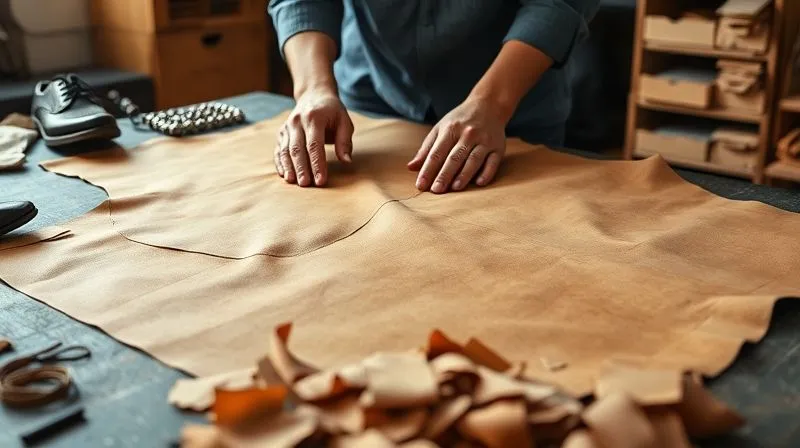
Leather is a precious resource. In your workshop, focus on optimizing your cutting patterns to minimize waste. Utilize smaller scraps for details, accessories, or even collaborate with other artisans who can use them. Consider innovative techniques like laser cutting for precision and reduced material loss. Every scrap saved is a step towards a more sustainable practice. As an industry veteran, I’ve seen how thoughtful design and efficient cutting can drastically reduce material waste over time.
Step 7: Communicating Your Commitment to Consumers
You’ve put in the hard work to ethically source sustainable leather for handmade footwear. Now, it’s time to share that story authentically and transparently with your customers. This isn't just marketing; it's about building trust and educating your audience.
Authentic Storytelling and Transparency
Don't just state that your leather is 'sustainable.' Tell the full story. Explain *how* you vet suppliers, *why* you chose vegetable-tanned leather, and *what* certifications mean. Share details about the tannery, the region, and the people involved. Use your website, social media, and product tags to convey this narrative. Transparency builds credibility and allows customers to connect with your brand on a deeper, more meaningful level.
Educating Your Customers
Many consumers are increasingly conscious but may not understand the nuances of sustainable leather. Take the opportunity to educate them. Explain the benefits of vegetable-tanned leather, the importance of animal welfare, and the impact of fair labor practices. Provide care instructions that emphasize longevity and repairability. When customers understand the value behind your ethical choices, they become advocates for your brand and for sustainable practices in general.
Remember, sustainability is a journey, not a destination. Be honest about your challenges and your ongoing efforts. This authenticity will resonate far more than any perfect, but ultimately unverified, claim. Your commitment to ethical sourcing is a powerful differentiator in the crowded market of handmade footwear.
Frequently Asked Questions (FAQ)
Q: Is vegan leather always more sustainable than traditional leather? Not necessarily. While vegan leather avoids animal welfare concerns, many synthetic vegan leathers are petroleum-based (e.g., PU, PVC) and can have significant environmental impacts in terms of production, chemical use, and end-of-life disposal. Bio-based vegan leathers (like mushroom, pineapple, or cactus leather) offer more sustainable alternatives, but their durability and scalability are still evolving. It's crucial to assess each material's full lifecycle impact rather than making broad assumptions.
Q: How can a small, handmade footwear brand afford the extra cost often associated with ethical and sustainable leather? While ethical leather can have a higher upfront cost, consider the long-term value. It allows for premium pricing, attracts a conscious customer base willing to pay more for integrity, and builds a stronger brand reputation. Furthermore, by focusing on durability and repairability, you offer a product with a lower cost-per-wear for the customer, justifying the initial investment. Explore direct relationships with smaller tanneries or consider bulk purchasing with other local artisans to potentially reduce costs.
Q: What are the key certifications I should look for when sourcing leather? The most prominent is the Leather Working Group (LWG), which assesses environmental performance in tanneries, with Gold, Silver, and Bronze ratings. Other important ones include the Leather Standard by OEKO-TEX (for harmful substances), and potentially specific animal welfare certifications depending on your region and focus. Always ask for recent audit reports and understand what each certification specifically guarantees.
Q: Is it possible to source 100% traceable leather from farm to finished product? Achieving 100% traceability from the individual farm can be incredibly challenging, especially for smaller brands or tanneries sourcing globally. However, it is increasingly possible to source hides that are traceable to specific regions or groups of farms with verified animal welfare and environmental standards. Focus on tanneries that are transparent about their hide procurement policies and can provide documentation linking hides to responsible slaughterhouses or agricultural cooperatives. Progress in technology, like blockchain, is making this more feasible.
Q: How do I ensure fair labor practices in my leather supply chain if I can't visit every factory? While direct visits are ideal, for smaller brands, rely on third-party social compliance audits (e.g., SA8000, BSCI) and certifications from organizations like the Fair Wear Foundation. Request these reports from your suppliers. Also, build long-term relationships with trusted partners and engage in open dialogue about their labor policies. A supplier's willingness to share this information and discuss improvements is a strong indicator of their commitment to ethical practices.
Key Takeaways and Final Thoughts
- Define Your Non-Negotiables: Clearly articulate your brand's ethical and sustainability criteria before you begin sourcing.
- Vet Diligently: Don't just take claims at face value. Ask tough questions, request documentation, and understand certifications.
- Embrace Innovation: Explore vegetable-tanned, chrome-free, recycled, and bio-based leathers to find the best fit for your brand's values and aesthetic.
- Prioritize Traceability: Strive to understand the full journey of your leather, from farm to workshop, to ensure ethical and sustainable origins.
- Design for Longevity: Create durable, repairable footwear that maximizes the life of your ethically sourced materials.
- Communicate Authentically: Share your ethical journey with your customers, educating them and building trust through transparency.
The path to ethically sourcing sustainable leather for handmade footwear is undoubtedly complex, but it is also incredibly rewarding. As artisans, we have a unique power to influence change through our craft. By committing to these principles, you're not just creating beautiful shoes; you're building a brand with integrity, contributing to a more responsible industry, and leaving a positive legacy for generations to come. Embrace the challenge, stay curious, and let your values guide every decision. The future of footwear depends on it.
Recommended Reading
- 9 Proven Strategies: How to Prove Sustainable Fashion Impact to Skeptics?
- 5 Style Pillars: Dress for Promotion, Project Executive Presence
- 5 Steps to Spot Profitable Emerging Streetwear Aesthetics for Your Brand
- Mastering Bulk Bridesmaid Orders: 7 Strategies for Diverse Body Types
- 7 Interactive Features Driving Virtual Fashion Buyer Engagement?





Your email address will not be published. Required fields are marked *