

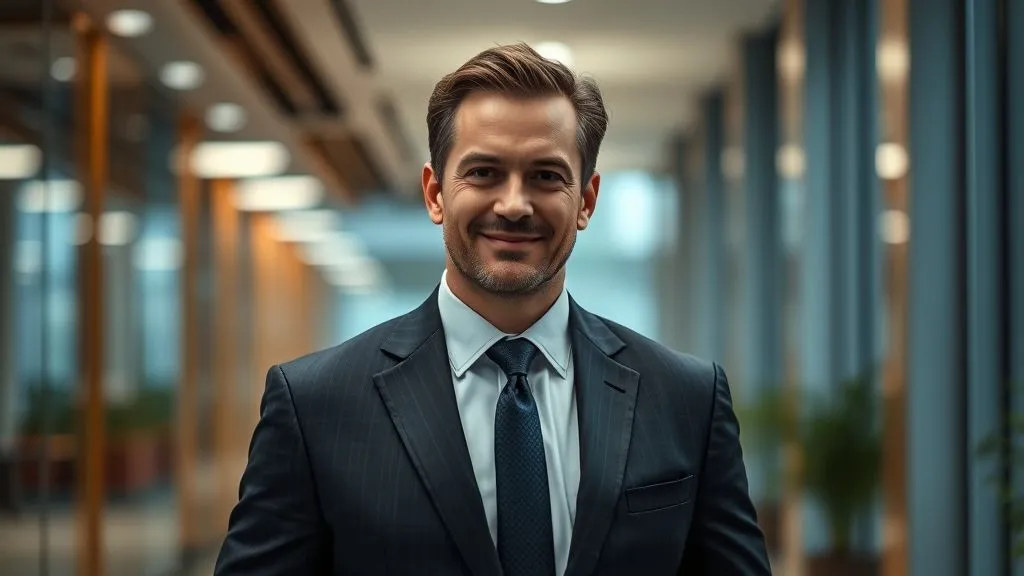
How to Dress for a Promotion Interview to Project Executive Presence?
For over two decades in the fashion and menswear industry, I've had the privilege of advising countless professionals on their sartorial journeys. One of the most common, yet often overlooked, hurdles I've witnessed in career advancement isn't a lack of skill or experience, but a fundamental misunderstanding of personal presentation.
The pain point is palpable: you've put in the long hours, delivered exceptional results, and now the promotion interview is on the horizon. Yet, a nagging doubt persists: does your appearance truly reflect the executive you aspire to be? Many talented individuals inadvertently undermine their chances by failing to project the gravitas, confidence, and authority that defines true executive presence through their attire.
This isn't about extravagance or fleeting trends; it's about strategic communication. In this definitive guide, I'll share my expert insights and actionable frameworks on how to dress for a promotion interview to project executive presence, ensuring your visual narrative aligns perfectly with your professional ambition. We'll delve into the nuances of tailoring, color psychology, and meticulous grooming, equipping you with the tools to command respect the moment you walk into that room.
Beyond the Basics: Understanding Executive Presence Through Style
Executive presence isn't an innate quality; it's a cultivated one, deeply intertwined with how you present yourself. It's the unspoken language that signals leadership, competence, and reliability. In an interview setting, this means your appearance must resonate with the level of responsibility you seek.
Defining Executive Presence in Your Wardrobe
Think of executive presence as the sum of your non-verbal cues. Your clothing is a primary component of this communication. It should convey a sense of intentionality, professionalism, and an understanding of the unspoken rules of senior leadership. It's about looking like you already belong in that corner office, not just aspiring to it.
“Your clothing is the first word in your professional narrative. Make sure it speaks volumes about your executive potential before you even utter a syllable.” – Industry Specialist Insight.
This isn't about being flashy; it's about being polished, authoritative, and subtly powerful. Every element, from the cut of your suit to the shine on your shoes, contributes to the overall impression of executive presence.
The Foundation: Impeccable Fit and Fabric Quality
If there's one piece of advice I could etch into every professional's mind, it's this: fit is paramount. A designer suit that fits poorly will always look inferior to a well-tailored, mid-range suit. It's the cornerstone of projecting executive presence.
The Power of Tailoring
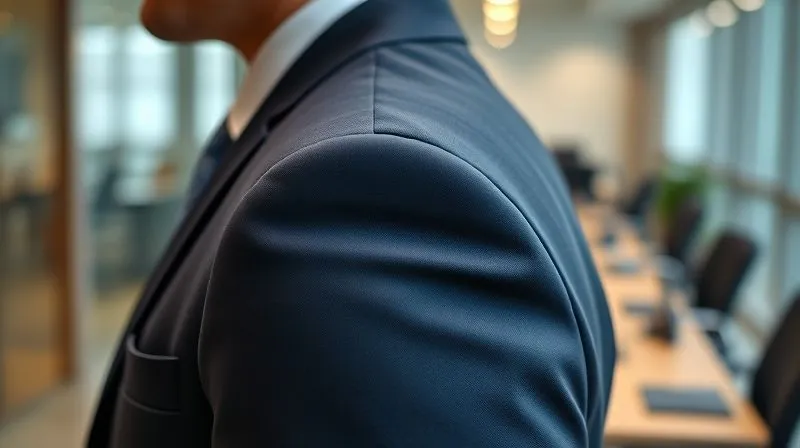
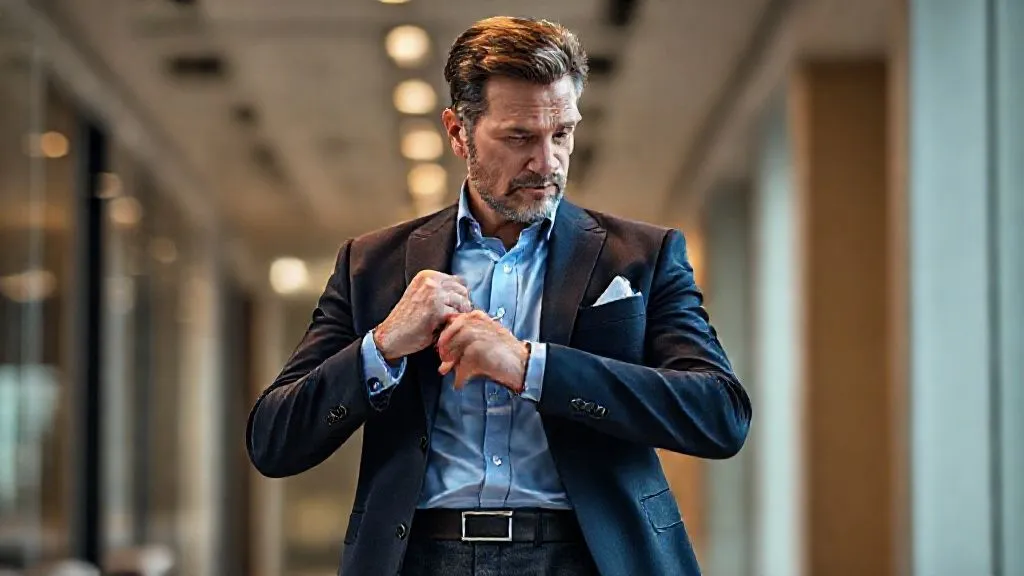
An ill-fitting suit can make you look sloppy, uncomfortable, and even inexperienced. Conversely, a perfectly tailored suit not only enhances your physique but also signals attention to detail and a commitment to excellence – traits highly valued in leadership. Shoulders should sit perfectly, sleeves should show a quarter-inch of cuff, and trousers should break just once on your shoe.
Investing in Quality: It's Not Just About Cost
While a high-quality fabric generally comes with a higher price tag, the investment pays dividends. A suit made from fine wool drapes better, resists wrinkles more effectively, and simply looks more luxurious. This doesn't mean breaking the bank, but rather choosing wisely. Look for worsted wools with a good hand feel. As Harvard Business Review often highlights, investing in quality professional attire is an investment in your career.
- Shoulder Fit: The seam should sit precisely at the edge of your natural shoulder. No overhang, no tightness.
- Sleeve Length: When your arms are at your sides, the jacket sleeve should end where your wrist meets your hand, allowing about 0.5 inches of your shirt cuff to show.
- Jacket Length: The jacket hem should cover your seat and end around mid-crotch, allowing for full range of motion without revealing too much.
- Trouser Break: Trousers should have a single, subtle break at the top of your shoe. Avoid excessive bunching or a high-water look.
- Waist Comfort: Your trousers should fit comfortably at the waist without needing a belt to stay up, or cinching too tightly.
Strategic Color Psychology: Commanding Authority and Trust
Colors evoke emotions and perceptions. For a promotion interview, your color choices are not merely aesthetic; they are strategic. You want to project trustworthiness, authority, and professionalism without being visually overwhelming.
Navigating Neutrals: The Power of Navy, Charcoal, and Grey
The safest and most effective choices for interview suits are navy blue and charcoal grey. Navy conveys trust, stability, and authority. Charcoal grey signals sophistication, seriousness, and reliability. Both are versatile and universally flattering. A medium grey can also work, projecting a more approachable yet intelligent demeanor.
Accent Colors: Subtlety is Key
For your shirt, a crisp white or a subtle light blue are ideal. These colors provide a clean, professional backdrop for your suit and tie. For your tie, choose patterns that are understated – think subtle stripes, small paisleys, or solids. Avoid anything too bright, busy, or novelty-based. The goal is to complement, not distract.
The Psychology of Suit Colors
| Color | Perceived Attributes |
|---|---|
| Navy Blue | Trustworthy, Authoritative, Professional, Stable |
| Charcoal Grey | Sophisticated, Serious, Reliable, Mature |
| Medium Grey | Approachable, Modern, Intelligent, Balanced |
| Black (Caution) | Formal, Powerful, Aloof (can be too stark for interviews) |
Shirt, Tie, and Accessories: The Details That Define
Once the suit is handled, the magic is in the details. These smaller elements can elevate your entire ensemble, subtly reinforcing your executive presence. They demonstrate a meticulous approach to your personal brand, which translates to your professional work.
The Crisp White or Light Blue Shirt
Always opt for a long-sleeved, collared shirt. A pure white dress shirt is timeless and conveys crisp professionalism. A light blue shirt is a close second, offering a touch more personality while remaining utterly professional. Ensure it's impeccably ironed and free of stains or frayed collars. A spread collar or semi-spread collar typically works best with a tie.
Choosing the Right Tie: Pattern, Fabric, and Knot
Your tie should complement your suit and shirt without dominating. Silk is the preferred fabric for its drape and subtle sheen. Patterns like subtle stripes (regimental or repp), small dots, or understated paisleys are excellent. Solids in rich colors like burgundy, deep green, or classic navy are also superb. The knot should be proportionate to your collar and facial structure – a four-in-hand, half-Windsor, or full Windsor are all acceptable, tied neatly and sitting snugly against your collar.
Subtle Accessories: Watch, Belt, and Shoes
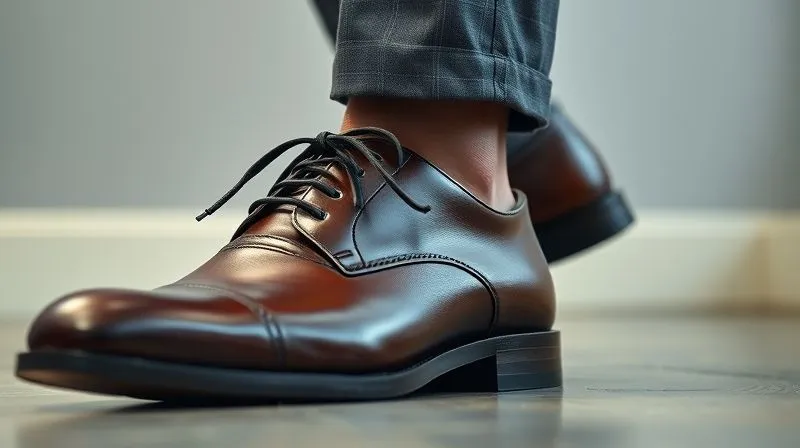
Your accessories should be minimal and high quality. A classic leather dress watch with a simple face is ideal. Your belt should match your shoes in color and finish – typically black or dark brown leather. Shoes are crucial; they are often the first thing a seasoned interviewer notices. Invest in polished, classic leather oxfords or derbies. They must be impeccably clean and shined. Avoid loafers, sneakers, or anything overly casual. Socks should match your trousers and be long enough to prevent skin from showing when you sit.
Grooming and Personal Presentation: The Unspoken Language of Leadership
Your attire sets the stage, but your grooming is the final polish that truly seals the deal for executive presence. It speaks volumes about your self-discipline and respect for the occasion.
Hair, Beard, and Skincare: Polished to Perfection
Your hair should be neatly styled, clean, and off your face. If you have facial hair, ensure it's meticulously trimmed and well-groomed. A clean-shaven look is always safe. Pay attention to your skin – a good moisturizer can make a significant difference. Avoid anything that looks unkempt or distracting. Nails should be clean and trimmed. These small details convey a consistent level of care and attention.
The Scent of Success: A Subtle Signature
While often overlooked, your scent can impact perception. Opt for a very subtle, sophisticated cologne or aftershave. The key word is subtle; it should be barely noticeable unless someone is very close, creating a pleasant, professional impression rather than an overpowering one. Less is definitely more here. You want to leave an impression of competence, not a fragrance cloud.
Case Study: Mark's Executive Leap
Mark, a talented mid-level manager at a financial firm, consistently struggled to advance despite strong performance reviews. During a mentorship session, I noticed his interview attire, while 'business casual,' lacked the gravitas expected for a senior role. His suits were ill-fitting, and his accessories were an afterthought. We worked on transforming his wardrobe to reflect an executive mindset: investing in a perfectly tailored navy suit, crisp shirts, and subtle yet sophisticated accessories. For his next promotion interview, he presented not just his skills, but a complete package of professionalism and readiness. The result? He secured the Senior Director position, with feedback explicitly mentioning his 'commanding presence' – a direct reflection of his refined presentation.
Confidence Through Comfort: The Psychological Edge
While the focus is on looking the part, feeling comfortable in your clothes is equally critical. Discomfort can manifest as fidgeting, awkward posture, or a distracted demeanor, all of which detract from executive presence.
Practice Your Outfit: Eliminate Distractions
Before the big day, wear your full interview outfit for a few hours. Sit, stand, walk, and even simulate a handshake. This allows you to identify any areas of discomfort – a tight collar, a restrictive jacket, or shoes that pinch. Address these issues beforehand. You want to be fully present and focused on the conversation, not on your clothing.
The Mindset of an Executive
Dressing for the role isn't just about external perception; it's also about internal psychology. When you look the part, you often start to feel the part. This phenomenon, often discussed in psychological studies on 'enclothed cognition,' suggests that the clothes we wear can influence our cognitive processes and behavior. Donning an executive-level outfit can genuinely boost your confidence and help you embody the persona you wish to project. As Forbes consistently points out, dressing for success is a powerful psychological tool.
Avoiding Common Pitfalls: What NOT to Wear
Knowing what to wear is essential, but understanding what to avoid is equally important in maintaining an executive image. A single misstep can detract from all your other efforts.
- Overly Trendy or Casual Attire: While your everyday style might lean casual or trendy, an interview for a promotion is not the place for it. Avoid distressed denim, t-shirts, hoodies, or overly casual blazers.
- Flashy Logos or Branding: Subtlety is key for executive presence. Avoid clothing or accessories with prominent brand logos. Your personal brand should shine, not a designer's.
- Ill-Fitting Clothes: As discussed, this is a cardinal sin. Baggy suits or overly tight clothing both convey unprofessionalism.
- Wrinkled or Stained Garments: Even the most expensive suit looks terrible if it's wrinkled or dirty. Presentation matters.
- Strong Scents: Overpowering cologne or aftershave can be highly distracting and off-putting to interviewers.
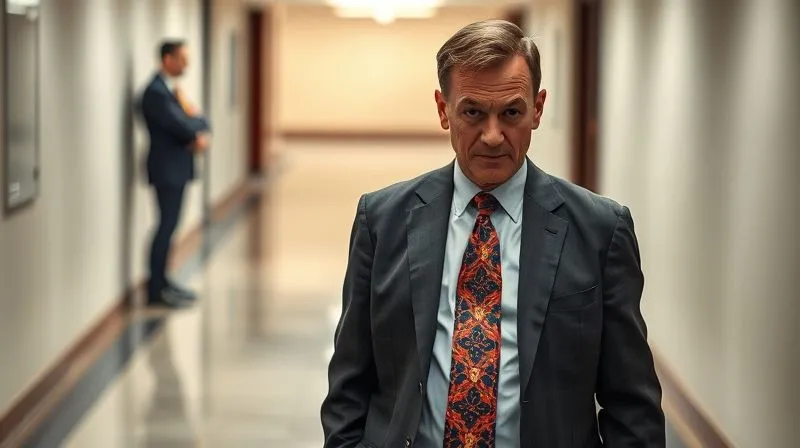
- Novelty Ties or Socks: While a touch of personality is good, an interview is not the place for cartoon characters or overly loud patterns. Stick to sophisticated choices.
- Unpolished or Scuffed Shoes: Your shoes are often a tell-tale sign of your attention to detail. Ensure they are immaculate.
Customization and Authenticity: Making It Your Own
While there are clear guidelines for how to dress for a promotion interview to project executive presence, it’s also crucial to maintain a degree of authenticity. Your style should feel like an extension of your professional self, not a costume.
Balancing Professionalism with Personal Brand
Once you've mastered the foundational elements of fit, quality, and classic colors, you can infuse subtle elements of your personal brand. This might be through a unique tie pattern, a sophisticated pocket square (kept subtle and understated), or a distinctive watch. These touches should enhance, not detract from, your executive image.
“Authenticity in style isn't about breaking the rules; it's about mastering them and then adding a signature flourish that speaks to who you are as a leader.” – Industry Specialist Insight.
The goal is to present a polished, professional version of yourself, not to become someone you're not. A genuine smile, confident posture, and articulate communication will always amplify the positive impression created by your thoughtful attire. Your clothing should empower you, not constrain you. Think of it as your personal uniform for success, tailored to your unique professional journey.

Frequently Asked Questions (FAQ)
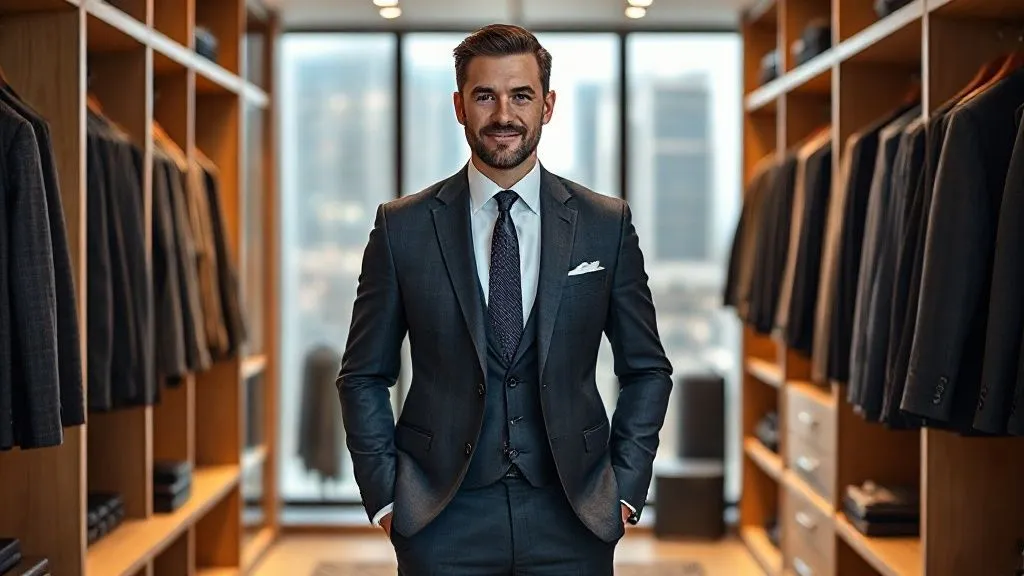
Is a three-piece suit always necessary for a promotion interview? No, a two-piece suit (jacket and trousers) in navy or charcoal grey is perfectly acceptable and often preferred for most promotion interviews. A three-piece suit can add an extra layer of formality and gravitas, which might be appropriate for very senior or traditional roles, but it's not a universal requirement. The key is impeccable fit and quality.
How do I choose the right tie pattern? For an executive promotion interview, opt for conservative patterns. Subtle stripes (like repp or regimental ties), small dots, or understated paisleys are excellent choices. Solid ties in rich, deep colors such as burgundy, forest green, or classic navy are also highly effective. Avoid novelty ties, overly bright colors, or large, distracting patterns. The tie should complement, not overpower, your suit and shirt.
What if my company has a more casual culture? Should I still wear a suit? Yes, generally. Even in a business casual environment, a promotion interview is a formal occasion that warrants a suit. It demonstrates respect for the opportunity and your ambition for a leadership role. If the culture is extremely casual (e.g., tech startup where even CEOs wear hoodies), you might consider a sharp blazer, tailored trousers, a crisp dress shirt, and polished dress shoes. However, when in doubt, default to a classic suit. It's better to be slightly overdressed than underdressed for such a critical meeting.
Should I wear cologne/aftershave? If you choose to wear cologne or aftershave, it must be applied very sparingly. The goal is a subtle, pleasant scent that is only noticeable at very close proximity, not a strong fragrance that precedes you into the room. An overpowering scent can be distracting and even off-putting to interviewers. Some professionals prefer to skip it entirely to avoid any potential issues.
How important are shoes in projecting executive presence? Extremely important. Shoes are often one of the first things a discerning interviewer notices. Scuffed, worn, or unpolished shoes can undermine an otherwise perfect outfit. Invest in high-quality, classic leather dress shoes (oxfords or derbies) in black or dark brown. Ensure they are impeccably clean and shined. They complete the professional image and signal attention to detail.
Key Takeaways and Final Thoughts
- Fit is King: A perfectly tailored suit is the single most important factor in projecting executive presence.
- Strategic Colors: Opt for navy or charcoal grey suits, paired with crisp white or light blue shirts, and conservative ties.
- Details Matter: Impeccably polished shoes, a matching belt, and a subtle dress watch complete your look.
- Grooming is Non-Negotiable: Neat hair, trimmed facial hair, and a fresh appearance are crucial.
- Confidence Through Comfort: Wear your outfit beforehand to ensure comfort and eliminate distractions.
- Authenticity: Balance classic professionalism with subtle touches of your personal brand.
Mastering how to dress for a promotion interview to project executive presence isn't about vanity; it's about strategic communication. Your attire is a powerful tool that can articulate your readiness, competence, and leadership potential before you even speak. By meticulously attending to fit, fabric, color, and grooming, you're not just dressing for an interview; you're stepping into the role you aspire to. Go forth with confidence, knowing that every detail of your presentation supports your ambition, and seize that promotion!
Recommended Reading
- 7 Pillars: Preserving High-End Fashion Exclusivity in Digital Spaces
- The Ultimate Guide: How to Preserve Haute Couture Runway Masterpieces Forever
- Unlock All-Day Comfort: The Ultimate Guide to Business Casual Shoes for Men Who Stand
- Best Affordable Streetwear Brands 2024: Your Ultimate Guide to Stylish Savings
- Unlock Your Best Silhouette: How to Style Pear Shape Body for Flattering Looks



Your email address will not be published. Required fields are marked *