

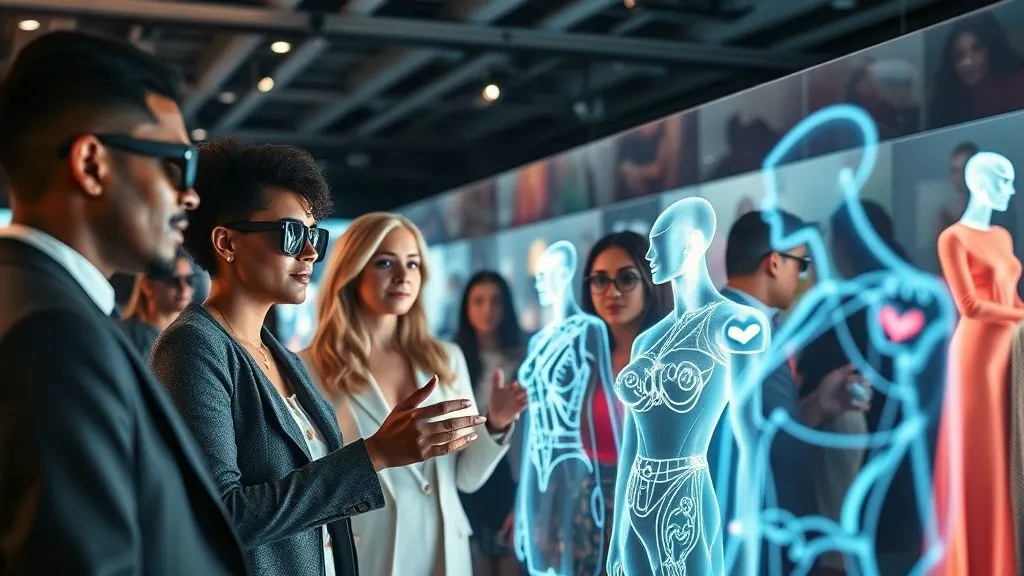
What interactive features drive buyer engagement in virtual fashion?
For over 15 years in the fashion technology landscape, I've seen countless brands struggle to translate the magic of physical fashion into compelling digital experiences. The early days of virtual fashion shows often felt like glorified video streams, lacking the tactile connection and personal interaction that define luxury retail. This oversight led to a significant disconnect, leaving buyers feeling passive and disengaged, and ultimately impacting conversion rates.
The core problem, as I’ve observed, isn't a lack of interest in digital fashion, but rather a fundamental misunderstanding of how to truly engage a buyer in a virtual space. It's not enough to simply showcase garments; you need to create an immersive, personalized, and interactive journey that mirrors, and even surpasses, the best aspects of an in-store experience. The traditional passive viewing model simply doesn't cut it in today's dynamic digital landscape.
In this definitive guide, I will walk you through the most impactful interactive features that are revolutionizing buyer engagement in virtual fashion. We'll explore actionable frameworks, dissect real-world applications, and uncover expert insights to help you transform your digital strategy from a mere showcase into a vibrant, interactive destination that captivates and converts.
Beyond the Runway: The Evolution of Digital Engagement
The traditional fashion show, with its static models and exclusive audience, has long been the pinnacle of brand presentation. However, as we pivoted into the digital realm, simply replicating this format online proved insufficient. Buyers accustomed to instant gratification and personalized experiences quickly grew tired of passive viewing. The imperative became clear: virtual fashion needed to offer more than just a visual spectacle; it demanded participation.
I recall a conversation with a luxury brand CEO struggling with their first all-digital collection launch. Their virtual runway show garnered millions of views, but their e-commerce conversion barely budged. "People are watching, but they're not feeling it," he lamented. This sentiment perfectly encapsulates the challenge. Digital platforms offer an unparalleled opportunity for reach, but without interaction, that reach remains superficial. The goal isn't just to show, but to involve, to allow the buyer to virtually touch, feel, and try on – to truly experience the collection.
This shift from passive consumption to active participation is the bedrock of modern virtual fashion engagement. It's about empowering the buyer, giving them agency, and making them an integral part of the narrative. According to a McKinsey report on the digital transformation of fashion, brands that successfully integrate interactive elements see significantly higher engagement rates and a stronger emotional connection with their audience. This isn't just about bells and whistles; it's about building a truly immersive ecosystem.
Immersive Try-On Experiences: The New Digital Dressing Room
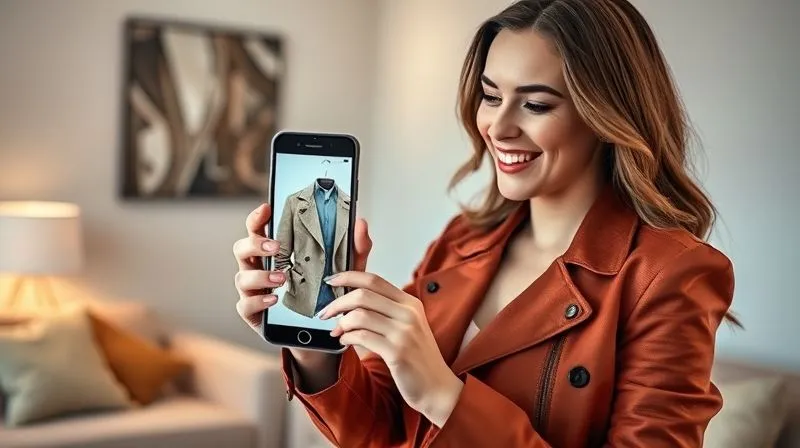
One of the most significant barriers to online fashion purchasing has always been the inability to try on garments. Virtual try-on (VTO) technology has emerged as a game-changer, bridging this gap with remarkable efficacy. From augmented reality (AR) filters that overlay clothing onto a user's live camera feed to advanced 3D avatars that can be customized to match a buyer's exact measurements, VTO offers a powerful interactive experience.
Implementing Effective Virtual Try-On
- Accurate 3D Garment Rendering: Invest in high-fidelity 3D modeling. The more realistic the drape, texture, and fit, the more trustworthy the VTO experience becomes.
- Body Scanning & Avatar Customization: Allow users to input precise measurements or even use smartphone-based body scanning for a personalized avatar. This ensures the virtual fit is as accurate as possible.
- Seamless Integration: The VTO feature should be easily accessible from product pages, integrated intuitively into the browsing journey without requiring complex setup.
- Shareability: Enable users to capture and share their virtual try-on looks on social media, leveraging user-generated content for organic reach and peer validation.
"Virtual try-on isn't just a gimmick; it's a critical conversion tool that reduces returns and builds buyer confidence. Brands that master it are redefining the online shopping journey."
Case Study: "FitFusion" Apparel's AR Success
FitFusion Apparel, a mid-sized athleisure brand, struggled with high return rates due to sizing issues. They implemented a cutting-edge AR virtual try-on feature on their mobile app, allowing customers to see how leggings and tops would look and fit on their own bodies using their smartphone cameras. Within six months of launch, FitFusion reported a 25% reduction in returns for products utilizing the AR try-on, coupled with a 15% increase in conversion rates for those items. This demonstrated the direct impact of empowering buyers with a personalized, interactive fitting room experience.
Personalized AI Styling & Recommendations: Your Virtual Fashion Consultant
The human touch of a personal stylist is a luxury many covet. AI-powered styling tools bring this level of personalization to the masses, offering interactive recommendations that go beyond simple product suggestions. These systems analyze a buyer's preferences, past purchases, browsing history, and even body shape data to curate entire outfits or suggest complementary pieces.
How AI Elevates Engagement
- Interactive Quizzes: Engage users with style quizzes that help the AI understand their aesthetic, occasions, and budget.
- Visual Search: Allow buyers to upload images of outfits they like, and the AI will find similar items or suggest how to recreate the look.
- Outfit Builder Tools: Provide a drag-and-drop interface where users can mix and match items from a collection, seeing how different pieces work together in real-time. This interactive 'play' fosters deeper engagement.
- Trend Forecasting: Some advanced systems even offer insights into emerging trends tailored to the user's style profile, making the buyer feel ahead of the curve.
The beauty of AI styling lies in its ability to make the shopping experience feel curated and special, akin to having a knowledgeable friend guiding your choices. It transforms a potentially overwhelming catalog into a personalized boutique. As <a href="https://hbr.org/" target="_blank">Harvard Business Review</a> often highlights, personalization is no longer a luxury but an expectation in modern retail, and AI is the engine driving this in virtual fashion.
Live Shopping & Interactive Streaming: Real-Time Connection and Conversion
While not new, live shopping has evolved dramatically, becoming a highly interactive and engaging format for virtual fashion. It combines entertainment, instant gratification, and social interaction, creating a dynamic purchasing environment. Think of it as QVC meets Instagram Live, but with advanced features.
Key Interactive Elements of Live Shopping
- Real-Time Q&A: Hosts (designers, influencers, stylists) answer viewer questions about fit, fabric, and styling in real-time, building trust and alleviating purchase anxieties.
- Polls & Quizzes: Engage the audience by asking for their opinions on styles, colors, or upcoming collections. This makes viewers feel heard and involved.
- Click-to-Buy Functionality: Integrated shopping carts allow viewers to add items to their basket directly from the live stream without leaving the platform.
- Limited-Time Offers & Flash Sales: Create urgency and excitement with exclusive discounts available only during the live broadcast.
- Multi-Camera Angles & 360-Degree Views: Allow viewers to switch camera angles or virtually rotate garments to see them from all perspectives, mimicking the physical inspection process.
I've observed that brands leveraging live shopping effectively often see conversion rates far exceeding traditional e-commerce. The immediacy and authenticity of a live interaction, coupled with the communal experience, create a powerful buying impulse. It’s about building a sense of shared discovery and collective excitement around a new collection or product drop.
Gamification & Virtual Collectibles: Adding Play to Purchase
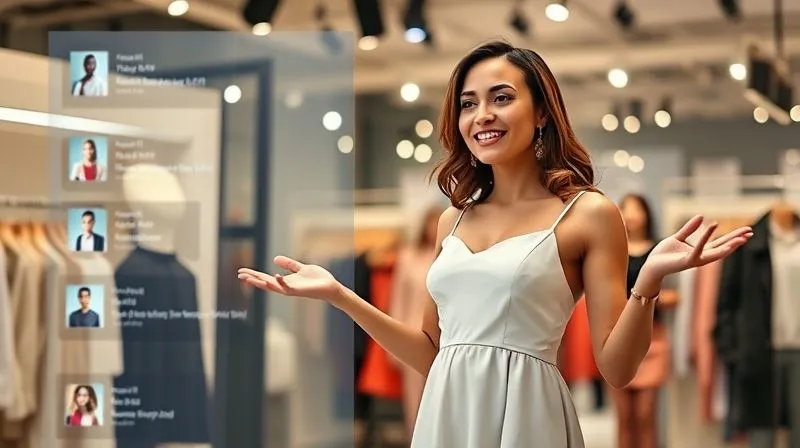
The younger demographic, especially Gen Z, thrives on interactive experiences and digital ownership. Gamification in virtual fashion taps into this by transforming shopping into a playful, rewarding activity. This can range from earning points for engagement to collecting unique digital assets.
Interactive Gamification Strategies
- Virtual Scavenger Hunts: Hide digital tokens or exclusive discounts within a virtual showroom, encouraging exploration.
- Design Challenges: Allow users to virtually customize a garment and submit their designs for community voting, with the winner receiving a physical or exclusive digital item.
- NFT Fashion & Wearables: Offer limited-edition non-fungible token (NFT) garments that buyers can 'wear' on their avatars in metaverses or display as digital art. This taps into the collectible market and offers unique bragging rights.
- Progressive Unlocks: Reward loyal customers with exclusive access to new collections, behind-the-scenes content, or personalized styling sessions as they reach certain engagement milestones.
This approach transforms the buyer from a passive consumer into an active participant and even a co-creator. It fosters a sense of achievement and belonging, especially within brand communities. As Forbes frequently points out, the intersection of gaming and commerce is a rapidly expanding frontier, with virtual fashion at its forefront.
| Gamification Feature | Engagement Driver | Buyer Benefit | Conversion Impact |
|---|---|---|---|
| Virtual Try-On Rewards | Personalization, Utility | Reduced returns, confidence, fun | High |
| NFT Collectibles | Exclusivity, Ownership | Status, community, investment | Medium to High |
| Design Challenges | Creativity, Competition | Community, recognition, unique items | Medium |
Augmented Reality (AR) & Virtual Reality (VR) Showrooms: Bridging Worlds
Beyond simple try-ons, full-fledged AR and VR showrooms create truly immersive environments where buyers can explore collections in a simulated physical space. Imagine walking through a meticulously designed virtual boutique, examining garments from every angle, and interacting with virtual sales associates.
Leveraging AR/VR for Deep Engagement
- Interactive Product Displays: In a VR showroom, users can virtually pick up garments, rotate them, zoom in on fabric details, and trigger animated sequences that highlight unique features.
- Multi-User Experiences: Allow friends or family to visit a virtual showroom together, fostering a social shopping experience even when physically apart.
- Contextual Styling: Place virtual furniture or backdrops within an AR experience, allowing buyers to visualize how a garment would look in different settings (e.g., a formal dress in a ballroom, casual wear in a park).
- Virtual Events & Parties: Host exclusive AR/VR launch parties where buyers can mingle, discover new collections, and interact with designers in a truly novel way.
The psychological impact of AR/VR is profound. It reduces the perceived distance between the buyer and the product, creating a sense of presence that static images or videos cannot achieve. This technology isn't just about viewing; it's about experiencing and inhabiting the brand's world. I've seen brands achieve unprecedented levels of brand loyalty by offering these kinds of cutting-edge, memorable experiences.
Community & Co-Creation Platforms: The Power of Collective Fashion
Fashion has always been a conversation. Virtual platforms can amplify this by creating spaces where buyers aren't just consumers but active members of a brand's community, even co-creators. This fosters a deeper sense of belonging and loyalty.
Building Interactive Communities
- Dedicated Forums & Chat Groups: Provide spaces for buyers to discuss collections, share styling tips, and connect with fellow enthusiasts.
- User-Generated Content (UGC) Showcases: Feature customer photos or videos wearing the brand's clothing, encouraging others to submit their own. Implement voting or 'like' systems to make it interactive.
- Co-Design Initiatives: Invite community members to vote on design elements for upcoming collections, submit ideas, or even participate in virtual design workshops. This gives buyers a direct stake in the brand's creative process.
- Ambassador Programs: Empower loyal customers to become virtual ambassadors, sharing their experiences and interacting with potential buyers.
When buyers feel they are part of something larger than themselves, their engagement skyrockets. This co-creation model, championed by thought leaders like Seth Godin, transforms customers into advocates, significantly enhancing brand trust and authenticity. It’s about building a movement, not just selling clothes.
Data-Driven Personalization: The Invisible Engagement Engine
While not a front-facing interactive feature in itself, data-driven personalization is the invisible engine that powers many of the most effective interactive experiences. By collecting and analyzing user data (with consent, of course), brands can tailor every interaction to be more relevant and engaging.
Leveraging Data for Interactive Engagement
- Dynamic Content Delivery: Present different versions of a virtual showroom or live stream based on a user's past behavior or stated preferences.
- Predictive Recommendations: Use AI to anticipate what a buyer might be interested in next, offering highly relevant interactive styling suggestions or new collection previews.
- A/B Testing Interactive Features: Continuously test different interactive elements (e.g., the placement of a VTO button, the type of gamified reward) to optimize engagement based on real user data.
- Personalized Notifications: Send targeted alerts about items a user has virtually tried on, new collections relevant to their style profile, or exclusive interactive events.
"Data is the fuel for true personalization. Without understanding your buyer's unique journey, even the most innovative interactive features can fall flat. It’s about smart, empathetic application of technology."
| Interactive Feature | Data Leveraged | Engagement Metric | Impact Score |
|---|---|---|---|
| Virtual Try-On | Body measurements, style preferences | Reduced returns, increased conversion | 9 |
| AI Styling | Browsing history, past purchases, quiz responses | Higher average order value, repeat purchases | 8 |
| Live Shopping | Viewer questions, poll responses, click-throughs | Real-time sales, brand loyalty | 9 |
| Gamification | Interaction patterns, reward redemption | Increased time on platform, community participation | 7 |
The power of data lies in its ability to make every interaction feel bespoke, relevant, and timely. It transforms generic experiences into deeply personal dialogues, which, in my experience, is the ultimate driver of buyer engagement and loyalty in the virtual fashion space. You can learn more about the ethical use of data in fashion retail from resources like <a href="https://www.deloitte.com/" target="_blank">Deloitte's industry insights.</a>
Frequently Asked Questions (FAQ)
Q: How can smaller brands implement these interactive features without a massive budget? A: Smaller brands should prioritize. Start with accessible AR virtual try-on solutions often available via SDKs for e-commerce platforms, or leverage existing live streaming capabilities on social media with integrated shopping links. Focus on one or two high-impact features that align with your brand's unique selling proposition. Many platforms now offer scalable solutions that grow with your business, allowing you to invest incrementally. Building a strong community through social channels with interactive polls and Q&As is also a low-cost, high-engagement strategy.
Q: What's the biggest mistake brands make when trying to implement virtual interactive features? A: The biggest mistake I've observed is focusing solely on the technology itself, rather than the buyer experience it's meant to enhance. Brands often adopt a flashy AR filter or a complex VR showroom without first understanding their target audience's needs and pain points. If the interactive feature doesn't solve a problem, offer genuine value, or provide intuitive engagement, it will fail. Always start with the user journey and integrate technology as a seamless enhancement, not a standalone gimmick.
Q: How do you measure the ROI of interactive virtual fashion features? A: Measuring ROI involves tracking several key metrics. For virtual try-on, look at reduced return rates, increased conversion rates for VTO-enabled products, and time spent on product pages. For live shopping, track real-time sales, viewer engagement (comments, shares), and post-event conversions. For AI styling, monitor average order value, repeat purchase rates, and customer satisfaction scores. For community features, track user-generated content, forum activity, and brand sentiment. Consistently linking these metrics back to business objectives is crucial.
Q: Is metaverse fashion truly the future, or just a fleeting trend? A: While still in its nascent stages, metaverse fashion is unequivocally more than a fleeting trend. It represents a paradigm shift in how we conceive of digital identity, ownership, and expression. Brands that are strategically engaging with metaverse platforms (e.g., through virtual wearables, NFT collections, or immersive experiences) are not just marketing; they are building future revenue streams and establishing early dominance in a new digital economy. It will evolve, but its foundational premise of digital self-expression and ownership is here to stay. Refer to <a href="https://www.forbes.com/" target="_blank">Forbes' insights on the metaverse economy</a> for more.
Q: How important is mobile optimization for these interactive features? A: Mobile optimization is paramount. The vast majority of digital fashion consumption and e-commerce browsing happens on mobile devices. Any interactive feature – be it AR try-on, live shopping, or a virtual showroom – must be designed with a mobile-first approach, ensuring seamless performance, intuitive navigation, and quick loading times on smartphones and tablets. Neglecting mobile performance is akin to building a beautiful store with a broken front door; customers simply won't be able to get in and engage effectively.
Key Takeaways and Final Thoughts
- **Prioritize Personalization:** Tailor experiences using AI and data to make every interaction feel unique.
- **Embrace Immersive Technologies:** Leverage AR/VR for virtual try-ons and showrooms to bridge the physical-digital gap.
- **Foster Community & Co-creation:** Turn buyers into active participants and brand advocates through interactive platforms.
- **Capitalize on Live Engagement:** Utilize live shopping and streaming for real-time connection, Q&A, and exclusive offers.
- **Gamify the Journey:** Introduce playful elements and virtual collectibles to enhance engagement and loyalty.
- **Measure and Adapt:** Continuously analyze data to understand what truly resonates with your audience and iterate your strategies.
The future of virtual fashion isn't about replicating the past; it's about innovating a new, richer experience that leverages technology to its fullest potential. As an industry specialist, I've seen firsthand that brands willing to experiment, listen to their audience, and thoughtfully integrate these interactive features are the ones that will not only survive but thrive in this exciting new era. Don't just show your fashion; invite your buyers to truly live it. The opportunities for unparalleled engagement and loyalty are waiting.
Recommended Reading
- Unlock the Secret: Why Bamboo Fabric is Your Ultimate Sustainable Clothing Choice
- Why Your Automatic Watch Stops: A Desk Job Fix & 7 Solutions
- The Ultimate Guide: How to Properly Fit a Men's Formal Dress Shirt?
- 7 Proven Strategies: Slash Returns of Poorly Fitting Workout Clothes
- 7 Strategies: Managing Unrealistic Creative Demands from Fashion Bloggers



Your email address will not be published. Required fields are marked *