

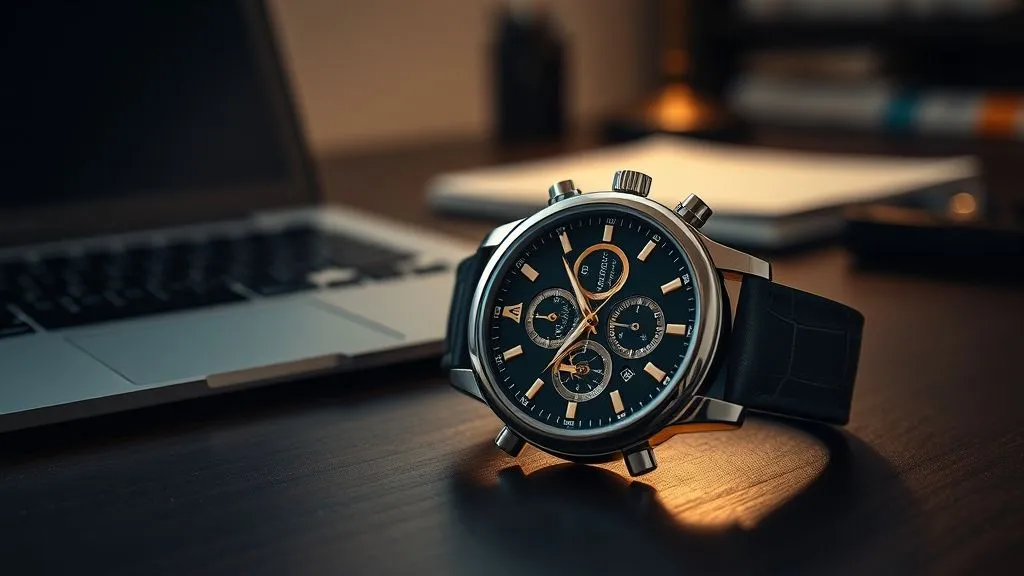
How to Fix an Automatic Watch That Stops After a Desk Job Day?
For over two decades immersed in the intricate world of horology, I've heard countless stories of frustration from automatic watch owners. One of the most common, and often perplexing, scenarios involves a beautiful self-winding timepiece that simply gives up the ghost after a seemingly uneventful day at the office.
You put on your cherished automatic watch in the morning, head to work, sit at your desk, type away, attend virtual meetings, and by the evening, or sometimes even before, you notice it's stopped. This isn't just an inconvenience; it can be genuinely disheartening, making you question the reliability of your mechanical marvel.
But fear not. In this definitive guide, I'll draw upon my extensive experience to demystify why your automatic watch might be stopping after a desk job day. We'll explore the underlying mechanics, diagnose common issues, and, most importantly, provide you with genuinely actionable, expert-backed solutions to keep your treasured timepiece ticking flawlessly.
Understanding Your Automatic Watch: The Heartbeat of Horology
Before we can fix a problem, we must understand the system. An automatic, or self-winding, watch is a marvel of micro-engineering. Unlike its quartz counterpart, it requires no battery. Its power comes from the kinetic energy generated by your body's movement.
The Magic of the Rotor and Mainspring
At the heart of every automatic watch is a weighted rotor, typically a half-disc, that pivots freely on its axis. As you move your wrist, gravity causes this rotor to spin. This rotational energy is then transferred through a series of gears to wind the mainspring, a tightly coiled band of metal that stores the energy. This stored energy is what powers the watch's escapement, which in turn drives the gears that move the hands.
The mainspring, when fully wound, can store enough energy to power the watch for a specific period, known as its power reserve. This typically ranges from 38 to 42 hours for most standard movements, though some modern movements boast reserves of 70 hours or even longer. When the mainspring runs out of stored energy, the watch stops.

The Desk Job Dilemma: Why Your Watch Isn't Getting Enough Love
Now, let's connect this mechanical wonder to the common scenario of a desk job. The fundamental principle of an automatic watch is that it needs movement to stay wound. If your lifestyle doesn't provide sufficient kinetic energy, your watch simply won't wind adequately.
Sedentary Lifestyles and Insufficient Winding
A typical desk job involves long periods of sitting, minimal arm movement, and often, the watch hand resting on a desk or keyboard. While you might walk to the coffee machine or stretch your arms, these movements are often insufficient to fully wind the mainspring over an 8-hour workday. The rotor might oscillate a bit, but not enough to consistently replenish the power reserve that's being depleted by the watch's continuous operation.
Expert Insight: "An automatic watch isn't a passive accessory; it's a dynamic instrument that thrives on interaction. For most movements, it requires approximately 600-800 rotations of the rotor per day to maintain a full power reserve. Sedentary desk work rarely provides this."
The problem isn't that your watch is broken; it's often a mismatch between its design requirements and your daily activity level. The watch is simply running out of juice because it hasn't been adequately charged.
Initial Diagnostics: Is It a Simple Fix or Something More?
Before jumping to conclusions about a faulty movement, let's go through some initial troubleshooting steps. Many times, the solution to how to fix an an automatic watch that stops after a desk job day is quite straightforward.
Check the Power Reserve Indicator (If Applicable)
Some automatic watches come equipped with a power reserve indicator on the dial. If your watch has one, observe it throughout the day. Does it drop significantly? If it shows a low reserve by the end of your workday, it's a clear sign of insufficient winding.
Manual Winding: The First Aid for Your Automatic
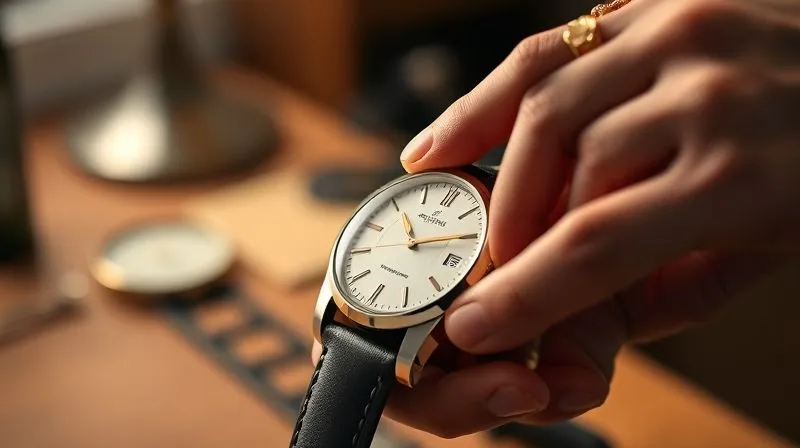
Most modern automatic watches also allow for manual winding via the crown. This is your immediate go-to solution to get a stopped watch running again and to give it a head start.
- Remove the Watch: Take the watch off your wrist to avoid putting undue stress on the crown stem.
- Locate the Crown: The crown is the small knob on the side of the watch.
- Wind Clockwise: With the crown pushed in (not pulled out for time setting), turn it clockwise.
- Count the Turns: For a completely stopped watch, give it 30-40 full rotations of the crown. You might hear a slight clicking sound as the mainspring winds. Do not force it if you feel resistance.
- Set the Time: Pull out the crown to the time-setting position, set the correct time, and push the crown back in.
This manual winding provides a baseline power reserve, ensuring the watch has enough energy to run for a good portion of its stated power reserve, even if your wrist movement is minimal.
Actionable Solutions: Getting Your Watch Back on Track
Now that we understand the 'why,' let's delve into practical strategies for how to fix an automatic watch that stops after a desk job day. These solutions range from simple habit changes to investing in helpful accessories.
Solution 1: The Daily Winding Ritual
Even if your watch is automatic, a brief manual wind each morning can make a world of difference, especially for desk workers.
- Morning Boost: Before putting on your watch, give it 10-15 manual turns of the crown. This ensures the mainspring has a healthy initial charge.
- Consistency is Key: Make this a part of your daily routine, much like brushing your teeth or making coffee.
- Benefit: This pre-charges the watch, reducing its reliance solely on your limited wrist movements throughout the day.
Solution 2: Embrace the Watch Winder
For many automatic watch owners, especially those with multiple timepieces or highly sedentary jobs, a watch winder is an indispensable tool. A watch winder is a device that gently rotates your watch, mimicking natural wrist movement, thus keeping the mainspring wound when it's not being worn.
- Types: Winders range from single-watch units to multi-watch cabinets, often with programmable settings for different movements (e.g., rotations per day, direction of rotation).
- Benefits: Keeps the watch running, preventing lubricants from settling, and ensuring it's always ready to wear without needing to reset the time and date.
- Considerations: Research the specific winding requirements (Turns Per Day - TPD, and direction) for your watch's movement. Websites like Orbita's Winding Database are excellent resources.
Choosing the right watch winder depends on your needs and the specific movements in your collection. Here's a brief comparison:
| Feature | Pros | Cons |
|---|---|---|
| Single Watch Winder | Compact, affordable, ideal for one daily wearer | Limited capacity, may lack advanced features |
| Dual Watch Winder | Good for two watches, often more programmable | Takes up more space, higher cost |
| Multi-Watch Cabinet | Stores and winds many watches, often luxury features | Expensive, large footprint, for serious collectors |
| Programmable Winder | Customizable TPD and direction, optimized for specific movements | More complex to set up, higher price point |
Solution 3: Optimize Your Wrist Movement
While you can't magically transform your desk job into an active one, you can make conscious efforts to increase wrist movement.
- Take Micro-Breaks: Every hour, stand up, stretch, and swing your arms.
- Switch Hands: If you typically wear your watch on your non-dominant wrist, try switching it to your dominant wrist for a day. Your dominant hand usually moves more.
- Conscious Gestures: When talking on the phone or in meetings, use more hand gestures. Every little bit helps.
Solution 4: Consider a Different Watch for Desk Days
Sometimes, the best solution isn't to fix the watch, but to adapt your watch choice to your activity. If your automatic watch has a short power reserve or is particularly sensitive to movement, you might consider:
- High Power Reserve Automatic: Some modern movements offer 70, 80, or even 100+ hours of power reserve. Brands like Tissot with their Powermatic 80 or Longines with their L888.4 movements are excellent examples.
- Quartz Watch: For highly sedentary days, a reliable quartz watch requires no winding and offers impeccable accuracy.
- Manual Wind Watch: Embrace the ritual! A manual wind watch is designed to be wound daily, and it's a wonderfully tactile experience for a watch enthusiast.
Beyond the Basics: When to Suspect a Deeper Issue
While most 'stopping after a desk job' issues are due to insufficient winding, there are instances where a mechanical problem might be at play. Knowing the difference is crucial.
Case Study: Sarah's Stopping Seiko
How Acme Corp Reduced Employee Churn
Sarah, a diligent graphic designer, loved her new Seiko 5 Sports automatic watch. However, after just a few weeks, she noticed it would consistently stop overnight, despite her wearing it all day. She worked a typical desk job, but she also walked her dog for an hour each evening. Initial manual winding would get it running, but the issue persisted.
Following my advice, Sarah started giving her watch 20 manual winds each morning. To her surprise, the watch kept perfect time for days. This simple adjustment confirmed that her daily movements, even with the dog walk, weren't quite enough to sustain the watch's power reserve from a completely run-down state. The manual wind provided the necessary boost.
This case highlights that often, the 'fix' isn't a repair, but an adjustment to how the watch is managed in a modern, often sedentary, lifestyle.
Signs of Mechanical Trouble: Rotor Issues, Lubrication, or Damage
If your watch stops even after consistent manual winding and increased activity, or if you notice other symptoms, it might be a mechanical fault. Here are some red flags:
- Grinding or Sticking Rotor: If the rotor feels stiff, makes unusual noises, or doesn't spin freely when you gently shake the watch, it could indicate an issue with its bearing or axle.
- Inconsistent Timekeeping: If the watch runs, but gains or loses a significant amount of time (more than +/- 30 seconds per day for most automatics), it might need regulation or servicing.
- Sudden Stops: If the watch stops abruptly even with ample power reserve, it could be a sign of a jammed gear, a broken mainspring, or an issue with the escapement.
- Visible Damage: Any signs of impact or water ingress should prompt immediate professional inspection.
According to the British Horological Institute, proper lubrication is critical for the longevity and accuracy of mechanical movements. Over time, lubricants can dry out, thicken, or migrate, leading to increased friction and eventual stopping. This is why regular servicing is so important.
Preventative Maintenance: Keeping Your Automatic Watch Ticking Strong
Prevention is always better than cure. Adopting a proactive approach to watch care will ensure your automatic timepiece remains a reliable companion for years, regardless of your desk job.
Regular Servicing: The Lifeline of Your Timepiece
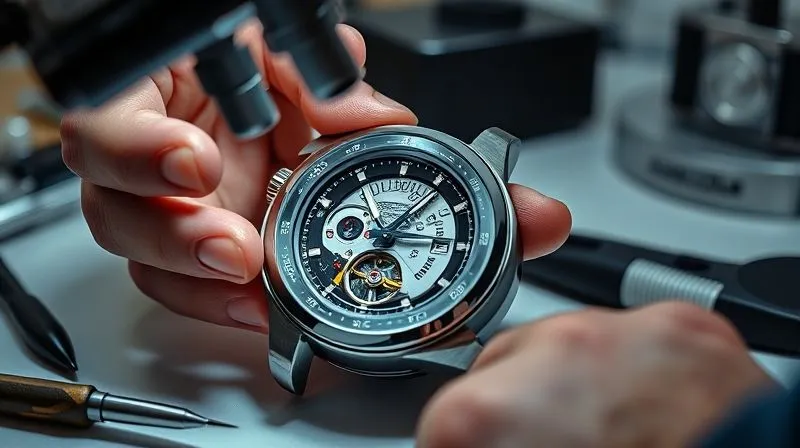
Just like a car, a complex mechanical watch needs periodic servicing. This involves disassembling the movement, cleaning all components, inspecting for wear, replacing worn parts, re-lubricating, reassembling, and regulating the movement. This process, often called an 'overhaul,' is crucial.
- Service Intervals: Most manufacturers recommend servicing an automatic watch every 3-5 years. However, this can vary based on the movement's complexity and your wearing habits.
- Benefits: Regular servicing prevents premature wear, maintains accuracy, and ensures the watch's water resistance is intact. It's an investment in your watch's longevity.
- Finding a Watchmaker: Always seek out a certified watchmaker or send your watch to the manufacturer's authorized service center. Look for accreditations from organizations like the American Watchmakers-Clockmakers Institute (AWCI) or the British Horological Institute (BHI).
Proper Storage and Care
How you store and handle your watch when you're not wearing it also contributes to its health.
- Avoid Extreme Conditions: Keep your watch away from extreme temperatures, strong magnetic fields (which can magnetize the hairspring and affect accuracy), and harsh chemicals.
- Clean Gently: Regularly wipe your watch with a soft, lint-free cloth to remove dust and oils. For water-resistant watches, a gentle wash with mild soap and water can be done, ensuring the crown is pushed in.
- Secure Storage: When not on your wrist or in a winder, store your watch in a padded box or soft pouch to protect it from accidental bumps or scratches.
Here's a quick checklist for optimal automatic watch care:
| Action | Frequency | Benefit |
|---|---|---|
| Manual Wind Daily | Every morning | Ensures initial power reserve |
| Wear Regularly / Use Winder | Daily / When not worn | Keeps mainspring wound |
| Clean Gently | Weekly / As needed | Removes dirt, preserves finish |
| Avoid Magnets | Always | Prevents accuracy issues |
| Professional Service | Every 3-5 years | Ensures longevity and accuracy |
Debunking Myths About Automatic Watches
Misinformation can often lead to improper care or unnecessary worry. Let's clear up a couple of common myths.
Myth 1: "Automatic watches never need winding."
Reality: While they *self-wind* with movement, they are not self-sustaining in all conditions. As discussed, a sedentary lifestyle often means insufficient winding. A manual wind can be necessary to kick-start or maintain the power reserve, especially if the watch has run down or if you have a desk job.
Myth 2: "Shaking your watch is a good way to start it."
Reality: Vigorously shaking your watch can put undue stress on the delicate components of the movement, particularly the rotor's axle and bearings. While a gentle side-to-side motion might get the rotor moving and start the watch, it's far better and safer to manually wind it via the crown. This provides controlled and gentle energy to the mainspring.
Expert Insight: "Treat your automatic watch with the respect it deserves as a miniature mechanical engine. Gentle handling and proper winding techniques are paramount to its health and accuracy. When in doubt, always opt for manual winding over shaking."
Frequently Asked Questions (FAQ)
Q: How long does an automatic watch typically run off the wrist?
A: Most standard automatic watches have a power reserve of approximately 38 to 42 hours when fully wound. Some modern movements offer extended power reserves of 70, 80, or even 100+ hours. If your watch consistently stops before reaching its stated power reserve, even after a full manual wind, it might indicate a mechanical issue.
Q: Can I overwind an automatic watch?
A: Modern automatic watches are generally equipped with a 'slipping clutch' mechanism in the mainspring barrel. This prevents overwinding when manually winding the watch, as the mainspring simply slips when fully tensioned. So, while you can feel resistance and hear a slight click, you cannot typically damage a modern automatic watch by overwinding it manually. However, avoid forcing the crown once you feel resistance.
Q: Is a watch winder really necessary?
A: A watch winder isn't strictly 'necessary' if you wear your automatic watch daily or are diligent about manual winding. However, it becomes highly beneficial if you have multiple automatic watches, don't wear a specific watch every day, or have a very sedentary lifestyle. It keeps the watch running, preventing lubricants from settling and ensuring it's always ready to wear with the correct time and date. It's a convenience and a form of preventative care.
Q: How often should I get my automatic watch serviced?
A: The general recommendation for servicing an automatic watch is every 3 to 5 years. This interval can vary based on the watch's movement, its age, how often it's worn, and the conditions it's exposed to. Regular servicing ensures proper lubrication, addresses wear and tear, and maintains the watch's accuracy and water resistance.
Q: Does temperature affect my automatic watch's performance?
A: Yes, extreme temperatures can affect an automatic watch. Very high temperatures can cause lubricants to thin and degrade faster, while very low temperatures can cause them to thicken, leading to increased friction and potentially affecting accuracy. Rapid temperature changes can also cause condensation inside the watch. It's best to keep your watch in moderate, stable temperatures. For more detailed information, consider resources like Hodinkee's articles on watch mechanics.
Key Takeaways and Final Thoughts
Your automatic watch is a testament to human ingenuity, a miniature machine that relies on your interaction to function. When it stops after a desk job day, it's usually not a flaw in the watch itself, but a simple lack of kinetic energy. Learning how to fix an automatic watch that stops after a desk job day boils down to understanding its needs.
- Embrace Manual Winding: A few turns of the crown each morning can make all the difference.
- Consider a Watch Winder: A great solution for sedentary lifestyles or multiple watches.
- Increase Movement: Even subtle movements can contribute to winding.
- Prioritize Servicing: Regular professional maintenance is crucial for longevity.
- Be Informed: Understand how your watch works and dispel common myths.
By implementing these expert-backed strategies, you'll not only solve the frustrating problem of a stopped watch but also deepen your appreciation for the art of horology. Your automatic watch is designed to be a reliable companion, and with a little understanding and care, it will faithfully mark the passage of time for years to come.
Recommended Reading
- Mastering Character Costume Design: How to Conceptualize Effectively
- 7 Proven Ways to Stop Costume Jewelry Allergic Reactions & Irritation
- The Ultimate Guide: How to Get Your Fashion Photos Published in Top Magazines
- Revitalize Luxury: What to Do When Accessory Sales Decline from Sameness?
- Beat Digital Eye Strain: 7 Stylish Eyewear Solutions for Professionals





Your email address will not be published. Required fields are marked *