

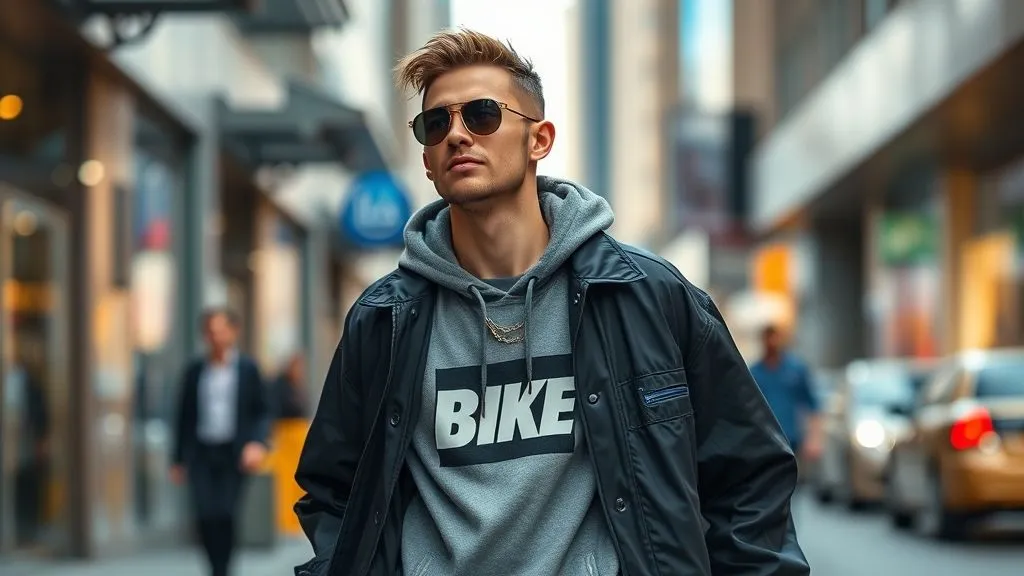
How to design streetwear for all-day comfort without sacrificing brand aesthetic?
For over 15 years immersed in the dynamic world of streetwear, I've witnessed countless brands rise and fall. A common pitfall? Chasing fleeting trends or a striking visual aesthetic without truly understanding the wearer's fundamental need: comfort. Streetwear, by its very definition, is about urban life, movement, and self-expression, yet so many designs overlook the 'wear' in 'streetwear', leading to garments that look great on a hanger but fail in real life.
The challenge is real: how do you create pieces that resonate with your brand's bold identity while ensuring they feel incredible from morning commute to late-night hangouts? This isn't just about choosing soft fabrics; it's a holistic design philosophy that integrates ergonomics, material science, and strategic construction with your core brand vision. The pain point for many designers is believing that comfort must come at the expense of style or brand distinction, a trade-off I firmly believe is a false dilemma.
In this definitive guide, I'll walk you through seven foundational principles I've honed over years of experience. You'll learn actionable frameworks, backed by real-world insights and expert recommendations, to master the art of designing streetwear for all-day comfort without ever compromising the unique aesthetic that defines your brand. Prepare to transform your design process and elevate your brand's reputation for both style and wearability.
The Core Conflict: Comfort vs. Aesthetic in Streetwear
The tension between comfort and aesthetic is not new in fashion, but in streetwear, it's particularly pronounced. Streetwear often draws inspiration from activewear, workwear, and subcultures where practicality and durability were paramount. However, as it evolved into a high-fashion segment, the visual spectacle sometimes overshadowed the functional roots.
I've seen brands compromise on fit, fabric breathability, or even basic construction for an 'edgy' silhouette or a striking graphic. This short-sighted approach inevitably alienates customers who, after the initial hype, realize their coveted piece is simply not practical for daily wear. This leads to garments gathering dust in closets, and ultimately, a decline in brand loyalty.
“True streetwear mastery lies in the seamless integration of visual impact with tactile satisfaction. If your customer can't live in it, it's merely a costume, not a lifestyle.”
Understanding this core conflict is the first step toward resolving it. It's not about choosing one over the other; it's about intelligent design that harmonizes both. The modern streetwear consumer is sophisticated; they demand both high style and unwavering comfort, and brands that deliver both are the ones that build lasting legacies.
- Why this conflict is crucial:
- Customer Retention: Uncomfortable clothing leads to one-time purchases, not repeat business.
- Brand Perception: A reputation for discomfort can quickly tarnish even the most visually appealing brand.
- Market Differentiation: Brands that nail comfort *and* aesthetic stand out in a crowded market.
- Sustainability: Comfortable, durable garments are worn more often and last longer, aligning with sustainable practices.
Principle 1: Fabric First – The Foundation of All-Day Comfort
When I consult with emerging streetwear brands, the first area I scrutinize is their fabric choices. Often, designers prioritize visual appeal or cost without fully appreciating how a fabric interacts with the body throughout the day. The right material is the unsung hero of comfort, dictating breathability, drape, stretch, and skin feel.
Beyond the Hype: Material Science for Streetwear
Comfort isn't just about softness; it's about performance. For streetwear, this means fabrics that can handle varying temperatures, moisture management, and consistent movement without feeling restrictive or clammy. Think beyond basic cotton and explore blends that offer enhanced properties.
- Investigate Performance Blends: Look into cotton-poly blends for durability and moisture-wicking, or Tencel/Modal for incredible softness and drape with excellent breathability. Nylon and spandex blends are crucial for items requiring significant stretch and shape retention, like active-inspired pieces.
- Prioritize Natural Fibers for Breathability: Organic cotton, hemp, and bamboo are excellent for their breathability and natural feel. Ensure they are pre-shrunk and treated for durability if necessary.
- Consider Fabric Weight and Hand-Feel: A heavier fleece might be cozy, but is it suitable for all-day wear in a mild climate? Always assess the 'hand' – how the fabric feels to the touch – and its weight in relation to the garment's intended use and climate.
- Test for Durability and Pilling: Comfortable fabric that falls apart or pills after a few washes is not a long-term solution. Rigorous testing for abrasion resistance and pilling is non-negotiable.
Remember, the fabric is the first point of contact with the wearer's skin. Its properties will fundamentally define the comfort experience, regardless of how well the garment is constructed otherwise.

Case Study: Elevating Everyday Essentials with Smart Fabrics
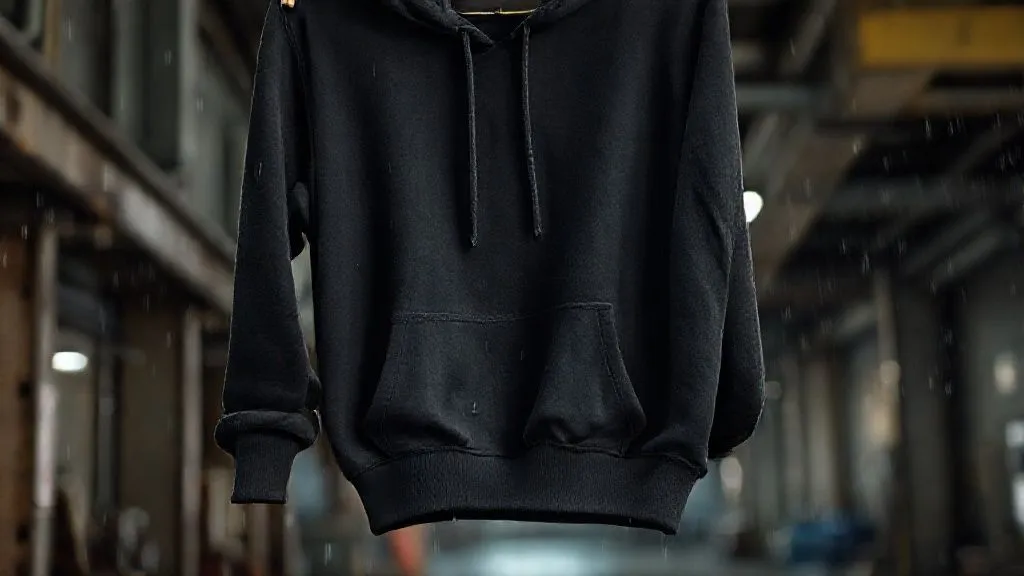
Consider 'Urban Flow,' a fictional streetwear brand that initially struggled with its basic hoodie line. Customers loved the graphics but complained about the heavy, unbreathable cotton fleece that felt stifling indoors. By integrating a custom-engineered cotton-Tencel blend with a brushed interior, Urban Flow transformed their hoodies. The new fabric offered superior moisture-wicking, a lighter feel, and a luxurious drape, all while maintaining the desired visual density. Sales for the redesigned hoodie line surged by 40% within six months, directly attributed to the enhanced comfort and wearability. This move solidified their reputation for thoughtful design and quality, proving that fabric innovation can be a powerful differentiator.
Principle 2: Ergonomic Design & Pattern Engineering
Once you've selected your fabrics, the next critical step is how those fabrics are shaped around the human body. This is where ergonomic design and precise pattern engineering become paramount. A garment might be made from the softest material, but if the fit is off, it will be uncomfortable, restrictive, or simply unflattering.
Mastering the Art of Movement: Fit That Follows the Body
Streetwear is inherently about movement – walking, sitting, reaching, even dancing. Your designs must accommodate these natural motions without pulling, bunching, or riding up. This requires an understanding of human anatomy and how garments interact with joints and muscle groups.
In my experience, many brands fall into the trap of using generic block patterns. While this might save time, it often leads to ill-fitting garments that sacrifice comfort. Investing in custom pattern development, or at least heavily modifying standard blocks, is crucial.
- Key considerations for ergonomic patterning:
- Armhole and Sleeve Design: Ensure sufficient room for arm movement without excessive fabric bulk. Consider gussets or raglan sleeves for enhanced mobility.
- Waistband and Crotch Depth: For bottoms, the waistband should sit comfortably without pinching, and the crotch depth needs to allow for bending and sitting without restriction.
- Knee and Elbow Articulation: Incorporate darts, pleats, or paneling at major joints to allow for natural flexion and extension.
- Shoulder and Neckline: Design necklines that don't chafe and shoulder seams that sit correctly, preventing strain or discomfort.
A well-engineered pattern is invisible in its comfort. The wearer shouldn't have to think about their clothing; it should simply move with them, effortlessly.
| Fit Type | Aesthetic Impact | Comfort Challenge | Solution |
|---|---|---|---|
| Slim Fit | Sharp, modern, tailored | Can restrict movement if not engineered with stretch/articulation | Use stretch fabrics, ergonomic paneling, gussets at high-stress points |
| Relaxed/Oversized Fit | Casual, laid-back, contemporary | Can feel bulky, heavy, or shapeless if fabric is wrong or drape is poor | Focus on lightweight, fluid fabrics, strategic darts for subtle shaping, balanced proportions |
| Athletic Fit | Performance-oriented, dynamic | Can be too tight for casual wear if not designed for all-day comfort | Blend performance features with softer hand-feels, adjustable elements, seamless construction |
Principle 3: Strategic Construction & Seam Placement
Even with the best fabrics and patterns, poor construction can undermine all efforts toward comfort. The way a garment is assembled – the type of seams, the finishing, the lining – profoundly impacts how it feels against the skin and how it holds up to wear.
Invisible Comfort: Seams, Linings, and Finishes
Think about areas of high friction: underarms, inner thighs, necklines. These are critical zones where seam choice can make or break comfort. A bulky, scratchy seam in a high-friction area is a guaranteed path to customer dissatisfaction.
I always advise brands to scrutinize their finishing techniques. A raw edge might look 'cool' for a moment, but if it frays or irritates the skin, it's a comfort failure. High-quality construction is a hallmark of a brand that truly cares about its product and its customers.
- Flatlock Seams for Activewear & Inner Layers: For garments worn close to the body, flatlock seams reduce bulk and prevent chafing. They are an investment but pay dividends in comfort.
- Reinforce Stress Points: Bar tacks at pocket openings, double stitching at armholes, and reinforced buttonholes prevent blowouts and prolong garment life, contributing to perceived quality and durability.
- Consider Linings and Interlinings: A soft, breathable lining can prevent a rougher outer fabric from irritating the skin. Interlinings can add structure or warmth without adding excessive bulk.
- Smooth Finishes: Ensure all interior seams are neatly finished, either serged, bound, or French seamed. Remove loose threads. These small details make a huge difference in the overall wearing experience.
As Seth Godin often says, "The details matter." In comfort design, this couldn't be truer. The invisible elements of construction are often what elevate a good garment to a great one.
Principle 4: Modularity, Adaptability, and Layering
Streetwear is often about versatility – pieces that can adapt to different situations, weather conditions, and personal styles. Designing for modularity and adaptability inherently enhances comfort by giving the wearer control over their environment and outfit.
Designing for Dynamic Lifestyles: The Power of Versatility
The urban landscape is unpredictable. A single day can go from cool mornings to warm afternoons, from bustling public transport to quiet indoor spaces. Your streetwear designs should empower the wearer to navigate these shifts seamlessly. This means thinking about how pieces layer, how they can be adjusted, and how they perform in various contexts.
In my experience, brands that offer adaptable solutions build stronger connections with their audience. It shows thoughtfulness and a deep understanding of the customer's daily grind.
- Modularity: Design components that can be added or removed, like zip-off sleeves on a jacket, detachable hoods, or interchangeable pockets.
- Adjustability: Incorporate drawstrings at hems or waists, adjustable cuffs, or articulated hoods. These allow the wearer to customize the fit and ventilation.
- Layering Compatibility: Ensure your pieces are designed to be layered comfortably. This means considering bulk, seam placement, and overall silhouette when worn with other garments from your collection.
- Multi-functional Design: A jacket that packs into its own pocket, pants with convertible lengths, or a vest that can be worn over or under other items.
This approach not only boosts comfort but also adds significant value to your product, extending its utility and perceived worth.
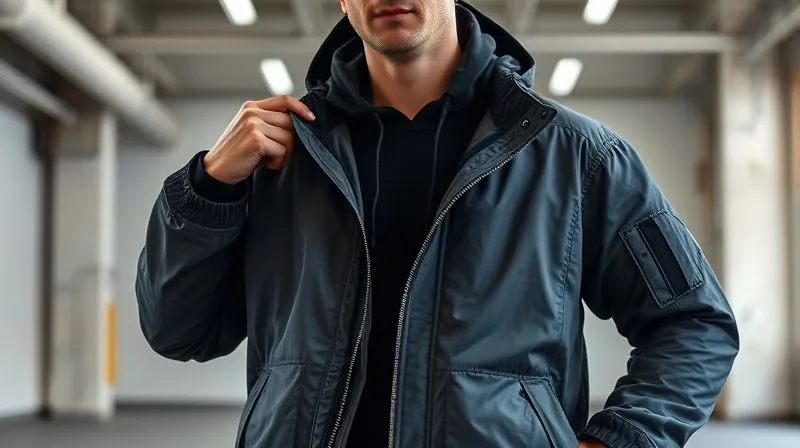
Principle 5: Brand Aesthetic as a Guiding Star, Not a Constraint
This is where many designers stumble. They view their brand's aesthetic as a rigid set of rules that cannot bend for comfort. In reality, a strong brand aesthetic should be a creative framework, not a cage. It should guide your comfort solutions, ensuring they remain authentic to your identity.
Translating Brand DNA into Comfortable Forms
I've seen brands with incredibly distinct visual identities successfully integrate comfort by understanding the essence of their aesthetic. Is your brand edgy and industrial? Then perhaps robust, durable fabrics with ergonomic paneling that evoke workwear practicality align perfectly. Is it minimalist and fluid? Then soft, draping materials with seamless construction would be ideal.
“Your brand's aesthetic isn't just about what it looks like; it's about what it feels like, what it represents, and how it empowers the wearer. Comfort should be an extension of that narrative.”
The key is to ask: How can our brand's unique visual language be expressed through materials, cuts, and construction that *also* prioritize comfort? It's about finding harmony, not compromise. For instance, if your brand is known for bold graphics, ensure the base garment is a canvas of comfort, allowing the graphic to pop without discomfort.
- Tips for integrating aesthetic with comfort:
- Color & Texture: Use your brand's color palette and preferred textures in fabrics that are inherently comfortable.
- Silhouettes: Adapt your signature silhouettes to include ergonomic considerations, perhaps by adding hidden stretch or strategic pleats.
- Hardware: Choose hardware (zippers, snaps, toggles) that is not only visually consistent with your brand but also smooth, durable, and non-irritating.
- Branding Placement: Ensure internal branding (labels, tags) is soft, non-abrasive, and strategically placed to avoid skin contact.
Ultimately, a confident brand aesthetic can absorb and elevate comfort features, rather than being diminished by them. For more insights on building a strong brand identity, consider exploring resources like Harvard Business Review's articles on brand purpose.
Principle 6: The Iterative Design Process & User Feedback
Designing for comfort is not a one-and-done task; it's an ongoing process of refinement. The human body is complex, and individual preferences vary. This is why an iterative design approach, heavily reliant on user feedback, is absolutely essential.
From Prototype to Perfection: Embracing Feedback Loops
I've seen too many brands launch products based solely on internal aesthetic approvals, only to face a backlash from customers citing discomfort. The best way to avoid this is to get your designs onto real bodies, in real-world scenarios, as early and as often as possible.
Your design process should include multiple stages of prototyping and wearer testing. This isn't just about fit models; it's about diverse body types, activity levels, and preferences. Listen intently to the feedback, even if it challenges your initial vision.
- Develop Multiple Prototypes: Don't settle for the first sample. Iterate on fabric, pattern, and construction based on initial fit tests.
- Conduct Wearer Trials: Get your target demographic to wear prototypes for extended periods (e.g., a full day). Ask specific questions about comfort in various activities.
- Solicit Detailed Feedback: Provide structured questionnaires focusing on areas like seam irritation, fabric feel, freedom of movement, breathability, and overall satisfaction. Encourage open-ended comments.
- Analyze and Implement: Systematically review feedback. Identify common themes and prioritize design adjustments. Not every piece of feedback can be implemented, but critical comfort issues must be addressed.
- Post-Launch Monitoring: Even after launch, monitor customer reviews and social media comments for comfort-related feedback. This continuous loop helps refine future collections.
This user-centered approach not only guarantees a more comfortable product but also builds immense trust with your customer base. As a renowned advocate for customer experience, Seth Godin frequently emphasizes the power of listening to your audience.
Principle 7: Sustainable Practices for Long-Term Comfort & Conscience
In today's market, comfort extends beyond the physical; it encompasses peace of mind. Consumers are increasingly conscious of the environmental and ethical impact of their clothing choices. Designing with sustainability in mind not only aligns with modern values but often leads to more comfortable and durable products.
Beyond the Label: Ethical Sourcing and Durability
Sustainable practices often involve choosing higher-quality, natural, or recycled materials that are inherently better for comfort and longevity. For instance, organic cotton avoids harsh chemicals, leading to a softer, less irritating fabric. Durable construction, a cornerstone of sustainable design, also means garments that maintain their shape and comfort over many washes and wears.
I've seen brands successfully integrate their commitment to the planet into their comfort narrative. It's a powerful message that resonates deeply with conscious consumers, adding another layer of 'comfort' – the comfort of knowing you've made a responsible choice.
- Benefits of sustainable practices for comfort:
- Healthier Materials: Organic and recycled fibers often reduce exposure to irritants and chemicals.
- Durability: Focus on long-lasting materials and robust construction means garments retain comfort longer.
- Ethical Production: Knowing your clothing is made under fair labor conditions adds to the overall 'feel-good' factor.
- Reduced Waste: Designing for longevity reduces textile waste, a positive impact that enhances brand reputation.
Integrating sustainability isn't just good for the planet; it's good for your brand and, crucially, for the wearer's long-term comfort and satisfaction. For detailed reports on sustainable fashion trends and practices, refer to industry leaders like Deloitte's annual 'Fashion & Luxury Private Equity and Investor Review', which often covers these evolving consumer demands.

Measuring Success: Comfort Metrics & Brand Perception
How do you know if your efforts to design for comfort without sacrificing aesthetic are paying off? It's not just about qualitative feedback; you need to establish measurable metrics and continuously monitor brand perception.
I advise brands to integrate comfort-related questions into their post-purchase surveys and actively track relevant KPIs. This data-driven approach allows for continuous improvement and provides concrete evidence of your success.
| Metric | How to Measure | Target Outcome |
|---|---|---|
| Customer Satisfaction Score (CSAT) | Post-purchase surveys, specific questions on comfort and fit (e.g., 'How comfortable is this garment on a scale of 1-5?') | Average CSAT score for comfort-related questions > 4.5 |
| Return Rate (Comfort-related) | Track return reasons; categorize 'uncomfortable fit,' 'fabric irritation,' etc. | Reduce comfort-related return rates by 15-20% within 12 months |
| Repeat Purchase Rate (RPR) | Monitor how many customers buy again within a specific timeframe after their initial comfort-focused purchase | Increase RPR by 10% for products designed with enhanced comfort |
| Social Media Sentiment Analysis | Use tools to monitor mentions of your brand alongside terms like 'comfortable,' 'cozy,' 'soft,' or their negatives | Increase positive sentiment related to comfort by 25% |
Frequently Asked Questions (FAQ)
Q: Is it always more expensive to design for comfort? A: Not necessarily. While premium fabrics or specialized construction techniques can increase costs, smart design choices don't always equate to higher expenses. For instance, optimizing a pattern for better movement might not cost more than a generic one. The long-term benefits of customer loyalty and reduced returns often outweigh initial cost differences, making it a wise investment. It's about value engineering, not just cost-cutting.
Q: How do I maintain an 'edgy' or 'raw' aesthetic while ensuring comfort? A: This is where creative material selection and strategic finishing come in. You can achieve an edgy look with durable, textured fabrics (e.g., heavy canvas) while ensuring the interior is lined with a soft, breathable material. For raw edges, consider using non-fraying fabrics or binding the raw edge internally to prevent irritation. The 'edge' should come from the design concept and overall styling, not from discomfort.
Q: What are the best fabrics for year-round streetwear comfort across different climates? A: Versatility is key. For a core collection, focus on natural blends like cotton-Tencel or cotton-modal for breathability and softness. For performance-inspired pieces, consider merino wool blends (temperature regulating) or technical synthetics with moisture-wicking properties. Layering pieces made from these versatile fabrics allow wearers to adapt to varying conditions.
Q: How can small brands compete with larger brands that have more resources for comfort R&D? A: Small brands can leverage agility and niche focus. By specializing in a particular type of comfort (e.g., ultimate stretch, seamless construction) or focusing on a specific garment type, you can become an expert. Collaborate with local pattern makers or small-batch fabric suppliers. Most importantly, listen intently to your community; their direct feedback is invaluable R&D that large brands often struggle to replicate. Authenticity and direct engagement can be powerful differentiators.
Q: Should I prioritize comfort over aesthetic if I have to choose? A: In my experience, if forced to choose, comfort should always take precedence for everyday wear. An uncomfortable garment, no matter how beautiful, will be worn less and ultimately discarded. A comfortable garment, even if its aesthetic is simpler, will become a beloved staple. The goal, however, should always be to avoid this choice by integrating both seamlessly from the outset. Comfort builds loyalty; aesthetic attracts attention. You need both for sustained success.
Key Takeaways and Final Thoughts
Designing streetwear for all-day comfort without sacrificing brand aesthetic is not an impossible dream; it's a strategic imperative for any brand aiming for longevity and genuine connection with its audience. It demands a holistic approach, where every decision – from fabric selection to seam placement, from pattern engineering to user feedback – is made with the wearer's experience at its core.
- Prioritize Fabric Performance: Choose materials that offer breathability, stretch, and a pleasant hand-feel.
- Master Ergonomic Design: Engineer patterns that allow for natural movement and a comfortable fit.
- Refine Construction Details: Pay attention to seams, linings, and finishes to eliminate irritation.
- Embrace Adaptability: Design for modularity and layering to offer versatility.
- Integrate Aesthetic Intelligently: Let your brand DNA guide comfort solutions, not restrict them.
- Iterate with User Feedback: Continuously test and refine designs based on real-world wear.
- Align with Sustainable Practices: Choose materials and methods that offer both physical comfort and peace of mind.
As an industry specialist, I've seen firsthand that brands that truly understand and implement these principles don't just create clothing; they create experiences. They build trust, foster loyalty, and ultimately carve out a distinct, respected space in the competitive streetwear landscape. Your journey to designing truly comfortable and aesthetically compelling streetwear starts now. Embrace the challenge, empower your wearers, and watch your brand flourish.
Recommended Reading
- Networking Edge: How to Find a Prestigious Men's Watch Under $1000
- Designing Playful Kids' Wear: 7 Steps to Sensory Comfort
- 9 Steps to Eradicate Razor Burn for a Confident Executive Presence
- 7 Pro Strategies: Navigating Unrealistic Bridal Beauty Client Expectations
- 7 Essential Checks: Identify Truly Durable Classic Menswear for Retail


Your email address will not be published. Required fields are marked *