

How to Prevent Irreversible Damage to Fragile Vintage Dresses?
For over two decades in the vintage fashion world, I've witnessed the sheer joy a perfectly preserved historical garment brings, and conversely, the heartbreak when a cherished piece succumbs to neglect. It's a common misconception that vintage items are robust; in reality, their age often makes them incredibly vulnerable. I've seen countless beautiful textiles, some over a century old, fall victim to preventable damage – tears, fading, pest infestations, and irreversible stains that could have been avoided with proper care.
The problem isn't just aesthetic; it's about losing a piece of history, a tangible link to the past. Many enthusiasts and collectors struggle with the unique challenges of maintaining these delicate treasures, often making well-intentioned mistakes that lead to permanent harm. The fragility of vintage fabrics, the specific needs of different materials, and the insidious nature of environmental threats can feel overwhelming, leaving owners unsure of where to even begin their preservation efforts.
This comprehensive guide is born from years of hands-on experience and extensive research. I will share with you the definitive strategies and actionable frameworks I've honed over my career to effectively prevent irreversible damage to fragile vintage dresses. You'll gain expert insights, practical steps, and a clear understanding of how to safeguard your sartorial heirlooms, ensuring their beauty and integrity endure for future generations. Let's embark on this journey to become true custodians of vintage fashion.
Understanding the Enemy: Common Threats to Vintage Textiles
Before we can protect, we must first understand what we're protecting against. Vintage textiles, by their very nature, are susceptible to a range of insidious threats that can, over time, lead to irreversible damage. Recognizing these 'enemies' is the first critical step in developing an effective defense strategy for your fragile vintage dresses.
The Silent Destroyers: Light, Humidity, and Pests
Light, particularly ultraviolet (UV) light from direct sunlight or even fluorescent bulbs, is a primary culprit for textile degradation. It causes dyes to fade, weakens fibers, and can lead to irreversible yellowing or brittleness. I once saw a stunning 1920s flapper dress, displayed near a window, completely lose its vibrant beaded detail and turn a dull, brittle shade after just a few years.
Humidity and temperature fluctuations are equally devastating. High humidity encourages mold and mildew growth, which not only stain but also eat away at natural fibers. Conversely, overly dry conditions can make fibers brittle and prone to tearing. Rapid changes in temperature cause fabrics to expand and contract, stressing delicate seams and weaves. Maintaining a stable environment is paramount.
Pests, such as moths, carpet beetles, silverfish, and even rodents, view vintage textiles as an irresistible buffet. They chew holes, lay eggs, and leave behind unsightly droppings, often causing extensive damage before their presence is even noticed. I've had clients bring me dresses that looked fine from a distance, only to discover a network of tiny holes, evidence of a feast by fabric-loving insects.
The Gentle Art of Handling: Touch with Respect
It sounds simple, but how you physically interact with a vintage dress can be the difference between its preservation and its demise. Every touch, every lift, every fold carries potential risk. Think of yourself as a textile surgeon, approaching each garment with deliberate care and respect for its age and inherent fragility.
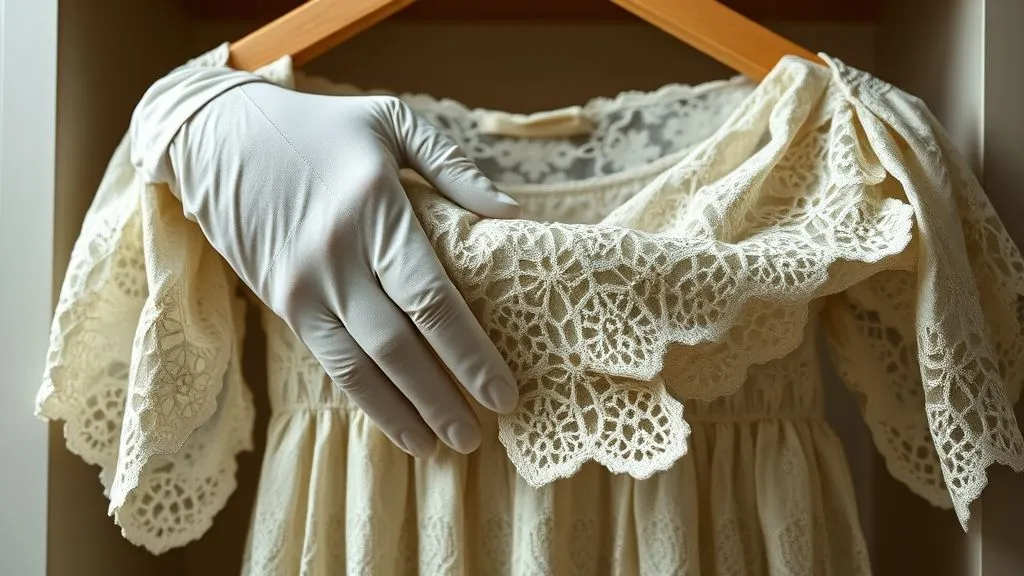
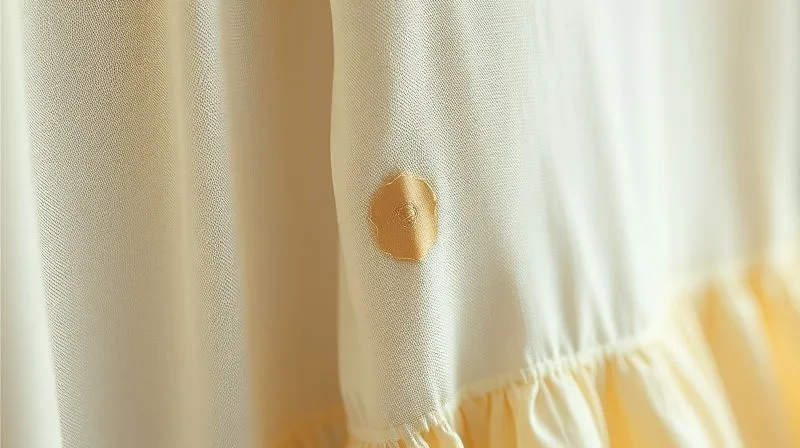
Always ensure your hands are meticulously clean and dry before touching any vintage textile. Oils, lotions, and even residual dirt from your hands can transfer to the fabric, leading to stains or attracting pests over time. For extremely delicate or historically significant pieces, white cotton gloves are advisable to prevent any transfer of skin oils or acids.
When moving a dress, avoid pulling or tugging on single points, such as straps or sleeves. Instead, support the garment evenly from multiple points, ideally by sliding your hands underneath to support its full weight. This distributes the stress and prevents undue strain on fragile seams, necklines, and embellishments, which are often the first to give way.
Actionable Steps: Safe Handling Protocol
- Wash and Dry Hands Thoroughly: Always start with clean, dry hands. Consider white cotton gloves for very fragile items.
- Clear Your Workspace: Ensure a clean, flat, and soft surface (like a clean sheet or towel) is ready for the dress.
- Support the Entire Garment: When lifting, always support the dress from underneath its main body, never by straps, sleeves, or a single point.
- Avoid Jewelry: Remove rings, bracelets, or watches that could snag delicate fabrics or embellishments.
- Minimize Direct Contact: The less you handle a dress, the better. Plan your movements and actions efficiently.
Mastering the Cleanse: Safe Washing and Spot Treatment
Cleaning vintage dresses is perhaps one of the most contentious and risky aspects of their care. My golden rule, refined over years of both triumph and tragedy, is this: when in doubt, don't. Aggressive or inappropriate cleaning is a leading cause of irreversible damage to fragile vintage dresses.
To Wash or Not to Wash: The Golden Rule
Not every vintage dress needs a full wash. Often, airing it out in a clean, shaded, well-ventilated area can remove minor odors. For visible dirt, consider targeted spot cleaning before a full immersion. However, if the garment is heavily soiled, has significant odors, or if you're unsure of the fabric composition or dye stability, professional textile conservators are your best bet. They have the expertise and specialized equipment to assess and treat delicate fabrics without causing further harm. As The Metropolitan Museum of Art's textile conservation department emphasizes, understanding the material and its history is crucial before any treatment.
If you must spot clean, always test a hidden area first. Use distilled water and a tiny amount of pH-neutral, uncolored detergent designed for delicate fabrics. Apply with a cotton swab, gently dabbing rather than rubbing, and then blot dry with a clean, white cloth. Patience and a light touch are key here.
The Hand-Wash Protocol for Delicate Fabrics
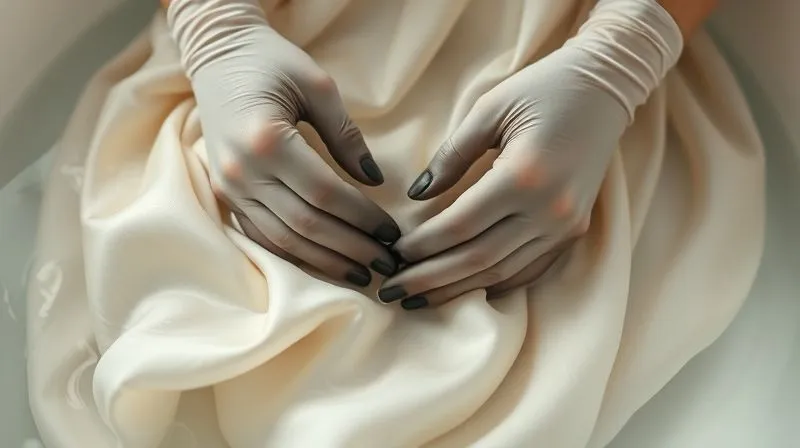
For sturdy, colorfast fabrics (like some cottons or linens) that you're confident can withstand water, hand washing is the safest DIY option. Never machine wash a vintage dress unless it's a very robust, modern-vintage piece you're willing to risk. Even then, I'd advise against it.
- Prepare Your Basin: Use a clean, plastic basin or bathtub. Line it with a clean sheet or towel for extra padding and to prevent snagging.
- Cool Water & Gentle Soap: Fill with cool (never hot) water and add a small amount of pH-neutral, non-toxic, unperfumed detergent specifically for delicates.
- Submerge Gently: Carefully submerge the dress, supporting its weight. Allow it to soak for no more than 15-30 minutes, gently swirling the water, but never wringing or scrubbing.
- Rinse Thoroughly: Drain the soapy water and refill with clean, cool water. Gently swish the dress to rinse. Repeat this process until all soap residue is gone.
- Remove Carefully: Do not lift the dress by a single point. Instead, support its entire weight as you gently transfer it to a clean, thick towel.
- Roll & Blot Dry: Lay the dress flat on the towel, then gently roll the towel to absorb excess water. Press gently, but do not wring.
- Air Dry Flat: Lay the dress flat on a clean, dry surface, ideally on a mesh drying rack, away from direct sunlight or heat. Reshape as it dries.
Here's a quick reference for common vintage fabric types and their suggested cleaning approach:
| Fabric Type | Recommended Cleaning | Notes |
|---|---|---|
| Silk, Rayon, Acetate | Professional Dry Clean / Expert Hand Wash (very carefully) | Extremely delicate. Prone to water spots, shrinkage, and dye bleeding. Always test. |
| Cotton, Linen (sturdy) | Hand Wash (cool water, gentle detergent) | Generally more robust, but check for embellishments or prints that may be delicate. |
| Wool, Cashmere | Professional Dry Clean / Specialist Wool Wash | Prone to shrinkage and felting. Requires specific wool-safe products. |
| Lace, Embellished | Professional Conservation Cleaning | Highest risk. Embellishments can detach, lace can tear easily. Avoid DIY. |
| Velvet | Professional Dry Clean / Spot Clean (very carefully) | Pile can be crushed or damaged by water. Avoid immersion. |
The Sanctuary: Optimal Storage Solutions
Once your vintage dress is clean (or deemed not in need of cleaning), its long-term safety depends heavily on its storage environment. This is where many well-meaning collectors unknowingly cause significant damage. Proper storage is a commitment to preserving your garment's structural integrity and aesthetic beauty.
Acid-Free & Breathable: The Foundation of Safe Storage
The cardinal rule of vintage textile storage is to use only acid-free and lignin-free materials. Regular cardboard boxes and tissue paper contain acids that will leach into fabrics over time, causing yellowing, brittleness, and irreversible stains. Invest in archival-quality acid-free tissue paper for padding folds and supporting delicate areas, and acid-free storage boxes or breathable garment bags made from unbleached cotton or Tyvek. These materials create a safe, stable microenvironment for your dresses. You can find these at reputable archival supply companies, as recommended by the National Archives.
Hangers vs. Flat Storage: Knowing the Difference
Not all dresses are created equal when it comes to hanging. Heavy garments, those with intricate beading or embellishments, or bias-cut pieces (which stretch easily) should ideally be stored flat in acid-free boxes. This prevents the weight of the garment from stretching and distorting the fabric over time, especially at the shoulders or waistline. Pad any folds with acid-free tissue to prevent creasing.
For dresses that can be hung, always use padded hangers. Wire or thin plastic hangers can create sharp creases, distort shoulders, or even tear delicate fabrics. Padded hangers distribute the weight more evenly and maintain the garment's shape. Ensure the hanger is wide enough to support the shoulders without creating bumps.
Case Study: The Grand Dame's Gown
Case Study: Preserving Eleanor's Silk Ball Gown
Eleanor, a diligent vintage collector, inherited her grandmother's exquisite 1930s silk bias-cut ball gown. Initially, she hung it on a beautiful wooden hanger in her closet. After a year, she noticed the shoulders were stretching, and the delicate silk had begun to pull and distort under its own weight, especially around the neckline. The intricate beadwork was also showing signs of strain. Following my advice, Eleanor carefully transferred the gown to an acid-free archival box, gently folding it with generous amounts of acid-free tissue paper to cushion all folds and support the delicate beadwork. She stored it flat in a cool, dark place. Within months, the subtle stretching eased, and the gown's original silhouette began to recover, preventing further irreversible damage. This simple change in storage method saved a priceless family heirloom from permanent distortion.
Environmental Control: Your Vintage Wardrobe's Climate
Beyond the immediate storage container, the ambient environment of your storage area plays a monumental role in the longevity of your vintage dresses. Think of it as creating a mini-museum climate within your own home.
Temperature & Humidity: The Ideal Range
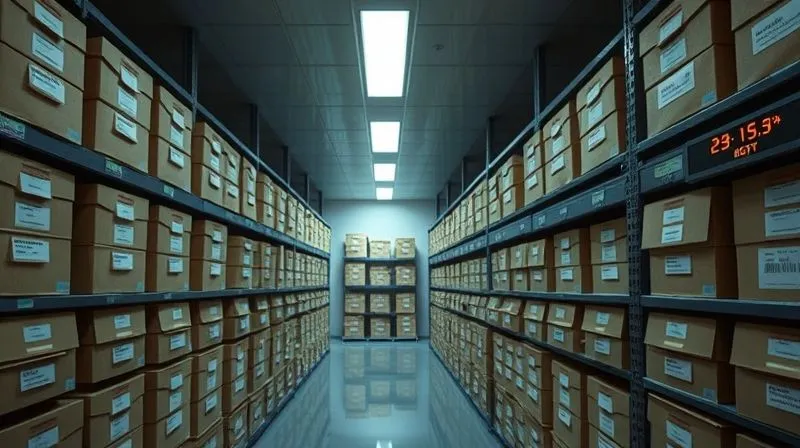
The ideal environment for storing vintage textiles is a cool, dark, and stable space. Aim for a consistent temperature between 65-70°F (18-21°C) and a relative humidity (RH) between 40-50%. Fluctuations are far more damaging than a slightly off but stable temperature or humidity. High humidity promotes mold and mildew, while low humidity can make fibers brittle. A good hygrometer can help you monitor these levels. For areas prone to higher humidity, a dehumidifier can be a worthwhile investment. Conversely, in very dry climates, a humidifier might be necessary, but use it with caution to avoid creating too much moisture.
Pest Patrol: A Vigilant Defense
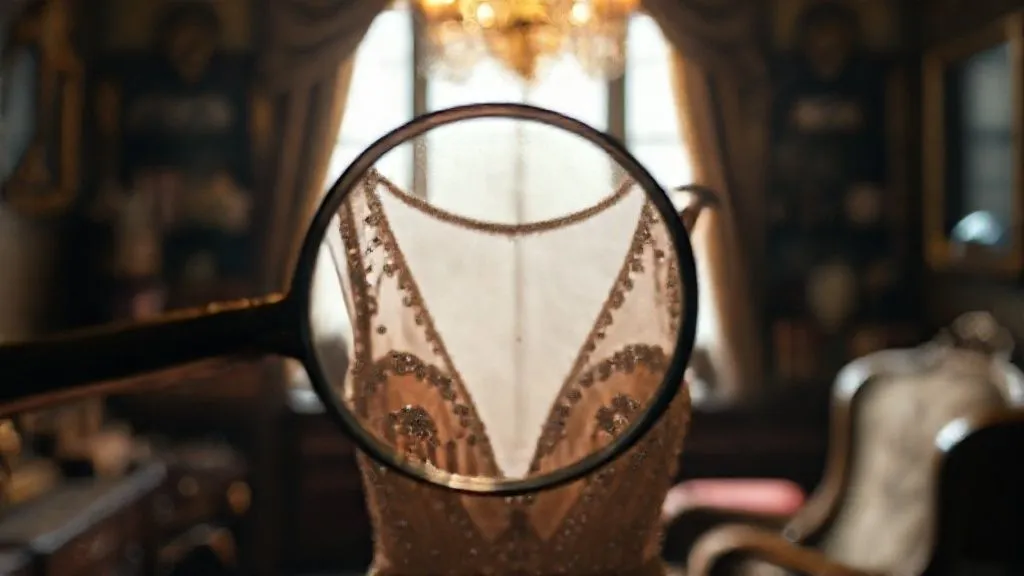
Pests are relentless, and vigilance is your best weapon. Regularly inspect your storage areas and garments for any signs of insect activity – tiny holes, frass (insect droppings that look like dust), or actual larvae. Cedar blocks or lavender sachets can act as mild repellents, but they are not a foolproof solution and need to be replaced periodically. Never let mothballs (paradichlorobenzene or naphthalene) come into direct contact with your vintage dresses, as they can cause irreversible discoloration and leave a strong, lingering odor that is difficult to remove. Instead, focus on cleanliness and regular inspection. Professional textile conservators often refer to guidelines from institutions like the EPA on pest control for textiles for safe and effective strategies.
Minor Repairs & Early Intervention: A Stitch in Time
Even with the most meticulous care, accidents can happen, or the ravages of time might simply catch up. The key to preventing irreversible damage to fragile vintage dresses in these scenarios is early detection and appropriate intervention. A small tear left unattended can quickly become a gaping hole, and a loose bead can lead to an unraveling embellishment.
Recognizing the Warning Signs
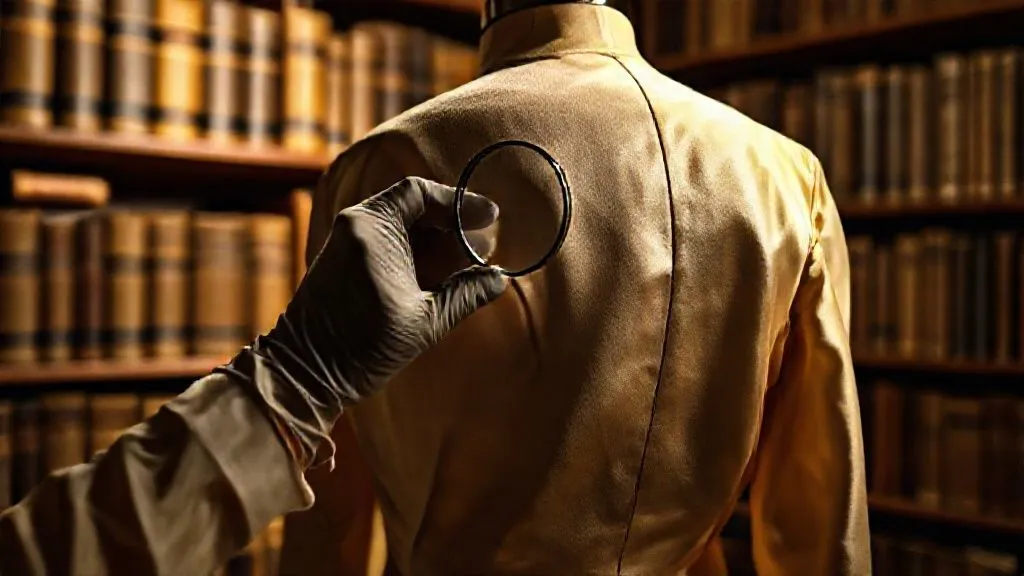
Make it a habit to regularly inspect your vintage dresses, perhaps once every six months. Look for:
- Small tears or snags: Especially around seams, armholes, or stress points.
- Loose threads or unraveling seams: Often a precursor to a larger tear.
- Missing or loose embellishments: Beads, sequins, buttons, or lace appliqués.
- Subtle discoloration or fading: Could indicate light exposure or a chemical reaction.
- Changes in fabric texture: Brittleness, stiffness, or excessive softness in certain areas.
Basic Mending Techniques for the Enthusiast
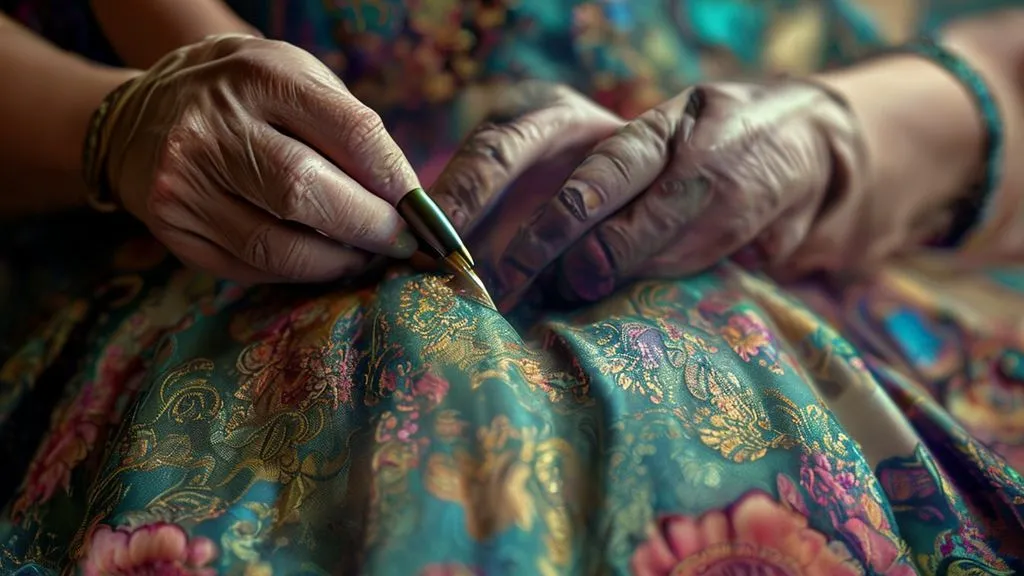
For very minor issues, a careful hand with a needle and thread can save the day. However, know your limits. If you're unsure, always err on the side of caution and consult a professional.
- Matching Thread: Always use a thread that precisely matches the original fabric's color and fiber type. Silk thread for silk, cotton for cotton, if possible.
- Small Tears/Holes: For tiny tears, a careful whipstitch or darning stitch from the underside can stabilize the area. Avoid pulling the fabric too tightly.
- Loose Seams: Hand-sew along the original seam line, using small, even stitches. Reinforce the area without adding bulk.
- Loose Embellishments: Reattach beads or sequins using a strong, fine thread, securing each piece individually if possible to prevent a domino effect if one breaks.
- Reinforce Weak Areas: For very fragile areas, a small patch of similar, lightweight fabric (acid-free) sewn from the inside can provide extra support.
Expert Insight: "A small, timely repair by a knowledgeable hand is a garment's best friend. Ignoring a minor issue is like ignoring a crack in a dam; eventually, it will lead to a flood of irreversible damage."
The Role of Professional Conservation and Restoration
There comes a point where DIY care, no matter how diligent, is no longer sufficient. This is when the expertise of a professional textile conservator becomes invaluable. I've often served as the bridge between a cherished garment and the specialized skills required for its survival.
When to Call in the Experts
You should consider professional intervention if:
- The damage is extensive or complex (large tears, intricate structural damage, widespread pest infestation).
- The fabric is extremely delicate, rare, or historically significant.
- You're dealing with irreplaceable embellishments, complex dyes, or materials you're unfamiliar with.
- The garment holds significant monetary or sentimental value, and you cannot risk further damage.
- You need specialized cleaning for stains that are deeply set or of unknown origin.
A conservator's role isn't just about 'fixing' a dress; it's about stabilizing it, preventing further deterioration, and ensuring its long-term integrity. They employ scientific methods and specialized materials that are beyond the scope of home care.
Finding a Reputable Conservator
Choosing the right professional is critical. Not all 'restorers' are conservators. Look for individuals or institutions with specific training in textile conservation, often affiliated with museums or academic programs. Ask for their credentials, experience with similar garments, and references. A good conservator will thoroughly examine your dress, discuss the proposed treatments, and provide a detailed estimate. Resources like the American Institute for Conservation (AIC) can help you locate accredited professionals.
Here's a comparison of scenarios that typically warrant professional intervention versus those that might be manageable at home:
| Scenario | DIY Feasibility | Professional Intervention | Notes |
|---|---|---|---|
| Minor seam rip, loose button | High (with care) | Low (unless very valuable/delicate) | Basic mending skills suffice. |
| Extensive fabric shattering, large tears | Very Low | High | Requires specialized patching, stabilization techniques. |
| Heavy staining (oil, rust, unknown origin) | Low (high risk of worsening) | High | Requires chemical knowledge, targeted solvents. |
| Widespread moth/pest damage | Low (difficult to fully eradicate) | High | Fumigation, specialized cleaning, structural repair. |
| Fragile lace, heavily beaded/sequined garments | Very Low | High | Requires expert handling, individual reattachment, structural support. |
Frequently Asked Questions (FAQ)
Question: Can I wear my fragile vintage dresses, or should they only be for display? This is a common dilemma. While wearing a vintage dress brings it to life, it also exposes it to body oils, perspiration, environmental pollutants, and physical stress, all of which accelerate deterioration. For truly fragile or historically significant pieces, I recommend limiting wear to very special, short occasions, or opting for display only. If you do wear them, ensure you have clean skin, avoid heavy perfumes or deodorants that could stain, and minimize movement that could strain seams. Always air out the garment thoroughly after wearing before returning it to storage.
Question: Is it ever safe to dry clean a vintage dress? Modern dry cleaning processes use strong chemicals that can be very harsh on aged fibers, causing them to shrink, become brittle, or even dissolve, especially if the fabric is rayon, acetate, or silk. Furthermore, vintage dyes may not be colorfast with modern solvents. While some robust vintage wools or silks might tolerate a professional, eco-friendly dry cleaner who specializes in vintage textiles, I generally advise extreme caution. Always discuss the garment's age and fiber content with the cleaner, and be prepared for them to refuse if they deem it too risky. Professional textile conservators often use gentler, targeted methods rather than full immersion dry cleaning.
Question: How do I store a heavily beaded or embellished vintage dress without damaging the embellishments? Heavily embellished dresses should almost always be stored flat in an acid-free archival box. The weight of the beads or sequins will pull and distort the fabric if hung, and the embellishments themselves can rub against each other, causing abrasion. Lay the dress flat, using copious amounts of acid-free tissue paper to cushion all folds, and especially to separate layers of fabric and embellishments. This prevents individual beads from pressing into the fabric or snagging on other parts of the dress. Make sure the box is sturdy enough to support the weight.
Question: What's the best way to deal with a lingering musty smell in a vintage dress? Musty smells are often a sign of mold or mildew spores, or simply accumulated trapped odors from years of storage. The safest first step is to air the dress out in a clean, dry, shaded, well-ventilated area for several days. Do not expose it to direct sunlight. If the smell persists, you can try placing the dress in an enclosed container with odor absorbers like activated charcoal or baking soda (placed in a breathable sachet, not directly on the fabric) for a week or two. For stubborn smells, especially if accompanied by visible mold, professional textile conservation is advised, as mold can cause irreversible fabric damage if not treated correctly.
Question: Can I use cedar chests or cedar blocks for pest control with vintage dresses? While cedar is a traditional moth repellent, its effectiveness on aged textiles can be inconsistent, and it can sometimes transfer oils to fabrics, causing discoloration. For vintage dresses, I prefer a multi-pronged approach: rigorous cleanliness, regular inspection, and breathable archival storage. If using cedar, ensure it's in block form (not flakes or sprays) and never in direct contact with the fabric. Lavender sachets (changed regularly) can also deter pests and impart a pleasant scent, but again, keep them separate from the fabric. The most effective pest control is a clean environment and regular vigilance, combined with appropriate storage materials.
Key Takeaways and Final Thoughts
Preserving fragile vintage dresses is a labor of love, a commitment to safeguarding history and beauty. It demands patience, knowledge, and a meticulous approach. My journey through the world of vintage fashion has repeatedly shown me that prevention is always more effective, and far less heartbreaking, than attempted cures for irreversible damage.
- Understand the Threats: Recognize light, humidity, and pests as the primary enemies.
- Handle with Care: Always use clean hands, support the garment evenly, and avoid stress points.
- Clean Wisely: Prioritize airing and spot cleaning; opt for professional conservation for complex cleaning.
- Store Archival-Quality: Invest in acid-free materials, and choose flat storage over hanging for delicate or heavy pieces.
- Control the Environment: Maintain stable temperature and humidity, and conduct regular pest checks.
- Intervene Early: Address minor damages promptly to prevent escalation.
- Know When to Call a Pro: For significant damage or valuable pieces, seek accredited textile conservators.
By integrating these expert strategies into your vintage care routine, you're not just maintaining a garment; you're becoming a steward of textile heritage. Each carefully folded dress, each meticulously monitored environment, is a testament to your dedication to preserving these unique pieces of our shared past. Your vigilance today ensures these fragile vintage dresses will continue to tell their stories for generations to come.
Recommended Reading
- 9 Ergonomic Footwear Choices: Stopping Nurse Foot Pain After 12-Hour Shifts
- 7 Expert Steps: How to Transform Vintage Jewelry into Unique Modern Designs
- Unlock Your Vision: Solving Creative Blocks in Fashion Shoot Direction Once and For All
- 5 Strategies to Slash Textile Waste in Kids' Apparel Manufacturing by 30%
- 7 Ethical Growth Strategies: Scale Your Slow Fashion Brand Responsibly

Your email address will not be published. Required fields are marked *