

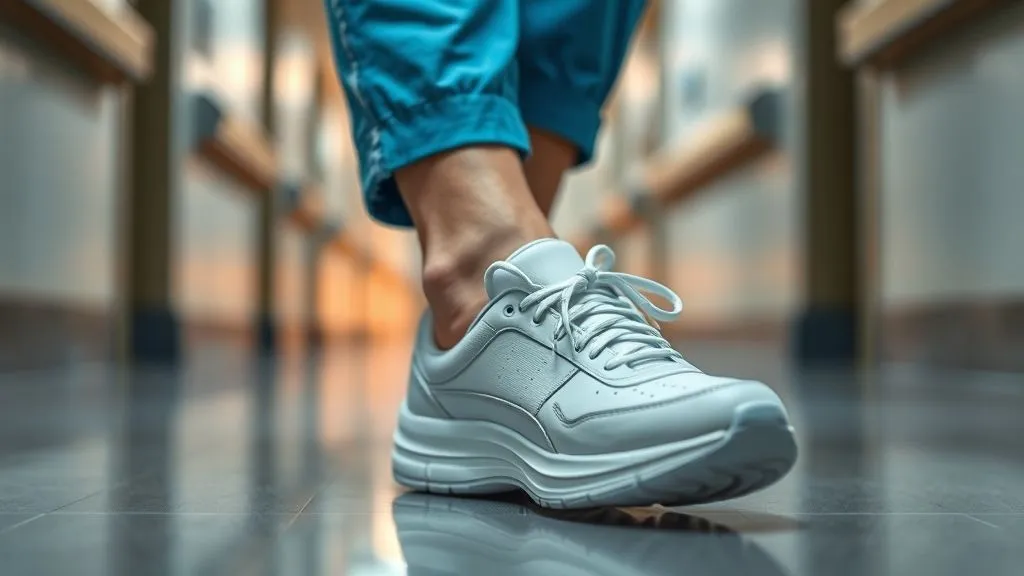
What ergonomic footwear stops nurse foot pain after 12-hour shifts?
For over two decades in the footwear industry, specializing in ergonomic solutions, I've witnessed firsthand the profound impact that the right — or wrong — shoes can have on a person's life. I've heard countless stories, but none resonate quite as deeply as those from healthcare professionals, particularly nurses, who spend grueling 12-hour shifts on their feet, pushing through pain that often feels like an occupational hazard.
The relentless demands of nursing — the constant standing, walking, rushing, and pivoting — place immense stress on your feet, ankles, knees, hips, and even your back. This isn't just about discomfort; it leads to debilitating conditions like plantar fasciitis, bunions, metatarsalgia, and chronic fatigue, eroding not only your physical well-being but also your quality of life outside the hospital walls. The idea that this pain is simply 'part of the job' is a myth we need to dismantle.
In this definitive guide, I will share my expert insights into what ergonomic footwear stops nurse foot pain after 12-hour shifts. We'll delve into the biomechanics of foot pain, uncover the essential features of truly supportive shoes, explore top footwear categories with specific recommendations, and provide holistic strategies to ensure your feet are not just surviving, but thriving, through every demanding shift. Prepare to transform your understanding of foot health and discover a path to pain-free workdays.
Understanding the Enemy: The Biomechanics of Nurse Foot Pain
Before we can conquer foot pain, we must understand its origins. Your feet are complex marvels of engineering, comprising 26 bones, 33 joints, and over 100 muscles, tendons, and ligaments. They are designed to absorb shock, provide balance, and propel you forward. However, continuous strain without adequate support leads to breakdown.
The Impact of Prolonged Standing on Your Feet
When you stand or walk for extended periods, gravity constantly pulls blood into your lower extremities, increasing pressure and fluid retention. The arches of your feet, which act as natural shock absorbers, begin to flatten under sustained weight-bearing. This leads to muscle fatigue, ligamentous strain, and reduced circulation, all contributing to the throbbing pain many nurses experience.
According to a study published by the National Institute for Occupational Safety and Health (NIOSH), prolonged standing is associated with a higher prevalence of musculoskeletal disorders, particularly in the lower limbs and back. This scientific validation underscores the critical need for proactive intervention, not just reactive treatment.
Common Foot Ailments Nurses Face
Nurses are particularly susceptible to a range of foot conditions due to their work environment. These include:
- Plantar Fasciitis: Inflammation of the thick band of tissue (plantar fascia) connecting your heel bone to your toes, causing stabbing pain, especially with your first steps in the morning.
- Metatarsalgia: Pain and inflammation in the ball of your foot, often aggravated by high-impact activities and ill-fitting shoes.
- Bunions: A bony bump that forms on the joint at the base of your big toe, often caused or worsened by narrow, pointed shoes.
- Achilles Tendinitis: Inflammation of the Achilles tendon, which connects your calf muscles to your heel bone, leading to pain and stiffness.
- Shin Splints: Pain along the shin bone, often a result of overpronation or inadequate shock absorption.
- General Fatigue and Swelling: The cumulative effect of long hours on your feet, leading to discomfort and reduced performance.
"Ignoring early signs of foot pain is like ignoring a check engine light in a car; eventually, it leads to a breakdown. Proactive ergonomic support is not a luxury, but a necessity for long-term health in demanding professions."
The Hallmarks of Truly Ergonomic Footwear for Healthcare Professionals
Choosing the right footwear isn't just about picking a comfortable pair; it's about investing in a piece of engineered equipment designed to support your body's natural mechanics. So, what ergonomic footwear stops nurse foot pain after 12-hour shifts? It's footwear that embodies several key characteristics, working in harmony to mitigate stress and enhance comfort.
Essential Features of Ergonomic Nursing Shoes
When I advise healthcare professionals, I always emphasize these non-negotiable features:
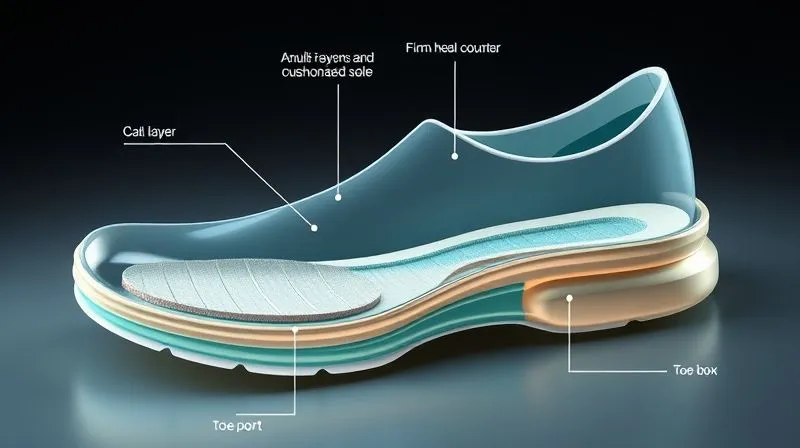
- Superior Arch Support: This is paramount. Whether you have high arches, low arches, or flat feet, proper arch support distributes pressure evenly across the foot, preventing the collapse of the arch and reducing strain on the plantar fascia. Look for shoes with built-in anatomical support or ample space for custom orthotics.
- Adequate Cushioning: Not too soft, not too hard. The ideal cushioning absorbs impact effectively without compromising stability. Too soft, and your foot can sink, leading to instability; too firm, and it won't absorb shock. Materials like EVA foam, gel, or air pockets are common.
- Stable Heel and Midfoot: The heel counter should be firm enough to cradle your heel and prevent excessive pronation (inward rolling) or supination (outward rolling) of your foot. A wide base at the heel also contributes to overall stability.
- Slip-Resistant Outsole: Hospital environments can be unpredictable with spills. A durable rubber outsole with a deep, multi-directional tread pattern is crucial for maintaining traction and preventing falls. Look for ASTM F2913 certification.
- Roomy Toe Box: Your toes need space to splay naturally. A cramped toe box can lead to bunions, hammertoes, and general discomfort. Ensure there's at least a thumb's width between your longest toe and the end of the shoe.
- Breathable and Durable Materials: The upper material should allow air circulation to prevent sweat buildup and reduce the risk of fungal infections. Leather, mesh, and synthetic blends that are easy to clean and sanitize are ideal. Durability ensures the shoe maintains its supportive properties over time.
- Secure Fit: The shoe should hug your foot without feeling restrictive. Laces, adjustable straps, or a snug yet comfortable slip-on design ensures your foot doesn't slide around, which can cause blisters and instability.
Top 9 Ergonomic Footwear Categories & Specific Recommendations for Nurses
Navigating the vast world of footwear can be daunting. Based on my experience and extensive research, here are the categories and specific features that consistently prove effective in alleviating nurse foot pain after 12-hour shifts.
1. Specialized Nursing Clogs
Traditional nursing clogs have evolved significantly. Modern clogs offer robust arch support, often with a slightly elevated heel to reduce Achilles tendon strain, and a roomy toe box. Brands like Dansko and Sanita are pioneers in this space, known for their polyurethane outsoles that offer excellent shock absorption and stability. They are typically easy to clean, a major plus in healthcare settings.
2. Athletic Shoes with Enhanced Support
Many athletic shoe brands now design models specifically for healthcare workers or those requiring extensive standing. These often combine the flexibility and breathability of a running shoe with the stability and arch support needed for long shifts. Look for models with a wider base, gel or air cushioning, and reinforced arch structures. Brooks, Hoka One One, and ASICS often have excellent options within their stability or maximal cushioning lines.
3. Professional Slip-Ons with Orthotic Features
For those who prefer the convenience of a slip-on but demand serious support, several brands offer professional-looking shoes with integrated orthotic-grade insoles. These often feature premium leather uppers and a more formal aesthetic, making them versatile for various healthcare roles. Klogs and Alegria are well-regarded for their comfortable, supportive slip-on designs.
4. Mary Jane Style Ergonomic Shoes
Offering a blend of classic style and modern ergonomics, Mary Jane shoes with adjustable straps provide a secure fit while accommodating foot swelling throughout a long shift. They often feature generous toe boxes and cushioned footbeds, making them a stylish yet practical choice. Brands like Alegria and some specific professional lines offer excellent Mary Jane options.
5. Boots for Specific Support Needs
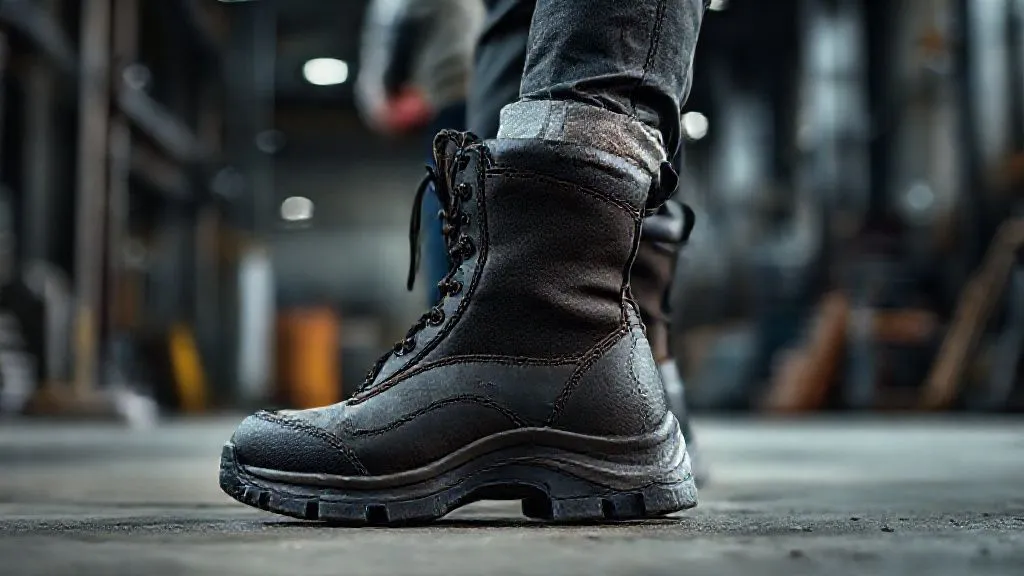
While less common, some nurses with ankle instability or specific orthopedic needs might benefit from ankle-height boots that offer additional support. These are typically designed for industrial or tactical use but can be adapted for healthcare if they meet slip-resistance and comfort criteria. Ensure they are lightweight and breathable.
6. Adjustable Strap Shoes for Swelling
Feet naturally swell during long periods of standing. Shoes with adjustable straps (velcro or buckle) allow you to loosen or tighten the fit as needed, preventing constriction and discomfort. This feature is particularly beneficial for nurses who experience significant swelling towards the end of their shifts.
7. Custom Orthotics & Inserts (as an enhancement)
While not a shoe category, custom orthotics or high-quality over-the-counter inserts can transform even a good pair of shoes into exceptional ergonomic footwear. They provide personalized support tailored to your unique foot mechanics, addressing specific issues like severe pronation or plantar fasciitis. Always ensure your chosen shoe has a removable insole to accommodate these.
8. Anti-Fatigue Mats (workplace-specific)
Though not worn, I must mention anti-fatigue mats. For nurses who spend extended periods in one stationary location (e.g., operating room, lab), these mats can significantly reduce pressure and muscle fatigue. They work by encouraging subtle muscle movements, improving circulation, and providing a softer, more forgiving surface than hard flooring.
9. Recovery Footwear (for off-duty relief)
While your work shoes are crucial, what you wear outside of work also matters. Recovery sandals or shoes with ultra-cushioned footbeds can help decompress and rejuvenate your feet after a strenuous shift. Brands like OOFOS are specifically designed for this purpose, aiding in muscle recovery and reducing post-shift soreness.
| Footwear Type | Pros | Cons | Best For |
|---|---|---|---|
| Nursing Clogs | Excellent arch support, easy to clean, durable | Can feel clunky, less flexible | Stability, long-term wear |
| Athletic Shoes | Breathable, flexible, high cushioning, versatile | Can wear out faster, less formal | High mobility, shock absorption |
| Slip-On Professionals | Convenient, often stylish, good support | Less adjustability, can be heavier | Ease of wear, professional look |
| Mary Jane Style | Secure fit with strap, accommodates swelling, stylish | Limited athletic features | Adjustability, classic aesthetic |
| Custom Orthotics/Inserts | Personalized support, addresses specific issues | Additional cost, requires compatible shoe | Targeted pain relief, severe foot conditions |
Beyond the Shoe: Holistic Strategies for Foot Health on 12-Hour Shifts
Even the best ergonomic footwear can't do all the work alone. In my career, I've learned that true foot health is a holistic endeavor, combining superior footwear with smart self-care practices. These strategies complement your shoe choice, offering comprehensive protection against the rigors of your profession.
Pre-Shift Preparation: Stretching & Hydration
- Dynamic Foot Stretches: Before you even put on your shoes, perform gentle ankle rotations, toe curls, and calf stretches. This warms up the muscles and tendons, increasing flexibility and preparing them for the demands ahead.
- Hydration: Dehydration can exacerbate muscle cramps and fatigue. Ensure you're well-hydrated throughout your shift.
- Compression Socks: Graduated compression socks can significantly reduce leg and foot swelling by promoting better blood circulation. They can make a noticeable difference in preventing fatigue and discomfort.
During-Shift Practices: Micro-Breaks & Posture
- Micro-Breaks: Whenever possible, take short breaks to sit down, elevate your feet, or perform quick foot and ankle stretches. Even a few minutes can make a difference in reducing cumulative fatigue.
- Mindful Posture: Pay attention to your standing and walking posture. Distribute your weight evenly, avoid leaning heavily on one foot, and engage your core. Good posture reduces strain on your feet and the rest of your musculoskeletal system.
- Shoe Rotation: If possible, rotate between two or three pairs of ergonomic shoes throughout the week. This allows the cushioning materials to decompress and recover, extending the life of your shoes and providing varied support.
Post-Shift Recovery: Elevation, Icing & Massage
- Elevate Your Feet: As soon as you get home, lie down and elevate your feet above your heart for 15-20 minutes. This helps reduce swelling and promotes blood flow.
- Ice Therapy: If you have specific areas of pain (like the heel for plantar fasciitis), apply an ice pack for 10-15 minutes. A frozen water bottle can be rolled under your foot for a self-massage.
- Self-Massage: Use a tennis ball or a specialized foot roller to massage the soles of your feet. Focus on tender spots to release tension and improve circulation.
- Epsom Salt Soaks: A warm foot bath with Epsom salts can be incredibly soothing, helping to relax muscles and reduce inflammation.
"Your feet are your foundation. Treating them with respect and providing them with consistent care, both through ergonomic footwear and mindful practices, is an investment in your entire career and overall well-being."
For more detailed recovery techniques, I often recommend resources from reputable sports medicine associations or podiatry clinics, such as the American Podiatric Medical Association, which offers a wealth of information on foot health and care.
Case Study: Sarah's Journey from Debilitating Pain to Pain-Free Shifts
Case Study: How Nurse Sarah Conquered Her 12-Hour Shift Foot Pain
Sarah, a dedicated ER nurse in her late 30s, came to me after years of enduring excruciating foot pain. "Every shift feels like I'm walking on broken glass," she confided, her voice tired. Her symptoms were classic: severe plantar fasciitis, especially in her left heel, and general foot fatigue that left her unable to enjoy walks with her kids or even stand comfortably to cook dinner. She had tried multiple brands of 'comfortable' athletic shoes, but nothing truly alleviated her pain.
After a thorough discussion about her specific needs, foot type (she had moderately high arches that weren't adequately supported), and the demands of her role, I recommended she transition to a specialized nursing clog known for its superior arch support and rocker bottom sole. We chose a model with a deep heel cup and ample room in the toe box, ensuring her custom orthotics fit perfectly.
The initial adjustment period was a week, as her feet adapted to the new support. However, within two weeks, Sarah reported a significant reduction in her heel pain. "It's not gone entirely, but it's manageable now, not debilitating," she said, visibly more energetic. After a month, combined with consistent post-shift icing and calf stretches, her plantar fasciitis symptoms were almost non-existent. She was able to extend her walks with her children and felt a renewed sense of vitality.
Sarah's story isn't unique. It underscores a crucial point: what ergonomic footwear stops nurse foot pain after 12-hour shifts isn't just a generic solution, but a carefully considered choice tailored to individual needs, combined with consistent self-care. Her success was a testament to understanding the problem, choosing the right tools, and committing to a holistic approach.
The Investment in Your Well-being: Cost vs. Benefit of Quality Footwear
I often hear nurses express hesitation about the price tag associated with high-quality ergonomic footwear. It's true, these shoes can sometimes represent a significant upfront investment compared to a basic pair of sneakers. However, I urge you to reframe this as an investment in your long-term health, career longevity, and overall quality of life, rather than just an expense.
Consider the true cost of cheap, unsupportive shoes: chronic pain, doctor's visits, physical therapy, pain medication, lost productivity, and the inability to enjoy your personal life. These hidden costs far outweigh the price of a well-engineered pair of shoes. A quality ergonomic shoe, while costing more initially, typically lasts longer and maintains its supportive properties for a greater duration, making it more cost-effective in the long run.
Furthermore, studies by organizations like the Harvard Business Review consistently show that investing in employee well-being leads to increased job satisfaction, reduced absenteeism, and improved performance. For a nurse, this translates directly to better patient care and a more fulfilling career. Your feet are your primary tools; protecting them is non-negotiable.
Common Pitfalls to Avoid When Choosing Your Next Pair
Even with the best intentions, it's easy to make mistakes when selecting footwear. Having guided countless individuals, I've identified several common pitfalls that can undermine your efforts to find the perfect ergonomic shoes.
Ignoring Your Foot Type
One of the biggest mistakes is buying shoes based on a friend's recommendation without considering your unique foot anatomy. Do you have high arches, flat feet, or neutral arches? Do you overpronate or supinate? Understanding your foot type is fundamental to selecting shoes that offer the correct type and level of support.
Prioritizing Style Over Substance
While aesthetics are important, especially in professional settings, sacrificing ergonomic features for a trendier look is a recipe for pain. Many modern ergonomic shoes are designed to be both functional and stylish, so you don't always have to compromise, but functionality must come first for 12-hour shifts.
Skipping the Break-In Period
New shoes, even ergonomic ones, often require a break-in period. Don't expect to wear a brand new pair for a 12-hour shift right out of the box. Wear them for shorter periods initially, gradually increasing the duration, to allow the shoes to conform to your feet and for your feet to adjust to the new support.
Not Replacing Shoes Regularly
Even the most durable ergonomic shoes have a lifespan. The cushioning compresses, the outsoles wear down, and the supportive structures degrade over time. As a general rule, nurses working 12-hour shifts should consider replacing their primary work shoes every 6-12 months, depending on wear and tear. Continuing to wear worn-out shoes is just as detrimental as wearing unsupportive ones.
Frequently Asked Questions (FAQ)
How often should nurses replace their ergonomic shoes? I typically recommend replacing ergonomic nursing shoes every 6 to 12 months, depending on the intensity of use and the materials. If you work more frequently or have a higher body weight, you might need to replace them closer to the 6-month mark. Signs of wear include compressed cushioning, worn-down treads, or a noticeable decrease in support. Regularly inspecting your shoes for these signs is crucial.
Can custom orthotics really make a difference for severe foot pain? Absolutely. For nurses with severe or persistent foot pain, especially those with conditions like severe plantar fasciitis, high arches, or flat feet, custom orthotics can be a game-changer. They provide personalized support and alignment correction that off-the-shelf shoes simply cannot match. They work in conjunction with your ergonomic shoes, not as a replacement for them. Always consult with a podiatrist for custom orthotics.
Are certain materials better for breathability in nursing shoes? Yes, breathability is vital to prevent sweat buildup and maintain foot hygiene. Mesh panels, perforated leather, or advanced synthetic blends designed for moisture-wicking are generally excellent choices. While full leather offers durability and easy cleaning, ensure it has some form of ventilation. Avoid shoes made of non-breathable synthetic materials that trap heat and moisture.
What's the best way to clean and maintain nursing shoes? Maintaining your shoes extends their life and hygiene. For most nursing shoes, wiping them down daily with a damp cloth and mild disinfectant is sufficient. For leather, a leather cleaner and conditioner can keep the material supple. Athletic shoes with mesh can often be spot cleaned with a brush and mild soap. Always air dry your shoes thoroughly, and avoid machine washing unless specifically instructed by the manufacturer, as it can degrade materials and adhesives.
Is a higher heel better for arch support or reducing pressure? While a slight heel (around 1-1.5 inches) can sometimes alleviate pressure on the Achilles tendon and provide a subtle rocker effect, excessively high heels are detrimental. They shift your body weight forward, increasing pressure on the ball of your foot and toes, leading to conditions like metatarsalgia. The ideal ergonomic shoe has a stable, moderate heel that complements the overall footbed design, providing balanced support.
Key Takeaways and Final Thoughts
- Prioritize Ergonomics: What ergonomic footwear stops nurse foot pain after 12-hour shifts is not a single shoe, but a category of footwear meticulously designed for support, cushioning, and stability.
- Understand Your Feet: Know your arch type and any specific conditions you have. This knowledge is your most powerful tool in selecting the right shoe.
- Invest Wisely: View quality ergonomic footwear as an essential investment in your health and career, not an expense. The long-term benefits far outweigh the initial cost.
- Holistic Care is Key: Complement your shoe choice with pre-shift stretches, during-shift micro-breaks, and post-shift recovery routines.
- Replace Regularly: Don't let worn-out shoes undo all your efforts. Be vigilant about replacing your footwear before its supportive properties diminish.
As an industry specialist, I've seen countless nurses transform their work lives by making informed footwear choices. You don't have to endure debilitating foot pain as an inevitable part of your profession. By understanding the principles of ergonomic footwear and committing to holistic foot care, you can reclaim your comfort, enhance your well-being, and continue providing exceptional care without sacrificing your own health. Your feet carry you through every challenge; it's time to give them the support they truly deserve. Step into comfort, step into a pain-free future.
Recommended Reading
- Halve Fashion Returns: Your Guide to Accurate Body Scan Data
- Unlock Your Look: The Ultimate Guide to Choosing Glasses That Enhance Features
- The Secret to Preserving Vintage Silk Heirlooms: A Home Guide
- Unlock the Secret: How to Make Unique Jewelry Designs Truly Stand Out
- 7 Proven Strategies: Predict Luxury Trends, Cut Unsold Inventory by 25%



Your email address will not be published. Required fields are marked *