

How to Prevent Micro-Pavé Diamond Loss in Fine Jewelry?
For over two decades in the intricate world of fine jewelry, I've witnessed the profound joy a beautifully crafted piece brings, but also the deep disappointment when a tiny, precious micro-pavé diamond goes missing. It's a common, heartbreaking scenario that many clients have shared with me, often accompanied by questions of 'Why me?' or 'What could I have done differently?' Trust me, you're not alone in this concern.
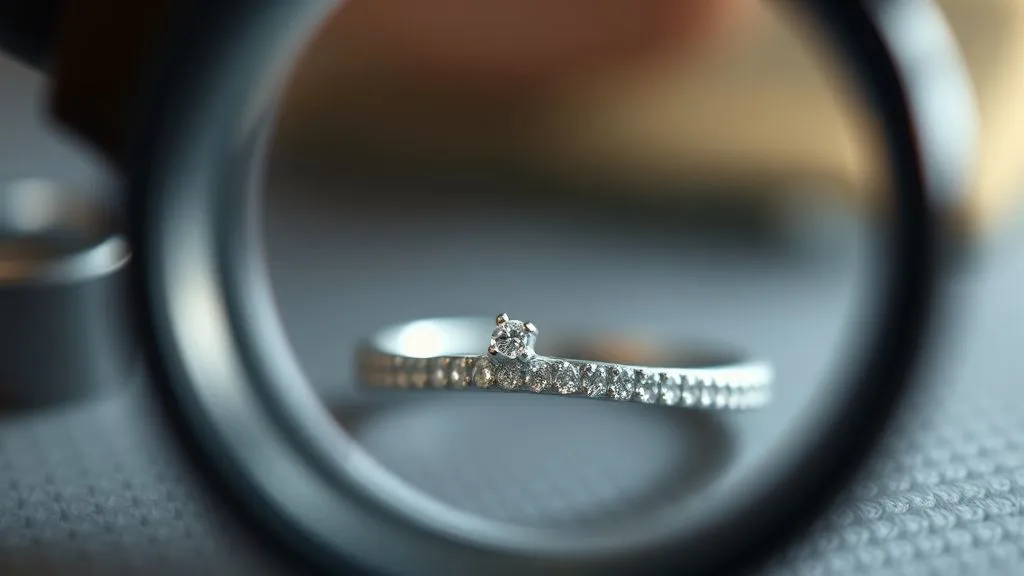
The allure of micro-pavé lies in its dazzling, continuous sparkle, achieved by setting numerous tiny diamonds closely together with minimal visible metal. This technique creates an unbroken surface of brilliance, making it a favorite for engagement rings, eternity bands, and intricate design elements. However, this very delicate construction, while breathtaking, inherently carries a higher risk of diamond loss compared to larger, more robust settings like solitaires or bezels. The sheer number of minuscule prongs and the microscopic scale of the diamonds mean that even the slightest impact or wear can compromise their security.
In this definitive guide, drawn from my extensive experience and the wisdom gleaned from countless hours at the jeweler's bench, I will share not just theoretical knowledge, but truly actionable strategies. You'll learn the critical factors contributing to micro-pavé diamond loss, how to identify quality craftsmanship, implement proactive care routines, and understand when professional intervention is essential. My goal is to empower you with the insights needed to significantly reduce the risk of losing those cherished tiny diamonds and ensure your fine jewelry continues to sparkle for generations.
Understanding the Anatomy of Micro-Pavé: Why It's Prone to Loss
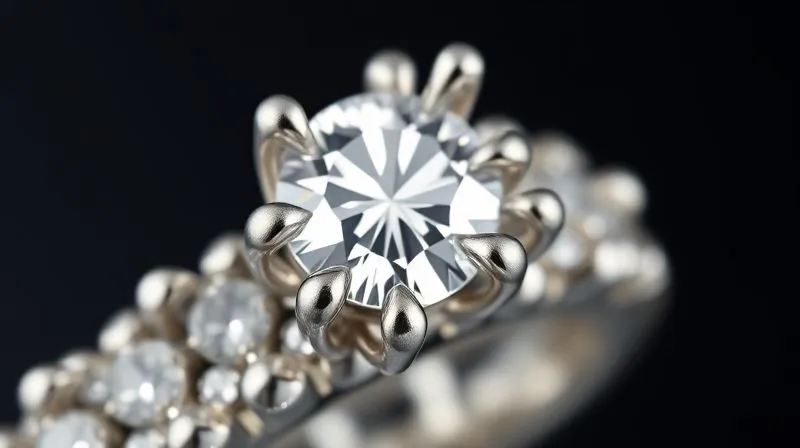
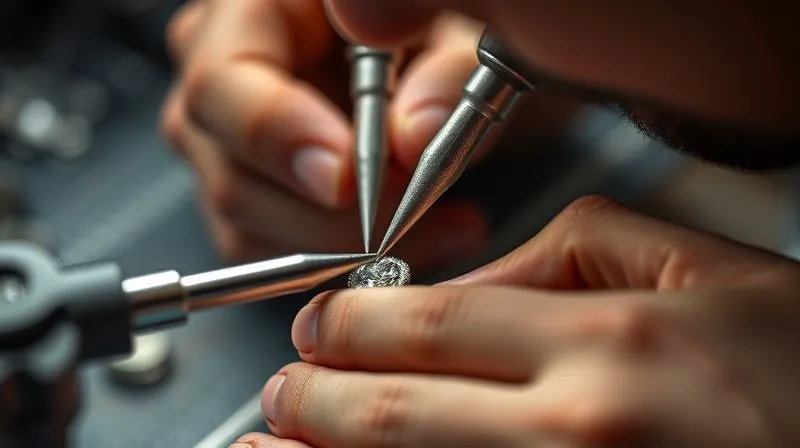
To truly prevent micro-pavé diamond loss, we must first understand its delicate architecture. Unlike traditional pavé, micro-pavé utilizes diamonds typically under 0.01 carat, held by incredibly small, often bead-like prongs or grains raised from the metal surface. These tiny diamonds are drilled into the metal, and then the surrounding metal is pushed up to form these minuscule prongs, creating a seamless, diamond-encrusted look.
The vulnerability stems from several design characteristics:
- Microscopic Prongs: These prongs are extremely fine and can be easily bent, worn down, or broken with everyday impacts, snagging, or even aggressive cleaning.
- High Diamond Density: With so many diamonds packed closely, the overall structural integrity can be compromised if one area is weakened. A single loose diamond can exert pressure on its neighbors.
- Minimal Metal Support: To achieve that 'all diamond' look, jewelers minimize the amount of metal holding the stones. While aesthetically pleasing, this reduces the protective barrier around each diamond.
- Setting Method Variations: While generally secure when done right, variations in setting quality – from the angle of the drill holes to the consistency of the prongs – can greatly impact durability.
Imagine the difference between a large oak tree rooted deeply in the ground and a delicate sapling. Both are trees, but their resilience to external forces is vastly different. Micro-pavé diamonds are those beautiful saplings; they require a more gentle touch and diligent care to thrive.
The Critical Role of Quality Craftsmanship: What to Look For
The foundation of preventing diamond loss begins long before you even wear the piece: it starts with the quality of its creation. In my experience, substandard craftsmanship is the single biggest culprit behind recurring micro-pavé issues. A reputable jeweler and a skilled setter are non-negotiable.
"The true test of a micro-pavé piece isn't just its sparkle, but the invisible integrity of its setting. Shortcuts taken during manufacturing manifest as future diamond loss."
Micro-Pavé Quality Checklist: What to Look For
| Feature | Description |
|---|---|
| Prong Integrity | Tiny, evenly spaced, securely holding each diamond. Should not appear thin, uneven, or excessively sharp. |
| Diamond Alignment | Stones should sit flush within the setting, no gaps, tilting, or uneven surfaces. The surface should feel smooth to the touch. |
| Metal Finish | Smooth, polished, no rough edges, porosity, or casting imperfections around the diamonds. The metal should flow seamlessly around each stone. |
| Undercutting | Sufficient metal removed beneath the girdle to maximize diamond brilliance, but not excessively so, which could weaken the setting. It's a fine balance. |
| Reputable Jeweler | Transparent about sourcing, offers warranties, clear return policies, and in-house or trusted repair services. Ask about their setters' experience. |
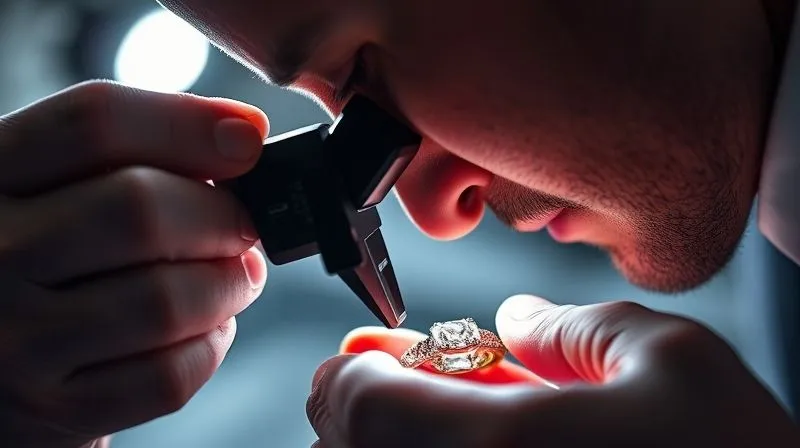
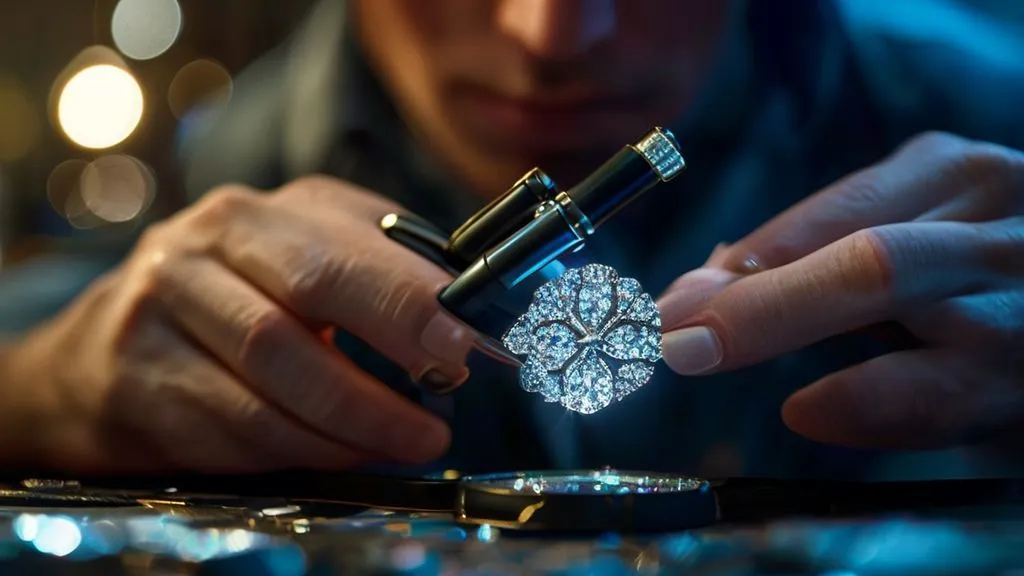
When purchasing, always use a jeweler's loupe (10x magnification) to inspect the pavé under bright light. Look for consistency. Are all the prongs uniform in size and shape? Are the diamonds perfectly aligned and sitting level within their seats? Any visible gaps, unevenness, or misshapen prongs are red flags. As the Gemological Institute of America (GIA) emphasizes, the quality of craftsmanship directly impacts the longevity and security of any diamond setting.
Routine Inspection: Your First Line of Defense
Think of your fine jewelry like a high-performance car; it requires regular check-ups. Many clients only react to a problem when a diamond is already missing. My advice? Be proactive. Regular, at-home inspections can catch issues before they escalate.
Your Weekly At-Home Inspection Routine:
- Find a Quiet, Well-Lit Space: Preferably over a soft cloth or tray to catch any potential fallout.
- Use a Loupe (10x Magnification): This is your best friend. A good quality loupe is an inexpensive investment that pays dividends.
- Examine Each Diamond Individually: Look for any stones that appear tilted, raised, or have visible gaps around them.
- Check the Prongs: Are they all intact? Are any bent, worn thin, or missing? Even one compromised prong can lead to loss.
- Gentle Tap Test: Very gently tap the piece on a soft surface. Listen for any rattling sounds, which indicate a loose stone.
- Light Pressure Test: Using a toothpick or a very fine, non-abrasive probe, gently (and I mean gently!) push on the edge of each diamond. If it wiggles, it's loose.
If you identify a loose stone or a damaged prong during your inspection, stop wearing the piece immediately and take it to a professional jeweler. Ignoring these early warning signs is akin to ignoring a flickering engine light in your car – it's only a matter of time until a bigger problem occurs.
Proper Cleaning Techniques for Pavé Settings
Cleaning is essential for maintaining sparkle, but improper methods can be detrimental to micro-pavé. Harsh chemicals, aggressive brushing, or the wrong cleaning device can easily loosen diamonds or damage delicate prongs.
"While ultrasonic cleaners offer convenience, their powerful vibrations can be a double-edged sword for micro-pavé, especially older pieces. Use with extreme caution, or better yet, opt for gentler methods."
Cleaning Do's and Don'ts for Micro-Pavé Jewelry
| Action | Impact |
|---|---|
| DO: Use mild soap & warm water | Safely removes grime without harsh chemicals. Dish soap (e.g., Dawn) is often recommended. |
| DON'T: Use ultrasonic cleaners often | Can loosen stones over time, especially older pieces with compromised settings. Reserve for professional use or very occasional, short bursts on robust pieces. |
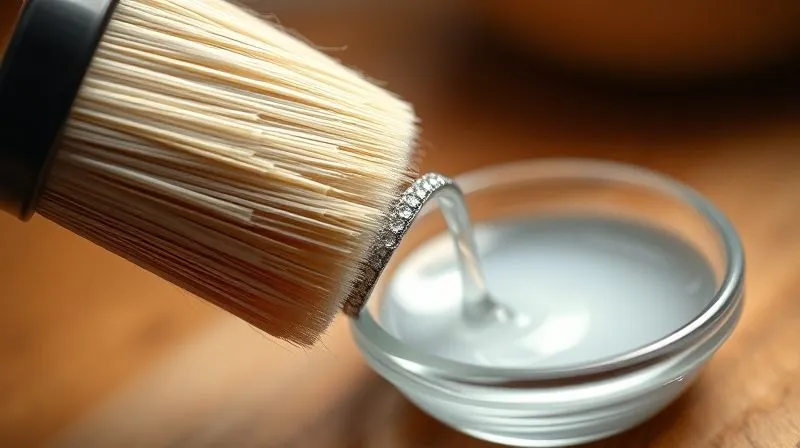
| DO: Use a soft-bristle brush | Reaches crevices without scratching the metal or dislodging diamonds. An old, soft toothbrush works well. |
| DON'T: Wear during strenuous activities | Risk of impact damage, snagging, and diamond loss. Remove jewelry before sports, gardening, or heavy lifting. |
| DO: Get professional cleaning/inspection annually | Early detection of loose stones and prong wear. Professionals have specialized tools and expertise. |
| DON'T: Use abrasive cleaners or cloths | Can scratch precious metals and potentially damage diamond surfaces or settings. |
After cleaning, rinse thoroughly with warm water, ensuring no soap residue remains. Gently pat dry with a soft, lint-free cloth. Avoid air-drying, as this can leave water spots. For a deeper clean, especially for pieces that have accumulated significant grime, I always recommend a professional cleaning by your trusted jeweler.
Smart Wearing Habits: Protecting Your Investment
Many clients are surprised to learn how much their daily habits impact the longevity of their micro-pavé jewelry. Fine jewelry, by definition, is delicate. It's not designed to withstand the rigors of all daily activities. This isn't about not enjoying your jewelry; it's about enjoying it smartly.
Actionable Steps for Smart Wearing:
- Remove During Strenuous Activities: Before hitting the gym, gardening, hiking, swimming, or engaging in any activity that involves heavy lifting or potential impact, take off your micro-pavé pieces. The force of impact, even seemingly minor, can bend prongs or dislodge diamonds.
- Avoid Household Chores: Cleaning solutions, even mild ones, can dull metal finishes or react with certain stones. More importantly, the physical act of scrubbing or handling rough surfaces can damage settings.
- Apply Cosmetics First: Lotions, perfumes, hairspray, and makeup can accumulate on jewelry, creating a film that dulls its sparkle and can trap dirt, making cleaning harder and potentially corrosive over time. Put on your jewelry last.
- Separate Storage: Store micro-pavé pieces separately in a soft pouch or a lined jewelry box. This prevents them from scratching against other harder jewelry pieces or getting tangled, which can bend delicate settings.
- Be Mindful of Contact: Avoid banging your rings against hard surfaces, even inadvertently. Simple actions like clapping enthusiastically or gripping a heavy object can be enough to dislodge a tiny diamond over time.
I once had a client who consistently lost diamonds from her pavé eternity band. After discussing her daily routine, we discovered she was a passionate potter. The clay, water, and repetitive hand movements were the culprits. Once she started removing her ring before potting, the problem ceased. It's about awareness and making small, consistent changes.
Professional Maintenance and Repair: When to Call an Expert
Despite your best efforts, wear and tear are inevitable. This is where the expertise of a professional jeweler becomes invaluable. Think of your jeweler as a specialized doctor for your precious pieces.
Why Professional Intervention is Crucial:
- Annual Inspections: I recommend an annual professional inspection for all fine jewelry, especially micro-pavé. Jewelers use specialized tools like high-magnification microscopes and strong lighting to spot microscopic issues invisible to the naked eye or a standard loupe.
- Re-tipping and Re-shanking: Over time, prongs wear down. A jeweler can re-tip or rebuild worn prongs, strengthening the setting. For rings, if the shank thins, it can be re-shanked to restore structural integrity.
- Tightening Loose Stones: A professional has the delicate touch and specialized tools to tighten loose diamonds without damaging the surrounding metal or other stones.
- Expert Cleaning: Jewelers have access to professional-grade cleaning solutions and equipment, including steam cleaners and ultrasonic baths (used judiciously), that can safely restore your jewelry's brilliance.
- Preventative Maintenance: During an inspection, a skilled jeweler can often anticipate potential issues and address them before a diamond is lost, saving you repair costs and heartache.
Case Study: How 'Elegance Gems' Reduced Pavé Loss Incidents
Elegance Gems, a high-end boutique known for its intricate micro-pavé designs, faced a growing number of client complaints regarding diamond loss. Their reputation was at stake. By implementing the following three-step protocol, I helped them significantly reduce these incidents:
- Enhanced Quality Control: Introduced mandatory 30x magnification inspection for all finished micro-pavé pieces, focusing on prong consistency and diamond seating, before leaving the workshop.
- Client Education Program: Developed a detailed care guide, including visual aids, provided with every micro-pavé purchase, emphasizing proper wearing, cleaning, and the importance of annual professional check-ups.
- Proactive Service Reminders: Implemented an automated system to remind clients of their annual inspection and cleaning, offering a complimentary service for the first two years.
This comprehensive approach not only drastically cut down on repair requests but also boosted client trust and satisfaction, turning a potential liability into a testament to their commitment to quality. As Forbes Advisor often highlights, proactive measures in valuable asset care always yield better long-term results.
Insurance and Documentation: The Final Safety Net
Even with the most meticulous care and professional maintenance, accidents can happen. This is why insuring your fine jewelry, especially pieces with intricate micro-pavé settings, is not just a recommendation – it's a necessity. It's the ultimate peace of mind.
Key Steps for Protecting Your Investment with Insurance:
- Obtain a Professional Appraisal: Before insuring, get your jewelry appraised by an independent, certified gemologist. This document details the item's characteristics, value, and is crucial for insurance purposes. Update appraisals every 3-5 years.
- Choose the Right Policy: Standard homeowner's insurance often has limited coverage for jewelry. Consider a separate jewelry rider or a specialized standalone jewelry insurance policy. These typically offer broader coverage, including mysterious disappearance (which covers lost diamonds) and damage.
- Understand Your Coverage: Read the fine print. Does it cover full replacement value? Does it allow you to choose your own jeweler for repairs or replacement? What is the deductible?
- Document Everything: Keep all receipts, appraisals, and any repair documentation. High-quality photographs of your jewelry from different angles are also invaluable for identification in case of loss or theft.
As JCK Magazine, a leading industry publication, frequently advises, the value of insuring fine jewelry far outweighs the cost of premiums, particularly for sentimental and high-value pieces. It transforms potential heartache into a manageable process of restoration or replacement.
Frequently Asked Questions (FAQ)
Question: Can I really prevent ALL micro-pavé diamond loss? While no method can guarantee 100% prevention against all possible scenarios (e.g., extreme accidents), by diligently following the strategies outlined here – quality selection, routine inspection, proper care, smart wearing habits, and professional maintenance – you can drastically reduce the likelihood of diamond loss. It's about mitigating risk, not eliminating it entirely.
Question: Are certain metals better for micro-pavé settings? Platinum is often considered superior for micro-pavé due to its density and malleability. It's a strong metal that holds diamonds securely and wears less over time compared to gold. White gold, while popular, can be softer and may require more frequent re-tipping or re-rhodium plating to maintain its appearance and security. Yellow and rose gold are also used, but their inherent softness can make them slightly more prone to wear.
Question: How often should I get my micro-pavé jewelry inspected by a professional? I strongly recommend an annual professional inspection. For heavily worn pieces, such as an engagement ring or an eternity band worn daily, a bi-annual inspection might be prudent. These regular check-ups allow jewelers to catch and address potential issues like worn prongs or minor loosening before a diamond is lost.
Question: What should I do if I find a loose diamond in my micro-pavé piece? If you notice a loose diamond, stop wearing the piece immediately. Any further wear could cause the diamond to fall out or damage the setting further. Carefully place the jewelry in a secure box or pouch and take it to your trusted professional jeweler as soon as possible for repair. Do not attempt to fix it yourself.
Question: Is it safe to wear micro-pavé jewelry daily? Yes, but with caveats. If it's a piece you cherish and want to wear daily, you must commit to the proactive care and maintenance discussed in this article. Daily wear means increased exposure to impacts, chemicals, and general wear and tear, necessitating more frequent inspections and a higher level of vigilance compared to occasional-wear pieces. Understand that daily wear, even with care, will eventually lead to some degree of wear on the setting, requiring professional attention.
Key Takeaways and Final Thoughts
Protecting your micro-pavé fine jewelry from diamond loss is an ongoing commitment, but one that is incredibly rewarding. It’s a journey that combines informed purchasing decisions, diligent at-home care, and strategic professional maintenance. Remember, the beauty of micro-pavé lies in its intricacy, and that intricacy demands a thoughtful approach to its preservation.
- Prioritize Quality: Start with well-crafted pieces from reputable jewelers.
- Inspect Regularly: Make weekly at-home checks with a loupe a habit.
- Clean Gently: Opt for mild methods and avoid harsh chemicals or excessive ultrasonic use.
- Wear Smartly: Remove jewelry during high-impact activities and household chores.
- Seek Professional Help: Annual inspections and timely repairs are non-negotiable.
- Insure Your Investment: Protect against unforeseen circumstances with proper coverage.
By integrating these strategies into your jewelry care routine, you're not just preventing a problem; you're actively ensuring the enduring brilliance and sentimental value of your cherished micro-pavé pieces. Your fine jewelry deserves this level of dedication, and with it, it will continue to tell its story and sparkle brightly for years to come.
Recommended Reading
- 7 Steps to Safely Clean & Preserve Fragile Vintage Silk Heirlooms
- Fashion Blogging: Social Media Style Tips to Explode Your Brand
- From Freebies to Fees: 7 Steps to Paid Fashion Collabs
- 7 Proven Strategies: Halting Toddler Outfit Returns from Sizing Guide Errors
- Unlock Your Best Look: Discover the Most Flattering Classic Vintage Silhouettes

Your email address will not be published. Required fields are marked *