

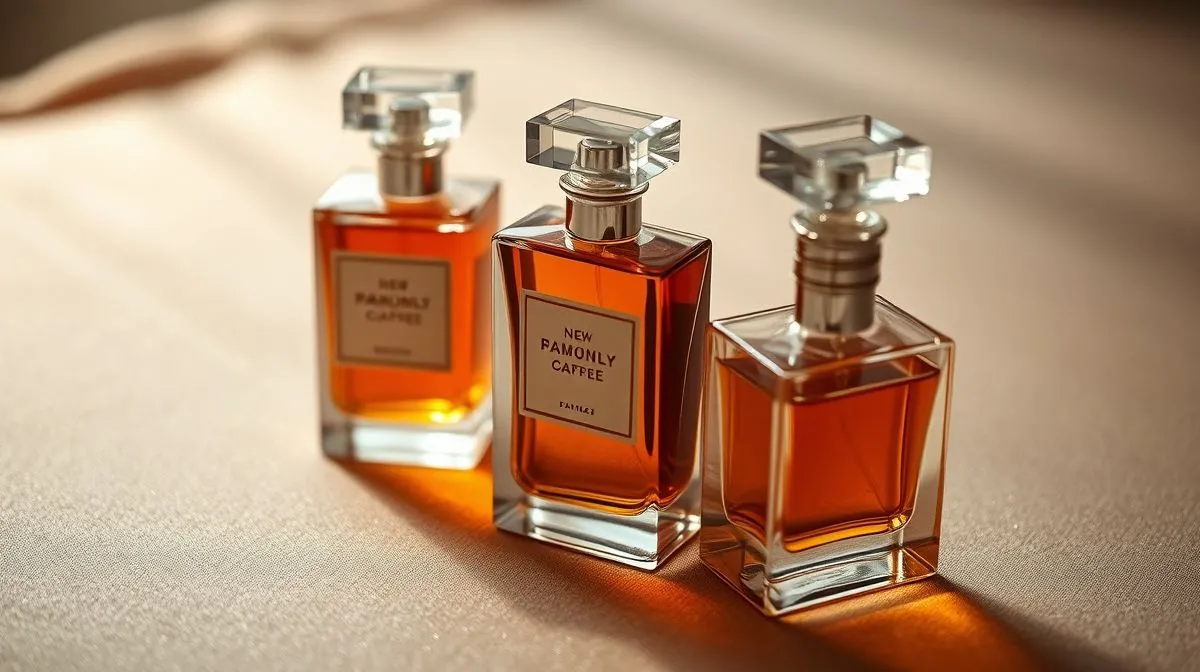
How to Pick a Perfume That Lasts Longer on Skin?
Have you ever experienced the enchanting magic of a newly sprayed perfume, only for its captivating aroma to vanish into thin air just a few hours later? It’s a common frustration for many fragrance enthusiasts, a fleeting dream of scent that leaves you reapplying throughout the day, wondering if you’re doing something wrong. The desire for a signature scent that lingers, leaving a memorable trail, is universal, yet achieving it often feels like an elusive art.
The problem isn’t always the perfume itself, but often a combination of factors related to its composition, how it interacts with your unique body chemistry, and the way you apply and store it. Many people mistakenly believe that all perfumes are created equal in terms of longevity, or that simply spraying more will solve the issue, leading to disappointment and wasted product.
This comprehensive guide is designed to demystify the art and science of fragrance longevity. By the end of this reading, you’ll gain expert insights into what makes a perfume last, how to intelligently select the right one for you, and master the techniques to ensure your chosen scent remains a captivating presence on your skin from dawn till dusk. We’ll explore everything you need to know on how to pick a perfume that lasts longer on skin, transforming your fragrance experience.
Understanding Fragrance Concentration: The First Key to Longevity
The most fundamental factor influencing how long a perfume lasts is its concentration of aromatic compounds. These compounds, or “perfume oils,” are dissolved in alcohol and water. The higher the percentage of these oils, the more potent and long-lasting the fragrance typically is. Understanding these categories is crucial when you’re aiming to pick a perfume that endures.
Eau de Cologne (EDC)
Eau de Cologne (EDC) contains the lowest concentration of perfume oils, typically around 2-4%. It’s light, refreshing, and often used for a quick burst of scent. Due to its low concentration, an EDC usually lasts for a mere 1-2 hours, making it ideal for a brief refresh rather than all-day wear.
Eau de Toilette (EDT)
Eau de Toilette (EDT) is a step up, with perfume oil concentrations ranging from 5-15%. EDTs are very popular for everyday wear due to their balanced projection and moderate longevity. You can expect an EDT to last approximately 3-5 hours on the skin, depending on the specific formulation and your body chemistry.
Eau de Parfum (EDP)
Eau de Parfum (EDP) is where true longevity begins to shine. With a concentration of 15-20% aromatic compounds, EDPs are designed to last significantly longer than EDTs, often maintaining their presence for 6-8 hours. They offer a richer, more profound scent experience, making them a popular choice for those seeking noticeable endurance.
Parfum (Extrait de Parfum)
At the pinnacle of fragrance concentration is Parfum, also known as Extrait de Parfum or Pure Perfume. These contain the highest concentration of perfume oils, typically between 20-40%, and sometimes even higher. Parfums are the most luxurious and longest-lasting option, often clinging to the skin for 8-12 hours, and sometimes even more. Their projection is often more intimate, staying closer to the skin, but their endurance is unmatched. For more detailed information on perfume concentrations, you can refer to this Wikipedia article on perfume concentration levels.
Deciphering Fragrance Notes: Top, Heart, and Base
Beyond concentration, the specific aromatic notes used in a perfume play a significant role in its longevity. Perfumes are often described using a “fragrance pyramid,” composed of top, heart (or middle), and base notes. These notes unfold over time, each contributing to the overall scent journey.
Top Notes
Top notes are the first scents you detect immediately after spraying a perfume. They are typically light, fresh, and volatile, evaporating quickly. Common top notes include citrus (lemon, bergamot), light fruits, and fresh herbs. While they create the initial impression, they contribute very little to a perfume’s lasting power, usually fading within the first 15-30 minutes.
Heart (Middle) Notes
As the top notes fade, the heart notes emerge. These form the “body” of the fragrance and are usually softer and more rounded than the top notes. Floral notes (rose, jasmine, lily), green notes, and some spices often comprise the heart. They last longer than top notes, typically for 2-4 hours, and are crucial in bridging the gap between the initial burst and the lingering dry-down.
Base Notes
Base notes are the foundation of any fragrance and are the most crucial for longevity. They are rich, heavy, and complex, emerging as the heart notes begin to fade. Base notes are composed of larger, heavier molecules that evaporate slowly, often lasting for many hours, sometimes even days, on clothing. Common long-lasting base notes include: amber, musk, vanilla, sandalwood, cedarwood, patchouli, oud, vetiver, and resins. When you’re wondering how to pick a perfume that lasts longer on skin, prioritize those with a strong presence of these deep, resinous, or woody base notes, as they act as natural fixatives, anchoring the lighter notes and extending the overall life of the scent.
The Role of Skin Chemistry and Hydration
Your individual skin chemistry is a highly personal factor that significantly influences how a perfume smells and how long it lasts. What works wonders on one person might completely disappear on another, or even smell different. Understanding your skin can help you optimize your fragrance application for maximum longevity.
Skin Type and pH
Skin hydration, oiliness, and pH levels all play a part. Generally, perfume tends to last longer on oily skin because the natural oils help to “hold” the fragrance molecules. Dry skin, on the other hand, tends to absorb fragrance more quickly, causing it to evaporate faster. The skin’s pH can also subtly alter how certain notes are perceived or how quickly they dissipate. While you can’t change your skin type, you can certainly prepare it.
The Importance of Moisturized Skin
This is perhaps the most impactful tip for extending perfume longevity related to your skin. Fragrance clings better to moisturized skin. Think of dry skin as a sponge that quickly soaks up and dissipates the perfume. Well-hydrated skin, however, creates a stable surface for the fragrance molecules to adhere to, allowing them to evaporate slowly and evenly throughout the day. Before applying perfume, ensure your skin is well-moisturized. You can use an unscented lotion or a body lotion that matches your perfume’s scent profile. Applying perfume immediately after a shower, when your pores are open and your skin is naturally more hydrated, is also an excellent strategy. Research on skin hydration emphasizes its role in maintaining the skin barrier, which indirectly influences the interaction with topical applications like perfumes. For more on skin hydration and its importance, you can consult studies like those found on the National Center for Biotechnology Information (NCBI) website regarding skin pH and care.
Strategic Perfume Application Techniques for Enduring Scent
It’s not just what perfume you choose, but also how and where you apply it that dictates its staying power. Mastering application techniques can significantly enhance your chosen fragrance’s longevity, ensuring you get the most out of every spritz.
Pulse Points
The classic advice holds true: apply perfume to your pulse points. These are areas where your blood vessels are close to the surface of your skin, generating more heat. This warmth helps to diffuse the fragrance over time, creating a consistent scent trail. Key pulse points include: wrists, neck, behind the ears, inner elbows, and behind the knees. Apply a small amount to these areas and let it dry naturally.
Hair and Clothing
Hair is an excellent carrier of fragrance, as it’s porous and holds scent well. A light mist over your hair can make your perfume last for hours. However, be cautious with direct sprays, as the alcohol content can be drying. Some people prefer to spray perfume onto their brush before combing it through their hair. Similarly, fabrics can hold scent for a very long time, sometimes even days. A light spray on clothing, scarves, or jacket linings can be a great way to extend longevity, but always test on an inconspicuous area first to avoid stains, especially on delicate fabrics like silk.
The “Perfume Cloud” Myth
The idea of spraying perfume into the air and walking through the “cloud” is a popular one, but it’s largely ineffective for longevity. Most of the fragrance simply dissipates into the air, wasting precious product. For maximum impact and staying power, direct application to skin and clothing is far more efficient.
Layering Scents
Layering is an advanced technique that can significantly boost your perfume’s longevity and complexity. This involves using multiple products from the same fragrance line, such as a matching shower gel, body lotion, and then the perfume itself. The lotion creates a moisturized base, and the consistent scent profile from the different products reinforces the fragrance, making it last much longer. If matching products aren’t available, use unscented lotions and oils to create that perfect base.
Storage and Preservation: Protecting Your Precious Fragrance
Proper storage is often overlooked but is absolutely critical for maintaining your perfume’s integrity and longevity. Fragrances are delicate chemical compositions that can degrade when exposed to certain environmental factors, significantly reducing their scent quality and staying power.
Ideal Storage Conditions
Heat, light, and humidity are the enemies of perfume. Exposure to these elements can break down the fragrance molecules, altering the scent and shortening its lifespan. The ideal place to store your perfumes is in a cool, dark, and dry place. A drawer, a closet, or even a dedicated fragrance cabinet away from direct sunlight and temperature fluctuations are perfect. Keeping them in their original boxes can also provide an extra layer of protection from light.
Signs of Spoilage
Over time, even well-stored perfumes can degrade. Signs that your perfume might be going bad include: a change in color (often becoming darker or cloudier), a noticeable alteration in scent (it might smell sour, metallic, or simply “off”), or the liquid becoming thicker. While a spoiled perfume won’t typically harm you, it won’t smell as intended and certainly won’t last as long. Understanding proper storage helps you preserve the quality and extend the life of your fragrances, ensuring they always perform at their best.
Beyond the Bottle: Lifestyle Factors Affecting Longevity
While the perfume itself, your skin, and application techniques are primary, certain lifestyle factors can also subtly influence how long a fragrance lasts on you. These are often less impactful but are worth considering for a holistic approach to scent longevity.
Diet and Hydration
What you eat and drink can influence your body’s natural scent and, consequently, how perfume interacts with your skin. A diet rich in strong spices or certain medications can sometimes alter skin chemistry. Similarly, staying well-hydrated internally helps maintain healthy, moisturized skin from within, providing a better canvas for your fragrance.
Environment and Climate
The environment you’re in plays a role. In hot, humid climates, fragrances tend to project more intensely but might also evaporate faster due to increased body heat and perspiration. In dry, cold environments, scents might be more subdued but can sometimes last longer if applied correctly to moisturized skin, as there’s less evaporation. Consider lighter, fresher scents for summer and richer, heavier ones for winter, not just for appropriateness but also for performance.
Common Mistakes That Shorten Perfume Longevity
Even with the right perfume and good intentions, certain habits can inadvertently sabotage your fragrance’s staying power. Avoiding these common pitfalls is essential for maximizing your scent’s life on your skin.
Rubbing Wrists Together
This is perhaps the most common mistake. After spraying perfume on your wrists, many people instinctively rub them together. While it feels natural, this action actually crushes the delicate fragrance molecules, particularly the top notes, and generates heat that accelerates evaporation. Instead, simply spray and let the perfume air dry naturally on your skin.
Applying to Dry Skin
As discussed earlier, applying perfume to dry, unmoisturized skin is a surefire way to make it disappear quickly. Dry skin absorbs the fragrance oils rapidly, causing them to evaporate rather than slowly diffuse. Always moisturize your skin thoroughly before applying your perfume.
Over-spraying (Counter-intuitive Fading)
While it might seem logical that more sprays equal more longevity, over-spraying can sometimes have the opposite effect or lead to “olfactory fatigue,” where you become desensitized to your own scent. It can also cause the perfume to become overwhelming and irritating to yourself and others. A few strategic sprays on pulse points are usually more effective than dousing yourself.
Storing in the Bathroom
Many people keep their perfumes in the bathroom for convenience. However, the bathroom is one of the worst places for fragrance storage due to its constant fluctuations in temperature and humidity from showers and baths. These conditions rapidly degrade the perfume’s quality and shorten its lifespan. Always store your perfumes in a cool, dark, dry place.
Frequently Asked Questions (FAQ)
Can my skin type really affect how long perfume lasts? Yes, absolutely. Perfume tends to last longer on oily skin because the natural oils provide a better base for the fragrance molecules to cling to. Dry skin, being more absorbent, may cause the scent to evaporate more quickly.
Is it better to spray perfume on skin or clothes for longevity? For personal projection and interaction with your body chemistry, apply to skin. For maximum overall longevity, spraying lightly on clothes can make the scent last much longer, as fabric holds fragrance well. However, always test on an inconspicuous area of clothing first.
Does rubbing perfume on my skin make it last longer? No, quite the opposite. Rubbing wrists or other application points together after spraying can break down the fragrance molecules, particularly the delicate top notes, and generate heat that causes the scent to evaporate faster. Always let it air dry.
Why does my perfume smell different on me than in the bottle? This is due to your unique skin chemistry. Your skin’s pH, temperature, and natural oils interact with the perfume, subtly altering how the fragrance notes develop and project. This is why it's always recommended to test a perfume on your skin before purchasing.
How long should a good quality perfume last on skin? A good quality Eau de Parfum (EDP) should typically last 6-8 hours, while a Parfum (Extrait de Parfum) can last 8-12 hours or even more. Eau de Toilette (EDT) usually lasts 3-5 hours, and Eau de Cologne (EDC) 1-2 hours. Longevity varies greatly based on concentration and notes.
Recommended Reading
- Ultimate Guide: How to Style Fashion Lookbook Outfits
- Unveiling the Science: What Technologies Make Athletic Wear Breathable?
- Authenticating Pre-Owned Luxury Handbags: The Ultimate Guide
- The Ultimate Guide: How to Prevent Glasses from Slipping Down Your Nose Permanently!
- The Definitive Guide: How to Verify if a Fabric is Truly Biodegradable?
Conclusion
Mastering the art of fragrance longevity is a journey of understanding, much like understanding oneself. It’s not merely about finding a strong scent, but about making informed choices based on perfume concentration, the intricate dance of fragrance notes, and the unique canvas that is your skin chemistry. By strategically applying your chosen perfume to well-moisturized pulse points, and ensuring it’s stored correctly, you empower your favorite scent to truly shine and endure.
Remember, the goal is not just for your perfume to last longer, but for it to evolve beautifully throughout the day, leaving a subtle, captivating impression. Armed with this knowledge, you are now well-equipped to confidently pick a perfume that lasts longer on skin, transforming your daily ritual into a lasting aromatic experience. Experiment with these tips, discover what works best for you, and let your signature scent truly become an extension of your presence.


Your email address will not be published. Required fields are marked *