

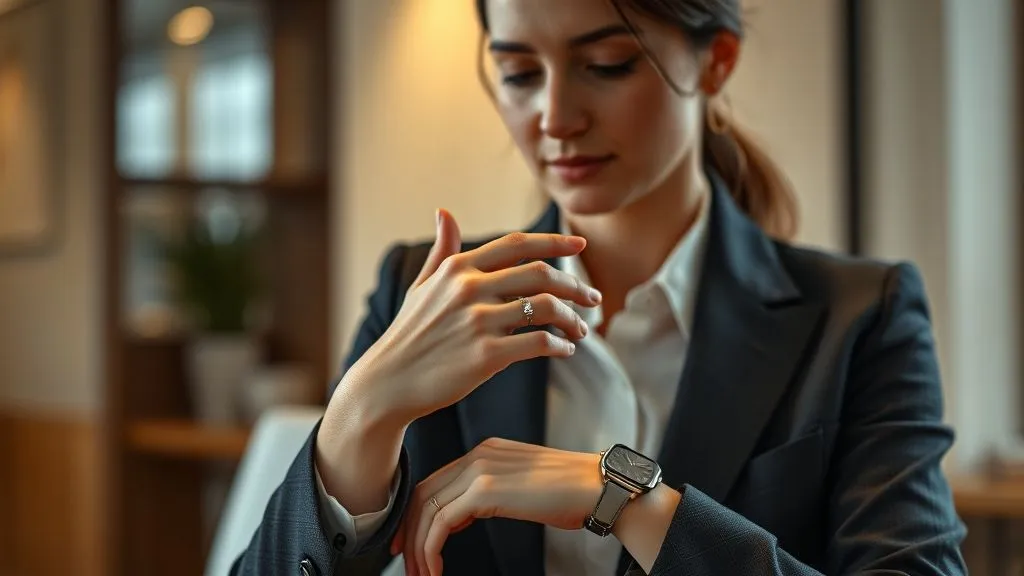
How to Find Professional Fashion Tech That Looks Discreet?
For over two decades immersed in the dynamic world of fashion accessories, I've witnessed a fascinating paradox emerge: the ever-increasing demand for technology in our daily lives often clashes directly with the timeless pursuit of a polished, professional aesthetic. We crave the convenience, connectivity, and data insights that modern tech offers, yet many professionals find themselves frustrated by bulky smartwatches, conspicuous fitness trackers, or flashing indicators that disrupt their carefully curated image. It’s a challenge I’ve seen countless clients grapple with, striving to integrate innovation without sacrificing sophistication.
The pain point is palpable: you want to be at the forefront of efficiency and connectivity, but you also need to exude competence and style in a boardroom, during client presentations, or at networking events. The last thing you need is a gadget that screams 'tech enthusiast' when your goal is to convey 'accomplished professional.' The market is flooded with devices, but finding those truly discreet gems—the ones that enhance your capabilities without detracting from your presence—requires a discerning eye and an understanding of nuanced design.
This guide isn't just a list of products; it's a comprehensive framework built on my years of industry experience. I will arm you with 7 expert strategies, actionable insights, and real-world considerations to navigate the complex landscape of fashion tech. You'll learn how to identify, select, and seamlessly integrate professional fashion tech that not only looks discreet but genuinely elevates your professional persona, allowing your expertise to shine, unhindered by overt gadgets.
Understanding the Discretion Imperative: Why Less is More in Professional Settings
In the professional arena, every detail contributes to your overall presentation. Your attire, your demeanor, and yes, your accessories, all communicate something about you. When it comes to technology, the imperative for discretion isn't merely about personal preference; it's a strategic choice that underpins credibility and focus.
The Psychological Impact of Clutter
Imagine a colleague constantly fiddling with a bright, oversized smartwatch, or whose neckpiece flashes with notifications. While their tech might be functional, it creates a subtle sense of distraction, both for them and for those interacting with them. Overt tech can inadvertently signal a lack of focus, an interruption waiting to happen, or even an unrefined aesthetic. Conversely, subtle, integrated tech allows you to appear composed, in control, and effortlessly modern.
Defining 'Discreet' in Fashion Tech
Discretion in fashion tech means the device doesn't dominate your look or draw undue attention. It blends. It complements. It serves its function without being the focal point. This isn't about hiding technology entirely, but about choosing designs and form factors that are harmonious with professional attire. Think of it as an elegant watch that happens to be smart, rather than a computer strapped to your wrist.
Expert Insight: "Discreet fashion tech isn't about invisibility; it's about intentional integration. It should whisper its capabilities, not shout them, allowing your personal style and professional gravitas to take center stage."
The goal is to enhance your capabilities without compromising your image. This requires a shift in perspective from raw technological power to thoughtful design and seamless functionality.
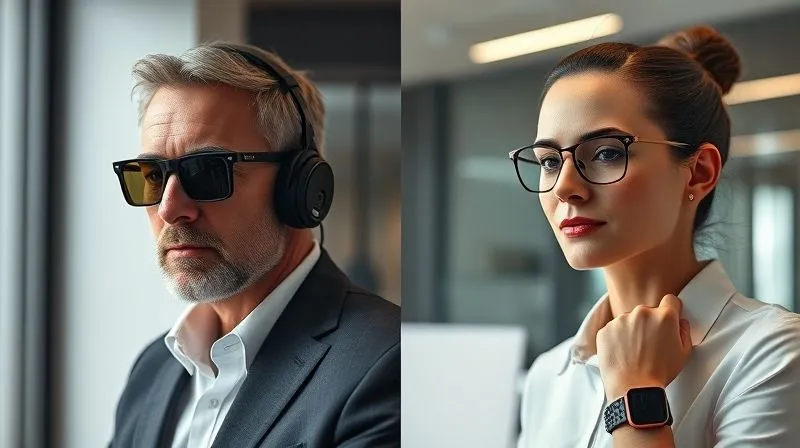
Mastering Materiality and Design: The Art of Seamless Integration
The foundation of discreet fashion tech lies in its physical manifestation. The materials, the finish, and the overall design language are paramount. This is where the intersection of fashion and technology truly comes alive.
Prioritizing Premium, Classic Materials
Cheap plastics and rubber often scream 'gadget.' For a professional look, gravitate towards materials traditionally associated with luxury and durability. Think polished stainless steel, ceramic, titanium, fine grain leather, or even precious metals. These materials not only look sophisticated but also feel substantial and age gracefully.
- Evaluate Metal Finishes: Look for brushed or polished finishes that match or complement existing jewelry (e.g., silver, gold, rose gold, gunmetal). Avoid overly shiny or brightly colored plastics.
- Consider Ceramic: Ceramic offers a scratch-resistant, hypoallergenic, and sleek finish often found in high-end watches, making it an excellent choice for discreet smart rings or watch cases.
- Assess Leather Quality: If opting for straps, choose genuine, full-grain leather in classic colors like black, brown, or navy. Ensure stitching is impeccable and buckles are understated.
The Power of Minimalist Aesthetics
Discreet tech often embraces minimalist design principles. Clean lines, uncluttered interfaces (if visible), and an absence of unnecessary embellishments are key. The device should feel like a natural extension of your outfit, not an add-on. This means favoring devices that prioritize form as much as function, often drawing inspiration from traditional jewelry or timepieces.
Color Palette and Finish: Blending, Not Contrasting
Choose colors and finishes that blend with your typical professional wardrobe. Neutral tones like black, grey, silver, gold, or deep navy are usually safe bets. Avoid neon colors, bold patterns, or anything that draws immediate, jarring attention. The finish should also be considered – a matte finish can often appear more understated than a high-gloss one.
Beyond the Obvious: Exploring Alternative Form Factors
When most people think of fashion tech, their minds immediately jump to smartwatches. While smartwatches have evolved, true discretion often lies in exploring less conventional form factors that are designed to be integrated rather than merely worn.
Smart Rings and Bracelets: The New Frontier of Subtle Tech
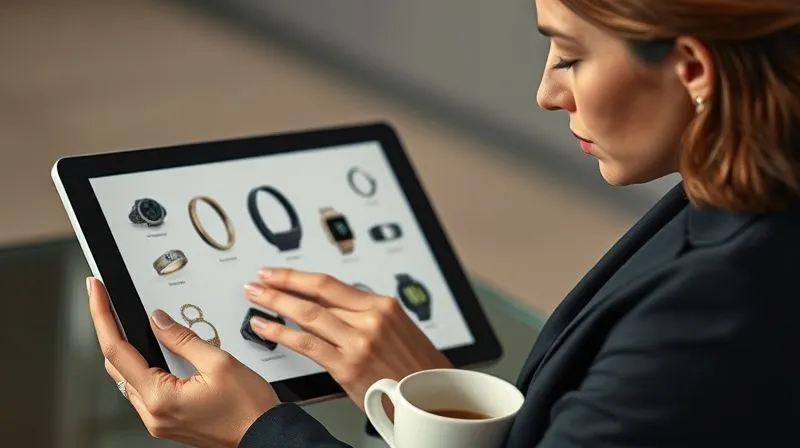
Smart rings are perhaps the epitome of discreet tech. They offer a wealth of functionality—from payment capabilities and access control to health tracking—all within a device that looks like a conventional piece of jewelry. Similarly, slim smart bracelets, especially those designed with elegant materials, can blend seamlessly. These form factors leverage the fact that rings and bracelets are already common accessories, making their 'smart' capabilities a quiet surprise.
Integrated Garments: When Tech Becomes Fabric
While still an emerging field, smart fabrics and integrated garments offer the ultimate in discretion. Imagine blazers with built-in charging capabilities or shirts that monitor vital signs without any visible device. These technologies are designed to be truly invisible, woven directly into the textile. Keep an eye on this space for future innovations in professional wear.
Smart Jewelry: Function Meets Elegance
Beyond rings and bracelets, designers are increasingly embedding technology into necklaces, pendants, and even cufflinks. These pieces often prioritize aesthetics, with the tech elements cleverly miniaturized and hidden within beautiful designs. They might offer discreet notifications, emergency alerts, or simple health tracking without ever revealing their true capabilities at a glance.
| Form Factor | Discretion Level | Typical Functions | Aesthetic Integration |
|---|---|---|---|
| Smart Ring | Excellent | Payments, Health Tracking, Access Control | High (looks like jewelry) |
| Slim Smart Bracelet | Very Good | Notifications, Fitness Tracking | Medium-High (can look like a bracelet) |
| Smart Pendant/Necklace | Good | Emergency Alerts, Ambient Sensing | Medium-High (can look like a regular pendant) |
| Integrated Smart Fabric | Exceptional | Temperature Control, Health Monitoring | Perfect (part of clothing) |
Functionality First: Choosing Tech That Serves, Not Distracts
The allure of feature-rich gadgets is strong, but for professional discretion, a 'less is more' approach to functionality is often best. Focus on what you genuinely need, rather than what a device can do.
Identifying Your Non-Negotiable Core Needs
Before even looking at products, list the essential functions you require. Is it discreet notifications? Contactless payments? Basic health monitoring? Location tracking for safety? Prioritizing these core needs will help you filter out devices overloaded with unnecessary features that might compromise design for utility you won't use.
Avoiding Feature Bloat: The Simpler, The Better
Many smart devices try to do everything, leading to complex interfaces, frequent updates, and often, a bulkier design. A discreet fashion tech piece should ideally perform its core functions flawlessly and unobtrusively. For example, if you only need payment capabilities, a smart ring is far more discreet than a smartwatch with a dozen other functions you'll rarely access.
Battery Life and Charging: Practical Discretion
A device that constantly needs charging can be a nuisance and, ironically, draw attention to itself if you're always searching for an outlet. Look for devices with excellent battery life, ideally lasting multiple days, or those that offer very fast charging. Wireless charging capabilities can also contribute to discretion by eliminating visible cables.
Case Study: How AuraTech Solved Discreet Communication
AuraTech, a fictional consulting firm renowned for its innovative client solutions, faced a challenge: their consultants needed to stay connected and receive urgent notifications during high-stakes client meetings without appearing rude or distracted by visible phone use. Traditional smartwatches were deemed too overt. I advised them to explore a bespoke solution: a series of minimalist smart rings with haptic feedback. These rings, designed in sleek black ceramic, vibrated subtly for priority notifications, allowing consultants to discreetly check their phones only when truly necessary. This implementation not only maintained their professional image but also reduced meeting disruptions by 30%, as reported by client feedback. It demonstrated that targeted functionality, delivered discreetly, can significantly enhance professional efficacy.
Expert Insight: "True professional tech empowers you quietly. If a feature doesn't serve a critical purpose in your professional workflow and compromises discretion, it's often a distraction disguised as an advantage."
The Customization Advantage: Making Tech Truly Yours
One of the most powerful ways to ensure fashion tech looks discreet and professional is through customization. When a device feels tailored to your style, it integrates far more naturally.
Swappable Components and Modular Design
Many smartwatches now offer swappable straps, allowing you to switch from a sporty silicone band to an elegant leather or metal bracelet for professional settings. Some smart jewelry pieces even feature modular designs where the 'smart' component can be swapped between different aesthetic casings. This flexibility is invaluable for maintaining discretion across various professional and social contexts.
Personalization Services and Engravings
Look for brands that offer personalization. A subtle engraving can transform a generic device into a cherished, unique accessory. Some companies even allow for custom finishes or material choices, though these often come at a premium. This personal touch reinforces the idea that the tech is an extension of your style, not a generic mass-produced item.
Working with Artisans and Specialists
For those seeking the ultimate in discretion and bespoke elegance, consider working with artisans who specialize in integrating micro-electronics into traditional jewelry. While a niche service, it's growing, allowing for truly 'invisible' tech where the smart components are seamlessly embedded into custom-designed pieces. This is often an investment but ensures unparalleled discretion.
Researching Reputable Brands and Expert Reviews
The market for fashion tech is dynamic, with new players emerging constantly. To find genuinely discreet and professional options, diligent research is non-negotiable. Don't just fall for slick marketing.
Beyond Marketing Hype: Looking at Independent Reviews
Always prioritize independent, unbiased reviews from reputable tech and fashion publications. Look for detailed analyses that cover not just functionality, but also design aesthetics, material quality, comfort, and how well the device integrates into daily wear. Pay attention to user reviews for long-term reliability and real-world experiences. For example, Forbes' coverage on wearable tech often provides valuable insights into market trends and product evaluations.
Understanding Brand Ethos: Design Philosophy Matters
Some brands are inherently more focused on design and discretion than others. Research a brand's overall philosophy. Do they prioritize sleek aesthetics and premium materials, or are they primarily driven by raw technical specifications? Brands that understand the nuances of fashion and professional presentation are more likely to offer products that align with your needs for discretion.
The Role of Industry Specialists and Curated Marketplaces
Seek out advice from industry specialists (like myself!) or explore curated marketplaces that specifically focus on premium or design-led tech accessories. These platforms often pre-vet products for quality, design, and relevance to specific needs, saving you considerable research time. A great example of a market trend report is often found in Deloitte's TMT Predictions which frequently highlights emerging wearable tech trends and consumer preferences.
The Future is Subtle: Anticipating Trends in Discreet Fashion Tech
The evolution of fashion tech is relentless, and the trend towards greater discretion is accelerating. Staying ahead of the curve means understanding where the industry is heading.
Miniaturization and Advanced Materials
Expect continued advancements in miniaturization, allowing powerful tech to be embedded into even smaller, less conspicuous form factors. New materials, including flexible electronics and smart textiles, will also play a crucial role, making devices virtually undetectable. The goal is to make the tech disappear into the fabric of our lives.
AI Integration for Predictive and Proactive Tech
Artificial intelligence will enable devices to be more proactive and less reliant on constant interaction. Imagine a smart accessory that anticipates your needs, offers insights, or manages notifications intelligently, without you ever having to look at a screen. This reduces the need for overt interaction, enhancing discretion.
Ethical Considerations and Data Privacy
As tech becomes more integrated and discreet, the conversation around data privacy and ethical use will intensify. Brands that prioritize user privacy and offer transparent data management policies will gain trust. It's crucial to consider the ethical stance of the tech you choose, ensuring it aligns with your professional values. For a deeper dive into these considerations, academic resources like Harvard Business Review's articles on privacy and data security offer critical perspectives.
Frequently Asked Questions (FAQ)
What's the biggest mistake professionals make when trying to find discreet fashion tech? The most common mistake I've observed is prioritizing raw functionality or a brand name over design integration and materiality. Many get drawn into the 'more features are better' trap, ending up with a device that's powerful but visually clunky. The key is to start with your desired aesthetic and then filter for essential functions within that design constraint. Compromising on design for features you don't critically need is a recipe for tech that looks anything but discreet.
How do I balance aesthetics with essential functionality in discreet tech? This is the core challenge. My advice is to identify your absolute non-negotiable functions first (e.g., specific health monitoring, payment, or notification type). Then, research devices that meet these functions while excelling in design and material quality. Be prepared to make trade-offs on less critical features. Sometimes, having two separate, highly discreet devices for different functions is more effective than one bulky, multi-functional gadget.
Are there gender-specific considerations when choosing discreet fashion tech? Absolutely. While many brands aim for unisex designs, traditional jewelry forms often cater to specific aesthetics. For example, a delicate smart ring might be designed with a more feminine hand in mind, while a robust smart bracelet might appeal to a masculine aesthetic. However, the industry is moving towards more fluid, minimalist designs that transcend traditional gender norms. Focus on what feels authentic to your personal style and professional brand.
What role does sustainability play in selecting professional fashion tech? Sustainability is increasingly vital. Look for brands that are transparent about their supply chains, use recycled or ethically sourced materials, and offer repairability or responsible recycling programs. A discreet device that also aligns with your ethical values is a powerful statement. Longevity is also a factor: well-made, durable tech reduces waste.
How can I stay updated on new discreet tech without getting overwhelmed? It's a fast-paced field! I recommend subscribing to a few highly curated fashion tech newsletters or following specific industry analysts who focus on design and integration, rather than general tech news. Prioritize sources that offer critical reviews and insights into emerging trends in materials and form factors. Attending industry webinars or virtual showcases can also provide direct exposure to innovations.
Key Takeaways and Final Thoughts
Navigating the world of professional fashion tech requires a blend of discernment, strategic thinking, and a keen eye for design. It's about empowering yourself with the tools you need without compromising the polished image you work hard to maintain. Remember these critical takeaways:
- Prioritize Design & Materiality: Choose premium materials and minimalist aesthetics that blend seamlessly with your professional attire.
- Explore Alternative Form Factors: Look beyond smartwatches to rings, bracelets, and integrated garments for ultimate discretion.
- Functionality First, Not Feature Bloat: Identify your core needs and select devices that excel in those specific areas without unnecessary bulk.
- Leverage Customization: Utilize swappable components, personalization, or specialist artisans to tailor tech to your unique style.
- Research Diligently: Rely on independent reviews and understand brand philosophies to make informed choices.
- Anticipate the Future: Embrace miniaturization, AI integration, and sustainable practices as the industry evolves towards even greater subtlety.
In my experience, the most impactful technology is often the least visible. By applying these strategies, you're not just buying a gadget; you're investing in an extension of your professional self that speaks volumes through its quiet competence. The future of professional fashion tech is not about being seen, but about being seamlessly enabled. Embrace it, and let your expertise, not your tech, be the loudest statement in the room.
Recommended Reading
- 7 Engineering Flaws: Why High-Impact Sports Bras Fail Your Workouts
- Runway Photography Redefined: Deliver High-Quality Images Quickly
- How to Maintain Luxury Brand Exclusivity for Designer Heels? 7 Proven Pillars.
- 7 Steps: Ethically Marketing Feminine Fashion to Diverse Body Types Online
- Unlock Profit: 7 Strategies for Niche Outdoor Wear Brands


Your email address will not be published. Required fields are marked *