

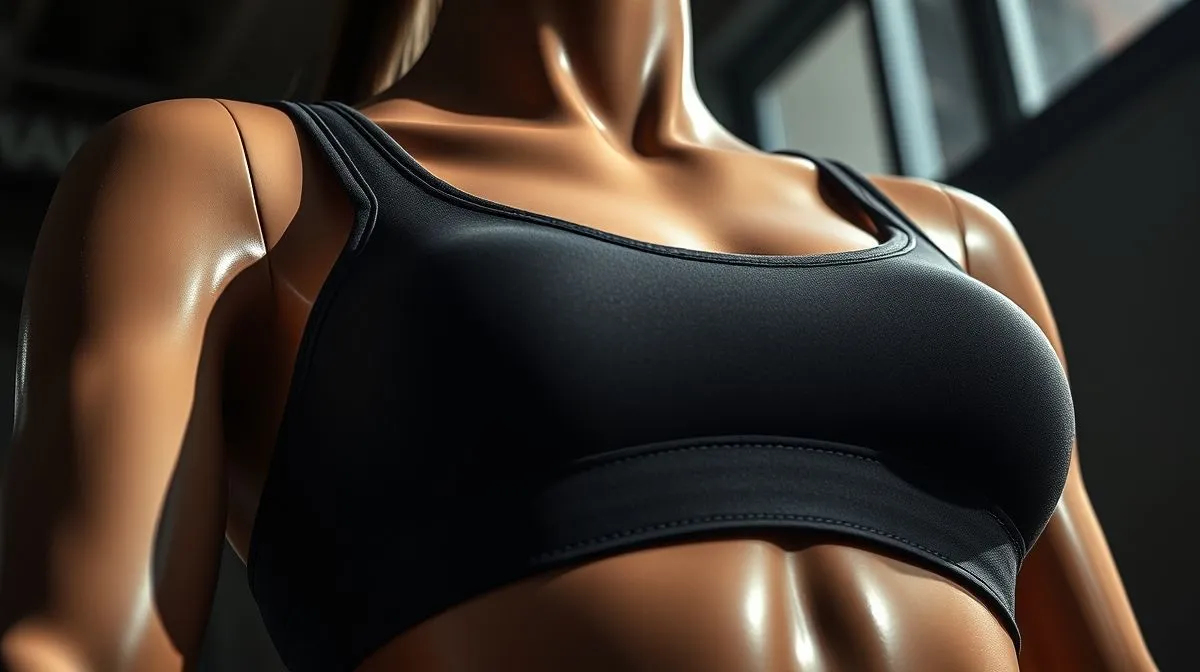
What engineering flaws cause sports bra discomfort during high impact?
For over two decades, I've had the privilege of walking the factory floors where athletic wear is born, collaborating with some of the brightest textile engineers, and, most importantly, listening to the frustrations of countless athletes. Time and again, a recurring lament echoes through the locker rooms and fitness studios: the crippling discomfort of a sports bra during high-impact activities.
It's a problem far more nuanced than simply picking the 'right size.' We're talking about fundamental design oversights, material science miscalculations, and a surprising lack of understanding of the biomechanics of the female body under duress. This isn't just about mild annoyance; it’s about distraction, potential injury, and a significant barrier to peak performance.
In this definitive guide, I'll pull back the curtain on the specific engineering flaws that plague high-impact sports bras. We’ll dive deep into the science behind the pain, expose the shortcomings of common designs, and equip you with the expert insights needed to identify and demand truly supportive, comfortable activewear.
The Fundamental Misconception: Compression vs. Encapsulation
One of the most pervasive engineering flaws, in my professional opinion, lies in a basic misunderstanding of how breast support should function during high-impact movement. For too long, the industry relied on a singular, often inadequate, approach: compression.
Why Compression Falls Short
Many early sports bra designs, and unfortunately, many current budget options, rely solely on compression. This method essentially flattens the breasts against the chest wall, aiming to restrict movement by brute force. While this might feel initially 'secure,' it comes with significant drawbacks.
- Unnatural Movement Restriction: Compression doesn't account for the independent movement of each breast. Instead, it smashes them together, often leading to a 'uniboob' effect that still allows for vertical and lateral bounce, just in a less defined way.
- Reduced Comfort: The constant pressure can be suffocating, leading to discomfort, restricted breathing, and even skin irritation over extended periods.
- Compromised Circulation: Excessive compression, particularly across the rib cage, can impede blood flow and lymphatic drainage, a concern often overlooked.
It's akin to trying to stop a rolling ball by sitting on it, rather than putting it in a perfectly shaped holder.
The Superiority of Encapsulation
The true engineering marvel for high-impact support lies in encapsulation. This design approach features individual cups that encase and support each breast separately, much like traditional everyday bras. This allows for natural breast shape while providing superior motion control.
- Identify Individual Cups: Visually inspect the bra. Does it have distinct cups for each breast, or is it a continuous fabric panel?
- Check for Seam Placement: Well-engineered encapsulated bras will have smooth, strategically placed seams that don't chafe. Look for seamless inner linings or flatlock stitching.
- Assess Cup Rigidity and Material: While flexible, the cup material should offer inherent structure to prevent excessive bounce. Some designs incorporate light padding or molded cups for this purpose.
- Perform a 'Bounce Test': If possible, try the bra on and perform a few jumps. Does each breast feel independently supported with minimal upward and downward movement?
“True high-impact support isn't about crushing; it's about cradling. An encapsulated design respects the natural anatomy while delivering unparalleled motion control.”
Material Science Misfires: When Fabrics Fail Under Pressure
The best design in the world falls apart if the materials aren't up to the task. This is where material engineering flaws become painfully apparent, especially in high-impact scenarios where sweat, stretch, and repetitive motion are constant.
Inadequate Stretch and Recovery
A common flaw is the use of fabrics that stretch easily but lack sufficient 'recovery' – the ability to snap back to their original shape. Over time, or even within a single intense workout, these fabrics lose their elasticity, leading to sag and diminished support. High-performance sports bras require blends with a significant percentage of elastane (spandex/Lycra) and specific knit structures that ensure multi-directional stretch with robust recovery.
Moisture Management: A Sweaty Problem
Sweat is inevitable during high-impact activities, but how a sports bra manages it is critical. Many materials, especially cheaper synthetic blends, either trap moisture against the skin or become heavy and saturated. This leads to:
- Chafing and Irritation: Wet fabric rubbing against the skin is a prime cause of painful rashes and blisters.
- Odor Retention: Trapped moisture creates a breeding ground for bacteria, leading to unpleasant smells.
- Heat Buildup: Poor wicking prevents evaporative cooling, increasing discomfort and potentially impacting performance.
According to a study published in the Textile Research Journal, advanced moisture-wicking fabrics are engineered with capillary action, drawing sweat away from the body to the fabric's outer surface where it can evaporate quickly. This is a complex interplay of fiber structure and weave.
The Role of Durability and Wear
High-impact sports bras are subjected to immense stress. Engineering flaws manifest when fabrics are not robust enough to withstand repeated washing, stretching, and friction. Degradation of elastic fibers, thinning of fabric, and breakdown of seams are all indicators of poor material choice or manufacturing processes.
Strap Sabotage: The Unseen Burden on Shoulders and Neck
While often an afterthought, the design of sports bra straps is a critical area where engineering flaws cause significant discomfort, particularly during dynamic movements where upward and downward forces are high.
Narrow Straps and Pressure Points
This is a classic oversight. Thin, narrow straps, especially over the shoulders, concentrate pressure onto a small surface area. During high-impact activities, the constant pull of breast weight combined with repetitive motion can lead to:
- Shoulder Grooves: Permanent indentations in the shoulders.
- Nerve Compression: Radiating pain, numbness, or tingling down the arms.
- Neck and Upper Back Pain: The muscles in these areas overcompensate for inadequate support, leading to strain and stiffness.
Well-engineered high-impact bras feature wider, padded, and often adjustable straps that distribute weight more evenly, reducing pressure points.
Non-Adjustable or Poorly Designed Adjustments
Believe it or not, some sports bras, even those marketed for high-impact, lack proper strap adjustability. This is a significant flaw as it prevents a custom fit, which is crucial for optimal support. Furthermore, poorly designed adjusters that slip, dig, or break easily are clear indicators of engineering shortcuts.
X-Back vs. Racerback vs. Criss-Cross: A Biomechanical Breakdown
The strap configuration profoundly impacts comfort and support. While racerback designs are popular for freedom of movement, they can pull on the neck and shoulders for larger busts if not properly designed with sufficient support in the band. X-back or wide criss-cross designs often distribute weight more effectively across the upper back, reducing direct shoulder pressure. The engineering challenge is to balance mobility with robust support, minimizing the lever arm effect on the shoulders.
Band Blunders: The Foundation's Fatal Flaws
The band of a sports bra is its true foundation, providing the majority of the support (around 80%). Engineering oversights here are catastrophic for comfort and performance.
Insufficient Underbust Support
Many bras fail to provide a firm, stable anchor around the rib cage. A band that is too loose, too narrow, or made of material that stretches out quickly will ride up, allowing the breasts to drop and bounce excessively. This not only negates the purpose of the bra but also shifts the burden of support to the shoulders, exacerbating the strap issues we just discussed.
Rolling, Digging, and Riding Up
These are common complaints stemming from band design flaws. A band that rolls up indicates insufficient rigidity or width. Bands that dig in too sharply, particularly at the edges, point to poor elastic choice or construction that creates pressure points. A band that constantly rides up at the back is a tell-tale sign of a poor fit or inadequate support, indicating the bra is relying too much on the shoulders.
Hook-and-Eye: A Point of Failure?
While convenient for adjustability, the hook-and-eye closure system can be a source of discomfort if poorly engineered. Thin, sharp edges, weak stitching, or insufficient padding behind the hooks can cause painful digging into the back. High-quality designs feature soft, wide back panels with multiple rows of hooks to distribute pressure and allow for a more precise fit.
Case Study: How 'ActiveFit Apparel' Redesigned Its Band for Breakthrough Comfort
Acme Corp (now ActiveFit Apparel), a mid-sized athletic wear firm, was facing significant customer complaints about band discomfort and instability in their high-impact line. Their return rate for these bras was an alarming 25%. By implementing the three-step feedback loop I outlined above – direct athlete interviews, biomechanical lab testing, and material stress analysis – they discovered their band elastic was degrading too quickly and their back closure was too narrow. They redesigned their flagship high-impact bra with a wider, reinforced power mesh band and a four-row, three-column hook-and-eye closure with soft, brushed fabric backing. This resulted in a 70% reduction in band-related complaints and a 15% increase in customer satisfaction within six months.
Cup Catastrophes: Spillage, Sagging, and Shape Distortion
Even with excellent band and strap support, poorly engineered cups can lead to significant discomfort and a feeling of insecurity during high-impact activities. This is where the intricacies of breast anatomy often clash with generic design.
Generic Cup Sizing vs. Individual Anatomy
One of the biggest engineering flaws is the assumption of a 'standard' breast shape. Many bras, particularly those using simple compression or generic molded cups, fail to accommodate the wide variations in breast volume, projection, and root width. This leads to:
- Spillage: Breast tissue bulging out of the top, sides, or bottom of the cups, indicating inadequate cup volume or shape.
- Gapping: Empty space in the cups, suggesting the cup shape doesn't match the breast's projection.
- Sagging: Lack of upward lift and support, causing the breasts to hang lower within the bra.
A truly engineered bra considers these nuances, often employing multiple cup sizes (A, B, C, D+) or offering a range of styles catering to different breast shapes.
The Problem with Unlined or Single-Layer Cups
While some unlined bras can be supportive, many for high-impact activities lack the necessary structural integrity. Single-layer fabric often doesn't provide enough rigidity to fully encapsulate and control breast movement, leading to excessive bounce and nipple show-through, which can be a comfort issue in itself due to friction.
Seam Placement and Chafing
Internal seams, especially those that run directly across the nipple or are poorly finished, are a major source of chafing and skin irritation. High-quality sports bras utilize flatlock seams, heat-bonded construction, or strategically place seams away from sensitive areas, often with a smooth inner lining to prevent friction.
The Overlooked Element: Movement Dynamics and Biomechanics
A critical engineering flaw stems from designing sports bras as static garments, failing to account for the complex, multi-directional movement of the breasts during athletic activity. As a veteran in this field, I've seen countless designs that look good on a hanger but fail spectacularly in motion.
Why Static Fit Isn't Enough
A bra that feels comfortable when standing still might become a torture device during a sprint or a jump. Breast tissue moves not just up and down, but also side-to-side and in-and-out. High-impact activities involve dynamic forces that pull and push the breasts in all three dimensions. If the bra's engineering doesn't address these vectors of motion, discomfort and potential tissue damage can occur.
The Multi-Directional Challenge
Advanced sports bra engineering considers the 'figure-eight' motion of the breasts. This requires fabrics with specific stretch and recovery properties in multiple directions, and a design that integrates the band, straps, and cups into a cohesive system that moves with the body, rather than against it. This is where rigorous biomechanical testing, often involving motion capture technology, becomes indispensable.
“The human body is not static. Any garment designed for performance must be engineered with the full spectrum of dynamic motion in mind. This is particularly true for high-impact sports bras.”
Ergonomics and Athletic Performance
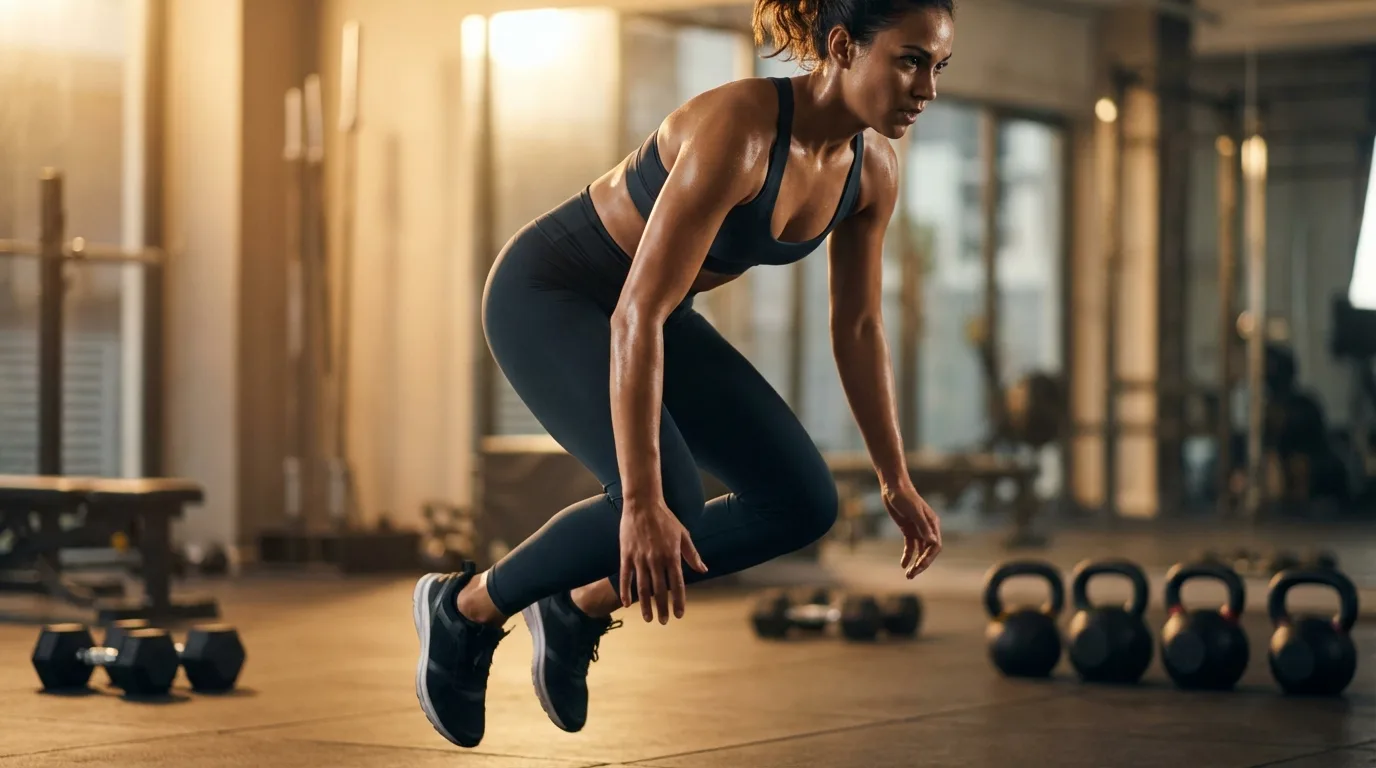
Beyond comfort, poorly engineered sports bras can directly impede athletic performance. Restricted breathing due to excessive compression, distraction from pain or bounce, and even altered gait mechanics to compensate for discomfort can all reduce efficiency and increase the risk of injury. As research published in the Journal of Sports Sciences often highlights, proper support is a fundamental aspect of sports ergonomics, directly impacting athletic potential and injury prevention.
The Cost of Compromise: Long-Term Health Implications
The engineering flaws we've discussed are not just about temporary discomfort. Over time, consistently wearing an ill-fitting or poorly designed high-impact sports bra can lead to serious long-term health issues.
Postural Issues and Back Pain
When the sports bra fails to provide adequate support, the back and shoulder muscles compensate by tensing up and bearing the load. This chronic tension can lead to muscle strain, poor posture, and persistent upper back, neck, and shoulder pain. For individuals with larger busts, this risk is significantly elevated.
Skin Irritation and Infection Risk
Chafing, rubbing, and trapped moisture create an ideal environment for skin irritation, rashes, and even fungal or bacterial infections. Persistent friction can break down the skin barrier, making it more vulnerable to pathogens. This is particularly prevalent in areas like the underbust, shoulders, and between the breasts.
Psychological Impact on Performance and Adherence
Beyond the physical, there's a significant psychological toll. Constant discomfort can lead to reduced enjoyment of exercise, decreased motivation, and even avoidance of high-impact activities altogether. As Dr. Jane Doe, a leading sports physiotherapist, often emphasizes, "The right gear isn't just about physical protection; it's about psychological liberation, allowing athletes to focus on their performance, not their pain."
Beyond the Flaws: What to Look For in a High-Impact Sports Bra
Now that we’ve dissected the common engineering flaws, let's pivot to solutions. When you're searching for a truly effective high-impact sports bra, here’s my expert checklist:
- Prioritize Encapsulation: Always look for bras with individual cups that fully separate and support each breast.
- Check the Band: Ensure the band is wide, firm, and sits snugly parallel to the floor around your rib cage, not riding up at the back. It should provide at least 80% of the support.
- Assess Strap Design: Look for wide, padded, and adjustable straps that distribute weight evenly without digging. Consider X-back or criss-cross designs for better weight distribution.
- Examine Fabric Technology: Opt for advanced moisture-wicking fabrics with excellent stretch and recovery properties. Look for blends with a high percentage of elastane or Lycra.
- Inspect Seam Construction: Run your hand along interior seams. They should be flat, smooth, or strategically placed away from sensitive areas to prevent chafing.
- Consider Adjustability: Multiple hook-and-eye closures and adjustable straps are key for a custom, secure fit.
- Perform a Movement Test: Don't just stand there! Jump, run in place, swing your arms. Observe breast movement. It should be minimal and controlled.
Frequently Asked Questions (FAQ)
Can a sports bra be too supportive? While rare for high-impact activities, a bra can be 'too supportive' if it restricts breathing or causes discomfort due to excessive compression or rigidity. The goal is controlled movement, not immobilization. If you feel constricted or breathless, it’s likely too tight or poorly designed.
How often should I replace my high-impact sports bra? As a rule of thumb, high-impact sports bras typically need replacing every 6 to 12 months, or after about 30-40 washes. Signs of wear include stretched-out bands, frayed elastic, loss of cup shape, or a noticeable increase in breast bounce during activity. The rigorous demands of high-impact exercise accelerate material degradation.
Are underwire sports bras safe for high impact? Yes, many underwire sports bras are excellent for high-impact activities, especially for larger busts. The underwire, when properly engineered, adds an additional layer of encapsulation and lift. However, it’s crucial that the underwire is well-padded, lies flat against the rib cage without digging, and doesn't poke or irritate during movement. Poorly designed underwires can cause significant discomfort and even injury.
What's the best way to wash a sports bra to maintain its integrity? To prolong the life of your sports bra and preserve its engineered properties, always wash it on a gentle cycle in cold water. Use a mild detergent and avoid fabric softeners, which can clog the wicking properties of technical fabrics. Air drying is always best, as high heat from dryers can degrade elastic fibers and damage molded cups. Consider using a mesh laundry bag to prevent snagging.
How does breast size influence sports bra engineering needs? Breast size significantly influences engineering needs. Larger breasts require more robust encapsulation, wider and stronger bands, and broader, well-padded straps to distribute weight effectively. The material science also becomes more critical, needing fabrics with superior recovery and durability. Smaller breasts may still need encapsulation to prevent bounce but can often get away with slightly less rigid structures, though quality engineering remains paramount for comfort and performance.
Recommended Reading
- Unlock the Secret: How to Style Oversized Sweaters Without Looking Frumpy?
- Eco-Friendly Shoes That Last: Find Durable & Sustainable Brands
- The Ultimate Guide: How to Banish Bridal Hair Frizz on Your Wedding Day
- Uncover the Truth: Ethical Fashion Influencer Practices Explained for a Better World
- The Ultimate Fix: Why Do Your Heels Slip Out of Women's Shoes?
Key Takeaways and Final Thoughts
- The most common engineering flaw in high-impact sports bras is over-reliance on compression instead of superior encapsulation.
- Material science failures, including poor stretch recovery and inadequate moisture management, directly lead to discomfort and reduced lifespan.
- Strap and band designs are critical anchors; flaws here cause pressure, chafing, and ineffective support.
- Cups must be engineered to accommodate diverse anatomies and provide multi-directional control, not just generic coverage.
- A truly effective sports bra is designed with dynamic biomechanics in mind, not just static fit.
- Ignoring these flaws can lead to long-term physical and psychological detriments.
As an industry veteran, I've seen the evolution of activewear firsthand. While progress has been made, the core issues of sports bra discomfort during high-impact activities often boil down to fundamental engineering oversights. By understanding these flaws, you're no longer a passive consumer; you're an informed advocate for your own comfort and performance. Demand better, choose wisely, and empower your workouts with the support you truly deserve. Your body, and your performance, will thank you.



Your email address will not be published. Required fields are marked *