

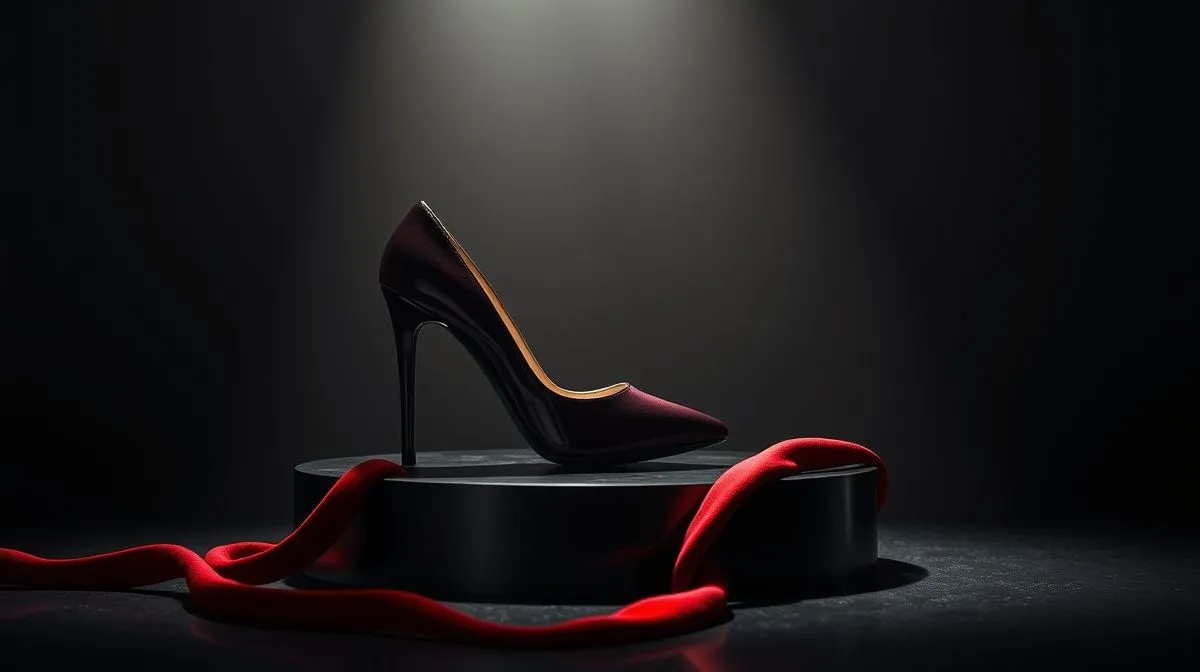
How to maintain luxury brand exclusivity for designer heels?
For over two decades in the luxury footwear industry, I've witnessed firsthand the delicate dance between desirability and dilution. Many brands, seduced by the allure of rapid growth, inadvertently chip away at the very foundation of their prestige.
The challenge isn't merely about creating beautiful shoes; it's about safeguarding their mystique, ensuring that each pair remains a coveted object of art, not just another mass-produced commodity. This is particularly critical for designer heels, which often embody the pinnacle of a brand's artistry and heritage.
In this definitive guide, I will share the seven proven pillars I've seen successful luxury brands employ to not only maintain but enhance their exclusivity. We'll delve into actionable frameworks, real-world insights, and strategic approaches that will empower you to protect your brand's unique value and ensure its enduring desirability.
The Foundation: Understanding True Luxury Value
Before we dissect the strategies, it's vital to grasp what true luxury value entails. It's far more than a high price tag or exquisite materials; it's an intricate tapestry woven from perceived rarity, heritage, unparalleled craftsmanship, and an emotional connection that transcends utility. As I often tell my clients, luxury isn't just sold; it's experienced and believed.
For designer heels, this means every stitch, every curve, and every material choice contributes to a narrative of perfection and aspiration. It’s about the scarcity that fuels desire and the promise of belonging to an exclusive club. When a brand loses sight of this intrinsic value, prioritizing volume over veneration, exclusivity inevitably erodes.
The ultimate luxury is the feeling of being unique. Your heels must deliver on that promise, consistently.
Pillar 1: Unwavering Commitment to Craftsmanship and Quality
The bedrock of luxury exclusivity for designer heels is an uncompromising dedication to craftsmanship and quality. In my experience, this is the non-negotiable differentiator. Buyers of high-end footwear expect perfection, longevity, and a tangible sense of the artisan's touch. Any deviation from this standard is a direct threat to exclusivity.
This commitment extends from the sourcing of the finest leathers, exotic skins, and embellishments to the meticulous, often hand-finished, production processes. It means rigorous quality control at every stage, ensuring that each pair leaving your atelier is a masterpiece. Think of Italian shoemakers, whose centuries-old techniques are guarded traditions, contributing immensely to the perceived value.
The Artisan's Touch: Beyond Mass Production
True luxury heels aren't just manufactured; they are crafted. This involves highly skilled artisans, often with years of specialized training, who understand the nuances of materials and construction. Investing in their expertise and preserving traditional techniques is paramount.
- Ethical Sourcing: Ensure all materials are ethically and sustainably sourced, aligning with modern luxury consumer values.
- Hand-Finishing: Emphasize manual processes like hand-stitching, polishing, and detailing that cannot be replicated by machines.
- Durability Testing: Subject every new design and material to rigorous testing to ensure it withstands the test of time and wear.
- Attention to Detail: From the interior lining to the sole's finish, every component must reflect superior quality.
Case Study: The Artisan's Revival at 'Aurelia Soles'
Aurelia Soles, a historic European luxury heel brand, faced declining sales in the early 2010s as competitors adopted faster, less artisanal production methods. I advised them to lean even harder into their heritage. By publicly recommitting to 100% hand-stitched construction and sourcing specific, rare leathers, they transformed their narrative. This bold move, including opening their atelier for exclusive client tours, reignited consumer passion, leading to a 40% increase in brand valuation within three years, solely based on reinforced craftsmanship.
Pillar 2: Strategic Scarcity and Controlled Distribution
Scarcity breeds desire. This principle is fundamental to maintaining luxury brand exclusivity for designer heels. It's not about artificial limitation but about intelligent production and distribution that ensures demand always slightly outstrips supply, fostering an urgent desire to acquire.
Controlling where and how your products are sold is equally crucial. Over-saturation in multiple retail channels, especially discount outlets, is a death knell for luxury. Your distribution network must be as curated and exclusive as your product itself.
Navigating the Digital Landscape: Online Exclusivity
The digital age presents both opportunities and pitfalls. While an online presence is vital, it must be managed with extreme care. Exclusive online drops, direct-to-consumer (DTC) models, and personalized digital experiences can enhance exclusivity, whereas widespread availability on third-party sites can dilute it.
- Limited Edition Drops: Release highly anticipated, limited-run collections that sell out quickly, creating buzz and urgency.
- Exclusive Boutiques: Partner only with a highly select number of high-end department stores or independent luxury boutiques that align with your brand's image.
- Flagship Stores: Invest in immersive brand experiences in your own flagship stores, making them destinations.
- DTC Emphasis: Prioritize sales through your own e-commerce platform, allowing for full control over branding and customer data.
According to a recent report by Bain & Company on the Luxury Market, controlling distribution and emphasizing direct-to-consumer channels are key strategies for luxury brands to maintain pricing power and brand perception in an evolving market.
Pillar 3: Immersive Brand Storytelling and Heritage Preservation
Every pair of designer heels should tell a story – of its inspiration, its creation, and the legacy it carries. This narrative connects with consumers on an emotional level, transforming a purchase into an investment in a dream. Preserving and celebrating your brand's heritage adds layers of authenticity and depth that mass-market brands cannot replicate.
In my work, I've found that the most successful luxury brands aren't just selling products; they're selling a lifestyle, a history, a vision. This requires consistent messaging across all touchpoints, from advertising campaigns to in-store experiences.
Building a Cult Following: The Power of Narrative
An authentic brand story creates an emotional bond, fostering loyalty and advocacy. It allows customers to feel they are part of something larger and more meaningful than just a transaction.
- Founding Story: Share the inspiration behind the brand's inception, highlighting passion and vision.
- Artisan Spotlights: Introduce the craftsmen and women who bring the designs to life, emphasizing their skill and dedication.
- Collection Inspirations: Detail the artistic or historical references for each new collection, adding intellectual depth.
- Brand Archives: Showcase iconic designs or historical moments that underscore the brand's enduring legacy.
Pillar 4: Cultivating an Elite Client Experience
Luxury is defined not just by the product, but by the entire journey a client undertakes. For designer heels, this means an unparalleled, personalized experience that anticipates needs and exceeds expectations at every touchpoint. This creates a sense of belonging and privilege, reinforcing exclusivity.
From the moment a client considers a purchase to years after, every interaction should be seamless, elegant, and memorable. This is where relationships are forged, and loyalty is cemented, transforming buyers into brand ambassadors.
The White-Glove Treatment: Beyond the Transaction
Personalization is key. Understanding individual client preferences, offering bespoke services, and providing exceptional after-care are hallmarks of a truly exclusive brand.
- Personal Shopping: Offer one-on-one appointments with knowledgeable stylists who understand individual client needs and preferences.
- Bespoke Services: Provide options for customization, such as made-to-order heels or unique embellishments.
- Exclusive Events: Host private previews of new collections, brand anniversaries, or cultural events for top-tier clients.
- Exceptional After-Care: Offer complimentary cleaning, repair services, or exclusive access to product care specialists.
- Personalized Communication: Tailor newsletters, offers, and invitations based on purchase history and expressed interests.
The true measure of luxury isn't just the initial sale, but the enduring relationship cultivated through impeccable service.
Pillar 5: Vigilant Intellectual Property Protection and Anti-Counterfeiting
In the digital age, protecting your brand's intellectual property (IP) is more critical than ever, especially for high-value items like designer heels. Counterfeits and grey market goods directly erode exclusivity, dilute brand value, and betray consumer trust. Proactive and aggressive IP enforcement is not an option; it's a necessity.
This involves registering trademarks and designs globally, actively monitoring online and offline markets for infringements, and taking swift legal action against counterfeiters. Ignoring this problem is akin to leaving the vault door open.
Combating the Grey Market: A Proactive Stance
The grey market, where genuine products are sold through unauthorized channels, also poses a significant threat. While not counterfeit, it undermines controlled distribution and pricing strategies.
- Global Trademark Registration: Register your brand name, logo, and distinctive heel designs in all relevant markets.
- Digital Monitoring: Utilize advanced software to scan e-commerce platforms, social media, and dark web for unauthorized sales or counterfeits.
- Authentication Technologies: Implement technologies like NFC tags, QR codes, or blockchain to allow consumers to verify authenticity.
- Legal Action: Maintain a dedicated legal team to pursue infringers aggressively and publicly.
- Consumer Education: Educate your clients on how to identify genuine products and the dangers of counterfeits.
A study by the OECD and EUIPO indicates that trade in counterfeit and pirated goods is a significant global issue, costing luxury brands billions annually and severely impacting brand reputation and exclusivity.
Pillar 6: Curated Collaborations and Brand Extensions
Strategic collaborations can inject fresh energy and reach new audiences without diluting exclusivity, provided they are meticulously curated. The key is to partner with brands or artists who share your core values and elevate your brand's narrative, rather than simply leveraging your name for mass appeal.
Similarly, brand extensions (e.g., small leather goods or accessories) must uphold the same standards of quality and exclusivity as your core designer heels. They should complement, not overshadow, your main offerings.
The Art of Alliance: Enhancing, Not Diluting
Successful collaborations are synergistic, creating something unique and more valuable than the sum of its parts. They should be rare, highly anticipated, and align perfectly with your brand's aesthetic and philosophy.
- Shared Values: Partner with entities that have a similar commitment to quality, craftsmanship, and exclusivity.
- Limited Runs: Ensure collaborations are limited edition, reinforcing scarcity and collectibility.
- Artistic Integrity: The collaboration should feel authentic and creatively driven, not purely commercial.
- Strategic Reach: Use collaborations to tap into new, high-value demographics without alienating your existing clientele.
As marketing guru Seth Godin often says, 'The smallest viable market is the goal.' This applies perfectly to collaborations – target specific, engaged audiences, not the broadest possible.
Pillar 7: Dynamic Pricing and Perceived Value Management
Pricing strategy for luxury designer heels is an art form. It's not just about covering costs and profit margins; it's about signaling value, prestige, and exclusivity. Undercutting prices or frequent discounting is a direct path to devaluing your brand and eroding its exclusive appeal.
Luxury pricing is often anchored in perceived value, which is influenced by all the pillars discussed: craftsmanship, scarcity, storytelling, and experience. Your pricing must reflect the extraordinary quality and the unique position your heels hold in the market.
Pricing for Prestige: The Psychology of High Value
Consumers associate higher prices with higher quality and exclusivity in the luxury market. Deviating from this perception can be detrimental.
- Premium Positioning: Price your heels at the top tier of the market, reflecting their exceptional quality and design.
- Value-Added Services: Justify premium pricing by including services like bespoke fitting, complimentary maintenance, or exclusive access.
- Avoid Discounting: Resist the urge to offer widespread sales or discounts, as this devalues the brand. Instead, consider exclusive private sales for VIP clients.
- Global Price Parity: Maintain consistent pricing across different markets to prevent grey market activities and perception of unfairness.
- Transparency (where appropriate): Be transparent about the costs associated with ethical sourcing, artisan wages, and high-quality materials to justify the price point.
Adapting to Market Shifts: The Future of Luxury Exclusivity
The luxury market is dynamic, influenced by evolving consumer values like sustainability, digital innovation, and a growing appreciation for authenticity. To maintain luxury brand exclusivity for designer heels, brands must not only uphold traditional pillars but also adapt intelligently.
This means embracing sustainable practices in material sourcing and production, leveraging Web3 technologies like NFTs for unique ownership verification or exclusive digital experiences, and engaging with a new generation of luxury consumers who value purpose as much as prestige. The future of exclusivity lies in balancing heritage with innovation, ensuring your brand remains relevant and revered.
Frequently Asked Questions (FAQ)
Question: How can smaller luxury brands compete on exclusivity with established giants? Smaller brands can thrive by hyper-focusing on niche markets, emphasizing bespoke services, and telling a highly personal, authentic story. Their smaller scale allows for even greater control over craftsmanship, client relationships, and scarcity. They can leverage direct-to-consumer models more effectively to build intimate communities, something larger brands often struggle with. Authenticity and unique creative vision are their greatest assets.
Question: Is digital marketing a threat or opportunity for luxury exclusivity? Digital marketing is a tremendous opportunity if managed strategically. While over-exposure can dilute, platforms like Instagram, Pinterest, and even TikTok can be used for aspirational storytelling, showcasing craftsmanship, and hosting exclusive virtual events or limited drops. The key is curating content, controlling distribution, and ensuring the digital experience mirrors the in-person luxury experience, maintaining an air of aspirational desire rather than mass accessibility.
Question: What's the role of sustainability in maintaining luxury appeal for designer heels? Sustainability is rapidly becoming a non-negotiable aspect of luxury. Modern luxury consumers, particularly younger demographics, expect brands to be ethically and environmentally responsible. Brands that integrate sustainable practices – from material sourcing to production processes and packaging – not only appeal to this growing segment but also enhance their exclusivity by demonstrating a commitment to values beyond profit, elevating their perceived integrity and forward-thinking vision.
Question: How often should a luxury brand introduce new collections to maintain exclusivity? There's no single answer, but generally, luxury brands operate on fewer, more impactful collections per year compared to fast fashion. Over-producing or releasing too frequently can saturate the market and dilute exclusivity. Many successful brands opt for two main collections (Spring/Summer, Autumn/Winter) with perhaps a few highly limited capsule collections or unique collaborations. The focus should always be on quality and desirability over quantity or speed.
Question: What are the biggest pitfalls to avoid when trying to maintain exclusivity? The biggest pitfalls include succumbing to pressure for mass market expansion, widespread discounting, inconsistent quality control, failing to protect intellectual property, and neglecting the client experience. Also, losing sight of your brand's unique story and heritage in pursuit of fleeting trends can be catastrophic. True exclusivity demands patience, discipline, and an unwavering commitment to your core values.
Recommended Reading
- Unlock the Secret: Choosing Perfect Kids' Outfits for Outdoor Summer Weddings
- Price Bespoke Jewelry: 5 Strategies for Profit & Design Commissions
- Unlock the Secrets: How to Care for Delicate Antique Pearl Jewelry
- Unlocking Time: How to Identify Authentic Retro Clothing Eras Like a Pro
- The Ultimate Guide: How to Properly Fit a Men's Formal Dress Shirt?
Key Takeaways and Final Thoughts
- Craftsmanship is King: Never compromise on the quality and artisanal excellence of your designer heels.
- Control Your Narrative: Master brand storytelling to forge deep emotional connections with your clientele.
- Strategic Scarcity: Employ intelligent production and distribution methods to ensure desirability always outstrips supply.
- Elite Client Experience: Deliver personalized, impeccable service that makes every client feel valued and exclusive.
- Protect Your Assets: Be vigilant in defending your intellectual property against counterfeits and grey market activities.
- Curated Growth: Leverage collaborations and brand extensions wisely, ensuring they enhance, not dilute, your core prestige.
- Value-Driven Pricing: Price for prestige, understanding that discounting erodes perceived value and exclusivity.
Maintaining luxury brand exclusivity for designer heels is an ongoing commitment, a journey that demands unwavering dedication to quality, strategic foresight, and a deep understanding of what truly makes a brand coveted. By implementing these seven pillars, you're not just selling shoes; you're cultivating a legacy, ensuring your brand remains a beacon of aspiration and unparalleled elegance for generations to come. Your investment in exclusivity today is the guarantee of your brand's enduring allure tomorrow.



Your email address will not be published. Required fields are marked *