


What to do when luxury clients demand unsustainable rare materials?
For over two decades in the luxury fashion sector, I've witnessed the industry's relentless pursuit of exclusivity and rarity. This quest has often led brands down paths that, while historically celebrated, are now increasingly viewed through a critical lens of environmental and social responsibility. The tension between client desire for the 'unobtainable' and the imperative for ethical sourcing has become one of the most pressing challenges for luxury houses today.
The dilemma is palpable: how do you maintain the allure of high-end fashion, which often thrives on unique and scarce materials, when those very materials are becoming ethically problematic or even legally restricted? Brands are caught between satisfying a loyal, discerning clientele accustomed to specific standards of luxury and adapting to a world demanding greater sustainability and transparency. It's a tightrope walk that requires not just tactical adjustments but a fundamental shift in philosophy.
In this definitive guide, I will share seven actionable strategies, forged from years of experience and deep industry insight, to navigate this complex landscape. We'll explore frameworks for client education, innovative material solutions, supply chain enhancements, and policy development, all designed to help your brand uphold its luxury status while embracing a truly sustainable future. This isn't just about damage control; it's about leading the charge towards a more responsible, yet equally desirable, definition of luxury.
The Uncomfortable Truth: Luxury's Ethical Crossroads
The very foundation of luxury has traditionally been built upon scarcity, exclusivity, and often, the exotic. From rare furs and leathers to precious gemstones and ancient woods, the desirability of a luxury item was frequently tied to the difficulty of its acquisition. This paradigm, however, is no longer sustainable, neither ecologically nor ethically. The environmental cost of exotic leathers, the human rights concerns associated with certain mining practices, and the devastating impact of deforestation for rare timbers have all come under intense scrutiny.
Today's luxury consumer, especially the younger demographic, is increasingly informed and ethically conscious. They demand not just beauty and quality, but also provenance and purpose. This shift has created a significant ethical crossroads for brands. On one hand, you have long-standing clients who expect the 'traditional' luxury materials, often resisting alternatives. On the other, you have a growing market segment, and indeed, societal pressure, pushing for radical transparency and sustainable practices. Ignoring this shift is no longer an option; it's a direct threat to brand longevity and reputation.
I've seen brands stumble by either clinging too tightly to outdated practices or by making superficial 'greenwashing' attempts. The key lies in understanding that true luxury is evolving. It's moving beyond mere material value to encompass values of integrity, craftsmanship, innovation, and environmental stewardship. The challenge is immense, but so is the opportunity to redefine what 'rare' and 'exclusive' truly mean in the 21st century.
Strategy 1: Proactive Client Education and Engagement
One of the most powerful tools at a luxury brand's disposal is its ability to shape perception and educate its clientele. When clients demand unsustainable rare materials, it often stems from a lack of awareness about the alternatives or the ethical implications. Your role, as a leader in luxury, is to proactively engage and inform them, transforming their understanding of what constitutes true value.
Shifting Narratives: From Scarcity to Responsible Rarity
The narrative of luxury needs to evolve from 'scarcity at any cost' to 'responsible rarity.' This means highlighting the unique stories behind sustainably sourced materials, the advanced craftsmanship involved in creating innovative alternatives, and the positive impact of ethical choices. It’s about celebrating ingenuity and integrity as much as, if not more than, the raw material itself.
“True luxury isn't just about what you own, but how it came to be owned. It’s a story of integrity, artistry, and a conscious connection to the world.” This sentiment must permeate every client interaction, from marketing campaigns to in-store consultations.
I've observed that when brands genuinely believe in their sustainable offerings and can articulate their value proposition with passion, clients are often receptive. It's not about shaming, but about enlightenment and offering a superior, more meaningful form of luxury.
The Power of Transparency and Storytelling
Clients are drawn to stories. Use your sustainable journey to create compelling narratives. Detail the ethical processes, the artisans involved, the environmental benefits, and the technological innovations behind your new materials. Transparency builds trust and allows clients to feel part of a positive movement.
When a client understands that their purchase contributes to a healthier planet or supports fair labor practices, the emotional value of the item significantly increases. This is a form of luxury that transcends mere aesthetics; it speaks to the soul.
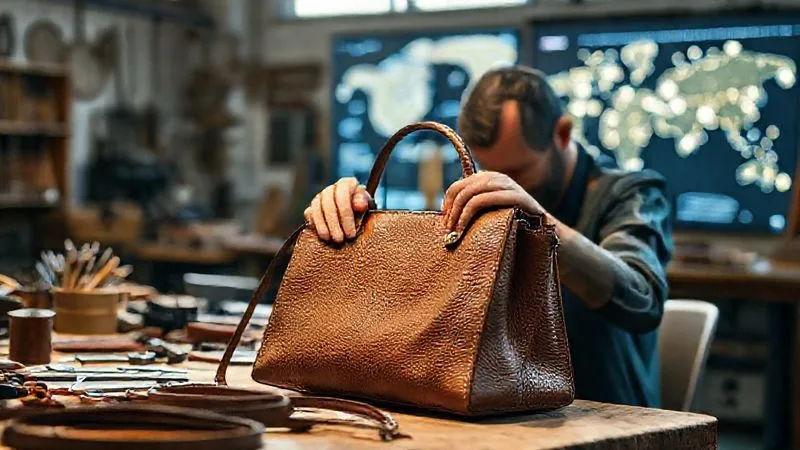
Here's how to implement proactive client education:
- Develop Comprehensive Educational Materials: Create elegant brochures, digital content, and in-store displays that articulate your brand's sustainability commitments and the stories behind your materials.
- Train Your Sales Associates: Empower your frontline staff with in-depth knowledge about sustainable alternatives, their benefits, and how to gently guide clients away from unsustainable demands. Role-playing difficult conversations can be highly effective.
- Host Exclusive Events: Organize workshops or private viewings that showcase your sustainable collections and explain the innovation behind them. Invite experts to speak on responsible sourcing.
- Leverage Digital Platforms: Use your website, social media, and email campaigns to regularly share updates on your sustainability journey, new material developments, and the positive impact of your choices.
- Offer Bespoke Consultations: For high-net-worth clients, offer personalized consultations where you can present sustainable alternatives tailored to their preferences, emphasizing exclusivity through ethical innovation.
Strategy 2: Innovating with Sustainable & Next-Gen Materials
The most direct way to address demands for unsustainable materials is to offer equally, if not more, desirable alternatives. The field of material science has exploded with innovations, providing luxury brands with a plethora of choices that are both ethical and exquisite. This strategy moves beyond mere substitution; it’s about pioneering a new era of luxury materials.
Exploring Bio-Synthetics and Lab-Grown Alternatives
The advancements in bio-synthetics and lab-grown materials are truly revolutionary. We're seeing materials like mycelium leather, derived from fungi, offering the look and feel of traditional leather without the environmental footprint. Lab-grown diamonds are chemically and physically identical to mined diamonds but come without the ethical baggage. Recycled gold and silver, sourced responsibly, retain their intrinsic value and luster.
According to a Grand View Research report, the global sustainable fashion market size was valued at USD 6.3 billion in 2022 and is expected to grow significantly, indicating a strong market pull for these innovative materials. Brands that embrace these alternatives early will position themselves as leaders, not followers.
Upcycling and Circularity in High Fashion
Beyond new materials, the concept of circularity is gaining traction. This involves designing products for longevity, offering repair services, and exploring ways to upcycle or repurpose materials at the end of a product's life cycle. Imagine haute couture pieces crafted from exquisitely re-imagined vintage fabrics, or accessories made from recycled components that tell a new story of renewal.
This approach not only reduces waste but also adds a layer of unique craftsmanship and heritage to the product, appealing to clients who value individuality and responsible consumption. It’s about creating desirability through ingenuity and ethical consciousness.
| Material Type | Ethical Score (1-5, 5=Best) | Environmental Impact | Availability | Luxury Perception | Sustainable Alternative |
|---|---|---|---|---|---|
| Exotic Leather (e.g., Python) | 1 | High (habitat destruction, chemical processing) | Decreasing/Regulated | Traditional, High | Mycelium Leather / Cactus Leather |
| Mined Diamonds | 2 | High (land disruption, energy intensive) | Stable | Traditional, Iconic | Lab-Grown Diamonds |
| Virgin Gold/Silver | 2 | High (mining waste, energy intensive) | Stable | Traditional, High | Recycled Gold/Silver |
| Traditional Silk | 3 | Moderate (pesticides, water use) | Stable | Traditional, High | Peace Silk / Orange Fiber Silk |
| Traditional Cashmere | 2 | High (overgrazing, land degradation) | Stable | Traditional, High | Recycled Cashmere / Yak Wool |
The table above illustrates the stark contrast and the viable, luxurious alternatives available. The challenge is in educating the market and celebrating these new materials with the same reverence as their traditional counterparts.

Strategy 3: Redefining Exclusivity Through Craftsmanship and Heritage
For centuries, the true mark of luxury was not just the material, but the unparalleled skill and artistry that transformed it. This emphasis on human ingenuity over raw material scarcity is a powerful lever for redefining exclusivity. When clients demand unsustainable rare materials, shift their focus to the irreplaceable value of craftsmanship, design innovation, and heritage techniques.
The Artisan's Touch: Emphasizing Human Skill Over Raw Material Rarity
In my experience, many luxury clients are ultimately seeking uniqueness, a story, and a connection to something extraordinary. These desires can be fulfilled by celebrating the master artisans who bring a piece to life. Focus on the intricate techniques, the hours of dedication, the generational knowledge, and the limited production runs dictated by human skill, rather than material constraints. A hand-embroidered gown using sustainable threads, for example, can be far more 'rare' and valuable than one simply made from a conventional, but increasingly problematic, fabric.
This strategy elevates the human element, making the item a testament to enduring artistry. It also allows for greater creative freedom, as designers can experiment with a wider range of ethically sourced materials, knowing that their skill will be the primary driver of value and desirability.
Preserving Cultural Heritage Through Ethical Practices
Many traditional luxury materials are intertwined with cultural heritage and indigenous communities. Instead of abandoning these materials entirely (if they can be ethically sourced), focus on supporting fair trade practices and responsible stewardship. For instance, if working with certain natural fibers, ensure that the sourcing benefits local communities and preserves traditional craftsmanship, rather than exploiting resources.
This approach creates a powerful narrative of cultural preservation and social responsibility, adding a profound layer of meaning to the luxury item. Clients who understand that their purchase supports a living tradition, a community, and a sustainable ecosystem will often find greater value in it.
- Highlight unique design elements: Showcase intricate details, innovative construction, and bespoke finishes that set your pieces apart, regardless of the core material.
- Tell the artisan's story: Introduce clients to the master craftspeople behind your collections, sharing their expertise, dedication, and the heritage they embody.
- Offer customization based on skill: Provide bespoke services that focus on personalized embellishments, unique color combinations, or specific design modifications, rather than just material upgrades.
- Create limited editions based on production time: Emphasize that rarity comes from the labor-intensive nature of the craft, not just the scarcity of the raw material.
Strategy 4: Strengthening Supply Chain Transparency and Traceability
In today's interconnected world, ignorance is no longer an excuse. Luxury brands must know exactly where their materials come from, how they are produced, and under what conditions. When clients demand unsustainable rare materials, a fully transparent and traceable supply chain allows you to show them precisely why certain materials are problematic and why your alternatives are superior. This builds undeniable trust and authority.
Blockchain and Digital Ledger Technologies in Luxury
The advent of blockchain technology offers an unprecedented level of transparency. By creating an immutable digital ledger, brands can track every step of a material's journey, from its origin to the finished product. This means verifiable data on sourcing, processing, certifications, and even the hands that have touched it. For luxury, where authenticity and provenance are paramount, this is a game-changer.
As Deloitte's insights on the luxury sector often highlight, consumers are increasingly demanding verifiable claims, and technology like blockchain provides the infrastructure for this. It moves beyond simple assurances to provide concrete, auditable evidence of ethical sourcing.
Auditing and Certifications: Building Trust
Beyond internal tracking, collaborating with independent third-party auditors and obtaining recognized sustainability certifications are crucial. Certifications from bodies like the Responsible Jewellery Council (RJC), Leather Working Group (LWG), or Global Organic Textile Standard (GOTS) provide external validation of your ethical commitments. These stamps of approval offer peace of mind to both brands and discerning clients.
When a client asks for a problematic material, you can confidently present your certified alternatives, backed by rigorous standards and verifiable data. This shifts the conversation from a subjective desire to an objective, ethical choice.
- Map Your Entire Supply Chain: Identify every supplier, from raw material producers to manufacturers. Understand their practices and potential risks.
- Implement Digital Tracking: Invest in technologies like blockchain or RFID tagging to create a transparent, end-to-end traceability system for all materials.
- Conduct Regular Audits: Engage independent auditors to verify supplier compliance with ethical, environmental, and labor standards.
- Seek Relevant Certifications: Obtain industry-recognized certifications for your materials and processes, and proudly display these credentials.
- Communicate Traceability to Clients: Provide clients with access to your traceability data, perhaps through QR codes on products or dedicated sections on your website, allowing them to explore the journey of their item.
Strategy 5: Developing Internal Policies and Brand Commitments
Addressing the demand for unsustainable rare materials requires more than just external strategies; it necessitates a robust internal framework. A clear, unwavering commitment to sustainability, embedded in your brand's DNA, empowers employees and guides all decision-making. This is about institutionalizing ethical luxury.
Establishing a Clear Sustainability Mandate
Your brand needs a clear, publicly stated sustainability mandate. This document should outline your commitment to ethical sourcing, environmental protection, and social responsibility. It should define which materials are acceptable, which are restricted, and which are entirely prohibited. This mandate serves as a guiding principle for designers, procurement teams, and sales staff alike.
I've seen firsthand how a well-articulated mandate can transform a company culture. It moves sustainability from being a 'nice-to-have' to a core business imperative, fostering innovation and accountability across all departments.
Training Sales and Design Teams
Your sales associates are the frontline educators for your clients. They must be thoroughly trained not only on your sustainability policies but also on the unique benefits and stories behind your ethical materials. They need to confidently and empathetically guide clients towards sustainable choices.
Similarly, your design teams must be empowered and encouraged to innovate with sustainable materials. Provide them with resources, training, and incentives to explore new options, ensuring that creativity and sustainability are intertwined from the initial design phase.
Case Study: Elevating Ethical Sourcing for 'Aura Atelier'
Aura Atelier, a renowned luxury handbag brand, faced increasing pressure from high-net-worth clients demanding exotic leathers like alligator and python. Their design team, while innovative, felt constrained by these demands, knowing the ethical implications. The brand's CEO, recognizing the long-term risk to their reputation, initiated a bold shift.
They established a strict 'No Exotic Skins' policy and invested heavily in R&D for next-gen vegan leathers derived from cactus and apple waste. Simultaneously, they launched an internal training program for all sales associates, focusing on the superior craftsmanship and environmental story behind their new materials. They also revamped their marketing to highlight the innovation and ethical elegance of their collections.
Initially, there was resistance from a small segment of traditional clients. However, by consistently communicating their new vision, offering personalized consultations, and showcasing the unparalleled quality of their sustainable alternatives, Aura Atelier not only retained their client base but also attracted a new generation of eco-conscious luxury consumers. Their sales of sustainable pieces increased by 40% within two years, and their brand reputation for innovation and ethical leadership soared. This resulted in a stronger, more resilient brand identity that resonated with evolving consumer values.
Strategy 6: Collaborative Industry Initiatives and Advocacy
The challenge of unsustainable materials is not one that any single luxury brand can solve in isolation. It requires collective action, shared knowledge, and a unified voice. Engaging in collaborative industry initiatives and advocating for broader policy changes amplifies impact and accelerates the transition to a more sustainable luxury sector.
Joining Forces: Luxury Brands for a Sustainable Future
Many forward-thinking luxury brands are already part of consortia and alliances dedicated to sustainability. Initiatives like the Fashion Pact, a global coalition of fashion and textile companies committed to environmental goals, or the Responsible Jewellery Council, which sets standards for ethical jewelry supply chains, are vital.
By participating in these groups, brands can share best practices, pool resources for research into new materials, and collectively influence suppliers. This collaborative spirit transforms competitors into partners in the pursuit of a shared, sustainable future for luxury. It also sends a powerful message to clients that the industry as a whole is committed to responsible change.
Advocating for Policy Changes
Beyond industry collaboration, luxury brands have a unique platform to advocate for stronger environmental regulations and ethical sourcing policies at governmental levels. By demonstrating a proactive commitment to sustainability, brands can influence policy makers to create a more level playing field, making it easier for all players to adopt responsible practices and harder for those who exploit unsustainable materials.
This advocacy extends to supporting conservation efforts, responsible land management, and fair labor laws. When luxury brands lend their influential voice to these causes, the ripple effect can be transformative, creating an environment where unsustainable demands are not just ethically frowned upon, but also legally discouraged.
- Join relevant industry associations: Actively participate in groups focused on sustainable luxury, ethical sourcing, and environmental protection.
- Share knowledge and resources: Contribute to best practice guides and research initiatives within these collaborative frameworks.
- Support policy reform: Engage with legislative bodies and NGOs to advocate for stronger regulations around material sourcing and environmental impact.
- Co-fund sustainable innovation: Collaborate with other brands to invest in the development of new, scalable sustainable materials and technologies.
Strategy 7: Strategic Pricing and Value Perception
One common misconception is that sustainable materials must be cheaper or less desirable. This is far from the truth. In fact, sustainable materials often involve innovative research, ethical production processes, and fair labor, which can justify a premium price point. Strategic pricing, coupled with a redefined value perception, is crucial when clients demand unsustainable rare materials.
Justifying the Premium of Sustainable Materials
The 'cost' of sustainability isn't just about the raw material; it encompasses the investment in ethical supply chains, environmental protection, fair wages, and cutting-edge innovation. These elements add significant intrinsic value to a product. Luxury brands must articulate this value proposition clearly, explaining why a sustainable alternative, though perhaps novel, commands its price.
This isn't just about selling a product; it's about selling a philosophy, a commitment, and a piece of the future. Clients who understand the comprehensive value – environmental, social, and aesthetic – are often willing to pay a premium for it. It aligns with their own evolving values and desire for conscious consumption.
Long-Term Value Over Short-Term Desire
Shift the client's focus from immediate gratification for a 'rare' material to the long-term value and legacy of a sustainably made piece. Emphasize durability, timeless design, and the emotional satisfaction of owning something that aligns with a greater good. A luxury item made with integrity becomes an heirloom of conscience, a statement of enduring values.
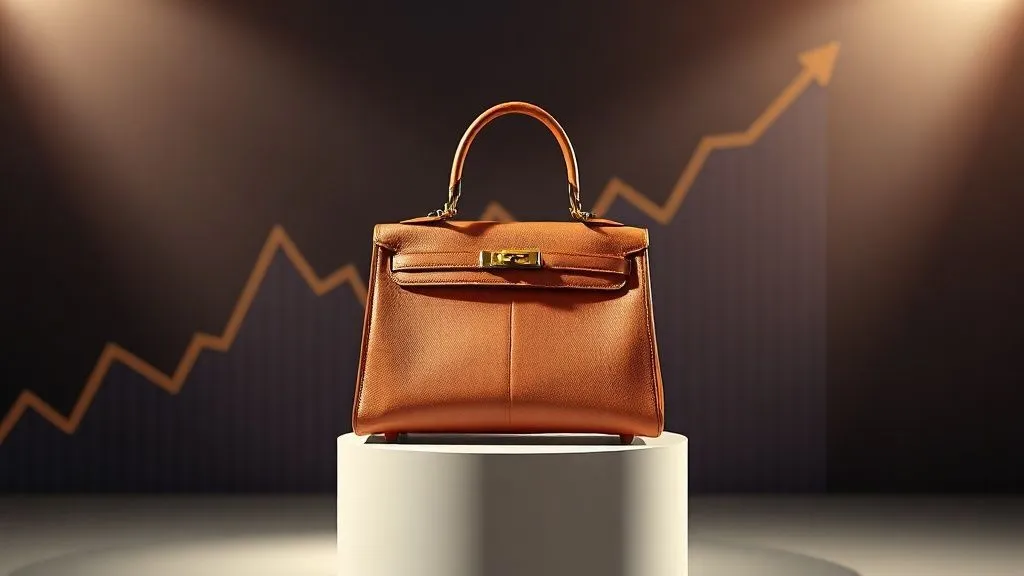
This strategy also involves highlighting the decreasing value and increasing reputational risk associated with unsustainable materials. As regulations tighten and public opinion shifts, items made from ethically problematic sources may depreciate in perceived (and actual) value, making sustainable alternatives a wiser long-term investment.
Frequently Asked Questions (FAQ)
How do I handle a direct client refusal to consider alternatives? When faced with direct refusal, it's crucial to remain empathetic but firm in your brand's values. Avoid confrontation. Instead, reiterate your brand's unwavering commitment to sustainability, explain the specific ethical/environmental reasons behind your material choices, and then pivot to showcasing the unique benefits and innovative beauty of your sustainable alternatives. Offer bespoke services with these materials, emphasizing exclusivity through ethical innovation. Sometimes, a client needs time to process this shift, so provide them with educational materials and offer to follow up. Frame it as an upgrade in value and integrity, not a downgrade in luxury.
Are sustainable materials truly as luxurious or durable as traditional rare materials? Absolutely. Many next-generation sustainable materials are engineered to meet or even exceed the performance and aesthetic standards of traditional rare materials. Mycelium leather, for instance, offers superior durability and a luxurious hand-feel, while lab-grown diamonds are chemically and physically identical to mined ones, with often fewer inclusions. The perception of luxury is evolving to include innovation, ethical provenance, and advanced technology. Brands like Stella McCartney have long proven that high fashion doesn't require animal products, showcasing the inherent luxury in ethical design and innovative materials.
What's the cost implication of switching to sustainable sourcing? The initial investment in researching, developing, and integrating sustainable materials can be higher due to R&D costs, smaller production scales, and the complexities of establishing ethical supply chains. However, this upfront investment often yields significant long-term benefits. These include enhanced brand reputation, access to new markets of eco-conscious consumers, reduced regulatory risks, and potential for cost efficiencies as sustainable material production scales. Furthermore, the intangible cost of not being sustainable – reputational damage, customer alienation, and potential legal issues – far outweighs the tangible costs of making the switch.
How can small luxury brands compete with larger ones on sustainability? Small luxury brands often have an advantage in sustainability due to their agility and ability to maintain closer relationships with suppliers. They can implement changes more quickly and offer highly personalized, transparent narratives. Focus on niche sustainable materials, collaborate directly with artisans, and emphasize the handcrafted, small-batch nature of your production. Leverage your authenticity and direct storytelling to build a loyal community. While large brands have scale, small brands have soul and agility, which are powerful assets in the sustainable luxury space.
Is 'greenwashing' a real risk when promoting sustainable luxury? Yes, greenwashing is a significant risk and a major concern for savvy consumers. It refers to the practice of making misleading or unsubstantiated claims about the environmental benefits of a product or company. To avoid greenwashing, luxury brands must ensure all sustainability claims are transparent, verifiable, and backed by concrete evidence, data, and third-party certifications. Authenticity is paramount. Be honest about your journey, acknowledge challenges, and focus on measurable progress rather than making exaggerated or vague statements. Consumers value honesty and genuine effort more than perfection.
Key Takeaways and Final Thoughts
- Educate and Engage: Proactively inform clients about your sustainable alternatives and the ethical rationale behind your choices, shifting their perception of value.
- Innovate Relentlessly: Embrace bio-synthetics, lab-grown materials, and circular design principles to offer equally, if not more, desirable options.
- Redefine Exclusivity: Emphasize craftsmanship, heritage, and human skill as the ultimate markers of luxury, rather than just material scarcity.
- Ensure Transparency: Implement robust supply chain traceability and seek independent certifications to build undeniable trust.
- Embed Sustainability: Develop strong internal policies and train your teams to champion ethical luxury from design to sales.
- Collaborate and Advocate: Join industry initiatives and lend your voice to policy changes for a collective, sustainable future.
- Price Strategically: Justify the premium of sustainable materials by highlighting their comprehensive value – ethical, environmental, and aesthetic.
The journey towards a fully sustainable luxury industry is complex, but it is also an unparalleled opportunity for innovation, growth, and meaningful impact. When luxury clients demand unsustainable rare materials, it presents not a dead end, but a pivotal moment for your brand to lead, educate, and redefine what it means to be truly luxurious in the 21st century. By embracing these strategies, you won't just navigate the challenge; you'll shape the future of high-end fashion, creating a legacy of beauty, integrity, and responsibility that resonates for generations to come.
Recommended Reading
- Mastering Fashion Demand: 7 Ways Analytics Powers Precise Forecasting
- Beyond Greenwashing: 7 Proven Ways to Differentiate Sustainable Activewear
- Scaling Haute Couture: 7 Strategies to Preserve Artisan Quality
- 7 Strategies to Win Over Buyers for Unconventional Wearable Art Jewelry
- Bridal Gown Disaster? 5 Steps When a Custom Client Hates Their Final Dress



Your email address will not be published. Required fields are marked *