

How to Scale Haute Couture Production Without Losing Artisan Quality?
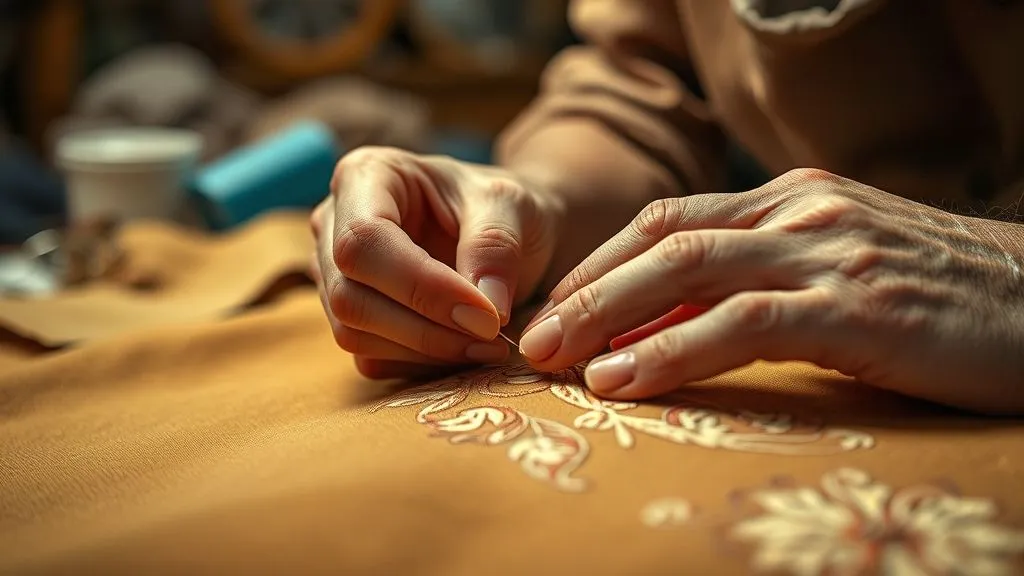
For over two decades immersed in the rarefied world of haute couture, I've witnessed firsthand the exquisite tension between artistic vision and commercial imperative. The very essence of haute couture lies in its exclusivity, its meticulous handcraftsmanship, and its unwavering commitment to unparalleled quality. Yet, in a globalized market, even the most revered ateliers feel the pull to expand, to reach new clientele, and to secure their legacy.
The paradox is stark: how does one scale a business model built on scarcity and bespoke artistry without diluting the very 'soul' of what makes it haute couture? This isn't merely a business challenge; it's a philosophical one, deeply embedded in the preservation of heritage, skill, and an almost sacred connection between artisan and garment. Many have tried, some have faltered, believing that increased volume inevitably compromises the artisan's touch.
But I'm here to tell you it's not an impossible feat. In this definitive guide, I will share the actionable frameworks, strategic insights, and expert perspectives I've gathered from navigating this delicate balance. We'll explore how to honor the artisan, integrate smart processes, and strategically grow your haute couture house while not just maintaining, but elevating, the benchmark of quality that defines true luxury craftsmanship.
Embracing 'Slow Growth' as a Strategic Imperative
In an age obsessed with rapid expansion, the first and most crucial strategy for haute couture is to redefine 'growth' itself. For us, it's not about exponential quarterly gains, but about a deliberate, thoughtful, and sustainable progression. I often advise clients to think of it as cultivating a rare orchid, not planting a fast-growing crop.
Slow growth in haute couture means prioritizing the health of your atelier and the well-being of your artisans above all else. It's about taking on projects that align with your brand's ethos, even if they're fewer in number, and ensuring each piece receives the time and attention it deserves. This approach safeguards against burnout, maintains morale, and critically, preserves the integrity of the finished product. According to a study published in the Harvard Business Review, companies that prioritize sustainable practices often see long-term brand loyalty and higher perceived value, directly applicable to the luxury sector.
- Define Your Growth Metrics: Shift from purely quantitative metrics (e.g., number of units sold) to qualitative ones (e.g., client satisfaction, artisan retention, complexity of craftsmanship achieved).
- Cap Production Consciously: Establish an annual or seasonal production cap based on your current artisan capacity and the average time required for your most intricate pieces. Communicate this exclusivity clearly to your clientele.
- Invest in Infrastructure First: Before increasing output, invest in improving your atelier's environment, tools, and support systems. A better workspace directly translates to better craftsmanship and efficiency.

The Master-Apprentice Model: Cultivating the Next Generation of Artisans
The knowledge transfer in haute couture is predominantly tacit, passed down through generations of hands-on experience. Scaling without losing quality necessitates a robust, formalized approach to this inheritance. The traditional master-apprentice model, often seen as archaic, is in fact our most potent tool for sustainable growth.
I've seen many houses struggle because they expect new hires to immediately meet exacting standards. This is unrealistic. Instead, invest in structured apprenticeship programs. This isn't just about training; it's about instilling the brand's unique DNA, its specific techniques, and its philosophy of excellence. It's a long-term investment, but one that pays dividends in preserving artisan quality and securing future capacity.
Case Study: Atelier Lumière's Apprenticeship Revival
Atelier Lumière, a renowned house specializing in intricate beadwork and embroidery, faced a looming crisis: their master artisans were nearing retirement, and the pool of adequately skilled successors was dwindling. By implementing a revitalized three-year apprenticeship program, they paired each master with two carefully selected apprentices. The program included not just technical training but also modules on the house's history, design philosophy, and material science. Within five years, they had successfully transitioned 70% of their critical skills, not only preserving their unique techniques but also expanding their capacity for complex projects by 25% without compromising quality. This resulted in a significant boost in brand reputation and client trust.
“True luxury isn't just about the product; it's about the hands that create it and the knowledge they carry.”
Strategic Sourcing and Supply Chain Integration: The Unseen Foundation
The quality of a haute couture garment is only as good as its raw materials. As you consider scaling, your sourcing strategy becomes paramount. This isn't about finding cheaper alternatives; it's about securing consistent access to the finest materials and establishing resilient, ethical relationships with your suppliers.
I advocate for deep integration with your supply chain. This means not just purchasing, but collaborating with textile mills, embroiderers, and specialized workshops. Understanding their capacity, their lead times, and their own commitment to quality allows for more predictable production schedules and fewer compromises. This also extends to ethical sourcing, ensuring that your growth doesn't come at the expense of fair labor practices or environmental responsibility, a growing concern for the discerning luxury consumer. For more on ethical supply chains, refer to insights from McKinsey & Company's reports on sustainable fashion.
- Develop Long-Term Supplier Partnerships: Move beyond transactional relationships to strategic alliances, fostering mutual growth and shared commitment to quality.
- Standardize Material Specifications: Create incredibly detailed specifications for all raw materials, including acceptable variations, to ensure consistency even with multiple suppliers.
- Invest in Inventory Management: Implement sophisticated systems to track and manage your precious materials, minimizing waste and ensuring availability for scheduled projects.
Leveraging Bespoke Technology for Precision, Not Automation
The word 'technology' often sends shivers down the spine of traditionalists in haute couture, conjuring images of robotic arms replacing human hands. However, this is a profound misunderstanding. Technology, when applied thoughtfully, can be a powerful enabler of artisan quality and efficiency, not its destroyer.
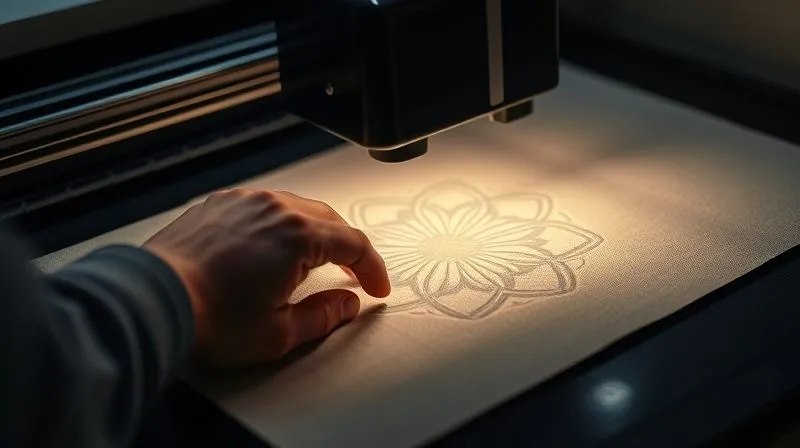
I've guided houses in implementing bespoke technological solutions that enhance, rather than replace, human skill. Think of precision laser cutting for patterns that require absolute accuracy, 3D body scanning for perfect custom fit, or advanced CAD software for visualizing complex drapes and embroideries before a single stitch is made. These tools free up artisans from repetitive, less skilled tasks, allowing them to focus their unparalleled expertise on the true artistry – the intricate handwork, the delicate finishing, the creative problem-solving. This isn't automation; it's augmentation.
| Technology Type | Artisan Benefit | Scaling Impact |
|---|---|---|
| 3D Body Scanning | Perfect custom fit, reduced fittings | Faster bespoke tailoring, improved client experience |
| Precision Laser Cutting | Flawless pattern accuracy, intricate designs | Reduced material waste, consistent base for handwork |
| Advanced CAD Software | Visualizing complex designs, material simulation | Streamlined design process, fewer physical prototypes |
| Digital Archiving | Preserving legacy techniques, design history | Knowledge transfer, inspiration for new collections |
Decentralized Atelier Networks: Expanding Reach, Maintaining Intimacy
One of the biggest hurdles to scaling a traditional atelier is the physical limitation of a single workshop. However, the solution isn't necessarily a factory. I've seen success in developing a network of smaller, specialized ateliers, each maintaining the core brand philosophy and quality standards, but operating with a degree of autonomy.
This decentralized model allows for geographical expansion to cater to a global clientele without centralizing all production. Imagine a primary atelier in Paris focusing on core collections and intricate prototypes, while smaller, highly specialized satellite ateliers in strategic locations handle specific bespoke orders or regional client needs. Rigorous training, standardized processes, and frequent quality audits are essential to ensure consistency across the network. This approach maintains the intimate, focused environment crucial for artisan work while expanding overall capacity.
- Establish a Core Quality Standard: Develop a comprehensive manual and training program that defines your brand's quality benchmark for every process.
- Implement Regular Audits and Exchange Programs: Conduct unannounced quality checks and facilitate artisan exchange programs between ateliers to foster shared learning and maintain consistency.
- Leverage Digital Collaboration Tools: Use secure platforms for design sharing, progress tracking, and communication to ensure seamless collaboration across dispersed teams.
Client Education and Co-Creation: Elevating the Value Proposition
In the luxury sector, the client relationship is as much a part of the product as the garment itself. As you scale, it's crucial to educate your clientele on the true value of haute couture, particularly the investment of artisan skill and time. This transparency not only justifies the price point but also elevates their appreciation for the craftsmanship.
Furthermore, consider integrating clients into a co-creation process for certain bespoke pieces. While the master artisan always guides the execution, allowing a discerning client to influence specific design elements or material choices deepens their connection to the garment. This elevates the experience from a mere purchase to a shared journey of creation, making them ambassadors for your brand's unique approach to luxury. As marketing guru Seth Godin often says, "People don't buy goods and services. They buy relations, stories, and magic." Haute couture is the epitome of this.
Rigorous Quality Control & Artisan Empowerment: Non-Negotiables for Scale
No discussion of scaling haute couture can ignore the bedrock of quality control. As production increases, even incrementally, the temptation to rush or overlook minor imperfections can arise. This is where uncompromising vigilance is required. However, quality control in haute couture is not a punitive measure; it's an integrated part of the artisan's process and a testament to their dedication.
Empower your artisans to be the primary custodians of quality. Foster a culture where they feel responsible for, and proud of, every stitch. Implement multi-stage quality checks, not just at the final stage, but after each critical step of construction. This allows for immediate correction and reinforces the standard of excellence. Furthermore, provide ongoing training and opportunities for skill refinement. An empowered, highly skilled artisan is your best defense against quality degradation during growth.
| Stage of Production | Quality Check Focus | Responsible Party |
|---|---|---|
| Design & Patterning | Precision of pattern, material suitability, design integrity | Master Designer, Pattern Maker |
| Cutting & Preparation | Accuracy of cut, flawless material sections, grain alignment | Cutter, Atelier Manager |
| Embellishment & Handwork | Consistency of stitching, bead placement, embroidery density | Artisan, Section Head |
| Assembly & Construction | Seam integrity, fit, drape, internal finishing | Lead Seamstress, Atelier Manager |
| Final Finishing & Pressing | Overall appearance, minor imperfections, client specifications | Atelier Manager, Quality Lead |

Frequently Asked Questions (FAQ)
Q: Isn't scaling haute couture inherently contradictory to its bespoke nature? A: Not necessarily. The key is to scale processes, knowledge, and reach, not to mass-produce. By establishing robust apprenticeship programs, strategic supplier relationships, and leveraging technology for precision, you can expand capacity for bespoke orders without compromising the unique, hand-crafted essence. It's about 'smart scaling,' not 'mass scaling.'
Q: How can a smaller atelier compete with larger luxury houses when trying to scale? A: Smaller ateliers have an inherent advantage in agility and direct client relationships. Focus on niche specializations, cultivate a unique brand narrative, and leverage your authenticity. The strategies outlined—slow growth, master-apprentice models, and client co-creation—are particularly effective for smaller houses looking to grow sustainably without losing their distinct identity. Authenticity is a powerful currency in haute couture.
Q: What are the biggest risks when attempting to scale haute couture production? A: The primary risks include dilution of brand identity, degradation of craftsmanship quality due to rushed production, loss of key artisan talent, and a breakdown in the supply chain for exquisite materials. Mitigating these risks requires meticulous planning, unwavering commitment to quality, and significant investment in people and processes.
Q: How important is technology in preserving artisan quality during scaling? A: Technology is incredibly important, but its role is to augment, not replace. Tools like 3D body scanning, precision cutting, and advanced design software can enhance accuracy, reduce manual errors in repetitive tasks, and free artisans to focus on the truly skilled, artistic elements. It's about using technology to elevate the artisan's work, not sideline it.
Q: Is it possible to maintain exclusivity while increasing the number of clients? A: Yes, by carefully managing your client base and maintaining high entry barriers. Exclusivity isn't just about limited numbers; it's about the unique experience, the personalized service, and the exceptional quality that fewer can offer. Focus on discerning clients who appreciate the brand's values, rather than chasing sheer volume. Strategic waiting lists and invitation-only access can also help manage exclusivity while still growing.
Key Takeaways and Final Thoughts
The journey to scale haute couture production without sacrificing artisan quality is undoubtedly complex, but it is a path paved with immense opportunity for those who approach it with foresight and respect for tradition. It demands a shift in mindset, moving away from conventional growth paradigms towards a model that prioritizes quality, heritage, and the human element above all else.
- Embrace 'Slow Growth' as a strategic philosophy, focusing on sustainable progression.
- Invest deeply in the Master-Apprentice Model to ensure skill transfer and continuity.
- Forge Strategic Supply Chain Partnerships for consistent access to exquisite materials.
- Utilize Bespoke Technology to enhance precision and free artisans for creative tasks.
- Explore Decentralized Atelier Networks to expand reach while maintaining intimacy.
- Engage in Client Education and Co-Creation to deepen appreciation and brand loyalty.
- Uphold Rigorous Quality Control and foster Artisan Empowerment as non-negotiables.
The future of haute couture lies not in resisting change, but in intelligently adapting to it. By adopting these strategies, you can not only expand your house's influence but also solidify its legacy, proving that true luxury craftsmanship can indeed flourish and grow, one exquisite stitch at a time. The world is ready for haute couture that is both timeless and forward-thinking, exclusive yet enduring.
Recommended Reading
- Most Flattering Denim Wash for Men: Look Your Best!
- 7 Proven Strategies: Preventing Smart Clothing Sensor Failure During Repeated Washing
- Unlock Your Style: How to Build a Minimalist Casual Streetwear Wardrobe
- 7 Steps: How to Audit Fashion Supply Chains for Ethical Compliance
- 5 Proven Methods: Reinforcing Delicate Wearable Art for Dynamic Stage Performance





Your email address will not be published. Required fields are marked *