

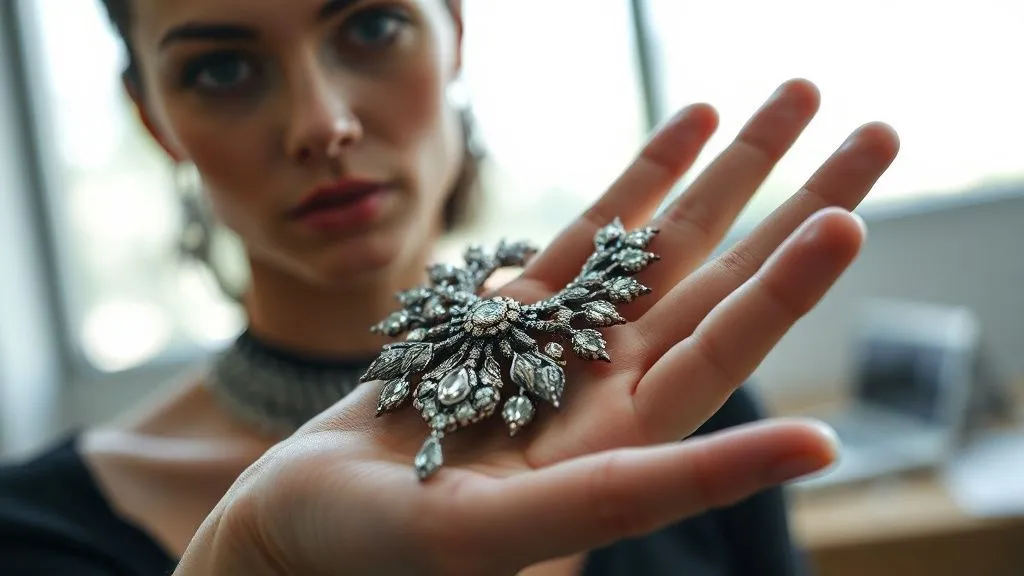
How to overcome buyer skepticism for unconventional wearable art jewelry?
For over two decades in the intricate world of jewelry design, particularly within the avant-garde sphere of wearable art, I've witnessed countless brilliant artists struggle to connect their visionary creations with an appreciative audience. Their passion is undeniable, their skill often unparalleled, yet the market sometimes feels like an impenetrable fortress of traditional tastes.
The core challenge lies in buyer skepticism – that initial hesitation when confronted with something truly unique, something that doesn't fit neatly into conventional categories. Buyers often grapple with questions of wearability, longevity, and ultimately, the perceived value of a piece that defies easy definition. This isn't a reflection of your art's worth, but a natural human tendency towards familiarity.
In this definitive guide, I'll share a comprehensive framework, distilled from years of experience and market observation, comprising seven actionable strategies. You'll learn how to dismantle these walls of skepticism, build genuine connections, and ensure your unconventional wearable art jewelry finds the collectors who will truly cherish it.
Understanding the Root of Skepticism: Bridging the Art-Commerce Divide
Before we can overcome skepticism, we must first understand its origins. When a potential buyer encounters a piece of unconventional wearable art jewelry, their mind often races through a series of unspoken questions and concerns. These aren't necessarily criticisms of the art itself, but rather a protective instinct against making a 'wrong' or misunderstood purchase.
The 'Wearability' Question
One of the most common hurdles is the practical aspect: "Can I actually wear this?" Traditional jewelry is often designed for daily wear or specific occasions. Unconventional pieces, with their bold forms, unique materials, or intricate structures, can intimidate buyers who fear they won't know how to style them or that they might be uncomfortable or fragile. They might admire the artistry but question its functional integration into their lifestyle.
Perceived Value vs. Material Value
Buyers are accustomed to judging jewelry value by precious metals and gemstones. When confronted with pieces made from unexpected materials – say, recycled plastics, sculpted wood, fiber optics, or found objects – their internal valuation system falters. They struggle to reconcile the artistic merit and labor with a material cost that might be lower than traditional components, leading to questions about fair pricing and investment potential.
Fear of the Unknown and Lack of Context
Human beings are naturally drawn to what they understand. Unconventional art often pushes boundaries, challenging aesthetic norms and familiar definitions of 'jewelry.' Without sufficient context – the artist's vision, the story behind the piece, the techniques employed – buyers can feel adrift. This lack of understanding can manifest as disinterest or, worse, dismissal, simply because they don't have the tools to appreciate its significance.
"The greatest barrier to selling unconventional art isn't a lack of appreciation, but a lack of education. Your role as an artist and entrepreneur is to provide the narrative and context that transforms curiosity into profound understanding and desire." - Industry Specialist Insight
Strategy 1: Masterful Storytelling – Weaving Narratives into Every Piece
In my experience, the most potent weapon against skepticism is a compelling story. People don't just buy objects; they buy meaning, emotion, and connection. For unconventional wearable art, where the 'why' is often more profound than the 'what,' storytelling is absolutely paramount. It transforms a unique object into a personal narrative, an extension of the wearer's identity.
Think beyond a simple description of materials. Dive into the genesis of your creation. What inspired it? What challenges did you overcome during its making? What message or feeling do you hope it evokes? This narrative creates an emotional bridge, allowing buyers to connect with the piece on a deeper, more human level.
- Identify the Core Inspiration: Was it a fleeting moment in nature, a historical event, a philosophical concept, or a personal journey? Articulate this clearly and passionately.
- Detail the Creative Process: Describe the unique techniques, the hours of meticulous work, the innovative use of materials. This highlights the skill and dedication embedded in the piece.
- Connect to Universal Human Experiences: Even abstract art can touch on themes of transformation, resilience, beauty, or identity. Show how your piece resonates with these broader human stories.
"When you tell a story, you don't just sell a product; you sell a piece of your soul, inviting the buyer to become a part of its ongoing narrative. This emotional resonance is irreplaceable for unconventional art." - Industry Specialist Insight
A well-told story makes the unconventional feel familiar, the abstract feel tangible, and the unique feel deeply personal. It's the difference between seeing a strange object and discovering a treasure with a rich history.
Strategy 2: Educate, Don't Just Display – Illuminating the Artistry
As I mentioned, a lack of understanding is a primary driver of skepticism. Your role, then, is to become an educator. You must demystify the unconventional, making it accessible and understandable without diminishing its artistic integrity. This means providing context, explaining techniques, and highlighting the innovation that often goes unnoticed.
The Power of Process Documentation
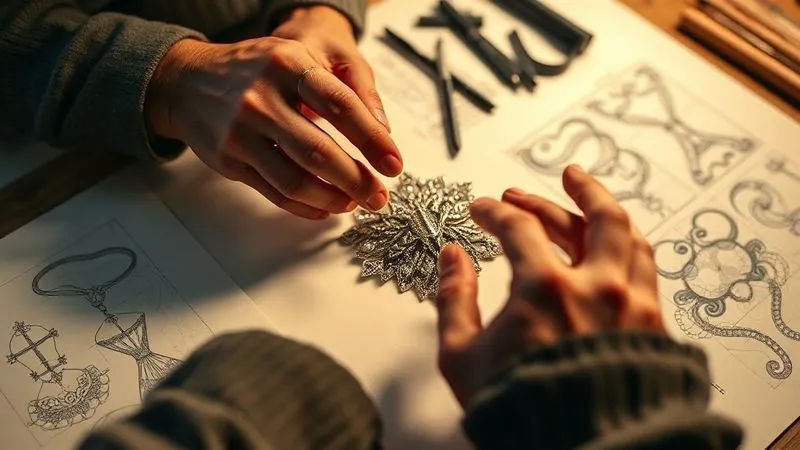
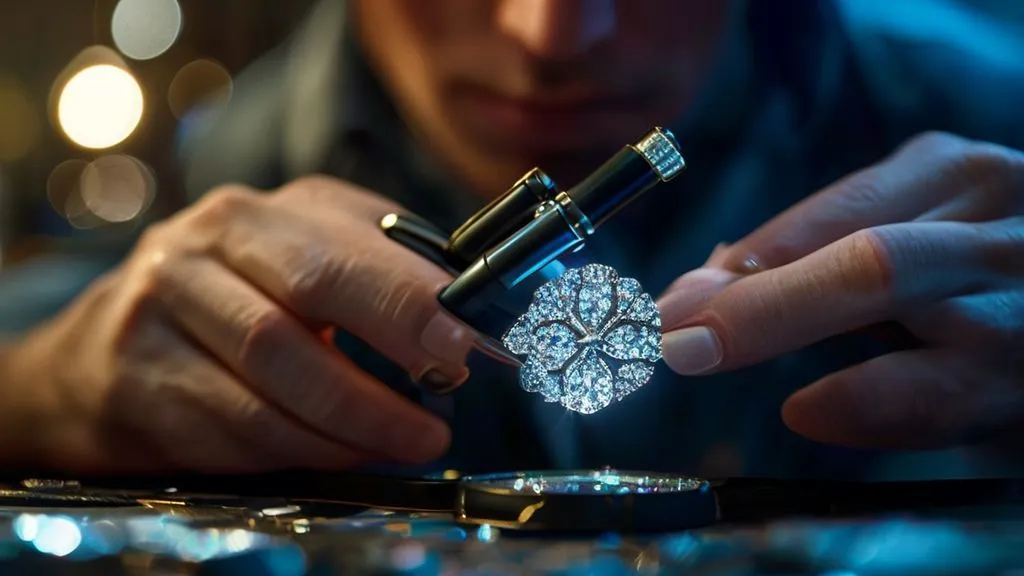
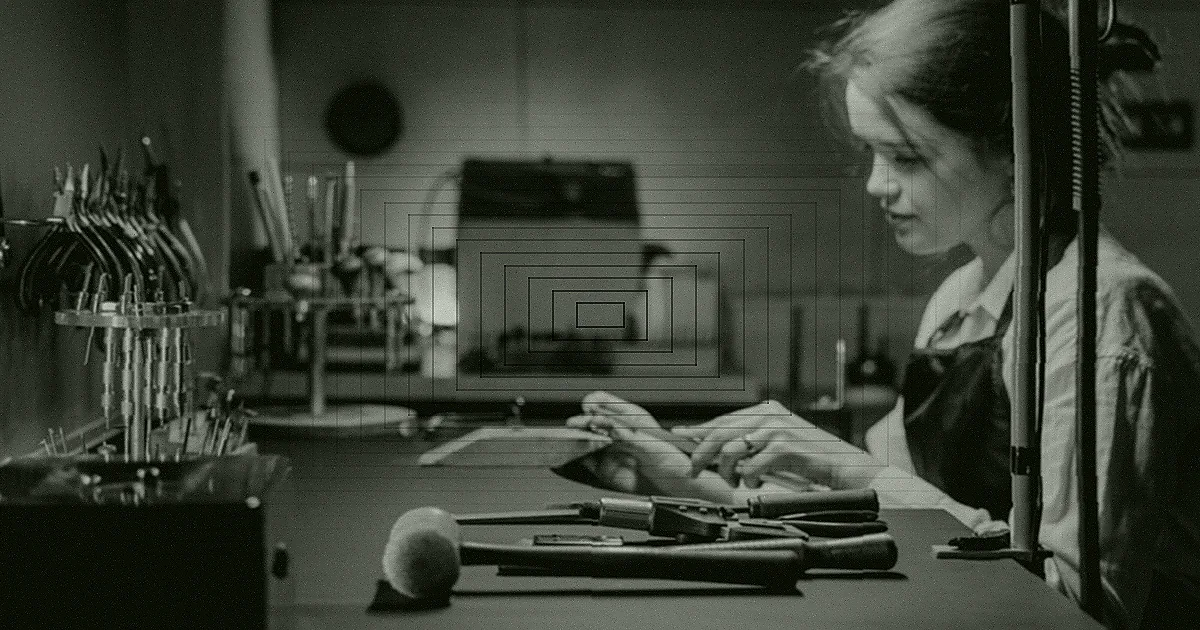
Show, don't just tell. Documenting your creative process through photos, videos, or even detailed sketches can be incredibly powerful. This transparency reveals the skill, dedication, and intellectual rigor behind each piece, justifying its artistic value and often its price point. It’s like inviting buyers into your studio, allowing them to witness the transformation of raw materials into art.
Material Innovation and Technique Explanations
If you're using unusual materials or groundbreaking techniques, explain them! Is that piece made from bio-resin? Explain its sustainability. Is it 3D-printed? Talk about the digital craftsmanship. This education not only validates the piece but also positions you as an innovator and expert in your field. It turns potential questions into fascinating insights.
- Craft Engaging Artist Statements: More than just a bio, your statement should articulate your philosophy, influences, and the specific intentions behind your wearable art.
- Provide Detailed Material & Technique Cards: For each piece, include a card or digital display explaining the materials, techniques, and any special care instructions. This builds trust and shows professionalism.
- Offer Workshops or Demonstrations: If feasible, host short online or in-person sessions where you demonstrate a unique technique or discuss your design philosophy. This direct engagement is invaluable for building understanding and community.
According to a study published in the Harvard Business Review, customers are more likely to purchase from brands that provide transparent and educational content, especially for complex or innovative products. This principle applies directly to wearable art.
Strategy 3: Curated Presentation – Creating an Immersive Experience
The way your wearable art is presented can profoundly influence a buyer's perception. For unconventional pieces, a standard jewelry display often falls short. You need to create an environment, whether physical or digital, that elevates the art, provides context, and invites contemplation rather than just quick appraisal. This is where your expertise in visual storytelling comes into play.
Professional Photography and Videography
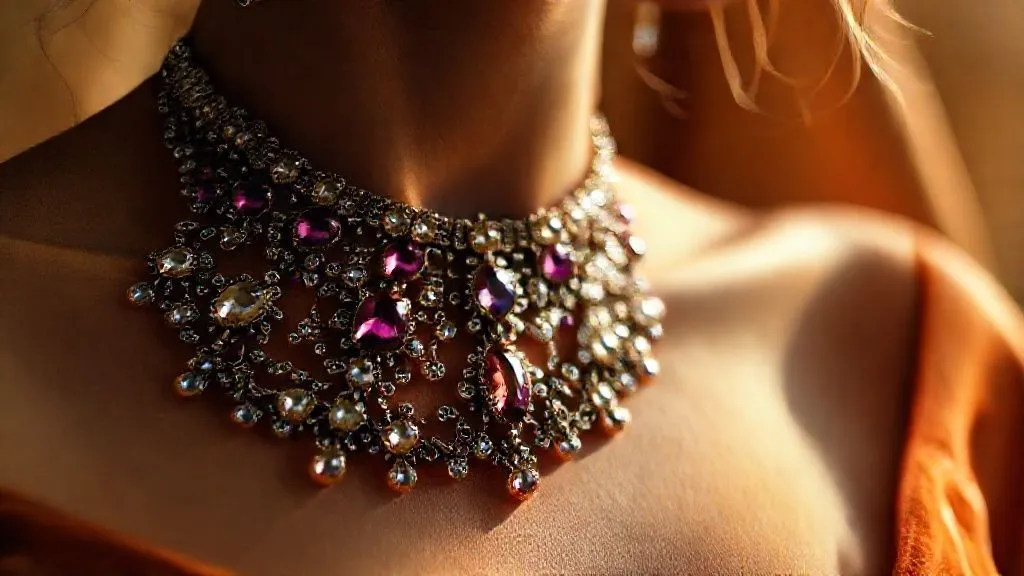
High-quality visuals are non-negotiable. For unconventional pieces, this means not just clear product shots, but also editorial-style photography that shows the piece being worn, styled in different contexts, and interacting with light and movement. Video can be even more impactful, allowing viewers to appreciate the dimensionality, texture, and 'wearability' in motion. Think of it as creating a mini fashion editorial for each significant piece.
Thoughtful Display and Styling
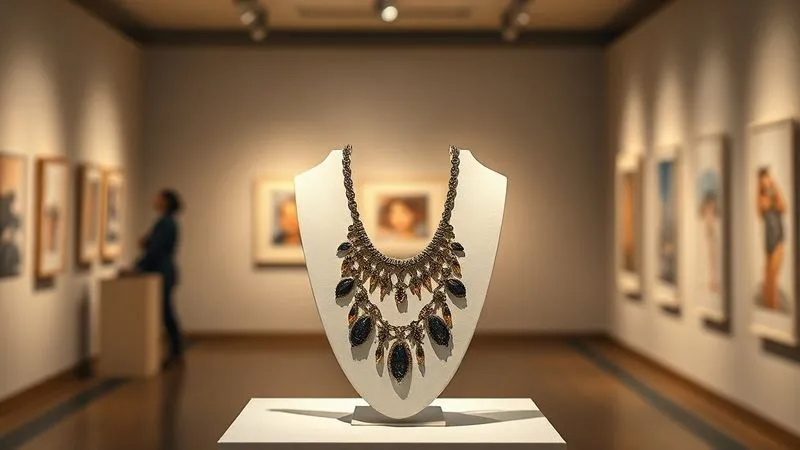
Whether in a gallery, at a market, or on your website, the display should complement and enhance the art. Use minimalist backdrops that don't compete with the piece. Consider custom stands or mannequins that highlight the unique form. For online presentations, pair your jewelry with curated outfits or settings that suggest how it can be integrated into a discerning wardrobe, alleviating wearability concerns.
Case Study: 'Ethereal Forms' Gallery's Immersive Displays
I recall a client, 'Ethereal Forms' Gallery, which specialized in avant-garde jewelry. They faced significant buyer skepticism for pieces that were more sculptural than decorative. Instead of traditional velvet busts, they invested in custom-designed, translucent acrylic stands that seemed to make the jewelry float, illuminated by subtle, directional lighting. Each piece was accompanied by a QR code linking to a short video of the artist discussing the inspiration and process, often followed by a model gracefully wearing the piece in a relevant setting. This immersive approach transformed their sales, moving from 'what is this?' to 'I understand and desire this unique statement.'
Strategy 4: Building Trust Through Transparency and Authenticity
In a world saturated with mass-produced goods, authenticity is a rare and highly valued commodity. For unconventional wearable art, where the artist's hand and vision are central, transparency about your process, materials, and values can forge an unbreakable bond of trust with potential buyers. This trust is essential for overcoming skepticism about value, quality, and ethical considerations.
Ethical Sourcing and Sustainability
Many buyers of unique art are also environmentally and socially conscious. If your unconventional materials are ethically sourced, recycled, or sustainable, make this a cornerstone of your brand message. Clearly communicate your commitment to responsible practices. This not only builds trust but also aligns your brand with the values of a growing segment of the market, transforming a potential question into a powerful selling point.
Artist's Journey and Personal Brand
Your personal story, your journey as an artist, and your creative philosophy are integral to your brand. Share them. Authenticity means being genuine about who you are, what drives your art, and the passion you pour into each piece. This human connection makes your art more approachable and relatable, even if the pieces themselves are abstract or challenging. It allows buyers to invest not just in a piece of jewelry, but in the artist behind it.
"Authenticity is not a marketing tactic; it's the bedrock of a sustainable artistic career. When you are genuinely transparent about your process and values, you attract collectors who resonate with your true self, building a community, not just a customer base." - Industry Specialist Insight
By being open and genuine, you cultivate a sense of reliability and integrity, crucial components for fostering long-term relationships with collectors. This trust factor is often the deciding element when a buyer is on the fence about an unconventional piece.
For further insights into ethical practices in the industry, I recommend exploring resources like Forbes' articles on sustainable luxury.
Strategy 5: Strategic Collaborations and Endorsements
Sometimes, the best way to overcome skepticism is to leverage the credibility and audience of others. Strategic collaborations and endorsements can introduce your unconventional wearable art to new, receptive audiences and provide external validation that builds immediate trust. This is particularly effective when your work is pushing boundaries, as it benefits from being presented within a recognized, trusted framework.
Partnering with Galleries and Curators
Displaying your work in reputable art galleries, museums, or curated exhibitions instantly lends it significant credibility. These institutions act as gatekeepers, having already vetted your work for artistic merit and quality. A curator's endorsement can transform a hesitant buyer into an eager collector, as they trust the institution's judgment. Seek out galleries that have a history of showcasing innovative or avant-garde art.
Influencer Marketing and Styled Shoots
Collaborate with fashion stylists, photographers, or micro-influencers who have an aesthetic that aligns with your brand. When your unconventional jewelry is featured in high-quality editorial shoots or worn by individuals whose style is admired, it provides social proof and demonstrates wearability. This shows potential buyers how your pieces can be integrated into a sophisticated wardrobe, making them feel less 'alien' and more aspirational.
- Benefits of Collaboration:
- Expanded reach to new, targeted audiences.
- Instant credibility through association with trusted entities.
- Professional styling and photography for your portfolio.
- Opportunities for cross-promotion and shared marketing efforts.
- Validation from experts and tastemakers.
Consider the different types of collaborations and their unique benefits:
| Collaboration Type | Primary Benefit | Impact on Skepticism |
|---|---|---|
| Art Gallery Exhibition | Institutional Credibility, Curated Audience | High, validates artistic merit |
| Fashion Editorial/Stylist | Visual Context, Wearability Proof | Medium-High, shows practical application |
| Museum Gift Shop | Broad Public Exposure, Educational Context | Medium, implies cultural significance |
| Boutique Retail Partnership | Direct Sales, Local Community Access | Medium, store's reputation transfers |
Strategy 6: Offering Experiential Engagement – Beyond the Sale
In my journey, I've observed that the most successful artists don't just sell objects; they sell experiences. For unconventional wearable art, where the story and the connection are paramount, creating opportunities for buyers to engage with your work and your process in a meaningful way can dissolve skepticism and build lasting loyalty. This moves beyond passive viewing to active participation and deeper understanding.
Private Viewings and Studio Tours
Invite serious collectors or interested individuals for private viewings or, even better, a studio tour. Witnessing the creative environment, seeing works in progress, and having a direct conversation with you about your inspirations and techniques can be profoundly transformative. It demystifies the art, builds a personal connection, and allows them to appreciate the craftsmanship and vision in an intimate setting. This is especially impactful for high-value, unique pieces.
Customization and Commission Opportunities
Offering bespoke commissions or customization options can be an excellent way to engage buyers. It allows them to participate in the creative process, tailoring an unconventional piece to their personal style or specific needs. This sense of ownership and co-creation significantly reduces skepticism, as the final piece is a direct reflection of their input, making it perfectly 'wearable' and personally valuable to them.
- Host Exclusive Preview Events: Before a public launch, invite a select group of potential collectors for an intimate preview. Offer refreshments and a personal introduction to the collection.
- Provide Personalized Consultations: Offer one-on-one virtual or in-person consultations where you discuss their style, preferences, and how your art can complement their existing collection.
- Document the Commission Process: If offering commissions, provide regular updates (photos, videos) to the client, making them feel involved and excited about the journey from concept to creation.
These direct, immersive experiences help buyers overcome any apprehension by fostering a sense of involvement and understanding, turning them into advocates for your unique vision.

Strategy 7: Pricing for Perceived Value, Not Just Materials
Perhaps one of the trickiest aspects of selling unconventional wearable art is pricing. Buyers often anchor their value perception to material cost, which for unique, non-precious materials can be misleadingly low. As an expert, I've learned that you must shift the buyer's focus from mere material worth to the holistic perceived value of your art – encompassing concept, craftsmanship, uniqueness, and artistic investment.
Communicating Craftsmanship and Uniqueness
Your pricing must reflect the hours of conceptualization, design, experimentation, and meticulous execution. This is where your storytelling and educational efforts from earlier strategies converge. Explain the complexity of your techniques, the rarity of your vision, and the sheer effort involved. Each piece is a unique artifact, a labor of love that cannot be replicated by machine or mass production. This inherent uniqueness justifies a premium price.
The Investment Perspective
Position your wearable art not just as an adornment, but as an investment in a piece of cultural expression and an emerging artist's career. Highlight any accolades, exhibitions, or critical recognition your work has received. For serious collectors, the potential for an artist's work to appreciate in value is a significant motivator. Even if it's a newer artist, emphasizing the 'collectible' nature of the work can elevate its perceived worth.
As Seth Godin, a renowned marketing guru, often emphasizes, "People do not buy goods and services. They buy relations, stories, and magic." Your pricing should reflect the magic you create, not just the raw components.
To deepen your understanding of value perception in luxury markets, I recommend exploring articles from reputable sources like McKinsey & Company on luxury consumer behavior.
Frequently Asked Questions (FAQ)
How do I price a piece that uses unconventional materials with low intrinsic value? Focus on the intellectual property, the artistic vision, the time invested, and the uniqueness of the design. Detach the price from the material cost and anchor it to the conceptual value, craftsmanship, and your growing reputation as an artist. Consider a tiered pricing structure that reflects complexity, size, and the story behind each piece. Clearly articulate the 'why' behind your pricing, emphasizing the non-material value.
Is social media effective for selling wearable art jewelry? If so, what platforms? Absolutely! Social media is incredibly effective, especially for visual arts. Instagram and Pinterest are paramount due to their visual nature. Use high-quality imagery and video, consistent branding, and compelling storytelling. TikTok is emerging for short, engaging process videos. LinkedIn can be surprisingly effective for connecting with curators, gallerists, and high-net-worth collectors. Focus on building a community, not just broadcasting sales messages.
How can I ensure my wearable art is actually "wearable" and not just sculptural? Design with the human body in mind. Consider weight, balance, comfort, and how the piece interacts with movement. Test prototypes on models or yourself. Provide clear styling advice and demonstrate wearability through professional photography and video. While some pieces are purely sculptural, clearly distinguish them from those intended for wear. Transparency about functionality manages buyer expectations.
What's the biggest mistake artists make when selling unconventional jewelry? The biggest mistake is assuming the art speaks for itself. While powerful, unconventional art often requires context, explanation, and a compelling narrative to bridge the gap with an unfamiliar audience. Failing to educate, tell stories, or professionally present your work leaves buyers feeling confused and hesitant, rather than captivated. Never underestimate the power of guiding your audience to understanding.
How long does it typically take to build a collector base for unique art jewelry? Building a dedicated collector base is a marathon, not a sprint. It can take anywhere from 3 to 7 years, or even longer, depending on consistency, market engagement, and networking. It involves continuous creation, consistent marketing, active participation in the art community, and nurturing relationships. Focus on building genuine connections and trust over time, and your collectors will emerge.
Key Takeaways and Final Thoughts
Overcoming buyer skepticism for unconventional wearable art jewelry is less about changing tastes and more about intelligent engagement. As an experienced industry specialist, I've seen firsthand that success hinges on a multi-faceted approach that educates, inspires, and builds unwavering trust.
- Storytelling is Your Superpower: Weave compelling narratives that connect emotionally with your audience.
- Educate Relentlessly: Demystify your process, materials, and unique techniques to build understanding.
- Present with Intent: Curate immersive experiences, both visually and physically, that elevate your art.
- Build Trust Through Authenticity: Be transparent about your values, ethics, and artistic journey.
- Leverage Credibility: Collaborate strategically with galleries, curators, and influencers.
- Offer Experiences: Engage buyers through studio visits, commissions, and personalized consultations.
- Value Your Vision: Price your work based on its artistic merit and uniqueness, not just material cost.
Embrace these strategies not as mere marketing tactics, but as extensions of your artistic practice. Each step is an opportunity to share your vision, connect with appreciative collectors, and ultimately, ensure that your groundbreaking wearable art jewelry finds its rightful place in the world. Your unique voice is valuable; it's time to ensure the world hears it, understands it, and desires it.
Recommended Reading
- 7 Proven Steps to Revive a Fashion Shoot's Lacking Visual Story
- Mastering Skin Tones: 7 Steps to Fix Editorial Inconsistencies
- 5 Essential Travel Accessories to Prevent Professional Attire Wrinkles
- 7 Steps: Confidently Styling Clients with Iconic Eyewear Frames
- 7 Steps: Ethically Sourcing Unique Materials for Bespoke Accessories

Your email address will not be published. Required fields are marked *