

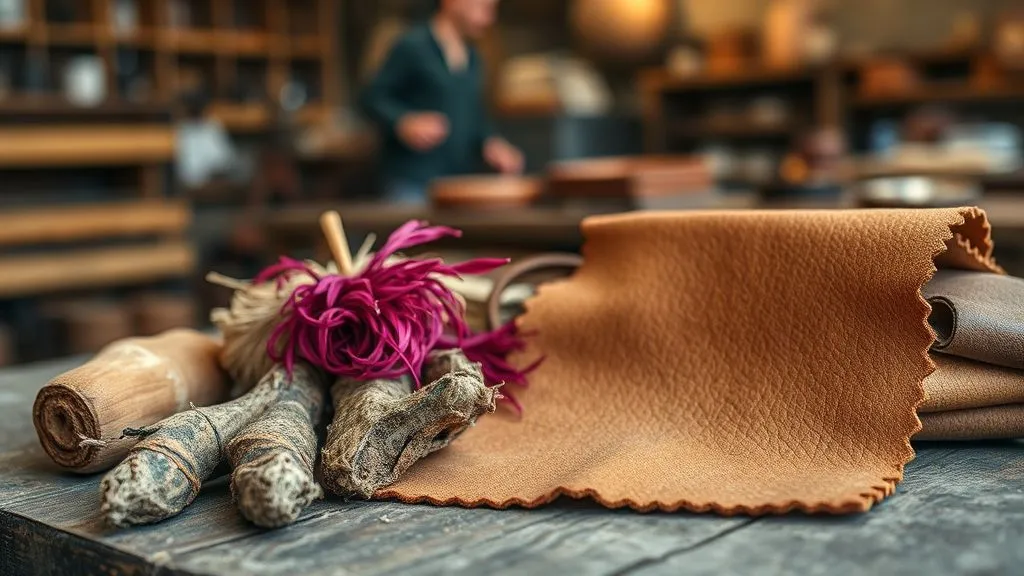
How to source ethically unique materials for bespoke accessories?
For over two decades in the vibrant, often challenging, world of bespoke accessories, I've witnessed a profound shift. What once began as a quest for sheer aesthetic beauty has evolved into a deeper, more resonant pursuit: the search for materials that tell a story, materials that are not only unique but also embody a commitment to ethical practices. I've seen countless emerging designers struggle, caught between the allure of exotic, distinctive components and the nagging conscience of their origins. The market is saturated with mass-produced, often ethically dubious, options, making the path to truly unique and responsibly sourced materials feel like navigating a dense, uncharted forest.
The pain point is palpable: how do you create accessories that stand out, that possess that undeniable bespoke charm, without compromising your values or inadvertently contributing to harmful supply chains? The modern consumer, increasingly informed and socially conscious, demands transparency. They don't just want a beautiful piece; they want to know its journey, its impact, and the hands that brought it to life. This isn't just a trend; it's a fundamental recalibration of what constitutes value in luxury and artisan crafts.
In this comprehensive guide, I'll draw upon my extensive experience to demystify the process. We'll explore actionable frameworks, real-world strategies, and expert insights designed to empower you. You'll learn not just what to look for, but how to build resilient, transparent, and genuinely ethical supply chains for your bespoke accessory brand, ensuring your creations are as morally beautiful as they are aesthetically stunning. Let's embark on this journey to source ethically unique materials for bespoke accessories together.
The Ethical Imperative: Why Sourcing Matters More Than Ever
The landscape of luxury and bespoke craftsmanship has undergone a radical transformation. What was once a niche concern for a select few has become a mainstream expectation: consumers demand ethical integrity. I often tell my mentees that sustainability and ethics are no longer optional add-ons; they are foundational pillars for brand longevity and authenticity. The reputation of a brand can be irrevocably damaged by a single exposé of unethical practices within its supply chain, regardless of how far removed those practices might seem from the final product.
Consider the broader implications: environmental degradation, unfair labor practices, resource depletion, and a loss of traditional artisan skills. When we choose to source ethically, we actively counteract these systemic issues. We support communities, preserve biodiversity, and champion fair wages. This commitment resonates deeply with today's discerning clientele who are willing to invest more in products that align with their values. According to a Deloitte study on sustainable consumer behavior, nearly one-third of consumers have opted for more sustainable brands and products, and this number is steadily climbing.
"In the bespoke world, your materials are not just components; they are storytellers. Ensure their narrative is one of integrity, respect, and positive impact." - Industry Specialist Insight
The challenge, and indeed the opportunity, lies in seeing beyond the immediate transaction. It's about understanding the entire lifecycle of a material, from its raw state to its integration into your exquisite accessory. This holistic perspective is what truly defines an ethical approach, moving beyond mere compliance to genuine commitment. It's about making choices that contribute positively to the planet and its people, ensuring that every piece you create carries a legacy of good.
Deconstructing 'Unique' and 'Ethical': A Framework for Clarity
Before we delve into the 'how,' it's crucial to establish a shared understanding of what 'unique' and 'ethical' truly mean in the context of materials for bespoke accessories. These terms are often used broadly, sometimes even vaguely, which can lead to confusion and missteps in sourcing. My approach is always to break down complex concepts into actionable components.
Defining Uniqueness in Materials
Uniqueness isn't just about scarcity; it's about distinction, character, and often, a compelling origin story. When I speak of unique materials, I'm referring to elements that set your accessories apart from the mass market. This could manifest in several ways:
- Rarity: Materials found in limited quantities or specific geographic locations.
- Artisan Craftsmanship: Components that have been hand-processed, dyed, or embellished by skilled artisans using traditional techniques, making each piece slightly different.
- Natural Irregularities: The inherent variations in natural materials like wood grain, stone patterns, or shell iridescence that ensure no two pieces are identical.
- Innovative Composites: Newly developed, often sustainable, materials that offer novel textures, properties, or visual effects.
- Upcycled/Repurposed: Materials given a second life, carrying a history and unique aesthetic derived from their previous form.
Understanding Ethical Sourcing Pillars
Ethical sourcing, in my view, rests on several non-negotiable pillars. It's not just about avoiding harm, but actively contributing to good. These are the aspects I scrutinize when evaluating a potential material supplier:
- Fair Labor Practices: Ensuring workers are paid living wages, work in safe conditions, and are free from exploitation, child labor, or forced labor. This includes transparent supply chains where all stages of production are accountable.
- Environmental Stewardship: Materials sourced with minimal ecological impact, promoting biodiversity, responsible resource management, and reducing waste, pollution, and carbon footprint.
- Community Benefit: Sourcing that actively supports and empowers local communities, often through fair trade initiatives, skill development, and equitable partnerships.
- Animal Welfare: For animal-derived materials, ensuring humane treatment, responsible farming, and adherence to strict welfare standards.
- Transparency and Traceability: The ability to track a material's journey from its origin to your workshop, providing verifiable information about its ethical and environmental credentials. This is paramount for building trust.
Understanding these definitions provides a robust framework as you embark on how to source ethically unique materials for bespoke accessories, allowing you to evaluate potential options with precision and integrity. For more on ethical supply chain practices, I recommend exploring resources from organizations like Fairtrade International.
Step 1: The Deep Dive into Your Brand's Values and Story
Before you even begin searching for materials, you must look inward. This might sound counterintuitive, but in my experience, the most successful bespoke accessory brands are those with a crystal-clear understanding of their own identity and purpose. Your materials should be an extension of your brand's narrative, not just aesthetically, but ethically. This initial step is about defining your "why" and "what" before tackling the "how" to source ethically unique materials for bespoke accessories.
I often guide designers through a structured self-assessment to uncover these core values. It's a foundational exercise that saves immense time and prevents costly misalignments later on. Ask yourself these critical questions:
- What is the core ethos of my brand? Is it minimalist elegance, bold innovation, rustic charm, or avant-garde artistry?
- What specific ethical commitments am I willing to uphold? Is it fair trade, vegan, zero-waste, supporting indigenous communities, or a combination? Prioritize them.
- What story do I want my accessories to tell? Does it speak of heritage, innovation, environmental consciousness, or empowerment?
- Who is my ideal customer? What values do they cherish? How do they perceive ethical consumption?
- What is my budget framework for ethically unique materials? While ethical sourcing can sometimes have a higher upfront cost, it often yields greater long-term brand value and customer loyalty.
By answering these questions with brutal honesty, you create a powerful filter for your sourcing journey. This clarity becomes your compass, guiding you towards materials and suppliers that genuinely resonate with your brand's soul. It's about authenticity from the ground up, ensuring that when customers engage with your product, they're also engaging with a story that genuinely matters to you.

Step 2: Navigating the Global Landscape for Niche Suppliers
Once your brand values are firmly established, the real treasure hunt begins: finding those elusive, ethically unique materials. This requires moving beyond conventional wholesale markets and delving into specialized channels. I've found that the most rewarding discoveries often come from unexpected places, built on relationships and meticulous research.
Online Platforms and Directories
The digital age has opened up incredible avenues for connecting with niche suppliers globally. However, discernment is key. Look for platforms dedicated to sustainable or artisan crafts, rather than generic marketplaces. Some examples include:
- Specialized B2B Marketplaces: Websites like Common Objective or Material ConneXion (subscription-based) often list suppliers with strong ethical credentials and innovative materials.
- Ethical Sourcing Directories: Organizations like the Ethical Fashion Initiative or local artisan federations often maintain lists of vetted suppliers.
- Social Media & Forums: Believe it or not, dedicated Facebook groups, Instagram communities, and Reddit forums for sustainable fashion or craft can be goldmines for recommendations and direct connections with small-batch producers.
Trade Shows and Artisan Fairs
There's no substitute for seeing and touching materials firsthand, and engaging directly with their creators. International trade shows focused on sustainable materials (e.g., Première Vision's 'Smart Creation' area) or local artisan markets can offer unparalleled opportunities.
- Benefits: You can assess material quality, discuss ethical practices directly with producers, and establish personal relationships, which are invaluable for bespoke work.
- Tips: Prepare a list of targeted questions about sourcing, production, labor, and environmental impact. Collect samples and contact information diligently.
Direct Relationships and Community Networks
Some of the most unique and ethical materials come from direct relationships with indigenous communities, small-scale farmers, or independent artisans. This often involves a deeper level of engagement and commitment.
- Building Trust: This approach requires patience, respect, and a willingness to understand cultural contexts. It's about partnership, not just procurement.
- Local Sourcing: Don't overlook the potential for unique materials in your own region – from reclaimed wood to local plant fibers or upcycled industrial waste.
To help organize your search, I recommend a structured approach for comparing potential suppliers:
| Supplier Name | Material Type | Ethical Certifications | Uniqueness Factor | Minimum Order Quantity | Price per Unit | Lead Time |
|---|---|---|---|---|---|---|
| Eco-Textiles Co. | Organic Cotton, Hemp | GOTS, Fair Trade | Hand-dyed, custom weaves | 50 meters | $15/meter | 4-6 weeks |
| Artisan Leather Works | Vegetable-Tanned Leather | LWG (Silver) | Custom embossing, unique finishes | 10 hides | $80/hide | 6-8 weeks |
| Reclaimed Wood Jewels | Upcycled exotic wood | N/A (verified provenance) | Each piece unique grain, history | 100 pieces | $5/piece | 2-3 weeks |
| Bio-Fiber Innovations | Pineapple Leaf Fiber (Piñatex) | PETA-Approved Vegan | Sustainable, innovative leather alternative | 20 meters | $30/meter | 3-5 weeks |
Step 3: Due Diligence – Verifying Ethical Claims and Traceability
This is arguably the most critical step in learning how to source ethically unique materials for bespoke accessories. In an era of "greenwashing," merely accepting a supplier's ethical claims at face value is a perilous path. My mantra here is: "Trust, but verify." True ethical sourcing demands rigorous due diligence and a commitment to transparency.
Asking the Right Questions
When engaging with potential suppliers, your questions should be pointed and specific. Don't be afraid to delve deep. I always advise asking:
- "Can you provide detailed information about your raw material origins?"
- "What labor standards do you adhere to, and how are they monitored?"
- "What environmental impact assessments do you conduct, and what are your efforts to minimize your footprint?"
- "Do you work directly with communities, and how do you ensure fair compensation and community benefit?"
- "Are your facilities open to audits or site visits?" (Though this may not always be feasible for small-batch artisans, it's a good indicator of transparency).
Certifications vs. Transparent Supply Chains
While certifications (e.g., GOTS for organic textiles, Fair Trade, Responsible Jewellery Council) can be valuable indicators, they are not the be-all and end-all. Some small, truly ethical producers may not have the resources for expensive certifications. In such cases, a transparent supply chain, supported by documentation, direct communication, and a strong track record, can be equally, if not more, compelling.
Case Study: How Lumina Designs Built a Transparent Supply Chain
Lumina Designs, a small bespoke jewelry brand, faced challenges in sourcing ethically unique gemstones. Their initial suppliers offered certifications, but Lumina's founder, Anya, felt a disconnect. She decided to go directly to the source. After extensive research, she partnered with a cooperative of artisanal miners in Sri Lanka. Anya personally visited their operations, observed their working conditions, verified their fair wage practices, and understood their environmental rehabilitation efforts. She documented the entire process, creating a digital "birth certificate" for each gemstone. This direct relationship not only guaranteed ethical provenance but also allowed Lumina Designs to tell a compelling, verifiable story, significantly boosting their brand's authenticity and customer trust, even without traditional certifications. This resulted in a 40% increase in customer engagement and a premium pricing model justified by their unparalleled transparency.
This direct engagement and verification are what build genuine trust – not just for you, but for your customers. It's about forging relationships based on shared values and mutual respect. For further reading on supply chain transparency, I recommend resources from organizations like UN Global Compact.

Step 4: Embracing Innovation – Upcycling, Recycling, and Regenerative Materials
The pursuit of unique and ethical materials doesn't always mean discovering new raw resources; sometimes, it means reimagining what's already available or exploring groundbreaking alternatives. This is where innovation truly shines, offering incredible potential for distinctive bespoke accessories while simultaneously reducing environmental impact. I've seen some of the most captivating designs emerge from this forward-thinking approach.
The Power of Upcycling and Repurposing
Upcycling is the process of transforming discarded materials into products of higher value. For bespoke accessories, this opens a world of creative possibilities. Think about:
- Vintage Components: Old jewelry pieces, antique buttons, forgotten textiles, or even industrial scraps can be deconstructed and reassembled into entirely new, one-of-a-kind accessories.
- Textile Waste: Offcuts from garment production, discarded denim, or even industrial felts can be transformed into unique accessory elements like straps, embellishments, or structural components.
- Natural Finds: Responsibly collected driftwood, fallen leaves, seeds, or even naturally shed animal materials (like antlers or feathers, if ethically verifiable) can be treated and incorporated.
The beauty of upcycling lies in the inherent uniqueness of each salvaged piece, ensuring your accessories are truly individual and carry a compelling narrative of transformation. It's a powerful statement against disposability.
Exploring Bio-Materials and Lab-Grown Alternatives
Beyond traditional materials, a new frontier of ethical sourcing is emerging with bio-materials and lab-grown options. These innovative materials offer solutions to resource scarcity and animal welfare concerns:
- Plant-Based Leathers: Materials derived from pineapple leaves (Piñatex), mushrooms (Mylo), apple peels, or even cactus offer durable, aesthetically pleasing, and vegan alternatives to traditional leather.
- Lab-Grown Gemstones: While natural gemstones can be ethically sourced, lab-grown diamonds and other precious stones offer a conflict-free, environmentally controlled alternative that is chemically and physically identical to their mined counterparts.
- Recycled Metals: Sourcing gold, silver, and other precious metals from recycled sources significantly reduces the environmental impact associated with mining.
"Innovation in materials isn't just about what's new; it's about what's next for ethical responsibility and creative possibility. Embrace the future without sacrificing integrity." - Industry Specialist Insight
By exploring these innovative avenues, you not only differentiate your bespoke accessories but also position your brand at the forefront of sustainable design, appealing to a growing segment of environmentally conscious consumers. For more insights into circular economy principles and material innovation, I highly recommend resources from the Ellen MacArthur Foundation.
Step 5: Building Long-Term, Mutually Beneficial Partnerships
Sourcing ethically unique materials for bespoke accessories isn't a transactional process; it's about building enduring relationships. In my experience, the most resilient and ethical supply chains are founded on trust, respect, and mutual benefit. Think of your suppliers not just as vendors, but as collaborators and partners in your brand's mission.
Fair Compensation and Collaboration
A cornerstone of ethical partnership is fair compensation. This goes beyond simply paying market rates; it means ensuring your suppliers, particularly small-scale artisans or community cooperatives, receive a living wage and equitable terms. This might involve:
- Advance Payments: Helping smaller producers manage cash flow and invest in their operations.
- Long-Term Contracts: Providing stability and predictable income, allowing them to plan for the future.
- Collaborative Design: Engaging artisans in the design process, valuing their traditional knowledge and creative input, which often leads to truly unique outcomes.
When you invest in your suppliers, they become invested in your success. This fosters loyalty, ensures consistent quality, and often grants you access to their most unique and innovative materials.
Supporting Local Communities
Prioritizing suppliers who directly support and empower their local communities amplifies your ethical impact. This could involve:
- Community-Based Enterprises: Partnering with co-operatives or social enterprises that reinvest profits into local development, education, or healthcare.
- Preserving Traditional Crafts: By commissioning work from artisans who use ancestral techniques, you contribute to the preservation of cultural heritage and valuable skills that might otherwise be lost.
- Environmental Conservation: Many indigenous communities are stewards of their local ecosystems. Sourcing from them can directly support their conservation efforts.
These partnerships create a virtuous cycle: your brand gains access to unparalleled materials and a powerful story, while your partners gain economic stability and a platform for their craft. It's a truly symbiotic relationship that elevates everyone involved. The key is to communicate openly, respect cultural differences, and commit to genuine, long-term engagement.

Step 6: The Art of Material Storytelling and Consumer Education
You've meticulously sourced ethically unique materials for bespoke accessories, verified their provenance, and built strong partnerships. Now, it's time to share that incredible journey with your customers. In my experience, this is where a brand truly differentiates itself and builds a loyal following. Your materials are not just components; they are protagonists in a compelling narrative.
Effective material storytelling goes beyond a simple product description. It educates, inspires, and connects customers emotionally to your brand and its values. Consider incorporating these elements:
- The Origin Story: Where does the material come from? Who harvested or crafted it? What makes its journey unique?
- The Ethical Journey: Detail the fair labor practices, environmental stewardship, or community benefits associated with its sourcing. Be transparent and specific.
- The Craftsmanship: Highlight the traditional techniques, innovative processes, or artisan skills involved in transforming the raw material.
- The Impact: Explain the positive ripple effect your sourcing choices have on people and the planet. Quantify it if possible (e.g., "supporting X number of artisan families," "saving Y amount of waste").
- Visuals: Use high-quality photography and video to show the materials in their raw form, the hands that work with them, and the environments they come from.
Educating your consumer isn't about lecturing; it's about inviting them into your brand's world and empowering them to make informed choices. This builds trust and allows them to feel a deeper connection to the accessory they purchase. A well-told material story transforms a purchase into a meaningful investment, reinforcing the value proposition of your bespoke creations.
Step 7: Continuous Improvement and Adaptability
The journey of how to source ethically unique materials for bespoke accessories is not a static one; it's a dynamic, ongoing process of learning, adapting, and refining. The ethical landscape, material innovations, and consumer expectations are constantly evolving. As an expert in this field, I stress the importance of a commitment to continuous improvement.
Your initial sourcing strategy, while well-researched, will inevitably encounter new challenges and opportunities. Here’s how to foster a culture of adaptability within your brand:
- Stay Informed: Regularly read industry reports, attend webinars, and engage with ethical sourcing organizations. New certifications, sustainable materials, and best practices emerge constantly.
- Solicit Feedback: Maintain open communication with your suppliers. Ask them about their challenges, successes, and any new initiatives they are undertaking. Their insights are invaluable.
- Review and Audit: Periodically review your sourcing practices. Are there areas where you can improve your ethical impact? Can you find even more unique or sustainable alternatives? Consider internal or third-party audits of your supply chain, if feasible.
- Be Transparent Internally and Externally: Share your progress, challenges, and goals with your team and your customers. This builds authenticity and encourages collective problem-solving.
- Embrace Iteration: Don't be afraid to pivot if a material or supplier no longer aligns with your evolving ethical standards or brand vision. Growth often requires change.
The goal isn't perfection from day one, but rather a steadfast commitment to doing better, learning more, and continually striving for the highest ethical and creative standards. This iterative approach ensures your bespoke accessory brand remains relevant, responsible, and truly exceptional in the long run.

Frequently Asked Questions (FAQ)
Q: Is ethical sourcing always more expensive? A: Not necessarily. While some ethically sourced materials may have a higher upfront cost due to fair wages or sustainable practices, the long-term value often outweighs this. It builds brand reputation, attracts discerning customers willing to pay a premium, and can lead to more stable supply chains. Furthermore, exploring upcycled or innovative bio-materials can sometimes offer cost-effective and unique solutions. It's an investment in your brand's integrity and future.
Q: How can a small, independent designer compete with larger brands on ethical sourcing? A: Small designers actually have an advantage! Their agility allows for direct relationships with small-batch artisans and niche suppliers, which larger brands often struggle with due to scale. Focus on transparency, storytelling, and building personal connections with both suppliers and customers. Your authenticity and direct engagement can be your strongest competitive differentiators. Start small, build strong partnerships, and let your values shine through every piece.
Q: What are the biggest red flags to look for when evaluating a new supplier's ethical claims? A: Key red flags include a lack of transparency about origins or production processes, vague answers to specific questions about labor or environmental practices, unusually low prices compared to industry standards for similar materials, unwillingness to provide documentation or references, and an absence of any third-party certifications or independent verifications if they claim high ethical standards. Always trust your gut and demand clear, verifiable information.
Q: How do I ensure animal-derived materials (like leather or feathers) are ethically sourced? A: For animal-derived materials, seek suppliers who can provide detailed traceability, preferably from farms with certified humane treatment practices (e.g., Leather Working Group for leather). For feathers, ensure they are naturally shed or a byproduct of the meat industry, never plucked from live birds, and legally sourced. Vegan alternatives are also an excellent ethical choice. Always prioritize transparency and verified ethical standards over purely aesthetic appeal.
Q: What if I can't find a certified ethical source for a specific unique material I need? A: If certifications aren't available, focus on building direct relationships and conducting your own rigorous due diligence. Ask for evidence of fair labor practices, environmental impact, and community engagement. Consider visiting the source if feasible. If direct verification is still impossible, you might need to reconsider the material or explore innovative alternatives that align better with your ethical framework. Sometimes, a unique aesthetic isn't worth a compromise on core values.
Key Takeaways and Final Thoughts
Navigating how to source ethically unique materials for bespoke accessories is a journey that demands dedication, discernment, and a deep commitment to your brand's values. It's a path I've walked for years, and I can assure you, the rewards—in terms of brand integrity, customer loyalty, and personal satisfaction—are immeasurable. Remember these critical takeaways:
- Define Your Values First: Your brand's ethical compass is your most powerful sourcing tool.
- Go Beyond the Obvious: Explore niche platforms, artisan fairs, and direct community partnerships.
- Verify, Verify, Verify: Don't just accept claims; demand transparency and traceability.
- Embrace Innovation: Upcycling, recycling, and bio-materials offer unique and sustainable solutions.
- Build Relationships: Foster long-term, mutually beneficial partnerships with your suppliers.
- Tell Your Story: Educate your customers about the ethical journey of your materials.
- Commit to Evolution: The ethical landscape is dynamic; commit to continuous learning and improvement.
The creation of bespoke accessories is an art form, and the materials you choose are its very soul. By consciously and ethically sourcing these unique elements, you're not just crafting beautiful objects; you're weaving a narrative of responsibility, respect, and positive impact. Your choices reverberate far beyond your workshop, contributing to a more sustainable and equitable world. Embrace this challenge, and let your bespoke creations be a testament to both exquisite design and unwavering integrity. The future of fashion accessories is ethical, unique, and in your hands.
Recommended Reading
- Mastering Menswear: 7 Ways to Blend Classic Style & Modern Trends
- 7 Ways to Balance Aesthetic & Ergonomics in Contemporary Sandals
- Dazzle on Your Day: Choosing the Best Jewelry for Strapless Dresses
- 7 Proven Strategies to Differentiate Your Bridal Brand in a Saturated Market
- 7 Savvy Ways to Update Classic Accessories Without Looking Outdated



Your email address will not be published. Required fields are marked *