


How to develop sustainable, high-performance functional textiles?
In my fifteen years navigating the intricate world of textile innovation, I've witnessed a profound shift. The question is no longer *if* we can create textiles that are both high-performing and sustainable, but *how* we strategically integrate these demands from conception to end-of-life. It's not a trade-off; it's an imperative redesign of our entire approach. Developing these advanced textiles requires a multi-faceted strategy, moving beyond superficial greenwashing to embrace genuine, systemic change. It demands a deep understanding of material science, process engineering, and circular economy principles. Here’s how to approach this critical development:-
Holistic Material Selection with Lifecycle Thinking: The foundation of any sustainable, high-performance textile lies in its raw materials. However, a common mistake I see is a narrow focus on "natural" without scrutinizing the entire lifecycle.
- Bio-based & Regenerative Fibers: Explore options like organic cotton, hemp, or flax, but critically assess their cultivation practices and the environmental impact of processing. Look for certified regenerative agriculture practices.
- Recycled Content: Post-consumer recycled polyester (rPET) and regenerated nylon (ECONYL®) are excellent choices, diverting waste from landfills. Always consider the energy and water efficiency of the recycling process itself.
- Innovative Bio-synthetics: Materials such as polylactic acid (PLA) derived from corn starch, or PTT (polytrimethylene terephthalate) from corn sugar, offer performance akin to traditional synthetics with a lower carbon footprint. Mycelium-based leathers and algae-derived fibers are also emerging as game-changers.
- Example: Tencel™ Lyocell, a cellulosic fiber, exemplifies this. It's derived from sustainably managed wood pulp using a closed-loop solvent system that recycles nearly 100% of the water and solvents, significantly reducing its environmental impact while offering exceptional drape and breathability.
-
Sustainable Processing and Manufacturing Innovations: The journey from fiber to fabric is where significant environmental gains – or losses – occur. Even the most sustainable fiber can become problematic if processed unsustainably.
- Water Conservation: Implement low-water dyeing techniques such as digital printing, supercritical CO2 dyeing (which uses no water), or foam dyeing. These can drastically cut water consumption compared to traditional methods.
- Energy Efficiency: Optimize machinery and factory layouts to reduce energy consumption. Integrating renewable energy sources like solar or wind into manufacturing operations is paramount for reducing carbon emissions.
- Chemical Management: Adhere to stringent chemical management protocols, such as the Zero Discharge of Hazardous Chemicals (ZDHC) roadmap or bluesign® criteria. This ensures the elimination of harmful substances from the supply chain.
- Waste Reduction: Embrace lean manufacturing principles to minimize textile waste during cutting and sewing. Explore upcycling or recycling programs for unavoidable production scraps.
- Example: Archroma's "Denim-Ox" process for indigo dyeing has revolutionized denim production, dramatically reducing water usage by up to 92% and eliminating the need for hydrosulfite, a harmful reducing agent.
-
Smart, Durable, and Eco-Conscious Functionalization: Achieving high performance often relies on finishes and treatments. The key is to select functionalizations that are effective, durable, and environmentally benign.
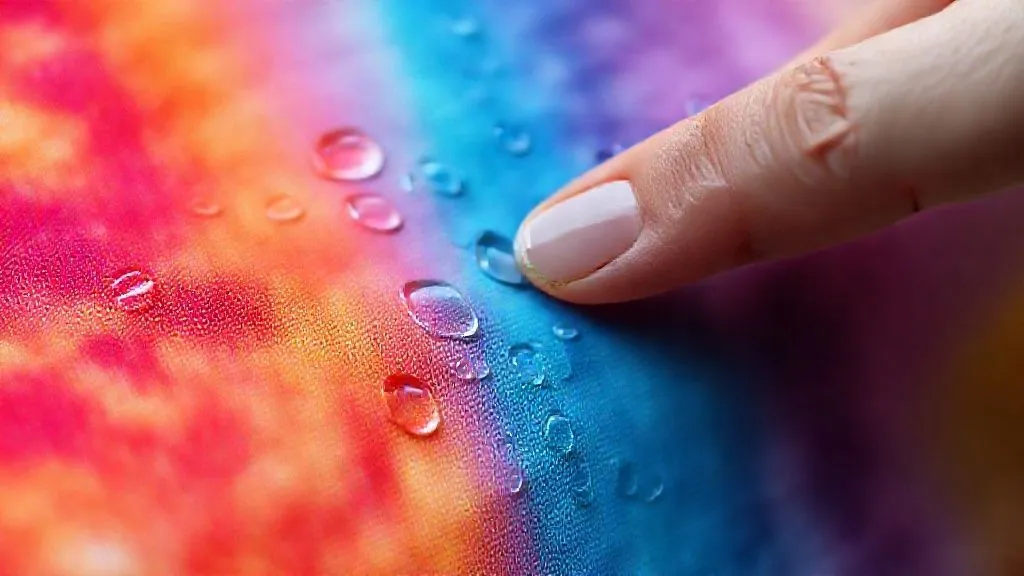
- PFAS-Free Water Repellency: Move away from per- and polyfluoroalkyl substances (PFAS/PFCs) for water repellency, which are persistent in the environment. Instead, opt for newer, bio-based or dendrimer-based DWR (Durable Water Repellent) treatments.
- Sustainable Antimicrobials: For odor control, explore natural alternatives like chitosan, plant extracts, or silver-free encapsulated technologies that don't leach into waterways. Durability is crucial here to prevent early wash-off.
- Thermal Regulation: For phase change materials (PCMs) or other thermal management solutions, prioritize bio-based or microencapsulated options that are non-toxic and integrated durably into the fabric structure.
- Example: HeiQ's Eco Dry, a PFC-free DWR, and their Smart Temp, a bio-based phase change material, demonstrate how performance can be achieved without compromising environmental integrity. The focus should always be on finishes that last the lifetime of the garment.
-
Design for Longevity and Circularity: A truly sustainable textile is one that is designed to last and to be easily repurposed or recycled at its end-of-life. This foresight must begin at the design stage.
- Durability in Design: Beyond material choice, design for robust construction, strong seams, and timeless aesthetics that encourage prolonged use. Emphasize repairability and offer repair services.
- Mono-materiality: Design products using a single type of fiber wherever possible (e.g., 100% polyester or 100% cotton). This significantly simplifies the recycling process, as mixed fibers are notoriously difficult to separate.
- Disassembly & Modularity: Consider how components like zippers, buttons, or trims can be easily removed to facilitate recycling or upcycling of the main textile body.
- End-of-Life Strategy: Plan for the product's next life from the outset. Is it designed to be mechanically recycled back into new fiber, chemically recycled, or even industrially compostable if it's a natural fiber without harmful finishes?
-
Transparency and Certification: Credibility in sustainability comes from verifiable claims and a transparent supply chain. This is where certifications and data play a crucial role.
- Supply Chain Traceability: Implement robust systems to track materials from source to finished product. Technologies like blockchain are emerging to provide immutable records of origin and processing steps.
- Third-Party Certifications: Partner with recognized certification bodies such as Global Organic Textile Standard (GOTS), Oeko-Tex, bluesign®, Cradle to Cradle, or the Higg Index. These provide independent verification of environmental and social performance.
- Data-Driven Decisions: Use Life Cycle Assessment (LCA) tools to quantify environmental impacts at each stage of development. This helps identify hotspots and guides continuous improvement.
In my experience, a common mistake is for companies to focus on one aspect of sustainability, like using organic cotton, while overlooking the dyes, finishes, or end-of-life. True sustainable, high-performance textile development demands a holistic, interconnected view, backed by verifiable data and a commitment to continuous improvement.
This integrated approach is not merely about compliance; it's about pioneering a new standard for textiles that perform exceptionally while honoring our planet. It requires collaboration across the entire value chain, from fiber producers to brands and consumers, to truly unlock the future of functional textiles.
Frequently Asked Questions (FAQ)
In my fifteen years navigating the intricate world of textile innovation, a recurring question I encounter centers on the inherent tension between performance and sustainability. Many believe it's a zero-sum game, but this couldn't be further from the truth.The most significant hurdle in achieving both high performance and sustainability in functional textiles often lies in the historical reliance on fossil-fuel-derived synthetics and resource-intensive processes. For decades, the industry optimized for properties like durability, stretch, and water repellency using materials like virgin polyester and nylon, often paired with chemical finishes that had environmental drawbacks. Shifting away from these established paradigms requires a fundamental rethink of material science and manufacturing.
A common mistake I see is focusing solely on the raw material's origin. While bio-based or recycled inputs are crucial, true sustainability encompasses the entire lifecycle. For instance, a fabric made from recycled content might still require significant water and energy for dyeing and finishing, or it might be blended with other fibers, making end-of-life recycling impossible. The challenge is to optimize for:
- Material Composition: Selecting fibers that offer both desired functionality (e.g., moisture-wicking, insulation) and a reduced environmental footprint (e.g., bio-based, recycled, biodegradable).
- Process Efficiency: Minimizing water, energy, and chemical usage in dyeing, finishing, and manufacturing.
- Circularity Potential: Designing textiles that are durable, repairable, and ultimately recyclable or compostable at their end-of-life.
Consider the evolution of waterproof breathable membranes. Early versions often relied on per- and polyfluoroalkyl substances (PFAS) for their exceptional performance, despite their environmental persistence. The industry's push towards sustainability has led to innovations like PFC-free DWRs and new membrane technologies based on polyurethane or even bio-based polymers, which maintain performance while drastically reducing environmental impact. This isn't just a substitution; it's a complete reimagining of the chemistry involved.
For smaller brands or start-ups, integrating these sustainable, high-performance principles can seem daunting without a massive R&D budget. However, my experience shows that strategic focus and collaborative approaches can yield significant results. You don't always need to reinvent the wheel; sometimes, it's about making smarter choices from existing, validated options.
One effective strategy is to leverage the expertise of established suppliers who have already invested in sustainable innovations. Many yarn producers, fabric mills, and finish providers now offer a wide range of certified, high-performance materials and processes. Look for partners who can provide:
- Certified Materials: Opt for fabrics with certifications like GOTS, OEKO-TEX, Bluesign, or Cradle to Cradle. These certifications provide independent verification of environmental and social responsibility.
- Innovative Finishing Solutions: Explore suppliers offering waterless dyeing techniques, bio-based finishes, or mechanical finishes that achieve desired properties without harsh chemicals.
- Transparency and Traceability: Partner with suppliers who offer clear supply chain information, allowing you to understand the full impact of your chosen materials.
Another powerful approach is to focus on a specific performance attribute or sustainability goal where you can make a tangible difference. Rather than trying to be everything to everyone, excel in one area. For example, a brand might specialize in highly durable, repairable workwear made from organic cotton and natural dyes, emphasizing longevity and circularity over extreme technical performance. Or, a brand might focus on performance activewear using entirely recycled synthetics, prioritizing circular economy principles.
"True innovation for smaller players isn't always about inventing a new material, but about intelligently curating and combining existing sustainable technologies to create a product that stands out both in performance and purpose."
Beyond the selection of eco-friendly materials, the manufacturing processes themselves play a pivotal role in the sustainability profile of functional textiles. In my view, overlooking process innovation is a critical oversight. A high-performance textile made from recycled content can still have a substantial environmental footprint if its dyeing, finishing, or assembly processes are inefficient or pollutive.
Key areas of process innovation that are driving sustainability include:
- Waterless Dyeing Technologies: Methods like supercritical CO2 dyeing eliminate water usage entirely and reduce energy consumption. This is a game-changer, especially for industries historically known for high water consumption and effluent discharge.
- Digital Printing: This method significantly reduces water and dye consumption compared to traditional screen printing, allows for on-demand production, and minimizes waste.
- Bio-based and Mechanical Finishes: Moving away from chemical-intensive water repellents and anti-microbials towards natural waxes, plant-based coatings, or mechanical treatments (like calendering for wind resistance) drastically reduces chemical load.
- Advanced Bonding Techniques: Replacing stitching with ultrasonic welding or laser bonding in certain applications can reduce material waste, simplify construction, and sometimes improve performance (e.g., creating flatter, more durable seams).
- Energy-Efficient Manufacturing: Implementing renewable energy sources, heat recovery systems, and optimized machinery in textile mills drastically cuts down on the carbon footprint of production.
For instance, a company I advised implemented a switch from traditional wet processing to a combination of digital printing and supercritical CO2 dyeing for their performance activewear line. This not only cut their water usage by over 90% but also reduced energy consumption by 30% and significantly lowered chemical waste, all while maintaining the vibrant colors and functional properties their customers expected. This demonstrates that process innovation isn't just about being "less bad"; it's about achieving superior outcomes with dramatically lower impact.
The end-of-life stage is arguably the most critical and challenging aspect of circularity for functional textiles. While we've made strides in sustainable material sourcing and efficient production, ensuring these complex materials can be genuinely recycled or otherwise managed responsibly remains a significant hurdle. In my experience, this is where the industry needs to focus its most intensive R&D efforts now.
Functional textiles are often multi-component products, incorporating different fiber types (e.g., polyester and elastane), membranes, coatings, zippers, and trims. This inherent complexity makes traditional recycling methods, which typically require single-material streams, incredibly difficult. Imagine trying to recycle a waterproof-breathable jacket: it's not just fabric; it's multiple layers laminated together, often with different chemical compositions.
Current challenges and emerging solutions include:
- Material Separation: Developing efficient, scalable technologies to separate blended fibers and multi-layered textiles. This is an active area of research, with technologies like near-infrared (NIR) spectroscopy being explored for automated sorting.
- Chemical Recycling: For synthetic fibers, chemical recycling processes (depolymerization) can break down polymers into their original monomers, which can then be repolymerized into new, virgin-quality fibers. This is particularly promising for polyester and nylon, but scaling these technologies and handling diverse input streams are key challenges.
- Design for Disassembly (DfD): This is a proactive approach where products are designed from the outset with their end-of-life in mind. This might involve using monomaterials, easily removable components, or specific attachment methods that facilitate separation.
- Biodegradable/Compostable Solutions: For certain applications, particularly single-use or short-lifecycle items, truly compostable functional textiles (e.g., made from bio-based polymers like PLA or PHA) offer a viable end-of-life pathway, provided appropriate industrial composting infrastructure exists.
A notable example is the take-back program pioneered by some outdoor brands, where customers can return worn-out garments. While not all are fully recyclable yet, these programs provide valuable data on product end-of-life and feed into DfD initiatives. It's a journey, not a destination, and collaboration across the entire value chain—from designers to waste management—is essential to close the loop effectively.
What are the key certifications for sustainable textiles?
Understanding the landscape of sustainable textile certifications is, in my experience, one of the most critical steps for any brand or manufacturer genuinely committed to environmental and social responsibility. It's not enough to simply claim a product is "eco-friendly"; credible, third-party verification provides the transparency and trust that consumers and industry partners demand.A common mistake I see is brands getting overwhelmed by the sheer number of certifications available. My advice is to approach this strategically, identifying which certifications align best with your product's core sustainability claims and your supply chain's capabilities.
At their core, these certifications act as rigorous auditing frameworks, ensuring that products meet specific environmental and social criteria throughout their lifecycle. They vary significantly in their scope, from focusing purely on organic content to comprehensive assessments of chemical management and worker welfare.
Let's delve into the key certifications that, in my 15 years in this field, have proven to be the most impactful and widely recognized:
-
Global Organic Textile Standard (GOTS): This is often considered the gold standard for organic fibers. GOTS not only certifies that the raw material is organic (e.g., organic cotton, organic wool) but also mandates stringent environmental and social criteria throughout the entire textile supply chain, from fiber harvesting to manufacturing, processing, and labeling. It covers everything from chemical inputs to wastewater treatment and fair labor practices. In my work, I've found that achieving GOTS certification for a product means you've truly committed to holistic sustainability across your value chain.
-
Organic Content Standard (OCS): Unlike GOTS, OCS focuses solely on tracking and verifying the organic content of a product. It provides a chain of custody for organically grown materials, ensuring that the percentage of organic material claimed is accurate. While it doesn't address processing chemicals or social criteria, OCS is an excellent choice for products where the primary claim is the presence of organic fibers, especially in blends where GOTS's full scope might be too complex or not applicable.
-
Global Recycled Standard (GRS): As the industry increasingly shifts towards circularity, GRS has become indispensable. This standard verifies the content of recycled materials in a product – both pre-consumer and post-consumer – and ensures responsible social, environmental, and chemical practices in its production. For high-performance functional textiles, particularly those using recycled polyester or nylon, GRS provides critical credibility. It's not just about the recycled input; it's about how that input is processed responsibly.
-
Recycled Content Standard (RCS): Similar to OCS for organic content, RCS tracks and verifies the percentage of recycled material in a product through the supply chain. It's a simpler version of GRS, focusing purely on the content claim without the comprehensive social and environmental requirements. RCS is a good entry point for brands looking to verify recycled content without the broader scope of GRS.
-
OEKO-TEX® STANDARD 100: This certification is fundamentally different, focusing on human ecological safety. It tests textiles for harmful substances, ensuring the final product is safe for human contact. While it doesn't certify the environmental impact of the production process, it's crucial for consumer trust, especially in next-to-skin garments. A product can be OEKO-TEX® certified even if it's not made from organic or recycled materials, as its core promise is "Confidence in Textiles" – free from harmful substances.
-
bluesign® SYSTEM: This is a highly respected system, particularly in the performance textile industry, that takes a proactive, holistic approach to chemical management. bluesign® assesses and optimizes the entire manufacturing process, from raw materials to finished goods, to minimize environmental impact and ensure consumer safety. It focuses on eliminating hazardous substances at the very beginning of the supply chain ("input stream management"), rather than testing the final product for their presence. Achieving bluesign® approval signifies a deep commitment to resource efficiency, environmental protection, and consumer health at the facility level.
-
ZDHC (Zero Discharge of Hazardous Chemicals) Roadmap: While not a certification in itself, ZDHC is a powerful industry collaboration driving the elimination of hazardous chemicals in the textile, leather, and footwear value chains. Manufacturers adhering to the ZDHC Roadmap use approved chemicals and processes listed in the ZDHC Gateway, which is critical for achieving chemical-focused certifications like bluesign® or the chemical requirements within GOTS. I often advise my clients that aligning with ZDHC is a foundational step for robust chemical management.
-
Fair Trade Certified™ / SA8000: These certifications primarily focus on social responsibility, ensuring fair wages, safe working conditions, and community development. While not directly about environmental impact, I consistently emphasize that true sustainability is a three-legged stool: environmental, economic, and social. Neglecting the social aspect renders any environmental claim incomplete and, frankly, disingenuous. Fair Trade, for instance, often includes environmental criteria alongside its social mandates, providing a more rounded approach.
In my experience, the most impactful brands often don't just pick one certification; they strategically combine them. For example, a performance garment could be GRS certified for its recycled content, OEKO-TEX® STANDARD 100 for consumer safety, and produced in a bluesign® SYSTEM partner facility. This "stacking" of certifications builds an undeniably robust and credible sustainability story.
The key is to understand the specific value each certification brings and how it validates a particular aspect of your product's sustainability claim. Don't just tick boxes; integrate these standards into your core operational strategy.
How can I assess the performance of functional textiles?
Assessing the performance of functional textiles is far more nuanced than simply looking at a material's specifications sheet. In my experience, it requires a holistic approach, blending rigorous laboratory testing with invaluable real-world validation. The goal isn't just to measure properties, but to truly understand how a textile performs under its intended conditions and meets specific user needs.The first pillar of assessment lies in standardized laboratory testing. These tests provide objective, reproducible data under controlled conditions, allowing for direct comparison between different materials and constructions. They are the scientific backbone of performance validation.
When I advise clients, I always emphasize the importance of selecting the right tests, aligned with the textile's proposed function. Here are some key performance areas and the types of tests we typically employ:
-
Moisture Management and Thermal Regulation: For activewear, outdoor gear, or medical textiles, how a fabric handles sweat and heat is paramount. We look at tests like the AATCC 195 "Liquid Moisture Management Test" to quantify wicking speed and absorption capacity, or the ISO 11092 "Physiological Effects – Measurement of Thermal Resistance and Evaporative Resistance" to determine breathability (RET value) and insulation (clo value). A high RET value, for instance, indicates excellent breathability, crucial for comfort during strenuous activity.
-
Durability and Mechanical Strength: A textile, no matter how functional, is useless if it falls apart. Tests such as Martindale abrasion resistance (ISO 12947) measure a fabric's ability to withstand rubbing, critical for upholstery or workwear. Elmendorf tear strength (ASTM D1424) gauges resistance to tearing, vital for outdoor apparel, while tensile strength and pilling resistance are also crucial for longevity.
-
Water and Wind Resistance: For protective outerwear, these are non-negotiable. The hydrostatic head test (ISO 811) measures a fabric's resistance to water penetration under pressure, expressed in millimeters. A fabric might be "waterproof" at 10,000mm, but a truly high-performance shell for extreme conditions might exceed 20,000mm. The AATCC 22 "Water Repellency: Spray Test" assesses how well water beads off the surface.
-
UV Protection: With increasing awareness of sun safety, textiles with integrated UV protection are in demand. The UPF (Ultraviolet Protection Factor) rating (e.g., AS/NZS 4399) quantifies how much UV radiation a fabric blocks. A UPF 50+ fabric, for example, blocks over 98% of harmful UV rays.
-
Antimicrobial and Odor Control: Especially relevant for sportswear, medical textiles, and hygiene products. Tests like AATCC 100 or JIS L 1902 evaluate a textile's ability to inhibit bacterial growth, directly impacting freshness and hygiene.
-
Safety and Comfort: For specialized applications, flammability tests (e.g., for protective workwear) are critical. For next-to-skin garments, assessing skin compatibility and allergenicity is also vital.
A common mistake I see is an over-reliance on a single impressive lab number. While a fabric might have an excellent hydrostatic head, if its breathability is poor, it will still lead to discomfort and condensation for the wearer. Performance is always a symphony, not a solo act.
However, lab data only tells half the story. The second, equally crucial pillar is real-world, or field, testing. This is where the textile is subjected to the unpredictable variables of its intended environment and user interaction.
Think of it this way: a car engine might perform flawlessly on a dynamometer in a controlled lab, but you wouldn't buy it without a road test, would you? Similarly, a functional textile must prove its mettle in action.
-
User Trials: This involves providing prototypes to a diverse group of target users and gathering their qualitative and quantitative feedback. For a new running shirt, this means actual runners, in various climates, providing insights on fit, comfort, perceived moisture management, and durability over multiple washes.
-
Wear Trials: More structured than general user trials, these involve specific activities or scenarios. For instance, a new military uniform might undergo rigorous field exercises, or a hospital gown might be tested by medical staff during shifts. This reveals how the textile performs under stress, through repeated movements, and after multiple laundry cycles.
-
Longevity and Maintenance Performance: How does the textile's functionality hold up after repeated washing, drying, and exposure to environmental elements? A textile might be waterproof initially, but does it retain that property after 20 washes, or does its DWR (Durable Water Repellent) finish degrade significantly? This is where the true long-term value is assessed.
Ultimately, comprehensive assessment means integrating both the precise data from the lab and the invaluable insights from real-world application. It's an iterative process: lab results inform initial designs, field tests identify areas for improvement, and subsequent lab tests validate those refinements. Only by embracing this dual approach can we truly unlock and verify the sustainable, high-performance potential of functional textiles.
Reading Recommendations:
- Unlock the Secret: How to Care for Contemporary Jewelry Materials?
- Mastering Athleisure: 7 Steps to Blend Performance Fabrics Seamlessly
- 7 Proven Strategies: How to Mitigate Financial Risks at Luxury Fashion Week
- 7 Expert Tips: Guiding Grooms on Complex Bridal Gown Attire Matching
- Unlocking Time: How to Identify Authentic Retro Clothing Eras Like a Pro


Your email address will not be published. Required fields are marked *