

How to Brand Vintage Clothing as a Timeless Investment Piece?
For over two decades in the vintage fashion world, I've witnessed trends come and go, but true style endures. I've also seen countless entrepreneurs miss a crucial opportunity: treating vintage clothing not as mere secondhand goods, but as legitimate, appreciating investment pieces.
The challenge isn't just selling 'old clothes'; it's about shifting perception. Many buyers, and even sellers, view vintage through a lens of affordability or fleeting novelty, failing to recognize its intrinsic value, historical significance, and potential for appreciation. This undervalues unique pieces and hinders market growth, leaving brands struggling to command premium prices or build lasting loyalty.
But what if you could transcend this perception? What if you could strategically position your vintage brand so that each garment isn't just a purchase, but an acquisition – a piece of wearable art, a slice of history, a genuine investment? In this definitive guide, I'll share the actionable frameworks, insider strategies, and expert insights I've honed over years to answer precisely how to brand vintage clothing as a timeless investment piece, ensuring your offerings are seen as valuable assets that appreciate in both monetary and cultural worth.
1. The Art of Curated Storytelling: Beyond 'Old Clothes'
In my experience, the most successful vintage brands don't just sell clothes; they sell stories. Every authentic vintage piece carries a narrative – of its era, its designer, its previous life, or even the cultural movements it witnessed. Your first step in branding vintage as an investment is to become a master storyteller.
Unearthing the Narrative
This isn't about fabricating tales, but meticulously researching and presenting the verifiable history of each garment. Where was it made? Who designed it? What cultural significance did its style hold? Was it part of a limited collection? Knowing these details transforms a 'dress from the 70s' into 'a rare Ossie Clark maxi dress, emblematic of London's bohemian chic movement, hand-printed with a vibrant botanical motif.'
I've seen this mistake countless times: a brand acquires a stunning piece but fails to convey its unique provenance. This leaves the customer to fill in the blanks, often defaulting to a lower perceived value. By contrast, a well-researched narrative elevates the piece from mere apparel to a historical artifact, a collectible. It engages the buyer emotionally and intellectually, justifying a higher price point and fostering a sense of ownership over something truly special.
The true value of vintage isn't just in its fabric or cut, but in the whispers of history it carries. Your job is to amplify those whispers into compelling narratives that resonate with the discerning collector.
Consider the power of a compelling origin story. Was a piece worn by a notable figure? Does it represent a significant design innovation? These aren't just selling points; they are intrinsic elements of its investment potential. Think of it like art – a painting's value isn't solely in its pigments, but in its artist, its period, and its documented journey through time.
2. Authenticity & Provenance: The Cornerstones of Trust
For any item to be considered an investment, its authenticity must be unimpeachable. In the vintage market, this translates to rigorous verification and transparent provenance. Without trust, even the most beautiful garment remains just 'old clothes.' Building this trust is paramount to successfully branding vintage clothing as a timeless investment piece.
I've always advised my clients that transparency isn't just good practice; it's a competitive advantage. When dealing with high-value vintage, especially designer pieces, buyers need absolute assurance that what they're acquiring is genuine and accurately represented.
Establishing Provenance: Your Actionable Checklist
- Thorough Research & Documentation: For every piece, document its origin, designer, era, materials, and any unique identifiers (e.g., serial numbers, labels). Maintain a digital dossier for each item.
- Expert Authentication: For high-value designer vintage, consider third-party authentication services. This adds an undeniable layer of credibility and protects both you and your customer.
- Condition Reporting: Provide an exhaustive, honest condition report. Detail any flaws, repairs, or signs of wear with high-resolution photographs. This builds trust and manages expectations.
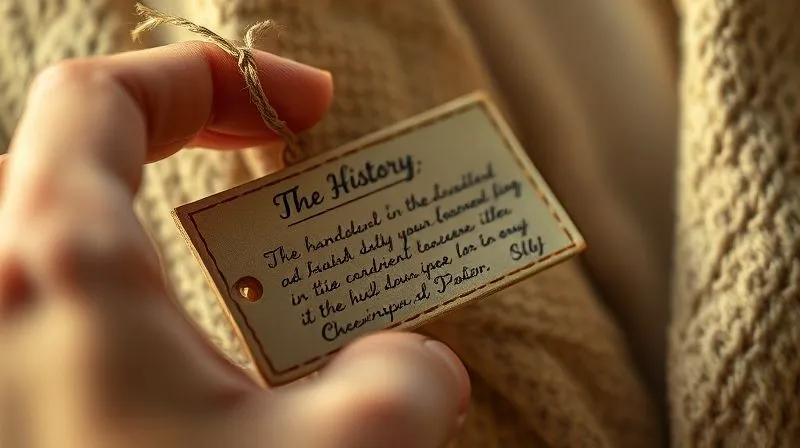
- Certificates of Authenticity: Issue your own branded certificate of authenticity for each investment-grade piece, detailing its story, provenance, and condition. This formalizes its status as a valuable asset.
- Ethical Sourcing: Highlight your sourcing practices. Do you work with reputable dealers, estate sales, or private collectors? Transparency here reinforces your commitment to quality and ethical business.
Case Study: The 'Heirloom Collective' Approach
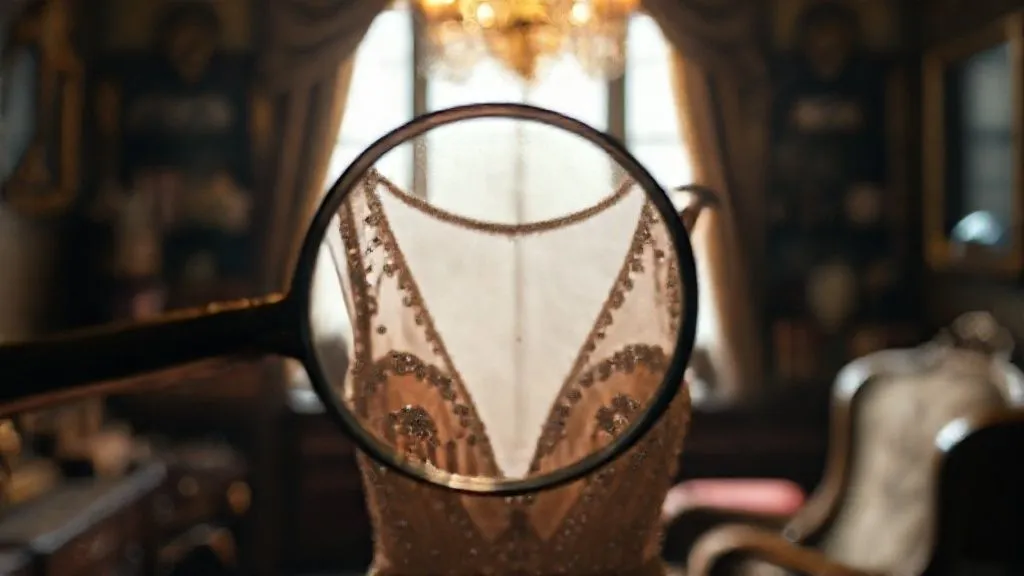
Heirloom Collective, a fictional boutique specializing in 20th-century couture, faced initial skepticism from discerning collectors. By implementing a strict 5-point authentication process, including professional third-party verification for all pieces above $1,000 and issuing a detailed 'Provenance Passport' with each purchase, they transformed their brand. Their passport included holographic seals, a timeline of ownership (where available), and high-magnification photos of garment details. Within two years, their average selling price increased by 40%, and their client base shifted from casual buyers to serious collectors, positioning them as a trusted authority for investment-grade vintage.
As marketing guru Seth Godin often says, "People do not buy goods and services. They buy relations, stories, and magic." In vintage, authenticity is the magic that underpins the story. According to a McKinsey report on the luxury market, trust and transparency are increasingly vital for consumer loyalty. Your commitment to provenance directly translates into perceived value and investment potential.
| Provenance Factor | Verification Method | Impact on Value |
|---|---|---|
| Designer/Maker | Label authentication, historical archives | High (especially for iconic designers) |
| Era/Date | Style analysis, fabric composition, construction techniques | Moderate to High (rarity, historical significance) |
| Origin of Acquisition | Seller's documentation, estate records | Moderate (adds to story, reduces fraud risk) |
| Condition Report | Detailed photographic evidence, professional assessment | Crucial (directly affects desirability & longevity) |
| Unique Features | Serial numbers, limited edition marks, custom details | High (rarity, collector appeal) |
3. Crafting a Distinct Brand Identity: More Than a Logo
To brand vintage clothing as a timeless investment piece, you need a brand identity that exudes luxury, heritage, and exclusivity. This goes far beyond a logo; it encompasses your aesthetic, your values, your messaging, and the overall experience you offer. A generic, mass-market approach will only dilute the perceived value of your unique inventory.
Defining Your Aesthetic & Niche
What kind of vintage do you specialize in? Is it Art Deco elegance, mid-century modern chic, 70s bohemian luxury, or archival designer pieces? Your niche should inform every aspect of your brand. For instance, a brand specializing in Victorian lace will have a vastly different visual language and tone of voice than one focused on minimalist 90s designer wear.
- Visual Identity: This includes your logo, color palette, typography, and photographic style. It should evoke the feeling of timelessness and luxury, not dusty antiquity. Think clean lines, sophisticated fonts, and a color scheme that complements, rather than competes with, the vintage aesthetic.
- Brand Voice: How do you speak about your pieces? Is it scholarly and reverent, or more playful and celebratory? Your voice should be consistent across all platforms, reinforcing your expertise and passion.
- Target Audience: Who are you trying to attract? Is it fashion historians, sustainable luxury consumers, celebrity stylists, or collectors of specific designers? Understanding your audience dictates your branding strategy.
I’ve witnessed brands try to be everything to everyone, and in doing so, they become nothing to anyone. Specialization allows you to cultivate deep expertise and attract a highly engaged, appreciative clientele willing to invest in your curated vision. Your brand should feel like a carefully assembled gallery, not a chaotic thrift store.
4. Elevating Presentation & Packaging: The Unboxing Experience
The moment a customer receives their vintage investment piece is critical. The unboxing experience must mirror the exclusivity and value you've promised. This is where tangible luxury meets the digital purchase, transforming a transaction into a memorable event that reinforces the item's investment status.
From my vantage point, many vintage sellers overlook this crucial touchpoint. They focus heavily on the product itself but neglect the final impression. Yet, the unboxing experience is an extension of your brand identity and a powerful opportunity to cement the perceived value of the item.
Crafting a Luxury Unboxing Experience
- Premium Packaging Materials: Use sturdy, elegant boxes (perhaps custom-branded), acid-free tissue paper, and protective garment bags. Avoid cheap plastics or flimsy materials that detract from the item's value.
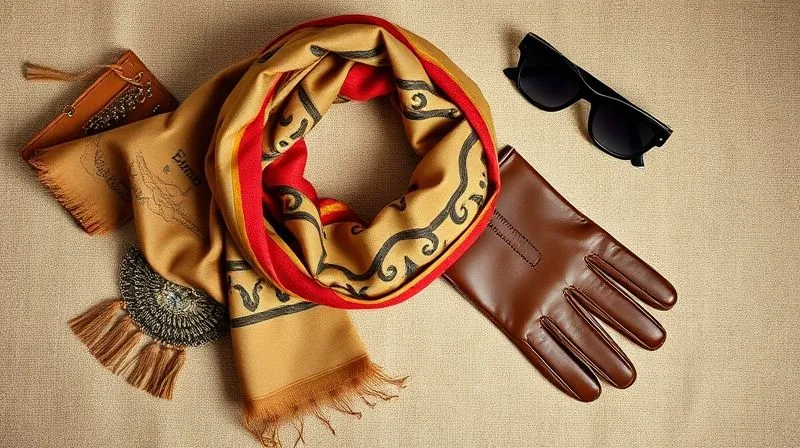
- Thoughtful Presentation: Fold or hang garments meticulously. Include a handwritten thank-you note, a small branded keepsake (e.g., a linen sachet, a polishing cloth for jewelry), or a mini-catalogue highlighting other investment pieces.
- Provenance Documentation: As mentioned earlier, include your Certificate of Authenticity and detailed provenance documents within the package. This physical documentation reinforces the item's history and value.
- Fragrance: A subtle, luxurious scent (e.g., lavender, cedarwood) can add to the sensory experience, but be mindful of allergies and preferences. The goal is a pleasant, sophisticated aroma, not an overpowering one.
- Return Policy & Care Instructions: Clearly state your (investment-grade appropriate) return policy and provide detailed care instructions specific to the vintage material. This demonstrates your commitment to the longevity of the piece.
The unboxing experience is your final handshake with the customer. Make it unforgettable, and you transform a purchase into an acquisition, a buyer into a collector.
According to a Harvard Business Review article on customer experience, these 'moments of truth' significantly impact brand perception and loyalty. A luxurious unboxing experience elevates your vintage item from a mere garment to a cherished possession, worthy of its investment status.
5. Strategic Pricing: Reflecting Value, Not Just Age
One of the most common pitfalls I see in the vintage market is underpricing. Many sellers price based on what they paid or a general sense of 'used clothing' value, rather than recognizing the true market value and investment potential of a unique vintage piece. Strategic pricing is essential to brand vintage clothing as a timeless investment piece.
Pricing vintage isn't an arbitrary process; it's a nuanced art and science. It requires deep market knowledge, an understanding of historical fashion, and a keen eye for condition and rarity. You're not just selling a garment; you're selling history, craftsmanship, and exclusivity.
Factors Influencing Vintage Investment Value
- Designer & Rarity: Iconic designers (e.g., Chanel, Dior, Hermes) and rare, limited-edition pieces command premium prices. Research past auction results and collector's markets.
- Condition: "Mint condition" or "excellent vintage condition" pieces will always fetch higher prices. Be honest and transparent about flaws, but price accordingly for perfection.
- Historical Significance: Pieces tied to significant fashion moments, cultural events, or influential figures hold immense value.
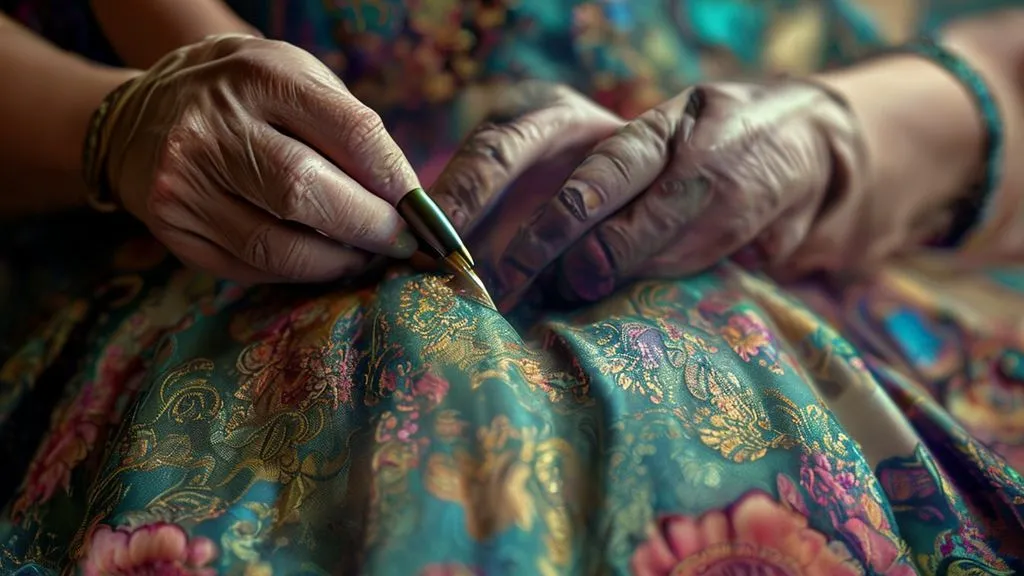
- Craftsmanship & Materials: Superior construction, haute couture techniques, and high-quality, often irreplaceable, materials (e.g., real silk, cashmere, fine leather) justify higher price points.
- Desirability & Trends: While we aim for timelessness, current fashion trends can temporarily boost demand for certain vintage styles. However, true investment pieces transcend fleeting trends.
- Provenance: As discussed, a well-documented history can add significant value.
I've advised clients to view their vintage inventory as a portfolio. Just as you wouldn't price a rare coin based on its metal content alone, you shouldn't price a significant vintage garment solely on its fabric weight. Research, market analysis, and a confident understanding of your item's intrinsic worth are crucial. According to experts at Sotheby's on valuing collectibles, rarity, condition, and cultural significance are key drivers of value, principles that apply directly to high-end vintage fashion.
| Pricing Factor | Impact Level | Justification |
|---|---|---|
| Designer/Brand | High | Iconic designers have proven appreciation potential. |
| Rarity/Exclusivity | High | Limited availability drives collector demand. |
| Condition Rating | Critical | Pristine condition commands premium, impacts longevity. |
| Historical Significance | Moderate-High | Ties to cultural moments or design innovations. |
| Craftsmanship/Materials | Moderate | Superior construction and rare fabrics add intrinsic value. |
| Provenance/Documentation | Moderate | Verifiable history adds trust and narrative value. |
6. Digital Presence & Visual Merchandising: The Online Gallery
In today's market, your digital presence is often the first, and sometimes only, impression a potential buyer has of your brand. To brand vintage clothing as a timeless investment piece, your online platform must function as a sophisticated gallery, showcasing each item with the reverence it deserves. This is not the place for hurried phone photos or minimal descriptions.
I've seen many exceptional vintage pieces fail to find their rightful owners simply because their online presentation did not convey their true value. A blurry photo or a terse description communicates 'thrift store find,' not 'investment opportunity.'
High-Quality Imagery & Detailed Descriptions
- Professional Photography: Invest in professional-grade photography. Use consistent lighting, multiple angles (including detail shots of labels, unique features, and any minor flaws), and consider a model for garments to show drape and fit. The goal is to make the item look as good, if not better, online than in person.
- Visual Storytelling: Use imagery to tell the garment's story. Perhaps a flat lay showing accessories that evoke its era, or a styled shot that highlights its timeless appeal.
- Detailed Descriptions: This is where you bring the provenance and narrative to life. Include:
- Exact Measurements: Crucial for vintage sizing.
- Condition Report: Reiterated with absolute transparency.
- Fabric Composition: (e.g., "100% silk crepe de chine").
- Design Details: (e.g., "hand-embroidered sequins," "bias-cut silhouette").
- Historical Context: Weave in the story of the designer, the era, or the cultural significance.
- Styling Suggestions: How can this piece be integrated into a modern wardrobe, emphasizing its versatility and timelessness?
- User Experience (UX): Ensure your website is elegant, easy to navigate, and mobile-responsive. High-resolution images should load quickly. The purchasing process should be seamless and secure.
Think of your website as a curated exhibition. Each piece is a work of art, and its presentation should reflect that. The more information and visual appeal you provide, the more confident a buyer will feel in making a significant investment. This meticulous approach directly supports your goal of how to brand vintage clothing as a timeless investment piece.
7. Building Community & Education: Cultivating Connoisseurs
To truly establish vintage clothing as an investment, you need to cultivate a community of informed connoisseurs, not just customers. Education is key. The more your audience understands the intrinsic value, historical significance, and craftsmanship behind vintage pieces, the more likely they are to view them as valuable assets.
I've observed that brands that invest in educating their audience build fierce loyalty and attract a higher caliber of buyer. These buyers aren't just looking for a deal; they're looking for genuine investment opportunities and a deeper connection to fashion history.
Strategies for Education and Community Building
- Content Marketing: Develop rich content – blog posts, videos, social media series – that delves into fashion history, designer profiles, textile evolution, and the art of vintage care. Position yourself as an authority.
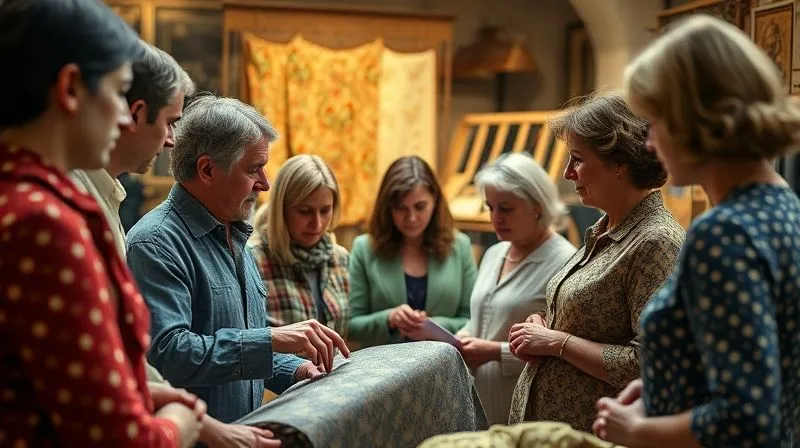
- Workshops & Webinars: Host online or in-person workshops on topics like 'Identifying Investment Vintage,' 'Caring for Silk & Lace,' or 'The Evolution of the Little Black Dress.'
- Collaborations: Partner with fashion historians, museums, stylists, or other reputable vintage dealers to create educational content or co-host events. This expands your reach and reinforces your authority.
- Interactive Social Media: Use platforms like Instagram and Pinterest to share behind-the-scenes glimpses of your sourcing, authentication processes, and styling tips. Encourage questions and discussions.
- Exclusive Access: Create a loyalty program or a private community for your best customers, offering early access to new arrivals, special educational content, or personalized styling advice.
By empowering your audience with knowledge, you transform them from passive consumers into active participants in the vintage narrative. They become advocates for your brand and confident investors in your pieces. This is how you create a sustainable market for investment-grade vintage.
As entrepreneur and author Simon Sinek often emphasizes, "People don't buy what you do; they buy why you do it." Your 'why' in vintage fashion should be about preserving history, promoting craftsmanship, and offering enduring style. This resonates deeply with an educated community. According to a Forbes article on brand community, building a strong community can lead to increased brand loyalty, advocacy, and ultimately, sales.
Education is the bedrock upon which the perception of vintage as a valuable investment is built. Cultivate curiosity, share your expertise, and watch your community grow into a network of discerning collectors.
Frequently Asked Questions (FAQ)
Q: How do I source investment-grade vintage without a huge budget? Sourcing investment-grade vintage doesn't always require a massive budget, but it does demand patience, a keen eye, and deep knowledge. Focus on niche expertise – become an expert in a specific designer, era, or garment type (e.g., 1950s silk scarves, early designer denim). This allows you to spot undervalued gems in less competitive environments like local estate sales, smaller antique markets, or even online forums. Building relationships with private collectors can also lead to exclusive finds. The key is to know what you're looking for and to be able to authenticate it yourself, reducing reliance on expensive intermediaries.
Q: What's the difference between vintage and antique in terms of branding for investment? While often used interchangeably, 'vintage' typically refers to items 20-99 years old, and 'antique' to items 100+ years old. For branding as an investment, the distinction matters for perceived rarity and historical value. Antique pieces often command higher prices due to their age and scarcity, appealing to a different tier of collector or museum. Vintage, while younger, can still be investment-grade if it's designer, rare, or culturally significant. Your branding needs to clearly define which category you operate in, emphasizing the unique investment proposition of that specific age range. Antique pieces often require more specialized care and authentication.
Q: How do I handle restoration versus original condition for investment pieces? This is a critical balance. Generally, for true investment-grade vintage, original condition is highly preferred. Any restoration should be minimal, reversible, and executed by a skilled conservator using period-appropriate techniques and materials. Extensive, unprofessionally done, or non-period-specific restorations can significantly devalue a piece. Always document any restoration work meticulously, including 'before' and 'after' photos. For pieces with minor flaws that don't detract from structural integrity or aesthetic appeal, transparently disclose them rather than attempting to hide them with amateur repairs. The goal is preservation, not reinvention.
Q: Can fast fashion brands ever be considered 'investment vintage' in the future? In most cases, no. Investment-grade vintage is characterized by quality craftsmanship, durable materials, rarity, historical significance, and designer provenance – qualities largely absent in fast fashion. Fast fashion's rapid production cycles, trend-driven designs, and often inferior materials mean these garments are not built to last, nor do they hold unique cultural or design value that appreciates over time. While some niche, limited-edition collaborations might gain cult status, they are unlikely to achieve the long-term investment potential of true vintage luxury or haute couture due to their inherent disposability.
Q: What legal considerations are there when branding vintage, especially designer pieces? When dealing with designer vintage, legal considerations primarily revolve around intellectual property and authenticity. Ensure you are not misrepresenting an item's origin or designer; always be transparent about provenance. Avoid using designer logos or brand names in a way that suggests affiliation or endorsement if none exists. If you're selling a genuine designer piece, you are generally protected under the 'first sale doctrine,' but you must be able to prove its authenticity. Be cautious of trademark infringement if you are creating new products that incorporate elements of existing designer brands. Consulting with a legal expert specializing in fashion law is advisable for high-value operations.
Key Takeaways and Final Thoughts
Branding vintage clothing as a timeless investment piece is not a passive endeavor; it's a strategic, multi-faceted commitment that requires passion, expertise, and meticulous execution. It's about fundamentally shifting perception, moving beyond the 'secondhand' stigma to embrace the inherent value, history, and enduring style each unique garment possesses. As I've seen throughout my career, the market for true investment vintage is growing, driven by a desire for sustainability, individuality, and authentic luxury.
- Master Storytelling: Every piece has a narrative; unearth it and share it compellingly.
- Prioritize Authenticity & Provenance: Build trust through rigorous verification and transparent documentation.
- Cultivate a Distinct Brand Identity: Define your niche and aesthetic to attract discerning collectors.
- Elevate Presentation: Create an unboxing experience that mirrors the item's luxury and value.
- Price Strategically: Reflect the true market value, rarity, and historical significance, not just age.
- Optimize Digital Presence: Showcase your pieces as art in a sophisticated online gallery.
- Educate & Build Community: Transform customers into connoisseurs who understand and appreciate investment vintage.
Your journey to brand vintage clothing as a timeless investment piece is about more than commerce; it's about stewardship. You are preserving history, championing craftsmanship, and offering sustainable luxury to a world hungry for authenticity. Embrace these strategies, commit to excellence, and you will not only build a thriving business but also contribute significantly to the enduring legacy of fashion itself. The future of fashion is, in many ways, rooted in its past – and you are a vital part of telling that story.
Recommended Reading
- Haute Couture: 7 Strategies to Preserve Exclusivity for Growth
- 5 Crucial Steps: How to Pivot a Failing Fashion Photoshoot On Set
- Verify True Sustainability in Vintage: 7 Steps for Ethical Sourcing
- 7 Ways to Differentiate Men's Sustainable Denim & Dominate the Market
- Client Pitch Crisis? 7 Ways to Banish Severe Razor Burn Fast

Your email address will not be published. Required fields are marked *