

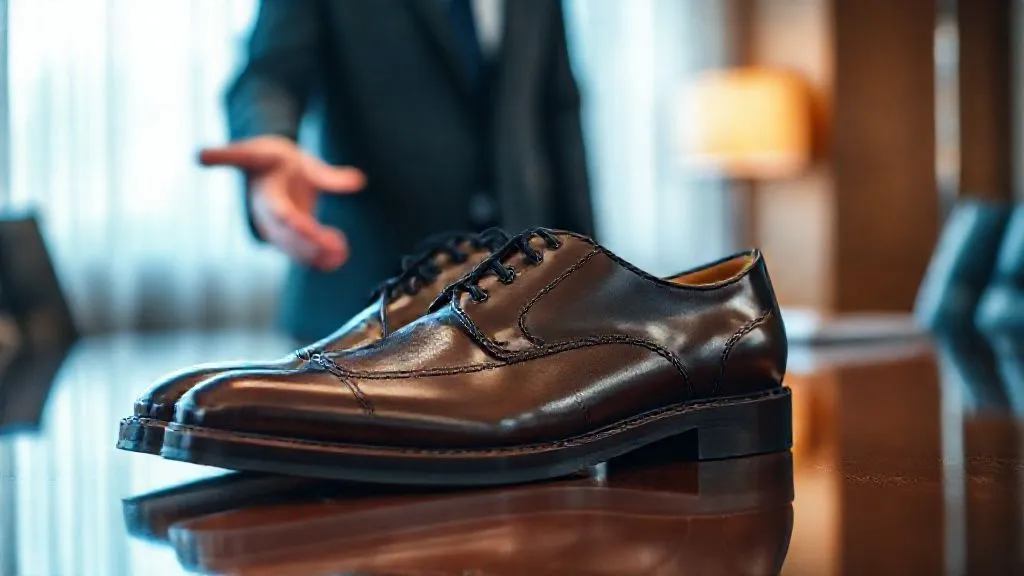
How to prevent scuffed formal shoes ruining a client meeting?
For over two decades in the fashion and footwear industry, I've witnessed firsthand how the smallest details can make or break a professional impression. I've seen aspiring executives lose out on crucial deals, not because of their proposals, but because of a subtle yet glaring oversight: their shoes. It's a common mistake, one that speaks volumes before a single word is exchanged.
The problem is insidious. A last-minute rush, an unforeseen bump, and suddenly, your meticulously planned outfit is compromised by an unsightly scuff on your formal shoes. This isn't just an aesthetic inconvenience; it's a silent signal that can undermine your confidence, project a lack of attention to detail, and ultimately, detract from your message in a high-stakes client meeting. It chips away at your perceived professionalism, an entirely avoidable self-sabotage.
In this definitive guide, I'll share the expert-level strategies and time-tested techniques I've accumulated over the years. You'll learn not just quick fixes, but a holistic approach to footwear maintenance, proactive protection, and a mindset shift that ensures your formal shoes consistently elevate your professional presence, guaranteeing you never have to worry about scuffed formal shoes ruining a client meeting ever again.
The Unseen Impact: Why Scuffed Shoes Are More Than Just an Aesthetic Blip
It's easy to dismiss a scuff as minor, a trivial detail in the grand scheme of a multi-million dollar deal. However, as I've always emphasized, in the world of professional interactions, perception is reality. Your footwear is often the first, albeit subconscious, detail a client registers, especially during that initial handshake or as you settle into a chair.
According to a study published in the Journal of Research in Personality, people make judgments about others' personality and status based on their shoes. This isn't just about brand; it's about condition. A scuff communicates neglect, a lack of care, and even a hint of disorganization. It's a non-verbal cue that can subtly erode trust before you've even presented your opening statement. I've seen this play out in countless boardrooms: the client's eyes drift, a momentary flicker of doubt, and suddenly, your carefully crafted pitch faces an uphill battle.
"Attention to detail is the hallmark of professionalism. If you can't manage the small things, how can a client trust you with the big ones? Your shoes are a silent testament to your meticulousness."
This isn't about vanity; it's about strategic presentation. Every element of your attire, from your tie to your shoes, contributes to your personal brand. When you step into a client meeting, you're not just representing yourself; you're representing your company's values and capabilities. A pristine pair of formal shoes signals respect for the occasion, respect for your client, and respect for your own professional standards.
Proactive Protection: Building an Invisible Shield for Your Footwear
The best defense against scuffs is a strong offense. Prevention is always superior to repair, especially when time is of the essence before a critical meeting. My approach focuses on creating a robust protective layer and adopting smart habits.
Choosing the Right Shoes: Quality Over Quantity
The foundation of scuff prevention begins with the quality of your shoes. Full-grain leather, known for its durability and ability to develop a rich patina, is far more resilient to minor abrasions than corrected-grain or synthetic alternatives. I always advise investing in Goodyear-welted or Blake-stitched shoes; their construction not only allows for resoling but also generally signifies a higher standard of material.
- Full-Grain Leather: Offers superior durability and can be polished to hide minor imperfections.
- Calfskin: Soft yet durable, excellent for formal wear.
- Cordovan: Extremely tough and naturally resistant to creasing and scuffing, though it requires specific care.
The Power of Pre-Treatment: Waterproofing and Conditioning
Before your shoes even see the light of day, they need protection. Think of it as an invisible shield against the elements and accidental scrapes.
- Clean Thoroughly: Ensure the shoes are free of any dust or debris.
- Apply Leather Conditioner: Use a high-quality leather conditioner to moisturize the leather. This keeps it supple and less prone to cracking or showing scuffs prominently. Apply a small amount with a soft cloth, let it absorb, then buff gently.
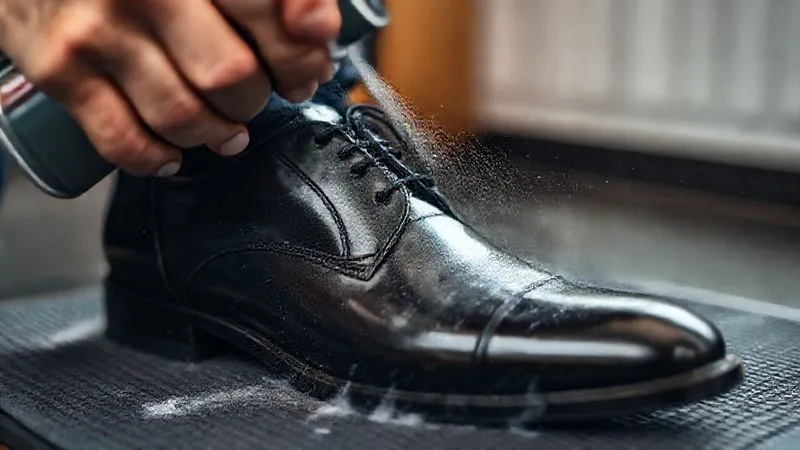
- Waterproof Spray/Cream: For an added layer of protection, especially if you anticipate walking through varied environments, apply a reputable waterproofing spray or cream. This creates a barrier against moisture and can help minor scuffs slide off rather than dig in. Always test on an inconspicuous area first.
- Buff to a Shine: A well-polished shoe has a smoother surface, making it less likely for minor impacts to leave a deep mark.
Strategic Walking: Navigating Urban Environments
This might sound overly cautious, but I've learned that awareness of your surroundings is paramount. When navigating busy streets, escalators, or crowded office spaces:
- Mind Your Steps: Be conscious of curbs, stair risers, and loose paving stones.
- Avoid Scuff Magnets: Metal grates, rough concrete walls, and the edges of office furniture are notorious for causing scuffs.
- Use Public Transport Wisely: If commuting, consider changing into your formal shoes just before your meeting, especially if your commute involves crowded trains or buses where accidental kicks are common.
The Essential Arsenal: Tools and Techniques for Immediate Scuff Repair
Despite the best proactive measures, accidents happen. The key is to be prepared for immediate intervention. I always advise my mentees to have a discreet, portable emergency kit.
On-the-Go Solutions: Wipes, Polish Pens, and Quick Fixes
This is your first line of defense when a scuff appears unexpectedly before a meeting:
- Instant Shine Sponges/Wipes: These are pre-moistened sponges or wipes infused with silicone or wax. A quick rub can often conceal minor surface scuffs and restore a temporary shine. They're not a substitute for proper polishing but are excellent for emergencies.
- Shoe Polish Pens/Crayons: Available in various colors, these can be incredibly effective for filling in and blending minor scratches on leather. Choose a color that matches your shoes precisely. Apply lightly and buff with a soft cloth.
- Leather Conditioner Stick: A small, solid stick of leather conditioner can help to re-hydrate the leather around a scuff, making it less noticeable.
- Microfiber Cloth: Essential for buffing and wiping away excess product.
Deep Repair: Addressing Deeper Scratches and Gouges
For more significant scuffs that penetrate beyond the surface, a more intensive approach is needed, ideally *before* the meeting, but certainly as soon as possible after the incident.
- Clean the Area: Use a damp cloth to gently clean the scuffed area, removing any dirt or debris.
- Apply Leather Cleaner (if needed): For stubborn marks, a specialized leather cleaner can be used sparingly.
- Use Shoe Cream: Apply a small amount of colored shoe cream (matching your shoe color) directly to the scuff. Shoe cream contains pigments and nourishing oils that penetrate the leather, helping to re-color and moisturize the damaged area. Let it sit for a few minutes.
- Rub and Blend: Using a soft cloth or your finger, gently rub the cream into the scuff in small, circular motions. The goal is to blend the color and smooth the leather.
- Apply Wax Polish: Once the cream has absorbed and the scuff is less visible, apply a thin layer of wax polish over the entire shoe, paying extra attention to the repaired area. Wax polish provides a protective, glossy layer that further conceals the scuff and adds shine.
- Buff to a High Shine: Use a horsehair brush to buff vigorously, then follow with a soft cloth for a final gleam. The friction from buffing helps melt the wax into a smooth, even finish.
For more detailed step-by-step guides on leather repair, I often refer to reputable sources like The Gentleman's Gazette's comprehensive shoe shine guide, which offers excellent visual and textual instructions.
Mastering the Maintenance Routine: Long-Term Shoe Care for Lasting Impressions
To truly prevent scuffed formal shoes ruining a client meeting, the ad-hoc fixes aren't enough. You need a consistent, thoughtful maintenance routine. This is where true footwear longevity and perpetual pristine appearance are forged.
The Weekly Ritual: A Step-by-Step Guide to Polishing
I recommend a full polish at least once a week for shoes worn regularly, or before any significant event. This isn't just about shine; it's about nourishing and protecting the leather.
- Clean: Remove laces. Use a horsehair brush to remove loose dirt. For deeper grime, a damp cloth or specialized leather cleaner.
- Condition: Apply a small amount of leather conditioner with a soft cloth. This replenishes natural oils, keeping the leather supple and less prone to cracking. Let it absorb for 10-15 minutes.
- Cream (Optional, but Recommended): If your shoes are looking a bit dull or have minor scuffs, apply a colored shoe cream. This reintroduces pigment and further nourishes the leather. Buff off excess.
- Wax Polish: Apply a thin layer of wax polish using a soft cloth or applicator brush. Work in small, circular motions. For a mirror shine, apply very thin layers, adding a tiny drop of water (spit shine technique) between layers.
- Buff: Let the polish dry for a few minutes, then buff vigorously with a clean horsehair brush.
- Final Shine: Finish with a soft, clean cloth (like an old cotton t-shirt) for a high-gloss finish.
Shoe Trees: The Unsung Heroes of Footwear Longevity
If there's one single accessory that can dramatically extend the life and appearance of your formal shoes, it's the shoe tree. I consider them non-negotiable.
- Absorb Moisture: Cedar shoe trees naturally absorb moisture from the leather, preventing internal damage and odor.
- Maintain Shape: They gently stretch the leather, smoothing out creases and wrinkles that form during wear, which are prime areas for scuffs to become more visible.
- Prevent Curling: They prevent the toe from curling upwards, maintaining the shoe's elegant silhouette.
Always insert shoe trees immediately after taking your shoes off, while the leather is still warm and pliable.
Rotation is Key: Giving Your Shoes a Break
Even the highest quality shoes need a rest. Wearing the same pair of shoes day in and day out doesn't allow them to fully dry out and recover their shape. This makes the leather more susceptible to damage and accelerates wear.
- Aim for at least 24 hours of rest between wears.
- Build a small collection of 2-3 pairs of formal shoes that you can rotate.
Here's a quick comparison of common shoe care products and their primary uses:
| Product | Primary Use | Frequency |
|---|---|---|
| Leather Cleaner | Deep cleaning, removing ingrained dirt | As needed, usually monthly |
| Leather Conditioner | Moisturizing, softening leather, preventing cracks | Weekly to bi-weekly |
| Shoe Cream | Re-pigmenting, minor scuff repair, nourishing | Weekly, or with polish |
| Wax Polish | Shine, protection, water resistance | Weekly, or before important meetings |
| Waterproof Spray | Water and stain barrier | Monthly to quarterly |
Beyond the Shine: The Role of Confidence and Presentation in Client Interactions
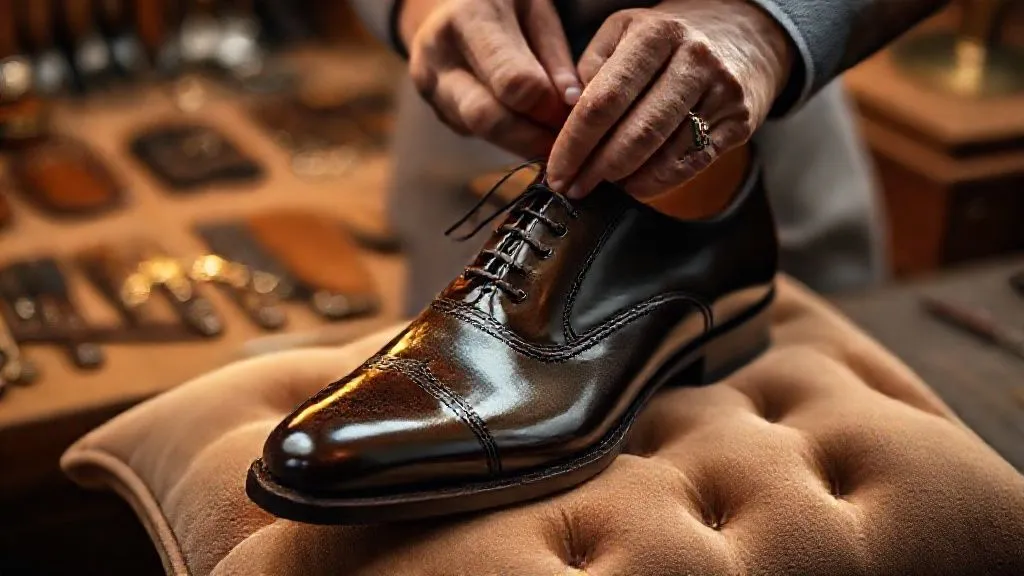
While immaculate shoes are crucial, their true power lies in how they contribute to your overall professional persona. A perfectly polished pair of Oxfords isn't just about looking good; it's about how that visual perfection translates into your confidence and, by extension, your performance in the meeting.
Case Study: Eleanor's Executive Edge
Case Study: Eleanor's Executive Edge
Eleanor, a rising star in corporate finance, initially struggled with securing repeat clients despite her undeniable analytical prowess. Her presentations were flawless, but she often felt a subtle disconnect. After a frank discussion with a mentor (myself, in fact), she realized her attention to detail in her attire, particularly her footwear, was inconsistent. She adopted a rigorous shoe care routine, ensuring her formal shoes were always pristine. The change wasn't just external; the act of meticulously preparing her shoes boosted her self-assurance. In her next major pitch, she exuded a quiet confidence, her polished appearance mirroring her polished proposal. The client, a seasoned CEO, later commented on her impeccable presentation, noting that 'every detail was considered.' This attention to detail, starting from the ground up, helped Eleanor secure a multi-year contract and significantly accelerated her career trajectory, proving that perceived professionalism directly impacts trust and success.
As renowned business author Dale Carnegie famously advised, "Remember that a person's name is to that person the sweetest and most important sound in any language." I would add: remember that your appearance is the first impression, the unspoken introduction. When you feel confident in every aspect of your presentation, including your footwear, that confidence radiates. It allows you to focus entirely on your client and your message, free from the nagging worry of a noticeable scuff.
Travel Tactics: Keeping Your Formal Shoes Pristine on the Go
Business travel is a notorious culprit for shoe damage. Luggage handlers, cramped overhead bins, and the general chaos of transit can quickly turn a pristine pair of formal shoes into a scuffed mess. My travel strategy is built around protection and preparedness.
Packing Smart: Shoe Bags and Dedicated Compartments
Never, ever pack your formal shoes loosely in your suitcase. This is an invitation for disaster.
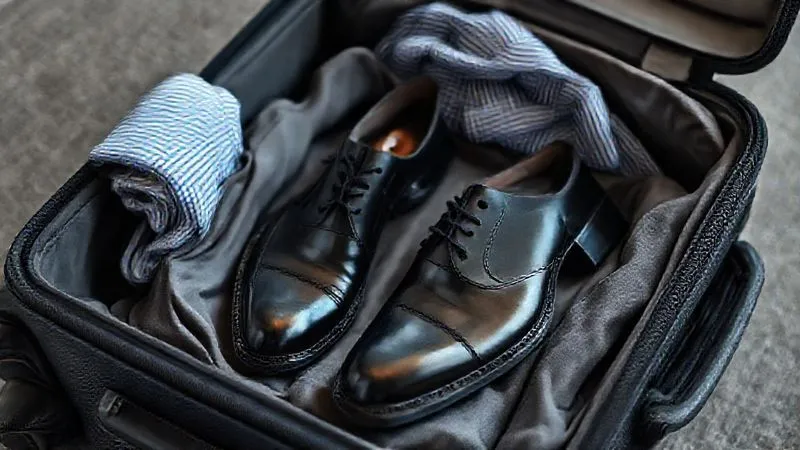
- Individual Shoe Bags: Invest in high-quality, breathable fabric shoe bags (flannel or cotton are ideal). Each shoe should have its own bag. This prevents them from rubbing against each other or against other items in your luggage.
- Stuff with Socks/Underwear: Before placing them in bags, stuff the toes of your shoes with socks or underwear. This helps maintain their shape and prevents creasing during transit.
- Dedicated Compartment: If your luggage has a dedicated shoe compartment, use it. Otherwise, place them heel-to-toe along the edges of your suitcase, away from items that could snag or scratch them.
Airport Protocol: Navigating Security Without Damage
Airport security checkpoints are a high-risk zone for footwear. The rough plastic bins and hurried movements can easily lead to scuffs.
- Remove Shoes Carefully: When removing your shoes, do so gently. Don't let them clatter into the bin.
- Place in a Separate Bin (if allowed): If permitted, place your shoes in their own bin, perhaps on top of your jacket or a soft item, to minimize contact with the hard plastic.
- Re-don Shoes Thoughtfully: Once through security, take a moment to put your shoes back on properly. Avoid kicking them on or dragging them across the floor.
When to Call in the Pros: Recognizing the Limits of DIY Repair
While many scuffs and general wear can be managed with diligent DIY care, there are times when professional intervention is not just advisable, but essential. Knowing when to consult a master cobbler is a mark of true footwear stewardship.
Identifying Serious Damage: Beyond a Simple Scuff
Not all damage is created equal. Here are indicators that it's time to seek professional help:
- Deep Gouges or Cuts: If a scuff has gone beyond the surface layer and created a significant cut or tear in the leather, a cobbler has the tools and expertise to fill, re-dye, and restore the leather seamlessly.
- Sole Separation or Damage: Any issues with the sole, such as separation from the upper, excessive wear, or a broken shank, require professional attention to maintain the shoe's structural integrity.
- Heel Damage: Worn-down heels not only look bad but can also affect your posture and the shoe's balance. A cobbler can replace heel caps or re-stack the heel.
- Extensive Color Loss or Fading: If your shoes have lost significant color over a large area, a professional can expertly re-dye them to their original glory, a task that's difficult to achieve evenly at home.
- Water Damage or Stains: Serious water damage or stubborn stains that home remedies can't fix often require specialized cleaning and conditioning techniques only a professional can provide.
The Value of Expert Restoration: Extending Shoe Life
A skilled cobbler isn't just a repairman; they are an artisan. They can perform miracles, from re-lasting misshapen shoes to completely rebuilding soles and heels. Investing in professional repair for high-quality formal shoes is always a sound decision. It extends the life of your investment, maintains their aesthetic appeal, and ensures they continue to project the polished image you desire.
For finding reputable professionals, I often direct people to resources like the Shoe Service Institute of America (SSIA), which can help locate certified cobblers in your area. Remember, a good cobbler is a partner in your footwear journey, ensuring your best shoes remain meeting-ready for years.
The Mindset Shift: Elevating Your Professional Presence from the Ground Up
Ultimately, preventing scuffed formal shoes from ruining a client meeting isn't just about products and techniques; it's about a fundamental shift in mindset. It's about understanding that every detail of your professional presentation contributes to your personal brand and, by extension, your professional success. This isn't superficial; it's strategic.
"Your professional image is a narrative you tell without speaking a single word. Ensure every chapter, from your suit to your shoes, reinforces a story of competence, care, and unwavering attention to excellence."
By adopting a proactive, comprehensive approach to footwear care, you're not just maintaining shoes; you're cultivating a habit of meticulousness that will permeate other areas of your professional life. This dedication to detail signals respect—respect for yourself, your work, and your clients. It frees your mind from petty worries, allowing you to fully engage and perform at your peak during those critical client interactions.
Embrace the ritual of shoe care not as a chore, but as an integral part of preparing for success. It's a small investment of time and effort that yields significant returns in confidence, perception, and professional impact. For more insights on building a powerful professional image, I recommend exploring articles from thought leaders like Harvard Business Review on Personal Branding, which often highlight the holistic nature of professional presence.
Frequently Asked Questions (FAQ)
How often should I polish my formal shoes? For shoes worn regularly (2-3 times a week), a full polish is recommended weekly. For less frequent wear, polish before each significant event or monthly to keep the leather nourished and protected. Conditioning should be done every 2-4 weeks.
Can I use the same polish for all leather types? No, not necessarily. While general wax polishes work for most smooth leathers, exotic leathers (like alligator or stingray) and certain delicate finishes require specialized creams or conditioners. Always check the product label and your shoe's specific care instructions. Never use wax polish on suede or nubuck; they require specialized sprays and brushes.
What's the best way to store formal shoes? Always store formal shoes with cedar shoe trees inserted, in a cool, dry place away from direct sunlight. If storing for extended periods, place them in individual breathable shoe bags to protect against dust and scratches. Avoid plastic bags, which can trap moisture.
Are shoe trees really necessary? Absolutely. Shoe trees, particularly those made from unfinished cedar, are crucial. They absorb moisture, prevent creasing, and help maintain the shoe's original shape, significantly extending its lifespan and keeping it looking pristine. They are one of the most cost-effective investments in shoe care.
What's the difference between shoe cream and wax polish? Shoe cream is primarily for nourishing and re-pigmenting the leather. It penetrates the leather, keeping it supple and helping to cover minor scuffs by restoring color. Wax polish, on the other hand, sits on the surface, providing a protective, high-gloss shine and water resistance. For comprehensive care, I recommend using both: cream first for nourishment and color, then wax for shine and protection.
Key Takeaways and Final Thoughts
- Proactive Protection is Paramount: Invest in quality shoes, condition them regularly, and waterproof them to build a robust defense against scuffs.
- Be Prepared for Emergencies: Carry a small, discreet kit with instant shine wipes or polish pens for on-the-go touch-ups.
- Master the Maintenance Ritual: A consistent weekly cleaning, conditioning, and polishing routine, coupled with the use of shoe trees and shoe rotation, ensures long-term brilliance.
- Mind Your Surroundings: Be consciously aware of potential scuff hazards in your environment, especially during commutes and travel.
- Know When to Call a Pro: For deep damage or complex repairs, a professional cobbler is an invaluable resource to restore your shoes.
Your formal shoes are more than just an accessory; they are a foundational element of your professional presence. By embracing these expert strategies, you're not just preventing scuffs; you're investing in your confidence, projecting an image of meticulousness, and ensuring that every client meeting starts on the right foot – literally. Make impeccable footwear a non-negotiable part of your professional identity, and watch how this small detail contributes to your larger success.
Recommended Reading
- Unlock the Secret: How to Care for Delicate Artisan Jewelry Pieces
- Unlock Fair Pay: 7 Steps to Calculate & Implement Apparel Living Wages
- Uncover the Hidden Impact: How Wartime Rationing Reshaped 1940s Fashion
- 5 Accessory Blunders to Avoid: Elevate Your Professional Image
- 7 Sustainable Strategies: Differentiating a Luxury Men's Skincare Line


Your email address will not be published. Required fields are marked *