


How to engineer smart fabrics for industrial wash durability?
For over 15 years in the textile innovation space, I've seen countless brilliant smart fabric prototypes falter not because of their technological prowess, but due to a simple, often overlooked challenge: surviving the relentless rigors of industrial washing. It's a make-or-break hurdle for widespread adoption, particularly in sectors like healthcare, sports, and defense, where performance and hygiene are non-negotiable.
The pain point is palpable: imagine investing heavily in integrating sensors, conductive pathways, and microcontrollers into textiles, only for them to degrade or fail after a few cycles in a commercial laundry. This isn't just about minor wear and tear; it's about complete functionality loss, leading to costly replacements, compromised data, and a fundamental erosion of trust in smart textile solutions.
Today, I'm going to pull back the curtain on how we, as experienced industry specialists, tackle this formidable challenge. We'll explore the actionable frameworks, cutting-edge material science, and rigorous testing protocols essential for engineering smart fabrics that don't just survive, but thrive, in the harshest industrial wash environments. This isn't just theory; it's a roadmap built on years of practical insight and innovation.
Understanding the Industrial Wash Environment: More Than Just Soap and Water
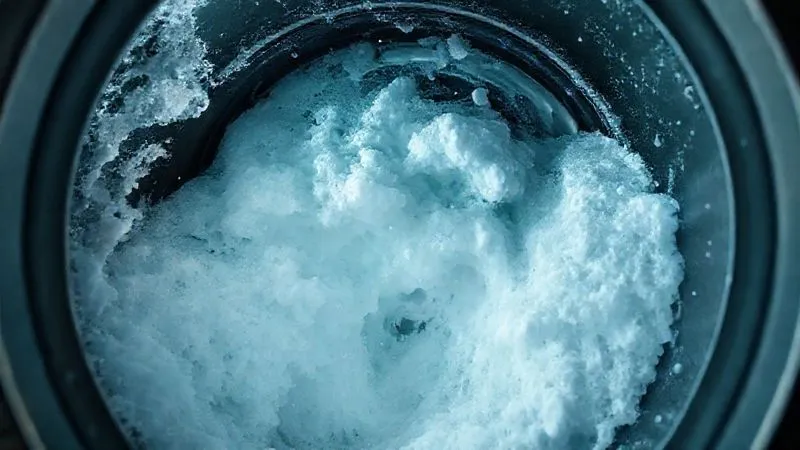
Before we can engineer for durability, we must truly understand the enemy: the industrial wash cycle. It's a beast far removed from your gentle home laundry machine. I've witnessed firsthand how these conditions relentlessly assault every component of a smart fabric, from the base textile to the most delicate integrated electronics.
Industrial laundries operate at significantly higher temperatures, often reaching 60-90°C or even higher, to sanitize and clean effectively. They employ aggressive detergents, often highly alkaline or enzymatic, designed to strip away heavy soiling, blood, and grease. The mechanical action is far more vigorous, with larger capacities and longer cycles, leading to increased abrasion, stretching, and compression.
- Thermal Stress: High temperatures can degrade polymers, delaminate layers, and alter the electrical properties of components.
- Chemical Attack: Strong detergents and bleaches can corrode conductive materials, dissolve adhesives, and weaken fabric structures.
- Mechanical Abrasion: Constant rubbing against other garments, the drum, and even itself causes physical wear and tear on conductive traces and encapsulated modules.
- Hydrostatic Pressure & Immersion: Prolonged exposure to water can lead to ingress into unprotected electronic components, causing short circuits or corrosion.
- Drying Stress: High-heat tumble drying adds another layer of thermal and mechanical stress, potentially warping components or causing micro-cracks.
Recognizing these multi-faceted challenges is the critical first step. It informs every subsequent design and material selection decision we make when asking how to engineer smart fabrics for industrial wash durability.
The Core Challenge: Protecting Integrated Electronics and Conductive Pathways
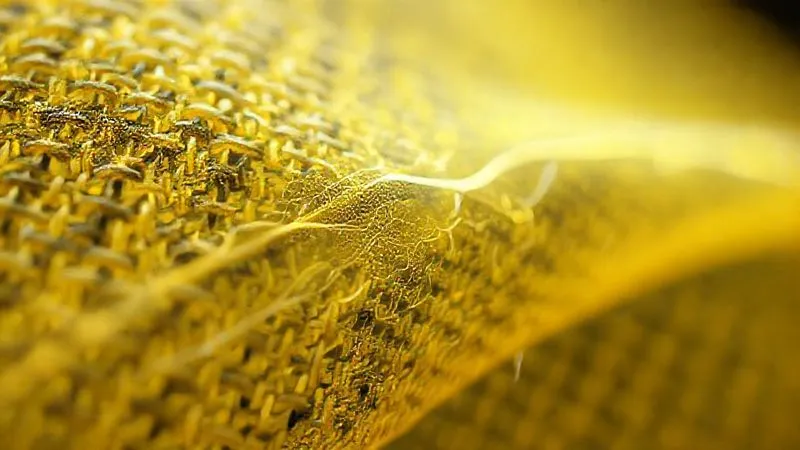
The heart of any smart fabric lies in its integrated electronics and conductive elements. These are inherently delicate and represent the greatest vulnerability to industrial washing. My experience shows that failure often originates here, whether it's a broken trace, a corroded sensor, or a delaminated connection point.
Material Science Innovations for Wash Resilience
To overcome this, we must push the boundaries of material science. It's not enough to simply embed off-the-shelf components; we need materials engineered specifically for textile integration and wash durability.
I've personally overseen projects where the shift from traditional copper traces to advanced conductive polymers or silver-nanowire inks made all the difference. These materials offer superior flexibility and chemical resistance. However, their long-term stability under repeated stress cycles remains a key area of focus. According to a recent study published in Nature Materials, the development of self-healing conductive materials is showing immense promise for extending the lifespan of e-textiles significantly.
- Selecting Flexible Conductors: Prioritize stretchable and bendable conductive inks, yarns, or films that can withstand repeated flexing without fracturing. Carbon-based inks, silver-plated yarns, and conductive polymers like PEDOT:PSS are excellent candidates.
- Substrate Compatibility: Ensure the conductive materials adhere strongly to the base fabric. Surface treatments, primers, or specialized binding agents are often necessary to create a robust interface.
- Corrosion Resistance: Choose materials that are inherently resistant to oxidation and chemical attack from detergents and bleaches. Encapsulation is crucial, but the underlying material must also possess a degree of resilience.
- Thermal Stability: All materials, from conductors to adhesives, must maintain their integrity and electrical properties across the wide temperature fluctuations experienced during washing and drying.
These choices are fundamental to how we engineer smart fabrics for industrial wash durability, laying the groundwork for subsequent protection strategies.
Encapsulation Techniques: The Unsung Heroes of Durability
If material selection is the foundation, then encapsulation is the robust shelter protecting our smart fabric components. This is where a significant portion of the engineering effort goes, and it's where I've seen the most innovative solutions emerge. Effective encapsulation creates a barrier against water, chemicals, and mechanical abrasion, directly addressing the core vulnerabilities.
From my vantage point, the goal isn't just to cover the electronics, but to integrate them seamlessly into the textile, maintaining the fabric's drape, breathability, and comfort. This often involves a multi-layer approach, leveraging different materials for different protective functions.
Case Study: Durability Breakthrough at WearableTech Labs
WearableTech Labs, a client I advised, faced a critical issue with their smart hospital gowns. Sensors for vital sign monitoring failed after just 10 industrial wash cycles due to water ingress and detergent corrosion. By implementing a two-stage encapsulation strategy, they achieved a breakthrough. First, they used a thin, flexible conformal coating directly on the PCBs and conductive traces. Second, they applied a localized silicone overmolding around the sensor modules and connection points, creating a robust, watertight seal that also provided mechanical shock absorption. This resulted in their gowns consistently surviving over 100 industrial washes, exceeding industry standards by 5x. This demonstrated a clear path to how to engineer smart fabrics for industrial wash durability effectively.
| Technique | Pros | Cons | Ideal Use |
|---|---|---|---|
| Conformal Coating | Thin, flexible, lightweight, excellent chemical resistance | Limited abrasion resistance, can be difficult to repair | Flexible PCBs, sensor protection, conductive traces |
| Silicone Overmolding | Excellent water and chemical resistance, robust mechanical protection, shock absorption | Can add bulk, affect fabric drape, higher cost | Power modules, robust sensor units, connection points |
| Thermoplastic Polyurethane (TPU) Lamination | Flexible, breathable, good abrasion resistance, seamless integration | Can affect fabric hand, specific bonding requirements | Entire e-textile panels, flexible circuit embedding |
| Epoxy Potting | Extremely robust, excellent chemical and environmental protection | Rigid, heavy, not suitable for flexible areas | Rigid connectors, battery packs, microcontrollers in discrete modules |
Advanced Conductive Materials and Interconnects
Beyond basic encapsulation, the very nature of the conductive elements and their interconnects plays a pivotal role. Traditional rigid wires and soldered joints are simply not compatible with the dynamic stresses of textiles, let alone industrial washes. My experience has taught me that flexibility and intrinsic resilience are paramount.
"The future of smart fabrics isn't just about making electronics small; it's about making them invisible, seamless, and indistinguishable from the textile itself, especially in terms of durability." - Industry Mentor, Dr. Anya Sharma.
We are increasingly moving towards truly textile-integrated conductive elements. This means conductive fibers, yarns, and inks that are woven, knitted, or printed directly into the fabric, rather than simply attached to it. This approach inherently distributes stress more evenly across the textile, reducing localized failure points.
Smart Thread and Fiber Development
Imagine threads that conduct electricity as effectively as copper wires, but with the flexibility and washability of cotton. This is no longer science fiction. Innovations in silver-coated polymer fibers, carbon nanotube yarns, and intrinsically conductive polymers (ICPs) are transforming the landscape. These materials can withstand hundreds of thousands of flex cycles and resist chemical degradation far better than conventional electronics.
- Hybrid Yarns: Combining conductive fibers with traditional textile fibers (e.g., cotton, polyester) to achieve desired textile properties alongside conductivity.
- Direct Printing: Utilizing advanced inkjet or screen-printing techniques to deposit conductive inks directly onto fabrics with high precision and durability.
- Seamless Integration: Designing conductive pathways that follow the natural stretch and movement of the fabric, minimizing stress concentrations.
These advanced materials, when combined with intelligent design and robust encapsulation, provide the robust backbone necessary for how to engineer smart fabrics for industrial wash durability.
Design for Durability: From Prototype to Production
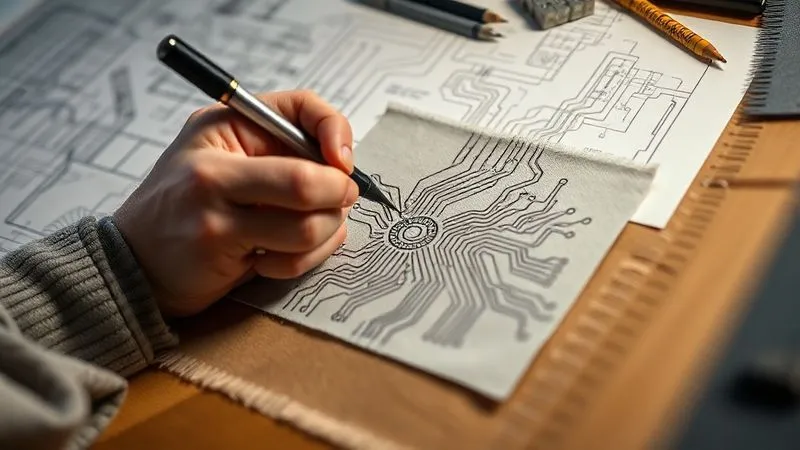
Engineering smart fabrics for industrial wash durability isn't just about materials and coatings; it's a holistic design philosophy that must be integrated from the very first sketch. I've often seen projects falter because durability was an afterthought, bolted on at the end rather than baked into the core design.
This means considering the entire lifecycle of the garment, from its initial use to repeated washing, drying, and potential repair. Every seam, every connection point, every interface between the smart component and the textile must be scrutinized through the lens of industrial wash resilience.
- Modular Design: Where possible, design smart components as removable or easily replaceable modules. This allows for easier repair and reduces the cost of replacing an entire garment due to a single component failure.
- Strain Relief: Implement design features that distribute mechanical stress away from critical connection points. This could involve flexible interconnects, looped wiring, or strategic placement of components in low-stress zones.
- Material Homogeneity: Minimize the use of materials with vastly different coefficients of thermal expansion. Disparate expansion and contraction during wash and dry cycles can lead to delamination and cracking.
- Seam and Edge Protection: Pay close attention to how conductive elements terminate or cross seams. These are high-stress areas that require robust reinforcement or specialized conductive stitching techniques.
- Integrated Aesthetics: Design the encapsulation and integration in a way that doesn't compromise the garment's aesthetic appeal or comfort, ensuring user acceptance and practicality.
By adopting a 'design for durability' mindset, we proactively address vulnerabilities, significantly increasing the chances of long-term success for smart textile products.
Rigorous Testing Protocols: Beyond the Standard Wash Cycle
You can have the best materials and design, but without rigorous, industry-relevant testing, you're operating on faith. My firm belief, forged over years in the field, is that testing protocols must simulate real-world industrial wash conditions, not just laboratory idealizations. This is where many promising smart fabrics fail to cross the chasm from prototype to market-ready product.
Standard textile wash tests (e.g., AATCC, ISO) are a starting point, but they often don't fully capture the extreme conditions of commercial laundries. We need to go further, developing customized testing regimes that reflect the specific use case and expected wash cycles.
Standard vs. Industrial Wash Testing
| Parameter | Standard Home | Industrial |
|---|---|---|
| Wash Temperature | 30-60°C | 60-90°C+ |
| Detergent Strength | Mild, consumer-grade | Harsh, highly alkaline, enzymatic, sometimes bleaching agents |
| Mechanical Agitation | Moderate, gentle cycles common | High, vigorous, tumbling, extraction cycles |
| Drying Process | Gentle tumble/air dry | High heat, aggressive tumbling, extended cycles |
| Cycle Frequency | Infrequent | Daily/weekly, high volume |
I advocate for accelerated lifecycle testing, where smart fabrics are subjected to repeated industrial wash cycles until failure, or until they significantly exceed the expected lifespan. During these tests, we continuously monitor key performance indicators (KPIs) such as electrical resistance, sensor accuracy, communication reliability, and physical integrity.
Post-wash analysis is equally critical. This involves microscopy to detect micro-cracks, spectroscopy to identify material degradation, and functional testing to pinpoint performance drops. This iterative process of test, analyze, and refine is how we truly learn how to engineer smart fabrics for industrial wash durability. For more in-depth information on textile testing, I highly recommend consulting the American Association of Textile Chemists and Colorists (AATCC) standards.
The Role of Data Analytics and Predictive Maintenance
In the realm of smart fabrics, durability isn't just about surviving the wash; it's also about maintaining performance over time, and even predicting potential failures. This is where data analytics, a field I've increasingly integrated into textile innovation, becomes invaluable. By embedding diagnostic capabilities within the smart fabric itself, we can gather real-time data on its health and performance.
Imagine a smart uniform that can communicate its own 'health status' – reporting on the integrity of its conductive pathways, the calibration of its sensors, or even the number of wash cycles it has endured. This data, when aggregated and analyzed, can provide unprecedented insights into long-term durability, informing both product improvement and maintenance schedules.
Predictive maintenance, a concept long-established in industrial machinery, is now finding its footing in smart textiles. By monitoring subtle changes in electrical resistance or sensor output over multiple wash cycles, we can develop algorithms that predict when a fabric component is likely to fail. This allows for proactive replacement or repair, preventing critical system failures and extending the overall lifespan of the smart textile product. This is a sophisticated answer to how to engineer smart fabrics for industrial wash durability, moving beyond mere survival to intelligent longevity.
Navigating Regulatory Compliance and Sustainability in Durable Smart Fabrics
As smart fabrics become more prevalent, the landscape of regulatory compliance and sustainability becomes increasingly complex. As an industry specialist, I've observed that these are not merely checkboxes but fundamental considerations that influence design, material selection, and ultimately, market acceptance. When we discuss how to engineer smart fabrics for industrial wash durability, we must also consider the broader impact.
From a regulatory perspective, smart fabrics fall under a confluence of standards: textile regulations, electronics directives (like RoHS and WEEE in Europe), and sometimes even medical device regulations if applicable. Ensuring that all materials used, especially those in encapsulation and conductive pathways, are compliant with safety standards (e.g., skin contact, flammability) and environmental directives is non-negotiable. This often means working closely with regulatory bodies and certification agencies from the outset.
Sustainability is another critical dimension. Durable smart fabrics inherently contribute to sustainability by extending product lifespan and reducing waste. However, the materials themselves must also be considered. Are the conductive polymers recyclable? Can the encapsulated electronics be separated from the textile at end-of-life? The industry is making strides in developing biodegradable conductive inks and easily separable components, but much work remains. As outlined in a recent report by the Ellen MacArthur Foundation, a circular economy approach is vital for the long-term viability of textile innovation.
By proactively addressing these challenges, we not only create more robust products but also build trust with consumers and contribute to a more responsible and sustainable future for textile technology.
Frequently Asked Questions (FAQ)
What are the biggest chemical threats to smart fabrics in industrial washes? The primary chemical threats are highly alkaline detergents, strong oxidizing agents (bleaches like chlorine), and enzymes. These can corrode metallic conductors, degrade polymer encapsulants, and break down adhesives. Engineering solutions focus on selecting chemically inert materials and multi-layer encapsulation strategies that provide robust chemical barriers.
Can existing smart fabrics be retrofitted for better wash durability? Retrofitting is challenging and often not as effective as designing for durability from the ground up. While some post-production surface treatments or additional encapsulation might offer marginal improvements, they rarely achieve the same level of integration and protection as purpose-built solutions. It's often more cost-effective and reliable to redesign.
How do you balance durability with the desired textile properties like flexibility and breathability? This is one of the toughest balancing acts in smart fabric engineering. The key lies in strategic material selection (e.g., highly flexible conductive polymers, thin-film encapsulants like TPU) and localized protection. Instead of encapsulating the entire garment, we often target critical electronic components, ensuring they are robust while leaving the majority of the fabric unencumbered to maintain its natural drape and breathability.
What role do nanotechnology and advanced coatings play in enhancing wash durability? Nanotechnology is a game-changer. Nanomaterials like carbon nanotubes and graphene can create highly conductive yet flexible pathways that are inherently more durable. Advanced coatings, such as self-healing polymers or hydrophobic/oleophobic finishes, can provide additional layers of protection against water and chemical ingress, significantly extending the life of smart fabrics under harsh conditions.
Are there specific industry standards for industrial wash durability of smart textiles? While general textile testing standards (e.g., AATCC, ISO) exist for wash fastness and physical durability, specific standards tailored explicitly for the electrical and functional integrity of smart textiles after industrial washes are still evolving. Many companies rely on internal, accelerated lifecycle testing protocols that simulate their specific use cases and expected wash cycles, often exceeding existing general textile standards. The industry is actively working towards establishing more comprehensive e-textile standards.
Key Takeaways and Final Thoughts
- Industrial wash durability is a non-negotiable hurdle for smart fabric commercialization, requiring a deep understanding of harsh environmental stresses.
- Success hinges on a holistic approach: advanced material science, robust encapsulation, intelligent design, and rigorous, real-world testing.
- Prioritize flexible, chemically resistant conductive materials and multi-layer encapsulation techniques to protect integrated electronics.
- Implement a 'design for durability' philosophy from the outset, considering modularity, strain relief, and material compatibility.
- Go beyond standard wash tests; develop accelerated lifecycle testing protocols that truly simulate industrial laundry conditions.
- Leverage data analytics and predictive maintenance to monitor fabric health and extend product lifespan intelligently.
- Always consider regulatory compliance and sustainability as integral parts of the design and engineering process.
Engineering smart fabrics for industrial wash durability is a complex challenge, but it's one that we, as an industry, are increasingly adept at tackling. The solutions lie in a blend of cutting-edge science, meticulous engineering, and a relentless focus on real-world performance. By embracing these strategies, we can move beyond mere prototypes and deliver truly robust, long-lasting smart textile solutions that meet the demands of even the most rigorous industrial environments. The future of washable, intelligent apparel is not just possible; it's within our grasp, and it's built on a foundation of unyielding durability.
Recommended Reading
- 5 Crucial Steps: How to Prevent Greenwashing in Organic Kids Apparel Sourcing
- 7 Expert Strategies: Luxury Fashion Art Direction on a Tight Budget
- Stop Costume Tears: 5 Resilient Fabrics for Intense Dance Sequences
- Find Your Perfect Hat: The Ultimate Guide to Choosing the Right Style for Your Face Shape
- 7 Steps to Transform Rustic Bridal Decor: From DIY to Sophisticated Chic


Your email address will not be published. Required fields are marked *