

How to achieve luxury fashion shoot art direction on a tight budget?
For over 15 years in the dynamic world of fashion photography and art direction, I've witnessed a recurring challenge: brilliant creative minds often feel stifled by financial constraints. The dream of crafting a high-end, visually arresting fashion campaign often collides with the stark reality of a lean budget, leaving many feeling that true luxury is an exclusive club they can't afford to join.
The problem isn't a lack of vision; it's often a perceived lack of resources. Brands, especially emerging ones, aspire to the polished aesthetics of their multi-million dollar counterparts, yet lack the financial muscle to replicate those lavish productions. This can lead to compromises that dilute the brand's message, resulting in imagery that feels generic, uninspired, or simply not 'luxury'. The pressure to produce stunning visuals without the necessary funds can be immense, leading to creative burnout and missed opportunities.
But what if I told you that achieving a luxury fashion shoot on a tight budget isn't just possible, but an opportunity for unparalleled creativity and strategic thinking? In this definitive guide, I will share the frameworks, actionable steps, and expert insights I've honed over years in the industry. You'll learn how to redefine luxury, leverage hidden resources, and employ smart art direction techniques to create visuals that punch far above their weight, proving that opulence is more about perception and precision than price tags.
Defining "Luxury" on a Lean Budget: The Art of Perception
Before we dive into tactics, let's fundamentally redefine what 'luxury' means in the context of fashion photography. It's not solely about expensive clothes, opulent sets, or celebrity models. True luxury, especially when budget-conscious, is about perception, quality, and emotional resonance. It's about storytelling that evokes aspiration, exclusivity, and a heightened sense of aesthetic value. I've seen countless shoots with enormous budgets fall flat because they lacked a cohesive vision or an understanding of emotional connection.
My approach centers on the idea that luxury is often communicated through thoughtful details, impeccable execution, and a strong, singular narrative. It's about less, but better. Think about the power of negative space, the texture of a single garment, or the subtle interplay of light and shadow. These elements, when expertly orchestrated, can convey sophistication more effectively than a cluttered, overproduced set. The goal is to make every dollar, every decision, contribute to an elevated visual experience that feels inherently premium.
"Luxury is not a price point, it's a feeling. Your job as an art director on a budget is to engineer that feeling through intentional choices, not extravagant spending."
This means shifting your focus from 'what can I buy?' to 'how can I create value and evoke emotion with what I have?' It's a mindset shift that empowers you to see constraints not as limitations, but as catalysts for innovative solutions. As Harvard Business Review often highlights, strong brand perception is built on consistent, clear messaging, regardless of the marketing budget.
Strategic Pre-Production: Your Blueprint for Cost-Effective Elegance
The secret to a luxury shoot on a tight budget isn't magic; it's meticulous planning. I cannot stress enough the importance of pre-production. This phase is where you front-load your creativity and decision-making, minimizing costly surprises on shoot day. A well-defined plan acts as your compass, ensuring every team member is aligned and every resource is optimized.
The Power of Concept Development and Mood Boards
This is where the vision truly takes shape. Begin by crafting a compelling concept that resonates with your brand's identity and target audience. Ask yourself: What story are we telling? What emotion are we evoking? What unique selling proposition are we highlighting?
- Deep Dive Research: Immerse yourself in art, cinema, nature, and other fashion campaigns (both high-end and indie). Look for recurring themes, color palettes, and compositional styles that align with your luxury aesthetic.
- Detailed Mood Board Creation: Don't just collect pretty pictures. Create a highly specific mood board that includes references for:
- Color Palette: Limit to 2-3 primary colors and 1-2 accents for cohesion.
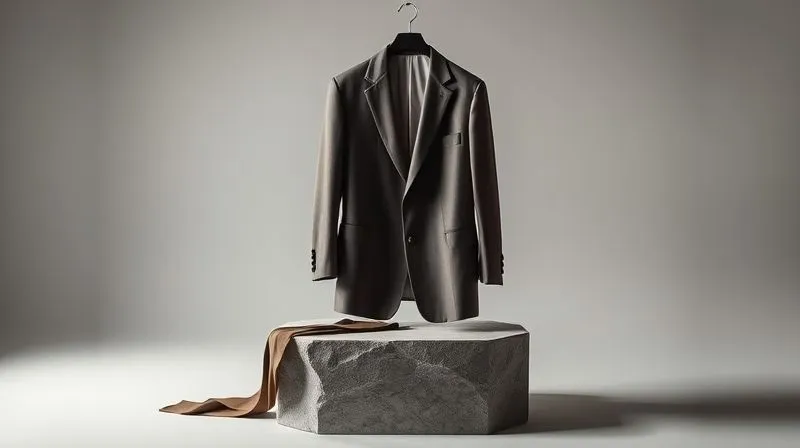
- Textures & Materials: Focus on tactile qualities that convey luxury (e.g., silk, cashmere, raw concrete).
- Lighting Style: Hard, soft, dramatic, natural – define it precisely.
- Model Posing & Expression: Elegant, aloof, powerful.
- Hair & Makeup: Clean, sophisticated, minimal, or bold.
- Location & Set Design: Specific elements, not just general ideas.
- Overall Atmosphere: Tranquil, energetic, mysterious.
- Storyboarding Key Shots: For crucial looks, sketch out the desired composition. This saves immense time and avoids confusion on set.
A comprehensive mood board ensures everyone — photographer, stylist, MUA, model — understands the desired outcome, reducing the need for expensive last-minute changes or reshoots. Adobe's guide on mood board creation emphasizes their role in visual communication.
Scouting Locations: Finding Gold in Unexpected Places
Location costs can quickly spiral out of control. My strategy is to look beyond conventional studios or grand estates and discover hidden gems that offer unique character without the hefty price tag. Remember, luxury can be found in simplicity, rawness, or an unexpected juxtaposition.
- Public Spaces with Permission: Parks, libraries, architectural landmarks (check local regulations and permit requirements).
- Friends' or Family's Homes: Do they have a beautifully minimal living room, a sun-drenched balcony, or an interesting backyard?
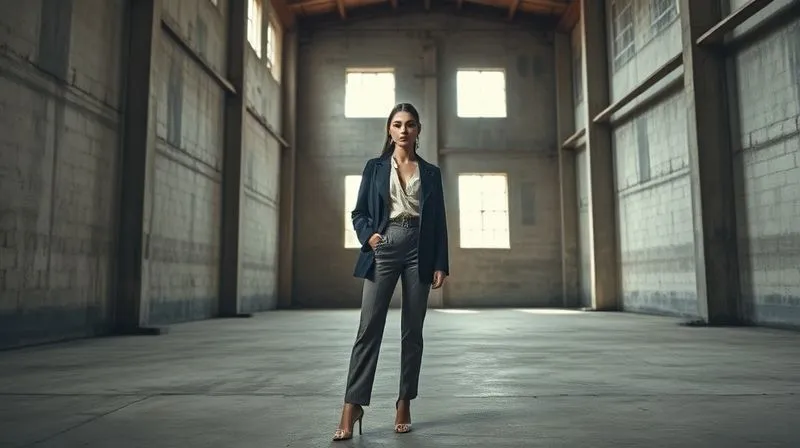
- Industrial or Urban Landscapes: Think concrete walls, old warehouses (often available for less), rooftops, or even a quiet alleyway. The contrast of luxury fashion against a gritty backdrop can be incredibly striking.
- Natural Settings: Beaches, forests, deserts, or open fields offer stunning backdrops that are free. Consider the time of day for optimal light.
When scouting, pay close attention to the light, potential distractions, and accessibility. Take test shots with your phone to visualize how the space will translate on camera. Sometimes, a single, perfectly lit corner is all you need to create an expansive feel.
Mastering Your Team: The Art of Collaboration and Resourcefulness
Your team is your most valuable asset, especially on a tight budget. Investing in the right people, even if it's through creative compensation or collaboration, is crucial. A small, highly skilled, and passionate team can achieve more than a large, uninspired one.
Leveraging Emerging Talent and Building a Network
Established professionals command high rates, and rightly so. However, there's a vibrant pool of emerging talent eager to build their portfolios and gain experience. This is where you can find exceptional photographers, stylists, hair and makeup artists, and models who might work for a reduced fee, trade, or even for free if the project aligns with their artistic goals and offers strong portfolio material.
- Networking Events & Art Schools: Attend local art school exhibitions, photography meetups, or fashion events.
- Social Media & Online Platforms: Instagram, Behance, and model/photographer networking sites are goldmines for discovering fresh talent.
- Clear Communication: Be upfront about your budget and what you can offer (e.g., strong portfolio images, credit, experience, small stipend).
- Build Relationships: Treat everyone with respect and professionalism. A positive experience will lead to future collaborations and referrals.
Remember, a collaborative spirit is key. When everyone feels invested in the project's success, the creative output is significantly enhanced. Forbes often emphasizes the power of networking for career advancement, and this applies equally to project-based collaborations.
Smart Styling: Curating Wardrobe and Accessories
This is where art direction truly shines in conveying luxury. You don't need a designer wardrobe for every shot. The focus should be on quality over quantity, and how garments are styled to create a specific mood.
- Borrow or Rent Strategically: Reach out to local boutiques, emerging designers, or even friends with impeccable taste. Offer photo credit and professional images in return.
- Thrift Store Treasures & Vintage Finds: High-quality vintage pieces can add immense character and a unique, luxurious touch that mass-produced items lack. Look for natural fabrics like silk, wool, and linen.
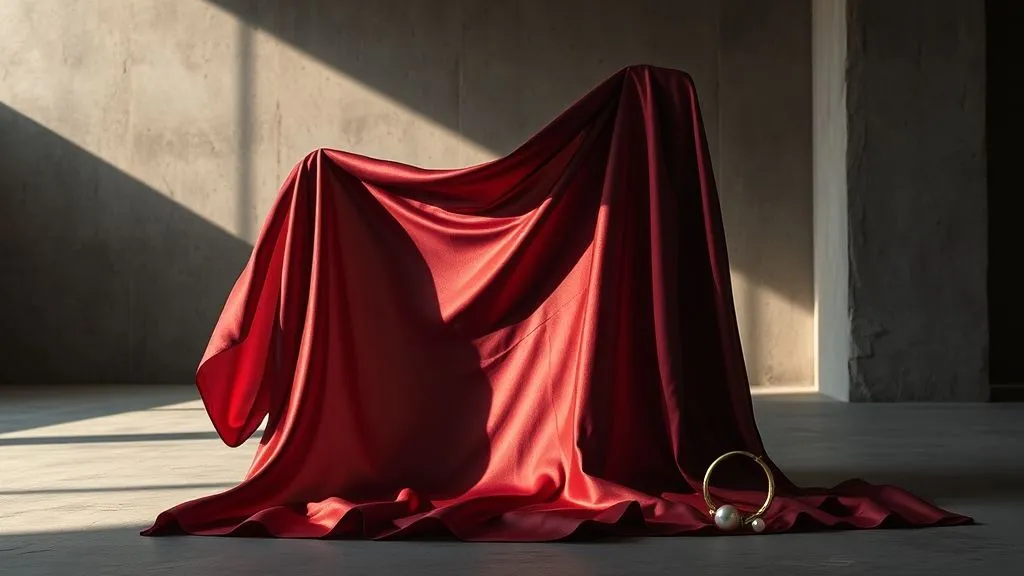
- Minimalism is Key: Often, a single, well-chosen accessory or a beautifully draped piece of fabric can convey more luxury than a heavily accessorized look. Focus on clean lines, exquisite textures, and thoughtful layering.
- DIY & Customization: With basic sewing skills, you can alter existing pieces to fit your vision perfectly.
The art of styling is about creating an illusion. A simple, well-ironed white shirt paired with a bold, unique piece of jewelry can look incredibly high-end. It's about the intentionality of each element.
Lighting and Composition: Crafting High-End Visuals with Basic Tools
This is where the magic truly happens. Lighting and composition are the bedrock of luxury photography, and neither requires expensive gear. Mastering these elements allows you to transform ordinary settings and garments into extraordinary visuals.
The Magic of Natural Light and Simple Modifiers
Natural light is free, abundant, and incredibly versatile. Understanding how to harness it is perhaps the most powerful skill for a budget-conscious art director.
- Golden Hour & Blue Hour: These times offer soft, flattering light that is naturally cinematic.
- Open Shade: When direct sun is harsh, look for open shade (e.g., under a building overhang) for beautiful, even light.
- Window Light: A large window can act as a massive softbox, providing beautiful directional light indoors.
- Simple Modifiers:
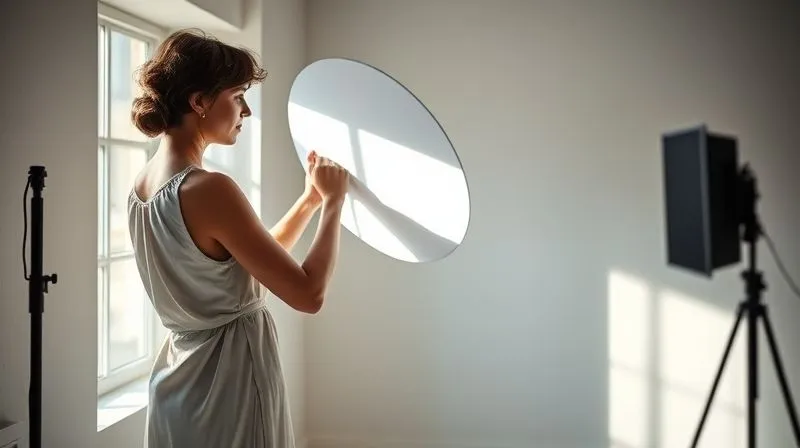
- Reflectors: A white foam board or a silver car sunshade can bounce light back onto your subject, filling in shadows.
- Diffusers: A sheer white curtain or a large white sheet can soften harsh light.
- Black Cards: Used to absorb light and create more dramatic shadows.
Experiment with different angles and distances. Even a single light source, expertly positioned, can sculpt your subject and create a luxurious mood. As B&H Photo's guides often illustrate, understanding natural light is fundamental to great photography.
Compositional Techniques for Opulence
Composition dictates how the viewer's eye moves through your image and how they perceive the subject. Luxury often implies order, balance, and a sense of effortless grace.
- Rule of Thirds: Place your subject along intersecting lines or points for visual balance.
- Leading Lines: Use natural lines in the environment (e.g., roads, architectural features) to draw the eye towards your model.
- Symmetry & Asymmetry: Both can be powerful. Symmetry often conveys grandeur, while asymmetry can create tension and interest.
- Negative Space: Embrace empty areas around your subject. This creates a sense of calm, focus, and sophistication, allowing the viewer's eye to rest and appreciate the details.
- Depth of Field: Use a shallow depth of field (blurry background) to isolate your subject and create a dreamy, professional look, even with an entry-level lens.
Post-Production Prowess: Elevating Imagery Without Breaking the Bank
Post-production is your final, crucial step in transforming good photos into luxury visuals. It's not about making a bad photo good, but about enhancing an already well-shot image to its highest potential. This is where you can refine the mood, correct imperfections, and unify your aesthetic.
Strategic Retouching for a Polished Finish
Retouching should be subtle and purposeful, aiming for perfection without losing authenticity. Over-retouching can actually cheapen an image. Focus on:
- Skin Smoothing: Even out skin tones and remove temporary blemishes, but retain natural texture.
- Distraction Removal: Eliminate any background elements that detract from the main subject.
- Garment Refinement: Smooth out minor wrinkles, remove lint, and enhance fabric textures.
- Hair Cleanup: Tame flyaways and stray hairs for a polished look.
If you're not a skilled retoucher, consider bartering services with an emerging retoucher or utilizing affordable online services for basic cleanup. Many software options like GIMP or darktable offer powerful tools for free.
Color Grading: The Emotional Heartbeat of Luxury
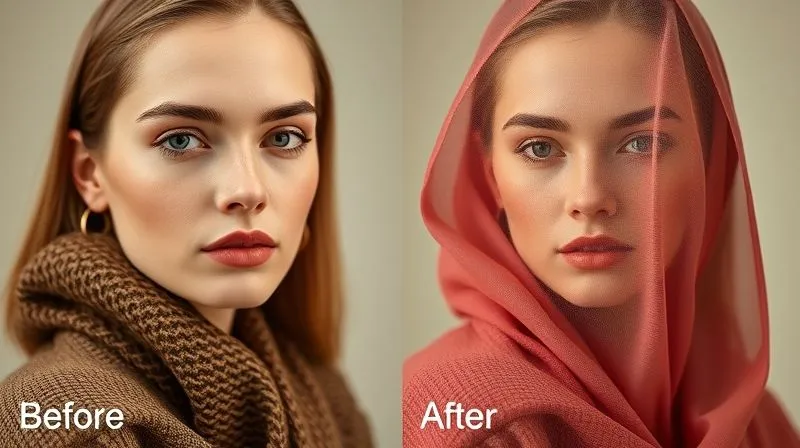
Color grading is perhaps the most impactful post-production step for conveying luxury. It sets the mood, unifies the entire series, and defines your unique aesthetic. Think about the cool, desaturated tones of high fashion editorials, or the warm, rich hues of a classic luxury brand.
- Consistency is Key: Develop a consistent color palette across all images in your campaign.
- Understand Color Psychology: Cool tones often convey sophistication and calm; warm tones, intimacy and richness.
- Subtle Adjustments: Focus on minor tweaks to highlights, shadows, and mid-tones rather than drastic shifts.
- Black and White: Don't underestimate the power of a perfectly graded black and white image to convey timeless luxury and drama.
There are numerous free and affordable presets and tutorials available online for various editing software. Experiment to find a style that elevates your brand. Professional photographers often emphasize that color grading is essential for establishing mood and brand identity.
Creative Storytelling: Beyond the Garment
Luxury fashion isn't just about clothes; it's about a lifestyle, an aspiration, a narrative. On a budget, your ability to tell a compelling story visually becomes even more critical. This adds depth and meaning that transcends material cost.
Narrative-Driven Art Direction
Every shoot should have a story. Who is this person? What are they doing? What world do they inhabit? Even a simple narrative can elevate your imagery.
- Character Development: Give your model a persona. This guides posing, expression, and styling.
- Environmental Storytelling: The location isn't just a backdrop; it's a character in the story.
- Sequence of Images: Plan shots that build on each other, creating a visual journey.
Embracing Minimalism and Negative Space
Often, less is more. Minimalism, when executed with precision, exudes sophistication and confidence. It forces the viewer to focus on the essential elements – the garment, the model, the quality of light.
"In the pursuit of luxury on a budget, minimalism isn't a limitation; it's a powerful design choice that speaks volumes about confidence and refined taste."
Utilize negative space to create a sense of grandeur and focus. It allows the key elements to breathe and stand out, conveying an effortless elegance that is inherently luxurious.
Forging Partnerships and Barter: Expanding Your Reach Affordably
Collaboration isn't just about finding talent; it's about expanding your resources without spending cash. This is a core strategy I've employed successfully throughout my career.
Case Study: The "Opulent Echoes" Campaign
How a Local Boutique Achieved High-End Visuals on a Shoestring
A few years ago, I worked with a small, independent boutique, 'Opulent Echoes,' specializing in ethically sourced artisan jewelry. Their challenge: competing with big brands' lavish campaigns with virtually no marketing budget. They needed imagery that conveyed the unique, luxurious quality of their handmade pieces.
Our Strategy:
- Concept: "Timeless Elegance in Urban Landscapes." We decided to juxtapose the delicate jewelry with raw, overlooked urban textures.
- Team: I reached out to an emerging photographer from a local art school, a stylist who was building her portfolio, and a new face model. We agreed on a TFP (Time For Print) basis, offering high-quality images for their portfolios.
- Location: Instead of renting, we scouted a series of public brutalist buildings and a quiet, cobblestone alleyway in the city center. Permits were free for non-commercial, portfolio-building shoots.
- Wardrobe: We borrowed a few key minimalist silk and linen pieces from another local designer who wanted exposure, and the model brought some of her own classic attire.
- Lighting: Exclusively natural light, strategically diffused with a white sheet and reflected with a simple foam board.
- Post-Production: We opted for a slightly desaturated, warm color grade to evoke a sense of heritage and timelessness.
Results: The 'Opulent Echoes' campaign generated stunning, high-end visuals that looked far more expensive than they were. The boutique saw a 40% increase in online engagement and a 25% boost in sales within three months, directly attributing it to the elevated visual content. The team gained valuable portfolio pieces and professional connections. This case study perfectly illustrates how strategic art direction, resourcefulness, and collaboration can yield luxury results on a tight budget.
Key Tools and Resources for Budget-Conscious Art Directors
Even with limited funds, certain tools and resources can significantly enhance your art direction and production quality. Here’s a quick overview of what I recommend focusing on:
| Resource Type | Budget-Friendly Option | Benefit |
|---|---|---|
| Photography Gear | Rent equipment (lenses, camera bodies) for specific shoots, utilize natural light modifiers (reflectors, diffusers), invest in one versatile prime lens. | Access to high-quality gear without ownership cost, maximizes visual quality. |
| Location Scouting | Explore public spaces, natural environments, friends' homes, or industrial areas; utilize apps like Google Maps Street View for initial scouting. | Free or low-cost unique backdrops, adds character and authenticity. |
| Team Building | Collaborate with emerging talent (photographers, models, stylists, HMUAs) on a TFP (Time For Print) or portfolio-building basis. | Access to skilled professionals, mutual benefit for portfolio development. |
| Styling & Wardrobe | Borrow from local boutiques/designers, thrift store finds, vintage pieces, repurpose existing garments, DIY accessories. | Unique, high-quality looks without buying, supports local businesses. |
| Post-Production Software | Free tools like GIMP, Darktable, or DaVinci Resolve (for video); affordable subscriptions like Adobe Lightroom/Photoshop Photography Plan. | Professional-grade editing capabilities, essential for refining final output. |
| Inspiration & Learning | Pinterest, Behance, fashion magazines (library copies), online tutorials (YouTube), industry blogs. | Constant source of creative ideas, skill development, staying current with trends. |
Frequently Asked Questions (FAQ)
Question: How do I convince a model or a professional to work for free or at a reduced rate? The key is to offer compelling value. Clearly articulate your vision, showcase your professionalism, and promise high-quality images for their portfolio. Be specific about the type of exposure or creative freedom they'll receive. A strong concept and a well-organized shoot are very attractive to emerging talent. Frame it as a genuine collaboration, not just a free service.
Question: What's the single most important element to prioritize when budget is extremely limited? If I had to pick just one, it would be lighting. Impeccable lighting can make even the simplest garment in the most basic location look luxurious. Focus on understanding and mastering natural light, and how to shape it with affordable modifiers like reflectors and diffusers. Good light elevates everything.
Question: Can I really achieve a 'luxury' look with a smartphone camera? While a professional DSLR or mirrorless camera offers more control and higher resolution, modern smartphones have incredibly capable cameras. The 'luxury' look comes more from art direction (styling, location, composition, lighting) and post-production than the camera body itself. Focus on these elements, ensure good lighting, and use editing apps to refine your images. You can certainly get surprisingly high-quality results for social media and web use.
Question: How do I find unique locations without breaking privacy laws or needing expensive permits? Start with public parks, city streets, or natural landscapes, always checking local regulations for photography. Look for interesting architectural details, textures, or light. Many industrial areas, while private, might have publicly accessible exteriors. For private properties, approach owners directly with a clear, concise proposal, explaining your non-commercial intent and offering photo credit or a small token of appreciation. Always prioritize safety and respect for property.
Question: How much emphasis should I place on props versus the garment itself? On a tight budget, less is often more with props. Each prop should serve a clear purpose in enhancing the narrative or highlighting the garment, rather than distracting from it. Prioritize the garment and its styling. If you use props, choose ones that are simple, high-quality, and align perfectly with your defined luxury aesthetic. Think about texture, color, and how it interacts with the light and the main subject.
Key Takeaways and Final Thoughts
- Redefine Luxury: It's about perception, quality, and emotion, not just price.
- Master Pre-Production: Meticulous planning saves money and ensures a cohesive vision.
- Leverage Talent & Network: Collaborate with emerging professionals for mutual benefit.
- Smart Styling & Sourcing: Curate, borrow, thrift, and DIY to create unique looks.
- Prioritize Lighting & Composition: These fundamental elements are free and profoundly impactful.
- Refine with Post-Production: Strategic retouching and color grading elevate your final images.
- Embrace Storytelling & Minimalism: Create depth and sophistication with intentional choices.
- Forge Partnerships: Barter and collaborate to expand your resources.
Achieving luxury fashion shoot art direction on a tight budget is not just a workaround; it's a testament to your creativity, resourcefulness, and strategic prowess. I've seen it time and again: the most memorable and impactful campaigns often emerge from constraints, forcing a level of innovation that limitless budgets rarely inspire. Embrace these challenges, trust your artistic instincts, and remember that true luxury is about the feeling you evoke, not the money you spend. Go forth and create stunning, aspirational imagery that truly stands out.
Recommended Reading
- How to Ethically Source Exotic Leather for Luxury Handbags: A 7-Step Guide
- Sustainable & Durable Kids' Wear: 5 Eco-Fabrics Parents Trust
- 5 Proven Strategies: Playful Kids' Fashion Designs That *Actually* Sell?
- Differentiate Rustic Bridal Gowns: 7 Proven Strategies for a Saturated Market
- Ultimate Guide: Best Casual Shoes for Wide Feet Men


Your email address will not be published. Required fields are marked *