

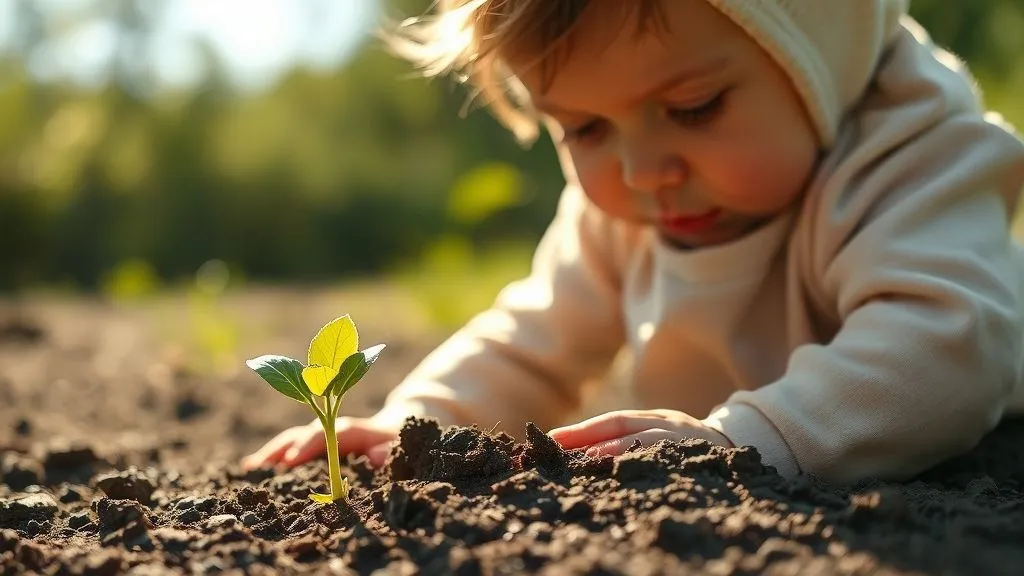
Finding Sustainable Fabrics for Durable Kids' Practical Wear? Let's Solve It.
For over 15 years in the dynamic world of kids' fashion, I've witnessed a recurring frustration among parents: the seemingly endless cycle of buying clothes that simply don't stand up to the relentless energy of childhood. It's a tale as old as time – new outfit, one playground adventure, and suddenly, a rip, a faded knee, or a stretched-out waistband. This isn't just an inconvenience; it's a significant drain on household budgets and, increasingly, a source of environmental guilt.
The modern parent faces a unique dilemma. We want clothes that are gentle on our children's delicate skin, safe for their active lives, and kind to the planet. Yet, the market is flooded with options that often prioritize fleeting trends over genuine durability and sustainable practices. The quest for practical kids' wear that is both ethically produced and built to last feels like an uphill battle, leaving many feeling overwhelmed and unsure where to turn.
That's precisely why I've distilled my extensive experience into this definitive guide. You're not just going to learn about fabrics; you're going to gain a practical framework for identifying truly sustainable and durable options. I'll share expert insights, actionable steps, and even a mini case study, empowering you to make informed choices that benefit your child, your wallet, and our shared planet. Let's redefine what 'practical' means in kids' fashion.
The Imperative: Why Sustainable Durability Matters in Kids' Fashion
The conversation around kids' clothing has evolved dramatically. It's no longer just about cute designs or fleeting trends; it's about the bigger picture. As parents and industry specialists, we're keenly aware of the impact our choices have, both on our children's immediate comfort and the long-term health of the environment they will inherit.
Beyond the Buzzwords: What "Sustainable" Really Means for Kids' Wear
The term "sustainable" is often thrown around, sometimes without genuine substance. In kids' fashion, true sustainability encompasses the entire lifecycle of a garment. This means considering the environmental footprint of raw material cultivation or production, the ethical treatment of workers involved in manufacturing, and the garment's durability and end-of-life impact.
It's about minimizing waste, conserving resources, and ensuring that the materials used are safe for both children and the planet. For practical kids' wear, sustainability also means choosing fabrics that reduce the need for frequent replacement, thereby lessening consumption.
The Cost of Fast Fashion: Environmental & Economic Toll
Fast fashion has conditioned us to expect cheap, disposable clothing. However, this comes at a steep price. The textile industry is one of the largest polluters globally, consuming vast amounts of water, energy, and chemicals. When children's clothes are designed to fall apart after a few washes, they quickly contribute to overflowing landfills, exacerbating the problem.
Economically, while individual fast fashion items may seem inexpensive, the cumulative cost of constantly replacing worn-out garments adds up significantly. Investing in higher-quality, durable, and sustainable pieces, though initially pricier, often proves more cost-effective in the long run. It's about shifting from a disposable mindset to one of mindful consumption.
Decoding Fabric Performance: What Makes a Kids' Garment Truly Durable?
Durability in kids' clothing isn't just a buzzword; it's a complex interplay of fiber characteristics, construction techniques, and finishing processes. As an expert, I look beyond the surface to understand what truly makes a garment withstand the rigors of childhood.
Fiber Strength and Resilience
The inherent strength of a fiber is foundational to durability. Some fibers, like hemp, are naturally robust, with long, strong strands that resist tearing and abrasion. Others, like certain synthetic blends, can be engineered for exceptional toughness. Resilience, the ability of a fiber to return to its original shape after being stretched or compressed, is equally crucial for maintaining garment integrity through countless play sessions and washes.
Consider the difference between a flimsy, thin cotton jersey and a tightly woven organic cotton canvas. The latter’s superior fiber density and weave structure contribute directly to its longevity. When you're searching for durable kids' clothes, the fiber's intrinsic properties are your first clue.
Weave and Construction: The Unsung Heroes
Even the strongest fibers can fail if the fabric's weave or knit structure is weak. A tight, dense weave, like twill or plain weave, provides greater resistance to snags and tears than a loose, open knit. Similarly, the way a garment is constructed – the quality of its seams, stitching, and reinforcements – plays a massive role in its lifespan.
I've seen countless garments with perfectly good fabric fall apart due to weak single stitching or poorly reinforced stress points. This is where meticulous manufacturing practices intersect with the raw material to create genuinely practical kids' wear. Always examine the stitching; it tells a story about the garment's future.
Dyeing and Finishing: Impact on Longevity
The processes of dyeing and finishing can significantly impact a fabric's durability and safety. Harsh chemical dyes can weaken fibers over time, leading to faster degradation and fading. Environmentally friendly, low-impact dyes are not only better for the planet but often less damaging to the fabric's integrity. Water-repellent or stain-resistant finishes, while practical, should be evaluated for their chemical composition, especially for children's wear.
Opting for fabrics that minimize chemical processing, or use certified safe alternatives, ensures that the garment retains its strength and color without introducing harmful substances. This is a critical aspect of Finding sustainable fabrics for durable kids' practical wear? that many overlook.
Top Sustainable Fabrics for Unmatched Durability in Kids' Wear
After years of evaluating countless materials, I've identified several front-runners that consistently deliver on both sustainability and durability for children's practical wear. These fabrics represent the best of both worlds, offering peace of mind to parents and resilience for active kids.
Organic Cotton: The Timeless Champion
Organic cotton remains a cornerstone of sustainable kids' fashion, and for good reason. Grown without synthetic pesticides, herbicides, or GMOs, it's safer for farmers, the environment, and your child's skin. Its natural breathability and softness are unparalleled, making it ideal for everyday wear.
- Durability: When woven into sturdy knits (like interlock or French terry) or robust weaves (like canvas or denim), organic cotton is incredibly resilient against daily wear and frequent washing.
- Sustainability: Significantly reduces water pollution and conserves biodiversity compared to conventional cotton.
- Comfort: Hypoallergenic, breathable, and soft, perfect for sensitive skin.
Hemp: The Eco-Warrior with Iron Strength
Hemp is truly a marvel of nature. It's one of the strongest natural fibers, often compared to linen for its crisp feel and incredible longevity. Its cultivation requires minimal water and no pesticides, making it highly sustainable.
- Durability: Hemp fibers are known for their exceptional strength and resistance to abrasion. It actually gets softer with each wash without losing its integrity.
- Sustainability: Grows rapidly, requires little water, improves soil health, and is naturally pest-resistant.
- Practicality: Offers natural UV resistance and antimicrobial properties, great for outdoor play.
Tencel™ Lyocell: Softness Meets Stoutness
Tencel™ Lyocell, a branded form of lyocell, is derived from sustainably sourced wood pulp through a closed-loop production process that recycles water and solvents. It's renowned for its exquisite softness, drape, and breathability, often feeling like silk.
- Durability: Despite its silky feel, Tencel™ Lyocell is surprisingly strong, especially when wet, making it resistant to shrinking and pilling.
- Sustainability: Highly sustainable production process, biodegradable, and derived from renewable resources.
- Comfort: Excellent moisture-wicking properties, gentle on skin, and maintains vibrant colors.
Recycled Polyester (rPET): A Second Life for Plastic
Recycled polyester is made from post-consumer plastic bottles, diverting waste from landfills and oceans. While a synthetic fiber, its sustainable advantage lies in its resource efficiency and strength, making it ideal for outerwear or activewear where water resistance and toughness are paramount.
- Durability: Inherits the robust, quick-drying, and wrinkle-resistant properties of virgin polyester, but with a reduced environmental footprint.
- Sustainability: Reduces reliance on virgin petroleum, lowers energy consumption, and prevents plastic waste.
- Practicality: Excellent for swimwear, rain jackets, and durable backpacks due to its inherent resilience.
Merino Wool: Nature's Performance Fabric (for specific practical wear)
Often overlooked for kids' wear beyond winter, fine merino wool is incredibly soft, breathable, and temperature-regulating. While it requires careful washing, its natural properties make it surprisingly durable for specific applications, such as base layers or outdoor adventure clothing.
- Durability: Its natural elasticity and crimp make it resistant to tearing and stretching. High-quality merino can last for years with proper care.
- Sustainability: Renewable resource, biodegradable, and requires less washing due to its odor-resistant properties.
- Comfort: Regulates body temperature, wicks moisture, and is naturally antimicrobial.
Beyond the Fiber: Essential Considerations for Practical Kids' Garments
Selecting the right fabric is just the first step. True durability and practicality in kids' wear also hinge on how the garment is constructed and designed. I always advise parents to look beyond the material composition and inspect the craftsmanship.
Construction Quality: Seams, Stitching, and Reinforcements
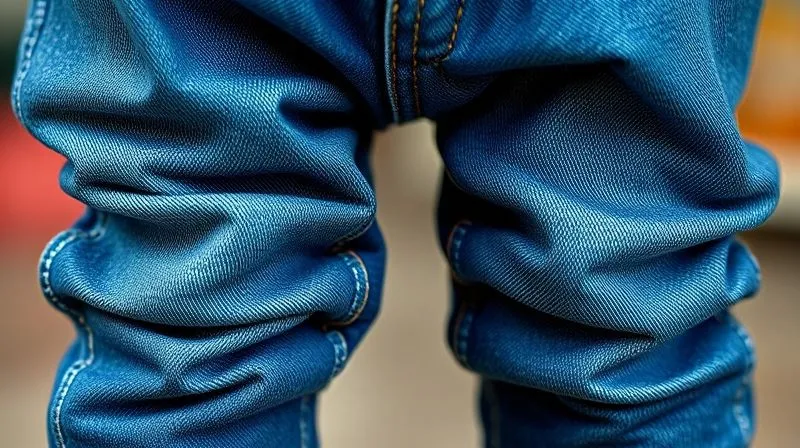
The best fabric in the world won't last if the garment's construction is shoddy. Look for strong, even stitching – double-stitched or flat-felled seams are a sign of quality, especially in high-stress areas like crotches and armholes. Reinforced knees and elbows, often with an extra layer of fabric or a tougher weave, dramatically extend the life of pants and tops.
Expert Insight: "Always turn the garment inside out before buying. The quality of the interior stitching is often a truer indicator of durability than the exterior finish. Sloppy seams are a red flag for premature wear and tear."
Design for Growth and Movement: Longevity in Fit
A garment that fits well for longer is inherently more sustainable. Look for designs with adjustable waistbands, roll-up cuffs, or slightly generous cuts that accommodate growth spurts. Articulated knees and gusseted crotches allow for unrestricted movement, reducing stress on seams and preventing blowouts. These thoughtful design elements mean the clothes will see more wear before being outgrown or worn out.
Care Instructions: Maximizing Garment Lifespan
Even the most durable sustainable fabrics require proper care. Always follow the garment's care label. Over-washing, using harsh detergents, or high heat drying can prematurely degrade fibers, causing fading, shrinking, and weakening. Gentle washing and air drying not only save energy but also preserve the integrity of the fabric and stitching.
- Wash in cold water to prevent shrinking and fading.
- Use mild, eco-friendly detergents to protect fibers.
- Air dry whenever possible, or tumble dry on low heat.
- Pre-treat stains promptly to avoid harsh scrubbing later.
Navigating Certifications & Transparency: Your Guide to Trustworthy Brands
The sustainable fashion landscape can feel like a maze, but certifications act as your compass. They provide an independent verification that a brand's claims about sustainability, ethical production, and safety are legitimate. As an industry specialist, I rely heavily on these to cut through greenwashing.
GOTS (Global Organic Textile Standard)
GOTS is the gold standard for organic textiles. It ensures that textiles are made from at least 70% certified organic natural fibers and that strict environmental and social criteria are met throughout the entire supply chain, from harvesting to manufacturing and labeling. If you're Finding sustainable fabrics for durable kids' practical wear?, GOTS is a benchmark for organic cotton and other natural fibers.
Look for the GOTS logo on labels; it guarantees that the entire process, not just the raw material, adheres to rigorous standards. Learn more about GOTS here: Global Organic Textile Standard.
Oeko-Tex Standard 100
Oeko-Tex Standard 100 focuses on consumer safety by testing textiles for harmful substances. A product with this certification guarantees that every component – including threads, buttons, and other accessories – has been tested for a wide range of chemicals known to be harmful to human health. While not a sustainability certification in itself, it's crucial for ensuring the safety of kids' wear.
This certification is especially important for items that come into direct contact with a child's skin. You can verify product labels at Oeko-Tex Standard 100.
B Corp Certification
While not textile-specific, B Corp certification signifies that a company meets the highest standards of verified social and environmental performance, public transparency, and legal accountability to balance profit and purpose. A B Corp certified kids' fashion brand is committed to ethical practices across its entire business model, offering a holistic assurance of responsibility.
Actionable Framework: Choosing the Right Fabric for Specific Kids' Activities
Now that we understand the fabrics and certifications, let's put it into practice. The "best" fabric isn't universal; it depends on the garment's intended use. Here's how I advise parents to approach the selection process for different activities, ensuring you're truly Finding sustainable fabrics for durable kids' practical wear? for every scenario.
Case Study: The Adventurous Toddler's Wardrobe
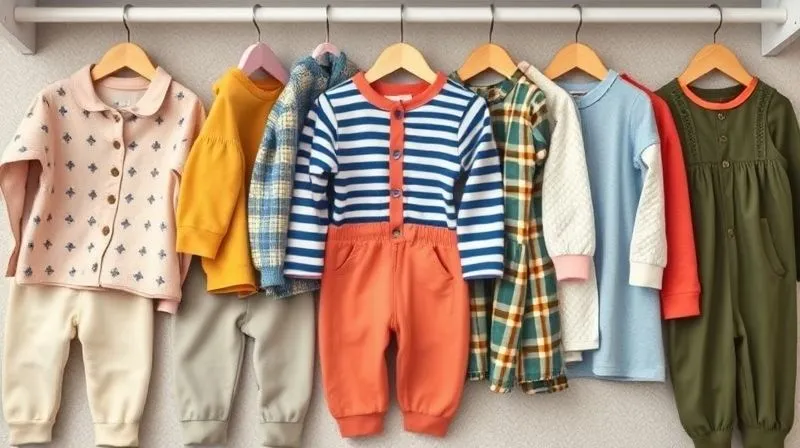
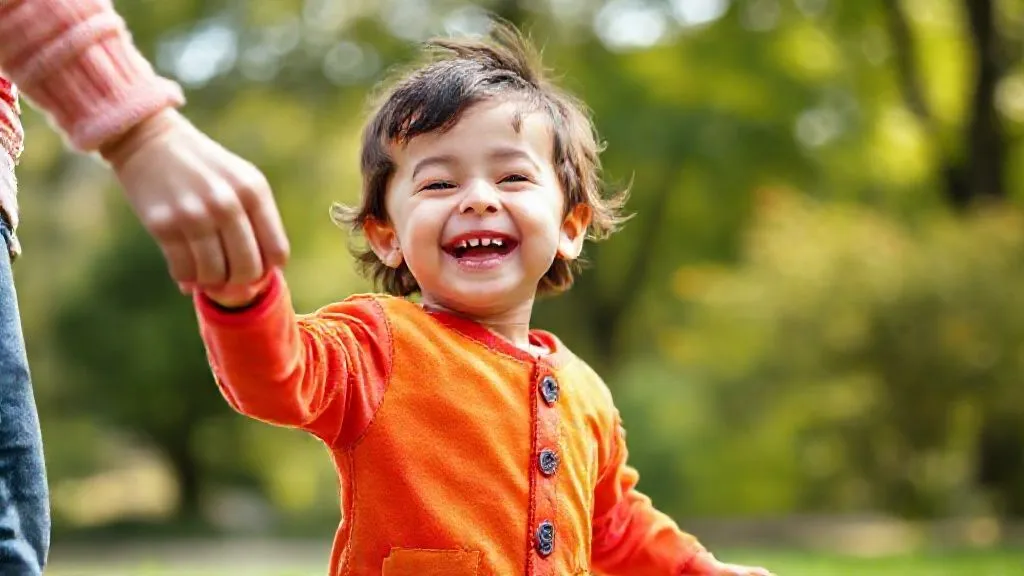
Meet Leo, a two-year-old with an insatiable curiosity for mud puddles, climbing, and anything that involves getting delightfully messy. His parents, initially frustrated by constantly replacing torn pants and stained shirts, adopted a strategic approach. For everyday play, they prioritized organic cotton twill pants with reinforced knees and hemp blend tops for their resilience. For rainy days, a recycled polyester waterproof jacket was chosen. By focusing on durability and easy care for each activity, Leo's wardrobe now lasts significantly longer, reducing both waste and expense, proving that practical kids' wear can be both sustainable and robust.
- Assess the Activity: Is it for active play, school, sleep, or special occasions?
- Prioritize Key Fabric Properties: For active play, prioritize abrasion resistance and flexibility (e.g., hemp, organic cotton canvas, rPET blends). For sleepwear, prioritize softness and breathability (e.g., organic cotton, Tencel™ Lyocell).
- Check for Certifications: Always ensure fabrics are certified safe and sustainably produced.
- Inspect Construction: Look for strong seams, reinforced stress points, and quality finishes.
- Consider Care: Choose fabrics that align with your willingness and ability to follow care instructions.
| Activity | Recommended Fabric | Key Properties | Care |
|---|---|---|---|
| Everyday Play | Organic Cotton Twill/Canvas, Hemp Blends | Abrasion-resistant, breathable, flexible | Machine wash cold, tumble dry low |
| Active/Outdoor | Recycled Polyester, Merino Wool (base layer) | Water-resistant, quick-drying, temperature-regulating | Follow specific instructions for synthetics/wool |
| Sleep/Lounge | Organic Cotton Jersey, Tencel™ Lyocell | Soft, breathable, moisture-wicking | Machine wash cold, air dry |
| Special Occasion | Organic Cotton Sateen, Hemp-Silk Blends | Elegant drape, comfortable, durable | Gentle wash, air dry |
The Lifecycle Approach: Extending the Value of Kids' Sustainable Wear
True sustainability doesn't end when you buy a durable garment; it extends throughout its entire lifespan and beyond. As an industry veteran, I advocate for a circular mindset – making the most of every piece of clothing and ensuring it has a purpose even after your child has outgrown it.
Repair, Repurpose, and Upcycle
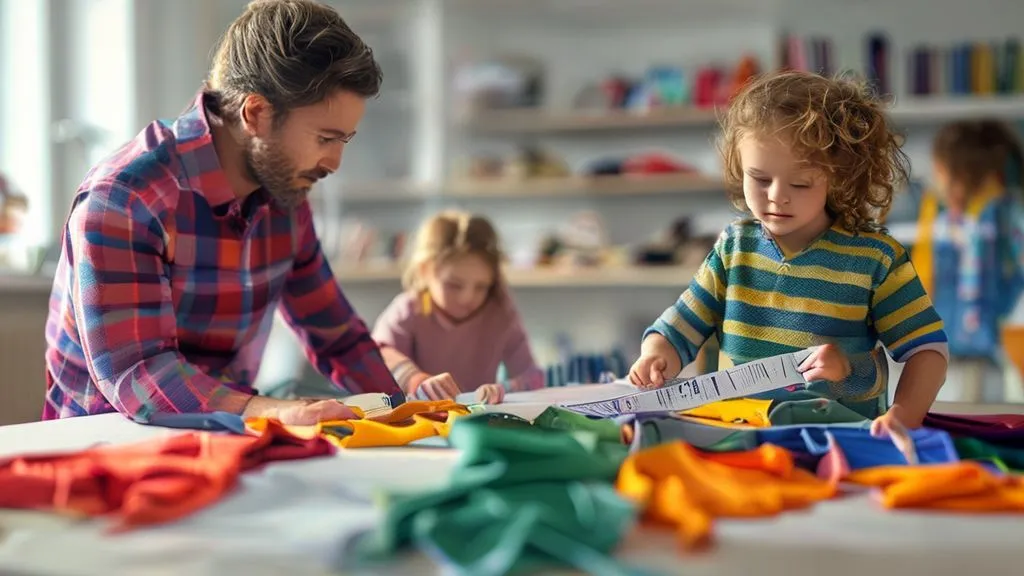
A small tear doesn't have to mean the end of a garment's life. Learning basic mending skills – or finding someone who can help – can significantly extend the wear of clothes. Patches, darning, or creative visible mending can even add character. When a garment is truly beyond repair for its original purpose, consider repurposing it: turn old jeans into shorts, t-shirts into cleaning rags, or use fabric scraps for craft projects. Upcycling breathes new life into textiles, preventing them from becoming waste.
Hand-Me-Downs and Resale: Closing the Loop
One of the greatest benefits of investing in durable, high-quality kids' wear is its potential for a second (or third, or fourth) life. Clothes made from sustainable fabrics that withstand the test of time are perfect for hand-me-downs to younger siblings, friends, or relatives. If that's not an option, consider selling them on consignment, through online marketplaces, or donating them to charities that ensure they find new homes.
This circular approach not only extends the garment's utility but also reduces the demand for new production, significantly lessening environmental impact. The Ellen MacArthur Foundation has extensively researched the benefits of a circular economy in textiles: Ellen MacArthur Foundation - Fashion Initiative.
Overcoming Common Pitfalls: Debunking Myths About Sustainable Durability
In my years in the industry, I've heard many misconceptions that deter parents from embracing sustainable and durable kids' wear. Let's address some of these common myths head-on, so you can make choices with confidence when Finding sustainable fabrics for durable kids' practical wear?
Myth 1: Sustainable Means Expensive and Delicate
It's true that sustainable items often have a higher upfront cost, primarily due to ethical production practices, higher-quality materials, and smaller-scale manufacturing. However, this doesn't mean they're delicate. In fact, many sustainable fabrics, like hemp and organic cotton canvas, are specifically chosen for their exceptional durability. The true cost-effectiveness comes from longevity; one durable organic cotton shirt that lasts for years (and can be handed down) often costs less in the long run than multiple fast-fashion alternatives that quickly fall apart.
According to a McKinsey report on sustainability in fashion, consumers are increasingly willing to pay more for sustainable products, recognizing their long-term value: McKinsey - The State of Fashion.
Myth 2: All Natural Fibers are Equally Durable
While natural fibers are generally preferred for their environmental benefits and comfort, their durability varies significantly. A fine silk, while natural and luxurious, is not suitable for rough-and-tumble play. Conversely, hemp or a tightly woven organic cotton twill offers impressive resilience. It's crucial to understand the specific properties of each natural fiber and how it's processed and woven, rather than making broad generalizations. Always refer to the fiber's inherent strength and the garment's construction, as discussed earlier.
Frequently Asked Questions (FAQ)
Q: How can I tell if a brand's "sustainable" claims are legitimate, beyond just checking for certifications? A: Beyond certifications like GOTS and Oeko-Tex, look for transparency. Legitimate sustainable brands will often share details about their supply chain, manufacturing partners, and even their carbon footprint. Check their 'About Us' or 'Sustainability' pages for specific initiatives, factory audits, and commitment to fair labor. Avoid brands with vague claims or those that only highlight one aspect of sustainability without addressing the full picture. Fashion Revolution's transparency index is a great resource to cross-reference.
Q: My child has very sensitive skin. Which sustainable fabrics are best to avoid irritation, while still being durable? A: For sensitive skin, prioritize organic cotton, Tencel™ Lyocell, and fine merino wool. Organic cotton is free from harsh chemicals and pesticides, making it inherently hypoallergenic. Tencel™ Lyocell is incredibly smooth and soft, reducing friction, and has excellent moisture-wicking properties, which helps prevent skin irritation from dampness. Fine merino wool, despite being wool, is surprisingly soft and breathable, with natural antimicrobial properties. Ensure any dyes used are low-impact and certified safe (e.g., Oeko-Tex Standard 100).
Q: What are the biggest challenges in making kids' practical wear truly sustainable and durable, from an industry perspective? A: From an industry standpoint, one of the biggest challenges is balancing cost with quality and ethical production. Sustainable raw materials and fair labor practices often increase production costs, which can be a hurdle in a price-sensitive market. Another challenge is sourcing durable, yet biodegradable, components like zippers, buttons, and elastic, which are often synthetic. Innovation in material science and a shift in consumer demand towards valuing longevity over fleeting trends are crucial to overcoming these obstacles.
Q: Are there any emerging sustainable fabrics that show promise for kids' practical wear in the near future? A: Absolutely! The textile industry is constantly innovating. One promising area is regenerative agriculture, which produces fibers like cotton in ways that actually improve soil health and sequester carbon. Also, innovative bio-based materials derived from agricultural waste (like pineapple leaves or mushroom mycelium) are being developed, offering durable and biodegradable alternatives. We're also seeing advancements in fabric blends that combine the best properties of different sustainable fibers for enhanced performance. Keep an eye on brands that invest in R&D for these next-gen materials.
Q: How can I educate my children about the importance of sustainable and durable clothing without overwhelming them? A: Start with simple, relatable concepts. Explain where their clothes come from (e.g., "this shirt started as a plant!") and why it's good to take care of them ("so they can last longer for you and then a friend"). Involve them in mending small tears with fun patches or choosing clothes that feel good and are easy to play in. Frame it as being kind to the planet and making things last, rather than focusing on complex environmental issues. Leading by example in your own purchasing and care habits is the most powerful lesson.
Key Takeaways and Final Thoughts
Navigating the world of kids' fashion, especially when prioritizing both sustainability and durability, can seem daunting. However, as we've explored, equipping yourself with the right knowledge empowers you to make impactful choices. It's about shifting from a cycle of disposability to one of conscious consumption, where every garment is chosen for its quality, its story, and its potential for longevity.
- Prioritize Quality Over Quantity: Invest in fewer, higher-quality pieces made from durable sustainable fabrics.
- Understand Fabric Properties: Different activities demand different materials; choose wisely based on use.
- Seek Certifications: GOTS, Oeko-Tex, and B Corp provide assurance of ethical and safe production.
- Inspect Construction: Good seams and reinforcements are as crucial as the fabric itself.
- Embrace the Lifecycle: Extend garment life through proper care, repair, and circular practices like hand-me-downs.
Remember, every choice you make as a parent contributes to shaping the world your children will inherit. By thoughtfully selecting sustainable and durable practical kids' wear, you're not just buying clothes; you're investing in comfort, resilience, and a healthier future. It’s a journey, not a destination, and I encourage you to embrace it with confidence, knowing you’re making a real difference. Your efforts in Finding sustainable fabrics for durable kids' practical wear? are invaluable. For further reading on making ethical consumer choices, consider resources from reputable academic institutions like this one: Harvard Business Review - The Elusive Green Consumer.
Recommended Reading
- Unleash Your Style: How to Incorporate Bold Prints into Streetwear Outfits
- Unveiling the Secrets: How Couturiers Achieve Haute Couture Precision
- Find Your Perfect Look: Which Iconic Eyeglass Frames Suit My Face Shape?
- 7 Proven Strategies: Turn Social Media Fashion Followers into Clients
- Bridal Shoe Returns? 7 Expert Strategies for All-Day Comfort


Your email address will not be published. Required fields are marked *