

How to Create Playful Kids' Fashion Designs That Genuinely Sell?
For over 20 years navigating the dynamic world of fashion, particularly within the enchanting, yet incredibly competitive, realm of kids' apparel, I've witnessed firsthand a common pitfall: designers pouring their heart into wonderfully whimsical creations that, sadly, just don't move off the racks. It's a passion project that too often remains just that, failing to translate into sustainable sales.
It's a disheartening scenario – you envision a vibrant, imaginative collection that perfectly captures the spirit of childhood, yet it struggles to connect with parents' purchasing decisions. The gap between 'playful' and 'profitable' often seems vast, leaving many talented creators frustrated and questioning their approach.
But what if I told you there's a strategic pathway to bridge that gap? This isn't about compromising creativity; it's about channeling it with purpose. In this definitive guide, I'll share actionable frameworks, real-world insights, and expert strategies honed over decades to show you exactly how to create playful kids' fashion designs that genuinely sell, transforming your passion into a thriving business.
1. Understanding Your Pint-Sized Consumers (and Their Parents)
To truly sell in kids' fashion, you must first understand the dual audience: the child who will wear it and the parent who will buy it. It's a delicate dance of appealing to imagination while satisfying practical needs.
Decoding Child Development Stages
Children's needs evolve rapidly. What's perfect for a crawling infant is entirely different from what a boisterous five-year-old requires. From fabric choice to closures, understanding developmental milestones is paramount.
- Infants (0-12 months): Focus on soft, breathable fabrics, easy-access closures (snaps, magnetic fasteners), non-restrictive fits, and safety (no small parts). Playfulness comes from gentle patterns, textures, and comfort.
- Toddlers (1-3 years): Durability for crawling and walking is key. Clothes need to withstand frequent washing. Designs can introduce more bold colors and simple, recognizable motifs (animals, basic shapes).
- Preschoolers (3-5 years): Kids start to express preferences. Designs can feature popular characters, imaginative themes, and clothes that encourage independence (easy pull-on styles). Comfort for active play remains crucial.
- School-Aged (6-10 years): Peer influence grows. Kids want to feel 'cool' and comfortable. Designs can be more trend-aware, with graphic prints, sports themes, and options for layering.
According to a study on child development by the Centers for Disease Control and Prevention (CDC), children's motor skills and cognitive abilities dictate their interaction with clothing, emphasizing the need for age-appropriate design.
The Parent's Perspective: Safety, Durability, and Value
While a child might be drawn to a flashy design, the parent is the gatekeeper. Their purchasing decisions are heavily influenced by practical considerations.
- Safety: Is it free from choking hazards? Are dyes non-toxic? Are drawstrings safe?
- Durability: Can it withstand countless washes and rough-and-tumble play? Will it last through hand-me-downs?
- Comfort: Is the fabric soft against sensitive skin? Does it allow for unrestricted movement?
- Ease of Care: Is it machine washable? Does it wrinkle easily?
- Value for Money: Does the quality justify the price point?
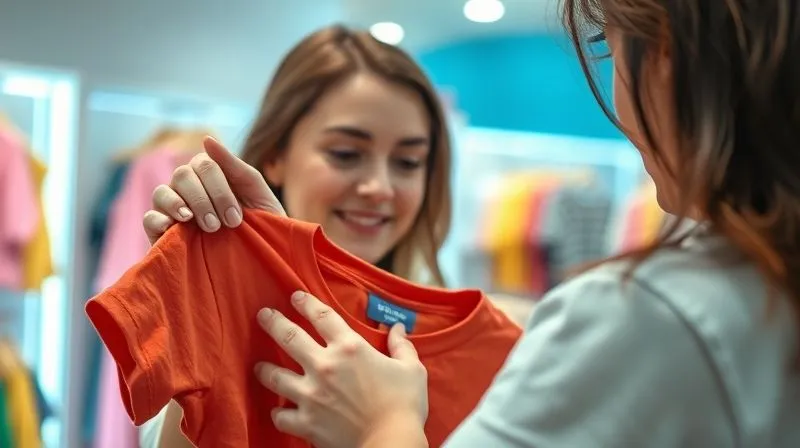
Balancing these parental concerns with child-centric appeal is the sweet spot for creating designs that genuinely sell. It's not enough to be playful; you must be practical, too.
| Age Group | Child's Desire | Parent's Priority | Design Focus |
|---|---|---|---|
| Infant (0-12m) | Sensory comfort, visual stimulation | Safety, ease of changing, softness | Soft fabrics, snaps, gentle prints |
| Toddler (1-3y) | Freedom of movement, recognizable images | Durability, washability, non-restrictive fit | Sturdy seams, bold patterns, elastic waistbands |
| Preschool (3-5y) | Expressing personality, favorite characters | Independence (easy dressing), comfort for play | Pull-on styles, themed collections, interactive elements |
| School-Aged (6-10y) | Trend awareness, peer acceptance, self-expression | Longevity, versatility, good value | Graphic tees, layering pieces, functional details |
2. Beyond Aesthetics: The Pillars of Practical Playfulness
Many designers stop at the visual appeal, but true playfulness in kids' fashion extends to how the garment functions and feels. It's about designing for the actual experience of childhood.
Comfort is King: Fabrics and Fit
Children are constantly moving, exploring, and growing. Restrictive clothing can hinder their natural development and lead to discomfort, making parents less likely to repurchase. I've seen brands miss the mark by prioritizing intricate designs over fundamental wearability.
"Comfort isn't a luxury in kids' fashion; it's a fundamental requirement. An uncomfortable child is a cranky child, and a cranky child means a frustrated parent who won't be buying your brand again."
Opt for natural, breathable fabrics like organic cotton, bamboo, or soft blends. Ensure fits are generous enough for movement but not so baggy as to be cumbersome. Consider details like flat seams to prevent irritation and stretchy waistbands for growing bodies.
Durability for Dynamic Play
Kids' clothes face a gauntlet of challenges: playground scrapes, food spills, mud puddles, and endless washing cycles. Designs that fall apart after a few wears are a quick path to consumer dissatisfaction.
Focus on reinforced stitching, high-quality zippers and buttons, and fabrics known for their resilience. Think about how a child will genuinely use the garment – will knee patches be beneficial? Are the colors fade-resistant? Investing in quality materials and construction pays dividends in customer loyalty.
Safety First: Design Considerations
Safety is non-negotiable. This goes beyond fabric toxicity to the very design elements. Small embellishments like beads or tiny buttons can be choking hazards for infants and toddlers. Drawstrings around the neck or waist can pose strangulation risks. Always adhere to local and international safety standards for children's apparel.
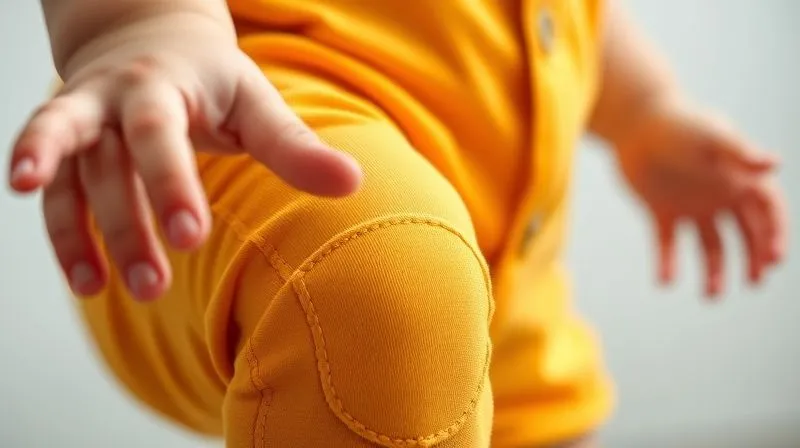
Parents are increasingly aware and vigilant about product safety, and a single recall can devastate a brand. Prioritize safety from the initial sketch to the final product. It builds immense trust, which is crucial for sales.
3. The Power of Storytelling and Theme in Kids' Apparel
Children live in worlds of imagination. Your designs can tap into this by weaving narratives and themes, making clothing more than just fabric – it becomes a part of their play.
Creating Engaging Narratives
Instead of just a shirt with a dinosaur, what if it's a 'Dinosaur Explorer' collection, complete with boots and a hat, encouraging an adventure? Or a 'Secret Garden' dress that subtly features hidden insects and flowers to discover? Storytelling makes your designs memorable and adds value beyond the garment itself.
This approach transforms clothing into tools for imaginative play, enhancing a child's experience and making the purchase more compelling for parents seeking enriching products. It answers the question, 'What story does this outfit tell?'
Thematic Collections vs. Standalone Pieces
While standalone pieces can be charming, cohesive thematic collections often perform better. They allow for cross-selling (e.g., matching tops and bottoms, accessories) and create a stronger brand identity. A collection centered around 'Ocean Adventures' or 'Forest Friends' can offer a range of garments, from everyday wear to special occasion pieces, all tied together by a consistent aesthetic and narrative.
Case Study: 'Starlight Dreamers' Brand Success
Let me share a quick, illustrative example. A small brand, 'Starlight Dreamers,' initially struggled with individual pieces featuring generic stars. I advised them to pivot to a narrative-driven collection around 'The Little Astronaut's Journey.' They developed a series of pajamas, T-shirts, and even a small plush toy, all featuring a consistent character and storyline of space exploration. They introduced designs depicting 'blast-off,' 'moon landing,' and 'star gazing.' This thematic coherence resonated deeply with both children's imaginative play and parents' desire for educational value. Sales for the entire collection saw a 250% increase within six months, demonstrating how a strong narrative can truly help to create playful kids' fashion designs that genuinely sell.
4. Market Validation: Before the First Stitch
The biggest mistake I've observed in the industry is designing in a vacuum. You might have brilliant ideas, but if there's no market for them, they won't sell. Market validation isn't about stifling creativity; it's about guiding it towards profitability.
Trend Forecasting for Kids' Wear
Kids' fashion has its own trends, often influenced by adult fashion, pop culture, and global events. Subscribing to trend forecasting services like WGSN or researching industry reports can provide invaluable insights into upcoming colors, silhouettes, motifs, and fabric innovations. Understanding these trends allows you to incorporate contemporary elements while maintaining your brand's unique identity.
It's about being ahead of the curve, not just following it. Parents appreciate designs that feel fresh and relevant, even for their little ones.
Gathering Feedback: Surveys, Focus Groups, and Playtesting
Before committing to large production runs, test your concepts. This is where real-world input becomes gold.
- Online Surveys: Use platforms to gather demographic data and preferences from your target parent audience. Ask about colors, themes, price points, and pain points with existing kids' wear.
- Parent Focus Groups: Organize small groups of parents to discuss your mood boards, sketches, or even prototypes. Their candid feedback on practicality, safety, and appeal is invaluable.
- Child Playtesting: If possible, observe children interacting with prototypes. Do they move freely? Are they comfortable? What elements do they gravitate towards? Their unadulterated reactions are the ultimate test of 'playfulness.'
This iterative process of testing and refining based on genuine feedback significantly reduces risk and increases the likelihood that your designs will resonate and sell. It ensures you're not just designing *for* kids, but *with* an understanding of them.
5. Building a Brand that Resonates with Family Values
In today's crowded market, a strong brand identity is more than just a logo; it's a promise. For kids' fashion, this promise often ties into values that parents prioritize for their families.
Authenticity and Transparency
Parents are increasingly discerning. They want to know where their children's clothes come from, how they're made, and what materials are used. Being authentic and transparent about your brand's story, manufacturing processes, and material sourcing builds immense trust.
Highlight your commitment to quality, safety, and ethical practices. Share behind-the-scenes glimpses of your design process or your commitment to local artisans. This humanizes your brand and fosters a deeper connection with your customers.
Community Engagement
Engage with your audience beyond just selling clothes. Host online contests for kids' drawings, sponsor local school events, or collaborate with parent influencers. Becoming a part of the family's lifestyle, rather than just a transaction, creates loyal advocates.
"Your brand's story and values are as important as the stitch count. Parents buy into a vision for their children, not just a garment. Make that vision align with their own hopes and dreams."
This engagement builds a community around your brand, where customers feel valued and heard. Word-of-mouth marketing from a strong community is incredibly powerful in the kids' fashion space.
6. The Art of Ethical Sourcing and Sustainable Design
Sustainability is no longer a niche concern; it's a mainstream expectation, especially for products aimed at children. Parents want to know that the clothes they buy are good for their kids and good for the planet their kids will inherit.
Eco-Friendly Materials
Embrace materials that are not only soft and safe but also environmentally responsible. Options like organic cotton, recycled polyester, hemp, bamboo, and Tencel are gaining significant traction. Highlight these choices in your marketing. Explain *why* these materials matter – for the child's skin and for the planet.
The demand for sustainable children's clothing is growing exponentially. Brands that lead in this area will capture a significant portion of the market share. It’s a powerful differentiator that can truly help to create playful kids' fashion designs that genuinely sell.
Fair Labor Practices
Beyond materials, consumers care about the people making their clothes. Ensuring fair wages, safe working conditions, and ethical treatment for all workers in your supply chain is crucial. Certifications like GOTS (Global Organic Textile Standard) or Fair Trade can provide third-party validation and build trust.
Transparency about your supply chain is a competitive advantage. Share stories of your manufacturing partners and their commitment to ethical production. This resonates deeply with conscious consumers.
| Material Type | Benefits | Considerations |
|---|---|---|
| Organic Cotton | Soft, breathable, hypoallergenic, pesticide-free | Can be more expensive, requires specific certifications |
| Bamboo Viscose | Extremely soft, moisture-wicking, naturally antibacterial | Processing can be chemical-intensive (though eco-friendly methods exist) |
| Recycled Polyester | Durable, reduces plastic waste, quick-drying | Less breathable than natural fibers, microplastic shedding |
| Hemp | Very durable, sustainable to grow, softens with wear | Initially coarser texture, can be harder to source |
As highlighted by organizations like the Textile Exchange, the shift towards sustainable and ethical practices is not just a trend but a fundamental transformation of the fashion industry.
7. Pricing, Placement, and Promotion: Getting Your Designs Noticed
Even the most perfectly designed, playful, and ethical kids' fashion won't sell if it's not strategically priced, placed, and promoted. This is where business acumen meets creative vision.
Strategic Pricing for Value Perception
Pricing isn't just about covering costs; it's about communicating value. Too low, and consumers might perceive low quality; too high, and you alienate your target market. Research competitor pricing, understand your cost of goods, and factor in your brand's perceived value. Consider tiered pricing for different product lines or offer bundles.
Channel Selection: Online, Boutiques, or Wholesale?
Where will your customers find your designs? An online direct-to-consumer (DTC) model offers higher margins and direct customer interaction. Partnering with independent children's boutiques can provide curated visibility and brand association. Wholesale to larger retailers can offer scale but often comes with lower margins and more stringent requirements.
A multi-channel approach often yields the best results, allowing you to reach a broader audience while maintaining specific brand experiences in different environments.
Marketing Playfulness: Digital and Beyond
Your marketing should reflect the playful spirit of your brand. Use vibrant, high-quality photography featuring happy, active children. Leverage social media platforms like Instagram and Pinterest, which are highly visual and popular with parents. Consider collaborations with parent bloggers or micro-influencers who genuinely align with your brand's ethos.
Don't forget the power of email marketing for nurturing leads and announcing new collections. Storytelling should extend to your marketing copy, inviting parents and children into your brand's imaginative world.
8. Iterate and Innovate: Staying Ahead in a Dynamic Market
The kids' fashion landscape is constantly evolving, driven by new trends, technological advancements, and shifting parental priorities. The brands that thrive are those committed to continuous learning and adaptation.
Learning from Sales Data
Your sales data is a goldmine of information. Which designs are flying off the shelves? Which are lingering? What sizes are most popular? Analyzing this data helps you understand what truly resonates with your customers and informs future design decisions.
Don't be afraid to discontinue underperforming styles. Focus your resources on what works and iterate on successful concepts. This data-driven approach is critical for knowing how to create playful kids' fashion designs that genuinely sell consistently.
Embracing New Technologies and Materials
Stay updated on innovations in fabric technology (e.g., stain-resistant coatings, temperature-regulating materials) and manufacturing processes. These can offer new avenues for enhancing comfort, durability, and sustainability, giving your brand a competitive edge.
- Gather Feedback: Actively solicit feedback from customers through reviews, surveys, and social media.
- Analyze Sales Data: Identify best-sellers, slow-movers, and seasonal patterns.
- Monitor Trends: Keep an eye on global fashion, pop culture, and child development trends.
- Prototype & Test: Develop small batches of new designs and test market them.
- Refine & Relaunch: Incorporate learnings into improved designs or new collections.
The journey of creating successful kids' fashion is an ongoing loop of creativity, validation, and refinement. Always be curious, always be learning, and always be ready to adapt.
Frequently Asked Questions (FAQ)
How important is sustainability in kids' fashion sales today? Sustainability is extremely important, moving from a niche concern to a mainstream expectation. Parents are increasingly educated and prioritize eco-friendly materials, ethical production, and transparency. Brands that integrate genuine sustainability practices often gain a significant competitive advantage and build stronger customer loyalty, directly impacting sales. It's a key factor for long-term success.
What's the best way to get feedback on new designs before production? The most effective way is a multi-pronged approach. Start with online surveys to gauge broad interest. Follow up with small parent focus groups to discuss concepts and prototypes in detail. Crucially, if possible, conduct 'playtesting' by observing children interacting with sample garments. Their uninhibited reactions provide invaluable insights into comfort, functionality, and genuine appeal.
How do I balance trendiness with timeless appeal in kids' fashion? The key is to incorporate trends thoughtfully rather than chasing every fleeting fad. Use timeless, durable basics as your foundation, then layer in playful, trend-aware elements through prints, colors, or small design details. This allows your collections to feel fresh and relevant while retaining a classic quality that parents appreciate for longevity and hand-me-down potential.
Should I focus on a specific age group or broader demographics for kids' fashion? While a broader demographic might seem appealing, I've found that niching down to a specific age group (e.g., 'toddler outdoor wear' or 'pre-teen eco-friendly basics') allows you to deeply understand their unique needs and design more precisely. This creates stronger brand identity and resonates more powerfully with your target parents, leading to more focused marketing and better sales conversions. You can always expand later.
What are common mistakes new kids' fashion brands make that hinder sales? Common mistakes include prioritizing aesthetics over comfort and durability, failing to conduct thorough market research, neglecting safety standards, underestimating the importance of a strong brand story, and not engaging with the parent community. Another significant pitfall is not understanding the dual audience – appealing to the child's imagination while neglecting the parent's practical concerns like ease of care and value.
Key Takeaways and Final Thoughts
- Know Your Audience: Design for both the child's imagination and the parent's practical needs (safety, durability, comfort).
- Prioritize Practical Playfulness: Aesthetics are important, but functionality, safety, and comfort are non-negotiable for sales.
- Embrace Storytelling: Create narratives and themes that make your clothing part of a child's imaginative world.
- Validate Your Ideas: Use market research and feedback to refine designs before significant investment.
- Build a Value-Driven Brand: Authenticity, transparency, and a commitment to ethical and sustainable practices resonate deeply with modern families.
- Strategize for Success: Thoughtful pricing, targeted placement, and engaging promotion are vital for market penetration.
- Innovate Continuously: The market evolves; your brand must too, driven by data and a commitment to improvement.
Creating playful kids' fashion designs that genuinely sell is not a matter of luck, but a blend of artistic vision, strategic thinking, and deep empathy for your consumers. It requires moving beyond mere aesthetics to understand the entire ecosystem of childhood – from play to practicalities, from dreams to durability. By applying these expert-backed strategies, you're not just designing clothes; you're crafting experiences, building trust, and nurturing a business that truly thrives. Go forth, design with purpose, and watch your playful visions transform into profitable realities.
Recommended Reading
- Unlock the Magic: How to Integrate Animatronics into Creature Costumes Seamlessly
- 7 Steps to Scale Handmade Jewelry: Maintain Quality & Grow Profit
- Location Crisis? 7 Steps When Your Fashion Shoot Venue Fails
- 5 Reasons Why Current Boot Styles Fail Consumer Comfort Demands
- Best Comfort Shoes for Plantar Fasciitis Relief: Your Ultimate Guide


Your email address will not be published. Required fields are marked *