

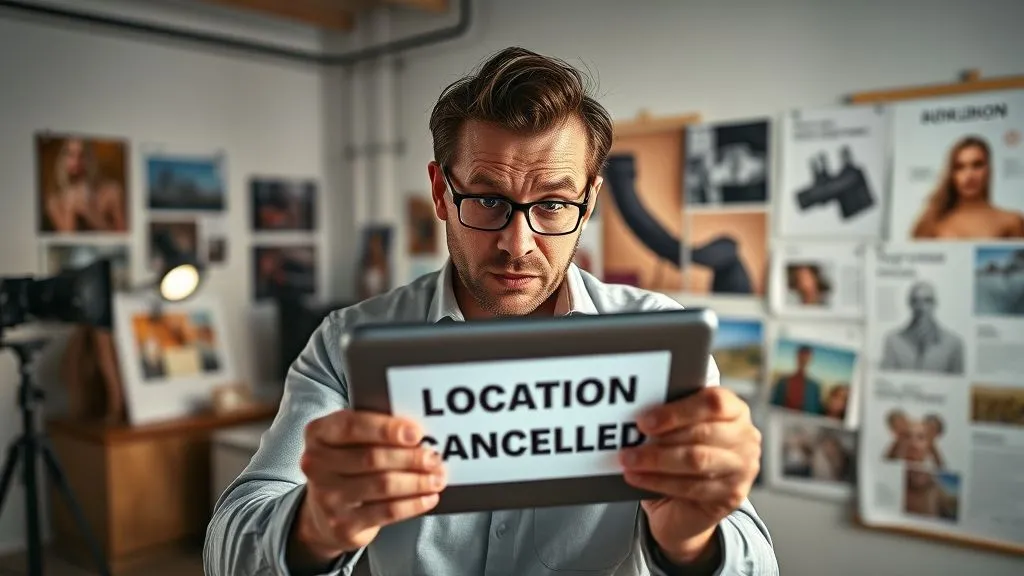
What to do when your scouted fashion shoot location falls through?
For over two decades navigating the dynamic world of fashion photography, I've witnessed firsthand the exhilarating highs of a perfectly executed shoot and the stomach-dropping lows when meticulously planned logistics unravel.
There are few moments more disorienting for a fashion photographer or producer than receiving that dreaded call: your scouted, approved, and beloved shoot location has fallen through. It’s a sudden, jarring halt to momentum, threatening to derail budgets, timelines, and creative visions.
But here's the crucial insight I've gleaned from countless high-stakes productions: a location falling through isn't the end; it's a critical test of your adaptability, resilience, and true professionalism. In this definitive guide, I'll share actionable frameworks, real-world strategies, and expert insights to not just recover, but to pivot and even elevate your fashion shoot when your primary location unexpectedly vanishes.
The Inevitable Truth: Locations Fall Through
In an industry built on precision and planning, it might seem counterintuitive, but location cancellations are an almost inevitable rite of passage. I've seen it all: last-minute permit revocations, property owners changing their minds, double-bookings, unforeseen construction, or even natural disasters making a site inaccessible.
The impact of such a setback extends far beyond just finding a new spot. It ripples through your entire production: budget overruns from rush fees, missed deadlines, stressed models and crew, and potentially a compromised creative vision. It chips away at confidence and can damage client relationships if not handled expertly.
"Anticipation is the ultimate form of preparation. In fashion photography, expecting the unexpected isn't paranoia; it's professional foresight."
Understanding that this isn't a matter of 'if' but 'when' is the first step towards building a robust contingency plan. It shifts your mindset from reacting to preparing, transforming a potential catastrophe into a manageable challenge.
Pre-Production: Building Your Fortress of Contingency
The best defense against a location falling through is a formidable offense built during pre-production. This phase is where you embed resilience into the very fabric of your shoot.
1. The "Plan B & C" Mindset
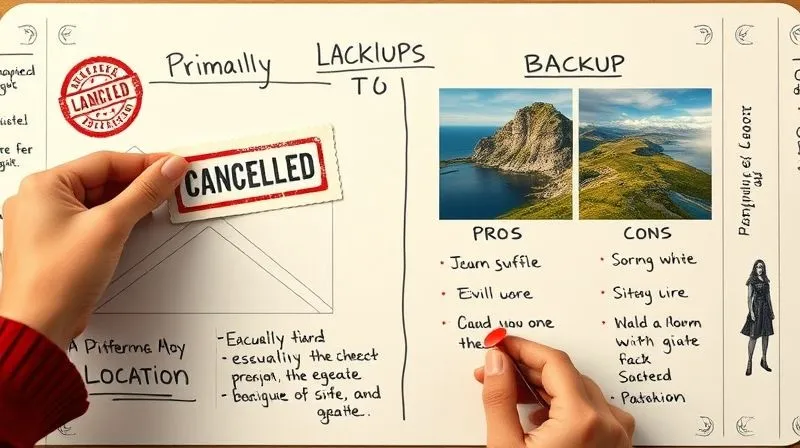
This isn't just about having one backup; it's about cultivating a mindset where alternatives are always being considered. When scouting your primary location, actively seek out at least two viable alternatives that align with your creative brief.
- Identify Core Aesthetic: Break down your primary location's appeal – is it the light, the texture, the architecture, the mood?
- Scout for Equivalents: Look for other locations that offer similar core aesthetics, even if they're not identical.
- Evaluate Logistics: Consider accessibility, cost, and availability for backups.
2. Legal Safeguards and Communication Protocols
Solid contracts are your first line of defense. Ensure your location agreements include clear clauses on cancellation policies, refund stipulations, and force majeure events. I always advise clients to consult with legal professionals to tailor these documents.
Beyond legalities, establish an internal communication protocol for crisis. Who gets notified first? What's the chain of command for decision-making? A clear plan minimizes panic and maximizes efficiency. For instance, creating a shared document with emergency contacts and roles is crucial.
For further reading on robust agreements, I often refer to resources on photography contract best practices, which emphasize the importance of clear terms and conditions.
3. Digital Archiving of Potential Locations
Build a comprehensive digital database of all potential locations you've ever scouted, even those not chosen for current projects. Categorize them by aesthetic, type (urban, natural, studio), availability, cost range, and contact information.
This living archive becomes an invaluable resource when you need to pivot quickly. It transforms past efforts into future assets. Think of it as your personal 'emergency location library'.
| Location Name | Aesthetic Tags | Contact Person | Last Checked | Notes | Backup Potential |
|---|---|---|---|---|---|
| The Warehouse District | Industrial, Gritty, Urban | Jane Doe | 2023-10-26 | Permit needed, often available | High |
| Botanical Gardens | Lush, Green, Serene | Parks Dept. | 2023-11-15 | Permit needed, strict rules | Medium |
| Studio X | Minimalist, Controlled, Modern | Studio Manager | 2023-12-01 | Always available, higher cost | High |
This systematic approach ensures that when your scouted fashion shoot location falls through, you're not starting from scratch, but rather leveraging pre-existing knowledge.
Immediate Action: When Crisis Strikes on the Eve or Day Of
The moment you learn your primary location is unavailable, a cascade of decisions needs to be made. This is where your preparedness truly shines.
1. Assess the Damage, Stay Calm
Panic is contagious and unproductive. Take a deep breath. Immediately assess the practical implications: How much time do you have? What's the impact on the creative concept, lighting, and wardrobe? How many crew members are affected?
Communicate transparently but calmly with key stakeholders – client, creative director, lead stylist, and models. Reassure them that a solution is being worked on. As a seasoned professional, I always emphasize that maintaining composure under pressure is paramount to effective crisis management.
2. Revisit Your Contingency List
This is precisely what your Plan B and C are for. Pull up your digital archive and review your pre-vetted alternatives. Prioritize them based on:
- Concept Fit: Which option best aligns with the original creative vision?
- Availability: Can it be secured immediately?
- Logistics & Cost: Is it accessible for the team and equipment? Does it fit the revised budget?
Don't dismiss options too quickly. Sometimes a slight adjustment to the creative brief can open up a perfectly viable alternative.
3. Leverage Your Network
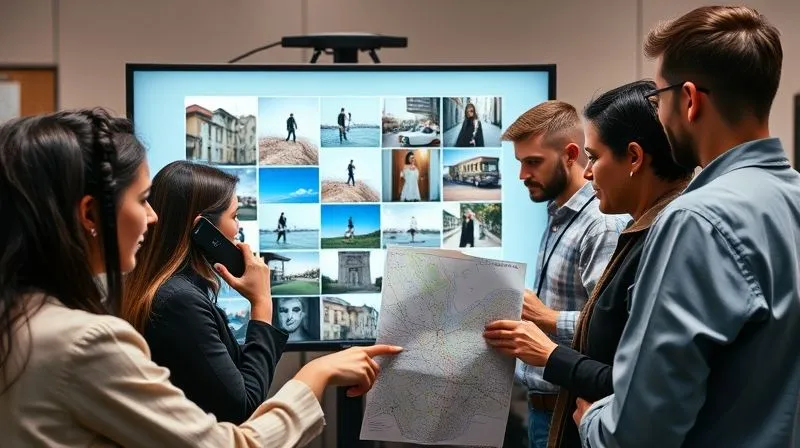
Your professional network is a goldmine in times of crisis. Reach out to fellow photographers, production managers, location scouts, and even studio owners. Someone might have a hidden gem, a last-minute opening, or a creative solution you hadn't considered.
I recall a shoot where a crucial permit was revoked hours before call time. A quick call to a trusted colleague revealed an industrial loft studio that, with some creative styling, perfectly captured the raw urban aesthetic we needed. It was a testament to the power of community in a competitive industry.
This kind of quick thinking is often highlighted in articles on crisis management in business, stressing the importance of agile responses and leveraging all available resources.
Creative Problem-Solving: Pivoting Your Vision
When your scouted fashion shoot location falls through, it's not just a logistical challenge; it's a creative one. This is where your artistry and ability to adapt truly shine.
1. Concept Adaptability: Studio, Green Screen, or Improvised Sets
Can your concept be translated? A studio offers controlled lighting and environment, allowing you to build sets or use backdrops to mimic the original location's feel. Green screens, while requiring post-production, provide ultimate flexibility.
Consider the core message of your shoot. If it's about texture, can you find similar textures in a different setting? If it's about light, can you recreate that light elsewhere? This often means stripping down the concept to its essence and rebuilding it.
Case Study: The "Urban Oasis" That Became a Studio Masterpiece
A high-end swimwear campaign I was directing had secured a stunning rooftop infinity pool in downtown LA – an urban oasis concept. Two days before the shoot, the building announced emergency maintenance. Panic, naturally, ensued. Instead of canceling, we pivoted. We rented a large studio and brought in industrial-sized fans to simulate wind, used a custom-built shallow pool, and projected cityscape backgrounds. The stylist sourced artificial tropical plants and urban debris. The result? A campaign that felt even more dramatic and surreal, proving that limitations can breed innovation.
2. The Power of Existing Resources
Look around you. Could a team member's uniquely styled home or apartment work? Is there an accessible public park, a library, or an overlooked corner of your own studio building that, with the right styling and lighting, could transform into something magical? I've seen incredible editorials shot in unexpected places – a local diner, a laundromat, even a car park – simply because the team embraced the challenge.
3. Embracing the Unexpected: Finding Beauty in the Mundane
Sometimes, the best solution isn't to replicate the original location but to find a new, equally compelling narrative. An abandoned lot, a graffiti-laden wall, a bustling market – these can offer a raw, authentic backdrop that might even elevate the story you're trying to tell. It requires a keen eye and a willingness to be adventurous.
"Limitations are not roadblocks; they are creative prompts. When a location falls through, it's an invitation to think differently, to push boundaries, and to discover beauty in the unforeseen."
Logistical Maneuvers: Making the Pivot Smooth
Once the creative direction is re-established, the focus shifts back to the practicalities of execution. Smooth logistics are crucial to minimize further disruption.
1. Budget Reallocation and Resource Management
A new location often means new costs: different permit fees, additional transport for crew and equipment, new rental fees, or even unexpected styling elements. Review your budget immediately. Where can you reallocate funds? Are there any non-essential elements that can be trimmed? Transparency with the client about these shifts is key.
| Expense Category | Original Budget | Revised Budget | Variance |
|---|---|---|---|
| Original Location Fee | $2,000 | $0 | -$2,000 |
| Backup Studio Rental | $0 | $1,500 | +$1,500 |
| Additional Transport | $300 | $500 | +$200 |
| Props & Set Dressing | $500 | $700 | +$200 |
This table helps visualize the financial adjustments required, ensuring you maintain fiscal control even when your scouted fashion shoot location falls through.
2. Team Briefing and Morale Management
A change in location can be unsettling for the entire team. Hold a concise, clear briefing session. Explain the new plan, the new location, and any revised call times or logistics. Emphasize the positive aspects of the pivot – the new creative opportunities, the team's resilience. Keep morale high; a positive attitude is infectious and essential for a successful shoot.
3. Rapid Permit Acquisition and Legal Checks
If your new location requires permits, initiate the process immediately. Local film commissions or city councils usually have expedited processes for urgent requests, but be prepared for potential fees. Always double-check any legal restrictions, especially for public spaces. Understanding local regulations is paramount to avoiding further issues. Resources like the GSA's guidelines on federal property, while specific, highlight the complexity often involved.
Post-Crisis Review: Learning and Fortifying
The shoot is over, the images are stunning, and you've successfully navigated a major challenge. But the work isn't quite done. A thorough post-crisis review is vital for continuous improvement.
1. Debriefing the Team
Gather your core team for a debrief. Discuss what went well during the pivot, what could have been handled better, and any lessons learned. Encourage open and honest feedback. This isn't about assigning blame but about collective growth.
2. Updating Protocols and Checklists
Based on the debrief, refine your pre-production checklists and crisis management protocols. Did you need more time for permit applications? Was the communication flow efficient? Integrate these learnings into your standard operating procedures. This proactive approach ensures that the next time your scouted fashion shoot location falls through, you're even better prepared.
3. Refining Your Contingency Database
Add new potential locations discovered during the crisis. Update details for existing ones. Document the entire experience, including the specific challenges faced and the solutions implemented. This institutional knowledge is invaluable for future productions.
As a seasoned professional, I always stress that every challenge is a learning opportunity. The ability to adapt and overcome unforeseen obstacles is a hallmark of true expertise in any field, particularly in the fast-paced world of fashion photography. This resilience is a key factor in long-term success, as explored in articles on adaptability and innovation.
Frequently Asked Questions (FAQ)
Q: How do I prevent my scouted fashion shoot location from falling through in the first place? A: While complete prevention is impossible, you can significantly reduce the risk. Always secure locations with robust, legally reviewed contracts that include clear cancellation clauses. Maintain open and frequent communication with location managers or property owners. Confirm all details multiple times in the weeks leading up to the shoot, and always have your Plan B and C ready. Building strong relationships with reliable location providers also helps.
Q: What if my backup locations also fall through or aren't suitable? A: This is a tougher scenario but not insurmountable. First, revisit your creative concept to see if it can be simplified or abstracted to work in a generic studio space or even a very minimal backdrop. Second, activate your broader network – reach out to everyone you know in the industry for last-minute suggestions. Third, consider highly accessible public spaces (with proper permits) that can be transformed with creative styling and lighting. Sometimes, the most unexpected locations yield the most unique results.
Q: How do I manage client expectations during a location crisis? A: Transparency, calm, and confidence are key. Immediately inform the client of the situation, but always follow up with a proposed solution or a set of viable alternatives. Frame the problem as a challenge you are actively managing, not an insurmountable obstacle. Highlight the creative opportunities of the new plan. Reassure them that the core vision will be maintained or even enhanced. Proactive communication builds trust, even in adversity.
Q: Is it ever okay to cancel a shoot due to location issues? A: Canceling a shoot should always be the absolute last resort, given the financial and reputational implications. It's only advisable if the location issue fundamentally compromises the safety of the crew/models, or if it's genuinely impossible to achieve the core creative brief even with significant adaptation and all contingency plans exhausted. Before canceling, ensure you've explored every possible creative and logistical solution, and have a clear, documented rationale for the client.
Q: What are some quick, go-to alternative locations that require minimal setup? A: Think about versatile, often accessible spaces. These include: well-lit photo studios with various backdrops, industrial warehouses or lofts (check permits!), public parks or botanical gardens (with permits for commercial use), urban alleyways or brick walls (can offer great texture), even a simple, clean white wall in any available space. The key is to transform these spaces with creative lighting, styling, and model direction, rather than relying on the location's inherent 'wow' factor.
Key Takeaways and Final Thoughts
Navigating the unexpected cancellation of a scouted fashion shoot location is a true test of a production team's mettle. It's a challenge that, when handled correctly, can elevate your reputation and sharpen your skills.
- Embrace the "Always Have a Plan B (and C)" Mindset: Proactive contingency planning is your most powerful tool.
- Leverage Your Network and Resources: Your connections and past scouting efforts are invaluable assets in a crisis.
- Prioritize Creative Adaptability: Be willing to pivot the vision, finding new beauty in unexpected places.
- Maintain Calm and Clear Communication: Reassure your team and client with confidence and transparency.
- Learn and Iterate: Every challenge is an opportunity to refine your processes and fortify your future productions.
Remember, the mark of an experienced industry specialist isn't just about flawless execution when everything goes right; it's about the grace, ingenuity, and resilience demonstrated when things inevitably go wrong. When your scouted fashion shoot location falls through, view it not as a setback, but as a chance to prove your mastery of the craft and emerge with an even more compelling story to tell.
Recommended Reading
- Unlock the Future: Do Self-Cleaning Clothes Truly Eliminate Laundry?
- Master Last-Minute Costume Alterations: 7 Pro Tips for Actor Changes
- 7 Proven Strategies: Forecasting Jewelry Trends for Max Profit
- Preserve History: 7 Steps to Safely Restore Fragile Pre-1920s Textiles
- 7 Proven Strategies: Slash Returns of Poorly Fitting Workout Clothes



Your email address will not be published. Required fields are marked *