


How to Prevent Greenwashing in Organic Kids Apparel Sourcing?
For over 15 years in the sustainable fashion industry, I've seen countless brands stumble, not always from malice, but often from a lack of rigorous due diligence, particularly when it comes to the complex world of 'organic' claims. The kids' apparel market, with its inherent emotional pull towards safety and natural products, is especially vulnerable to misleading environmental claims – a practice we've come to know as greenwashing.
The problem is pervasive: well-meaning businesses, eager to meet consumer demand for eco-friendly options, sometimes inadvertently support suppliers who make vague or unverified 'organic' claims. This not only erodes consumer trust but also undermines the genuine efforts of truly sustainable brands. It's a disservice to both the planet and the parents who are trying to make responsible choices for their children.
In this definitive guide, I will share my expert insights and provide you with actionable frameworks to navigate the intricate landscape of organic kids' apparel sourcing. We'll delve into robust verification processes, supply chain transparency, and strategic partnerships, empowering you to confidently prevent greenwashing in organic kids apparel sourcing and build a brand foundation rooted in genuine integrity.
Understanding the Greenwashing Phenomenon in Kids' Apparel
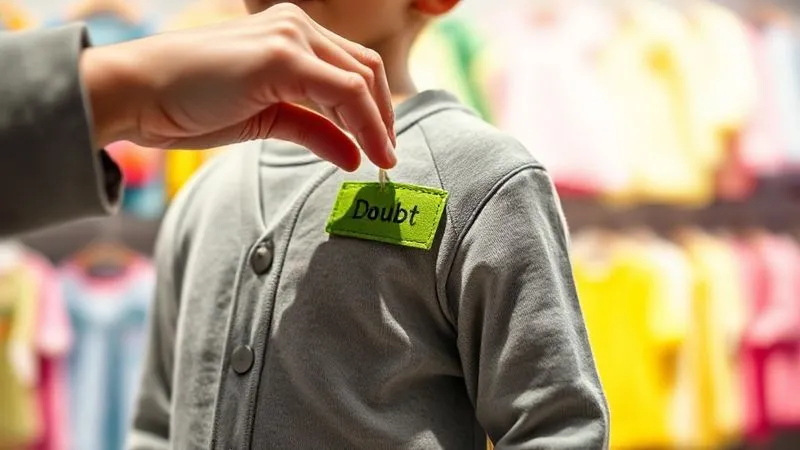
Greenwashing, at its core, is the deceptive marketing practice used to persuade the public that an organization's products, aims, or policies are environmentally friendly. In the context of kids' apparel, this can manifest in various ways, from vague 'natural' labels to misleading 'eco-friendly' tags without substantial proof. Parents are increasingly seeking out organic options for their children, driven by concerns about harmful chemicals, allergies, and the environmental impact of conventional textiles.
The allure of the 'organic' label is undeniable. It promises safety, purity, and sustainability. However, this high demand also creates fertile ground for companies to capitalize on green claims without truly adhering to the rigorous standards required. I've personally witnessed brands invest heavily in marketing campaigns touting their 'green' credentials, only to discover their supply chains were opaque and their certifications dubious. This practice not only misleads consumers but also devalues the hard work of companies committed to authentic sustainability.
The impact of greenwashing extends beyond mere deception. It erodes trust in the entire sustainable fashion movement, making it harder for consumers to discern genuine efforts from superficial claims. For businesses, it risks reputational damage, potential legal repercussions, and ultimately, a loss of market share to more transparent competitors. It's imperative, therefore, to develop a robust strategy to identify and prevent greenwashing in organic kids apparel sourcing.
The Foundation: Demanding Robust Certifications and Standards
The first and most critical line of defense against greenwashing lies in demanding and verifying robust, internationally recognized certifications. These certifications are not mere labels; they represent a rigorous auditing process that ensures organic integrity from farm to finished product. Without them, any 'organic' claim is merely an unsubstantiated assertion.
Key Certifications You Must Insist Upon:
- Global Organic Textile Standard (GOTS): This is the gold standard for organic textiles. GOTS covers the processing, manufacturing, packaging, labeling, trading, and distribution of all textiles made from at least 70% certified organic natural fibers. It includes strict environmental and social criteria. For kids' apparel, GOTS ensures that everything from the cotton farm to the dye house and the final sewing factory meets stringent ecological and ethical benchmarks.
- Oeko-Tex Standard 100: While not an organic certification, Oeko-Tex Standard 100 is crucial for kids' apparel as it certifies that textiles are free from harmful substances. It complements GOTS by ensuring the final product is safe for human use, especially for sensitive skin, regardless of its organic origin.
- Organic Content Standard (OCS): OCS verifies the presence and amount of organic material in a final product. It tracks the organic material from source to final product but does not address processing methods (like GOTS does) or chemical use. It's a good starting point for material verification.
"In my experience, relying solely on a supplier's word is a recipe for disaster. Certifications like GOTS provide an independent, third-party verification that is non-negotiable for any brand serious about preventing greenwashing in organic kids apparel sourcing."
Actionable Steps to Verify Certifications:
- Request Current Certificates: Always ask for up-to-date copies of all relevant certifications from your potential suppliers and their sub-suppliers.
- Cross-Reference with Databases: GOTS, Oeko-Tex, and other major standards maintain public databases of certified entities. Use these to verify the authenticity and validity of the certificates provided. Ensure the supplier's name, scope of certification, and expiry date match. For example, you can verify GOTS certificates directly on the GOTS Public Database.
- Understand the Scope: Pay close attention to what the certificate actually covers. Does it cover the entire product, or just a component? Is the specific facility producing your items covered, or just a parent company?
- Beware of 'Mixed' or 'Blended' Claims: Some products might contain a small percentage of organic material but are marketed as 'organic.' GOTS, for instance, has clear labeling rules for 'organic' (95%+) and 'made with organic' (70%+).
Beyond the Label: Deep Dive into Supply Chain Transparency
While certifications are foundational, true prevention of greenwashing in organic kids apparel sourcing requires a deep dive into your entire supply chain. A certificate is a snapshot; transparency is a continuous process. This means understanding where your raw materials come from, how they are processed, and every step they take before becoming a finished garment.
I've seen many brands proudly display a GOTS certificate for their fabric, only to be unaware that the buttons or zippers, or even the sewing thread, were produced under highly unsustainable or unethical conditions. True organic integrity demands visibility across all tiers of your supply chain.

Case Study: How 'Tiny Threads Co.' Achieved Full Traceability
Case Study: How Tiny Threads Co. Achieved Full Traceability
Tiny Threads Co., a small but ambitious kids' clothing brand, initially struggled with verifying the organic claims of their fabric supplier's sub-contracted dye house. Despite having a GOTS-certified fabric supplier, they felt a gap in their understanding of the dyeing process. They implemented a three-step transparency initiative:
- Mapping Tier-2 & Tier-3 Suppliers: They worked closely with their primary fabric supplier to identify and map all sub-contractors, including yarn spinners, dye houses, and button manufacturers. This involved contractual obligations for data sharing.
- Digital Traceability Platform: Tiny Threads Co. invested in a digital platform that allowed their suppliers to upload batch-specific data, including raw material origins, processing dates, and even water usage reports. This provided real-time visibility.
- Random Spot Checks & Visits: Despite the digital data, the brand's CEO made unannounced visits to key sub-contractor facilities, fostering relationships and verifying practices firsthand.
This initiative, while resource-intensive initially, led to a 100% verifiable supply chain for their organic cotton garments. It not only prevented potential greenwashing but also allowed them to communicate their genuine efforts to their customers with unparalleled confidence, leading to a 25% increase in customer loyalty and positive brand perception.
Auditing and Verification: Your Eyes and Ears on the Ground
Beyond checking certificates and mapping your supply chain, active auditing and verification are essential for preventing greenwashing in organic kids apparel sourcing. This involves both scheduled and unannounced checks, either by your own team or through trusted third-party auditors. Remember, a certificate is only as good as the audit that produced it, and practices can change over time.
I've often advised clients that an annual certificate check isn't enough. Conditions in factories, especially in rapidly changing economic environments, can shift. Labor practices, waste management, and even the source of raw materials can deviate from certified standards if not continuously monitored. This is where a proactive audit strategy becomes invaluable.
Types of Audits and Their Focus:
| Audit Type | Focus | Frequency |
|---|---|---|
| GOTS Certification Audit | Organic fiber content, environmental processing, social criteria across the entire supply chain. | Annual, by accredited GOTS certifier. |
| Social Compliance Audit (e.g., SMETA) | Labor standards, health & safety, ethics, environmental practices. | As needed, often annually or biennially, by third-party auditor. |
| Environmental Audit (e.g., ISO 14001) | Environmental management systems, waste, water, energy, emissions. | Annual, by accredited body. |
| Internal/Brand-Led Spot Check | Verification of specific claims, on-site conditions, worker interviews. | Ad-hoc, unannounced, by brand's own team or hired local expert. |
According to a report by Deloitte, supply chain transparency and ethical sourcing are becoming non-negotiable for consumers, with 80% willing to pay more for sustainable products if they trust the brand's claims. This underscores the business imperative of rigorous auditing.
Building Relationships: Partnering with Truly Ethical Manufacturers
The most effective strategy to prevent greenwashing in organic kids apparel sourcing isn't just about processes; it's about people. Building strong, long-term relationships with manufacturers who share your commitment to genuine sustainability is paramount. These aren't just transactional partnerships; they are collaborations built on trust, shared values, and mutual transparency.
I've seen brands thrive when they treat their manufacturers as extensions of their own team, investing in their capabilities and fostering open communication. Conversely, brands that view manufacturers merely as contractors often find themselves vulnerable to opacity and potential greenwashing. It's about finding partners, not just suppliers.

Qualities of a Trustworthy Manufacturing Partner:
- Proactive Transparency: They offer information without being asked, providing detailed reports, audit results, and even inviting visits.
- Commitment to Continuous Improvement: They are open to feedback, willing to invest in new sustainable technologies, and strive to improve their environmental and social performance.
- Strong Ethical Culture: Their leadership demonstrates a genuine commitment to fair labor practices, worker well-being, and environmental stewardship, not just compliance.
- Expertise in Organic Production: They have proven experience and established systems for handling organic materials, preventing contamination, and meeting specific certification requirements.
- Open Communication: They are responsive, honest about challenges, and collaborative in finding solutions.
As marketing guru Seth Godin often says, "People don't buy goods and services. They buy relations, stories, and magic." In sustainable sourcing, this translates to buying into the genuine efforts and integrity of your partners.
Educating Your Team and Your Customers: A Holistic Approach
Preventing greenwashing isn't just an external sourcing challenge; it's an internal educational imperative. Your entire team, from design to marketing to sales, needs to understand what genuine organic sourcing entails, why it matters, and how to communicate it accurately. Furthermore, empowering your customers with clear, honest information is crucial for building lasting trust.
I've observed that many greenwashing incidents, particularly from smaller brands, stem from a lack of internal knowledge. Marketing teams might use aspirational language without fully understanding the specifics of their supply chain. Educating your team ensures consistency and accuracy in all communications.
Internal Education Strategies:
- Regular Training Sessions: Conduct workshops on sustainable sourcing, certification standards, and greenwashing pitfalls.
- Develop a Greenwashing Policy: Create clear internal guidelines on acceptable environmental claims and verification processes for all marketing materials.
- Empower Designated 'Sustainability Champions': Identify team members who can stay updated on best practices and educate others.
Transparent Communication with Customers:
- Be Specific, Not Vague: Instead of saying 'eco-friendly,' state 'GOTS certified organic cotton, dyed with low-impact, AZO-free dyes.'
- Share Your Journey, Not Just the Destination: Be honest about challenges and ongoing efforts. Customers appreciate transparency, even when it's not perfect.
- Provide Proof: Link directly to certification pages, share audit summaries (where appropriate), and tell the story of your supply chain.
- Avoid Over-Claiming: Don't make claims you can't substantiate. It's better to be understated and honest than to overpromise and underdeliver.
For more insights into building consumer trust through transparency, you can explore resources from organizations like Harvard Business Review on ethical business practices.
Navigating Common Greenwashing Tactics: What to Watch For
As an expert in this field, I've seen greenwashing tactics evolve. They become more sophisticated, making it harder for even discerning buyers to spot them. Understanding these common tactics is a key part of learning how to prevent greenwashing in organic kids apparel sourcing.
Red Flags and Greenwashing Tactics:
- Vagueness: Claims like 'all-natural,' 'eco-conscious,' or 'sustainable choice' without specific details or certifications are often red flags. What exactly makes it 'natural'? What conscious choices were made?
- Hidden Trade-offs: A product might be organic but produced in a factory with poor labor conditions or high water waste. Greenwashing often highlights one positive attribute while ignoring significant negative impacts elsewhere.
- Irrelevant Claims: Stating a product is 'CFC-free' when CFCs are banned by law is an example of an irrelevant claim designed to make a product seem greener than it is.
- No Proof: Making bold environmental claims without providing any supporting evidence, certifications, or data.
- Worshiping False Labels: Creating fake certifications or using unofficial 'eco-labels' that have no real backing or standards. Always verify labels against known, reputable certification bodies.
- Lesser of Two Evils: Marketing a slightly 'less bad' product as if it's genuinely good, e.g., 'organic cotton, but still dyed with harmful chemicals.'
- Fibbing: Outright lying about environmental claims, though this is less common and more easily prosecuted.
Leveraging Technology for Due Diligence
In today's interconnected world, technology offers powerful tools to enhance transparency and prevent greenwashing. From blockchain to sophisticated data analytics platforms, these innovations can provide unprecedented visibility into your supply chain, making the task of verifying organic claims far more manageable and reliable.
I've seen early adopters of these technologies gain a significant competitive edge. They can offer their customers immutable proof of origin and processing, moving beyond mere claims to verifiable facts. This level of transparency is where the future of sustainable sourcing truly lies.
Technological Solutions to Explore:
- Blockchain for Traceability: Blockchain technology can create an unchangeable, transparent ledger of every step in your supply chain. Each batch of organic cotton, for example, can be digitally tagged and tracked from the farm through ginning, spinning, weaving, dyeing, and garment assembly. This makes it incredibly difficult for fraudulent claims to go unnoticed.
- Digital Supply Chain Management Platforms: Platforms like TrusTrace, FibreTrace, or Sourcemap allow you to map your entire supply chain, collect data from all suppliers, and visualize the journey of your materials. They often integrate with certification bodies and provide dashboards for monitoring compliance.
- AI and Machine Learning for Risk Assessment: AI can analyze vast amounts of data from supplier audits, public records, and news sources to identify potential risks of non-compliance or greenwashing within your supply chain, allowing for proactive intervention.
- IoT Sensors: In certain parts of the supply chain, IoT sensors can monitor environmental conditions (e.g., water usage, energy consumption) at production facilities, providing real-time data to verify sustainable practices.

Frequently Asked Questions (FAQ)
What's the biggest mistake brands make when trying to source organic kids apparel? The biggest mistake is a lack of comprehensive due diligence beyond just asking for a certificate. Many brands fail to verify the certificate's validity, scope, or to audit the actual practices on the ground. They often assume that one certified component (like fabric) means the entire garment is ethically and organically produced, overlooking other materials and labor conditions.
How can a small brand with limited resources effectively prevent greenwashing? Small brands should focus on depth over breadth. Start with one or two key certifications like GOTS for your primary material. Build strong, transparent relationships with a limited number of trusted suppliers. Leverage public databases for verification and consider joining industry associations that offer shared resources or auditing services. Prioritize transparency in your communication, being honest about your journey and what you can and cannot verify yet.
Are 'natural' dyes automatically better or 'organic'? Not necessarily. While 'natural' dyes can be derived from plants, minerals, or insects, their environmental impact depends on the sourcing, processing, and disposal of these dyes. Some natural dyes can still require mordants (fixatives) that are heavy metals. Moreover, 'natural' does not equate to 'organic' in terms of cultivation or processing standards. Always ask for specific details and certifications (like GOTS, which includes strict dye criteria) rather than relying on vague 'natural' claims.
What's the role of consumer education in preventing greenwashing? Consumer education is vital. When consumers are well-informed about what genuine organic certifications entail and the signs of greenwashing, they demand more from brands. This pressure from an educated consumer base incentivizes brands to be more transparent and rigorous in their sourcing. Brands can play a role by clearly explaining their certifications and sustainable practices, empowering consumers to make informed choices.
How can I stay updated on evolving greenwashing tactics and new certifications? Staying current requires continuous learning. Follow reputable industry organizations like Textile Exchange, Fair Trade International, and GOTS. Subscribe to industry newsletters, attend sustainable fashion conferences, and engage with expert consultants. Regularly review your supplier agreements and due diligence processes to adapt to new standards and emerging best practices.
Key Takeaways and Final Thoughts
Navigating the complex world of organic kids' apparel sourcing and preventing greenwashing requires vigilance, expertise, and a commitment to genuine transparency. It's a journey, not a destination, but one that is immensely rewarding, both for your brand's integrity and for the future of our children.
- Prioritize Certifications: Always demand and verify robust, third-party certifications like GOTS.
- Demand Transparency: Map your entire supply chain, not just your direct suppliers.
- Implement Audits: Conduct regular, independent audits and spot checks.
- Build Relationships: Partner with ethical manufacturers who share your values.
- Educate and Communicate: Empower your team and your customers with accurate, honest information.
- Leverage Technology: Explore blockchain and digital platforms for enhanced traceability.
By integrating these strategies into your sourcing framework, you'll not only effectively prevent greenwashing in organic kids apparel sourcing but also cultivate a brand synonymous with trust, quality, and authentic sustainability. Your dedication to these principles will resonate deeply with conscientious parents, fostering loyalty and making a real, positive impact on the industry. It's time to build a future where 'organic' truly means what it promises.
Recommended Reading
- Eco-Friendly Shoes That Last: Find Durable & Sustainable Brands
- 5 Expert Strategies: Fixing Irreparable Seam Puckering on Haute Couture Silk
- Unlocking Actor Flow: 7 Keys to Mobile Fantasy Armor Design
- How to Curate a Cohesive Luxury Fragrance Collection for Your Brand
- Unlock Your Style: Solving Fashion Blogger Content Block Issues Fast





Your email address will not be published. Required fields are marked *