

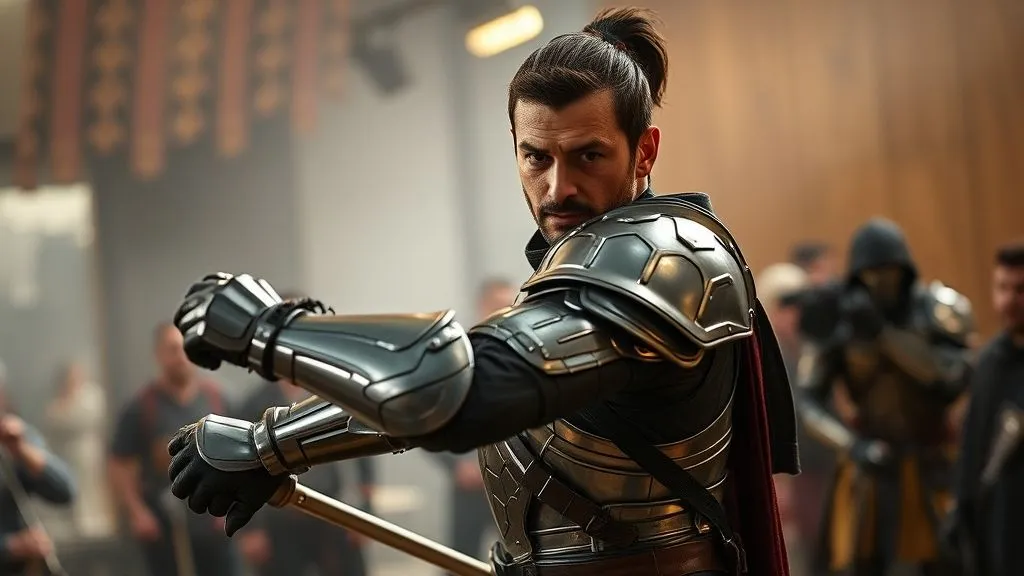
Solving Mobility Issues in Complex Fantasy Armor Designs for Actors
For over two decades in the demanding world of costume design, particularly within the fantasy genre, I've witnessed countless breathtaking armor concepts fall short not because of their aesthetic, but because of a fundamental flaw: they restricted the actor. There's a unique kind of heartbreak in seeing an actor, fully embodying a powerful character, suddenly become stiff and unnatural, their performance hampered by a costume that looks incredible but moves terribly.
This isn't just about discomfort; it's about the very soul of a performance. A costume should be an extension of the character, not a cage. The challenge lies in creating armor that conveys immense power, intricate detail, and formidable presence, while simultaneously allowing the actor the full range of motion demanded by their role, be it a sword fight, a dramatic gesture, or simply walking with gravitas. This paradox is the bane of many costume designers and the silent struggle of countless actors.
In this definitive guide, I'll share my accumulated wisdom and practical strategies for **solving mobility issues in complex fantasy armor designs for actors**. We'll delve into everything from advanced material selection and biomechanical engineering to collaborative testing and the psychological impact of a truly mobile costume. Prepare to transform your approach to fantasy armor, ensuring your creations are not just visually stunning, but also powerfully performative.
The Core Challenge: Balancing Aesthetics with Articulation
The first hurdle in fantasy armor design is always the visual. We want grandeur, imposing silhouettes, and intricate details that tell a story. However, this artistic vision often clashes directly with the practical demands of an actor's performance. My experience has taught me that true mastery lies in making these two seemingly opposing forces work in harmony.
Understanding Biomechanics for Costume Design
Before any sketches are finalized or materials cut, a deep understanding of human anatomy and biomechanics is crucial. Where do joints bend? How far do limbs extend? What movements are essential for the character? Failing to consider these fundamental questions early on leads to costly revisions and frustrated actors. I always advise my teams to think like an anatomist first, then an artist.
The 'Wear Test' Imperative
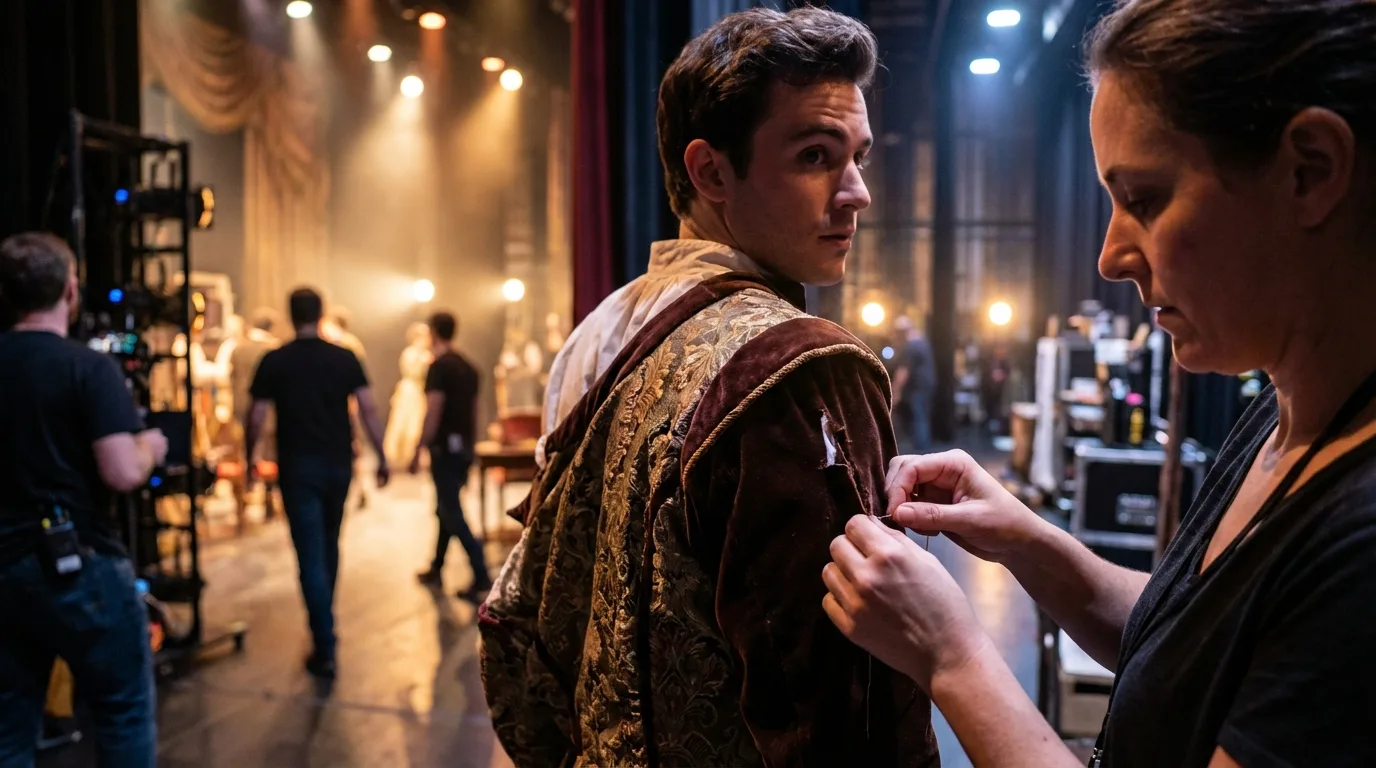
It sounds obvious, but you'd be surprised how often this is overlooked until it's too late. From the earliest mock-up stages, the armor must be worn and tested. Not just for fit, but for full range of motion relevant to the character's actions. Can the actor raise their sword? Can they sit? Can they fall safely? These are non-negotiable questions.
"A truly great fantasy armor design isn't just about how it looks; it's about how it moves, breathes, and empowers the actor. Form without function is merely sculpture; form with intelligent function is costume artistry."
Innovative Materials and Their Impact on Flexibility
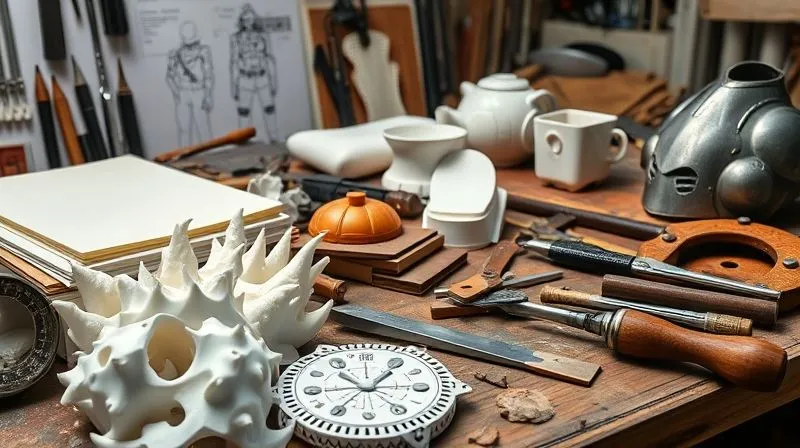
Gone are the days when fantasy armor meant simply hammering out sheets of metal. While traditional metals still have their place, modern material science offers an incredible palette for designers dedicated to **solving mobility issues in complex fantasy armor designs for actors**.
The key is to think beyond rigid structures. We're looking for materials that offer strength and visual integrity without compromising on natural movement. Here are some of the game-changers I've worked with:
- Thermoplastics (e.g., Worbla, EVA Foam): Lightweight, moldable, and surprisingly durable. They can mimic metal with proper finishing and allow for much greater flexibility.
- Urethane Rubbers and Silicones: Excellent for creating flexible, armored sections that need to stretch or compress, often used for underlying layers or connecting pieces.
- Composite Fabrics: High-tech textiles reinforced with fibers like Kevlar or carbon fiber can offer protective qualities with significant inherent flexibility.
- 3D Printed Resins and Nylons: Allows for intricate, custom-fit pieces with specific articulation built in, often lighter than traditional alternatives.
When selecting materials, consider the following:
- Identify Key Movement Areas: Pinpoint where maximum flexibility is needed (e.g., armpits, inner thighs, elbows).
- Layering Strategy: Combine materials. A rigid outer shell can conceal flexible under-layers.
- Weight-to-Durability Ratio: Always aim for the lightest material that meets the durability and aesthetic requirements.
- Finishing Techniques: How will the material be painted, textured, and aged to look authentic?
Strategic Articulation Points: Engineering for Movement
This is where the real engineering of fantasy armor comes into play. It's not enough to just use flexible materials; you must design the armor itself to move with the body, mimicking the natural articulation of human joints. This requires careful segmentation and strategic placement of connection points.
Joint Design Principles
Every major joint on the human body needs specific consideration. Think about how historical armor evolved to allow movement, and then push those concepts further with modern materials and techniques.
- Shoulders (Pauldrons): Often the biggest culprit for restricted arm movement. Design 'floating' pauldrons that attach to the cuirass but are free to slide over the shoulder, or use multiple overlapping plates (lames) that articulate.
- Elbows and Knees (Coudes, Poleyns): These are prime candidates for multiple overlapping plates, or incorporating flexible, hidden sections of urethane rubber on the inside of the joint.
- Hips and Thighs (Tassets, Cuisses): Segmented tassets that hang from a belt, rather than being rigidly attached to the breastplate, allow for leg lifts and sitting. Inner thigh armor can be made from a highly flexible material.
- Neck (Gorget): A common issue is a gorget that restricts head turning. Design it with a wider opening or articulated plates that allow the head to move independently.
The goal is to create an illusion of a solid, imposing piece while the underlying structure is a marvel of flexibility.
| Joint | Mobility Challenge | Design Solution |
|---|---|---|
| Shoulder | Restricted arm lift, overhead movement | Floating pauldrons, articulated lames, hidden elastic gussets |
| Elbow/Knee | Limited bending, pinching | Overlapping plates (e.g., spaulders, cuisses), internal flexible sections (rubber/silicone) |
| Hip/Thigh | Difficulty sitting, high leg kicks | Segmented tassets, flexible inner thigh armor, articulated faulds |
| Neck | Restricted head turn, looking up/down | Wider gorget opening, articulated neck plates, soft internal lining |
Under-Armor Systems: The Unsung Heroes of Comfort and Mobility
What lies beneath the gleaming exterior is just as critical as the armor itself. The under-armor system often makes the crucial difference in **solving mobility issues in complex fantasy armor designs for actors**.
These layers provide padding, distribute weight, and can even integrate unseen elements that aid movement:
- Compression Layers: A snug, wicking base layer helps manage sweat and prevents chafing.
- Padded Suits/Gambesons: These provide crucial cushioning against the rigid armor, absorbing impact and preventing pinching. They can also subtly integrate flexible zones.
- Integrated Harnesses: For particularly heavy armor, a hidden internal harness (similar to mountaineering gear) can redistribute weight to the hips and shoulders, taking pressure off the core and allowing for greater freedom of movement in the limbs.
- Soft, Flexible Connectors: Where armor plates meet, using strong but pliable materials like leather strapping, heavy-duty elastic, or even chainmail can bridge gaps without inhibiting movement.
Case Study: The 'Crimson Knight's' Secret
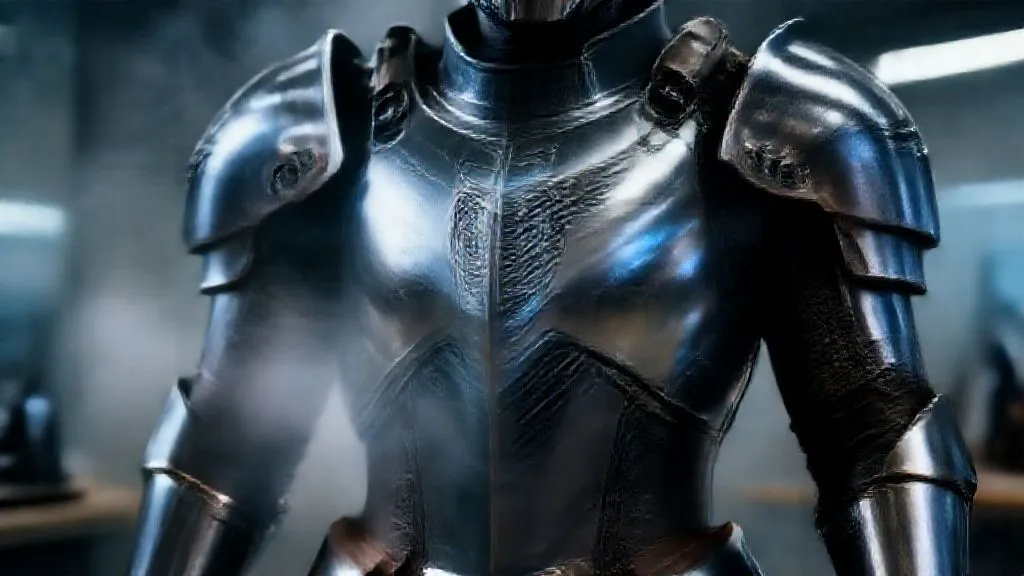
I once worked on a project where the main antagonist, the 'Crimson Knight,' wore a truly massive, visually imposing suit of armor. Early tests showed the actor could barely raise his arms above his chest, let alone wield his two-handed sword. The solution wasn't in redesigning the outer plates, but in a radical overhaul of the under-armor. We crafted a custom-fitted, articulated padded suit that incorporated a hidden, lightweight carbon fiber spine and hip belt. This internal structure took the primary weight, allowing the external pauldrons to 'float' on elasticized connections to the chest plate. The actor gained nearly 80% more arm mobility and could perform complex sword choreography with ease, all while the armor retained its formidable appearance.
Collaborative Design: The Actor, Director, and Designer Triangle
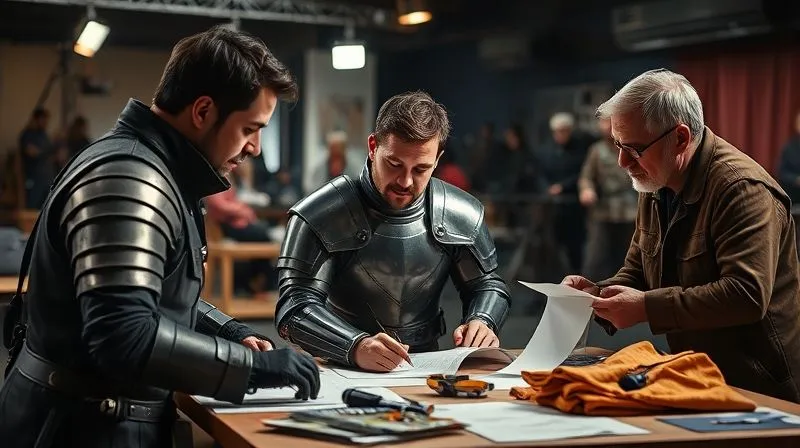
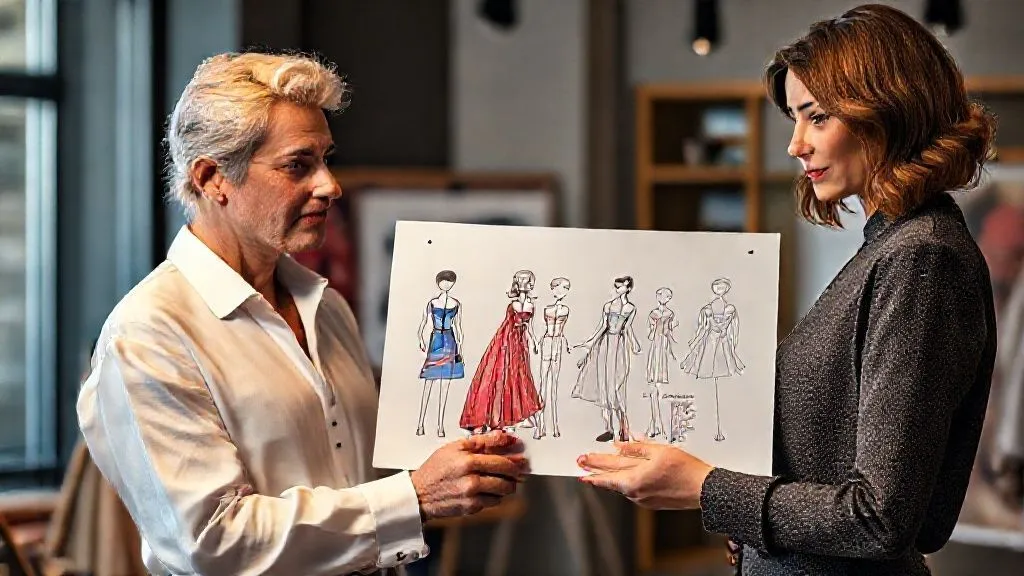
Ignoring the people who will actually wear and direct the armor is a recipe for disaster. Effective communication and collaboration from the very start are paramount. In my experience, this triangular relationship is the most powerful tool for success.
Here's how to foster this collaboration:
- Early Actor Involvement: Bring the actor in for fittings and movement tests as early as the mock-up phase. Their feedback is invaluable. They know their body and the demands of the role better than anyone.
- Director's Vision: Understand the director's specific needs for action sequences, character presence, and scene blocking. This will inform where mobility is absolutely critical versus where some artistic compromise might be acceptable.
- Open Dialogue: Create an environment where actors feel comfortable expressing discomfort or mobility limitations without fear of seeming difficult. It's a design challenge, not a personal failing.
- Stunt Coordinator Input: If the role involves stunts, the stunt coordinator is a vital partner. They can advise on the specific movements and safety considerations the armor must accommodate.
Weight Distribution and Ergonomics: The Science of Wearability
Even with perfect articulation, excessive or poorly distributed weight can cripple an actor's performance and even pose health risks. Ergonomics, the science of designing for human comfort and efficiency, is not just for office chairs; it's vital for fantasy armor.
Counterbalancing Techniques
A heavy breastplate might pull an actor forward, affecting their posture and balance. Strategic counterweights, often hidden within the backplate or integrated into a belt system, can help balance the load. Think of it like a backpack designed to distribute weight evenly across the back and hips.
Ergonomic Padding and Support
Beyond just preventing chafing, padding can provide crucial structural support. Lumbar support, strategically placed shoulder pads, and even internal 'girdles' can help the actor maintain proper posture and reduce fatigue over long shooting days. As a study published by the National Institutes of Health on occupational ergonomics highlights, proper ergonomic design significantly reduces physical strain and improves performance – principles directly applicable to actors in heavy costumes.
Practical Testing and Iteration: From Workshop to Widescreen
No armor design is perfect on paper. The journey from concept to screen is an iterative process of testing, refining, and retesting. This phase is where many solutions for **solving mobility issues in complex fantasy armor designs for actors** are truly forged.
Stunt Choreography Integration
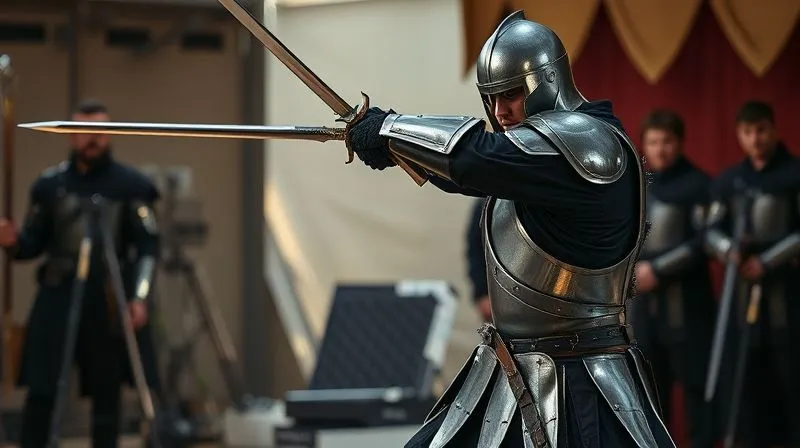
If the armor is for action sequences, it must be tested with the actual stunt choreography. Does it allow for the required kicks, sword swings, rolls, and falls? Are there any unexpected pinch points or weaknesses that emerge under dynamic stress? The stunt team's feedback is critical and should lead to immediate adjustments.
The 'Long Day' Test
An actor might feel fine in the armor for a 15-minute fitting. But what about a 12-hour shooting day? Simulate a long day of wear, including sitting, standing, and various movements. Fatigue often reveals hidden mobility issues or discomfort points that aren't apparent in short bursts.
The Illusion of Immovability: Design Tricks for Visual Impact
Sometimes, the aesthetic demands that the armor *look* heavy and rigid, even if it's incredibly light and flexible. This is where the magic of illusion comes in. We can create the desired visual impact without sacrificing mobility.
- Strategic Texturing and Painting: Use paint techniques to simulate the weight and texture of metal, even on lightweight plastics or foams. Scratches, dents, and weathering can make a light material appear battle-hardened and substantial.
- Layering and Overlapping: Create the impression of thick, heavy plates by layering thinner, lighter ones. The visual depth adds perceived weight.
- Scale and Proportion: Exaggerate certain elements slightly to give a sense of bulk and power without adding actual mass.
- Sound Design: Don't underestimate the power of sound. A subtle metallic clang added in post-production can make even foam armor sound heavy and real.
For inspiration on how historical armor achieved both protection and mobility, explore resources like the Metropolitan Museum of Art's collection of Arms and Armor, which showcases centuries of design innovation.
Beyond the Physical: Psychological Impact and Actor Performance
It's easy to focus solely on the physical aspects of armor design, but the psychological impact on an actor is profound. A comfortable, mobile costume can empower a performance; a restrictive one can actively hinder it.
Building Actor Confidence
When an actor feels physically free within their costume, their confidence soars. They can fully inhabit the character, focusing on emotion and dialogue rather than battling their attire. This translates directly to a more authentic and powerful performance.
Conversely, a costume that constantly reminds an actor of its presence through discomfort or restriction can be a significant mental drain. It pulls them out of the moment, creating a barrier between them and their character. Understanding the psychology of costume and its effect on performance is an often-overlooked aspect of design.
Frequently Asked Questions (FAQ)
How early should actors be involved in the armor design process? Ideally, actors should be involved from the very first mock-up stage. Their input on range of motion and comfort during initial fittings is invaluable and can prevent costly redesigns later. Even better, consult them during the conceptual phase to understand their character's physical demands.
What are the biggest mistakes designers make regarding armor mobility? The most common mistakes include prioritizing aesthetics over function, failing to conduct thorough movement tests, neglecting under-armor systems, and not collaborating closely enough with the actor and stunt team. Overlooking the natural articulation of human joints is a fundamental error.
Can 3D printing solve all mobility issues in fantasy armor? While 3D printing offers incredible precision and allows for complex, articulated designs, it's not a magic bullet. The material used for printing (e.g., rigid resin vs. flexible nylon) and the design of the articulation itself are still critical. It's a powerful tool, but it must be used intelligently within a holistic design strategy.
How do you balance intricate detail with functional movement? This is the art of the craft. It often involves creating the illusion of intricate detail on flexible surfaces, using layering, applied textures, and clever painting techniques. Sometimes, crucial intricate details can be placed on non-articulating parts of the armor, while movement-critical areas are kept smoother or designed with flexible, overlapping segments that blend seamlessly.
What's the role of a stunt coordinator in armor design? The stunt coordinator is an essential partner, especially for action-oriented fantasy armor. They provide critical feedback on whether the armor allows for safe execution of stunts, identify potential snag points, and advise on durability under stress. Their expertise helps ensure the armor is not just mobile, but also safe and robust for rigorous physical performance.
Key Takeaways and Final Thoughts
Solving mobility issues in complex fantasy armor designs for actors is a multi-faceted challenge, but one that yields immense creative rewards. By integrating these expert strategies, you can elevate your costume designs from static art pieces to dynamic, performance-enhancing elements. Remember these core principles:
- Prioritize Biomechanics: Understand human movement first.
- Embrace Innovation: Utilize modern materials for flexibility and lightness.
- Engineer Articulation: Design joints to move with, not against, the body.
- Leverage Under-Armor: Don't underestimate the power of hidden support and padding.
- Collaborate Extensively: Involve actors, directors, and stunt teams early and often.
- Test Relentlessly: Iterate and refine through practical, real-world testing.
- Master Illusion: Achieve visual impact without sacrificing function.
The true measure of a magnificent fantasy armor isn't just how it looks on a stand, but how it dances on screen, how it empowers the actor, and how it seamlessly brings a character to life. By applying these insights, you're not just designing costumes; you're crafting tools for epic storytelling, ensuring that your creations are remembered not only for their beauty but for the breathtaking performances they enable. Keep pushing the boundaries of what's possible, and your actors will thank you for it.
Recommended Reading
- Fashion Blogging: Social Media Style Tips to Explode Your Brand
- 5 Critical Steps: Preventing Damage When Fitting Modern Lenses into Vintage Frames
- 7 Expert Adjustments: How Fashion Shoes Become Truly Orthotic-Friendly
- Craft Believable Characters: Costume Design Secrets Revealed!
- 7 Steps: How to Build a Verifiable Fair Trade Apparel Supply Chain

Your email address will not be published. Required fields are marked *