


How to Build a Verifiable Fair Trade Apparel Supply Chain?
For over 15 years in the sustainable fashion industry, I've seen countless brands, both large and small, grapple with the promise and peril of ethical sourcing. Many start with the best intentions, aiming for fair trade, but often stumble when it comes to genuine verification. The journey from aspiration to actual, demonstrable impact is fraught with challenges, and simply 'checking boxes' rarely translates into the deep, systemic change we champion.
The core problem, as I perceive it, lies in the opacity of traditional supply chains. Consumers are increasingly savvy, demanding to know the true story behind their clothes. Yet, brands struggle to provide this, often relying on vague claims or incomplete data. This disconnect breeds skepticism, erodes trust, and leaves both workers and the planet vulnerable to exploitation under the guise of 'sustainable' or 'ethical' practices. The pain point is real: how do you move beyond mere claims to a system that is truly verifiable and trustworthy?
This article isn't just another guide; it's a framework born from years of hands-on experience and observation in the trenches of fair trade apparel. I’m going to walk you through a comprehensive, seven-step process, complete with actionable strategies, technology insights, and real-world considerations, designed to help you build a supply chain that not only adheres to fair trade principles but can also unequivocally prove it. My goal is to equip you with the knowledge to create genuine impact, foster deep trust, and future-proof your brand in an increasingly conscious marketplace.
Understanding the 'Why' Behind Verifiability in Fair Trade
Before we dive into the 'how,' it's crucial to solidify our understanding of the 'why.' Why is verifiability not just a nice-to-have, but an absolute imperative when we talk about fair trade apparel? In my experience, many brands approach fair trade as a marketing angle or a compliance hurdle, missing the profound ethical and business implications.
The ethical imperative is clear: fair trade is fundamentally about human dignity. It's about ensuring living wages, safe working conditions, gender equality, and the eradication of child labor. It’s about empowering marginalized communities and fostering sustainable development. Without verifiability, these noble goals remain just that – goals, vulnerable to misrepresentation and exploitation. Consumers today are not just buying a product; they are investing in values. They want assurance that their purchase isn't contributing to harm.
From a business perspective, the benefits of a verifiable fair trade supply chain extend far beyond feel-good branding. It builds unparalleled consumer trust, which, as we’ve seen with countless examples, translates into brand loyalty and competitive advantage. It mitigates significant risks, from reputational damage due to exposé journalism to potential legal challenges over labor practices. According to a Deloitte study on consumer trends, nearly one-third of consumers stopped purchasing from brands they perceive to have negative social or environmental impacts. This isn't just about avoiding negative press; it's about proactively building a resilient, ethical business model.
“True fair trade isn't about proving you're not bad; it's about demonstrably proving you're doing good, and continuously striving to do better. Verifiability is the bridge between intention and impact.”
Furthermore, verifiability fosters internal integrity. It forces brands to look inward, examine their operations, and engage deeply with their suppliers. This process often uncovers inefficiencies, strengthens relationships, and promotes innovation. It transforms a transactional relationship into a partnership, where shared values drive collective progress. This foundational understanding of 'why' will fuel your commitment through the complexities of the 'how.'
Step 1: Mapping Your Supply Chain — The Foundation of Transparency
The first, and arguably most critical, step in building a verifiable fair trade apparel supply chain is comprehensive supply chain mapping. I've seen too many brands focus solely on their Tier 1 suppliers (the factories that assemble the garments), completely overlooking the upstream tiers where raw materials are sourced and processed. This oversight creates massive blind spots, making genuine fair trade claims impossible to verify.
From Fiber to Finished Garment: A Deep Dive
Your supply chain isn't just a linear path; it's a complex web. To truly understand and verify fair trade practices, you need visibility into every node. This includes:
- Raw Material Sourcing: Where does the cotton come from? Is it organic? Is it harvested by fair labor? What about dyes and trims?
- Processing & Production: Spinning mills, weaving factories, dyeing facilities, cutting houses, sewing units, finishing plants. Each stage has its own labor and environmental considerations.
- Logistics & Distribution: How are goods transported between stages and to the final market?
Without this granular understanding, you cannot effectively assess risks, implement standards, or verify compliance. It’s like trying to navigate a dense fog – you might know your immediate surroundings, but you have no idea what lies ahead or behind you.
Here are the actionable steps I recommend for effective supply chain mapping:
- Identify All Tiers of Suppliers: Go beyond your direct suppliers. Ask them to identify their suppliers, and those suppliers' suppliers, tracing back to the raw material source. This can be challenging, as many suppliers are hesitant to reveal their upstream partners due to competition or fear of being bypassed. You'll need to build trust and explain the necessity for fair trade verification.
- Gather Comprehensive Data: For each identified supplier, collect essential information: company name, location, contact details, type of operation, number of employees, certifications they hold (if any), and key production processes they undertake.
- Utilize Supply Chain Mapping Software: For larger or more complex supply chains, manual mapping becomes untenable. Invest in digital tools designed for supply chain transparency. Platforms like TrusTrace, FibreTrace, or Sourcemap can help visualize your entire network, track product flows, and manage supplier data in a centralized system. These tools are invaluable for maintaining an up-to-date, verifiable map.
This initial mapping exercise will be time-consuming, but it is the bedrock upon which all subsequent fair trade verification efforts will rest. It provides the essential data points needed to assess risks, set standards, and monitor progress effectively.

Step 2: Establishing Robust Fair Trade Standards and Codes of Conduct
Once you have a clear map of your supply chain, the next step is to define precisely what 'fair trade' means for your brand and communicate these expectations clearly to every supplier. This goes far beyond vague ethical statements; it requires a detailed Code of Conduct and a commitment to specific, measurable standards.
Beyond Minimum Wage: Defining Living Wages and Safe Conditions
A common misconception is that paying minimum wage constitutes fair labor. In many parts of the world, government-mandated minimum wages fall significantly short of a living wage – the amount necessary for a worker to afford basic necessities like food, housing, healthcare, and education for their family. Your fair trade standards must address this gap.
Key components of a robust fair trade Code of Conduct, in my experience, should include:
- Living Wages: Commit to working with suppliers to ensure workers are paid a living wage, not just the legal minimum. Research regional living wage benchmarks (e.g., from the Global Living Wage Coalition) and integrate them into your agreements.
- Safe and Healthy Working Conditions: This covers everything from structural safety, fire safety, and sanitation to proper ventilation, personal protective equipment, and access to clean drinking water.
- Freedom of Association & Collective Bargaining: Workers must have the right to form and join unions without fear of reprisal. This is a fundamental human right enshrined by the International Labour Organization (ILO).
- No Child Labor or Forced Labor: Zero tolerance for any form of child labor (as defined by ILO conventions) or forced labor, including debt bondage, prison labor, or coerced labor.
- Non-Discrimination: Equal opportunities and treatment regardless of gender, race, religion, age, disability, sexual orientation, or any other protected characteristic.
- Reasonable Working Hours: Adherence to legal limits on working hours, with adequate rest periods and fair compensation for overtime.
- Environmental Stewardship: While primarily focused on labor, fair trade often intersects with environmental responsibility. Your code should include basic environmental requirements regarding waste management, chemical use, and energy efficiency.
Developing this Code of Conduct is not a unilateral exercise. It should involve dialogue with your suppliers to ensure they understand the requirements and have the capacity to meet them. It's a partnership, not just a directive. Clearly communicate the consequences of non-compliance and, more importantly, the support you are willing to offer to help them achieve these standards.
“Moving beyond mere compliance to genuine empowerment requires a shift in mindset: from dictating terms to fostering collaborative growth with your supply chain partners.”
Step 3: Implementing Digital Traceability and Data Management
Once your supply chain is mapped and your standards are defined, the next critical step is to implement systems that can track products and data in a verifiable, transparent manner. In today's digital age, relying on paper trails or sporadic emails simply won't cut it for true fair trade verification. This is where technology becomes your most powerful ally.
Leveraging Technology for Unwavering Transparency
Digital traceability solutions offer real-time insights, immutable records, and the ability to share information efficiently across complex supply chains. Here are some key technologies and their benefits:
- Blockchain Technology: Offers a decentralized, immutable ledger where every transaction and data point (e.g., origin of raw materials, factory conditions, certifications) is recorded and cannot be altered. This creates an unshakeable chain of custody and trust.
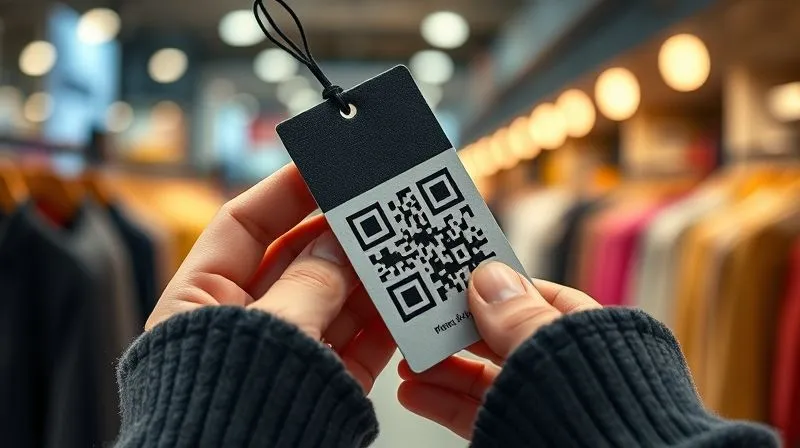
- RFID (Radio-Frequency Identification) and QR Codes: These can be embedded or attached to products, allowing for item-level tracking from raw material to retail shelf. Consumers can scan QR codes to access detailed information about a garment's journey, proving its fair trade credentials.
- Supply Chain Management (SCM) Software: Integrated platforms that manage supplier data, production orders, inventory, and logistics, often with modules for sustainability and compliance.
The benefits of these technologies are profound: enhanced transparency, reduced risk of fraud or greenwashing, improved data accuracy, and the ability to communicate your fair trade story directly and verifiably to consumers.
Here are the actionable steps to implement digital traceability:
- Choose Appropriate Technology: Assess your supply chain's complexity, budget, and specific needs. For high-value, high-risk items, blockchain might be ideal. For consumer-facing transparency, QR codes are excellent. Many solutions offer hybrid approaches.
- Integrate Data Across Tiers: This is often the biggest hurdle. You need systems that can seamlessly collect and share data from your raw material suppliers, manufacturers, and logistics partners. This might involve API integrations or standardized data input protocols.
- Train and Incentivize Suppliers: Your suppliers are key data entry points. Provide thorough training on how to use the chosen technology and emphasize the benefits for them (e.g., improved efficiency, stronger partnership, access to new markets). Consider offering incentives or support to help them adopt these systems.
| Technology | Benefit | Challenge |
|---|---|---|
| Blockchain | Immutable records, enhanced trust, decentralization | High initial cost, complex integration, scalability for small players |
| RFID/QR Codes | Item-level tracking, consumer engagement, real-time data | Implementation complexity, data management burden, cost per item |
| SCM Software | Centralized data, operational efficiency, compliance tracking | Vendor lock-in, customization needs, data silos without integration |

Step 4: Independent Verification and Certification
While internal mapping and digital traceability are essential, they are only part of the equation. To truly build a *verifiable* fair trade apparel supply chain, you need independent, third-party oversight. This step is crucial for building external credibility and trust with consumers, investors, and regulators.
The Gold Standard: Third-Party Audits and Certifications
Independent verification involves engaging reputable third-party organizations to assess your supply chain against established fair trade standards. These organizations conduct audits, inspect facilities, interview workers, and review documentation to ensure compliance. The outcome is often a certification that publicly attests to your adherence to fair trade principles.
Some of the most recognized and respected fair trade and ethical certifications in the apparel sector include:
- Fair Trade Certified™: This certification focuses specifically on empowering farmers and workers, ensuring fair prices, safe working conditions, and community development funds. You can learn more about their standards at Fair Trade Certified.
- Global Organic Textile Standard (GOTS): While primarily an organic textile standard, GOTS includes robust social criteria based on key ILO conventions, covering working conditions, wages, and child labor.
- SA8000: This is a global social accountability standard that covers a wide range of labor practices, including child labor, forced labor, health and safety, freedom of association, discrimination, disciplinary practices, working hours, and remuneration.
- Wrap (Worldwide Responsible Accredited Production): A certification program for lawful, humane, and ethical manufacturing.
Choosing the right certification depends on your specific focus and the type of product. However, the key is to select a standard that is rigorous, widely recognized, and genuinely aligned with your fair trade goals.
Case Study: How 'Ethos Apparel' Achieved Fair Trade Certification
Ethos Apparel, a mid-sized brand specializing in organic cotton basics, initially struggled with claims from their suppliers about 'ethical production.' They had a basic Code of Conduct, but no real way to verify adherence beyond self-assessments. Consumer inquiries about their supply chain transparency were increasing, and they recognized a need for independent validation.
After implementing comprehensive supply chain mapping (Step 1) and refining their internal Code of Conduct to align with living wage benchmarks (Step 2), Ethos Apparel decided to pursue Fair Trade Certified™ status for their primary production facility in India. They engaged a third-party auditor, who conducted on-site inspections, reviewed payroll records, and held confidential interviews with workers.
Initial findings revealed a few areas for improvement: some overtime rules were not consistently applied, and the factory lacked a formal grievance mechanism accessible to all workers. Instead of abandoning the process, Ethos Apparel worked collaboratively with the factory management. They provided training on labor laws, helped establish a worker committee, and revised their purchasing practices to ensure more stable order flows, which reduced the pressure for excessive overtime.
After a follow-up audit and demonstrating corrective actions, Ethos Apparel successfully achieved Fair Trade Certified™ status. This resulted in a significant boost in consumer trust, a 20% increase in sales of their certified products within the first year, and stronger, more transparent relationships with their factory partners. It proved that genuine verification, even with initial hurdles, pays dividends.
Step 5: Capacity Building and Supplier Engagement
Achieving fair trade status isn't just about auditing; it's about building long-term, supportive relationships with your suppliers. In my experience, simply imposing standards without offering support often leads to superficial compliance or, worse, suppliers finding ways to hide non-compliance. True verification comes from empowering your partners.
Partnerships, Not Just Transactions
Think of your suppliers not just as vendors, but as integral partners in your mission. Many factories, especially smaller ones in developing countries, may lack the resources, knowledge, or training to meet stringent fair trade standards without assistance. Your role as a brand committed to fair trade extends to helping them build that capacity.
Key strategies for effective capacity building and supplier engagement include:
- Education and Training Programs: Provide workshops and training sessions for factory management and workers on fair labor practices, health and safety protocols, environmental management, and grievance mechanisms. This is particularly crucial for understanding complex concepts like living wages and freedom of association.
- Financial Support and Incentives: Transitioning to fair trade practices, such as paying living wages or upgrading facilities, often incurs costs for suppliers. Consider offering fair purchasing prices that allow suppliers to absorb these costs, or even direct financial support for specific improvements. Long-term contracts can also provide stability, encouraging investment in ethical practices.
- Technical Assistance: Offer expertise in areas like waste reduction, energy efficiency, or improving worker safety. This could involve sending your own experts or connecting suppliers with local consultants.
- Open Communication Channels: Establish regular, honest dialogue with your suppliers. Encourage them to raise challenges and concerns without fear of losing your business. A strong relationship built on trust is far more effective than one built on fear.
This approach transforms the relationship from a hierarchical one to a collaborative partnership. When suppliers feel supported and valued, they are more likely to embrace the spirit of fair trade, not just the letter of the law. This deeper engagement inherently leads to more verifiable and sustainable practices.
Brands like Patagonia or those certified as B Corps exemplify this holistic approach, understanding that their supply chain's success is intertwined with their own.
Step 6: Continuous Monitoring and Improvement
Building a verifiable fair trade apparel supply chain is not a one-time project; it's an ongoing journey of continuous monitoring and improvement. The world changes, regulations evolve, and new challenges emerge. A static system will quickly become outdated and ineffective.
The Iterative Journey of Ethical Sourcing
In my experience, brands often make the mistake of celebrating a certification and then moving on, assuming the work is done. This is a critical error. Verification requires perpetual vigilance and a commitment to iterative improvement. Here’s how to embed this into your operations:
- Regular Audits and Check-ins: While full third-party certifications might be renewed every few years, conduct your own internal audits and regular check-ins with suppliers. These can be unannounced visits, virtual meetings, or review of updated documentation.
- Performance Reviews and Feedback Loops: Implement a system for reviewing supplier performance against your fair trade Code of Conduct and providing constructive feedback. Encourage suppliers to provide feedback to you as well, fostering a two-way street of accountability.
- Risk Assessment and Mitigation: Continuously assess new and emerging risks in your supply chain – geopolitical instability, new labor laws, climate change impacts, or shifts in raw material availability. Develop proactive mitigation strategies.
- Data Analysis: Leverage the digital traceability data from Step 3. Analyze trends, identify areas of concern, and measure progress on key fair trade indicators (e.g., wage increases, worker satisfaction, safety incident rates).
- Adapt to Changing Best Practices: The field of sustainable and fair trade fashion is constantly evolving. Stay informed about new industry best practices, emerging technologies, and updated standards from organizations like the ILO or Fair Trade International. Be prepared to update your own standards and processes accordingly.
The goal is to cultivate a culture of continuous improvement within your supply chain, where learning and adaptation are integral. This dynamic approach ensures that your fair trade claims remain robust, credible, and truly verifiable over the long term, adapting to both internal and external pressures.
Step 7: Transparent Reporting and Consumer Communication
The final step in building a verifiable fair trade apparel supply chain is to communicate your efforts and progress with integrity and transparency. All the hard work you’ve put into mapping, standard-setting, technology, verification, and engagement culminates here: telling your story in a way that builds authentic trust.
Telling Your Story with Integrity
In a market saturated with 'green' claims, authenticity is your most valuable currency. Consumers are wary of greenwashing and demand concrete evidence. Your communication strategy should be built on verifiable data and honest storytelling, celebrating successes while also acknowledging challenges and ongoing efforts.
Here’s how to approach transparent reporting and consumer communication:
- Annual Impact Reports: Publish comprehensive annual reports detailing your fair trade efforts, progress against key metrics (e.g., number of workers impacted by living wage initiatives, reduction in audit non-compliances, community development projects funded), and future goals. Be transparent about challenges faced and how you're addressing them. Many leading brands, like Patagonia, set the standard for this.
- Product-Level Transparency: Leverage the digital traceability tools from Step 3. Use QR codes on product labels or hangtags that link directly to a dedicated webpage. This page could display information about the specific garment's journey: where the cotton was grown, where it was spun and sewn, which certifications apply, and even profiles of the artisans or workers involved.
- Engage with Third-Party Certifications: Clearly display your fair trade certifications on your products and website. Educate your consumers about what these certifications mean and why they matter.
- Authentic Storytelling: While data is crucial, humanize your efforts. Share stories of the people in your supply chain – their skills, their communities, and how fair trade impacts their lives. Use high-quality photography and video to bring these stories to life. However, ensure these stories are genuinely representative and not exploitative.
- Avoid Greenwashing: Be precise and avoid vague, unsubstantiated claims. Focus on what you can genuinely verify and back up with data. Under-promise and over-deliver rather than the other way around.
This final step closes the loop, demonstrating that your commitment to fair trade is not just an internal operational choice, but a transparent promise to your customers. It transforms your verifiable supply chain into a powerful narrative of positive impact, fostering deep loyalty and trust.
Frequently Asked Questions (FAQ)
Q: How much does it cost to implement a verifiable fair trade supply chain? A: The cost varies significantly based on your current supply chain complexity, the size of your brand, and the technologies/certifications you choose. Initial investments include mapping tools, technology integration, and certification fees. However, consider this an investment in brand reputation, risk mitigation, and long-term sustainability, often yielding returns through increased consumer loyalty and market differentiation. Many smaller brands start with incremental changes and build up.
Q: What if my suppliers are resistant to transparency or fair trade standards? A: Resistance is common, often stemming from fear of competition, lack of resources, or unfamiliarity with new demands. My approach is to build trust through clear communication, explaining the 'why' and offering support (capacity building, training, fair pricing). If a supplier remains unwilling after sincere efforts, you may need to reconsider the partnership, as genuine fair trade requires full commitment from all parties.
Q: Can small brands realistically achieve a verifiable fair trade supply chain? A: Absolutely. While large brands have more resources, small brands often have the advantage of closer relationships with fewer suppliers, making mapping and engagement easier. Start small, focus on one or two key product lines, and leverage more accessible tools and certifications. Many fair trade organizations have programs tailored for smaller enterprises. The key is commitment and a phased approach.
Q: How do I handle complex, multi-tiered supply chains, especially for raw materials? A: This is indeed one of the biggest challenges. Start by focusing on your Tier 1 and Tier 2 suppliers, building strong relationships there. Then, leverage your Tier 2 suppliers to gain visibility into Tier 3. Digital traceability platforms are essential here, as they can help connect disparate data points. Consider joining industry initiatives or consortia that are working on traceability solutions for raw material origins, as collective action can be very powerful.
Q: What's the difference between 'ethical' and 'fair trade' apparel? A: 'Ethical' is a broad term encompassing a wide range of responsible practices (environmental, social, animal welfare). 'Fair trade' is a specific subset of ethical practices, primarily focused on social justice, fair labor conditions, and equitable trading relationships, particularly with producers in developing countries. While all fair trade is ethical, not all ethical apparel is specifically fair trade. A verifiable fair trade supply chain is a highly specific and rigorous form of ethical sourcing.
Key Takeaways and Final Thoughts
Building a verifiable fair trade apparel supply chain is undoubtedly a complex undertaking, requiring dedication, investment, and a fundamental shift in how brands view their relationships with their supply chain partners. However, in my 15+ years in this industry, I can unequivocally state that it is not just a moral imperative but a strategic necessity for any brand aiming for long-term success and genuine impact.
- Transparency is Foundational: You cannot verify what you cannot see. Comprehensive supply chain mapping is the non-negotiable first step.
- Standards Must Be Robust: Go beyond minimum compliance; commit to living wages and international labor conventions.
- Technology is an Enabler: Leverage digital tools for traceability and data management to create irrefutable records.
- Independent Verification is Critical: Third-party certifications build external trust and validate your claims.
- Partnership Fuels Progress: Invest in capacity building and foster collaborative relationships with your suppliers.
- It's a Continuous Journey: Ethical sourcing requires ongoing monitoring, adaptation, and improvement.
- Communicate with Integrity: Share your story transparently, backed by verifiable data, to build authentic consumer loyalty.
The path to a truly verifiable fair trade apparel supply chain may be challenging, but the rewards—a stronger brand, deeper consumer trust, mitigated risks, and, most importantly, a positive impact on the lives of workers and the health of our planet—are immeasurable. Embrace this journey not as a burden, but as an opportunity to lead with purpose and redefine what success looks like in the fashion industry. Your commitment will not only transform your business but will also contribute to a more just and sustainable world.
Recommended Reading
- Why Aren't My Streetwear Influencer Collabs Selling? 7 Fixes
- 7 Secrets: How to Maintain Structural Integrity in Heavy Beadwork Couture
- 7 Pro Strategies: Navigating Unrealistic Bridal Beauty Client Expectations
- 5 Ways to Elevate Classic Menswear for Senior Leadership Success
- Taming the Beast: Solving Inventory Bloat in Slow-Moving Accessory Lines




Your email address will not be published. Required fields are marked *