

How to Upgrade Classic Menswear for a Senior Leadership Role?
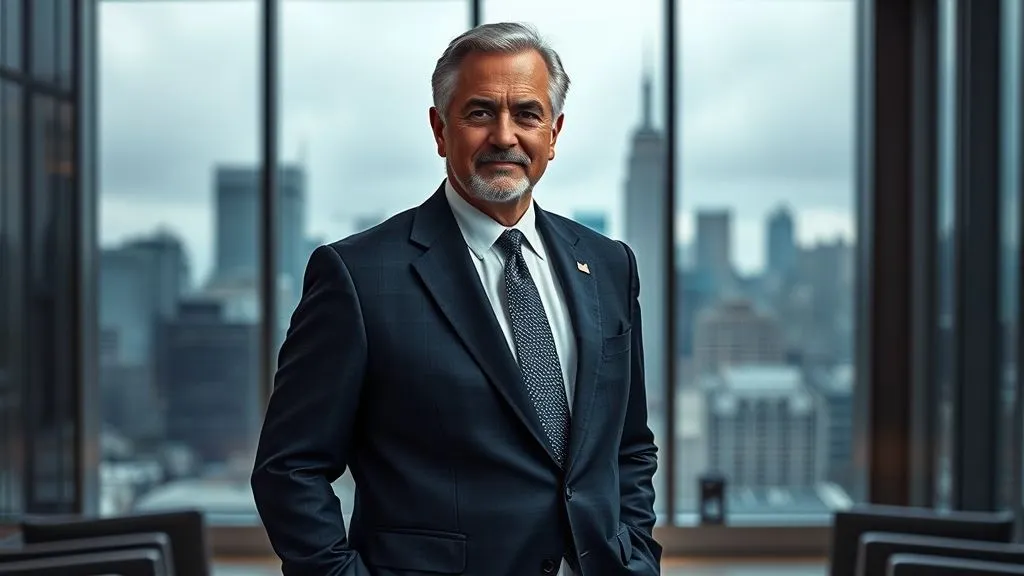
Having spent over two decades observing the subtle yet profound impact of personal presentation in the corporate arena, particularly within senior leadership, I've seen firsthand how a well-curated wardrobe can be a powerful, silent ally. It's not just about looking good; it's about projecting confidence, competence, and a keen understanding of one's elevated position.
The challenge I often encounter is that many highly capable leaders, especially those ascending to senior roles, tend to stick with what's familiar—often a classic menswear style that, while traditional, might feel a touch dated or uninspired. This can inadvertently undermine their executive presence, causing them to blend in when they should stand out, or worse, convey an image that doesn't fully align with their vision and strategic impact.
This definitive guide isn't about chasing fleeting trends; it's about refining and modernizing your classic menswear to unmistakably reflect your senior leadership status. I'll provide you with actionable frameworks, draw from real-world insights, and share expert perspectives to ensure your style not only commands respect but also truly embodies the authority and foresight you bring to the boardroom.
Beyond the Basic Suit: The Foundation of Executive Presence
In the world of senior leadership, your attire is a non-verbal resume. It's a statement of your discernment, your attention to detail, and your respect for the gravitas of your role. While the classic suit remains the bedrock of executive attire, upgrading it goes far beyond simply owning one. It begins with a fundamental shift from quantity to unparalleled quality.
In my two decades of advising leaders, I've observed that true executive presence isn't about owning a dozen suits; it's about owning a few, impeccably crafted garments that speak volumes about your discerning taste and respect for your role. Invest wisely, and your wardrobe becomes an asset, not just clothing.
The Fabric of Authority: Wool, Cashmere & Beyond
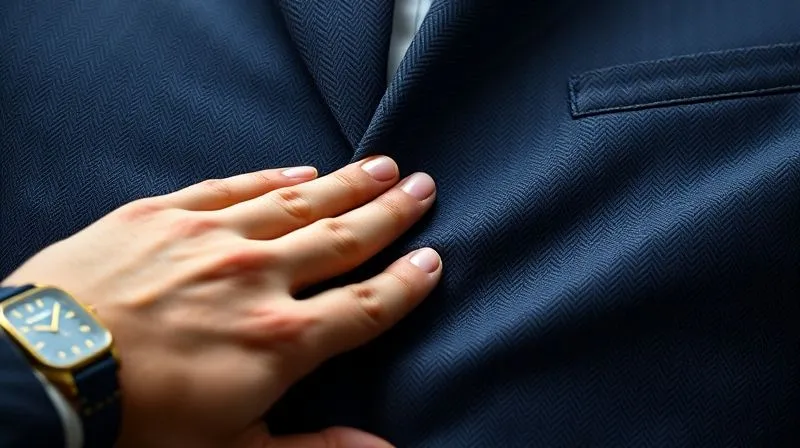
The material of your garments is paramount. For senior leaders, I always advocate for stepping up from standard worsted wools to more luxurious, performance-oriented fabrics. Think high-twist wools that resist wrinkling, super 120s-150s for a finer drape, or even blends with cashmere or silk for an unparalleled hand-feel and subtle sheen.
These fabrics not only look superior but also offer enhanced comfort and longevity, which are crucial for demanding schedules and frequent travel. The way light interacts with a high-quality fabric communicates a level of sophistication that synthetic blends simply cannot replicate.
- Durability: High-quality wools and blends are more resilient, maintaining their shape and appearance over time.
- Drape: Superior fabrics fall elegantly, creating a sleek and powerful silhouette.
- Comfort: Natural fibers breathe better, ensuring comfort during long meetings or travel.
- Visual Appeal: A richer texture and subtle sheen instantly elevate the perceived value and sophistication of your attire.
According to a study published in the Harvard Business Review, individuals who dress in high-quality, well-fitting attire are often perceived as more competent and trustworthy. This isn't just about superficiality; it's about leveraging every tool at your disposal to reinforce your leadership position.
The Art of the Tailored Fit: Your Second Skin
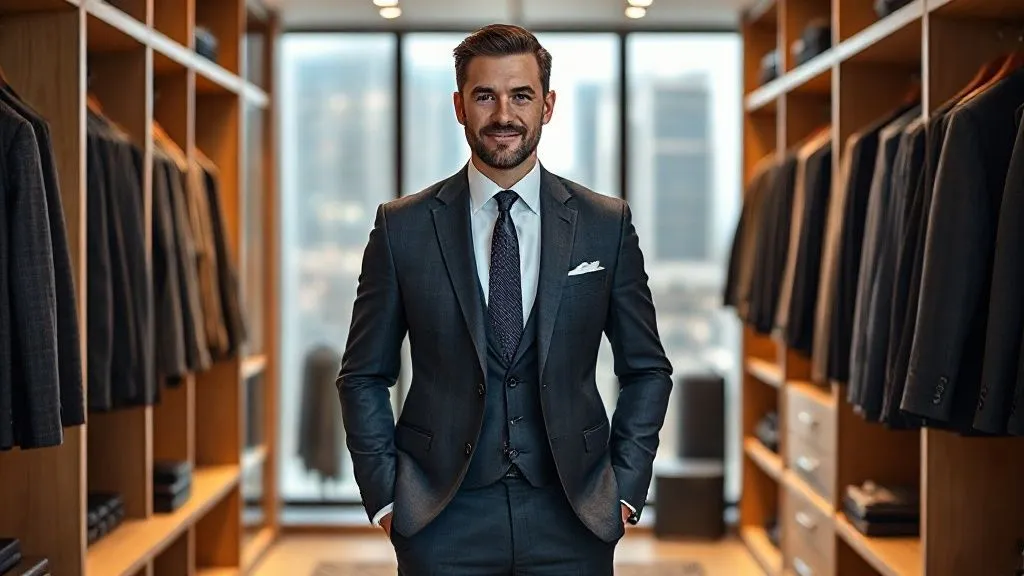
Once you've selected premium fabrics, the next, and arguably most critical, upgrade is the fit. An ill-fitting suit, regardless of its brand or material, undermines your authority and attention to detail. For senior leadership, off-the-rack is rarely sufficient; bespoke or made-to-measure tailoring is not a luxury, but a necessity.
A suit should fit like a second skin, allowing for full range of motion without excess fabric or unsightly pulling. It should trace your body's contours, creating a silhouette that is both powerful and refined. This level of precision instantly communicates that you are someone who values excellence in every aspect.
- Shoulders: The shoulder pads should end precisely where your natural shoulder ends, creating a clean, seamless line. No overhang, no divots.
- Sleeve Length: The jacket sleeve should expose about a quarter to half an inch of your shirt cuff. This showcases your shirt and potentially your cufflinks.
- Jacket Length: A classic jacket should cover your seat and the crotch of your trousers, resting just above the bend in your knee. Modern preferences might be slightly shorter, but never too short.
- Trouser Break: For a contemporary executive look, aim for a minimal or no-break trouser. This means the trouser hem just grazes the top of your shoe, creating a clean, elongated line.
- Waist & Chest: The jacket should button comfortably without strain, creating a slight taper at the waist. The chest should be smooth, without gaping or pulling.
Case Study: Elias Thorne's Sartorial Ascent
Elias Thorne, a newly appointed Vice President at a global consulting firm, initially relied on off-the-rack suits. While expensive, they never quite fit his athletic build, resulting in baggy trousers and a jacket that pulled across his chest. His team respected his intellect, but his presentation often lacked the sharp authority expected of a VP.
After investing in a made-to-measure wardrobe, focusing on precise fit and subtle adjustments recommended by his tailor, Elias's transformation was remarkable. Colleagues noted his newfound confidence; clients commented on his polished demeanor. He wasn't just wearing clothes; he was wearing an extension of his executive presence. This shift, combined with his strategic acumen, solidified his image as a leader who truly understood the nuances of influence.
| Feature | Made-to-Measure Suit |
|---|---|
| Off-the-Rack Suit | Bespoke/Custom Tailoring |
| Generic sizing, often requires alterations | Tailored to specific body measurements, personalized adjustments |
| Limited, standard options | Wider range of premium fabrics, unique patterns |
| Standard buttons, linings, lapels | Customizable buttons, linings, lapel styles, monograms |
| Moderate to High | Higher initial investment, but superior value over time |
| Acceptable, but rarely exceptional | Projects unparalleled sophistication, confidence, and authority |
Strategic Color Palettes and Patterns: Subtlety is Power
While navy and charcoal grey remain the undisputed kings of executive attire, upgrading your palette involves a strategic expansion beyond these staples. It's about introducing depth, nuance, and personality without sacrificing gravitas. Think of your wardrobe as a canvas where every hue and pattern contributes to your narrative of leadership.
- Elevated Neutrals: Explore richer shades of grey, from a deep gunmetal to a sophisticated medium grey. Consider a subtly textured dark brown or a forest green for an unexpected yet grounded statement, particularly in more creative or less rigidly formal environments.
- Harmonious Combinations: Learn to pair these with complementary shirt and tie combinations. A charcoal suit with a light blue shirt and a burgundy tie, for instance, offers more visual interest than a standard navy-on-navy.
- Seasonal Adaptations: Lighter greys and blues for spring/summer, deeper tones and textured fabrics for autumn/winter. This demonstrates an awareness of context and environment.
The key here is intentionality. Every color choice should serve a purpose, subtly enhancing your presence rather than distracting from it.
Mastering the Pattern Play: When to Introduce Texture
Patterns in senior leadership menswear should be approached with a delicate touch. Bold patterns can be distracting; subtle textures and classic patterns, however, add depth and interest without being ostentatious. Think of them as whispers of sophistication rather than shouts.
Consider a fine pinstripe, a quiet windowpane, or a sharkskin weave for your suits. These patterns are discernible up close but appear solid from a distance, offering a sophisticated visual complexity. For shirts, a subtle herringbone, a fine stripe, or a delicate check can elevate a simple white or blue. Ties are where you can introduce a bit more pattern, but again, keep it refined – paisleys, geometric motifs, or small polka dots in rich, muted tones.
The Devil is in the Details: Accessories as Statements
For a senior leader, accessories are not mere afterthoughts; they are critical elements that complete and elevate your look, reflecting your personal brand and attention to detail. These are the subtle cues that distinguish an executive from an aspiring manager. Each accessory should be chosen with purpose, reflecting quality, craftsmanship, and a refined aesthetic.
- The Watch: A true executive timepiece is an investment. It’s a statement of precision, heritage, and value. Opt for a classic design—a stainless steel dress watch, a sophisticated leather-strapped piece, or a subtle automatic. Avoid overly flashy or sporty models in formal settings.
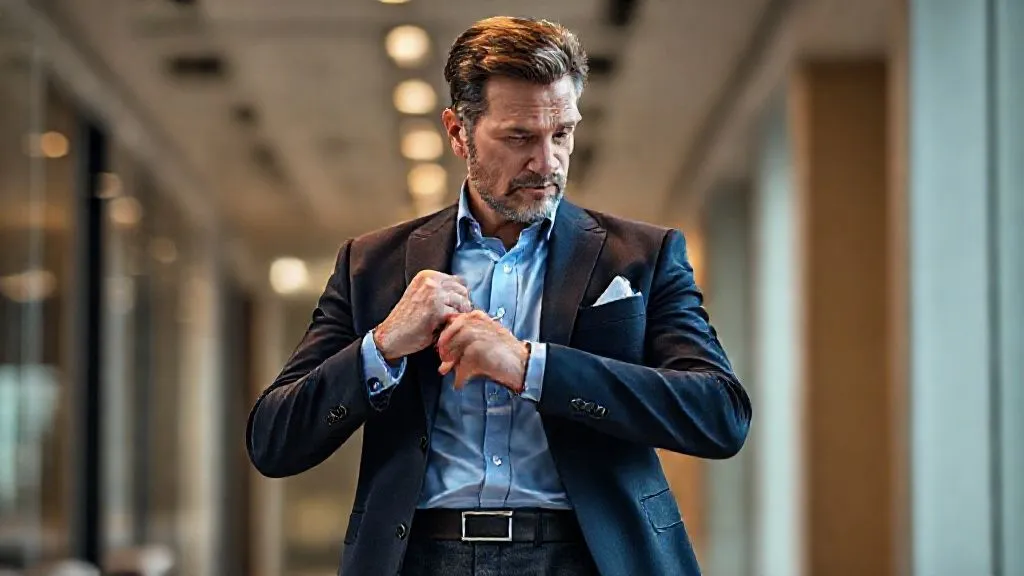
- Cufflinks: For French cuff shirts, cufflinks are a must. Choose elegant, understated designs in silver, gold, or mother-of-pearl. They add a touch of formality and sophistication often overlooked.
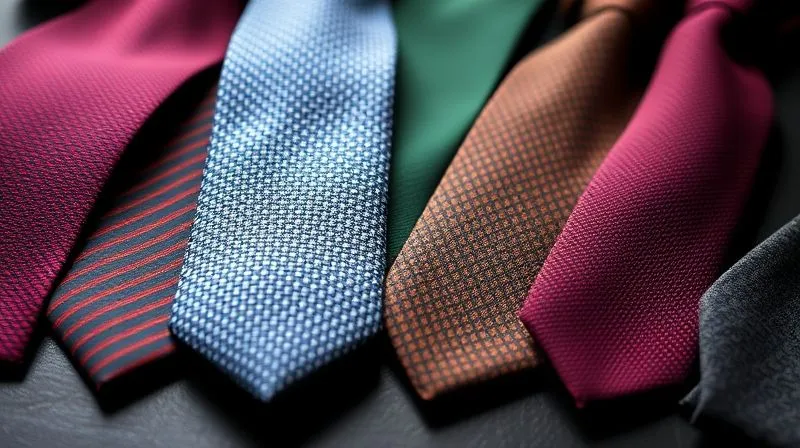
- Ties & Pocket Squares: These are opportunities for personal expression. Invest in high-quality silk or wool ties with rich textures and patterns. A pocket square, perfectly folded, adds a layer of polish. Ensure colors and patterns complement, rather than clash with, your suit and shirt.
- Belts: Always match your belt to your shoes in color and material. A slim, high-quality leather belt with a subtle buckle is the only choice for a senior leader.
- Eyewear: If you wear glasses, consider them an extension of your style. Invest in well-designed frames that complement your face shape and overall aesthetic.
When selecting accessories, I always advise clients to prioritize quality over quantity. One exceptional watch or a few meticulously crafted ties will serve you far better than a drawer full of mediocre items. This approach aligns with the principle of strategic investment that defines true leadership.
- Quality First: Always opt for the best quality you can afford. This applies to the materials, craftsmanship, and design.
- Understated Elegance: Flashy or overly branded accessories can detract from your professional image. Aim for subtle sophistication.
- Cohesion: Ensure your accessories work harmoniously with your outfit and each other. They should enhance, not compete with, your overall look.
- Contextual Appropriateness: While a statement watch is great, ensure it fits the formality of the occasion.
As Hodinkee often highlights, a watch is more than a time-telling device; it's a piece of art and engineering, a reflection of one's appreciation for craftsmanship and legacy.
Modernizing the Shirt & Tie Game: Beyond the Boardroom Basic
The shirt and tie combination is the canvas upon which much of your executive presence is painted. For senior leaders, upgrading this aspect means moving beyond the standard white shirt and solid tie to a more nuanced and sophisticated approach that reflects both timeless elegance and contemporary understanding.
Collar Choices for Different Face Shapes & Occasions
The collar of your shirt frames your face and sets the tone for your tie knot. Understanding different collar styles is crucial:
- Spread Collar: A versatile choice, perfect for wider tie knots and for individuals with narrower faces, as it creates width.
- Semi-Spread Collar: The most universally flattering, balancing formality with modern appeal. Suitable for most tie knots.
- Point Collar: A more traditional, narrower collar, best for smaller tie knots and individuals with wider faces, as it elongates the neck.
- Cutaway Collar: A bolder, more fashion-forward choice, ideal for showcasing a substantial tie knot.
A perfectly chosen tie and knot can be your silent orator, conveying confidence and attention to detail before you even utter a word. It’s about creating a focal point that draws attention to your face, where true leadership is expressed.
For ties, explore textures beyond smooth silk. Think grenadine, knit silk, or subtle wool blends for cooler months. These textures add depth and visual interest. Tie knots should be proportionate to your collar and the tie's thickness – a four-in-hand for a more relaxed look, a half or full Windsor for greater formality and presence.
Furthermore, elevate your shirt choices beyond basic poplin. Consider materials like:
- Sea Island Cotton: Renowned for its exceptional softness, strength, and subtle sheen.
- Royal Oxford: A denser, more textured weave that offers a luxurious feel and a slightly more formal appearance than standard Oxford.
- Twill: Features a diagonal weave, providing a subtle texture, excellent drape, and good wrinkle resistance.
Footwear Fundamentals: The Ground You Stand On
I often tell my clients: 'You can tell a leader by their shoes.' It's a fundamental truth. Impeccable footwear is non-negotiable for a senior leadership role. It's the foundation of your entire outfit, and neglected shoes can instantly undermine an otherwise perfect ensemble. Upgrading your classic menswear means investing in quality footwear and maintaining it meticulously.
- The Oxford: The quintessential formal shoe. A black cap-toe Oxford is a must-have for the most formal business occasions. Brown or dark cherry Oxfords offer versatility.
- The Derby: Slightly less formal than an Oxford, with open lacing, making it versatile for both formal and smart casual settings.
- The Loafer: For elevated business casual or less formal settings, a sophisticated leather loafer (penny or tassel) in dark brown or black can be an excellent choice.
- The Monk Strap: A stylish and distinctive option, with one or two buckles instead of laces. It adds a touch of panache and confidence.
Always ensure your shoes are made from high-quality leather, impeccably polished, and well-maintained. The condition of your shoes speaks volumes about your attention to detail and overall professionalism.
Care and Maintenance: Protecting Your Investment
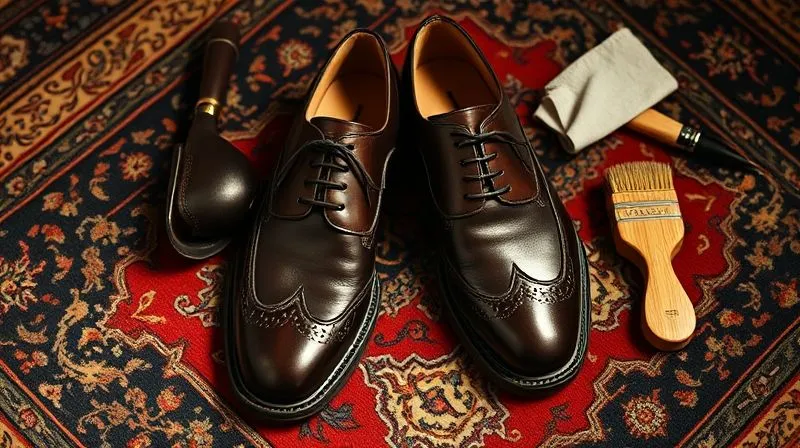
Investing in quality shoes is only half the battle; proper care ensures their longevity and continued pristine appearance. I advise a comprehensive shoe care routine:
- Regular Polishing: Polish your leather shoes regularly (at least once a week for daily wear) to maintain their shine and protect the leather.
- Shoe Trees: Always insert cedar shoe trees after wearing. They absorb moisture, prevent odors, and help maintain the shoe's original shape, preventing creases.
- Rotation: Never wear the same pair of leather shoes two days in a row. Give them at least 24 hours to air out and recover.
- Professional Resole: When the soles wear down, take them to a professional cobbler for resoling. Don't wait until they're completely worn out.
For more in-depth shoe care tips, I often recommend resources like Allen Edmonds' shoe care guides, which provide expert advice on maintaining different types of leather footwear.
The Evolving Business Casual: Leadership Beyond the Tie
As the corporate landscape continues to evolve, so too does the definition of 'business casual.' For senior leaders, this doesn't mean a license to relax their standards; rather, it's an opportunity to demonstrate sophisticated adaptability. The goal is to maintain an authoritative, polished image even in less formal settings, proving you can lead effectively without a tie.
My approach to upgrading business casual for senior leadership focuses on elevated essentials and intelligent layering. It's about translating the principles of quality, fit, and discernment from your formal wardrobe into more relaxed contexts.
- The Refined Blazer/Sport Coat: A cornerstone of executive business casual. Invest in blazers made from luxurious fabrics like fine wool, cashmere blends, or even sophisticated linen-wool blends for warmer climates. Colors beyond navy – such as charcoal, olive green, or subtle checks – add versatility.
- Premium Knitwear: Replace casual sweaters with high-quality merino wool, cashmere, or fine cotton knitwear. V-necks, crewnecks, or elegant cardigans worn over a collared shirt or a fine-gauge t-shirt elevate the look significantly.
- Tailored Trousers: Move beyond basic chinos. Opt for well-fitting wool trousers, tailored cotton trousers, or even refined denim in a dark, clean wash, ensuring they have a crisp crease and appropriate break.
- Collared Shirts: Polos made from high-quality Pima cotton or merino wool are acceptable, as are well-ironed button-down shirts in interesting textures or subtle patterns.
Layering for Impact: The Art of the Sport Coat
Layering is a powerful tool in executive business casual. A sport coat over a fine-gauge merino sweater and tailored trousers instantly elevates the ensemble. It adds structure, sophistication, and a sense of intentionality to your outfit. Consider the textures and colors of each layer, ensuring they complement each other without creating a bulky or disjointed look.
For instance, a charcoal wool sport coat over a light grey cashmere crewneck sweater, paired with dark tailored denim, creates a look that is approachable yet undeniably authoritative. It's about showing versatility in your style while consistently projecting your leadership caliber.
Personal Branding & Consistency: Your Sartorial Signature
Ultimately, upgrading your classic menswear for a senior leadership role isn't just about individual garments; it's about curating a cohesive personal brand. Your sartorial choices should be a consistent reflection of your values, your vision, and the executive presence you wish to project. I've found that the most impactful leaders develop a 'sartorial signature' – a recognizable style that is authentic to them and reinforces their professional identity.
Your style isn't just clothing; it's a non-verbal narrative of your personal brand, a consistent promise of who you are as a leader. It's an extension of your strategic thinking, your attention to detail, and your commitment to excellence.
Achieving this consistency requires introspection. What message do you want to send? What are the values of your organization? How can your clothing support your leadership objectives? Once these questions are answered, your wardrobe choices become strategic rather than arbitrary.
The Role of a Stylist or Image Consultant
For many senior leaders, time is a precious commodity. Engaging a professional stylist or image consultant, particularly one specializing in executive branding, can be an invaluable investment. They can provide an objective assessment of your current wardrobe, guide you through the process of selecting new pieces, and help you develop a cohesive personal style that aligns with your leadership aspirations.
A good consultant acts as an accelerator, helping you achieve in a few sessions what might take months or years of trial and error. They can introduce you to new brands, tailors, and styling techniques, ensuring your sartorial journey is efficient and effective. This is not about being told what to wear, but about being empowered with the knowledge and resources to make informed, impactful choices.

Frequently Asked Questions (FAQ)
Is bespoke tailoring truly necessary for a senior leadership role? While not every single piece needs to be bespoke, I strongly advocate for made-to-measure or bespoke for your core suits and blazers. The unparalleled fit, fabric choice, and customizable details offered by bespoke tailoring convey a level of discernment and respect for one's position that off-the-rack garments, even with alterations, simply cannot match. It’s an investment in your personal brand and executive presence.
How do I balance classic elegance with modern trends without looking dated or too trendy? The secret lies in integrating modern elements subtly. Focus on contemporary fits (slimmer, but not tight), updated fabric textures, and strategic color palettes. Avoid chasing fleeting fashion trends. Instead, incorporate modern accessories (like a minimalist watch or refined sneakers for business casual) or experiment with slightly bolder tie patterns, while keeping the foundational garments timeless. Think evolution, not revolution.
What's the biggest mistake senior leaders make with their wardrobe, and how can I avoid it? The biggest mistake I've observed is complacency – sticking to what's comfortable or familiar without critically assessing its current impact. This often manifests as ill-fitting clothes, outdated styles, or a lack of attention to detail (e.g., scuffed shoes, worn-out shirts). To avoid this, commit to regular wardrobe audits, seek objective feedback, and be open to investing in professional tailoring and higher-quality pieces that truly reflect your elevated status.
How much should I budget for an upgraded leadership wardrobe? This varies greatly depending on your starting point and desired speed of transformation. However, view it as an investment, not an expense. For a significant upgrade, expect to allocate a budget that allows for 2-3 high-quality made-to-measure suits ($1,500-$3,000+ each), 5-7 premium shirts ($150-$300+ each), 2-3 pairs of high-quality leather shoes ($400-$800+ each), and a selection of ties and accessories. A realistic initial investment could range from $8,000 to $20,000+, but this is spread over time and yields significant returns in perceived value.
Can I upgrade my existing wardrobe, or do I need to start from scratch? Often, you can significantly upgrade your existing wardrobe. Start by identifying pieces with good quality fabric that are simply ill-fitting. A skilled tailor can work wonders with existing suits, trousers, and blazers, transforming them with precise alterations. Then, strategically replace or add key items like premium shirts, ties, and shoes. It's about building purposefully, not necessarily discarding everything.
Key Takeaways and Final Thoughts
Upgrading your classic menswear for a senior leadership role is an intentional journey, not a destination. It’s about understanding that your visual presentation is an integral part of your executive presence and a powerful tool for influence. As a veteran in this field, I’ve seen time and again how a refined, well-curated wardrobe can amplify a leader’s impact, opening doors and fostering trust.
- Prioritize Quality & Fit: Invest in premium fabrics and insist on impeccable tailoring. A perfect fit is non-negotiable.
- Expand Your Palette: Move beyond basic navy and charcoal with strategic, sophisticated color choices and subtle patterns.
- Master the Details: Accessories are your silent communicators; choose them for quality, elegance, and cohesion.
- Elevate Every Element: From shirt collars to shoe care, every component of your outfit contributes to your overall message.
- Embrace Strategic Business Casual: Maintain authority and polish even in less formal settings through elevated essentials and intelligent layering.
- Cultivate Your Personal Brand: Develop a consistent sartorial signature that authentically reflects your leadership values and vision.
Remember, your style is a continuous narrative. It evolves as you grow in your career and leadership capacity. By applying these expert strategies, you’re not just buying clothes; you’re investing in yourself, your influence, and your enduring legacy as a distinguished leader. Step forward with confidence, knowing that your image is as sharp and strategic as your mind.
Recommended Reading
- 7 Secrets: How Streetwear Brands Keep Bold Prints Timeless?
- The Ultimate Guide: How to Choose Effective Anti-Aging Eye Cream?
- 7 Secrets: How to Maintain Structural Integrity in Heavy Beadwork Couture
- 5 Steps: What to Do When a Sustainable Supplier Violates Labor Codes?
- 5 Menswear Secrets: Project Executive Presence & Command Respect



Your email address will not be published. Required fields are marked *