

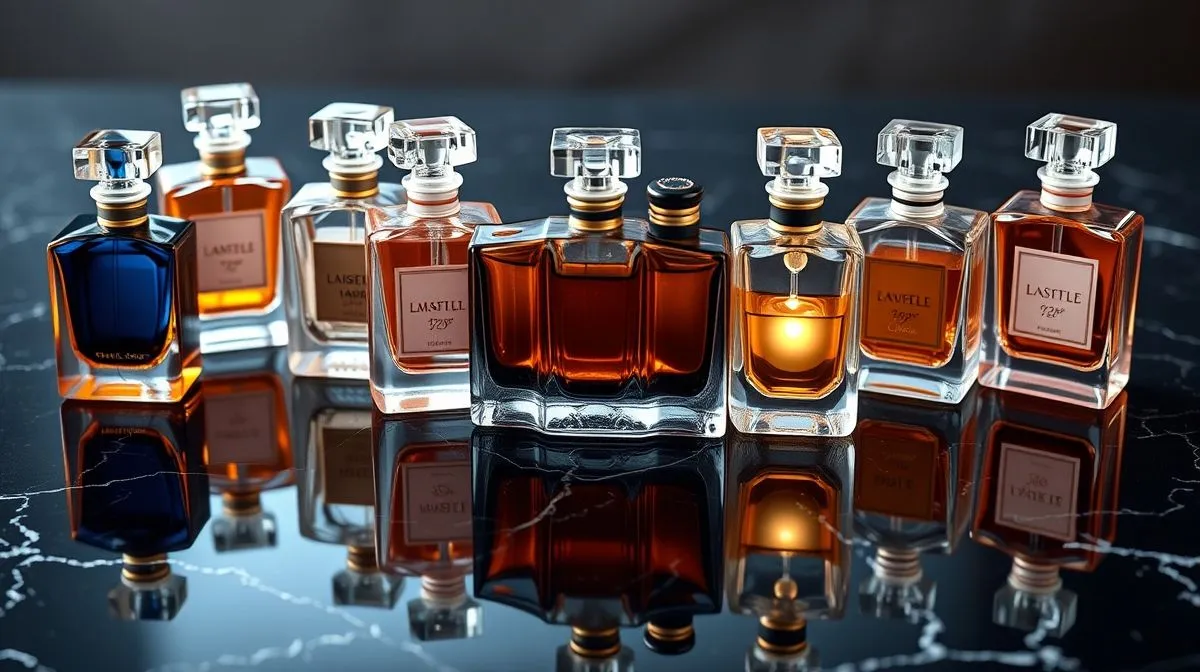
How to curate a cohesive luxury fragrance collection for a fashion brand?
As an expert with over 15 years immersed in the luxury beauty and fashion landscape, I can attest that curating a cohesive luxury fragrance collection for a fashion brand isn't merely an exercise in scent creation; it's an intricate act of brand extension. It's about translating your brand's unique sartorial language into an olfactory experience that resonates deeply with your discerning clientele. A common mistake I see brands make is approaching fragrance as a standalone product line, disconnected from their core identity. This oversight leads to collections that feel generic or, worse, contradictory to the brand's established aesthetic. The goal is to create an olfactory signature that is as recognizable and desirable as your brand's iconic designs."Your fragrance collection should not just smell good; it must *feel* like your brand. It's an invisible garment, tailored to perfection."The journey begins with an exhaustive deep dive into your brand's fundamental DNA. This isn't a superficial glance at your logo or latest collection, but a rigorous examination of your heritage, values, and the emotional connection you forge with your customers. Here are the critical steps I guide my clients through:
-
Deconstruct Your Brand's Core Identity: Before a single note is considered, we must meticulously define what your brand truly represents. Is it minimalism and architectural precision, like Jil Sander or The Row? Or perhaps the opulent, maximalist drama of Gucci or Versace? Identify your brand's archetype, its dominant colors, textures, and even the emotional states it evokes. This initial phase is non-negotiable.
- Visual Language: Analyze your runway shows, campaign imagery, and material choices. Are you drawn to crisp linens, raw silks, plush velvets, or shimmering metallics? Each has an olfactory parallel.
- Brand Narrative: What story does your brand tell? Is it about heritage, innovation, rebellion, or timeless elegance? This narrative must be woven into the fabric of your fragrance collection.
- Target Demographic: Understand their lifestyle, aspirations, and existing fragrance preferences. Your collection needs to speak *to* them, not just *at* them.
-
Translate Visual & Emotional Cues into Olfactory Concepts: This is where the magic of cross-sensory translation occurs. For instance, a brand known for its clean lines and monochromatic palettes might gravitate towards transparent, musky, or aldehydic notes, evoking a sense of purity and sophistication. Conversely, a brand celebrated for its rich, artisanal craftsmanship might explore complex woody, leathery, or amber accords.
In my experience, creating an "olfactory mood board" is incredibly effective. This involves pairing visual inspirations with raw materials, accords, and existing fragrances that embody the desired feeling. We're not copying; we're establishing a sensory vocabulary.
-
Develop a Cohesive Collection Narrative: A luxury fragrance collection should rarely be a single scent, nor should it be a disparate group of random perfumes. Instead, it needs a unifying theme or narrative arc. Consider a collection that represents different facets of your brand's customer's day (e.g., a "morning freshness," an "afternoon sophistication," an "evening allure").
For example, a brand known for its wanderlust-inspired collections might launch a series of fragrances evoking different global destinations or natural elements, each distinct yet clearly part of the same adventurous spirit. This provides depth and encourages customers to explore the entire range.
-
Strategic Perfumer Collaboration: Selecting the right perfumer is paramount. You need someone who not only possesses exceptional technical skill but also truly understands your brand's vision and can translate abstract concepts into tangible scent. In my career, I've found that the best collaborations are those where the perfumer acts as an extension of the creative team, deeply invested in the brand's identity.
Provide them with your brand DNA, visual mood boards, and the desired emotional impact. Be prepared for an iterative process; fine-tuning a luxury fragrance takes time, patience, and numerous modifications to achieve perfection.
-
Packaging as an Extension of Luxury: The bottle, cap, label, and outer packaging are just as crucial as the scent itself. This is where the tactile and visual aspects of luxury are expressed. The design must be an immediate visual cue to your brand's aesthetic and quality standards.
- Materiality: Does your brand favor heavy glass, minimalist lines, or intricate detailing? Ensure the bottle reflects this.
- Color Palette: Use colors that are consistent with your brand's identity, or introduce new ones thoughtfully to complement the fragrance narrative.
- Naming Conventions: The names of your fragrances within the collection should reinforce the overall theme and brand story. They should be evocative, sophisticated, and memorable.
Essential Tools and Resources for Fragrance Curation
To truly master fragrance curation for a luxury brand, one must approach it with the precision of a scientist and the intuition of an artist. In my experience, the right tools and resources don't just facilitate the process; they elevate it, transforming a subjective endeavor into a strategic, data-driven art form.The foundation of any successful olfactory journey begins with the physical instruments. Firstly, you need high-quality, **unscented scent strips or blotters**. These are not merely paper; they are your canvases. A common mistake I see is using generic paper, which can absorb oils unevenly or introduce its own scent, skewing your perception of a fragrance's true character, especially its dry-down nuances.
Equally critical are **olfactory neutralizers**, such as freshly roasted coffee beans or, more effectively, unscented carbon filters. They reset your nose, preventing olfactory fatigue that can lead to misjudgments, particularly when evaluating multiple compositions in a single session. Think of it as clearing your palate between courses at a Michelin-star restaurant.
A dedicated and **controlled testing environment** is non-negotiable. This means a well-ventilated space, free from competing odors, excessive humidity, or extreme temperatures. Light, especially direct sunlight, can also alter a fragrance over time, so consider a room with indirect or controlled lighting to maintain the integrity of your samples.
Beyond the immediate tools, a robust **fragrance reference library** is an invaluable asset. This isn't just a collection of popular scents; it's a meticulously curated archive of benchmark fragrances, classic compositions, and key competitor products. Analyzing these allows you to understand market archetypes, identify white space, and calibrate your own brand's unique olfactory signature against established successes.
"Curating a luxury fragrance collection isn't about finding a 'good' smell; it's about crafting an olfactory narrative that resonates deeply with your brand's essence and speaks directly to your target audience. Without the right tools, you're guessing in the dark."
On the analytical front, a sophisticated **fragrance curation journal or digital database** is paramount. This isn't just for notes; it's for tracking every detail: raw material suppliers, blend percentages, testing conditions, initial impressions, dry-down observations over hours or days, and even feedback from initial sensory panels. Consistency in documentation is key to iterative refinement.
Access to **market research and trend forecasting reports** is another essential resource. These reports, often from specialized agencies, provide invaluable insights into consumer preferences, emerging scent profiles, ingredient innovations, and shifts in lifestyle that influence fragrance choices. Understanding these macro and micro trends helps you create a collection that is both timeless and relevant.
- **Consumer Demographics:** Who is buying what, and why?
- **Psychographic Profiles:** The emotional connection consumers seek.
- **Ingredient Innovation:** New synthetics, sustainable naturals, and their olfactive profiles.
- **Cultural Shifts:** How global events or social movements influence scent preferences.
Finally, the most powerful resource at your disposal is **human expertise**. Collaborating with a reputable **Master Perfumer or a specialized fragrance house** is non-negotiable for luxury brands. Their technical knowledge of raw materials, blending techniques, stability, and regulatory compliance (like IFRA standards) is unmatched. They translate your brand's vision into a tangible, olfactive reality, often bringing proprietary ingredients or unique accords to the table.
Additionally, assembling a diverse **sensory evaluation panel** provides objective feedback. This should ideally include both internal stakeholders who understand the brand DNA intimately and external individuals from your target demographic. Their collective insights can reveal blind spots and validate the emotional resonance of your chosen fragrances before a costly market launch.
Frequently Asked Questions (FAQ)
How do I truly define and communicate 'luxury' within my fragrance collection?Luxury isn't merely about price; it's an intricate tapestry woven from perceived value, exclusivity, and an unparalleled sensory journey. For your fragrance brand, it begins with a relentless pursuit of quality in every component, from the raw ingredients to the final packaging.
In my experience, brands often make the mistake of equating high cost with luxury. True luxury stems from the meticulous sourcing of rare raw materials, the artistry of the perfumer, and the compelling story you tell. Consider a natural oud aged for decades, or a bespoke ambergris accord crafted over months – these elevate the *juice* itself to an art form.
Communication is paramount. You must articulate the narrative behind each scent, the inspiration, the craftsmanship, and the emotional connection it aims to evoke. This isn't just marketing copy; it's an invitation into your brand's exclusive world, making the consumer feel part of something special.
"Luxury is not about having, it's about being. It's about the feeling invoked, the story told, and the indelible memory created through an experience that transcends the ordinary."What's the optimal number of fragrances to launch with, and how do I ensure they feel cohesive rather than disparate?
A common mistake I see brands make is launching with too many scents, diluting their initial impact, or too few, failing to capture a broader audience. For a luxury brand, I typically recommend starting with a tightly curated collection of three to five distinct fragrances.
This allows for a clear brand statement without overwhelming the consumer. Each fragrance should ideally represent a distinct facet of your brand's identity or a different mood, yet still feel like part of the same sophisticated family.
To ensure profound cohesion, consider these crucial pillars:
- Shared Olfactive Signature: While individual scents will differ, there might be a subtle, underlying note or unique accord that subtly links them – perhaps a proprietary musk blend, a specific type of rare wood, or a signature floral heart.
- Consistent Aesthetic Language: Packaging, bottle design, labeling, and all branding elements must be uniform and impeccable, reflecting the overarching luxury ethos. This visual cohesion is as critical as the scent itself.
- Powerful Thematic Thread: Is there a conceptual story, a specific inspiration (e.g., a journey, an emotion, a historical period, a natural landscape) that ties the entire collection together? This narrative cohesion is incredibly powerful for brand recall.
For example, a collection might feature one vibrant citrus, one rich floral, and one deep woody scent, each distinct but unified by a shared inspiration of "Mediterranean sunsets" and presented in identical, elegant, weighty glass bottles.
Beyond scent profiles, what are the critical elements that contribute to a truly luxurious fragrance experience for the consumer?The luxury fragrance experience extends far beyond the liquid in the bottle. It's a holistic sensory journey designed to evoke emotion, exclusivity, and indulgence from the very moment a consumer encounters your brand, lasting through every interaction.
In my 15+ years, I've seen that the most successful luxury brands master these often-overlooked components that define the complete experience:
- Exquisite Packaging and Presentation: This is your first physical touchpoint. Think heavy, custom-designed glass, bespoke caps, intricate detailing, and premium finishes like satin linings or embossed boxes. The unboxing ritual should be an event in itself, a moment of anticipated pleasure.
- Compelling Brand Storytelling: Consumers in the luxury space want to feel a deep connection. Share the inspiration, the perfumer's unique craft, the provenance of rare ingredients, or the arduous journey of creation. This narrative adds immense perceived value and emotional resonance.
- Impeccable Customer Service & Experience: From personalized recommendations and elegant sampling programs to an intuitive website and responsive support, every interaction should consistently reflect the brand's luxury positioning and attention to detail. This builds enduring loyalty.
- Exclusivity & Perceived Rarity: Limited editions, bespoke fragrance services, or a carefully controlled, selective distribution strategy can significantly enhance the sense of specialness and aspirational desire around your collection.
Consider brands that offer beautifully designed refill services for their permanent vessels, or those that provide complimentary bottle engraving upon purchase. These seemingly small details collectively elevate the experience from a mere transaction to a cherished, personal ritual.
How do I balance creative innovation with market demand and commercial viability when curating new scents?This is the eternal tightrope walk for any luxury brand. You aspire to be a trendsetter, not a follower, but you also need to ensure commercial success. The key lies in strategic differentiation and elevated interpretation rather than outright rebellion against established market tastes.
I always advise my clients to deeply understand current market trends and popular scent families, not to copy them, but to identify gaps or opportunities for a truly unique, luxurious interpretation. If gourmands are popular, how can your brand create a gourmand that feels distinctly *yours* – perhaps with an unexpected, sophisticated twist using rare ingredients?
My approach involves a multi-pronged strategy to navigate this balance:
- Establish Core Collection Stability: Maintain a few signature scents that are proven bestsellers and embody your brand's essential character. These provide the financial stability to allow for creative risks elsewhere.
- Leverage Limited Editions/Seasonal Launches: Use these opportunities to experiment with more innovative, avant-garde profiles or conceptual themes. This allows for profound creative expression and generates buzz without jeopardizing the entire collection's commercial performance.
- Interpret Consumer Insights, Don't Just Dictate: Listen intently to feedback and market data, but interpret it through your brand's unique luxury lens. Don't chase every fleeting trend; instead, anticipate the evolution of sophisticated tastes and offer what discerning consumers *will* desire next.
A truly luxury brand doesn't just respond to existing demand; it helps *shape* it by consistently offering something aspirational, unique, and impeccably executed. Your innovation should feel like an exciting discovery for the consumer, not a commercial risk on their part.
What is olfactory branding and why is it important for fashion brands?
Olfactory branding, at its core, is the strategic use of scent to enhance a brand's identity and evoke specific emotions or memories. It's a powerful, often subconscious, form of sensory marketing that leverages our most primal sense. In my experience, it's about creating an invisible signature that resonates deeply with your audience.
This isn't merely about making a space smell pleasant; it's about crafting an aroma that is intrinsically linked to your brand's values, aesthetic, and story. When done effectively, the scent becomes an integral part of the overall brand identity, much like a logo or a color palette. It subtly communicates luxury, sophistication, or avant-garde spirit long before a word is spoken.
The human sense of smell is uniquely wired to the limbic system, the part of our brain responsible for emotion and memory. This means a particular fragrance can instantly trigger vivid recollections and strong feelings, bypassing rational thought. This direct pathway makes scent an unparalleled tool for forging a deep emotional connection with consumers.
For fashion brands, particularly those operating in the luxury space, neglecting olfactory branding is a significant oversight. In an increasingly competitive market, a truly premium experience demands a multi-sensory approach that transcends visual appeal and tactile quality. Scent provides that crucial, immersive layer.
Think of it this way: your clothing tells a story through fabric, cut, and design. Your boutique's lighting and music set a mood. Olfactory branding extends this brand narrative into the air itself, creating an all-encompassing atmosphere. It's about ensuring every touchpoint, seen or unseen, reinforces your brand's unique universe.
In my 15+ years, I've seen countless brands struggle to stand out. A carefully curated signature scent offers unparalleled differentiation. It provides an exclusive, proprietary element that cannot be easily replicated by competitors, cementing a unique place in the consumer's mind and elevating luxury perception.
The importance of scent extends throughout the entire customer journey. From the moment a client steps into your flagship store to the unboxing experience of an online purchase, a consistent and evocative fragrance enhances satisfaction. This sustained sensory engagement fosters deeper customer loyalty and encourages repeat visits.
Consider the hospitality industry; luxury hotel chains like Westin or Ritz-Carlton have mastered this, each with their distinctive lobby scents that instantly transport guests to their brand experience. For fashion, this translates into an elevated retail environment, making shopping feel less like a transaction and more like an indulgent escape.
"In luxury, every detail speaks volumes. A meticulously crafted fragrance is not just an accessory; it is the silent ambassador of your brand's soul, whispering exclusivity and desire."
The practical benefits for fashion brands employing strategic olfactory branding are manifold:
- Enhanced Brand Recall: Scent memories are incredibly potent, making your brand unforgettable.
- Increased Perceived Value: A sophisticated signature scent elevates the perceived quality and exclusivity of your products.
- Emotional Engagement: It creates a deeper, more personal connection with your target audience.
- Atmosphere Creation: Transforms retail spaces into immersive, inviting environments.
- Competitive Advantage: Distinguishes your brand in a crowded marketplace with a unique sensory signature.
A common mistake I see brands make is treating fragrance as an afterthought or a generic pleasant smell. True olfactory branding demands the same strategic thought and investment as visual identity. It must be an authentic extension of the brand, not a superficial addition.
How do I choose the right perfumer for my luxury fragrance line?
Choosing the right perfumer is arguably the most pivotal decision you'll make when building a luxury fragrance line. In my experience, this isn't merely a transactional vendor selection; it's about forging a deep, creative partnership with an artist who can translate your brand's essence into an olfactive masterpiece. The perfumer is the "nose" behind your brand's signature, and their vision must align seamlessly with yours. A common mistake I see brands make is focusing too heavily on a perfumer's past successes without evaluating their potential for *your* specific vision. While a robust portfolio is important, the true measure lies in their ability to interpret your unique brand DNA and translate it into a compelling scent story. This requires both artistic flair and profound technical mastery.The selection process should be methodical, yet infused with an intuitive understanding of creative fit. Here’s how I advise my clients to approach this crucial decision:
-
Articulate Your Vision with Precision: Before engaging any perfumer, you must have an incredibly detailed brief. This goes beyond just "I want something fresh." It encompasses your brand's narrative, target demographic, desired emotional response, specific olfactive families (e.g., chypre, oriental, gourmand), and even the inspiration behind the line. A mood board, color palettes, and music references can be invaluable.
"A vague brief yields a vague fragrance. Clarity in your vision is the foundation for a perfumer's genius."
-
Research and Network Strategically: The world of perfumery is vast, ranging from independent artisan perfumers to the "big four" fragrance houses (Givaudan, Firmenich, IFF, Symrise). Each offers distinct advantages. Smaller, independent "noses" might offer more personalized attention and creative agility, while larger houses provide unparalleled access to raw materials, advanced research, and regulatory expertise.
Attend industry events, read specialized publications, and leverage your professional network for recommendations. Look for perfumers or houses with a proven track record in the luxury segment, as they understand the nuances of high-quality ingredients and sophisticated compositions. For example, a perfumer renowned for mass-market body sprays might lack the specific sensibility required for a high-end, niche brand.
-
Evaluate Portfolio and Creative Signature: Dive deep into their previous work. Does their creative signature resonate with your brand's aesthetic? Are they known for a particular style or ingredient mastery that aligns with your desired olfactive profile? For a luxury line, you're looking for innovation, complexity, and a sophisticated touch that avoids generic trends.
Consider their versatility too. While a distinct style is good, an inability to adapt to diverse briefs could be a red flag. A great perfumer can maintain their artistic integrity while still delivering on a client's specific requirements, much like a master chef can create a custom dish while showcasing their culinary philosophy.
-
Commission a "Blind" Brief and Test Their Interpretation: This is perhaps the most critical step. Once you've shortlisted 2-3 perfumers or houses, provide them with your detailed brief and commission a sample or two. Evaluate these submissions without knowing which perfumer created them. This ensures objectivity and allows the quality of the scent itself to speak volumes.
Assess not just the initial impression, but also the fragrance's evolution on the skin, its longevity, and its sillage. Pay close attention to how closely their interpretation aligns with your original vision. A good perfumer will capture the *spirit* of your brief, not just its literal notes.
-
Assess Collaboration and Communication Style: A perfumer is a creative partner, and the relationship will involve extensive back-and-forth. How do they handle feedback? Are they open to iterations, or do they become defensive? Effective communication, transparency, and a shared passion for the project are non-negotiable for a successful partnership.
In my experience, the best collaborations are built on mutual respect and a willingness to explore. It’s a dance between the brand’s vision and the perfumer’s artistic execution. If the chemistry isn't right on a personal level, even the most talented perfumer may not be the right fit for your brand's journey.
-
Understand the Commercial and Legal Aspects: Discuss intellectual property rights. Who owns the formula? What are the terms for exclusivity? How are raw material costs handled, especially for rare or ethically sourced ingredients often found in luxury compositions? Clarity on these points upfront prevents future disputes.
For example, while the fragrance house typically retains ownership of the formula, you can negotiate for exclusivity for your specific application. This is crucial for protecting your brand's unique olfactive identity in the competitive luxury market.
What are the key considerations for fragrance packaging and presentation?
In my fifteen years observing the luxury fragrance market, I’ve learned that packaging is not merely a container; it is the silent brand ambassador and often the consumer’s very first physical interaction with your product. This initial encounter is paramount, setting the stage for the perceived value and luxury experience long before the scent itself is even discovered.
The bottle itself is the heart of your presentation. Consider its material quality – for luxury, this almost invariably means high-grade glass, heavy in the hand, signaling substance and durability. The shape, while needing to be aesthetically pleasing, should also be ergonomic and reflect the fragrance's story, whether it's classic elegance or modern minimalism.
A frequently overlooked detail, yet critically important, is the cap and atomizer mechanism. A cheap, flimsy cap or a sputtering sprayer can instantly diminish the luxurious feel, regardless of the exquisite scent within. Invest in a cap that clicks satisfyingly, perhaps magnetic, and an atomizer that delivers a fine, even mist, ensuring a consistent and pleasant user experience.
The outer packaging transforms a simple purchase into an unboxing ritual. Think beyond basic cardboard; explore premium papers, textured finishes, embossed logos, and sophisticated color palettes that align with your brand's aesthetic. A well-designed outer box protects the product while elevating the anticipation and perceived value.
True luxury engages multiple senses. When designing, I always advise brands to consider the full sensory experience:
- Does the bottle feel substantial and balanced in the hand?
- Is the texture of the outer packaging pleasing to the touch?
- Does the cap close with a reassuring, quality sound, perhaps a subtle click?
- Is the overall visual presentation cohesive, artful, and memorable?
These tactile and auditory cues contribute significantly to the perceived quality and the overall emotional connection a consumer forms with your brand.
Packaging should be a visual extension of your fragrance's narrative. If your scent evokes a lush garden, perhaps incorporate botanical motifs or a soft, organic color scheme. For a bold, modern scent, sleek lines and minimalist design might be more appropriate. The goal is for the packaging to communicate the essence of the fragrance before the first spray, creating a harmonious blend of scent and sight.
In today’s conscious market, sustainability is no longer optional; it’s an expectation, even in luxury. I advise brands to explore options like refillable bottles, packaging made from recycled or sustainably sourced materials, and designs that minimize waste. Communicating these efforts transparently can significantly enhance brand perception and consumer loyalty, aligning with modern luxury values.
It’s tempting to cut costs on packaging, but this is a strategic error. While budget constraints are real, I’ve seen time and again that allocating a significant portion of your product development funds to packaging directly impacts perceived value. A modest investment in superior glass or a custom-designed cap can yield enormous returns in terms of brand prestige and customer satisfaction.
"The packaging is the promise, and the fragrance is the fulfillment. If the promise is weak, many consumers won't even wait for the fulfillment."
This adage, in my view, perfectly encapsulates why neglecting packaging is a critical misstep for luxury brands. The initial impression is often the lasting one.
Ultimately, every element of your fragrance packaging—from the weight of the bottle to the texture of the box—must be meticulously considered. It's an integral part of the luxury experience, a crucial differentiator in a crowded market, and a powerful tool for building a cohesive and desirable brand identity.
Reading Recommendations:
- 9 Steps: How to Verify Ethical Labor in Eco-Friendly Shoe Factories?
- 7 Essential Strategies: Differentiate Your New Womenswear Accessories Brand
- 7 Proven Strategies: Attracting Luxury Buyers for Bespoke Footwear?
- Killer Fashion Blog Posts: Your Ultimate Writing Guide!
- Unlock Effortless Elegance: How to Master Casual Chic Style for Any Occasion
Key Points and Final Thoughts
In my fifteen years guiding luxury brands, I've seen firsthand that curating a truly cohesive fragrance collection isn't merely about assembling beautiful scents; it's about crafting an olfactory narrative that is as distinctive and memorable as your brand itself. It requires profound introspection and strategic foresight, extending far beyond initial product development. A common mistake I see brands make is approaching fragrance development as a series of isolated launches, driven by market trends or individual creative whims. This often results in a disparate collection that confuses the consumer and dilutes the brand's core identity, ultimately hindering long-term loyalty and recognition. True luxury, particularly in fragrance, demands **intentionality and a deep understanding of your brand's DNA**. Each scent in your collection must serve a purpose, not just as a standalone product, but as a vital chapter in your brand's overarching story. Think of it like a master couturier's seasonal collection: individual pieces are stunning, but together, they tell a complete, unified fashion narrative. Here are the key pillars that, in my experience, elevate a good collection to an exceptional one:- Unified Brand Narrative: Every fragrance should reinforce your brand's ethos, values, and aesthetic. Is your brand about bold innovation, timeless elegance, or ethereal romance? This must translate into scent.
- Olfactory Signature & Progression: While diverse, there should be a subtle, underlying thread—a 'house note' or a consistent style of perfumery—that links your creations. This allows for a natural progression or exploration within your brand world.
- Harmonious Aesthetic: Packaging, naming conventions, and marketing visuals must speak the same language. This visual consistency is crucial for signaling luxury and reinforcing the collection's unity.
- Target Audience Resonance: Your collection should speak directly to *your* ideal client. Understanding their lifestyle, aspirations, and existing fragrance preferences is paramount to creating scents they not only love but feel deeply connected to.
A luxury fragrance collection is not merely an assortment of beautiful smells; it is a meticulously composed symphony, where each note, while distinct, contributes to a grand, harmonious narrative that defines and elevates your brand.Ultimately, the goal is to create an experience, not just a product. A well-curated luxury fragrance collection fosters an unparalleled sense of discovery and belonging for your customers. It builds a deeper, more emotional connection, transforming them from casual buyers into dedicated connoisseurs and brand ambassadors. This level of loyalty, in my experience, is the true hallmark of a successful and enduring luxury brand.

Your email address will not be published. Required fields are marked *