

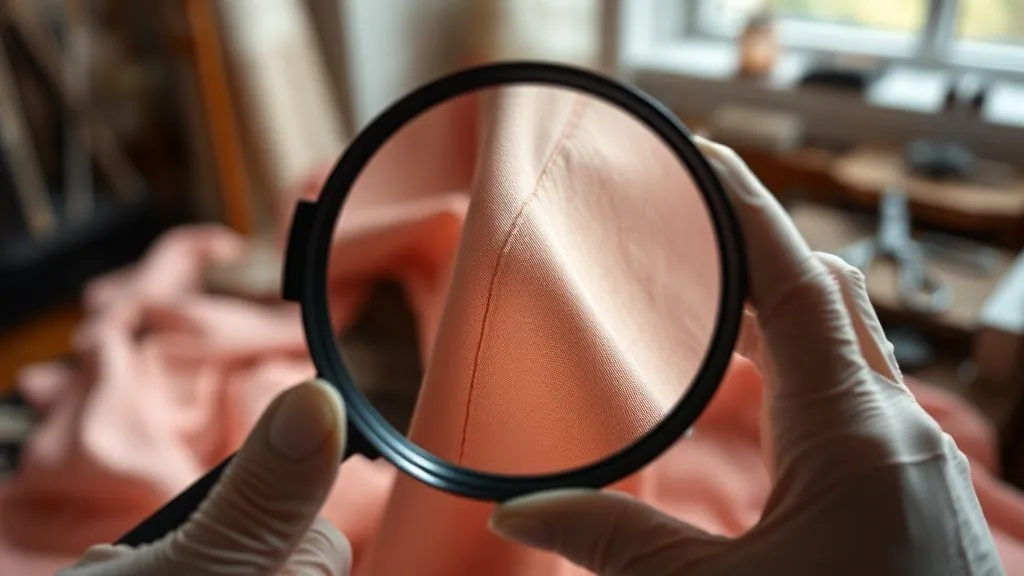
How to Fix Irreparable Seam Puckering on Delicate Haute Couture Silk?
For over two decades immersed in the intricate world of haute couture, I’ve witnessed the sheer artistry that goes into creating a masterpiece. But I've also seen the silent heartbreak when a delicate silk garment, destined for a grand reveal, suffers from what appears to be an irreversible flaw: stubborn seam puckering. It's a problem that can transform a vision of perfection into a source of profound frustration for both designer and client.
Delicate haute couture silk, with its inherent fluidity and luxurious drape, presents a unique challenge. Unlike more robust fabrics, silk's fibers are prone to distortion, and once a seam puckers beyond a simple steam press, the integrity of the weave can be compromised. This isn't just a cosmetic issue; it threatens the very soul of a meticulously crafted garment, often leading to the agonizing question: is this truly irreparable?
My goal today is to guide you through the nuanced process of addressing this seemingly insurmountable challenge. We'll explore expert strategies for diagnosing, mitigating, and in some cases, ingeniously transforming garments afflicted by what seems to be irreparable seam puckering on delicate haute couture silk. This isn't just about repair; it's about textile conservation, creative problem-solving, and upholding the unparalleled standards of haute couture.
Understanding the 'Irreparable': When is it Truly Beyond a Simple Press?
The term 'irreparable' in the context of seam puckering on delicate haute couture silk can be daunting, but it's crucial to define it accurately. Often, minor puckering caused by slight tension imbalances or inadequate pressing can be remedied with a careful application of steam and pressure. However, when we speak of 'irreparable' damage, we're referring to a deeper, more structural issue within the fabric or the seam itself.
In my experience, true irreparable puckering stems from several critical factors. It could be permanent distortion of the silk fibers due to excessive heat during pressing, or perhaps the fibers were stretched unevenly during the initial sewing process and have now set in a distorted state. Another common culprit is thread shrinkage after washing, pulling the seam line into a permanent ripple. These are not superficial issues; they are inherent to the fabric's new, undesirable configuration.
Traditional methods, such as re-steaming or pressing, often fail because they cannot reverse the fundamental changes that have occurred at a microscopic level within the silk fibers or the thread. Applying more heat or pressure in such cases can, in fact, exacerbate the problem, leading to further damage like scorching, water marks, or even tearing of the delicate silk. This is why a more nuanced and often more radical approach is required.
“True irreparable seam puckering on haute couture silk signifies a fundamental alteration in the fabric's structure or the seam's integrity, demanding ingenuity beyond conventional repair methods.”
Recognizing the point of no return for conventional methods is the first step in effective textile conservation. It saves time, prevents further damage, and directs your efforts towards solutions that genuinely address the underlying problem, rather than merely superficial symptoms. Understanding this distinction is paramount before attempting any advanced intervention on precious haute couture pieces.
The Anatomy of Seam Puckering in Silk: Root Causes and Prevention
Even when faced with what seems to be irreparable seam puckering on delicate haute couture silk, understanding its genesis is crucial. Knowing *why* the puckering occurred provides invaluable insight, not only for potential salvage but also for preventing future catastrophes. Puckering isn't a singular phenomenon; it's a symptom with various underlying causes, especially pronounced in the nuanced world of silk.
Common Culprits Behind Silk Seam Puckering:
- Differential Shrinkage: This is a major factor. If the sewing thread shrinks more than the silk fabric after steaming or washing, it pulls the seam line taut, causing the fabric to ripple. Silk threads or mercerized cotton threads are often less prone to this than synthetic threads with higher shrinkage rates.
- Incorrect Stitch Tension: Both needle and bobbin tension being too tight can cause the fabric to gather along the seam. Silk, being so fine, is highly susceptible to even slight tension imbalances.
- Inappropriate Needle Choice: A needle that is too large or has a blunt point can damage the delicate silk fibers as it penetrates, pushing them aside rather than piercing cleanly. This physical displacement of fibers can lead to permanent puckering.
- Improper Fabric Feed: If the sewing machine's feed dogs are not properly adjusted, or if the fabric is stretched or pushed unevenly during sewing, the seam can become distorted. Walking feet or differential feed mechanisms are often essential for delicate silks.
- Thread Type and Size: Using a thread that is too thick or has too much inherent stretch for the silk can lead to a visible puckering, even if tension is correct. Fine silk demands equally fine, strong thread.
- Excessive Seam Allowances: Bulky seam allowances, especially when pressed open without proper grading or clipping, can create an uneven surface that appears as puckering, particularly on sheer silks.
While prevention is always the ideal, these root causes often contribute to the 'irreparable' state. For instance, if a large, blunt needle permanently damaged the silk fibers, or if differential shrinkage has permanently set the seam, a simple press won't suffice. My approach always involves a forensic examination of the original construction to inform any repair strategy.
Initial Assessment: Diagnosing the Puckering's Nature and Extent
Before any remedial action can be considered for irreparable seam puckering on delicate haute couture silk, a meticulous and patient assessment is non-negotiable. This diagnostic phase is perhaps the most critical step, as it dictates the viability and methodology of any subsequent repair. Rushing this stage is a common mistake that can lead to further, truly irreversible damage.
Methods for Detailed Assessment:
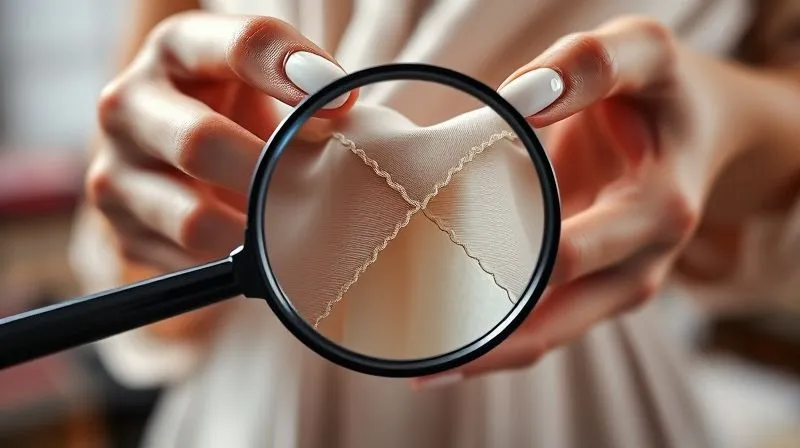
- Visual Inspection Under Magnification: Use a jeweler's loupe or a strong magnifying glass (10x to 20x) to examine the seam line closely. Look for broken or stretched silk fibers, thread damage, needle marks, or areas where the weave appears permanently distorted. Pay attention to the uniformity of the stitches and the condition of the thread.
- Tactile Assessment: Gently run your fingertips along the puckered seam. Can you feel any unevenness, stiffness, or areas where the fabric feels thicker or thinner? This can indicate underlying issues like distorted seam allowances or thread buildup.
- Light Test: Hold the fabric up to a strong, diffused light source. This can reveal subtle distortions in the weave, areas of fiber damage, or inconsistencies in translucency that might not be visible under normal lighting.
- Stress Test (Gentle): With extreme care, very gently pull perpendicular to the seam line in a small, inconspicuous area. Observe how the fabric reacts. Does the puckering relax slightly, or does it remain rigid? This can give clues about whether the puckering is primarily due to tension or permanent fiber damage.
- Seam Allowance Examination: If possible, and without causing further damage, carefully examine the seam allowances from the inside. Are they evenly trimmed and pressed? Is there any bulk or unevenness contributing to the external puckering?
“The initial assessment is not merely observation; it's a forensic investigation into the life of the seam, revealing the true nature of the 'irreparable' damage.”
Document your findings meticulously. Take high-resolution photographs of the affected areas from various angles. This documentation serves as a baseline, allowing you to track any progress or identify areas where further caution is needed. Only after this thorough diagnostic process can you formulate an informed strategy for how to fix irreparable seam puckering on delicate haute couture silk.
Advanced Remedial Techniques: Beyond the Iron
When the initial assessment confirms that the puckering is indeed 'irreparable' by conventional steaming and pressing, a different set of advanced remedial techniques must be considered. These methods move beyond simple surface treatments, aiming to gently coax the silk fibers back into alignment or to mitigate the visual impact of the distortion. Precision, patience, and a deep understanding of textile behavior are paramount.
Targeted Moisture Application and Blocking:
One of the most effective non-invasive methods involves controlled moisture and gentle manipulation. Instead of direct steam, which can be too aggressive, consider a fine mist applied to the reverse side of the puckered seam. This introduces moisture without saturating the fabric. Once slightly damp, the silk can be very carefully blocked. This involves pinning the seam line taut onto a padded surface, ensuring the grainline is respected, and allowing it to dry naturally. The goal is to gently stretch the fabric back into its intended shape. This technique requires extreme delicacy to avoid overstretching or creating new distortions.
Micro-Manipulation of Threads:
For puckering caused by uneven thread tension or slight thread shrinkage, a technique I often employ is micro-manipulation. Using a very fine, dull needle or a specialized textile probe, I gently tease individual threads within the seam allowance, or sometimes even along the seam line itself, to redistribute tension. This is an incredibly slow and painstaking process, often performed under magnification. The aim is not to unpick, but to subtly shift the thread's position, allowing the silk fabric to relax around it. This method can be particularly effective for localized puckering where the fiber itself is not damaged.
Strategic Weighting and Gravity:
For certain types of puckering, particularly those exacerbated by the fabric's own weight or drape, strategic weighting can be beneficial. After a gentle, controlled misting, the garment can be hung in a specific way, with small, soft weights carefully clipped or sewn onto the seam allowance, applying a consistent, gentle downward tension. Gravity, combined with the relaxed state of the damp silk, can encourage the fabric to release its puckering. This is a long process, often taking days, and requires continuous monitoring to ensure even drying and no new distortions.
“The key to advanced silk repair is minimal intervention with maximum precision, understanding that every fiber has a memory that can sometimes be gently persuaded.”
These techniques require not only skill but also an almost intuitive understanding of how silk behaves under stress and moisture. It's about working *with* the fabric, not against it. For deeper insights into such delicate textile conservation, I often refer to the extensive body of work available through institutions dedicated to historical garment preservation, such as the Metropolitan Museum of Art's Costume Institute, which often publishes on the intricacies of textile restoration.
Strategic Camouflage and Embellishment: The Art of Disguise
There are instances where, despite the most meticulous efforts, the puckering on delicate haute couture silk cannot be fully eradicated without risking further damage. In such scenarios, the expert approach shifts from direct repair to the art of strategic camouflage and embellishment. This isn't about hiding a flaw; it's about transforming a perceived imperfection into an intentional design element, elevating the garment's aesthetic appeal.
Embellishment Techniques for Transformation:
- Appliqué: A carefully designed appliqué, perhaps in a complementary silk or a contrasting texture, can be strategically placed over the puckered area. The edges of the appliqué can be hand-stitched with such precision that they seamlessly integrate into the garment, drawing the eye away from the underlying issue.
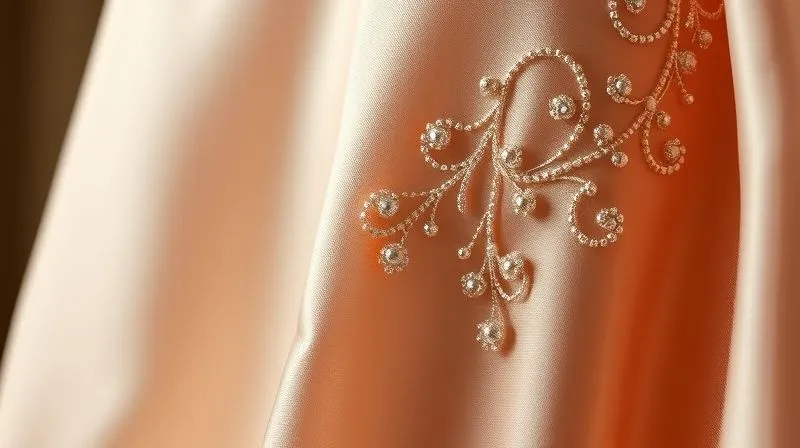
- Couture Embroidery: Intricate hand embroidery, using silk threads, beads, or sequins, can be an exquisite way to disguise a puckered seam. The density and texture of the embroidery can effectively mask the unevenness, while adding immense value and bespoke artistry to the piece.
- Lace or Trim Inserts: For a linear puckering, a delicate strip of antique lace or a finely crafted trim can be carefully inserted or applied along the seam line. This not only covers the puckering but also introduces a new design feature, making the original 'flaw' appear as a deliberate design choice.
- Artistic Darning or Mending: In the hands of a true textile artist, darning can transcend simple repair. Using invisible or contrasting threads, a puckered area can be re-woven or stitched into a decorative pattern, celebrating the repair rather than concealing it. This approach requires exceptional skill and an artistic vision.
Case Study: The ‘Whispering Willow’ Gown
I recall a particularly challenging piece: a bias-cut evening gown crafted from an ethereal, hand-painted silk chiffon. A crucial side seam developed an irreparable, subtle puckering near the waistline, likely due to an imperceptible shift during steaming. Deconstruction was too risky given the delicate painted surface. Instead, we collaborated with a renowned embroiderer. She designed a cascading motif of delicate willow leaves, using fine silk threads and tiny seed pearls, that began just above the puckered area and flowed gracefully down, enveloping the seam. The embroidery not only concealed the puckering but transformed the gown into an even more unique and breathtaking piece, attracting admiration for its artistry rather than scrutiny for its former flaw. This resulted in a client who was not only satisfied but ecstatic, viewing the gown as truly one-of-a-kind.
The success of this approach lies in its seamless integration. The embellishment must feel organic to the garment's overall design, enhancing its beauty rather than appearing as a patch-up. This requires a deep understanding of haute couture aesthetics and the ability to innovate within its exacting standards. This is where the true artistry of how to fix irreparable seam puckering on delicate haute couture silk truly shines, turning a problem into a triumph of design.
Deconstruction and Reconstruction: The Last Resort
When all other non-invasive and camouflage techniques prove insufficient or inappropriate, and the integrity of the garment demands it, deconstruction and reconstruction become the ultimate, albeit most drastic, solution for how to fix irreparable seam puckering on delicate haute couture silk. This approach is akin to surgical intervention, requiring unparalleled precision, patience, and a comprehensive understanding of the original garment's construction.
The Meticulous Process of Deconstruction:
- Careful Unpicking: This is not a task for the faint of heart. Every stitch in the affected seam, and potentially surrounding seams, must be unpicked with extreme care using a very fine seam ripper or a sharp, small blade. The goal is to remove the thread without damaging a single silk fiber. This often involves working under magnification.
- Assessing Fabric Viability: Once the seam is open, the fabric edges must be rigorously assessed. Are the original needle holes permanently enlarged? Are the fibers broken or irreversibly stretched? If the fabric itself is too compromised, even perfect re-sewing will not yield a flawless result. This assessment determines if the fabric can indeed be re-used or if a replacement section is necessary.
- Re-cutting (If Necessary): In some severe cases, the fabric along the seam line may be permanently distorted or damaged. If enough seam allowance exists, or if a matching fabric remnant is available, the distorted edge can be carefully trimmed away. This often requires re-drafting a portion of the pattern to accommodate the slight loss of fabric, ensuring the garment's fit and drape remain impeccable.
Precision in Reconstruction:
Re-sewing the deconstructed seam demands even greater precision than the original construction. Every lesson learned from the initial puckering must be applied:
- Optimized Thread and Needle: Use the absolute finest, strongest silk thread or specialized couture thread available, matched perfectly to the silk. Select a new, ultra-sharp, extra-fine needle (e.g., a microtex or sharp needle, size 60/8 or 65/9).
- Perfect Tension: Calibrate the sewing machine's tension settings meticulously for the specific silk and thread. Test on scraps of the same fabric.
- Walking Foot or Differential Feed: Employ a walking foot or engage the differential feed on your machine (if applicable) to ensure even fabric feeding and prevent stretching.
- Understitching and Seam Finishing: Implement appropriate couture seam finishes, such as hand-rolled hems for sheer silks or meticulously graded and pressed open seams, to reduce bulk and prevent future puckering.
- Hand-Basting: For critical seams, hand-basting with silk thread before machine stitching is often essential to ensure absolute precision and prevent any shifting.
This method is labor-intensive and costly, but for an irreplaceable haute couture piece, it can be the only path to true restoration. It requires the skill level of a master tailor or conservator, someone who not only understands construction but also the nuanced behavior of delicate silks. For those seeking to deepen their understanding of such advanced techniques, resources like The Textile Institute offer publications on textile engineering and advanced garment construction.
The Role of Specialized Tools and Expertise
Successfully addressing irreparable seam puckering on delicate haute couture silk is not merely about technique; it is profoundly dependent on the use of specialized tools and, more importantly, the expertise of the individual wielding them. In the realm of haute couture, where perfection is the standard, generic tools and untrained hands can cause more harm than good.
Essential Specialized Tools for Delicate Silk Repair:
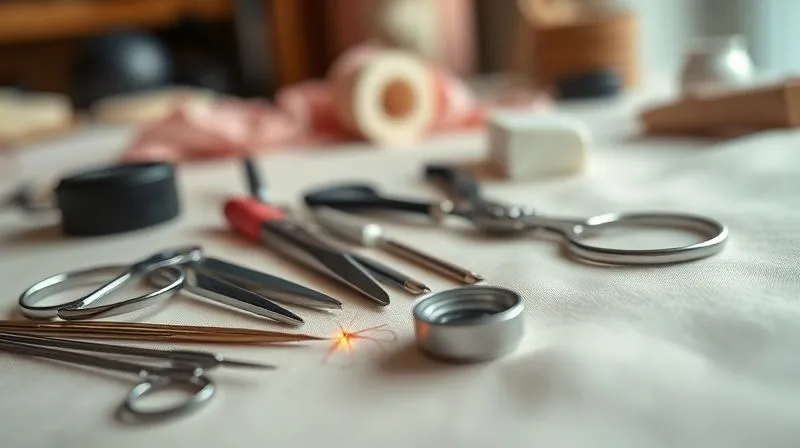
- Micro-Fine Needles: Beyond standard sewing needles, microtex or 'sharp' point needles in sizes as small as 60/8 or 65/9 are crucial for piercing silk fibers cleanly without causing snags or permanent holes.
- High-Quality Silk or Fine Polyester Thread: Threads specifically designed for delicate fabrics, often made of silk or a very fine, strong polyester, are necessary to match the silk's drape and minimize bulk.
- Jeweler's Loupe or Magnifying Visor: For inspecting seams and performing micro-manipulation, high magnification is indispensable.
- Precision Seam Ripper/Micro Scissors: For unpicking, ultra-sharp, fine-tipped tools are required to cut individual stitches without damaging the surrounding fabric.
- Specialized Pressing Equipment: This includes a clapper, pressing ham, sleeve roll, and specialized silk pressing cloths. A professional-grade steam iron with precise temperature control is vital.
- Walking Foot or Roller Foot: For machine sewing, these attachments ensure even fabric feeding, preventing stretching and puckering.
- Textile Adhesives (Reversible): In very specific, controlled circumstances, archival-quality, reversible textile adhesives can be used for stabilizing frayed edges or securing embellishments.
The tools, however, are only as effective as the hands that guide them. Expertise in haute couture tailoring and textile conservation involves years of practice, an intimate understanding of fabric behavior, and a meticulous eye for detail. An experienced specialist possesses the discernment to know which technique to apply, when to stop, and when to pivot to an alternative solution.
This level of skill often comes from formal training in haute couture academies, apprenticeships with master tailors, or specialized textile conservation programs. Such experts are not merely sewers; they are textile engineers, artists, and problem-solvers. Their knowledge extends to fiber science, historical garment construction, and advanced repair methodologies.
| Repair Method | Tools Required | Expertise Level | Risk Level |
|---|---|---|---|
| Advanced Moisture/Blocking | Fine mist bottle, blocking board, pins | High | Medium |
| Micro-Manipulation | Magnifying loupe, dull needle/probe | Very High | High |
| Embellishment/Camouflage | Embroidery hoops, specialized needles/threads | High (Artistic) | Low (if well-executed) |
| Deconstruction/Reconstruction | Precision seam ripper, micro-fine needles, walking foot | Master | Very High |
When you are faced with a precious garment afflicted by irreparable seam puckering on delicate haute couture silk, seeking out a true specialist is not an extravagance; it is a necessity. Organizations like the American Institute for Conservation of Historic and Artistic Works (AIC) can be valuable resources for finding accredited textile conservators who possess the requisite expertise.
Preventing Future Catastrophes: Best Practices for Delicate Silk
While this article focuses on how to fix irreparable seam puckering on delicate haute couture silk, the ultimate goal for any artisan or client is to prevent such issues from arising in the first place. Implementing rigorous best practices during the creation and care of silk garments is the most effective defense against future puckering, ensuring the longevity and pristine condition of these exquisite pieces.
Key Preventive Measures for Delicate Silk:
- Fabric Preparation is Paramount: Always pre-treat your silk fabric exactly as the final garment will be treated (e.g., pre-wash if washable, pre-steam if dry-clean only). This pre-shrinks the fabric and helps stabilize its fibers, reducing differential shrinkage after construction.
- Needle and Thread Selection: As discussed, use only the finest, sharpest needles (microtex or sharp point, 60/8 or 65/9) to avoid fiber damage. Pair them with high-quality silk or fine polyester threads that match the fabric's weight and care requirements.
- Optimal Tension Settings: Test and adjust your sewing machine's tension on scraps of your exact fabric and thread combination. Aim for balanced tension where stitches lie flat and smooth on both sides, without pulling or looping.
- Even Fabric Feeding: Employ a walking foot or a roller foot to ensure both layers of silk feed evenly through the machine. Avoid stretching or pushing the fabric during sewing; let the machine do the work. Hand-baste critical seams for added control.
- Appropriate Stitch Length: For delicate silks, a slightly shorter stitch length (around 2.0-2.5mm) can provide more stability and prevent fabric from puckering between stitches.
- Meticulous Seam Finishing: Finish seams with techniques that minimize bulk and stress on the fabric. French seams, hand-rolled seams, or carefully graded and pressed open seams are often preferred for haute couture silk.
- Gentle Pressing Techniques: Always press silk with a moderate, dry iron or light steam, using a silk-specific pressing cloth. Avoid harsh or prolonged heat, which can distort fibers. Press with the grain and allow seams to cool completely before handling.
- Storage and Care: Store silk garments on padded hangers, away from direct sunlight and humidity. Follow specific care instructions meticulously, opting for professional, reputable dry cleaning for haute couture pieces.
“Prevention is not just a best practice; it is the ultimate expression of respect for the inherent beauty and delicacy of haute couture silk, safeguarding its integrity from the very first stitch.”
By integrating these best practices into every stage of garment creation and care, you significantly reduce the risk of encountering irreparable seam puckering. This proactive approach not only preserves the beauty and value of haute couture silk but also honors the immense skill and artistry invested in each piece. It reflects a true understanding of textile integrity and the commitment to excellence that defines the world of fine fashion.
Frequently Asked Questions (FAQ)
Can a regular tailor fix irreparable seam puckering on delicate haute couture silk? While a skilled tailor can address minor puckering, 'irreparable' damage on haute couture silk often requires a specialist with expertise in textile conservation and advanced couture techniques. Regular tailors may lack the specific tools, knowledge of fiber science, or the delicate touch needed to avoid further damage. It's crucial to seek out a master tailor or a textile conservator for such complex issues.
What if the silk is vintage or an heirloom piece? For vintage or heirloom silk, the stakes are even higher. The fabric may be more fragile, brittle, or degraded, making any intervention exceptionally risky. In these cases, consulting a professional textile conservator who specializes in historical garments is absolutely essential. Their focus is on preservation and stabilization, often prioritizing the garment's integrity over a cosmetically perfect repair, if that repair would compromise the piece's historical value.
Is it always worth the cost to attempt a repair on haute couture silk? The decision to repair often depends on the garment's sentimental, monetary, or artistic value. Haute couture garments are significant investments, and a successful repair can restore their value and wearability. However, advanced repairs can be very costly due to the time, skill, and specialized resources required. It's important to get a detailed assessment and cost estimate from an expert and weigh it against the garment's importance to you. Sometimes, strategic embellishment offers a more cost-effective and aesthetically pleasing solution than a full deconstruction/reconstruction.
Are there any chemicals or solutions that can help relax puckered silk fibers? Generally, I strongly advise against using any chemical solutions or 'relaxers' on delicate haute couture silk without professional guidance. Silk is a protein fiber and can react unpredictably to chemicals, potentially leading to discoloration, weakening, or irreversible damage. Controlled moisture (like fine misting) and gentle physical manipulation are typically the safest and most effective methods for relaxing silk fibers. Always test any intervention on an inconspicuous area first, or ideally, on a fabric scrap.
How can I identify the specific cause of puckering before attempting a fix? Identifying the specific cause is paramount. Begin with a meticulous visual and tactile inspection under magnification. Look for needle holes, thread type, stitch uniformity, and any signs of fiber damage. If possible, examine the seam allowances. Consider when the puckering appeared: during sewing, after pressing, or after cleaning? This timeline can offer clues (e.g., if after cleaning, differential shrinkage is likely). A skilled expert will conduct a 'forensic' analysis to pinpoint the root cause, which then informs the most appropriate repair strategy.
Key Takeaways and Final Thoughts
Navigating the challenge of irreparable seam puckering on delicate haute couture silk demands a blend of deep expertise, meticulous patience, and sometimes, creative ingenuity. It's a testament to the fact that even in the world of flawless design, problems can arise, but with the right approach, they can often be overcome.
- Define 'Irreparable' Accurately: Understand when traditional fixes are futile and advanced strategies are necessary.
- Diagnose the Root Cause: A thorough assessment is the foundation for any successful repair, preventing further damage.
- Prioritize Non-Invasive Techniques: Start with gentle methods like controlled moisture and micro-manipulation before considering more drastic interventions.
- Embrace Strategic Camouflage: View embellishment as an art form that can transform a flaw into a unique design feature.
- Deconstruction is a Last Resort: Reserve full unpicking and re-sewing for when other options are exhausted, and only with master-level skill.
- Invest in Expertise and Tools: The right hands and specialized equipment are indispensable for working with precious silks.
- Prevent Future Issues: Implement rigorous best practices in construction and care to safeguard your haute couture pieces.
Ultimately, addressing irreparable seam puckering on delicate haute couture silk is an act of profound respect for the garment, the artistry it embodies, and the legacy it represents. It's a journey from despair to restoration, where every stitch and every decision reinforces the enduring value of true craftsmanship. Approach each challenge with confidence, informed by expertise, and driven by a passion for preserving beauty, one exquisite silk garment at a time.
Recommended Reading
- Timeless Elegance: How to Build Your Dream Wardrobe Now!
- Crafting Your Legacy: 7 Reasons Bespoke Jewelry Offers Unmatched Value
- 7 Steps: Design Kids' Clothes for Extreme Durability & Appeal
- 7 Steps: Predict Sunglasses Trends & Avoid Dead Stock Profitably
- 7 Expert Steps: How to Transform Vintage Jewelry into Unique Modern Designs



Your email address will not be published. Required fields are marked *