


How to Avoid Greenwashing Accusations for Clean Beauty Brands?
For over 15 years in the beauty and fashion industry, I've witnessed a dramatic evolution in consumer awareness. What was once a niche concern for a select few has blossomed into a mainstream demand for authenticity, especially in the 'clean beauty' space. Brands that once thrived on vague promises and aspirational marketing are now under intense scrutiny, and rightly so. I've seen countless well-intentioned companies stumble, not because their products were inherently bad, but because their communication lacked the bedrock of genuine transparency.
The problem is clear: the clean beauty market, while booming, is also a minefield of potential greenwashing accusations. Consumers are savvier, equipped with tools to research ingredients, scrutinize claims, and call out brands that fail to live up to their sustainable or 'clean' promises. This isn't just about PR damage; it's about eroding the very trust that forms the foundation of a loyal customer base and, ultimately, impacting your brand's long-term viability. The stakes are incredibly high, and a single misstep can unravel years of hard work.
But here's the good news: navigating this complex landscape is entirely possible. In this definitive guide, I'll walk you through seven essential pillars, drawing from my experience and industry best practices, to help your clean beauty brand not just avoid greenwashing accusations, but genuinely build an unshakeable reputation for integrity. We'll explore actionable frameworks, real-world strategies, and expert insights to transform your transparency efforts from a defensive measure into your most powerful competitive advantage.
Beyond Buzzwords: Defining True Clean Beauty Transparency
One of the biggest challenges in the clean beauty space is the lack of a universal, legally binding definition for 'clean.' This ambiguity, while offering flexibility, also creates fertile ground for misunderstanding and, yes, greenwashing. From my perspective, the first and most crucial step for any clean beauty brand is to meticulously define what 'clean' means to them and then articulate that definition with unwavering clarity to their audience.
This isn't about adopting someone else's definition; it's about developing your own robust framework that encompasses your brand's core values, ingredient philosophy, and ethical commitments. It means moving beyond mere buzzwords like 'natural' or 'eco-friendly' and diving deep into the specifics. What ingredients do you exclude and why? What sourcing practices do you uphold? What environmental impact are you striving to mitigate?
- Establish Your Ingredient Exclusion List: Clearly list ingredients you avoid (e.g., parabens, phthalates, sulfates, synthetic fragrances, silicones, PEGs) and provide concise, science-backed reasons for their exclusion. This shows thoughtful consideration, not just following a trend.
- Define Your Sourcing Philosophy: Explain where and how your ingredients are obtained. Do you prioritize organic, wild-harvested, fair-trade, or locally sourced components? Detail your criteria for supplier selection and any audits you perform.
- Outline Your Ethical & Environmental Commitments: Go beyond ingredients. Does your definition of 'clean' extend to cruelty-free practices, sustainable packaging, energy-efficient manufacturing, or community support initiatives? Be specific about your actions and goals in these areas.
- Communicate Your 'Clean' Journey: Acknowledge that perfection is a journey, not a destination. Share your ongoing efforts, challenges, and continuous improvement process. This builds empathy and trust, demonstrating a genuine commitment rather than an idealistic, unattainable claim.
Expert Insight: "Your brand's definition of 'clean' is its North Star. It must be consistent across all platforms, from your website to your product labels, and serve as the guiding principle for every decision you make. Inconsistency is the shortest path to accusations of greenwashing."
The Science of Scrutiny: Substantiating Every Claim
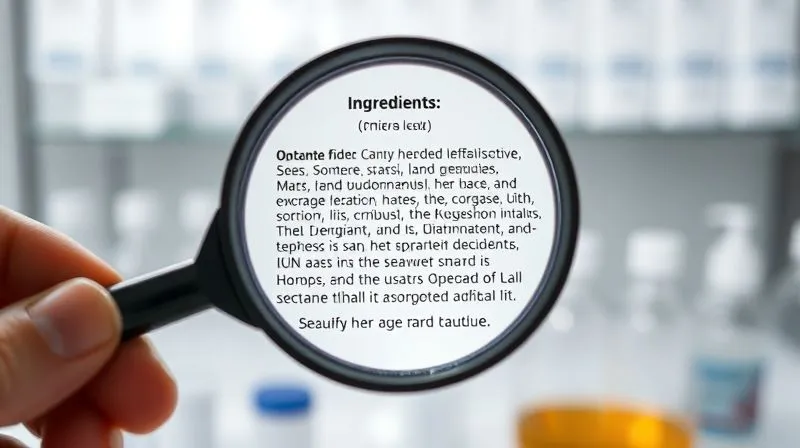
In the digital age, consumers don't just want to know what's in their products; they want proof. Vague assertions like 'dermatologist-tested' or 'clinically proven' are no longer sufficient without transparent data to back them up. To genuinely avoid greenwashing accusations, your clean beauty brand must embrace a culture of rigorous scientific substantiation for every claim it makes.
This means moving beyond anecdotal evidence or marketing fluff and investing in credible, verifiable data. Whether it's the efficacy of an ingredient, the safety of a formulation, or the environmental impact of your packaging, every statement needs a solid foundation. This commitment to scientific integrity not only protects your brand from accusations but also elevates its authority and trustworthiness in a crowded market.
Internal Data & Third-Party Certifications
Substantiation begins internally with robust research and development processes, but it gains significant credibility through external validation. Partnering with reputable third-party certification bodies and independent laboratories is a non-negotiable step for any brand serious about its 'clean' claims.
- Rigorous Internal Testing: Conduct in-house stability testing, pH balance checks, and microbial contamination tests. Document everything meticulously. If you claim 'hypoallergenic,' ensure patch testing has been done on sensitive skin types.
- Independent Laboratory Verification: Commission third-party labs for specific tests like ingredient purity analysis, heavy metal screening, or efficacy studies (e.g., measuring hydration levels, wrinkle reduction). Ensure these labs are accredited and their methodologies transparent.
- Embrace Certifications: Seek out and display relevant certifications from respected organizations. Examples include:
- EWG Verified™: For ingredient safety and transparency.
- Leaping Bunny / PETA: For cruelty-free status.
- USDA Organic / Ecocert: For organic ingredient content.
- B Corp Certification: For overall social and environmental performance.
- Plastic Neutral / Climate Neutral: For environmental impact.
- Make Data Accessible: Don't just claim; show. Provide links to study summaries, certification pages, or detailed explanations of your testing protocols on your website. Educate your consumers on what these validations mean.
Remember, the goal is not just to have the data, but to make it understandable and accessible. A well-designed infographic explaining your testing process or a dedicated page detailing your certifications can be incredibly effective.
| Certification Body | Focus Area | Rigor Level | Consumer Trust Impact |
|---|---|---|---|
| EWG Verified™ | Ingredient Safety & Transparency | High | Very High |
| Leaping Bunny | Cruelty-Free | High | High |
| USDA Organic | Organic Ingredient Content | Moderate to High | High |
| B Corp | Overall Social & Environmental Performance | Very High | Very High |
| Plastic Neutral | Plastic Footprint Offsetting | Moderate | Medium |
Mastering Ingredient Disclosure: What, Why, and How Much?
The ingredient list on your packaging is just the starting point. For clean beauty brands, true transparency demands a deeper dive into what each ingredient is, why it's included, and even its concentration if appropriate. Consumers are no longer satisfied with just the INCI name; they want to understand the 'story' behind each component in their skincare or makeup.
In my experience, brands that go the extra mile in ingredient education build a much stronger, more informed, and loyal customer base. This proactive approach preempts questions, dispels myths, and demonstrates a genuine commitment to consumer empowerment rather than mere compliance.
Full Disclosure vs. Proprietary Blends
While some brands argue for 'proprietary blends' to protect trade secrets, in the clean beauty space, this often raises red flags. Consumers are inherently distrustful of anything that feels hidden, especially when it comes to ingredients they put on their skin. I strongly advocate for a policy of full ingredient disclosure, providing detailed information for every single component.
- Demystify INCI Names: Don't assume your customers are chemists. Alongside the scientific INCI name, provide a common name or a brief, understandable description of the ingredient's origin and function. For example, 'Tocopherol (Vitamin E, a powerful antioxidant).'
- Explain 'Why' Each Ingredient: For each key ingredient, explain its purpose and benefit in the formulation. Is it for hydration, soothing, anti-aging, or preservation? This helps consumers understand the value proposition beyond a simple list.
- Highlight Sourcing Details: Where applicable, mention the origin of key ingredients. 'Organic Rosehip Oil from Chile' sounds far more transparent and trustworthy than just 'Rosa Canina Fruit Oil.'
- Address Potential Concerns Proactively: If an ingredient, though safe and 'clean' by your definition, often faces misconceptions, address them head-on. For example, explaining why a certain natural preservative is essential and safe.
- Consider Concentration Disclosure: While not always feasible for every ingredient, transparently stating the concentration of active ingredients (e.g., '10% Vitamin C') builds immense trust and helps consumers make informed choices.
By providing this level of detail, you transform your ingredient list from a legal requirement into an educational tool, inviting consumers to understand and trust your formulations deeply.
Supply Chain Purity: Tracing Your Brand's Journey
The clean beauty promise isn't just about the finished product; it's about the entire journey from farm to face. Greenwashing accusations often arise when brands focus solely on the 'clean' aspects of their final formulation while neglecting the ethical and environmental impact of their supply chain. As an industry specialist, I've seen that true transparency extends holistically across every touchpoint.
Consumers are increasingly demanding to know not only where ingredients come from but also how they were harvested, processed, and transported. This includes ensuring fair labor practices, sustainable cultivation methods, and minimal environmental footprint throughout the entire supply chain. Ignoring this vital aspect is a significant vulnerability for any brand claiming to be 'clean.'
Case Study: EcoGlow Cosmetics' Supply Chain Transformation
EcoGlow Cosmetics, a fictional mid-sized clean beauty brand, faced growing consumer skepticism regarding the origin of their exotic botanical extracts. While their product formulations were impeccably 'clean,' their website offered only generic statements about 'ethically sourced ingredients.' This led to online queries and accusations of vague greenwashing.
By implementing a comprehensive supply chain transparency initiative, EcoGlow took decisive action. They partnered with B Lab to map their entire supply chain, from the remote farms supplying their botanicals to their manufacturing facilities. They invested in blockchain technology to trace key ingredients, providing immutable records of origin and processing. They conducted on-site audits of their suppliers, ensuring fair wages and sustainable farming practices. Furthermore, they published a detailed 'Supplier Code of Conduct' on their website and introduced QR codes on their packaging that linked directly to information about the origin of specific ingredients.
This radical transparency transformed their brand perception. Accusations of greenwashing quickly subsided, replaced by accolades for their leadership in ethical sourcing. EcoGlow saw a 20% increase in customer loyalty and a significant boost in positive media mentions, proving that proactive transparency can turn a vulnerability into a powerful brand asset.
- Map Your Entire Supply Chain: Identify every supplier, from raw material producers to packaging manufacturers and logistics partners. Understand the geographical locations and the entities involved at each stage.
- Audit Your Suppliers: Don't just take their word for it. Conduct regular, independent audits to verify ethical labor practices, environmental compliance, and quality control. Share aggregated results (without revealing proprietary supplier names) to demonstrate your due diligence.
- Prioritize Sustainable Sourcing: Actively seek out suppliers who practice sustainable agriculture, minimize water usage, avoid harmful pesticides, and protect biodiversity. Look for certifications like Fair Trade, Rainforest Alliance, or specific organic standards.
- Transparent Logistics: Consider the environmental impact of your transportation. Are you optimizing routes, using eco-friendly shipping methods, or offsetting carbon emissions? Communicate these efforts.
- Traceability Technologies: Explore technologies like blockchain for immutable records of ingredient origin and journey. This provides an unparalleled level of verifiable transparency.
Authentic Communication: Crafting Your Brand Narrative Ethically
Even with the cleanest ingredients and the most transparent supply chain, your brand can still fall prey to greenwashing accusations if its communication isn't authentic. The way you talk about your brand, your products, and your values is just as critical as the facts themselves. From my vantage point, many brands get caught in the trap of exaggeration or using vague, emotionally charged language that promises more than it can deliver.
Authentic communication means being honest about your journey, celebrating your achievements without hyperbole, and being upfront about your challenges. It's about building a narrative that resonates with integrity, not just aspiration. This approach fosters a deeper connection with your audience, based on mutual respect and understanding.
Avoiding 'Green-Hushing' & Over-Promising
There's a delicate balance to strike. On one hand, you must avoid over-promising or making unsubstantiated claims (a direct path to greenwashing). On the other, 'green-hushing' – being too quiet about your sustainability efforts for fear of criticism – is also a missed opportunity to build trust and educate your audience. The key is confident, factual, and humble communication.
- Be Specific, Not Vague: Instead of 'eco-friendly packaging,' say 'Our bottles are made from 100% post-consumer recycled (PCR) plastic, reducing virgin plastic use by 80%.' Quantify your efforts whenever possible.
- Focus on Progress, Not Perfection: Acknowledge that sustainability is a continuous journey. Share your goals, your milestones, and even the areas where you're still working to improve. This humanizes your brand and builds genuine empathy.
- Educate, Don't Just Advertise: Use your platforms to educate consumers about your ingredients, sourcing, and sustainable practices. Create blog posts, videos, or social media series that break down complex topics into digestible information.
- Avoid False Dichotomies: Don't position your brand as the 'only' clean option or demonize other brands. Focus on your own merits and values.
- Be Consistent Across Channels: Ensure your messaging is unified across your website, social media, product packaging, and customer service interactions. Inconsistency breeds suspicion.
Expert Insight: "Authenticity isn't just about what you say; it's about what you consistently do and how you humbly share your progress. Consumers can spot a genuine effort from a mile away, and they appreciate honesty far more than a flawless, unattainable image."

For more insights on ethical communication in marketing, consider resources like Harvard Business Review, which often publishes articles on building trust through transparent communication.
Engaging Your Community: Feedback as a Greenwashing Shield
In today's interconnected world, transparency isn't a monologue; it's a dialogue. Actively engaging your community and inviting their feedback is one of the most powerful ways to not only avoid greenwashing accusations but also to continuously improve your brand's clean beauty practices. From my perspective, brands that embrace two-way communication build a resilient shield against skepticism.
When consumers feel heard and valued, they become advocates rather than critics. By creating accessible channels for questions, concerns, and suggestions, your brand demonstrates a genuine commitment to accountability and continuous improvement. This proactive approach transforms potential accusations into opportunities for growth and deeper connection.
Building a Trust-Based Dialogue
It's not enough to simply have a 'contact us' page. Building a trust-based dialogue requires intentional effort to solicit feedback, respond thoughtfully, and demonstrate that consumer input genuinely influences your brand's decisions. This level of engagement fosters a sense of co-ownership and loyalty.
- Dedicated Q&A Sections: Implement comprehensive FAQ sections on your website that genuinely answer common questions about ingredients, sourcing, and sustainability. Update them regularly based on customer inquiries.
- Active Social Media Engagement: Monitor comments and messages on social media platforms. Respond promptly, respectfully, and informatively to all inquiries, especially those challenging your claims. Avoid canned responses.
- Customer Service Excellence: Train your customer service team to be experts in your clean beauty philosophy, ingredient lists, and sustainability efforts. They are the frontline of your transparency.
- Community Forums or Groups: Consider creating a dedicated online forum or a private social media group where customers can openly discuss products, ask questions, and share their experiences. Participate actively in these discussions.
- Feedback Mechanisms: Implement clear feedback forms on your website, post-purchase surveys, or even direct email campaigns asking for input on specific aspects of your brand, from new product ideas to packaging improvements.
- Demonstrate Responsiveness: Crucially, show your community that their feedback matters. If you make a change based on customer input (e.g., reformulating a product or switching to a new packaging material), announce it and credit your community.
By genuinely listening and responding, your brand transforms from a distant entity into a trusted partner in the clean beauty journey.
| Feedback Channel | Response Time | Benefit |
|---|---|---|
| Website FAQ/Knowledge Base | Instant (Self-Serve) | Proactive education, reduces direct inquiries |
| Social Media Comments/DMs | Within 24-48 hours | Public engagement, broad reach, brand visibility |
| Direct Email/Contact Form | Within 1-3 business days | Personalized support, detailed issue resolution |
| Online Community Forum | Variable (Peer & Brand) | Community building, shared learning, user-generated content |
| Post-Purchase Surveys | N/A (Data Collection) | Actionable insights, continuous improvement |
Navigating Regulatory Landscapes & Industry Standards
While the 'clean beauty' definition remains largely unregulated, the broader claims surrounding product safety, environmental impact, and marketing practices are very much under the purview of government bodies and industry watchdogs. From my vantage point, a significant safeguard against greenwashing accusations lies in meticulously understanding and adhering to these existing regulatory frameworks and evolving industry standards.
Ignoring these guidelines, even unintentionally, can lead to severe penalties, reputational damage, and, inevitably, accusations of misleading consumers. Proactive compliance isn't just about avoiding legal trouble; it's about demonstrating your brand's commitment to responsible business practices.
Staying Ahead of Evolving Guidelines
The regulatory landscape for cosmetics and environmental claims is constantly evolving, particularly as consumer awareness around 'green' practices grows. What was acceptable five years ago might be considered misleading today. Your brand must commit to continuous monitoring and adaptation.
- Understand Cosmetic Regulations: Familiarize yourself with the regulations governing cosmetic products in your primary markets. In the US, this is primarily the FDA (Food and Drug Administration). In the EU, it's the EU Cosmetics Regulation (EC) No 1223/2009. These cover ingredient safety, labeling, and manufacturing practices.
- Adhere to Green Marketing Guides: Pay close attention to guidelines specifically addressing environmental claims. The US Federal Trade Commission (FTC) publishes its Green Guides, which provide invaluable advice on how to avoid deceptive environmental marketing claims. Similar guidelines exist in other regions (e.g., ASA in the UK).
- Monitor Industry Associations: Join and actively participate in reputable industry associations (e.g., Personal Care Products Council, Cosmetic Executive Women). These organizations often provide updates on best practices, emerging regulations, and industry self-governance standards.
- Consult Legal Counsel: When in doubt, consult with legal professionals specializing in consumer protection, advertising law, and environmental claims. Investing in legal review for your marketing copy and product claims is a wise preventative measure.
- Stay Updated on Scientific Consensus: The scientific understanding of ingredients and environmental impacts changes. Ensure your claims are based on the latest scientific consensus, not outdated information.
By staying informed and compliant, your brand builds a robust defense against accusations and reinforces its position as a trustworthy leader in the clean beauty space.

Frequently Asked Questions (FAQ)
What's the difference between 'natural' and 'clean' beauty, and which should my brand focus on? The terms 'natural' and 'clean' are often used interchangeably, but they have distinct implications. 'Natural' typically refers to ingredients derived from nature, often with minimal processing. However, 'natural' doesn't automatically mean safe or sustainable (e.g., poison ivy is natural but not beneficial). 'Clean beauty,' as I define it, is a broader philosophy that emphasizes safety, transparency, and ethical sourcing, often excluding a defined list of synthetic and some natural ingredients considered harmful or irritating. It's less about origin and more about safety and intentional formulation. Your brand should focus on a clear, well-defined 'clean' philosophy that resonates with your values and customer base, as this allows for both naturally derived and safe synthetic ingredients, prioritizing efficacy and safety.
How can small clean beauty brands effectively compete with larger corporations on transparency efforts? Small brands actually have an inherent advantage in transparency: agility and direct connection. While large corporations might have more resources for elaborate certifications, small brands can excel through authentic storytelling, direct communication with their founders, and hyper-local sourcing relationships. Focus on sharing your personal journey, your passion for specific ingredients, and the direct relationships you have with your suppliers. Use social media for candid behind-the-scenes glimpses. Your authenticity and personal touch can often outweigh the sheer scale of a larger brand's efforts.
Is it okay to use some synthetic ingredients in clean beauty, or must everything be natural? Absolutely, yes! This is a common misconception. Many synthetic ingredients are incredibly safe, effective, and sometimes even more sustainable than their natural counterparts (e.g., lab-derived hyaluronic acid vs. animal-derived). 'Clean beauty' is not synonymous with '100% natural.' It's about intentional formulation, avoiding ingredients with known toxicity concerns, and prioritizing safety and efficacy. Brands that judiciously use safe, well-researched synthetic ingredients, and are transparent about them, are often more effective and sustainable than those adhering strictly to a 'natural-only' mantra. The key is transparency and scientific justification.
How often should brands update their transparency efforts and communication? Transparency isn't a one-time project; it's an ongoing commitment. I recommend reviewing and updating your transparency efforts at least annually, or whenever significant changes occur within your brand (e.g., new product launches, packaging changes, new suppliers). Your communication should be dynamic. Regularly update your website's ingredient pages, FAQ, and sustainability reports. Use your social media channels to share ongoing progress, challenges, and new insights. Continuous engagement ensures your brand remains relevant, trustworthy, and ahead of evolving consumer expectations.
What if my supply chain isn't 100% perfect yet? How do I communicate that without being accused of greenwashing? No supply chain is 100% perfect, and trying to pretend otherwise is where greenwashing often begins. The most effective strategy is radical honesty. Acknowledge your current limitations and clearly articulate your commitment to improvement. For example, you might say: "Currently, 70% of our packaging is made from recycled materials, and we are actively working with our partners to reach 100% by 20XX." Share your goals, your action plan, and your progress. Consumers appreciate transparency about the journey, not just the destination. This builds authenticity and trust far more than claiming an unattainable perfection.
Key Takeaways and Final Thoughts
Navigating the clean beauty landscape in an era of heightened scrutiny is undoubtedly challenging, but it's also an unparalleled opportunity to build a brand that stands for genuine integrity and lasting trust. As an industry veteran, I've seen that the brands that truly thrive are those that embed transparency into their very DNA, moving beyond mere compliance to embrace it as a core value.
- Define Your 'Clean' Clearly: Articulate precisely what 'clean' means for your brand, from ingredient philosophy to ethical commitments.
- Substantiate Every Claim: Back up all assertions with rigorous internal testing and credible third-party certifications.
- Master Ingredient Disclosure: Go beyond INCI lists to explain the 'what,' 'why,' and 'how much' of every component.
- Ensure Supply Chain Purity: Map, audit, and sustainably manage your entire supply chain, from sourcing to delivery.
- Communicate Authentically: Craft a brand narrative that is specific, progress-oriented, educational, and avoids exaggeration or 'green-hushing.'
- Engage Your Community: Foster two-way dialogue through accessible feedback channels and demonstrate responsiveness to consumer input.
- Adhere to Regulations: Stay informed and compliant with all relevant cosmetic and environmental marketing guidelines.
The journey to becoming a truly greenwashing-proof clean beauty brand is continuous, demanding vigilance, honesty, and a steadfast commitment to your values. But by embracing these seven pillars, you're not just avoiding accusations; you're building a legacy of trust, fostering a loyal community, and contributing to a more sustainable and ethical beauty industry. Your consumers are ready to believe in you, but you must give them every reason to do so, transparently and unequivocally. Go forth and build that trust.
Recommended Reading
- 7 Layers: What Activewear Truly Protects Against Extreme Wet Cold?
- The Ultimate Guide: How to Properly Store Leather Handbags Long Term
- The Avant-Garde: How Haute Couture Challenges Traditional Art Boundaries
- 7 Proven Strategies: Halting Toddler Outfit Returns from Sizing Guide Errors
- 7 Activewear Staples: Seamless Gym-to-Office Transitions for Men





Your email address will not be published. Required fields are marked *