

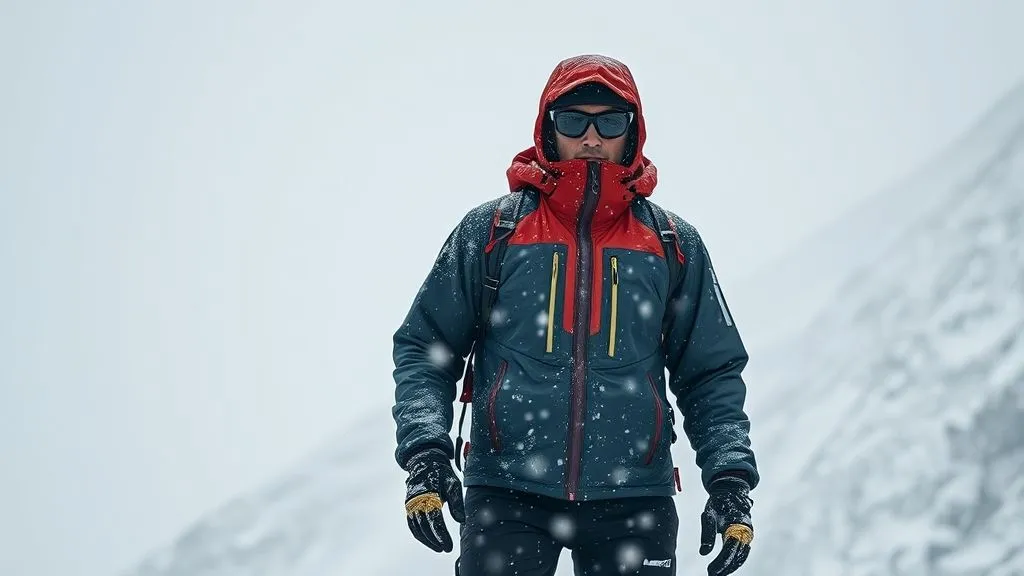
What activewear truly protects against prolonged extreme wet cold?
For over two decades navigating the unforgiving landscapes of outdoor recreation, I've witnessed firsthand the profound difference truly protective activewear makes – and the devastating consequences when it fails. I recall a particularly harrowing winter ascent where a fellow climber, convinced his 'waterproof' jacket was sufficient, quickly succumbed to the insidious chill of freezing rain, his core temperature plummeting dangerously.
The problem is deceptively complex: prolonged exposure to extreme wet cold isn't just about feeling uncomfortable; it's a direct threat to survival. Water conducts heat away from the body 25 times faster than air, meaning even a slight dampness in freezing temperatures can rapidly lead to hypothermia. Many outdoor enthusiasts mistakenly believe any 'waterproof' gear will suffice, overlooking the critical interplay of breathability, insulation, and strategic layering.
This article isn't just a list of products; it's a deep dive into the science, the materials, and the expert strategies I’ve honed over years in the field. You'll learn the definitive principles of constructing an activewear system that genuinely protects against prolonged extreme wet cold, ensuring your adventures remain safe, warm, and memorable, not perilous.
The Unforgiving Reality of Wet Cold: Why Standard Gear Fails
Understanding the enemy is the first step to conquering it. Extreme wet cold presents a unique physiological challenge that generic activewear simply isn't engineered to handle. It's a battle against rapid heat loss on multiple fronts.
The Confluence of Moisture and Freezing Temperatures
When moisture – whether from precipitation, melting snow, or perspiration – meets freezing temperatures, it creates a perfect storm for heat drain. This isn't just about feeling cold; it's about your body working overtime, often inefficiently, to maintain its core temperature. Standard gear often struggles with this dual threat, either failing to keep external moisture out or trapping internal moisture in.
The Heat Loss Mechanisms: Conduction, Convection, Evaporation
Your body loses heat through several mechanisms. In wet cold, conduction (direct contact with cold, wet surfaces), convection (wind and water carrying heat away), and evaporation (perspiration turning to vapor on your skin) are amplified. A damp base layer, for instance, dramatically increases conductive heat loss, while inadequate outer layers allow wind and rain to strip warmth via convection.
"Water is the ultimate thief of body heat in cold environments. Its high thermal conductivity means any wetness against the skin or within insulating layers will rapidly accelerate hypothermia, making material choice and layering paramount."
The Foundational Principle: Layering for Dynamic Protection
The single most crucial strategy for prolonged extreme wet cold is the dynamic layering system. It's not about wearing one thick garment, but multiple thinner layers, each serving a specific, critical function. This allows you to adapt to changing conditions and activity levels, shedding or adding layers to maintain optimal thermal regulation.
Base Layer: Managing Moisture from Within
Your base layer is your skin's first line of defense. Its primary role is to wick moisture (sweat) away from your skin, preventing evaporative cooling and maintaining a dry microclimate. This is absolutely non-negotiable for warmth.
- Merino Wool: My personal go-to for prolonged cold. It's naturally antimicrobial, meaning less odor, and incredibly effective at wicking moisture while retaining insulating properties even when damp. It's soft against the skin and offers a wider comfort range.
- Synthetics (Polyester, Polypropylene): Excellent for high-output activities. They wick moisture exceptionally fast and dry quickly. While they don't retain warmth as well as wool when damp, their quick-drying nature can be a lifesaver. Look for advanced weaves that maximize surface area for wicking.
Mid-Layers: Trapping Warmth and Regulating Temperature
The mid-layer provides insulation, trapping air warmed by your body. Its thickness and material depend on the expected temperature and your activity level. This is where you adjust your warmth.
- Fleece (Polyester): Versatile and highly breathable. Fleece comes in various weights (100, 200, 300-weight), allowing for precise temperature regulation. It performs reasonably well when damp, retaining some insulating properties.
- Down (Hydrophobic Treated): Offers the best warmth-to-weight ratio. While traditional down is vulnerable to moisture, modern hydrophobic-treated down maintains its loft and insulation significantly better when exposed to dampness. Ideal for static periods or extremely cold, dry-ish conditions.
- Synthetic Insulation (Primaloft, Thinsulate, Coreloft): The champion for wet-cold insulation. These materials mimic down's loft but are far less affected by moisture, retaining almost all their insulating power even when saturated. Excellent for active use in truly wet environments.
Outer Shell: The Impermeable Fortress Against the Elements
The outer shell is your ultimate shield against wind, rain, and snow. It must be fully waterproof and windproof, but crucially, also breathable to allow internal moisture vapor to escape. Without breathability, you'll create a sauna inside, leading to condensation and ultimately, a soaked base layer.
- Waterproof-Breathable Membranes: Technologies like GORE-TEX, eVent, and Pertex Shield are critical. They feature microscopic pores large enough for water vapor to escape but too small for liquid water droplets to enter. The performance varies between membranes in terms of breathability and durability. GORE-TEX, for instance, has long been an industry benchmark.
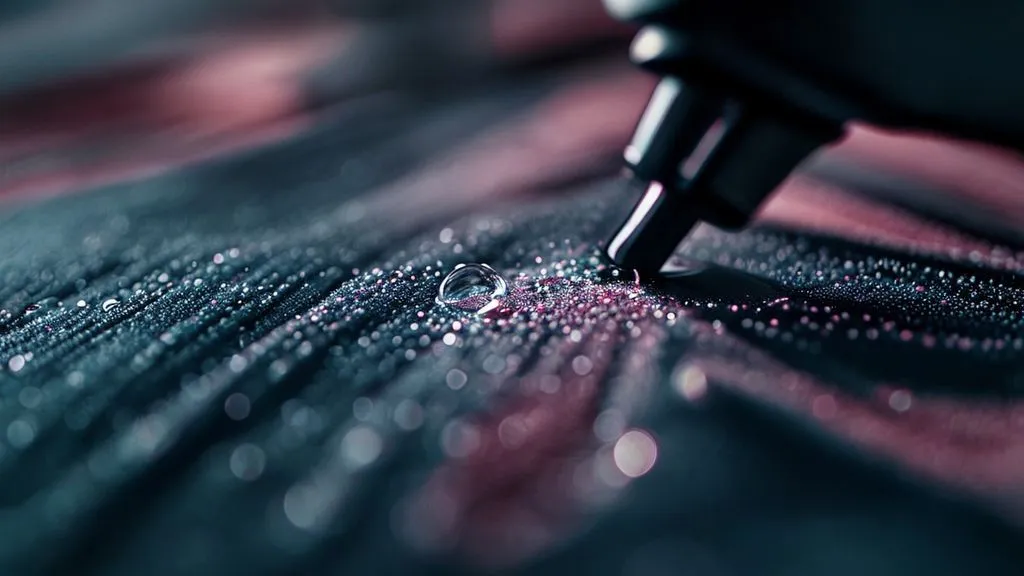
- Durable Water Repellent (DWR) coatings: This is the first line of defense on your shell. DWR causes water to bead up and roll off the fabric surface, preventing the face fabric from 'wetting out' and compromising the membrane's breathability. It's essential to maintain this coating.
"A compromised DWR coating on your outer shell can render even the best waterproof membrane ineffective in terms of breathability. When the face fabric wets out, it creates a barrier for vapor transfer, leading to internal condensation and dampness."
Material Science Mastery: Beyond Just 'Waterproof'
The term 'waterproof' is often oversimplified. True protection in prolonged extreme wet cold requires a deeper understanding of material properties and how they interact with moisture and temperature.
Understanding Hydrophobic vs. Hydrophilic
Hydrophobic materials repel water, while hydrophilic materials absorb it. For activewear in wet cold, you want hydrophobic insulation and outer layers, and base layers that are hydrophobic on the skin-facing side to wick moisture, but might have some hydrophilic properties on the outer side to spread moisture for evaporation. Cotton, a highly hydrophilic fiber, is a death sentence in wet cold conditions.
The Role of DWR: A First Line of Defense
The DWR finish on your outer layers is vital. It's not the waterproofing itself, but it prevents the outer fabric from becoming saturated. When water beads up and rolls off, it allows the underlying waterproof-breathable membrane to function optimally. When DWR fails, the fabric wets out, reducing breathability and making the garment feel heavy and cold.
- Clean Regularly: Dirt and oils compromise DWR. Wash your gear with technical fabric cleaner (e.g., Nikwax Tech Wash).
- Reactivate Heat: Often, DWR just needs reactivation. Tumble dry on low heat or iron on a low setting (check garment instructions).
- Reapply: If reactivation fails, reapply a spray-on or wash-in DWR treatment. Always follow product instructions carefully.
Seam Taping and Zippers: The Unsung Heroes
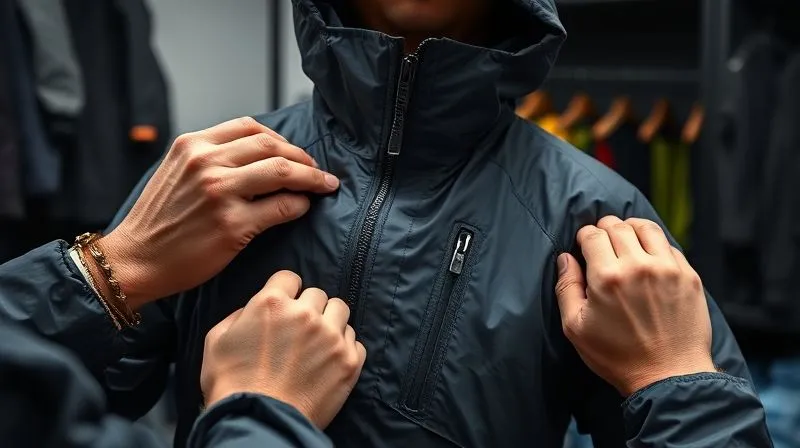
A jacket can be made of the most waterproof fabric, but if its seams aren't fully taped, water will seep right through the needle holes. Look for 'fully taped seams' in product descriptions. Similarly, zippers are common points of failure. High-quality waterproof-breathable shells utilize water-resistant or laminated zippers (often YKK AquaGuard) to prevent ingress.
"Never underestimate the small details: fully taped seams and water-resistant zippers are just as critical as the membrane itself. A single point of failure can compromise the entire protective system in extreme conditions."
| Membrane | Waterproof Rating (mm) | Breathability (RET) | Best Use |
|---|---|---|---|
| GORE-TEX Pro | 28,000+ | <6 | Extreme expeditions, mountaineering |
| eVent DV Expedition | 30,000+ | <4 | High-output, wet conditions |
| Pertex Shield Pro | 20,000+ | <9 | Versatile, mountaineering, skiing |
| Futurelight (The North Face) | 15,000-20,000+ | Varies greatly, highly breathable | Dynamic activities, variable conditions |
Insulating Against the Deep Chill: Down vs. Synthetics in Wet Conditions
When the temperatures plummet, insulation becomes paramount. However, the choice between down and synthetic insulation drastically changes when moisture is a factor.
Down: Unrivaled Warmth, But Vulnerable
Down feathers (typically from geese or ducks) offer an incredibly high warmth-to-weight ratio, packing exceptional insulation into a minimal volume. Its loft traps a significant amount of air, providing superior thermal retention. However, traditional down loses virtually all its insulating power when wet, clumping up and becoming useless.
- Hydrophobic Down: A Game Changer? Modern advancements have led to hydrophobic-treated down (e.g., Nikwax Hydrophobic Down, DownTek). This down is treated with a DWR polymer that helps it resist moisture, retain loft longer when damp, and dry faster. While a significant improvement, it's still not as reliable as synthetic insulation in truly saturated conditions. I recommend it for cold, mostly dry environments where unexpected moisture might occur.
Synthetic Insulation: The Wet-Weather Champion
For prolonged extreme wet cold, synthetic insulation is often the safer, more reliable choice. Materials like Primaloft, Thinsulate, and Coreloft are made from fine polyester fibers engineered to mimic down's structure. Crucially, these fibers are hydrophobic.
- Advantages in Wet: Synthetic insulation retains a significant percentage of its insulating value even when soaking wet. This is because the fibers themselves don't absorb water, and their structure prevents complete collapse. They also dry much faster than down.
- Weight and Bulk: The trade-off is that synthetic insulation is generally heavier and bulkier than down for the same warmth. However, for survival and comfort in extreme wet cold, this is a small price to pay.
"When facing prolonged extreme wet cold, especially with high activity levels, I always lean towards synthetic insulation for my mid-layers and even my emergency puffy. The peace of mind knowing it will still perform when damp is invaluable."
Strategic Integration: Beyond Just Jackets and Pants
True protection extends beyond your core. Your extremities are particularly vulnerable to cold and moisture, and neglecting them can lead to frostbite or hypothermia.
Head and Neck Protection: Critical Heat Retention
You lose a significant amount of heat through your head. A good hat is essential, and in extreme wet cold, a waterproof-breathable option or one with a DWR finish is crucial. Balaclavas and neck gaiters provide additional protection, sealing off gaps and protecting sensitive skin.
Hands and Feet: The Most Vulnerable Extremities
These are often the first to suffer. Layering is just as important here.
- Gloves/Mittens: Start with a thin, wicking liner glove (wool or synthetic). Over this, wear an insulated, waterproof-breathable outer glove or mitten. Mittens generally offer more warmth than gloves because your fingers share warmth. Consider a shell mitten over an insulated glove for ultimate flexibility.
- Socks: Merino wool or synthetic blend socks are paramount. Carry multiple pairs to change into dry ones regularly. Avoid cotton at all costs.
- Insulated Boots: Look for boots that are fully waterproof (often with a GORE-TEX membrane or similar) and well-insulated. Ensure they are sized to accommodate thick socks without constricting circulation.
Case Study: How Sarah Conquered the Alaskan Backcountry
Sarah, an experienced winter hiker, planned a multi-day trek through Alaska's Chugach Mountains. She knew the forecast called for intermittent rain, freezing fog, and high winds – classic prolonged extreme wet cold. Instead of relying on a single 'expedition' jacket, she meticulously built her system:
She started with a mid-weight merino wool base layer, ensuring constant moisture wicking. Her mid-layer was a 200-weight fleece jacket for active periods, supplemented by a Primaloft-insulated jacket for static warmth. Her outer shell was a 3-layer GORE-TEX Pro jacket and pants, fully seam-taped and with a fresh DWR application. For her hands, she used merino liner gloves inside Primaloft-insulated, waterproof mittens. Her feet were protected by two pairs of mid-weight merino socks, rotated daily, inside insulated, waterproof mountaineering boots. When the expected storm hit, bringing freezing rain and gale-force winds, Sarah remained warm and dry. Her layered system allowed her to adjust as her activity level changed, and her synthetic insulation and robust outer shell shrugged off the relentless moisture. This resulted in a successful, safe trek, while other less prepared groups were forced to turn back due to rapidly chilling conditions.
- Pre-trip Foot Care: Ensure toenails are trimmed, and any blisters are treated.
- Strategic Sock Changes: Carry multiple pairs of wool or synthetic socks. Change into dry socks at least once a day, or more frequently if feet get damp.
- Breathable Footwear: Even with waterproof boots, ensure they allow some moisture vapor to escape.
- Vapor Barrier Liners (Optional): For extreme, prolonged conditions, a thin plastic bag over a liner sock but under your main sock can prevent sweat from wetting your insulation, though it requires practice.
Maintaining Your Arctic Armor: Longevity and Performance
Even the best gear is only as good as its maintenance. Neglecting your activewear will diminish its performance, potentially putting you at risk.
Cleaning Protocols for Technical Fabrics
Regular cleaning is essential. Dirt, body oils, and sweat can clog the pores of waterproof-breathable membranes and degrade DWR coatings. Use specialized technical washes (e.g., Nikwax Tech Wash, Grangers Performance Wash) that are designed to clean without leaving residues that can impair fabric performance. Avoid conventional detergents, fabric softeners, and bleach.
Re-applying DWR and Seam Sealing
As mentioned, DWR wears off over time. When water no longer beads on your shell, it's time to reapply. Follow the instructions for your chosen spray-on or wash-in DWR product. For older gear, it might also be worth inspecting and potentially re-sealing any failing seam tapes with a specialized seam sealant.
Proper Storage: Preventing Degradation
Store your gear clean and dry. Avoid compressing down or synthetic insulation for extended periods, as this can damage the loft. Hang jackets and pants in a cool, dry, well-ventilated area, away from direct sunlight. Proper storage extends the life and performance of your expensive activewear.
"Think of your gear as an investment in your safety and comfort. Just like you wouldn't neglect your car's engine, don't neglect the maintenance of your activewear. A few hours of care can prevent a lifetime of discomfort or worse."
Essential Gear Checklist for Extreme Wet Cold
To summarize, here's a concise checklist of what you'll need to truly protect against prolonged extreme wet cold:
- Base Layers: 2-3 sets of mid-weight merino wool or advanced synthetic tops and bottoms.
- Mid-Layers: 1-2 fleece jackets (different weights) and 1 synthetic insulated jacket or vest.
- Outer Shell: 3-layer waterproof-breathable jacket and pants (GORE-TEX Pro, eVent, etc.) with fully taped seams and well-maintained DWR.
- Headwear: Insulated, waterproof hat; merino wool balaclava or neck gaiter.
- Hand Protection: Merino liner gloves, insulated waterproof gloves, and/or waterproof shell mittens.
- Foot Protection: 3-4 pairs of mid-weight merino wool or synthetic socks; insulated, waterproof mountaineering boots.
- Emergency Items: Survival blanket, extra dry socks, small repair kit for gear.
For more detailed insights on layering, REI's expert advice on layering is a fantastic resource, and understanding the science behind waterproof fabrics is crucial for informed choices. You can explore the technical specifications of various membranes to make the best decision for your needs.
Frequently Asked Questions (FAQ)
Question? Is GORE-TEX truly waterproof AND breathable in extreme wet cold?
Yes, GORE-TEX, particularly its Pro and Active lines, is engineered to be both highly waterproof and breathable. In extreme wet cold, its microscopic pores are designed to prevent liquid water from entering while allowing water vapor (sweat) to escape. However, its breathability can be compromised if the outer fabric 'wets out' due to a degraded DWR coating. Maintaining your DWR is crucial for optimal performance in these conditions. No membrane is 100% breathable to the point of preventing all internal condensation under high exertion, but GORE-TEX remains a top performer.
Question? Can cotton ever be used in wet cold conditions?
Absolutely not. As an industry specialist, I cannot stress this enough: cotton kills in wet cold. It's a hydrophilic fiber, meaning it readily absorbs moisture and holds onto it. When wet, cotton loses all its insulating properties and acts as a direct conductor of heat away from your body, dramatically increasing the risk of hypothermia. Stick to wool or synthetics for all layers.
Question? How do I know if my DWR coating needs reapplication?
The easiest way to tell is the 'beading test.' If water droplets bead up and roll off your jacket's surface like mercury, your DWR is still effective. If water soaks into the fabric, creating dark, wet patches (known as 'wetting out'), then your DWR needs reactivation or reapplication. Sometimes a thorough cleaning and a low-heat tumble dry can reactivate an existing DWR; otherwise, a spray-on or wash-in product is necessary.
Question? What's the biggest mistake people make when gearing up for wet cold?
From my experience, the biggest mistake is underestimating the power of internal moisture management. People often focus solely on keeping external water out, but neglect the importance of wicking sweat away from the body. If your base layer becomes saturated with sweat, it will chill you just as effectively as external rain, rendering your expensive outer layers almost useless. Proper base layers and breathable mid-layers are just as critical as your waterproof shell.
Question? Are heated garments effective for prolonged extreme wet cold?
Heated garments (gloves, vests, socks) can be a fantastic supplementary tool, especially for those prone to cold extremities or during periods of low activity. However, they should never be seen as a substitute for a robust, well-designed layering system. Their battery life is finite, and relying solely on them can leave you vulnerable if power runs out. Use them as an enhancement to your primary insulation, not as your sole source of warmth in prolonged extreme wet cold.
Key Takeaways and Final Thoughts
Navigating prolonged extreme wet cold demands respect, knowledge, and the right gear. It's a scenario where preparedness isn't just about comfort, but about safety and survival. Here are the critical takeaways:
- Embrace the Layering Principle: A dynamic system of wicking base, insulating mid, and waterproof-breathable outer layers is non-negotiable.
- Material Science Matters: Prioritize merino wool or synthetics for base layers and synthetic insulation for mid-layers in wet conditions. Choose high-performance waterproof-breathable membranes for your shell.
- Maintain Your Gear: Regularly clean and re-apply DWR to ensure your outer layers perform optimally.
- Protect Extremities: Don't neglect your head, hands, and feet; they are the most vulnerable to heat loss and frostbite.
- Avoid Cotton: It's a critical safety hazard in wet cold environments.
The wilderness, especially in its most challenging forms, offers unparalleled rewards. By investing in the right knowledge and the right activewear, you're not just buying gear; you're investing in the confidence and safety to explore further, push harder, and truly experience the majesty of the outdoors, no matter how unforgiving the conditions. Stay dry, stay warm, and adventure wisely. For more on cold weather safety, NOLS (National Outdoor Leadership School) offers excellent advice, and understanding the risks of hypothermia prevention is paramount.
Recommended Reading
- Unlock Fashion Event Networking: The Blogger's Ultimate Guide to Connections
- Unlock Vintage Appeal: 9 Strategies to Modernize Historical Fashion for Today
- Fashion Blogging: Social Media Style Tips to Explode Your Brand
- 7 Red Carpet Style Mistakes: How They Ruin a Business Professional's Image
- Low-Light Fashion: How to Achieve Consistent Editorial Quality?



Your email address will not be published. Required fields are marked *