

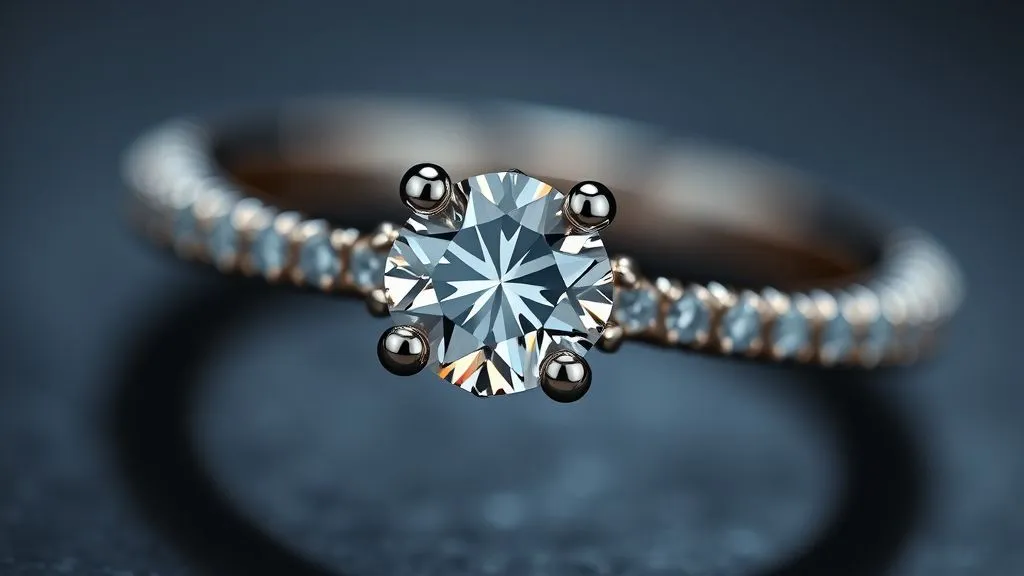
How to Prevent Micro-Pavé Diamonds from Falling Out of Custom Designs?
For over two decades in the intricate world of jewelry design and manufacturing, I've witnessed the sheer joy a perfectly crafted micro-pavé piece brings, but also the profound disappointment when those tiny, sparkling diamonds begin to disappear. It's a heartache I’ve seen countless times – a client returning a cherished custom design, not because of a major flaw, but because a scattering of micro-pavé stones has simply vanished, leaving unsightly gaps.
The problem is pervasive and often misunderstood. Micro-pavé, with its delicate nature and reliance on minimal metal, presents unique challenges that demand a level of precision and expertise far beyond standard settings. Customers invest significant emotional and financial capital in custom pieces, and the loss of even one small diamond can diminish the perceived value and integrity of the entire design. It’s a common pain point for both the wearer and the jeweler, eroding trust and tarnishing reputations.
But what if there were a definitive approach, a set of proven strategies that could dramatically reduce, if not entirely eliminate, this frustrating issue? In this comprehensive guide, I will share the invaluable insights I've gathered from years at the bench and managing high-end production. We’ll delve into actionable frameworks, critical quality control measures, and expert tips that will not only show you how to prevent micro-pavé diamonds from falling out of custom designs, but also ensure your bespoke jewelry stands the test of time, radiating brilliance for generations.
Understanding the Micro-Pavé Challenge: Why Diamonds Dislodge
Before we can prevent a problem, we must first understand its root causes. Micro-pavé, defined by its use of very small diamonds (typically 0.005 to 0.02 carats) set closely together with minimal metal, is inherently more vulnerable than larger, more robust settings. The sheer number of tiny prongs, the reduced surface area for contact, and the often intricate patterns all contribute to a higher risk of stone loss if not executed flawlessly.
The mechanics of failure usually boil down to a few critical points. Firstly, insufficient metal support around the girdle of the diamond, where the stone meets the setting. If the seat isn't perfectly carved or the prongs aren't adequately raised and burnished, the diamond sits loosely. Secondly, external forces – everyday wear and tear – can easily deform tiny, weak prongs. A bump, a snag, or even the pressure of cleaning can be enough to bend a micro-prong, allowing a diamond to escape. Thirdly, thermal expansion and contraction, while subtle, can eventually loosen poorly set stones over time, especially with varying temperatures.
“The foundation of secure micro-pavé isn’t just about setting a diamond; it’s about creating an unyielding embrace that withstands the rigors of daily life. Any compromise in this embrace, from design to execution, invites failure.”
I've seen pieces where the jeweler, perhaps under pressure or lacking specialized tools, has rushed the setting process. The result is often diamonds that are either 'proud' (sitting too high) or 'rocking' (not securely seated), making them prime candidates for early departure. Understanding these vulnerabilities is the first step in formulating a robust prevention strategy for how to prevent micro-pavé diamonds from falling out of custom designs.
The Critical Role of Initial Design and CAD/CAM Precision
The journey to a secure micro-pavé setting begins long before a diamond touches metal. It starts on the drawing board, or more accurately, within the sophisticated environment of Computer-Aided Design (CAD) software. This initial phase is arguably the most critical for preventing future stone loss, as it dictates the structural integrity of the entire piece.
Designing for Durability: Metal Allocation & Prongs
One of the most common mistakes I encounter is a design that sacrifices structural integrity for perceived delicacy. While micro-pavé aims for a seamless field of diamonds, there must be enough metal to support those diamonds adequately. This means careful consideration of:
- Metal Thickness: The underlying metal structure must be robust enough to prevent flex and deformation. Thin bands or delicate gallery wires, while aesthetically pleasing, can be a recipe for disaster if not reinforced.
- Prong Size and Placement: Each micro-prong, no matter how small, needs to be substantial enough to hold its diamond securely without being overly bulky. CAD allows for precise control over prong dimensions, ensuring they are strong yet discreet.
- Bead Size and Shape: For bead-set micro-pavé, the bead itself must be perfectly formed and sized to encapsulate the diamond's girdle without obscuring its brilliance or being too fragile to hold.
- Channel Walls: If using a channel-pavé hybrid, the channel walls must be thick enough to support the diamonds from the sides, preventing lateral movement.
Leveraging CAD Software for Optimal Setting Beds
Modern CAD software is an indispensable tool for micro-pavé. It allows designers to create incredibly precise 'seats' or 'beds' for each diamond, ensuring uniform depth and a snug fit. This precision is virtually impossible to achieve consistently by hand for hundreds of tiny stones.
Here’s how CAD contributes to security:
- Exact Diamond Proportions: CAD allows you to input the exact dimensions of your chosen diamonds, creating perfectly matched seats.
- Uniform Depth: Each seat can be designed to the precise depth, ensuring all diamonds sit at the same level, preventing some from being 'proud' and vulnerable.
- Optimized Metal Flow: CAD designs can be analyzed for metal flow during casting, identifying potential weak points or areas of porosity that could compromise the setting.
- Consistent Prong Geometry: Every prong can be designed with identical angles and dimensions, leading to a more uniform and secure setting across the entire piece.
By meticulously designing these elements in CAD, jewelers can preemptively address many of the structural weaknesses that lead to diamond loss. It’s about building in resilience from the very first digital sketch.
A well-designed CAD model, when translated into a wax or resin prototype, provides the perfect foundation for casting. This initial precision is a non-negotiable step in how to prevent micro-pavé diamonds from falling out of custom designs, setting the stage for robust craftsmanship. For further reading on the power of CAD in jewelry design, I recommend exploring resources from industry leaders like Solidscape or the Goldsmiths' Centre which often hosts CAD workshops.
Selecting the Right Diamonds and Materials
Even the most perfect design and skilled setting can be undermined by unsuitable materials. The choice of diamonds and metal alloys plays a pivotal role in the long-term security of micro-pavé jewelry.
Diamond Calibration and Consistency
When working with micro-pavé, consistency is king. Using diamonds that are not perfectly calibrated in size and cut can lead to significant problems. If stones vary even slightly in diameter or depth, some will sit too high, others too low, and none will be perfectly secure.
- Precise Sizing: Insist on diamonds that are precisely calibrated to within microns. This ensures a uniform fit in the meticulously created seats.
- Consistent Cut: Variations in girdle thickness or facet angles can prevent a diamond from seating flush, leaving gaps or creating uneven pressure points on the prongs.
- Quality Control: A thorough inspection of incoming diamonds is crucial. Reject any batch with noticeable inconsistencies, as trying to force ill-fitting stones into a perfect setting is a losing battle.
Metal Alloys: Strength and Ductility
The metal alloy chosen for micro-pavé settings must strike a delicate balance between hardness (for durability) and ductility (for the ability to be worked without fracturing). Not all precious metals are created equal for this task.
| Metal Alloy | Key Properties | Micro-Pavé Suitability |
|---|---|---|
| Platinum (950Pt/Ir) | Extremely durable, high density, very ductile, naturally white. Prongs resist wear well. | Excellent. Prongs hold shape, less prone to bending. Ideal for maximum security. |
| Palladium (950Pd) | Lightweight, naturally white, good ductility, hypoallergenic. Softer than platinum. | Good. More prone to minor deformation than platinum but still a strong choice. |
| White Gold (14k/18k) | Strong, less dense than platinum. Requires rhodium plating. Can be brittle if not alloyed correctly. | Fair to Good. 18k generally better than 14k for ductility. Prongs can wear down over time, requiring re-tipping. Rhodium plating can add a layer of protection. |
| Yellow/Rose Gold (14k/18k) | Softer than white gold, prone to scratching. Ductile. | Moderate. While ductile, the softer nature means prongs are more susceptible to bending and wear. Regular checks are essential. |
In my experience, platinum is often the superior choice for micro-pavé. Its exceptional density and inherent strength mean that its tiny prongs are incredibly resilient to wear and deformation, providing a more secure hold over time. While white gold can be used, careful consideration of its alloy composition is necessary, and regular maintenance becomes even more critical. For a deeper dive into metal properties and their impact on jewelry, resources from the Gemological Institute of America (GIA) offer invaluable insights.
Precision Setting Techniques: The Artisan's Touch
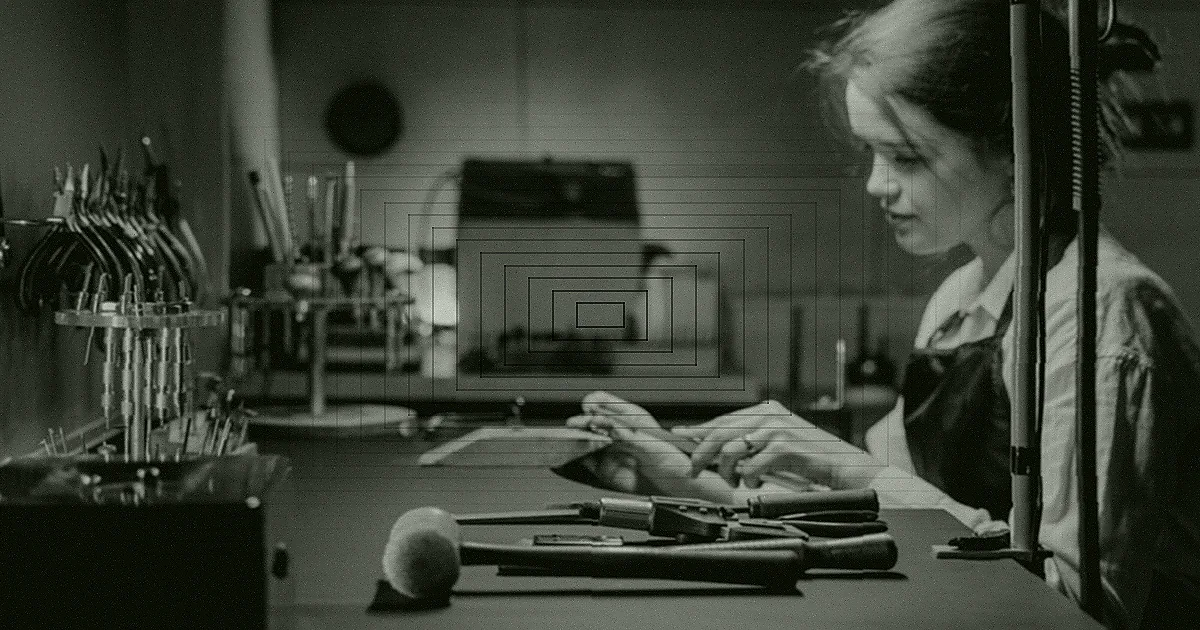
Even with perfect design and materials, the ultimate security of micro-pavé diamonds rests in the hands of the setter. This is where expertise, patience, and specialized tools come into play. A truly skilled setter understands that each tiny diamond is a miniature engineering challenge.
The Art of Bead and Bright Setting for Micro-Pavé
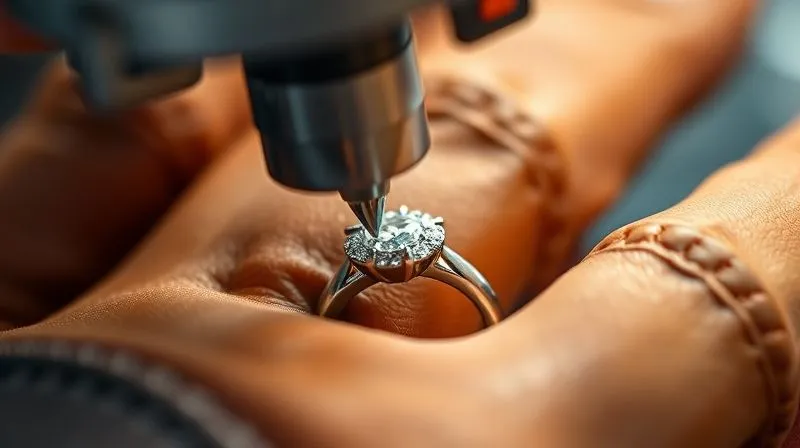
The most common method for micro-pavé is bead and bright setting. It involves creating tiny beads of metal that are pushed over the diamond's girdle, then burnished and bright-cut to create a seamless, sparkling surface. The process is painstaking:
- Prepare the Seat: Using a very fine graver or bur, the setter ensures the diamond's seat is perfectly level and free of burrs, allowing the stone to drop in cleanly.
- Place the Diamond: Each diamond is carefully placed into its individual seat, often under a powerful microscope.
- Raise the Beads/Prongs: Tiny gravers or beading tools are used to raise minute amounts of metal from the surrounding surface, forming the 'beads' or micro-prongs.
- Secure the Stone: These beads are then carefully pushed over the girdle of the diamond, securing it in place. The pressure must be just right – enough to hold the stone firmly, but not so much as to crack it.
- Burnish and Bright-Cut: A burnisher is used to smooth and strengthen the beads, while a bright-cut graver creates the crisp, reflective edges that give pavé its characteristic sparkle. This also helps to 'lock' the beads in place.
Ensuring Proper Seating and Secure Prongs
The key to preventing micro-pavé diamonds from falling out of custom designs lies in ensuring each stone is perfectly seated and every prong is secure. A common mistake is leaving a 'gap' between the diamond's girdle and the metal seat, allowing the stone to rock. When a diamond rocks, it puts undue stress on the tiny prongs, causing them to loosen or break over time.
“A truly secure micro-pavé diamond doesn't just sit in its setting; it becomes one with it, held by an invisible force of perfectly formed metal.”
The setter must check each diamond individually for movement after the initial setting. Any stone that can be wiggled or shifted, even microscopically, must be reset. This meticulous attention to detail is what separates a durable micro-pavé piece from one destined for early diamond loss.
Case Study: The Artisan’s Resilience Workshop
Artisan’s Resilience, a bespoke jewelry workshop specializing in intricate designs, faced a recurring issue with micro-pavé returns. Their designs were beautiful, but stones were dislodging within months. After an internal audit led by an experienced master setter, they realized their junior setters, while skilled, were not consistently using the microscope for every single stone during the final burnishing phase. By implementing a mandatory 'microscope-only' rule for all micro-pavé setting and a peer-review system for every piece before final polish, they saw their micro-pavé return rate drop by 80% within six months. This demonstrated that even subtle improvements in setting protocols can yield dramatic results in how to prevent micro-pavé diamonds from falling out of custom designs.
Post-Setting Quality Control and Rigorous Inspection
Once the diamonds are set, the work is not over. A comprehensive quality control process is essential to catch any imperfections or potential weaknesses that might have slipped through the setting phase. This final inspection acts as the last line of defense against stone loss.
Microscopic Examination: What to Look For
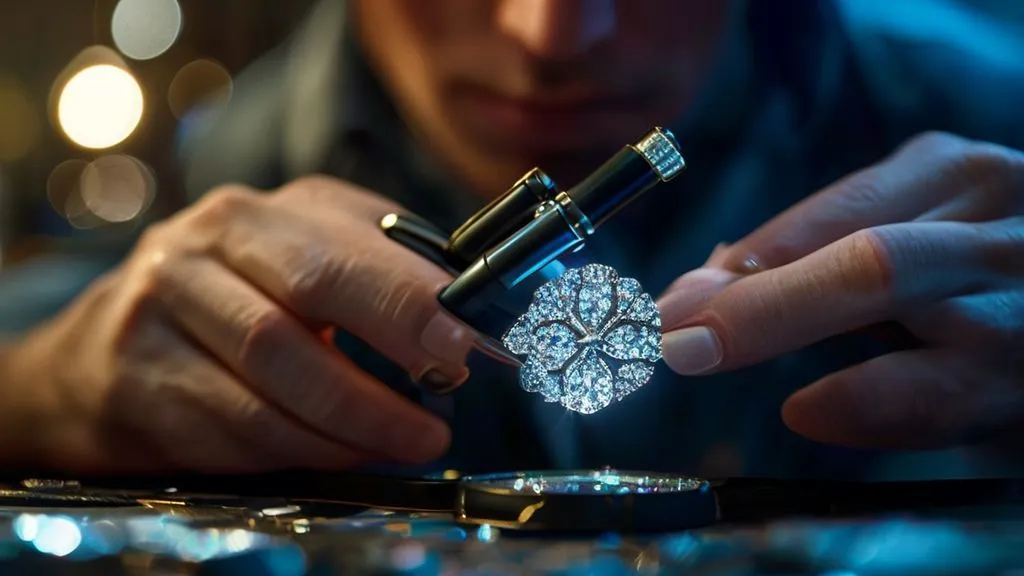
Every micro-pavé piece must undergo a thorough examination under a high-powered microscope. This isn't just a cursory glance; it's a systematic check for specific indicators of poor setting or potential failure points:
- Even Seating: Are all diamonds sitting at the same level? No stones should appear 'proud' or 'sunken'.
- Secure Prongs/Beads: Each prong or bead must be fully formed, smooth, and tightly pushed over the diamond's girdle. Look for any that appear thin, bent, or incomplete.
- Absence of Gaps: There should be no visible gaps between the diamond and the metal setting.
- No Burrs or Sharp Edges: Excess metal or sharp edges around the setting can snag clothing or hair, potentially dislodging stones or damaging the piece.
- Overall Uniformity: The pattern of the pavé should be consistent, without any irregular spacing or misalignment of diamonds.
“The microscope is not just a tool for seeing small things; it’s a truth-teller, revealing every imperfection and validating every meticulous effort in micro-pavé setting.”
The Shake Test and Ultrasonic Cleaning Considerations
While a microscope provides visual assurance, a gentle 'shake test' can sometimes reveal a loose stone that looks secure. Hold the piece gently and tap it lightly against your palm or a soft surface. Listen for any faint rattling sounds. This should be done with extreme caution, as an overly aggressive test could dislodge a truly weak stone.
Regarding ultrasonic cleaning: while generally safe for most jewelry, micro-pavé requires extra care. If a diamond is already loose, the vibrations from an ultrasonic cleaner can easily dislodge it. Always inspect the piece thoroughly before ultrasonic cleaning. If there's any doubt, a gentle hand wash with mild soap and water is a safer alternative. Educating clients on this is also a crucial step in how to prevent micro-pavé diamonds from falling out of custom designs, as improper cleaning is a common culprit.
Lifelong Care: Maintenance and Wearer Responsibility
Even the most perfectly crafted micro-pavé piece requires diligent care from its wearer. As jewelers, our responsibility extends to educating clients on how to maintain the integrity of their investment. This proactive approach significantly contributes to preventing stone loss over the lifetime of the jewelry.
Regular Cleaning and Inspection at Home
Encourage clients to adopt a routine of gentle home care:
- Soft Brush and Mild Soap: Use a very soft toothbrush and warm water with a mild, non-abrasive soap (like dish soap) to gently clean the piece. Rinse thoroughly and dry with a lint-free cloth.
- Visual Checks: Advise clients to regularly inspect their jewelry under good lighting. They should look for any diamonds that appear dull (indicating grime underneath), any prongs that look bent or raised, or any visible gaps around the stones.
Avoiding High-Impact Activities and Chemical Exposure
Many instances of micro-pavé diamond loss are due to daily activities that seem innocuous but are actually detrimental to delicate jewelry:
- Remove During Activities: Always advise clients to remove micro-pavé rings, bracelets, and even pendants during activities like gardening, cleaning, exercising, or any manual labor that involves potential impact or snagging.
- Chemical Exposure: Harsh chemicals found in household cleaners, cosmetics, and even chlorinated water can corrode metals or weaken prongs over time. Jewelry should be removed before contact with such substances.
- Temperature Extremes: Rapid changes in temperature can cause metal to expand and contract, potentially loosening stones. Avoid wearing jewelry in saunas, hot tubs, or extremely cold environments.
The Importance of Professional Check-ups
Perhaps the most crucial advice to offer clients is the recommendation for annual professional inspections. During these check-ups, a jeweler can:
- Re-tighten Loose Stones: Catching a slightly loose stone early can prevent its eventual loss.
- Repair Damaged Prongs: Prongs can wear down or bend over time. A professional can re-tip or reinforce them.
- Deep Clean: Professional cleaning can remove stubborn grime that home cleaning might miss, restoring brilliance and allowing for better inspection.
- Assess Overall Integrity: The jeweler can identify any structural weaknesses in the setting or shank that might contribute to future stone loss.
These regular check-ups are an investment in the longevity of the piece and are paramount in how to prevent micro-pavé diamonds from falling out of custom designs. They ensure that minor issues don't escalate into costly repairs or irreplaceable losses.
Advanced Solutions and Future Trends in Micro-Pavé Security
The jewelry industry is constantly evolving, and new technologies are emerging to enhance the security and durability of micro-pavé settings. While traditional methods remain foundational, these advancements offer additional layers of protection.
Laser Welding and Advanced Setting Adhesives
Laser welding has revolutionized many aspects of jewelry repair and manufacturing. For micro-pavé, it offers incredibly precise and localized heat, allowing jewelers to reinforce delicate settings or repair broken prongs without exposing the entire piece to high temperatures. This minimizes the risk of collateral damage to heat-sensitive stones or existing settings. Some specialized workshops are also experimenting with micro-adhesives – microscopic, transparent bonding agents designed to secure stones in extremely delicate settings, though this is still a niche and often debated practice.
The Role of Rhodium Plating in Protecting Settings
While primarily used to enhance the white luster of white gold, rhodium plating can offer a secondary, albeit minor, layer of protection for micro-pavé settings. The thin, hard layer of rhodium can act as a sacrificial coating, taking the brunt of minor abrasions and providing a slightly smoother surface that may be less prone to snagging. However, it's critical to remember that rhodium plating is a cosmetic enhancement, not a structural reinforcement. It cannot compensate for poor setting techniques or weak designs. Its primary benefit is aesthetic and can contribute to the overall perceived integrity of the piece, making it look well-maintained.
As technology continues to advance, we may see even more sophisticated methods for securing micro-pavé diamonds, perhaps involving micro-robotics for setting or new material composites. Staying abreast of these innovations is part of being an industry expert, ensuring we can always offer the best possible solutions for how to prevent micro-pavé diamonds from falling out of custom designs.
Frequently Asked Questions (FAQ)
Q: Is micro-pavé inherently less durable than other diamond settings? A: While micro-pavé requires more meticulous craftsmanship and care, it isn't inherently 'less durable' if designed and executed correctly. Its delicate appearance belies the strength it can possess. The key lies in the precision of the setting and the quality of the materials and workmanship. A well-made micro-pavé piece can be very robust, but it is more susceptible to damage from impact or neglect compared to, say, a bezel set diamond.
Q: Can I repair a micro-pavé piece myself if a diamond falls out? A: Absolutely not. Attempting to repair micro-pavé yourself will almost certainly cause further damage. The tools, magnification, and specialized skills required are far beyond what an amateur possesses. You risk scratching the metal, damaging surrounding stones, or even breaking the piece. Always seek a reputable, experienced professional jeweler for micro-pavé repairs.
Q: What's the difference between micro-pavé and traditional pavé? A: The primary difference is the size of the diamonds and the resulting aesthetic. Traditional pavé uses slightly larger diamonds (typically 0.02-0.05 carats) with more visible metal beads or prongs. Micro-pavé uses much smaller diamonds (0.005-0.02 carats) set very closely together, often with smaller, almost invisible beads, to create a seamless, 'diamond skin' effect where the metal is barely perceptible. The setting techniques are similar but micro-pavé demands even greater precision due to the minuscule scale.
Q: Does the type of metal affect diamond security in micro-pavé? A: Yes, significantly. As discussed, metals like platinum offer superior durability and ductility, making their tiny prongs more resilient to bending and wear, thus providing a more secure hold. White gold can be used, but its specific alloy and hardness are critical, and it may require more frequent maintenance. Softer metals like yellow or rose gold, while beautiful, are more prone to prong deformation, increasing the risk of stone loss.
Q: How often should I have my micro-pavé jewelry professionally checked? A: I strongly recommend an annual professional inspection for all micro-pavé jewelry. For pieces worn daily or subjected to more active lifestyles, a bi-annual check-up might be advisable. These regular visits allow a jeweler to identify and address minor issues like slightly loose stones or worn prongs before they escalate into significant problems, ensuring the longevity and security of your cherished pieces.
Key Takeaways and Final Thoughts
The question of how to prevent micro-pavé diamonds from falling out of custom designs is one that touches upon every aspect of the jewelry-making process, from initial concept to daily wear. It's a challenge that, when mastered, elevates a piece from merely beautiful to truly enduring. As an industry specialist, I’ve seen firsthand that there are no shortcuts to achieving lasting security in micro-pavé.
- Design is Paramount: Begin with a robust CAD design that prioritizes adequate metal support and precise seating for each diamond.
- Materials Matter: Select well-calibrated diamonds and appropriate metal alloys, with platinum often being the superior choice for its strength.
- Setting is an Art: Employ highly skilled setters who utilize magnification and meticulous techniques to ensure every diamond is perfectly seated and securely pronged.
- Quality Control is Non-Negotiable: Implement rigorous microscopic inspection post-setting to catch any potential weaknesses before the piece leaves the bench.
- Educate the Wearer: Provide clear guidelines for home care, professional check-ups, and avoiding activities that could damage delicate settings.
Ultimately, preventing micro-pavé diamond loss is a testament to the synergy of expert design, superior craftsmanship, and informed client care. By adhering to these principles, we not only protect the intrinsic value of these exquisite pieces but also preserve the emotional connection and trust that custom jewelry embodies. Invest in precision at every step, and your micro-pavé creations will sparkle brilliantly for a lifetime, free from the worry of lost gems.
Recommended Reading
- 5 Proven Strategies: Differentiating Your Costume Jewelry Brand in a Saturated Market
- Petite Perfection: Your Guide to Classic Wardrobe Essentials
- Supplier Fails? 7 Steps for Haute Couture Fabric Crisis Management
- Scaling Haute Couture: 7 Strategies to Preserve Artisan Quality
- 7 Proven Strategies: Cut Footwear Returns from Premature Material Failure by 25%

Your email address will not be published. Required fields are marked *