

How to design zero-waste garments for commercial scalability?
For over 15 years immersed in the sustainable fashion sector, I've witnessed a profound shift. What began as a fringe movement has blossomed into a global imperative, yet the path to true sustainability, especially zero-waste, remains fraught with challenges. I've seen countless brilliant designers create stunning zero-waste prototypes only to hit a wall when attempting to transition from bespoke to scalable, commercially viable production.
This isn't just about cutting fabric; it’s about fundamentally rethinking the entire design-to-delivery pipeline. The traditional fashion industry model, built on linear consumption and inherent waste, simply doesn't accommodate the nuances of truly sustainable practices. The pain point is clear: how do we retain the integrity of zero-waste principles while navigating the demands of mass production, cost efficiency, and consumer appeal?
This article isn't just theory; it's a practical roadmap, drawn from my extensive experience and industry insights, to help you bridge that gap. We’ll delve into actionable frameworks, explore real-world analogies, and uncover expert strategies that will empower you to design zero-waste garments for commercial scalability, ensuring your sustainable vision can impact the market at large.
The Core Tenets of Zero-Waste Design for Scale
Before we dive into the 'how,' it's crucial to solidify our understanding of the 'what.' Zero-waste design, at its heart, is a philosophy that seeks to eliminate textile waste at the design and production stages. But for commercial scalability, this philosophy must be integrated with practicality, efficiency, and market understanding. In my experience, there are fundamental tenets that guide this integration.
Firstly, it's about comprehensive waste prevention. This extends beyond merely cutting patterns efficiently. It involves considering material choices, garment longevity, repairability, and ultimately, the garment's end-of-life. A truly scalable zero-waste approach thinks in cycles, not lines.
Secondly, design innovation is paramount. You cannot simply apply traditional design methods and expect zero waste. It requires a creative leap, often pushing the boundaries of conventional pattern cutting, garment construction, and material manipulation. This innovation needs to be repeatable and teachable across a production team.
Thirdly, economic viability cannot be an afterthought. Sustainable fashion has often been perceived as a luxury, but to achieve commercial scalability, zero-waste garments must be competitive in terms of cost, quality, and aesthetic appeal. This means optimizing every stage for both ecological and economic efficiency.
“Zero-waste design isn't a limitation; it's a catalyst for unparalleled creativity and operational efficiency when approached with the right mindset for commercial scale.”
Finally, transparency and storytelling are key. Consumers are increasingly demanding to know the provenance and impact of their clothing. By clearly communicating your zero-waste journey, you build trust and differentiate your brand in a crowded market.
Mastering Pattern Efficiency: The Foundation of Scalability
When discussing how to design zero-waste garments for commercial scalability, the conversation inevitably begins with pattern efficiency. This is the cornerstone. Traditional garment patterns typically result in 15-20% fabric waste, often more. Zero-waste pattern cutting aims for 100% fabric utilization, where every piece of the fabric is incorporated into the garment or becomes a usable component.
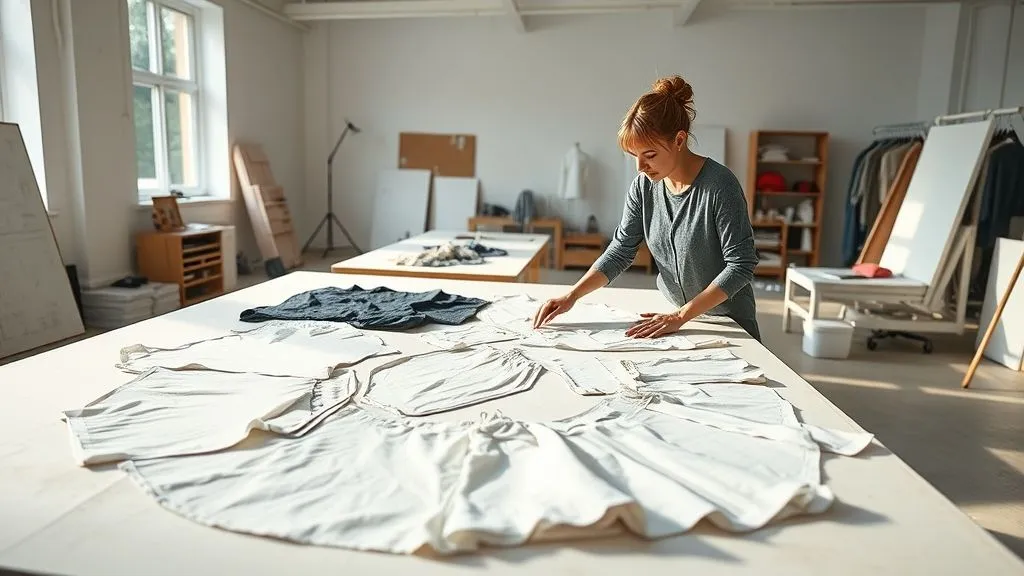
I've seen many designers embrace techniques like tessellation, where pattern pieces interlock like a jigsaw puzzle on the fabric layout, leaving no gaps. This requires a profound understanding of geometry and garment construction. It often means designing the garment *around* the zero-waste principle, rather than trying to adapt a conventional design. Consider the entire width of the fabric from the outset.
Another effective strategy is to design garments that require minimal seams or complex shapes, simplifying the cutting process while maximizing fabric use. Sometimes, this involves unconventional draping or folding techniques that transform a simple rectangle into a sophisticated garment. This is where the artistry meets the practicality.
- Embrace Whole Garment Concepts: Explore techniques like whole garment knitting, where a 3D garment is produced directly from yarn, eliminating cutting and seaming waste entirely.
- Modular Pattern Pieces: Design garments with interchangeable or multi-functional pieces that can be cut from the fabric remnants of another garment, or that utilize smaller, odd-shaped offcuts.
- Digital Pattern Optimization: Utilize advanced CAD software to simulate fabric layouts and continuously refine patterns for optimal tessellation before any fabric is cut. This saves both material and time in the prototyping phase.
- Integrated Remnant Design: Instead of discarding small offcuts, design features like pockets, trims, or even internal structural elements to be made specifically from these smaller pieces.
Implementing these strategies requires upfront investment in design time and potentially specialized software, but the long-term savings in material costs and reduced waste disposal make it incredibly worthwhile for scalable production.

Strategic Material Sourcing: Beyond Organic Cotton
The choice of material is inextricably linked to the commercial scalability of zero-waste fashion. It's not enough to simply choose 'sustainable' fabrics; you must consider their entire lifecycle, from cultivation or production to end-of-life, and how they integrate with your zero-waste design philosophy. While organic cotton is a great start, the landscape of sustainable materials is rapidly evolving, offering more innovative solutions.
My advice is to look for materials that:
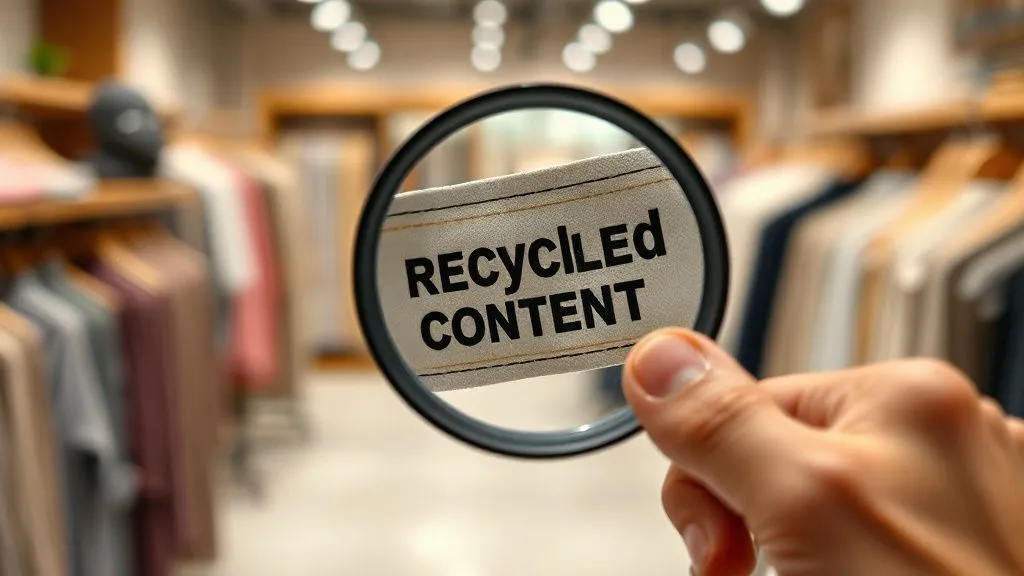
- Have a Low Environmental Footprint: Prioritize materials with minimal water usage, chemical inputs, and carbon emissions during production. This includes regenerative fibers, recycled content (like recycled polyester or regenerated nylon), and innovative bio-based materials (e.g., mushroom leather, algae-based fibers).
- Are Durable and Long-Lasting: A zero-waste garment must have a long lifespan to truly reduce environmental impact. High-quality, durable materials that withstand wear and washing are crucial.
- Are Monomaterial or Easily Separable: For effective recycling at end-of-life, garments made from a single type of fiber (monomaterial) are ideal. If blends are necessary, ensure components can be easily disassembled or that the blend is compatible with existing recycling technologies.
- Are Locally Sourced (Where Possible): Reducing transportation emissions and supporting local economies can significantly enhance your sustainability credentials.
- Are Certified and Traceable: Look for certifications like GOTS (Global Organic Textile Standard), Oeko-Tex, or the Global Recycled Standard (GRS) to ensure material claims are verified. Transparency in the supply chain builds trust with consumers and partners.
According to a report by McKinsey & Company on the State of Fashion, consumers are increasingly willing to pay more for sustainable products, but they also demand verifiable claims. This means your material sourcing strategy needs to be robust and transparent. You can learn more about innovative material advancements from organizations like the Ellen MacArthur Foundation, which champions a circular economy for textiles.
Modular Design and Design for Disassembly: Future-Proofing
To truly answer how to design zero-waste garments for commercial scalability, we must look beyond just cutting-room waste and consider the entire product lifecycle. This is where modular design and design for disassembly become powerful tools. In my career, I've seen these concepts transform products from single-use items into long-term assets, extending their value and drastically reducing waste.
Modular design involves creating garments from independent, interchangeable components. Imagine a jacket where the sleeves, collar, and body can be detached and replaced, or even swapped with different styles. This extends the garment's life by allowing for easy repair of a damaged part, customization, or seasonal updates without replacing the entire item.
Design for disassembly, on the other hand, focuses on making garments easy to take apart at the end of their useful life. This means avoiding permanent bonding agents, using easily removable fasteners (like buttons or zippers instead of glue), and clearly labeling material compositions for each component. This facilitates efficient recycling, repair, or upcycling, ensuring materials retain their value and stay out of landfills.
| Feature | Traditional Design | Modular/Disassembly Design |
|---|---|---|
| Longevity | Limited by weakest component | Extended by repair/replacement of individual parts |
| Repairability | Often difficult, expensive, or impossible | Simplified, cost-effective replacement of modules |
| Customization | Limited to initial purchase | High potential for personalization and adaptation |
| End-of-Life Recycling | Complex due to mixed materials/adhesives | Streamlined, easier material separation and recovery |
These approaches require a different mindset during the initial design phase, focusing on connection points, material compatibility, and the lifecycle of each component. While it might seem more complex upfront, the benefits in terms of resource efficiency, reduced waste, and enhanced customer satisfaction are substantial for brands aiming for true sustainability and scalability.
Optimizing Production Processes for Minimal Waste
Designing for zero waste is only half the battle; the other half is ensuring your production processes uphold those principles, especially when scaling up. I've often seen fantastic zero-waste designs falter due to inefficient manufacturing practices that negate the initial design efforts. Commercial scalability demands that every step, from cutting to stitching, is scrutinized for waste reduction.
One critical area is optimizing the cutting room. Beyond efficient pattern nesting, consider automated cutting machines that offer unparalleled precision and can handle complex tessellations with minimal human error. These machines can also optimize layouts for specific fabric widths, further reducing waste. Implementing a robust quality control system also prevents waste from defective garments.
Lean manufacturing principles, widely adopted in other industries, are incredibly relevant here. By identifying and eliminating non-value-adding activities, you can reduce waste in all its forms: overproduction, excess inventory, unnecessary movement, and defects. This streamlines your entire operation, making it more efficient and sustainable.
Case Study: How ReThread Apparel Achieved Zero-Waste Production
ReThread Apparel, a mid-sized sustainable fashion brand, faced significant challenges in scaling their zero-waste designs beyond small batch production. Their initial pattern cutting, while innovative, relied heavily on manual processes, leading to inconsistencies and some material waste when scaled. By implementing advanced CAD software for pattern optimization and investing in a laser-guided automated cutting system, they transformed their cutting room efficiency.
This shift allowed them to achieve near 100% fabric utilization consistently across larger production runs. Furthermore, they integrated a 'remnant utilization' program, where all unavoidable small offcuts were immediately sorted and sent to a local artisan network for upcycled accessories, ensuring nothing went to landfill. This resulted in a 15% reduction in overall material costs and a significant boost in their brand's sustainability narrative, allowing them to confidently market their truly zero-waste products at a competitive price point.
Engaging your manufacturing partners early in the design process is also vital. Their expertise in production logistics can provide invaluable insights into how your zero-waste designs can be efficiently and economically translated into mass production. This collaborative approach fosters innovation and ensures that the zero-waste ethos is embedded throughout the supply chain.
Leveraging Technology: CAD, 3D Prototyping, and AI
In the modern fashion landscape, technology is not just an enabler; it's a game-changer for how to design zero-waste garments for commercial scalability. I've seen firsthand how digital tools can revolutionize everything from initial concept to final production, driving efficiency and sustainability that manual processes simply cannot match.
Computer-Aided Design (CAD) software is indispensable. It allows designers to create patterns with incredible precision, experiment with tessellation layouts, and visualize fabric utilization before a single piece of cloth is cut. This significantly reduces prototyping waste and speeds up the design cycle. Advanced CAD systems can even simulate how different fabric types will drape and behave, further refining the design process.
3D prototyping takes this a step further. Instead of creating multiple physical samples, designers can render realistic 3D models of garments, complete with textures, colors, and fit simulations. This virtual sampling dramatically cuts down on material waste, shipping emissions from sample delivery, and the time required for product development. It allows for rapid iteration and feedback, ensuring the final product meets design intent with minimal resource expenditure.

Artificial Intelligence (AI) is also emerging as a powerful tool. AI algorithms can analyze historical sales data, trend forecasts, and customer preferences to optimize production volumes, thereby reducing overproduction—a major source of waste. Furthermore, AI can assist in material sourcing by identifying suppliers of sustainable textiles that meet specific criteria, or even predict the best way to utilize fabric remnants.
These technologies aren't just for large corporations. Many accessible software solutions and service providers exist, making these tools available to smaller and medium-sized enterprises. Embracing them is crucial for any brand serious about scaling zero-waste initiatives efficiently. For more insights on technology in fashion, you can refer to industry reports from sources like The Business of Fashion.
Building a Circular Business Model: From Design to End-of-Life
Designing zero-waste garments is a fantastic start, but true commercial scalability in sustainable fashion requires embedding these principles within a broader circular business model. This means thinking beyond the point of sale and considering the entire lifecycle of your product, fostering a relationship with the garment long after it leaves the store. I always emphasize to my clients that a circular model is not just about reducing harm; it's about creating new value streams and deeper customer engagement.
A linear 'take-make-dispose' model is inherently unsustainable and cannot scale for a zero-waste future. Instead, brands must design for:
- Longevity: As discussed, using durable materials and timeless designs.
- Repairability: Offering repair services or guides, making it easy for customers to extend garment life.
- Rental/Leasing: Exploring models where garments are rented rather than sold, allowing multiple users and maximizing wear cycles. This is particularly effective for occasion wear or fast-changing trends.
- Resale/Take-Back Programs: Facilitating the resale of pre-owned garments, or offering customers incentives to return items at their end-of-life for recycling or upcycling.
- Recycling/Upcycling: Ensuring that materials can be effectively recovered and repurposed into new products, either within your own brand or through partnerships.
Implementing a circular model requires strategic partnerships, innovative logistics, and clear communication with your customers. It's about educating them on how to care for their garments, how to participate in take-back programs, and the value of extending a product's life. This builds a loyal customer base that values sustainability and sees your brand as a leader.
For example, a brand might offer a digital passport for each garment, detailing its material composition, care instructions, and options for repair or return at end-of-life. This level of transparency and service not only supports zero-waste goals but also enhances brand trust and customer loyalty. The Ellen MacArthur Foundation provides extensive resources on transitioning to a circular economy, which are invaluable for any fashion brand.
Marketing and Consumer Education: Telling Your Zero-Waste Story
You can design the most innovative, perfectly scalable zero-waste garments, but if your message doesn't resonate, commercial success will remain elusive. In my experience, effectively communicating your zero-waste journey and the inherent value of your products is as crucial as the design itself. This isn't just marketing; it's education, storytelling, and building a community around shared values.
Consumers are increasingly conscious but also overwhelmed by greenwashing. Your communication must be authentic, transparent, and compelling. Highlight the 'why' behind your zero-waste approach: the environmental benefits, the ethical production, and the innovative design solutions. Don't just state you're zero-waste; show them *how* you achieve it.
- Be Transparent About Your Process: Share behind-the-scenes glimpses of your design process, pattern cutting, and production. Show the interlocking patterns, the skilled artisans, and the absence of waste bins.
- Educate on Garment Care and Longevity: Provide clear instructions on how to care for your garments to maximize their lifespan. Offer tips on mending or simple repairs. This empowers customers to be part of the zero-waste solution.
- Highlight the Value Proposition: Zero-waste garments often involve more thoughtful design and higher-quality materials, which can sometimes translate to a higher price point. Articulate the long-term value, durability, and reduced environmental impact that justifies this investment.
- Engage Through Storytelling: Every zero-waste garment has a story – of innovation, environmental stewardship, and conscious consumption. Share these narratives across your website, social media, and product descriptions.
- Collaborate with Influencers and Advocates: Partner with individuals and organizations who genuinely champion sustainable fashion to amplify your message and reach a broader, engaged audience.
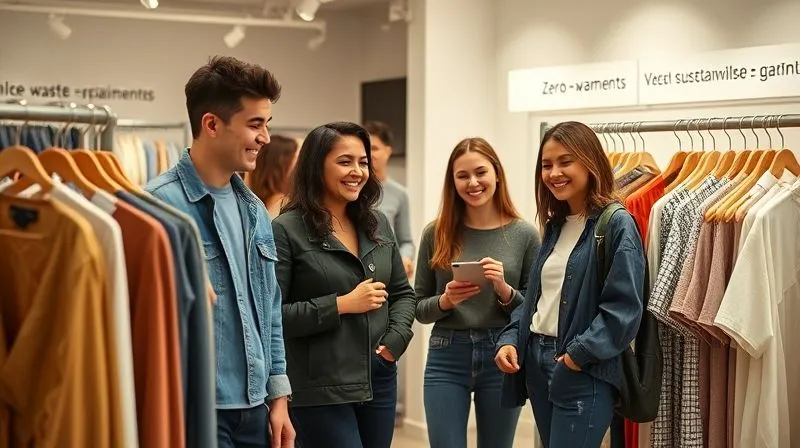
Remember, consumers buy into brands that align with their values. By effectively telling your zero-waste story, you're not just selling clothes; you're inviting them to be part of a meaningful movement, which is essential for scaling a brand built on sustainable principles.
Frequently Asked Questions (FAQ)
Is zero-waste design inherently more expensive to produce at scale? While the initial design phase for zero-waste garments might require more time and specialized software, the production cost at scale can often be comparable to, or even lower than, traditional methods. This is primarily due to significant savings in material costs (as waste is minimized) and reduced waste disposal fees. The key is optimizing patterns and production processes efficiently.
How do I find manufacturing partners willing to adapt to zero-waste production methods? Finding the right manufacturing partner is crucial. Look for factories with a demonstrated commitment to sustainability, experience with innovative techniques, or those open to collaboration and training. Smaller, specialized manufacturers might be more flexible initially. Clearly communicate your zero-waste vision and be prepared to invest in joint process development. Networking within the sustainable fashion community can also yield valuable contacts.
What role does consumer behavior play in the commercial scalability of zero-waste fashion? Consumer behavior is paramount. As an industry, we need to educate consumers on the value of zero-waste garments – their longevity, ethical production, and environmental benefits. Encouraging mindful consumption, proper garment care, and participation in circular programs (like repair or take-back) is vital. Scalability depends on a growing demand for genuinely sustainable products.
Can small brands truly achieve commercial scalability with zero-waste principles? Absolutely. Scalability isn't just about mass production; it's about efficient growth. Small brands can achieve commercial scalability by focusing on niche markets, leveraging technology for design and production optimization, building strong community engagement, and strategically partnering with manufacturers. Starting small allows for iterative learning and refinement of zero-waste processes before expanding.
Are there specific regulatory hurdles or certifications I should be aware of for zero-waste fashion? While there aren't specific 'zero-waste' certifications, adherence to broader sustainability standards is important. This includes certifications for organic materials (e.g., GOTS), recycled content (e.g., GRS), or ethical labor practices (e.g., Fair Trade). Regulations around textile waste disposal and chemical use are becoming stricter globally, making a zero-waste approach a proactive compliance strategy. Staying informed about regional and international textile legislation is crucial.
Key Takeaways and Final Thoughts
- Design with Intent: Approach zero-waste as a fundamental design principle, not an afterthought.
- Master Pattern Efficiency: Utilize tessellation and innovative cutting techniques to achieve near 100% fabric utilization.
- Strategic Sourcing Matters: Prioritize durable, monomaterial, and traceable fabrics with low environmental impact.
- Embrace Circularity: Implement modular design, design for disassembly, and end-of-life solutions like repair, rental, and recycling.
- Leverage Technology: Utilize CAD, 3D prototyping, and AI to optimize design, reduce waste, and streamline production.
- Optimize Production: Apply lean manufacturing principles and collaborate with partners to minimize waste on the factory floor.
- Educate and Communicate: Transparently share your zero-waste journey and the value of your products with your customers.
The journey to design zero-waste garments for commercial scalability is challenging but incredibly rewarding. It demands innovation, meticulous planning, and a deep commitment to both environmental stewardship and business viability. As an industry specialist, I firmly believe that this is not just the future of fashion; it is the present imperative. By embracing these principles, you're not only creating beautiful, sustainable garments but also building a resilient, responsible, and commercially successful brand that truly makes a difference. Your vision for a waste-free fashion future is within reach – go forth and create it.
Recommended Reading
- 7 Essential Steps: Verify Self-Cleaning Fabric for New Apparel Effectively
- 5 Proven Ways to Fix 3D Body Scan Data for Perfect Fashion Patterns
- 7 Key Factors: How to Choose a Versatile Men's Watch for Diverse Business Settings
- Authenticating Vintage Chanel: 7 Expert Steps Without Original Papers
- 7 Proven Strategies: Ethically Sourcing High-Quality Vintage for Resale




Your email address will not be published. Required fields are marked *