

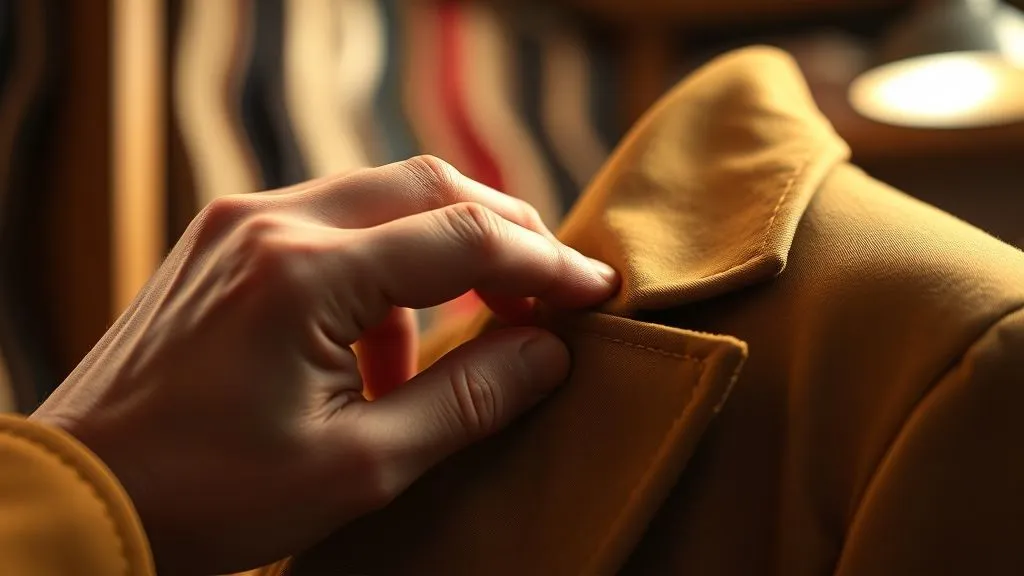
How to reliably source high-quality vintage for resale ethically?
For over 15 years in the sustainable fashion industry, I’ve witnessed the incredible transformation that vintage and second-hand clothing can bring, not just to individual style, but to the planet. Yet, a common pitfall for many aspiring and even established resellers is the challenge of finding truly high-quality pieces consistently, while also ensuring their sourcing practices are genuinely ethical.
It’s a complex landscape. The allure of vintage is undeniable, but the journey from discovery to sale is fraught with questions: Is this piece truly authentic? Was it sourced responsibly? How do I ensure its quality will meet my customers' expectations? Many fall into the trap of prioritizing quantity over quality, or worse, inadvertently supporting practices that undermine the very sustainability ethos they aim to champion.
This guide isn't just about finding old clothes; it's about building a resilient, reputable, and responsible vintage resale business. I’m going to share actionable frameworks, expert insights, and the hard-won lessons I've gathered over years, providing you with a definitive roadmap to reliably source high-quality vintage for resale ethically, establishing trust with your customers and making a real impact.
The Ethical Imperative: Why Sourcing Responsibly Matters More Than Ever
In today's conscious consumer landscape, simply selling 'second-hand' isn't enough. Buyers are increasingly discerning, not just about the product itself, but about the story behind it. The rise of greenwashing has made people skeptical, and rightly so. Your commitment to ethical sourcing isn't just a marketing buzzword; it's the bedrock of your brand's integrity and long-term success.
Ethical sourcing in vintage fashion means more than just diverting textiles from landfills. It encompasses fair labor practices in the handling and processing of garments (even if they're old), ensuring transparency in your supply chain, minimizing your environmental footprint beyond the garment's initial life, and respecting cultural heritage. It's about ensuring that every step of your sourcing process aligns with values of social and environmental responsibility.
Defining "Ethical" in Vintage: Beyond Just Second-Hand
While the core of vintage is inherently sustainable by extending a garment's life, true ethical sourcing goes deeper. It means questioning the origins of bulk suppliers, ensuring their workers are paid fairly and work in safe conditions, and considering the carbon footprint of transport. It also involves being mindful of cultural appropriation when dealing with garments from specific traditions. As the Ellen MacArthur Foundation highlights, a circular economy requires more than just recycling; it demands systemic change and responsible practices at every stage, including reuse.
"Ethical vintage sourcing isn't a shortcut; it's a commitment to a transparent, responsible, and sustainable business model that builds genuine trust with your customer base."
Mastering Quality Assessment: Identifying Truly High-Value Vintage
The term 'high-quality vintage' is subjective, but for resale, it generally refers to pieces that possess exceptional craftsmanship, durable materials, unique design, and are in excellent wearable condition. Reliable sourcing begins with a keen eye and a deep understanding of what makes a garment truly stand out and last.
Fabric Forensics: A Touch and Feel Guide
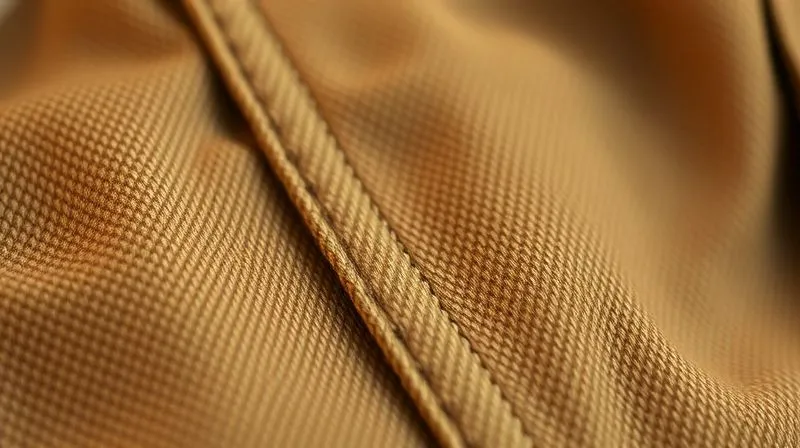
Understanding fabric composition is paramount. Natural fibers like wool, silk, linen, and high-quality cotton often age gracefully and retain their value. Synthetics can be good too, but look for well-made blends or unique textures. I always advise my mentees to perform a simple sensory test:
- The Hand Feel: Does it feel substantial, soft, or crisp? Does it drape well? Cheap fabrics often feel thin, stiff, or overly synthetic.
- The Stretch Test: Gently stretch a small, inconspicuous part of the fabric. Does it bounce back quickly, or does it sag and lose its shape? Quality fabrics recover well.
- The Light Test: Hold the fabric up to the light. Is the weave tight and even, or can you see through it easily? A dense, consistent weave often indicates better quality.
- Fiber Content Tag: Always check the label. If missing, use your knowledge to identify common fibers. Experience makes this easier.
Construction & Craftsmanship: The Hallmarks of Durability
Beyond the fabric, the way a garment is put together speaks volumes about its quality. Look for:
- Even, Tight Stitching: No loose threads, skipped stitches, or uneven seams.
- Reinforced Seams: Especially in stress areas like armholes, crotches, and pockets.
- Matching Patterns: If the garment has a pattern, do the seams align neatly? This indicates attention to detail.
- Quality Hardware: Sturdy zippers (metal often indicates older, higher quality), well-attached buttons, and durable clasps.
- Lining: Is it fully lined? Is the lining well-sewn and made of a quality material?
Condition Grading: Setting Realistic Expectations
Even high-quality vintage isn't always perfect. Develop a clear grading system for your inventory:
| Grade | Description | Resale Potential |
|---|---|---|
| Mint | As new, with no flaws or signs of wear. | Highest |
| Excellent | Minor signs of wear, easily repairable or negligible. | High |
| Very Good | Minor visible flaws, but perfectly wearable. | Good |
| Good | Some noticeable flaws, still wearable with care or minor restoration. | Moderate |
| Fair | Significant flaws, may require extensive repair or be suitable for upcycling. | Low |
Be transparent about condition with your customers. Honesty builds trust.
Strategic Sourcing Channels: Unearthing Hidden Gems Ethically
Relying on a single sourcing method is a recipe for inconsistency. Diversifying your channels not only increases your chances of finding high-quality pieces but also allows you to vet suppliers for ethical practices more thoroughly. This is crucial for how to reliably source high-quality vintage for resale ethically.
Local & Global Flea Markets: The Thrill of the Hunt
Flea markets and vintage fairs are classic hunting grounds. They offer the opportunity to physically inspect items and haggle, but also to connect directly with individual sellers. While often perceived as inherently ethical due to their small-scale nature, always ask sellers about their own sourcing practices – where do they get their stock?
Estate Sales & Auctions: Curated Collections
Estate sales often yield higher-quality, well-preserved pieces from a single household, providing a glimpse into personal history and style. Auctions, both online and in-person, can be excellent for rare and designer vintage. Research the auction house's reputation and read condition reports carefully. These channels typically offer more transparent provenance.
Direct-to-Consumer & Consignment: Building Relationships
Developing relationships with individuals who want to sell their personal vintage collections can be incredibly rewarding. This 'direct-to-consumer' model often provides the clearest ethical pathway, as you know the item's history directly. Consignment stores can also be a source, but ensure their intake process aligns with your quality and ethical standards.
Wholesale & Bulk Sourcing: Navigating the Larger Scale
This is where ethical considerations become most critical. When considering bulk vintage suppliers or rag houses, thorough due diligence is non-negotiable. Ask for documentation on their labor practices, waste management, and how they acquire their stock. Visit their facilities if possible. A reputable wholesaler should be transparent and willing to share this information. This is where the challenge of 'how to reliably source high-quality vintage for resale ethically' becomes most pronounced, requiring rigorous vetting.
Building a Transparent Supply Chain: From Seller to Reseller
Transparency is the cornerstone of ethical sourcing. Your customers want to know the story behind their garment, and you need to be confident in that narrative. This isn't just about good marketing; it's about verifiable trust.
Due Diligence: Vetting Your Suppliers
When working with any supplier, especially for bulk or international sourcing, develop a checklist for due diligence:
- Ask for References: Speak to other businesses they supply.
- Review Their Policies: Do they have a clear code of conduct for their employees and sub-contractors?
- Certification & Audits: Are they certified by any ethical trade organizations? Do they undergo third-party audits? (Though less common in vintage, some larger operations may have them).
- Visit (If Feasible): Nothing beats seeing operations firsthand.
- Start Small: Begin with a smaller order to test their reliability and quality before committing to larger volumes.
Documenting Provenance: The Story Behind the Garment
For individual pieces, try to gather as much information as possible: where it was found, any known history, original owner details (if appropriate and respectful of privacy). For bulk items, understand the general region or type of collection they originate from. This documentation adds immense value and authenticity to your pieces.
Case Study: "Threads of Trust" — How a Small Business Built a Verifiable Supply Chain
"Threads of Trust," a small online vintage boutique specializing in 1970s and 80s designer wear, faced initial struggles with inconsistent quality and vague supplier information. Their founder, Anya, implemented a strict vetting process. For their European wholesale suppliers, she insisted on video calls to their warehouses, reviewed their employee handbooks, and even paid for a small, independent third-party audit of their sorting facility's working conditions. For local sourcing, she partnered with a network of estate sale organizers and even ran a 'vintage buy-back' program with clear guidelines for quality and ethical provenance from individuals. This upfront investment in due diligence allowed "Threads of Trust" to confidently share the ethical journey of each garment, leading to a 40% increase in customer loyalty and a premium price point for their verified pieces. This demonstrates how to reliably source high-quality vintage for resale ethically, building a strong brand reputation.
Navigating International Sourcing: Ensuring Fair Practices Across Borders
The global nature of vintage sourcing opens up a world of unique pieces but also introduces complex ethical challenges. Different countries have varying labor laws, environmental regulations, and cultural norms that impact how items are collected and processed.
Understanding Labor Laws and Ethical Standards
If sourcing from countries with lower labor costs, it is imperative to understand and insist upon fair wages, safe working conditions, and the absence of child labor. Rely on international standards set by organizations like the International Labour Organization (ILO) as your benchmark, even if local laws are less stringent. Your ethical responsibility extends beyond your own borders.
Minimizing Environmental Impact in Shipping
International shipping has a significant carbon footprint. Consider:
- Consolidating Shipments: Reduce the number of individual packages.
- Eco-Friendly Packaging: Advocate for recycled or biodegradable packaging from your suppliers.
- Offsetting Carbon: Explore reputable carbon offsetting programs for your shipping, though reducing emissions directly is always preferable.
The goal is to ensure that the environmental benefit of reusing a garment isn't negated by its journey to your inventory.
Leveraging Technology and Community: Smart Sourcing in the Digital Age
While the tactile experience of vintage shopping remains invaluable, technology offers powerful tools for expanding your reach and making smarter sourcing decisions.
Online Marketplaces & Forums: Digital Scouting
Platforms like Etsy, eBay, and specialized vintage forums can be excellent for finding unique pieces, but vigilance is key. Scrutinize seller reviews, ask for detailed photos and measurements, and don't hesitate to ask probing questions about an item's history. These platforms also offer a way to connect with other resellers and share sourcing tips (and warnings).
Data-Driven Sourcing: Identifying Trends and Demand
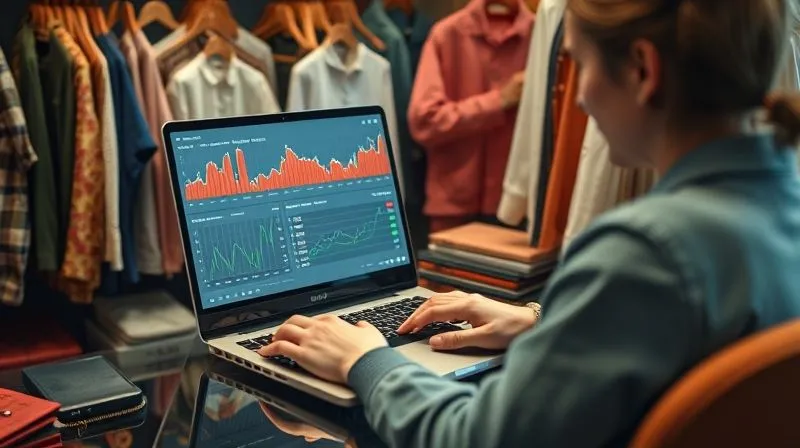
Use analytics from your own sales and market trends to inform your sourcing. What styles are selling fastest? What brands are in high demand? Tools like Google Trends, social media analytics, and even industry reports (like those from Forbes Business or similar reputable sources) can help you anticipate customer preferences, allowing you to source more strategically and reduce unsold inventory.
"Data isn't just for predicting the future; it's for understanding the past and present of consumer demand, helping you source smarter and reduce waste."
Scaling Your Ethical Vintage Business: Growth Without Compromise
As your business grows, maintaining your commitment to high-quality and ethical sourcing can become more challenging, but it’s absolutely essential. True growth means expanding your impact, not diluting your values.
Maintaining Quality and Ethics as You Grow
Growth often means larger orders and potentially new suppliers. Revisit your due diligence processes regularly. Train any new team members thoroughly on your quality assessment and ethical sourcing guidelines. Consider implementing a supplier code of conduct that all your partners must sign, reinforcing your commitment to how to reliably source high-quality vintage for resale ethically.
Here's a framework for scaling ethically:
- Document Your Standards: Create a clear, written guide for quality, authenticity, and ethical sourcing for your team.
- Regular Supplier Audits: Even if informal, periodically re-evaluate your suppliers against your documented standards.
- Invest in Training: Ensure your team can identify high-quality pieces and understand your ethical benchmarks.
- Build Redundancy: Don't rely on a single supplier for critical inventory. Diversify to mitigate risks and maintain leverage for ethical demands.
- Transparency with Customers: Continue to share your sourcing story and ethical commitments.
The Power of Storytelling: Marketing Your Ethical Edge
Your commitment to ethical sourcing is a powerful differentiator. Don't just mention it; weave it into your brand's narrative. Share stories about your sourcing trips, the care taken in selecting each piece, and the positive impact your business has. Highlight the unique history and provenance of your garments. This authentic storytelling not only attracts conscious consumers but also reinforces your own commitment to your values.
For instance, consider how your brand communicates its efforts. A simple table can compare superficial claims versus genuine ethical practices:
| Superficial Claim | Genuine Ethical Practice |
|---|---|
| We sell second-hand clothes! | We meticulously inspect each garment for quality and ethical provenance. |
| Sustainable fashion! | Our sourcing prioritizes fair labor, minimizes transport emissions, and supports local economies. |
| Eco-friendly packaging. | We use 100% recycled, compostable packaging and actively seek suppliers with similar values. |
Frequently Asked Questions (FAQ)
How do I verify a garment's authenticity without original tags or labels? Verifying authenticity without tags relies heavily on your expertise in fabric, construction, and design history. Research known design characteristics, stitching patterns, unique hardware, and typical labels of the era or designer. High-quality vintage often has superior craftsmanship that mass-produced items lack. Consulting with expert appraisers or online vintage communities can also provide valuable insights.
What's the biggest mistake new vintage resellers make in sourcing? The most common mistake is prioritizing quantity over quality or ethical considerations, often driven by the desire for low prices. This leads to an inventory of unsellable or ethically questionable items, damaging reputation and profitability. Focus on fewer, higher-quality, ethically sourced pieces that genuinely resonate with your brand.
How can I ensure fair labor practices when sourcing from developing countries? This is challenging but crucial. Request explicit documentation of fair labor policies from your suppliers. Seek suppliers who are certified by reputable third-party ethical trade organizations (e.g., Fair Trade, WRAP). If possible, conduct virtual or even in-person audits. Build long-term relationships with trusted partners who demonstrate a consistent commitment to ethical standards. Transparency is key.
Is it possible to scale an ethical vintage business without compromising values? Absolutely, but it requires deliberate strategy and robust systems. Implement clear ethical guidelines for all new suppliers, invest in training your growing team on these standards, and leverage technology for efficient, transparent tracking. Scaling ethically means growing your impact, not just your profit, by extending your values across your expanding operations.
What are the emerging trends in ethical vintage sourcing I should be aware of? Key trends include increased demand for verifiable provenance (customers want to know the story), a focus on repair and restoration to extend garment life even further, hyper-local sourcing initiatives, and the integration of blockchain technology for transparent supply chain tracking. Also, a growing interest in 'deadstock' fabric and upcycled vintage pieces.
Key Takeaways and Final Thoughts
- Ethical Sourcing is Non-Negotiable: It's the foundation of trust and long-term success in the modern resale market.
- Master Quality Assessment: Develop a keen eye for fabrics, construction, and condition to ensure high-value inventory.
- Diversify Your Channels: Explore a range of sourcing options, from estate sales to vetted wholesalers, to find unique pieces and verify ethical practices.
- Build Transparency: Document provenance and conduct thorough due diligence on all suppliers.
- Leverage Technology & Community: Use digital tools for smart sourcing and connect with other experts.
- Scale Responsibly: Grow your business by embedding ethical practices deeper into your operations, not by compromising them.
The journey to reliably source high-quality vintage for resale ethically is a continuous learning process, but it’s one of the most rewarding paths you can take in the fashion industry. By committing to these principles, you’re not just building a business; you’re contributing to a more sustainable, conscious world, one beautiful, pre-loved garment at a time. Embrace the challenge, trust your expertise, and let your values guide every decision. The future of fashion depends on it.
Recommended Reading
- 5 Steps to Source Eco-Friendly Textiles for Performance Running Gear
- Unraveling the Truth: Is Organic Cotton Truly Sustainable for Fashion?
- 7 Ethical Tactics to Boost Fashion Affiliate Profit & Build Trust
- Sweaty Feet? Discover the Best Shoe Materials for Ultimate Comfort!
- Unlock Loyalty: How to Build a Thriving Fashion Blog Reader Community



Your email address will not be published. Required fields are marked *