

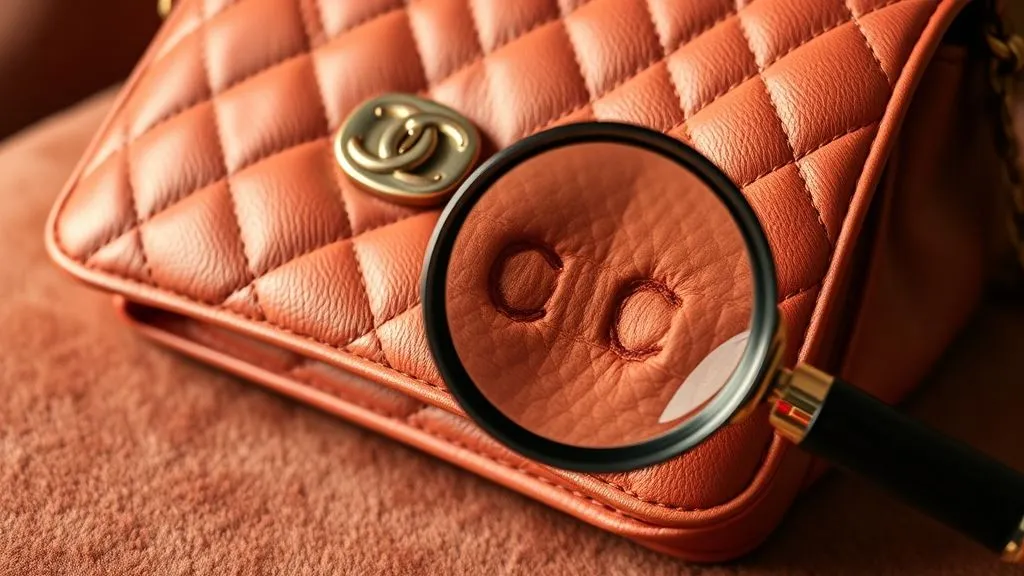
How to Authenticate Vintage Chanel Bags Without Original Papers?
For over two decades, I've navigated the intricate, often exhilarating, world of luxury fashion resale, specializing in iconic pieces like the Chanel flap bag. I've witnessed countless transformations in the market, but one constant remains: the allure of vintage Chanel. It’s an investment, a statement, and a piece of fashion history.
However, the journey to owning a true vintage Chanel often comes with a significant hurdle: the absence of original authenticity cards or receipts. This situation, though common, can trigger immense anxiety, leaving buyers vulnerable to counterfeits and questioning the legitimacy of their coveted find. The fear of investing in a fake is palpable, and rightfully so.
In this definitive guide, I will share my accumulated knowledge and the precise methodologies I've developed over years of hands-on experience. You’ll learn how to authenticate vintage Chanel bags without original papers, by meticulously examining the bag's inherent characteristics—its craftsmanship, materials, hardware, and unique identifiers. We’ll transform uncertainty into educated confidence, arming you with the expert eye needed to discern true vintage Chanel.
The Foundation: Understanding Chanel's Authentication History
Before diving into specific details, it’s crucial to grasp that Chanel’s authentication markers have evolved. What was true for a 1980s bag might differ significantly from a 1990s or early 2000s piece. This historical context is your first, often overlooked, authentication tool.
The Evolution of Serial Numbers and Holograms
Chanel began incorporating serial numbers into its bags in the mid-1980s, typically as stickers with a specific font and often covered by a protective film. These stickers evolved from opaque white with the Chanel logo to clear stickers with gold flecks and holograms, reflecting increasing efforts to combat counterfeiting.
Early serial number stickers were relatively simple, often a white sticker with black numbers. As time progressed, the sophistication grew. The addition of multi-colored specks, "CHANEL" logos, and eventually, holograms with a specific pattern, became standard. Understanding these chronological shifts is paramount. For instance, finding a hologram on a bag purportedly from the early 80s would be an immediate red flag.
Expert Insight: Never rely on just one authentication point. Counterfeiters often get one detail right, but rarely all of them. The true test of authenticity lies in the congruence of multiple, nuanced details across the entire bag.
Older vintage bags (pre-1980s) often predate the serial number system entirely. In such cases, authentication relies almost entirely on the intrinsic quality of materials, construction, and hardware, demanding an even more refined eye.
The Art of Tactile Inspection: Leather and Craftsmanship
The very first thing I do when I get my hands on a vintage Chanel bag is to feel it. The quality of materials and the precision of its construction speak volumes, often more eloquently than any paper document.
Examining the Leather: Lambskin vs. Caviar vs. Exotic
Chanel is synonymous with luxurious leather. Vintage lambskin should feel buttery soft, supple, yet resilient. It should have a subtle, natural sheen, not an overly glossy or plastic-like finish. Caviar leather, known for its pebbled texture, should feel robust and grainy to the touch, with a distinct depth to its texture. Exotic leathers, though rarer in vintage, demand an even higher level of scrutiny for their specific scale patterns and finishes.
- Lambskin: Soft, smooth, often with a slight puffiness to the quilting.
- Caviar: Durable, textured, with a distinct pebbled grain that feels substantial.
- Smell: Authentic vintage Chanel leather often retains a subtle, distinct leather aroma, not a chemical or synthetic scent.
- Aging: Genuine leather ages gracefully, developing a patina rather than cracking or flaking unnaturally.
Counterfeit leathers often feel stiff, overly processed, or have an artificial sheen. They lack the nuanced "give" and luxurious hand-feel of genuine Chanel. Pay close attention to how the leather responds to a gentle touch; it should feel alive, not inert.
Stitching Perfection: The Chanel Signature
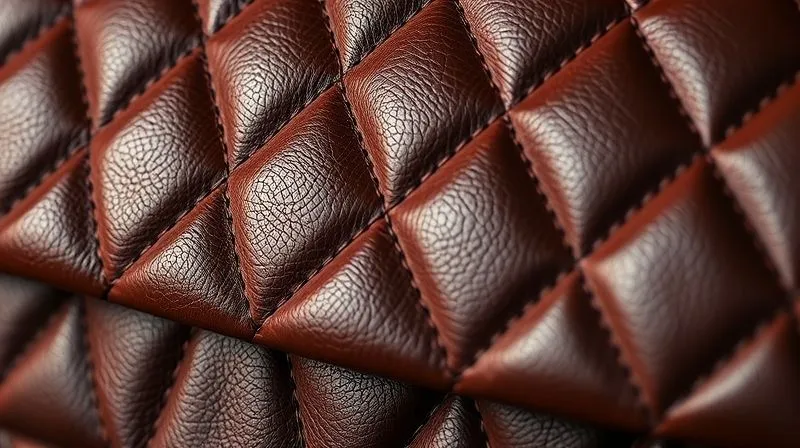
Chanel's stitching is legendary for its precision. On a classic flap bag, you should observe a high stitch count per inch—typically 10-12 stitches on each side of a diamond quilt. The stitches should be perfectly straight, evenly spaced, and tight, with no loose threads or uneven tension. The quilting patterns themselves should align perfectly across flaps and pockets, a testament to meticulous hand-craftsmanship.
Fakes often exhibit uneven stitching, fewer stitches per inch, or misaligned quilting. The points where the diamond patterns meet should create a crisp, sharp intersection, not a rounded or sloppy one. This is a detail that requires a keen eye and often, a magnifying glass.
Hardware Deep Dive: Logos, Clasps, and Zippers
Chanel hardware is not just functional; it's an integral part of the bag's aesthetic and a critical authentication point. The weight, finish, and specific engravings can reveal a bag's true origin.
The Iconic CC Lock and Turnstile Mechanism
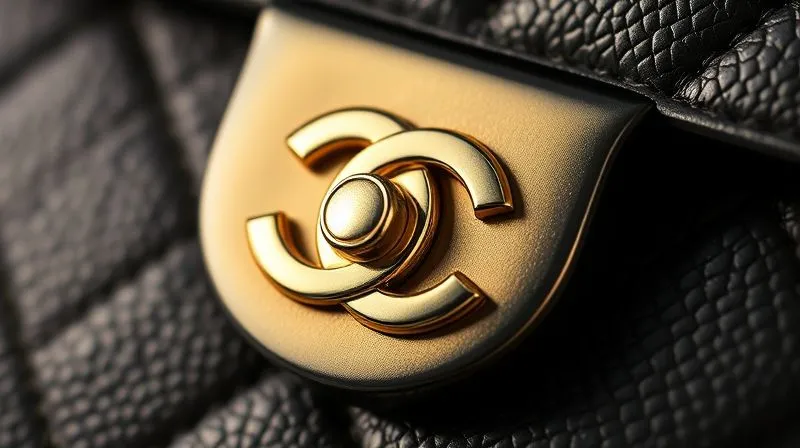
The interlocking CC logo on the front clasp is perhaps the most recognizable feature. On authentic vintage Chanel, the right C should overlap the left C at the top, and the left C should overlap the right C at the bottom. This specific overlap is consistent across almost all designs. The CCs themselves should be flat on the surface, with clean, sharp edges. The finish (24K gold plated, silver, ruthenium) should be consistent and of high quality, showing minimal signs of flaking even with age.
Examine the screws on the backplate of the lock. Vintage Chanel often uses flat-head screws, though Phillips head screws can also be found on some models, particularly later vintage pieces. The screws should be neatly installed, not stripped or haphazardly placed. The turnstile mechanism itself should operate smoothly and feel substantial.
Zipper Brands and Engravings
Chanel has used a variety of high-quality zipper manufacturers over the decades. Common vintage zipper brands include:
- Lampo: Often recognizable by the "LAMPO" engraving, sometimes with a lightning bolt symbol.
- YKK: A common and high-quality Japanese zipper, often found on older pieces.
- EP: An older zipper type, less common but present.
- riri: Another high-end zipper brand used by luxury houses.
- DMC: Used on some vintage bags, often with an "&C" logo.
- Chanel Engraved: Some zippers, especially on interior pockets, might have "CHANEL" engraved on the pull tab.
The engraving on the zipper pull should be crisp and clear, not blurry or shallow. The zipper itself should glide smoothly without snagging. Counterfeiters often use generic, low-quality zippers that feel lightweight and flimsy. The specific brand and style of zipper must align with the bag's purported era.
Internal Clues: Lining, Pockets, and Heat Stamps
While the exterior captures attention, the interior of a Chanel bag is a treasure trove of authentication details that are often overlooked by counterfeiters.
Lining Material and Construction
The lining of a vintage Chanel bag is typically either leather (often lambskin or goatskin) or a durable grosgrain fabric. The lining should fit perfectly within the bag, without any ripples, slack, or excessive stretching. The stitching on the lining should be as impeccable as the exterior, with no visible glue or raw edges. On double flap bags, the lining between the two flaps is a critical area to inspect for proper construction.
Consider the color and texture. For instance, a classic black lambskin bag will often have a burgundy leather lining, a signature Chanel detail. This consistency in material and color palette across various vintage models is a strong indicator of authenticity. The way the lining is integrated, especially around pockets and seams, should demonstrate superior craftsmanship.
Heat Stamps and "Made In" Markings
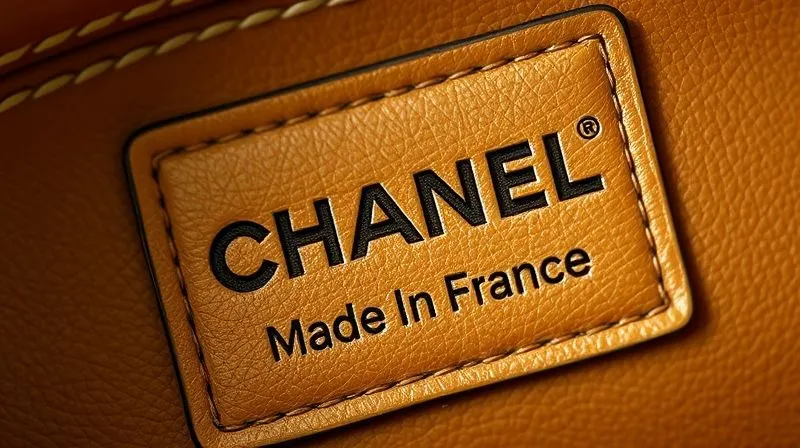
Inside the bag, usually on a leather patch or directly on the lining, you'll find the "CHANEL" heat stamp and the "Made In" marking (e.g., "Made In France" or "Made In Italy").
- Font and Spacing: The font used for "CHANEL" should be distinctive, with specific serifs and spacing. The two 'C's in "CHANEL" should have the same overlap as the CC lock (right over left at top, left over right at bottom), though this is not always as pronounced as on the hardware.
- Depth and Clarity: The stamp should be clean, clear, and evenly pressed into the leather, not shallow, blurry, or embossed with excessive pressure that distorts the surrounding material. It should not appear painted on.
- Placement: The placement of the stamp is consistent for specific models and eras. For instance, on a classic flap, it's typically centered above the interior pocket.
- Country of Origin: Chanel bags are made in France and Italy. Any other country of origin is a definite red flag. The "Made In" stamp should be consistent with the bag's overall construction quality and era.
Counterfeit stamps often have incorrect fonts, uneven pressing, or appear flimsy. This is a detail that requires familiarity with genuine Chanel stamps across different periods.
The Serial Number & Hologram Decoded (Even Without Papers)
Even without the original authenticity card, the serial number sticker itself, if present and intact, is a powerful authentication tool. Its location, appearance, and the number sequence are crucial.
Locating and Interpreting the Serial Sticker
The serial number sticker is typically found in one of a few places: inside the interior pocket, in a corner of the main compartment, or on a small leather tab. It's often covered by a clear protective tape or a specific hologram sticker. The number of digits in the serial code corresponds to the year of manufacture, ranging from 6 digits (mid-1980s) to 8 digits (early 2000s onwards).
Actionable Step: Use a flashlight and a magnifying glass to carefully examine the sticker. Look for:
- Font: The specific font of the numbers. It should be consistent and clear.
- Security Features: Depending on the era, this could include gold or rainbow flecks, "CHANEL" logos, or diagonal lines within the sticker.
- "X" Cut: Many authentic stickers have an "X" cut through them to prevent removal and reattachment, though this isn't universally present on all vintage pieces.
- Peel Test: Gently try to peel a corner. An authentic sticker is designed to disintegrate or be extremely difficult to remove cleanly.
If the sticker is missing, don't despair. While it removes a key piece of evidence, many older authentic bags have lost their stickers over time due to wear and tear. This is where the confluence of all other details becomes even more critical.
The Hologram: A Micro-Security Feature
Later vintage Chanel bags (from the early 90s onwards) feature a hologram element over or integrated into the serial sticker. This hologram evolves over time, displaying different patterns, such as the CC logo, camellias, or specific numerical sequences that interact with light. It should be securely affixed and show intricate, detailed patterns that are difficult to replicate. Fakes often have blurry, simplified, or easily removable holograms.
Here's a general guide to serial number digits and their corresponding production years:
| Serial Digits | Approx. Year Range | Hologram/Sticker Notes |
|---|---|---|
| 6-digit | 1984-1990 | Opaque white sticker, no hologram. 'CHANEL' logo sometimes present. |
| 7-digit | 1991-1999 | Clear sticker with gold specks, 'CHANEL' logo. Hologram introduced mid-90s. |
| 8-digit | 2000-2005 | Clear sticker with gold/rainbow flecks, 'CHANEL' logo, often with an 'X' cut. |
This table provides a generalized overview. Exact year ranges can vary slightly, and overlapping designs are common during transition periods.
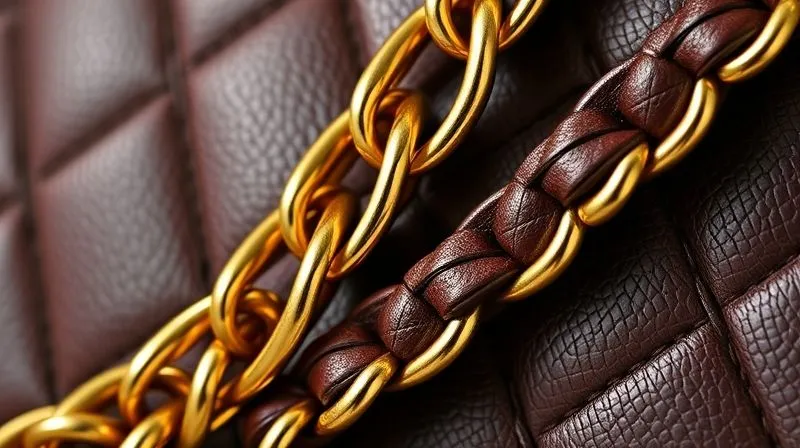
Chain Straps and Interwoven Leather: A Closer Look
The iconic chain strap with interwoven leather is another hallmark of a Chanel bag, and its construction offers vital authentication clues.
Weight, Feel, and Link Construction
Authentic Chanel chains, especially those that are gold-plated, feel substantial and weighty in your hand. They should not feel flimsy or hollow. The links are typically soldered closed (though some very early vintage may have open links). The plating should be even and durable, not easily flaking or showing signs of cheap coating.
For gold-plated chains, you might observe a subtle "24K" stamp on a link or clasp on some vintage pieces, though this is not universal. The way the chain moves should be fluid, without stiffness or excessive jingling that suggests loose construction.
The Interwoven Leather: Precision and Material
The leather interwoven through the chain links should be of the same high quality as the bag's exterior (lambskin or caviar). It should be tightly and neatly woven, with no loose ends, fraying, or uneven tension. The leather should feel consistent and plush. Counterfeit bags often feature synthetic, flimsy, or poorly woven leather in the chain, or even a different type of leather than the bag itself.
Actionable Step: Gently pull on the interwoven leather. It should feel secure and integrated with the chain, not easily pulled out or shifted. The ends of the leather should be neatly tucked and finished, not raw or glued haphazardly.
The Bag's Overall Silhouette and Structure
Beyond individual components, the overall impression and structural integrity of a vintage Chanel bag are critical indicators of authenticity.
Shape Retention and Symmetry
A genuine vintage Chanel bag, even after decades, should largely retain its original structured silhouette. The quilting should be plump and symmetrical, especially on the front flap. The corners of the bag should be well-defined, and the overall shape should be balanced. Fakes often sag, lose their shape easily, or exhibit asymmetrical quilting and flaps that don't align perfectly when closed.
The way the bag sits, the balance when held—these subtle cues are often difficult for counterfeiters to replicate. Genuine Chanel bags have an inherent structural integrity that speaks to superior internal construction.
Case Study: The Rescued Classic Flap
I recall a client, Sarah, who found a stunning vintage Chanel Maxi Flap online. It was a beautiful piece, but the seller had no papers, and Sarah was understandably hesitant. We meticulously went through each step I've outlined above. The lambskin was soft yet structured, the quilting perfectly aligned, the CC lock had the correct overlap and robust feel, and the Lampo zipper glided smoothly. Crucially, the 7-digit serial sticker, though faded, was intact and matched the bag’s purported 1990s era, featuring the correct gold flecks and "CHANEL" logo. The stitching count was high, and the interwoven leather on the chain was tight and supple.
By applying these detailed inspection techniques, we confidently confirmed its authenticity. Sarah purchased the bag and now cherishes a genuine piece of fashion history, secured not by a flimsy paper card, but by the undeniable quality and specific hallmarks of its craftsmanship. This experience underscores that with the right knowledge, the absence of papers is merely a challenge, not a barrier, to authentication.
Seeking External Validation: When to Consult an Expert
While this guide empowers you with significant knowledge, there are times when an independent, professional opinion is invaluable. Especially for high-value pieces or when multiple red flags emerge, external validation provides an extra layer of confidence.
Leveraging Professional Authentication Services
Several reputable third-party authentication services specialize in luxury goods. Companies like Entrupy, Real Authentication, or Authenticate First use a combination of AI, microscopy, and expert human review to verify authenticity. They often provide a certificate of authenticity, which can be invaluable for resale or insurance purposes. I often recommend these services for clients who are still uncertain or who need official documentation.
For example, The RealReal's authentication process is rigorous, employing dozens of experts across various categories, ensuring a multi-point inspection that goes beyond surface-level assessment. Their detailed approach highlights the complexity and depth required for true luxury authentication.
Community Forums and Knowledge Bases
Online communities like PurseForum have dedicated authentication threads where experienced members offer opinions based on shared knowledge. While these can be helpful for initial insights, they should always be approached with caution. Opinions are subjective, and without hands-on inspection, definitive answers are impossible. Use these as supplementary resources, not primary authentication methods. For deeper historical dives into luxury brands, sites like The Business of Fashion often publish insightful articles on brand heritage and manufacturing practices, offering contextual understanding.
Remember, the goal is to gather as much evidence as possible. Combine your newfound expertise with the insights of established platforms and, if necessary, professional authenticators. This holistic approach is the most robust way to ensure you're buying a genuine vintage Chanel.
Frequently Asked Questions (FAQ)
Question: Can a Chanel bag be authentic without a serial number/hologram? Yes, absolutely. Bags manufactured before the mid-1980s predate the serial number system. In these cases, authentication relies entirely on the quality of craftsmanship, materials, hardware, and specific design elements consistent with the era. It requires a highly trained eye, as these bags are often rarer and can be more challenging to authenticate.
Question: Are there specific details for really old (pre-80s) Chanel bags? For pre-80s bags, look for details like specific zipper brands (e.g., Eclair, Talon), different interior lining materials (sometimes thicker canvas or specific silks), and variations in the CC lock design (some early CCs had slightly different proportions or screw types). The leather quality, stitching density, and overall structural integrity remain paramount. Researching specific collections from those decades is key.
Question: How much variance should I expect in vintage Chanel craftsmanship? While Chanel is known for perfection, minor variances can exist, especially in bags handmade decades ago. These might include slight differences in stitch count or very subtle shifts in leather grain. However, significant inconsistencies, asymmetry, loose threads, or cheap-feeling hardware are always red flags. The variance should be within the bounds of high-end, hand-finished luxury, not indicative of mass-produced flaws.
Question: What if the serial number sticker is damaged or missing? If the sticker is damaged or missing, it means you cannot rely on that specific identifier. You must then place even greater emphasis on all other authentication points: leather quality, stitching, hardware details, heat stamps, chain construction, and overall silhouette. Many genuine vintage bags have lost their stickers over time, so its absence alone isn't proof of a fake, but it heightens the need for a thorough inspection of other elements.
Question: Is it safe to buy vintage Chanel from online marketplaces? It can be, but with extreme caution and due diligence. Always scrutinize seller reviews, request extensive photos (including close-ups of all authentication points), and inquire about return policies. Prioritize marketplaces that offer buyer protection or integrated authentication services. Never rush a purchase, and if a deal seems too good to be true, it almost certainly is. For further reading on safe luxury purchases, consider articles from reputable sources like Forbes Advisor on luxury shopping.
Key Takeaways and Final Thoughts
Navigating the world of vintage Chanel without original papers can feel like a daunting task, but as I’ve shown, it's entirely achievable with the right knowledge and a meticulous approach. My journey through countless authentication challenges has taught me that the bag itself holds all the answers, embedded within its very fibers and finishes.
- Become an Observer: Train your eye to spot the subtle nuances in leather, stitching, and hardware that differentiate genuine craftsmanship from imitation.
- Understand the History: Familiarize yourself with Chanel's production timelines and authentication marker evolutions to contextualize your findings.
- Trust Your Instincts: If something feels off, it probably is. Don't let excitement override critical assessment.
- Leverage All Clues: No single detail authenticates a bag; it's the convergence of many consistent details that confirms its legitimacy.
- Don't Hesitate to Seek Expert Help: For peace of mind or for high-value items, professional authenticators are an invaluable resource.
Embrace the journey of discovery that comes with authenticating vintage Chanel. It's an opportunity to connect with the brand's legacy on a deeper level, understanding the artistry and precision that makes these bags so enduringly desirable. With these expert insights, you are now equipped to confidently authenticate vintage Chanel bags without original papers, ensuring your next cherished acquisition is truly authentic. Continue to explore the rich history of luxury fashion to deepen your expertise; a great starting point is exploring Vogue's fashion history archives.
Recommended Reading
- Unlock Enduring Professional Impact: 7 Strategic Luxury Fashion Investments
- The Ultimate Guide: What to Know Before Buying a Vintage Wedding Dress?
- Unlock the Secrets: How to Create Dramatic Fashion Photography Lighting Outdoors?
- The Ultimate Guide: How to Store Handmade Jewelry to Prevent Damage?
- 7 Pillars: How to Assemble a Power Wardrobe for High-Stakes Meetings




Your email address will not be published. Required fields are marked *