

How to Assemble a Power Wardrobe for High-Stakes Meetings?
For over 15 years in the fashion and corporate styling industry, I've observed countless professionals step into high-stakes environments, some exuding undeniable confidence and authority, others, despite their intellect, seemingly fading into the background. The difference, more often than not, wasn't just in their words or proposals, but in the silent language of their attire. I've seen promising deals falter and career advancements stall, not from a lack of skill, but from a misread visual cue.
The pain point is palpable: you know you're capable, you've done the work, but when you walk into that critical meeting—be it with investors, the board, or potential clients—there's a nagging doubt about whether your appearance truly reflects your competence. In these moments, every detail counts, and your wardrobe, far from being a superficial concern, becomes a strategic asset or a glaring liability. It's about more than just looking 'nice'; it's about projecting an image of power, trustworthiness, and meticulous attention to detail.
This definitive guide will cut through the noise, offering you a clear, actionable framework on how to assemble a power wardrobe for high-stakes meetings. We'll delve into the psychology behind sartorial choices, dissect the core components of executive attire, and equip you with the insights to craft an image that not only commands respect but actively contributes to your success. Prepare to learn not just what to wear, but *why* it matters, transforming your approach to professional dressing from an obligation into a powerful strategic tool.
Understanding the Psychology of Power Dressing
The clothes we choose are far more than mere coverings; they are a potent form of non-verbal communication, influencing how others perceive us and even how we perceive ourselves. In high-stakes meetings, where first impressions are often lasting, this psychological impact is amplified. I've seen individuals literally transform their demeanor the moment they put on a perfectly tailored suit, embodying a sense of gravitas that wasn't as apparent moments before.
Research consistently backs this observation. A landmark study published in the journal Psychological Science found that participants wearing formal business attire performed better on cognitive tests, suggesting that dressing smartly can actually enhance abstract thinking. Similarly, a study by Princeton researchers revealed that people make judgments about trustworthiness, competence, and aggression within a mere 100 milliseconds of seeing a face. Your attire plays a significant role in shaping these rapid assessments, often before you've even uttered a single word. It’s about signaling your respect for the occasion, for the people you’re meeting, and for yourself.
In the arena of high-stakes negotiations and presentations, your wardrobe acts as your personal brand ambassador, silently communicating your professionalism, attention to detail, and readiness to lead. Neglect it at your peril.
When you dress with intention, you tap into this psychological power. You project an image of authority, confidence, and seriousness, which can subtly influence the dynamics of the meeting in your favor. Moreover, the act of 'dressing for success' can create a positive feedback loop, boosting your own self-assurance and mental preparedness. It's not about vanity; it's about strategic self-presentation.
The Core Components: Building Your Foundation
Building a power wardrobe isn't about accumulating a vast collection of trendy items; it's about curating a foundation of high-quality, versatile pieces that exude professionalism and command respect. Think of it as investing in your professional toolkit. In my experience, focusing on quality over quantity is paramount, as well-made garments not only look better but also last longer, offering a better return on your investment.
- The Tailored Suit: This is the cornerstone. For men, a two or three-piece suit in classic colors (navy, charcoal grey) is indispensable. For women, a perfectly fitted suit (skirt or pant suit) or a sharp blazer paired with matching trousers or a pencil skirt offers the same level of authority. The fit is non-negotiable; it must be impeccable.
- High-Quality Shirts/Blouses: Crisp white or light blue shirts are timeless for men. For women, silk blouses, tailored cotton shirts, or sophisticated knit tops in neutral tones provide versatility and elegance. Ensure they are always pristine and wrinkle-free.
- Dress Trousers/Skirts: Beyond the suit, having additional well-fitting dress trousers or skirts in complementary colors allows for mixing and matching, extending your wardrobe's utility. Look for fabrics with a good drape and minimal creasing.
- The Power Blazer: Even when a full suit isn't required, a standalone, impeccably tailored blazer in a neutral color can instantly elevate an outfit, adding structure and authority to business casual ensembles.
- Quality Outerwear: A classic trench coat or a sophisticated wool overcoat completes the look, especially in colder climates. It's the first and last impression you make when entering and leaving a building.
These foundational pieces are designed to be interchangeable, allowing you to create multiple powerful outfits from a relatively small collection. It’s about strategic selection, not excessive spending.
| Item Category | Investment Priority | Key Benefit |
|---|---|---|
| Essential Power Wardrobe | High | Projects authority & professionalism |
| Non-Essential Trendy Items | Low | Adds personal flair but less versatile |
| Foundational Accessories | Medium | Refines the overall look & adds polish |
Strategic Color Play and Fabric Choices
Colors and fabrics are powerful, often subconscious, communicators. When you're learning how to assemble a power wardrobe for high-stakes meetings, understanding their impact is crucial. Certain colors evoke specific psychological responses, while fabric quality signals attention to detail and a commitment to excellence.
The Psychology of Color in Professional Settings
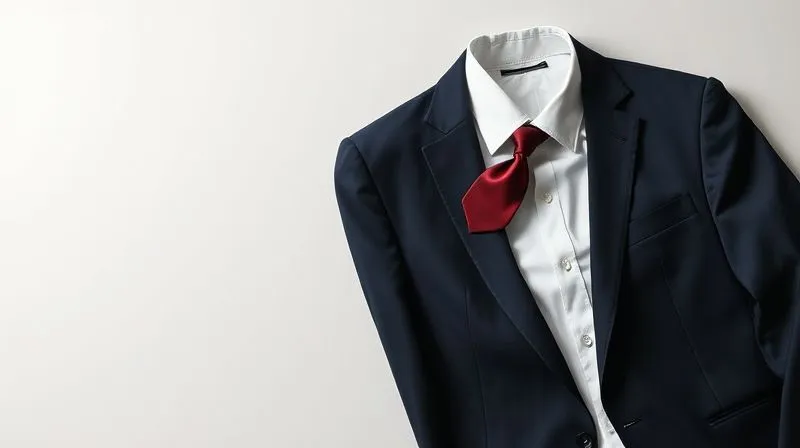
- Navy Blue: Often considered the most authoritative and trustworthy color. It's less aggressive than black but conveys stability and confidence. An excellent choice for suits and blazers.
- Charcoal Grey: Sophisticated, mature, and versatile. It projects professionalism and seriousness without being overly stark.
- Black: The ultimate power color, signaling formality, elegance, and authority. Best reserved for very formal or high-level meetings, or as an accent color.
- White/Light Blue: Crisp, clean, and signals clarity, honesty, and freshness. Ideal for shirts and blouses.
- Muted Tones (Burgundy, Forest Green, Deep Plum): Can be used for subtle accents in ties, scarves, or a single garment to add depth and personality without detracting from professionalism.
Avoid overly bright or distracting colors, as they can shift focus from your message to your attire. The goal is to enhance your presence, not overshadow it.
Choosing Fabrics for Impact and Comfort
The drape, texture, and feel of your clothing significantly contribute to its perceived quality. Natural fibers are almost always superior for professional wear.
- Wool: The gold standard for suits and blazers. It breathes well, resists wrinkles, and drapes beautifully. Look for worsted wool for a smooth finish.
- Silk: Excellent for blouses, ties, and scarves. It has a luxurious sheen and soft feel, adding a touch of elegance.
- High-Quality Cotton: Ideal for shirts. Look for Egyptian or Pima cotton for superior softness and durability. Avoid thin, easily wrinkled cottons.
- Blends: Modern blends can offer wrinkle resistance and comfort, but ensure the primary fiber is natural and the blend doesn't look synthetic or cheap.
Fabric choice also impacts comfort, which in turn affects your confidence. Uncomfortable clothing can be a distraction, so prioritize materials that feel good and allow for ease of movement.
Accessorizing for Impact: Beyond the Basics
Accessories are the finishing touches that can elevate a strong outfit into an unforgettable power statement. They demonstrate attention to detail and can subtly reinforce your personal brand. However, the key is restraint and quality. In my career, I’ve seen that a few well-chosen, high-quality accessories speak volumes more than a multitude of flashy, inexpensive items.
- The Watch: A classic, understated watch is a powerful statement piece. It signals punctuality, reliability, and a respect for time. For men, a leather strap or metal bracelet in silver or gold. For women, similar options or a delicate, elegant design.
- Quality Shoes: Invest in polished, comfortable dress shoes. For men, Oxfords or loafers in black or dark brown. For women, closed-toe pumps or elegant flats in black, navy, or nude. Ensure they are always clean and well-maintained. Scuffed shoes can ruin an otherwise perfect ensemble.
- Belts: For men, the belt should match your shoes in color and finish. For women, a subtle belt can define the waist and add polish.
- Ties/Scarves: For men, a silk tie in a subtle pattern or solid color that complements your suit. For women, a silk scarf can add a touch of color and sophistication, tied elegantly or draped.
- Briefcase/Bag: A structured, high-quality leather briefcase or professional handbag completes the look. It should be functional, elegant, and reflect your professional stature. Avoid overly casual or worn-out bags.
- Jewelry: Keep it minimal and elegant. For men, cufflinks (if applicable) and a wedding band. For women, subtle earrings, a classic necklace, or a single ring. Avoid anything noisy, overly large, or distracting.
Case Study: How Sarah Secured Funding with Strategic Accessories
Sarah, a brilliant tech startup founder, was preparing for a crucial Series A funding pitch. Her initial wardrobe was competent but lacked a certain polish. Working together, we focused on refining her accessories. We swapped her everyday tote for a structured leather portfolio, selected a timeless gold watch, and chose a pair of sleek, black leather pumps. During her pitch, she commanded the room, and later, one of the investors remarked on her 'impeccable presentation,' noting that 'every detail felt intentional.' Sarah secured the funding, demonstrating that sometimes, the smallest details make the biggest impact in a high-stakes scenario.
This case highlights that accessories are not an afterthought but an integral part of your power wardrobe. They are subtle cues that signal your professionalism and attention to detail, reinforcing your overall message of competence and trustworthiness.
Tailoring and Fit: The Unsung Hero of Professionalism
If there's one piece of advice I could engrave into every professional's mind when considering how to assemble a power wardrobe for high-stakes meetings, it would be this: fit is everything. You could wear the most expensive designer suit, but if it doesn't fit correctly, it will undermine your entire presentation. Conversely, a moderately priced garment, perfectly tailored, can look incredibly sophisticated and expensive.
An ill-fitting suit or dress can make you look sloppy, uncomfortable, or even as if you don't pay attention to details—qualities you absolutely want to avoid projecting in a high-stakes environment. Sleeves that are too long, trousers that bunch at the ankles, or a jacket that pulls across the shoulders all detract from your authority and focus. According to fashion expert Tim Gunn, 'The right fit is the foundation of good style. It's the difference between looking sharp and looking like you borrowed your clothes.' This principle is non-negotiable.
A perfectly tailored garment doesn't just fit your body; it fits your ambition, allowing you to move with confidence and project an image of effortless competence. Never underestimate the power of a good tailor.
Here are the key areas where a tailor can make an immense difference:
- Shoulder Fit: For jackets and blazers, the shoulder seam should sit precisely where your shoulder ends. This is the most difficult area to alter significantly, so it's critical when purchasing.
- Sleeve Length: For men, jacket sleeves should end where your wrist bone meets your hand, allowing about a quarter to half an inch of shirt cuff to show. For women, blazer sleeves typically end at the wrist.
- Pant Length/Break: Trousers should have a slight 'break' (a small fold of fabric) at the top of your shoe for a classic look, or no break for a more modern, streamlined aesthetic. Skirts should ideally hit at or just below the knee for a professional look.
- Waist and Torso: Jackets should button comfortably without pulling, and trousers/skirts should fit well at the waist without gaping or requiring a belt to hold them up.
- Dress Length: For women's dresses, the hemline should be appropriate for a professional setting, generally around the knee or midi-length.
Don't view tailoring as an extra cost, but as an essential investment that maximizes the impact of your wardrobe. It’s the secret weapon of truly well-dressed individuals. Find a reputable local tailor and build a relationship; they will become an invaluable asset in your professional journey. For more insights on the importance of fit, you can explore resources like Forbes' insights on first impressions.
Navigating Dress Codes and Cultural Nuances
Understanding the specific dress code of your meeting or organization, along with any cultural nuances, is paramount to avoiding sartorial missteps. What constitutes a 'power wardrobe' can vary slightly depending on the industry, company culture, and geographical location. I always advise my clients that the best power wardrobe is one that is both authoritative and appropriate.
Decoding Common Dress Codes
- Business Formal: This is the highest level of professional dress. Think dark suits (navy, charcoal, black) for men, with white shirts and conservative ties. For women, tailored pant or skirt suits, or formal dresses, often in dark, solid colors. This is for board meetings, high-level negotiations, or very traditional industries.
- Business Professional: Slightly less rigid than formal, but still highly polished. Men might wear a suit with a broader range of shirt and tie colors/patterns. Women might opt for a sophisticated dress with a blazer, or separates like tailored trousers and a silk blouse.
- Business Casual: This is where it gets tricky, as 'casual' is subjective. It typically means no jeans, t-shirts, or sneakers. For men, blazers, dress shirts (ties optional), chinos or dress pants. For women, tailored blouses, sweaters, dress pants, or skirts. Always err on the side of being slightly overdressed rather than underdressed in high-stakes situations.
Always do your homework. A quick search of the company's website, LinkedIn profiles of attendees, or a discreet inquiry can provide valuable clues about the expected attire. When in doubt, it’s safer to lean towards business professional.

Cultural Sensitivity in Dressing
Global business demands cultural awareness. What's acceptable in one country might be considered inappropriate in another. For example:
- Modesty: In some cultures, exposed shoulders, bare legs, or tight-fitting clothing might be seen as unprofessional or disrespectful.
- Colors: Certain colors can carry specific meanings or symbolism in different cultures. Research this if you're engaging in international meetings.
- Religious Considerations: Be mindful of religious attire or symbols that may be present or expected.
When traveling internationally for high-stakes meetings, a consult with a local contact or cultural expert can be invaluable. Your clothing should facilitate connection, not create barriers. Remember, respect is the ultimate accessory.
The "Power Wardrobe" Capsule: Efficiency and Versatility
A 'power wardrobe' capsule is a curated collection of versatile, interchangeable clothing items that can be mixed and matched to create numerous professional outfits suitable for any high-stakes scenario. This approach emphasizes efficiency, reduces decision fatigue, and ensures you always have a polished, appropriate ensemble ready. It's about working smarter, not harder, when it comes to your professional image.
Building a capsule wardrobe requires intentionality. It's not about having fewer clothes, but having the *right* clothes. The focus is on classic silhouettes, neutral colors, and high-quality fabrics that stand the test of time and transcend fleeting trends. This strategy is particularly effective for busy professionals who need to maximize their impact with minimal effort.
- Identify Your Core Needs: Consider the types of meetings you attend most frequently and the level of formality required.
- Choose a Primary Color Palette: Select 2-3 neutral base colors (e.g., navy, charcoal, black, beige) that form the backbone of your suits, blazers, and trousers/skirts.
- Select Complementary Accent Colors: Choose 1-2 accent colors (e.g., white, light blue, burgundy, forest green) for shirts, blouses, ties, or scarves that pair well with your base colors.
- Invest in Key Pieces: Purchase 2-3 well-fitting suits/blazers, 3-5 quality shirts/blouses, 2-3 pairs of tailored trousers/skirts, and 1-2 professional dresses.
- Curate Accessories: Select 1-2 pairs of high-quality shoes, a versatile watch, a professional bag, and minimal, elegant jewelry/ties.
- Regular Review: Periodically assess your capsule, replacing worn items and ensuring everything still aligns with your professional goals.
The beauty of a capsule is its inherent versatility. A navy blazer can be worn with matching trousers for a suit, or paired with grey trousers for a smart separate look. A white shirt works with any suit color. This strategic approach to dressing ensures you are always prepared, projecting an image of calm competence, even when under pressure.
| Item | Quantity | Versatility |
|---|---|---|
| Tailored Navy Suit | 1 | High (full suit, separates) |
| Tailored Charcoal Suit | 1 | High (full suit, separates) |
| Crisp White Shirts/Blouses | 2-3 | Highest (pairs with everything) |
| Light Blue Shirts/Blouses | 1-2 | High (classic professional) |
| Tailored Black Dress/Skirt | 1 | High (can be dressed up or down) |
| Leather Dress Shoes (Black) | 1 | Highest (essential) |
| Professional Watch | 1 | High (timeless statement) |
Maintaining Your Image: Care and Presentation
As a seasoned industry expert, I can tell you that even the most expensive, perfectly tailored power wardrobe loses its impact if it's not meticulously maintained. Your clothes are an investment, and proper care ensures they continue to project the polished, authoritative image you intend. A wrinkled shirt, scuffed shoes, or a stained blazer can instantly undermine your credibility, regardless of the quality of the garment.
Key Aspects of Wardrobe Maintenance
- Regular Cleaning: Follow garment care labels diligently. Dry clean suits and delicate items professionally. Launder shirts and blouses promptly. Stains should be treated immediately.
- Ironing/Steaming: Ensure all garments are wrinkle-free. A handheld steamer is an excellent investment for quick touch-ups and preserving fabric integrity. A crisp, pressed outfit signals attention to detail.
- Shoe Care: Polish your leather shoes regularly. Keep them clean and free of scuffs. Consider shoe trees to maintain their shape and absorb moisture. Your footwear is often one of the first things noticed.
- Proper Storage: Hang suits and blazers on wide, shaped hangers to maintain their structure. Fold knitwear to prevent stretching. Keep clothes in a clean, dry environment.
- Grooming and Personal Hygiene: This extends beyond your clothes. Ensure your hair is neatly styled, nails are clean and trimmed, and any fragrance is subtle and not overpowering. A well-groomed appearance complements your power wardrobe, creating a cohesive impression of professionalism.
The subtle details of your presentation speak volumes. A polished appearance communicates that you are organized, thorough, and respectful of the occasion. It reinforces the message that you bring the same level of care and precision to your work as you do to your personal presentation. For expert tips on garment care and extending the life of your professional wardrobe, consider consulting guides from reputable sources like Good Housekeeping's clothing care tips.
Perguntas Frequentes (FAQ)
Pergunta? Is it always necessary to wear a full suit for high-stakes meetings, or can I opt for separates?
Resposta detalhada: While a full, well-tailored suit remains the gold standard for projecting maximum authority in the most formal high-stakes environments, it's not always strictly 'necessary.' The key is to assess the specific context: the industry, company culture, and the nature of the meeting. In some tech or creative industries, a sharp blazer paired with tailored trousers or a sophisticated skirt and blouse can convey equal power and professionalism, especially if it aligns with the expected business professional or elevated business casual dress code. The critical factor is that the separates must be impeccably tailored, of high quality, and perfectly coordinated to create a cohesive, intentional look. When in doubt, it's always safer to lean towards a full suit for initial meetings or highly conservative settings.
Pergunta? How can I express my personal style while still adhering to a professional power wardrobe?
Resposta detalhada: Expressing personal style within a power wardrobe is absolutely possible and even encouraged, as it can make your look more authentic and memorable. The trick is to do so subtly and strategically. This can be achieved through your choice of accessories: a distinctive watch, a unique tie or scarf pattern (within conservative limits), elegant cufflinks, or a statement piece of jewelry that isn't distracting. You can also play with textures in your fabrics, or opt for a less common but still professional color for a shirt or blouse. The goal is to infuse your personality without compromising the core message of professionalism and authority. Think of it as adding a 'signature' rather than a complete overhaul of the classic framework.
Pergunta? What's the biggest mistake people make when trying to assemble a power wardrobe?
Resposta detalhada: In my extensive experience, the single biggest mistake is neglecting the importance of fit and tailoring. People often invest in expensive brands or high-quality fabrics, only to wear garments that are too big, too small, or simply ill-proportioned for their body shape. An expensive, ill-fitting suit looks cheaper and less professional than a moderately priced suit that has been expertly tailored to perfection. The second common mistake is prioritizing trends over timelessness and quality, leading to a wardrobe that quickly feels dated and lacks true authority. Always prioritize a flawless fit and classic, high-quality pieces.
Pergunta? Are there any specific fabrics or materials I should avoid in a high-stakes meeting?
Resposta detalhada: Yes, absolutely. For high-stakes meetings, you should generally avoid fabrics that are prone to wrinkling easily (like some linens or very thin cottons), overly casual materials (denim, jersey, fleece), or anything that looks synthetic or cheap (shiny polyesters). Fabrics that are too sheer, too tight, or overly revealing are also unsuitable. The goal is to project a polished, composed image, and fabrics that look unkempt or unprofessional will detract from that. Stick to quality wools, silks, and fine cottons that drape well and maintain their structure throughout the day.
Pergunta? How often should I update my power wardrobe?
Resposta detalhada: A well-built power wardrobe, focused on timeless classics and quality construction, doesn't require frequent 'updating' in the trendy sense. Instead, think of it as ongoing maintenance and strategic replacement. You should replace items when they show significant wear and tear (frayed cuffs, worn elbows, faded colors), no longer fit well, or no longer align with your professional image. This might mean replacing a suit every 3-5 years, or shirts more frequently. The core pieces should remain consistent, allowing you to refresh your look with new accessories or a seasonal accent piece. The emphasis is on longevity and sustained excellence, not chasing fleeting fashion cycles. You can find more comprehensive advice on executive presence and leadership communication from sources like Harvard Business Review.
Principais Pontos e Considerações Finais
As we conclude this deep dive into how to assemble a power wardrobe for high-stakes meetings, remember that your attire is a critical component of your overall professional strategy. It’s not about superficiality; it’s about strategic communication, enhancing your executive presence, and reinforcing your competence before you even speak. The principles we’ve discussed are timeless and applicable across industries, designed to empower you to walk into any room with undeniable confidence.
- Invest in Quality, Prioritize Fit: High-quality fabrics and impeccable tailoring are the bedrock of a powerful image.
- Understand Color Psychology: Leverage classic colors like navy, charcoal, and black to convey authority and trustworthiness.
- Accessorize with Intent: Choose understated, high-quality accessories that add polish without distracting.
- Decipher Dress Codes: Always research and respect the specific professional and cultural context of your meeting.
- Embrace the Capsule Concept: Build a versatile wardrobe of interchangeable pieces for maximum efficiency and impact.
- Maintain Meticulously: A pristine, well-cared-for wardrobe speaks volumes about your attention to detail.
Your power wardrobe is an extension of your professional self – a silent advocate for your capabilities and aspirations. By consciously curating and maintaining it, you not only elevate your external image but also fortify your internal confidence, enabling you to focus entirely on the substance of your high-stakes interactions. Go forth, dress with purpose, and command every room you enter. Your success deserves nothing less. For further reading on leadership and impactful communication, consider exploring resources from Inc.com on Executive Presence.
Recommended Reading
- Authenticating Pre-Owned Luxury Handbags: The Ultimate Guide
- Clean Suede Shoes Like a Pro: Avoid Ruining Them! Here's How
- 7 Key Challenges in 3D Body Scanning for Custom Fit & How to Overcome Them
- Menswear Style Tips for Short Men: Look Taller Instantly!
- Boost Your Tee Drops: 7 Proven Ways to Ignite Streetwear Hype Now




Your email address will not be published. Required fields are marked *