


How to strategically invest in luxury fashion for enduring professional impact?
For over two decades in the luxury fashion industry, I've had a front-row seat to the transformative power of strategic dressing. I’ve observed countless individuals, from aspiring executives to seasoned leaders, navigate the intricate dance between personal style and professional ambition. What I've consistently seen is that true professional impact isn't just about what you do, but also how you present yourself – and in this sophisticated arena, luxury fashion, approached strategically, can be an unparalleled asset.
The common misconception is that luxury fashion is merely about extravagance, fleeting trends, or ostentatious labels. This limited view often leads professionals to either dismiss it entirely or make impulsive, financially draining purchases that yield little long-term value. The real problem lies in a lack of understanding regarding how to harness luxury as a tool for gravitas, credibility, and a silent yet powerful projection of your personal brand.
This definitive guide will transform your perspective, offering not just advice, but a robust framework for building a purposeful luxury wardrobe that amplifies your professional presence and significantly contributes to your long-term career trajectory. We'll delve into actionable strategies, draw upon real-world insights, and equip you with the discernment needed to make investments that truly endure and impact.
Beyond Brand Names: Defining True Luxury Investment
Before we discuss ‘how’ to invest, we must first clarify ‘what’ constitutes a true luxury investment. In my experience, it's far more than a price tag or a prominent logo. True luxury, when viewed through the lens of professional impact, embodies a confluence of attributes that transcend fleeting trends and deliver enduring value.
- Exceptional Craftsmanship: This is the bedrock. It involves meticulous attention to detail, traditional techniques, and often, hand-finishing by artisans. Think of the perfect seam, the balanced drape of a fabric, or the flawless stitching on a leather good.
- Timeless Design: Investment pieces are not dictated by seasonal whims. They possess classic silhouettes, neutral palettes, and an aesthetic that remains relevant and elegant across years, even decades. They are the antithesis of fast fashion.
- Superior Materials: From the finest cashmere and merino wool to supple full-grain leather and ethically sourced silks, the quality of raw materials is paramount. These materials not only look and feel exquisite but are also designed for longevity.
- Durability and Longevity: A true luxury investment piece is built to last. It withstands the rigors of frequent wear, maintaining its shape, color, and integrity. This durability underpins its long-term value and reduces the need for constant replacement.
- Ethical and Sustainable Production: Increasingly, true luxury brands are also leaders in ethical labor practices and environmental stewardship. Investing in such brands aligns your personal values with your professional presentation, adding another layer of authenticity.
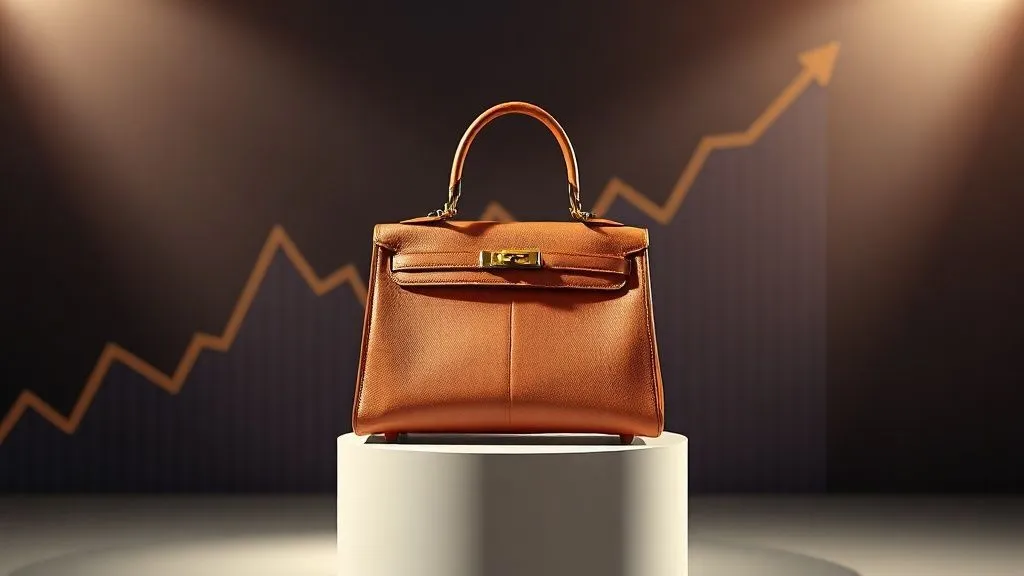
- Resale Value: While not the primary driver, the ability of a luxury item to retain a significant portion of its value in the secondary market speaks volumes about its inherent quality and timeless appeal.
“The true cost of an item is not its purchase price, but its cost per wear, multiplied by its impact on your professional narrative. Invest in quality that elevates, not just consumes.”
Understanding these characteristics shifts luxury from a frivolous expense to a calculated strategic asset. It’s about acquiring pieces that contribute to your professional gravitas, not just your personal pleasure.
The Psychology of Power Dressing: Why It Matters More Than You Think
Our attire is a powerful form of non-verbal communication. In the professional realm, it speaks volumes before you even utter a single word. This isn't superficial; it's deeply rooted in psychology and human perception.
Firstly, there's the concept of ‘enclothed cognition’. Pioneering research, such as the study published in the Journal of Experimental Social Psychology by Hajo Adam and Adam Galinsky, suggests that the clothes we wear can influence our psychological processes. When you put on a meticulously tailored suit or a high-quality silk blouse, you don’t just look the part; you begin to embody the confidence, authority, and meticulousness that such attire represents. This internal shift significantly impacts your posture, your voice, and your overall demeanor.
Secondly, there's the external perception. In a competitive professional landscape, first impressions are critical. High-quality, thoughtfully chosen luxury pieces signal competence, attention to detail, and a respect for the occasion and the people you're interacting with. They convey a sense of stability and success, subtly influencing how others perceive your capabilities and trustworthiness. As Harvard Business Review often discusses, what we wear can impact everything from salary negotiations to client perceptions.
Strategic luxury fashion isn't about arrogance; it's about leveraging every available tool to optimize your professional narrative. It's about presenting yourself as someone who is serious about their craft, who understands the nuances of influence, and who is prepared to lead.
Building Your Foundational Investment Wardrobe: The Core Pieces
The cornerstone of a strategic luxury fashion investment is a foundational wardrobe. This isn't about buying every designer piece you can afford; it's about curating a collection of versatile, high-quality items that serve as the backbone of your professional presentation. Think of it as building a robust investment portfolio, where each piece is a carefully selected asset.
- Assess Your Professional Environment: Before any purchase, understand the dress code and culture of your industry and specific role. A law firm will differ from a tech startup. Your wardrobe should align, yet subtly elevate.
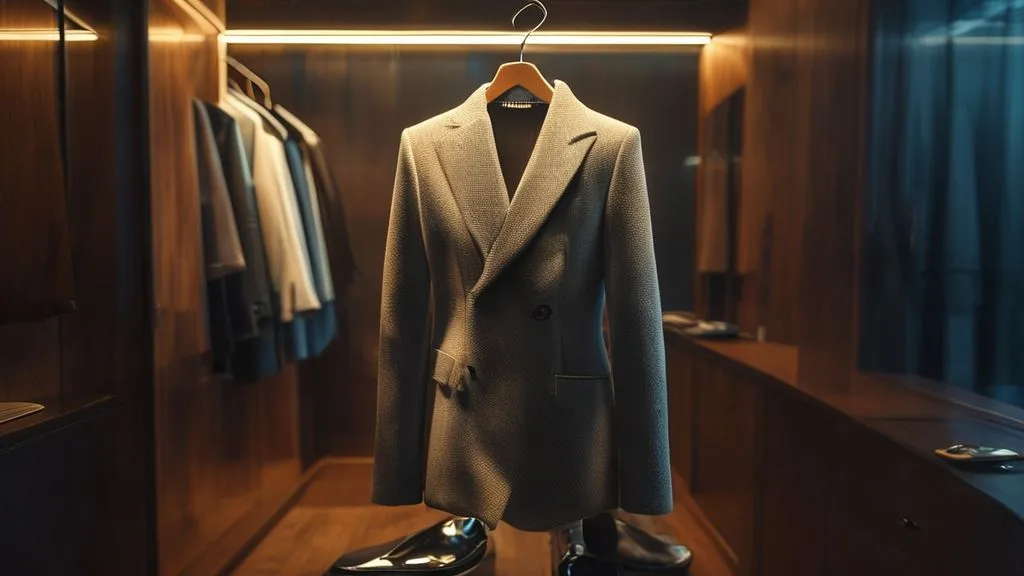
- Prioritize Timeless Silhouettes: Focus on classic cuts that flatter your body type and will not go out of style. For men, this means well-tailored suits (navy, charcoal, grey), crisp dress shirts (white, light blue), and quality ties. For women, it’s impeccably tailored blazers, classic shift dresses, versatile trousers, and elegant skirts.
- Invest in Foundational Outerwear: A high-quality trench coat, a classic wool overcoat, or a sophisticated leather jacket can instantly elevate any outfit, providing both functionality and a polished finish.
- Elevate Your Accessories: This is where many professionals miss a significant opportunity. A luxury watch, a premium leather briefcase or handbag, high-quality shoes, and sophisticated eyewear can dramatically enhance your perceived status and attention to detail. These are often the first things people notice.
- Focus on Neutral, Versatile Colors: Black, navy, charcoal, grey, white, and cream form the core of a versatile luxury wardrobe. These colors mix and match effortlessly, creating numerous outfit combinations from a limited number of pieces.
Remember, the goal is quality over quantity. A few impeccably crafted items will serve you far better than a closet full of trendy, lower-quality pieces. This is where the ‘investment’ truly comes into play.
Strategic Sourcing: Where and How to Acquire Your Pieces
Acquiring luxury pieces strategically involves more than just walking into a high-end boutique. It’s about informed decision-making, leveraging various channels, and ensuring authenticity and value.
- Authorized Retailers and Flagship Boutiques: For new pieces, these are your safest bet. You’re guaranteed authenticity, access to the full range, and often, personalized service and after-sales support. Use these for your cornerstone pieces where provenance is paramount.
- High-End Department Stores: Offer a curated selection of multiple brands under one roof, allowing for comparison and often seasonal sales. Their expert staff can also be invaluable.
- Reputable Pre-Owned Marketplaces: The rise of platforms like The RealReal, Vestiaire Collective, and Fashionphile has revolutionized access to luxury. These sites offer authenticated, pre-owned items at a fraction of their original cost. This is an excellent avenue for acquiring pieces that are no longer produced or for stretching your budget. Always verify their authentication process. The pre-owned luxury market is growing rapidly, signifying its increasing legitimacy.
- Sample Sales and Outlet Stores (with caution): While tempting, these require a discerning eye. Often, items are made specifically for outlets with slightly lower quality, or they are past-season. Only purchase if the item aligns perfectly with your timeless investment criteria and you can verify its quality.
When purchasing, always consider the item’s condition (if pre-owned), its potential for repair, and its versatility within your existing professional wardrobe. Don't be swayed by a bargain if the item doesn't fit your overall strategy.
The Art of Integration: Weaving Luxury into Your Daily Professional Persona
True strategic investment in luxury fashion isn’t about being a walking billboard for designer labels. It’s about subtle sophistication, discernment, and integrating high-quality pieces seamlessly into your existing wardrobe to elevate your overall professional persona. The goal is to look polished and authoritative, not ostentatious.
- Mix High and Low: One of the most effective strategies is to pair a luxury piece with high-quality, non-designer basics. A premium silk blouse with well-fitting tailored trousers from a mid-range brand, or a luxury watch peeking out from under a classic, high-street blazer, creates an impression of understated elegance.
- Focus on Key Touchpoints: Often, the most impactful luxury items are those that are seen and touched frequently. Your watch, your shoes, your bag/briefcase, and your outerwear are critical touchpoints that communicate quality and attention to detail.
- Tailoring is Non-Negotiable: Even the most expensive garment will look ill-fitting and unpolished if it’s not perfectly tailored to your body. Consider tailoring an essential part of your luxury investment. A $500 suit tailored to perfection will look better than a $5000 suit off the rack.
- Subtlety Over Bling: Avoid overt branding or excessive embellishments for professional settings. The quality of fabric, the cut, and the craftsmanship should speak for themselves. True luxury often whispers, it doesn’t shout.
Case Study: Eleanor’s Executive Ascent
Eleanor, a rising star in a competitive financial consulting firm, approached me years ago. She was technically brilliant but felt overlooked for senior leadership roles. Her wardrobe, while appropriate, lacked a certain gravitas. Instead of recommending a complete overhaul, we focused on strategic investments: two perfectly tailored, high-quality wool blazers (one navy, one charcoal), a classic leather briefcase, and a versatile, elegant watch. She continued to wear her existing well-maintained dresses and trousers. The change was subtle but profound. Her confidence visibly improved, and clients and senior partners began to perceive her with greater authority. Within 18 months, she secured a significant promotion, attributing part of her success to the newfound polish and presence her strategic wardrobe provided. It wasn't about the cost, but the calculated impact.
Maintenance and Longevity: Protecting Your Investment
A luxury item is an investment, and like any investment, it requires diligent care to protect its value and ensure its longevity. Neglecting maintenance is akin to leaving your financial portfolio unmanaged – you’ll lose returns over time.
- Follow Care Instructions Religiously: Every luxury garment comes with specific care instructions. Whether it’s dry cleaning, hand washing, or specific storage, adhere to these guidelines. Do not machine wash cashmere, for instance.
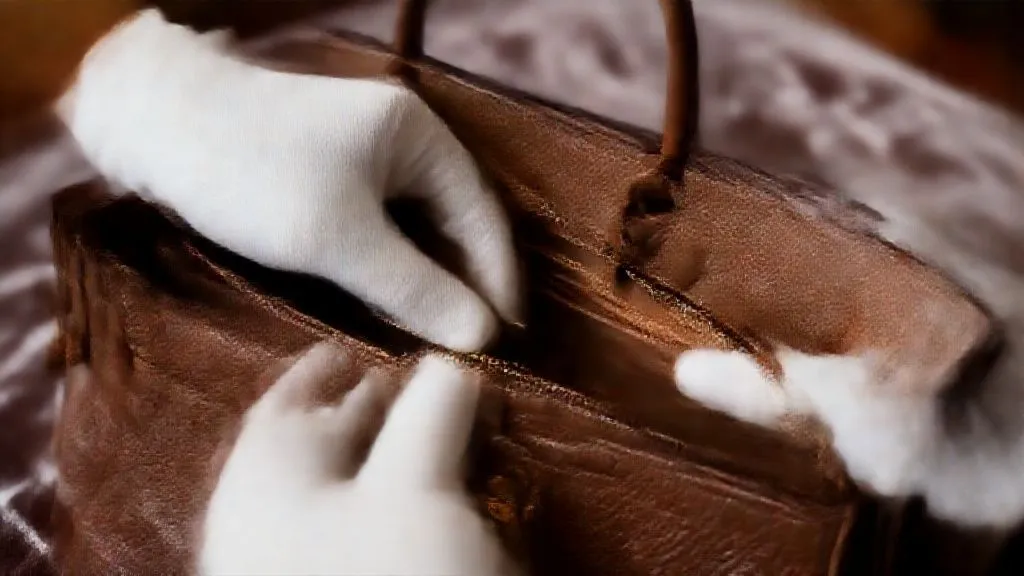
- Proper Storage: Store tailored garments on sturdy wooden hangers to maintain their shape. Leather goods should be kept in dust bags, stuffed to prevent creasing, and stored away from direct sunlight. Shoes should be kept on shoe trees.
- Regular Cleaning and Conditioning: Don’t wait until an item is visibly dirty. Regular, gentle cleaning for items like suits and dresses (professional dry cleaning) and conditioning for leather goods will prevent build-up and extend their life.
- Timely Repairs: Address minor issues immediately. A loose button, a scuff on a shoe, or a small tear can escalate if neglected. Find a reputable tailor or cobbler who specializes in luxury repairs. Many luxury brands offer their own repair services, which is often the best option for complex issues.
- Seasonal Rotation: For items like coats or certain fabrics, rotate them out of your active wardrobe when not in season. Clean them before storing and protect them from moths or humidity.
By treating your luxury pieces with the care they deserve, you’re not just preserving their aesthetic; you’re maximizing your return on investment. This commitment to maintenance also subtly reinforces your professional image as someone who values quality and pays attention to detail. For more insights on ethical care, many brands, like Burberry, are focusing on circularity and product longevity.
Evolving Your Portfolio: Adapting to Career Milestones
Your professional journey is dynamic, and so too should be your luxury fashion investment strategy. What served you well as an aspiring manager might not convey the appropriate authority or gravitas as a senior executive or board member. The key is to evolve your portfolio thoughtfully, ensuring it always aligns with your current and aspirational professional standing.
- From ‘Dressing for the Job You Want’ to ‘Dressing to Command the Job You Have’: Early in your career, luxury investments might focus on foundational pieces that help you stand out and project ambition. As you advance, the emphasis shifts to clothing that commands respect, exudes quiet confidence, and aligns with the gravitas of your role. This might mean investing in more bespoke tailoring, higher-tier materials, or unique, understated pieces from niche luxury houses.
- Diversify Your ‘Style Portfolio’: As your responsibilities grow, you might find yourself in more diverse settings – from boardroom meetings to international conferences, or casual innovation labs. Your luxury wardrobe should reflect this versatility, potentially including refined casual luxury pieces alongside your formal attire.
- Consider the Global Stage: If your career involves international travel or interactions, understand the nuances of professional dress in different cultures. While quality is universally appreciated, modesty, color palettes, and formality levels can vary.
- The Power of Signature Pieces: As you reach senior levels, consider investing in one or two truly exceptional signature pieces – perhaps a unique watch, a bespoke suit, or a one-of-a-kind piece of jewelry – that subtly reflect your personal brand and position.
Regularly reassess your professional goals and the image you wish to project. Your luxury wardrobe should be a living, evolving entity, reflecting your growth and continued success.
Common Pitfalls to Avoid in Luxury Fashion Investment
Even with the best intentions, mistakes can be made. As your seasoned industry expert, I've seen these pitfalls derail many a well-meaning attempt at strategic luxury investment:
- Buying for Trends, Not Timelessness: This is the most common and costly mistake. A trendy luxury item quickly depreciates in value and looks dated. Stick to classics.
- Ignoring Fit and Tailoring: As mentioned, an ill-fitting luxury garment loses all its power. Always factor in tailoring costs.
- Overspending on Single Items While Neglecting Foundation: Don’t buy an incredibly expensive handbag if your foundational wardrobe (suit, shoes, shirts) is subpar. Build from the ground up.
- Purchasing Out of Peer Pressure or ‘Keeping Up’: Your luxury investments should be about your personal and professional goals, not about impressing others or conforming to perceived norms. Authenticity resonates far more deeply.
- Lack of Maintenance: Neglecting care will destroy your investment faster than anything else. See the previous section.
- Buying for the Label, Not the Quality: Some brands, despite their name, may not consistently deliver investment-grade quality across all their lines. Learn to discern true craftsmanship over marketing hype.
- Impulse Buying: Strategic investment requires planning. Avoid spontaneous purchases, especially of high-value items. Research, compare, and consider how the piece fits into your overall strategy.
By being aware of these common missteps, you can navigate the luxury market with greater confidence and make truly impactful decisions.
Frequently Asked Questions (FAQ)
Question: Is luxury fashion truly a ‘strategic investment’ or just a personal indulgence? From my vantage point, it is unequivocally a strategic investment when approached with intention. Unlike fleeting trends, investment-grade luxury pieces are chosen for their enduring quality, timeless design, and their ability to subtly enhance one’s professional credibility, confidence, and authority. They are tools for non-verbal communication that can significantly influence perception and open doors in professional settings. While there’s certainly an element of personal enjoyment, the true value lies in their utility as assets for career advancement.
Question: How do I start building a luxury professional wardrobe on a budget? Starting on a budget requires discipline and discernment. Begin by identifying 2-3 absolute foundational pieces that will have the highest impact – perhaps a beautifully tailored blazer, a versatile high-quality handbag, or a classic watch. Explore reputable pre-owned luxury marketplaces for authenticated pieces at a lower cost. Focus on versatility and classic designs that can be mixed and matched. Prioritize quality over quantity, even if it means saving longer for one exceptional piece rather than buying several mediocre ones. Remember, a single investment-grade item can elevate an entire outfit.
Question: What are the key differences between designer brands and truly ‘investment-grade’ pieces? While many investment-grade pieces come from designer brands, not all designer items qualify as investment-grade. ‘Designer’ primarily refers to the brand name and creative director. ‘Investment-grade’ refers to the intrinsic qualities of the item itself: exceptional craftsmanship, superior materials, timeless design, durability, and often, a strong resale value. A trendy, logo-heavy designer piece might be expensive, but if it lacks timelessness or durability, it’s not an investment. Conversely, a less flashy but impeccably made leather brief from a heritage brand, designed to last decades, absolutely is. Focus on the attributes, not just the label.
Question: How often should I update my luxury professional wardrobe? The beauty of strategic luxury investment is that it minimizes the need for frequent updates. Unlike fast fashion, these pieces are designed for longevity. You should only ‘update’ in two scenarios: when a piece is genuinely worn out despite proper care, or when your professional role or personal brand significantly evolves. Rather than updating, think of it as ‘curating’ and ‘adding’ selectively. A well-chosen core wardrobe can last for years, with minor additions to reflect subtle shifts in style or career milestones.
Question: Can luxury fashion help me overcome imposter syndrome? While luxury fashion isn’t a cure-all for imposter syndrome, it can certainly be a powerful tool in your arsenal. The concept of ‘enclothed cognition’ suggests that dressing the part can influence how you feel and behave. When you wear something that is impeccably made and makes you feel confident and competent, it can create a positive feedback loop. This external validation, combined with the internal feeling of being ‘put together,’ can significantly bolster your self-assurance and help to quiet the inner critic associated with imposter syndrome. It’s not about faking it, but about aligning your external presentation with the capable professional you truly are.
Recommended Reading
- The Ultimate Guide: How to Banish Bridal Hair Frizz on Your Wedding Day
- Unlock the Magic: How to Integrate Animatronics into Creature Costumes Seamlessly
- Unlock the Secret: How to Clean & Care for Your Luxury Silk Scarves
- Unleash Your True Self: How to Develop a Unique Personal Street Style
- The Ultimate Guide: How to Pick a Perfume That Lasts All Day on Your Skin
Key Takeaways and Final Thoughts
In my extensive journey through the world of luxury fashion and professional development, one truth remains constant: presentation is power. Strategic investment in luxury fashion for enduring professional impact is not about vanity; it’s about thoughtful, calculated choices that amplify your unique professional narrative and propel your career forward.
- Define True Luxury: Focus on craftsmanship, timelessness, durability, and ethical production over fleeting trends or mere brand names.
- Understand the Psychology: Recognize how high-quality attire impacts both your self-perception and how others perceive your competence and authority.
- Build a Foundational Wardrobe: Prioritize versatile, classic pieces that serve as the backbone of your professional image.
- Source Strategically: Leverage authorized retailers and reputable pre-owned markets for authenticity and value.
- Master Integration: Blend luxury pieces seamlessly and subtly into your daily professional attire, focusing on key touchpoints and impeccable tailoring.
- Commit to Maintenance: Protect your investment through diligent care, ensuring longevity and maximizing return.
- Evolve Your Strategy: Adapt your luxury wardrobe to align with your professional growth and changing career milestones.
Remember, your professional wardrobe is a silent ambassador. By investing strategically in luxury fashion, you’re not just buying clothes; you’re investing in your credibility, your confidence, and ultimately, your enduring impact in the professional world. Approach it with the same rigor and foresight you would any other significant career decision, and watch your influence grow.

Your email address will not be published. Required fields are marked *