

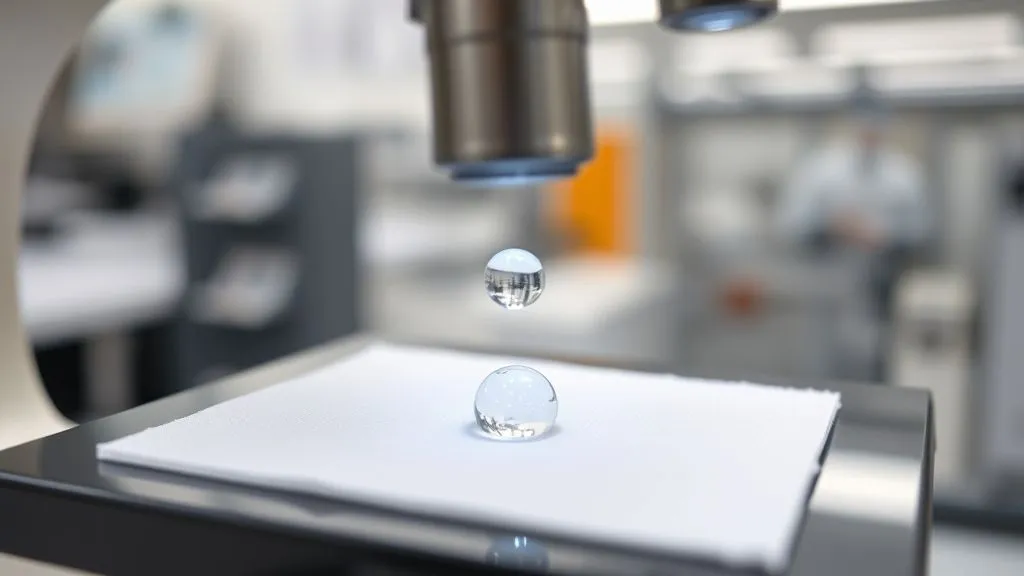
How to Verify Self-Cleaning Fabric Performance for New Apparel?
For over 15 years in the dynamic world of textile innovation, I've seen countless apparel brands rush to adopt the latest 'smart fabric' trends, often without truly understanding the rigorous validation required. The allure of self-cleaning fabrics is undeniable, promising reduced laundry, extended garment life, and enhanced hygiene, but the chasm between a marketing claim and verifiable performance can be vast.
The core problem isn't just about technical efficacy; it's about safeguarding your brand's reputation and building genuine consumer trust. Launching apparel with unsubstantiated self-cleaning claims can lead to widespread disappointment, returns, and irreparable damage to your market standing. Consumers today are savvier, demanding transparency and proof of performance.
That's precisely why I've developed this comprehensive guide. I'll share my insights, battle-tested frameworks, and actionable steps to help you confidently verify self-cleaning fabric performance for new apparel. We'll move beyond the hype, delving into the science, testing protocols, and ethical considerations necessary to deliver truly innovative and trustworthy products.
Understanding the Science: How Self-Cleaning Fabrics Work
Before we can verify, we must understand. Self-cleaning fabrics aren't magic; they leverage sophisticated scientific principles to repel stains or break down organic matter. In my experience, a foundational understanding empowers you to ask the right questions and interpret test results accurately.
Hydrophobicity vs. Oleophobicity: The Core Principles
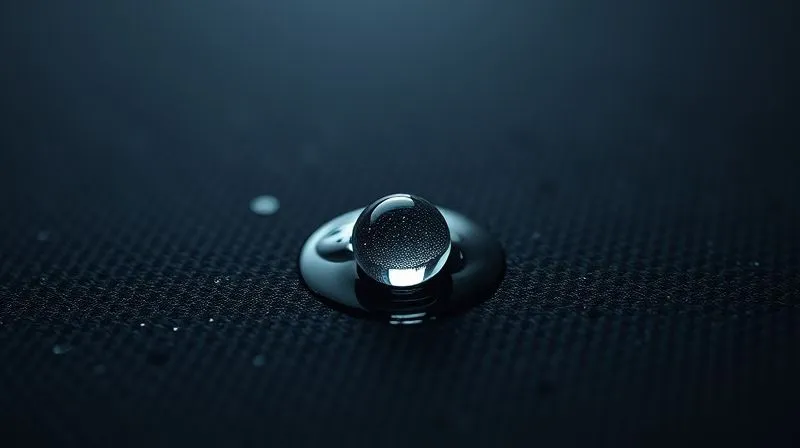
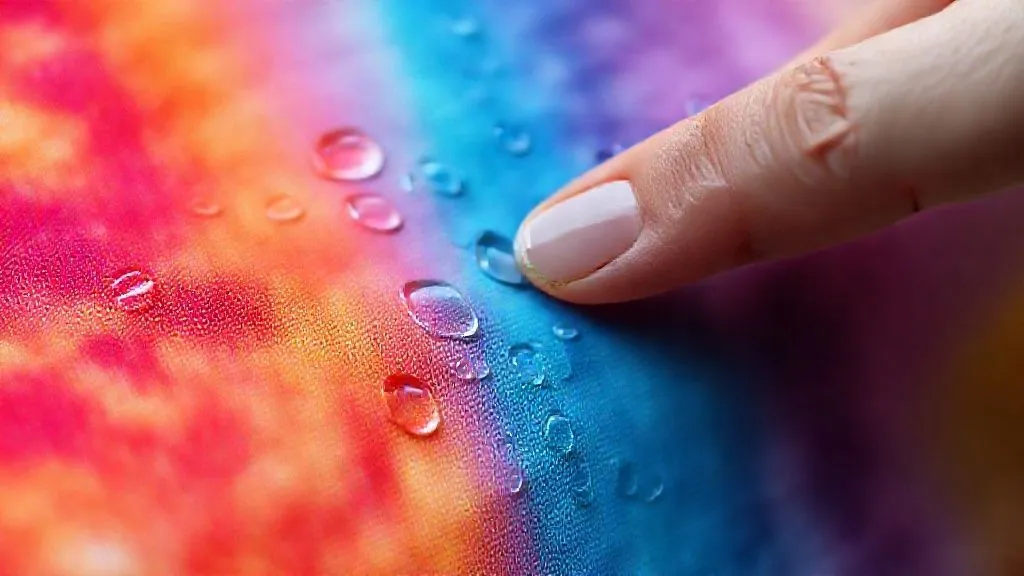
Many self-cleaning fabrics achieve their stain-repelling properties through surface modifications that create extreme hydrophobicity (water-repellence) or oleophobicity (oil-repellence). Think of the 'lotus effect,' where water droplets bead up and roll off, carrying dirt particles with them, leaving the surface dry and clean.
This is typically achieved by engineering nanoscale structures on the fabric surface, often combined with low-surface-energy coatings. The key here is not just repellency, but the ability for foreign substances to easily detach. Understanding the specific mechanism your fabric employs is the first critical step in verification.
Photocatalysis: The TiO2 Revolution
Another prominent mechanism, particularly for breaking down organic stains and odors, involves photocatalytic nanoparticles, most commonly titanium dioxide (TiO2). When exposed to UV light (from the sun or artificial sources), TiO2 generates reactive oxygen species.
These highly oxidative species then break down organic pollutants, converting them into harmless compounds like CO2 and water. This 'active' self-cleaning process is distinct from passive repellency and requires different verification methods. It's a fascinating area, but its efficacy is highly dependent on light exposure and coating stability.
Initial Due Diligence: Supplier Claims and Documentation
The journey to verify self-cleaning fabric performance for new apparel begins long before any lab tests. It starts with a thorough vetting of your suppliers and their claims. I've often seen brands overlook this crucial first step, leading to significant headaches down the line.
Requesting Technical Data Sheets (TDS) and Safety Data Sheets (SDS)
Always demand comprehensive Technical Data Sheets (TDS) for the fabric or coating technology. These documents should detail the specific self-cleaning mechanism, recommended testing methods, performance specifications, and application guidelines. Equally important are Safety Data Sheets (SDS), especially for coatings, to ensure no hazardous chemicals are involved, protecting both your production team and end-consumers. Transparency here is paramount.
According to textile industry best practices, a reputable supplier will readily provide this information. If a supplier is hesitant or provides vague data, consider it a significant red flag. This initial scrutiny sets the foundation for trust and technical accuracy.
Understanding Certification Standards and Labels
Look for third-party certifications. While not all self-cleaning claims have specific certifications, general textile safety and quality standards are crucial. For example, OEKO-TEX® Standard 100 certifies that textiles are free from harmful substances. Additionally, certain ISO standards might be relevant for specific performance aspects, such as water repellency (e.g., ISO 4920). While a certification doesn't guarantee self-cleaning, it builds a baseline of quality and safety.
"Never take a claim at face value. A supplier's word is a starting point, but robust documentation and independent verification are your brand's shield against reputational risk."
Establishing Your In-House Verification Protocol
Even with excellent supplier documentation, you need an internal process to verify self-cleaning fabric performance for new apparel. This isn't about distrust; it's about quality control and ensuring consistency across batches. My advice is always to start with accessible, repeatable tests before escalating to specialized labs.
Step 1: The Visual Inspection and Hand-Feel Test
- Initial Assessment: Examine the fabric for uniformity in color, texture, and any visible coating irregularities.
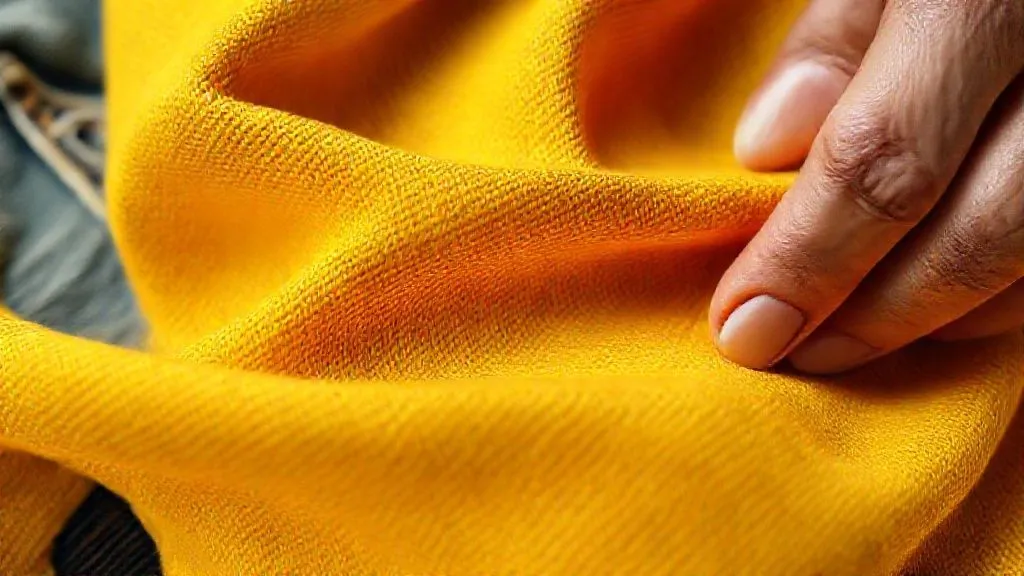
- Hand-Feel: Compare the treated fabric to an untreated control. Does the self-cleaning treatment significantly alter the fabric's drape, breathability, or comfort? A good treatment should be imperceptible or minimally impactful.
- Odor Check: Sniff for any unusual chemical odors that might indicate residual solvents or poor curing of coatings.
Step 2: Basic Stain Repellency Tests
These are quick, indicative tests you can perform in-house to get a preliminary sense of performance.
- Water Drop Test: Place a small drop of distilled water onto the fabric surface. On a truly hydrophobic fabric, the water should bead perfectly, maintaining a high contact angle (>90 degrees) and rolling off easily without absorption.
- Oil Drop Test (Oleophobicity): Similarly, apply a drop of a common oil (e.g., olive oil or mineral oil). An oleophobic fabric will cause the oil to bead up and resist spreading or absorption.
- Coffee/Wine Spill: For a more real-world scenario, carefully spill a small amount of coffee or red wine. Observe how quickly it beads and if it can be easily blotted away without leaving a stain.
These tests provide immediate, visual feedback on the fabric's surface energy and repellency. Document the results meticulously, ideally with photographs or videos.
Step 3: Accelerated Soiling and Cleaning Cycles
This mimics real-world usage and washing. Apply a standard set of common stains (e.g., mud, ketchup, chocolate, ink) to fabric swatches. Allow them to dry for a specified period. Then, depending on the fabric's self-cleaning mechanism:
- Repellent Fabrics: Attempt to gently blot or rinse the stains away with minimal effort. Assess the residual stain.
- Photocatalytic Fabrics: Expose the stained swatches to a controlled UV light source for a set duration (e.g., 4-8 hours), then assess stain degradation.
- Wash Test: Put stained samples through a standard laundry cycle (as per care instructions) and compare the cleanliness to an untreated control.
Advanced Laboratory Testing: Beyond the Basics
To truly verify self-cleaning fabric performance for new apparel, especially for high-performance or premium lines, external lab testing is indispensable. These tests provide quantifiable, objective data that in-house visual assessments cannot.
Contact Angle Measurement: Quantifying Repellency
This is the gold standard for measuring hydrophobicity and oleophobicity. A goniometer precisely measures the angle formed between the edge of a liquid drop and the fabric surface. A contact angle above 90° indicates hydrophobicity, while superhydrophobic surfaces exhibit angles >150°. For oleophobic surfaces, a similar principle applies with oil droplets. This test provides a numerical value for repellency, allowing for direct comparison and quality control.
Spectrophotometry for Stain Degradation Assessment
For photocatalytic self-cleaning fabrics, visual assessment of stain removal isn't enough. A spectrophotometer measures the color intensity of a stain before and after the self-cleaning process (e.g., UV exposure). By measuring the reflectance or transmittance at specific wavelengths, you can quantify the percentage of stain degradation, providing objective proof of the fabric's active cleaning capability. This is crucial for verifying TiO2-based systems.
Microscopic Analysis: Surface Morphology and Coating Integrity
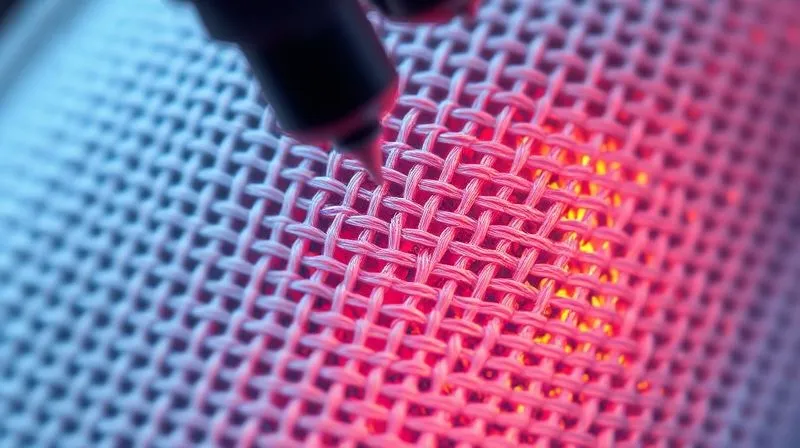
Scanning Electron Microscopy (SEM) or Atomic Force Microscopy (AFM) can reveal the nanoscale topography of the fabric surface. This allows you to visually confirm the presence and uniformity of any self-cleaning coatings or engineered surface structures. It's an excellent way to assess if the treatment has been applied correctly and if it remains intact after various stresses. Damage to these structures can severely compromise performance.
Durability and Longevity: The True Test of Performance
A self-cleaning fabric is only as good as its durability. What good is a brilliant initial performance if it degrades after a few washes or a month of wear? This is where many self-cleaning fabrics fail to meet consumer expectations, and it's a critical area to verify for new apparel.
Wash Durability: Simulating Real-World Use
The most common failure point for self-cleaning properties is washing. Coatings can be stripped away, or surface structures can be damaged. You must test the fabric's self-cleaning performance before and after multiple washing cycles (e.g., 5, 10, 20, 50 washes). The industry standard is often to maintain a significant percentage of initial performance after 20-30 washes for a durable garment.
- Standardized Washing: Use a laboratory washing machine with controlled parameters (temperature, detergent, cycle) according to relevant ISO or AATCC standards.
- Interim Performance Checks: After every 5-10 washes, re-conduct your basic stain repellency tests and, if possible, contact angle measurements.
- Endurance Threshold: Determine at what wash cycle the self-cleaning properties significantly degrade below an acceptable threshold.
Abrasion Resistance and Coating Integrity
Apparel faces constant friction. Test the fabric's abrasion resistance using methods like the Martindale test (ISO 12947-2) or Taber abrasion test (ASTM D3884). Crucially, re-test the self-cleaning properties (e.g., water repellency, stain degradation) on abraded areas. A robust self-cleaning treatment should withstand reasonable wear and tear without losing its efficacy. This is often where the true quality of a coating or treatment becomes apparent.
UV Exposure and Environmental Degradation
Sunlight, humidity, and temperature fluctuations can all impact fabric performance. For photocatalytic fabrics, prolonged UV exposure is necessary, but for others, it can cause degradation. Conduct accelerated weathering tests (e.g., using a Xenon arc lamp) to simulate years of exposure in a shorter timeframe. Observe any changes in color, strength, and, most importantly, the self-cleaning efficacy.
| Test Parameter | Performance Metric |
|---|---|
| Initial Contact Angle | >150° (Superhydrophobic) |
| Stain Removal (Photocatalytic) | >80% Degradation (Spectrophotometry) |
| Wash Durability (20 cycles) | >70% Retention of Initial Performance |
| Abrasion Resistance (Martindale) | No significant loss of repellency after 10,000 rubs |
| UV Exposure (200 hrs) | <10% loss of performance |
Case Study: Ensuring Trust for "Aura Activewear"
How Aura Activewear Reclaimed Consumer Confidence Through Rigorous Verification
Aura Activewear, a mid-sized brand specializing in performance sportswear, faced a significant challenge after launching a line of 'self-cleaning' leggings. Initial consumer feedback was glowing, but within three months, complaints surged. Customers reported that the leggings lost their stain-repellent properties after just a few washes, and odors persisted. Aura’s brand reputation, built on innovation and quality, was at risk.
I was brought in to assess their verification process. The problem was clear: their initial testing was superficial, relying heavily on supplier claims and basic water-drop tests before washing. They hadn't conducted comprehensive wash durability or advanced lab tests. My recommendation was to implement a rigorous, multi-stage protocol.
First, we performed detailed spectrophotometry on stained samples after various wash cycles, revealing a dramatic drop in stain degradation after only five washes. Then, using SEM, we discovered that the hydrophobic coating was largely delaminated after ten washes. This objective data confirmed the consumer complaints.
Aura immediately paused production and worked with a new supplier, implementing a revised verification strategy based on my framework. This included:
- Mandatory contact angle measurements before and after 5, 10, 20, and 50 wash cycles.
- Accelerated abrasion testing with self-cleaning re-evaluation post-abrasion.
- Independent lab verification of all claims, with reports shared internally.
Six months later, Aura relaunched their 'Renew' line, backed by verifiable performance data. They transparently communicated their new testing protocols to consumers. Within a year, not only did their customer satisfaction scores rebound, but their market share grew by 15%, proving that investment in thorough verification is an investment in your brand's future.
The Human Element: User Trials and Feedback Loops
While lab tests are crucial, the ultimate test for self-cleaning fabrics in new apparel is how they perform in the hands of real users. This human element provides invaluable qualitative and quantitative data that laboratory conditions can't fully replicate.
Controlled Wear Trials: Gathering Real-World Data
Before a full product launch, conduct controlled wear trials with a diverse group of users. Provide them with the apparel and specific instructions, then collect feedback over an extended period. Ask them to document:
- How often they wear the garment.
- The types of stains encountered and how they were removed (or not).
- Perceived freshness and odor control.
- Number of washes and subjective performance after each wash.
- Overall satisfaction with the self-cleaning claim.
This data complements your lab results, highlighting potential discrepancies or unforeseen performance issues in real-world conditions. It's a critical step to verify self-cleaning fabric performance for new apparel comprehensively.

Establishing Clear Feedback Channels
Once your product is in the market, maintain open channels for customer feedback. Monitor reviews, social media, and direct customer service inquiries. Look for patterns in feedback regarding the self-cleaning performance. This continuous loop of information is vital for ongoing quality assurance and for identifying any long-term degradation not caught in initial testing. Positive feedback reinforces your verification, while negative feedback points to areas for improvement. Harvard Business Review emphasizes the power of feedback loops for continuous improvement and customer satisfaction, a principle equally applicable to textile innovation.
Navigating Ethical Considerations and Greenwashing Risks
As an industry specialist, I've witnessed the rise of 'greenwashing' – misleading claims about environmental benefits. Self-cleaning fabrics, while offering potential sustainability advantages (less washing, less water/detergent), are not immune to these risks. Ethical verification extends beyond just performance.
Transparency in Marketing Claims
Be meticulously honest about what your self-cleaning fabric can and cannot do. If it's only water-repellent, don't market it as actively breaking down all stains. If it requires UV light, specify this. Overstating capabilities erodes trust and is a form of greenwashing. Your marketing should reflect the verified performance, not an idealized version.
Ensure that all claims are backed by your internal and external verification data. This commitment to truthfulness is a cornerstone of brand integrity in the textile innovation space. Forbes highlights transparency as a key driver of consumer trust, a lesson that applies directly to the complex claims of smart textiles.
Sustainability and Lifecycle Assessment of Coatings
Consider the environmental impact of the self-cleaning treatments themselves. Are the chemicals used safe? Are they biodegradable? What is their end-of-life impact? Conduct a basic lifecycle assessment (LCA) to understand the environmental footprint of the treated fabric versus conventional alternatives. This includes resource consumption, energy use, and potential pollution from manufacturing to disposal. A truly sustainable self-cleaning fabric offers benefits without introducing new environmental harms.
| Aspect | Greenwashing Red Flag | Authentic Claim |
|---|---|---|
| Claim Type | 'Naturally self-cleaning' (without scientific basis) | 'Engineered with [Specific Technology] for [Specific Performance] after [X] washes' |
| Environmental Impact | Vague 'eco-friendly' statements | 'OEKO-TEX certified, coating tested for biodegradability, reduces water use by X%' |
| Performance Scope | 'Never needs washing' | 'Resists common stains and odors, reducing need for frequent washing' |
| Verification | 'Proprietary technology, no public data' | 'Performance verified by independent lab testing (reports available upon request)' |

Frequently Asked Questions (FAQ)
Q: How do I differentiate between a simple water-repellent fabric and a true self-cleaning one? A: A water-repellent fabric primarily prevents liquid absorption, but stains might still adhere and require manual cleaning. A true self-cleaning fabric either actively repels a wider range of substances (hydrophobic + oleophobic) allowing them to roll off with minimal effort, or actively breaks down organic stains and odors (photocatalytic). The key is the 'cleaning' aspect, not just 'repelling'.
Q: What's the impact of the fabric base material on self-cleaning performance? A: The base material significantly impacts performance. Natural fibers like cotton can be challenging to treat effectively due to their absorbent nature and complex surface structure, often requiring heavier coatings that might alter hand-feel. Synthetics like polyester or nylon, with their smoother, less absorbent surfaces, generally take self-cleaning treatments more readily and can achieve higher durability. The interaction between the coating and the fiber is crucial.
Q: Are there any environmental concerns with self-cleaning coatings, particularly those using nanotechnology? A: Yes, this is a valid concern. While many self-cleaning coatings offer environmental benefits by reducing washing, some older or less regulated nanotechnologies could pose risks. For instance, some PFAS-based repellents are being phased out due to environmental persistence. It's crucial to select suppliers who use non-toxic, eco-certified (e.g., bluesign®, ZDHC) coatings and conduct your own due diligence on the environmental footprint.
Q: How often should new fabric batches be re-tested to verify self-cleaning performance? A: For critical applications, I recommend testing every new batch or production run. For less critical applications, a statistically significant sample from each batch, or at least quarterly testing, can suffice. Any change in supplier, chemical formulation, or manufacturing process necessitates a full re-verification. Consistency is key to maintaining quality.
Q: Can self-cleaning properties be restored after damage or degradation? A: Generally, no. Once the self-cleaning coating is significantly abraded, washed off, or the nanoscale surface structures are damaged, the properties are permanently degraded. Some companies offer re-treatment sprays, but these are typically temporary and less effective than the original factory application. It's why durability testing is so vital; the expectation should be long-lasting performance, not a temporary fix.
Key Takeaways and Final Thoughts
Verifying self-cleaning fabric performance for new apparel is not a one-time task; it's an ongoing commitment to quality, integrity, and consumer trust. As an industry veteran, I've seen the rewards for brands that invest in rigorous validation and the severe consequences for those that cut corners. Your brand's reputation is built on the promises you keep.
- Understand the Science: Know the difference between passive repellency and active degradation.
- Due Diligence is Paramount: Vet suppliers thoroughly and demand comprehensive documentation.
- Build an In-House Protocol: Start with accessible tests before escalating.
- Leverage Advanced Lab Testing: Quantify performance with contact angle, spectrophotometry, and microscopy.
- Prioritize Durability: Test wash, abrasion, and UV resistance rigorously.
- Embrace User Trials: Real-world feedback is invaluable.
- Be Ethically Transparent: Avoid greenwashing and communicate claims honestly.
By implementing these expert-backed strategies, you're not just verifying a fabric; you're future-proofing your brand, fostering genuine innovation, and delivering products that truly stand up to their promises. The textile industry is evolving rapidly, and staying ahead means being not just innovative, but impeccably trustworthy. Go forth and innovate with confidence!
Recommended Reading
- Bespoke Jewelry Design: Your Ultimate Guide to Getting Started
- Unlock the Magic: How to Integrate Animatronics into Creature Costumes Seamlessly
- Fashion Campaign Photo Shoot Planning Tips: The Ultimate Guide
- The Ultimate Guide: How to Properly Store Leather Handbags Long Term
- Unlock Enduring Professional Impact: 7 Strategic Luxury Fashion Investments


Your email address will not be published. Required fields are marked *