

Solving Costume Durability Issues for Intense Film Stunt Sequences?
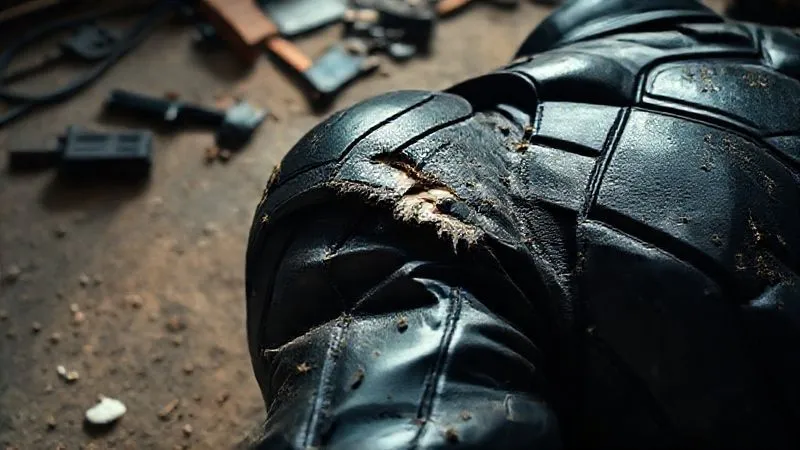
For over two decades in the demanding world of film costume design, I've witnessed firsthand the unique crucible where artistic vision meets brutal practicality. There's a particular kind of dread that washes over a costume designer when a meticulously crafted garment, essential to a pivotal action sequence, fails mid-take. It's more than just a torn seam; it's a ripple effect of delays, budget overruns, and potentially, safety hazards.
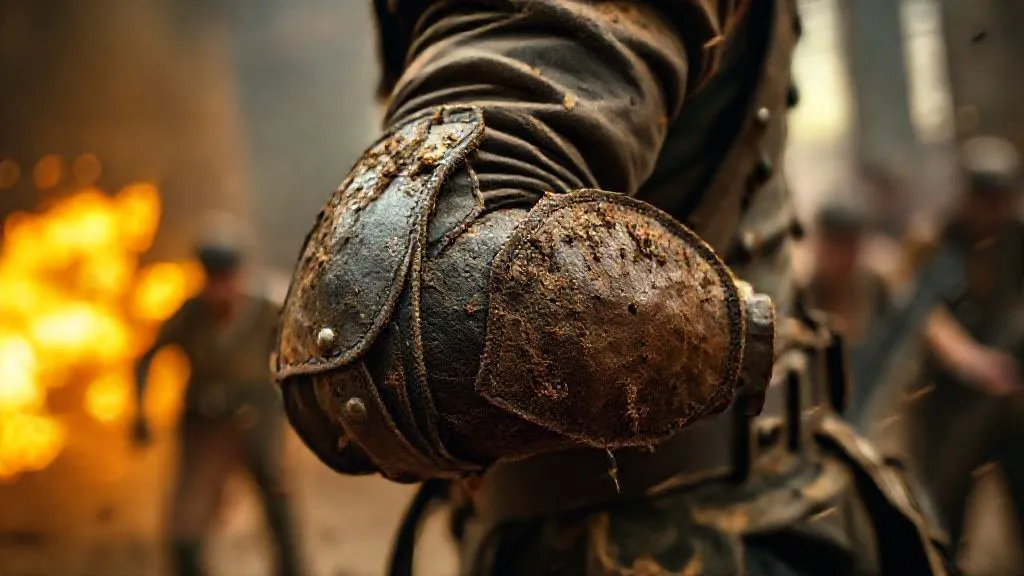
The problem is pervasive: costumes designed for intense physical performance often succumb to the rigors of stunt work. Whether it's a superhero suit ripping at the shoulder during a wire pull, historical armor cracking under impact, or a delicate gown disintegrating during a choreographed fall, these failures disrupt flow, compromise realism, and add immense pressure to an already high-stakes production. The challenge isn't just making a costume look good; it's making it survive a war zone, take after take, without breaking character or budget.
In this definitive guide, I’ll share my accumulated wisdom and practical frameworks for Solving costume durability issues for intense film stunt sequences? We'll move beyond superficial fixes to explore a holistic approach, from advanced material science and strategic design to collaborative pre-production planning and on-set vigilance. My goal is to equip you with actionable insights, proven techniques, and a proactive mindset that transforms potential wardrobe disasters into triumphant, seamless storytelling moments.
The Hidden Costs of Costume Failure: More Than Just a Rip
When a costume fails during an intense stunt, the immediate consequence is obvious: a delay. But the true costs run far deeper, impacting every facet of a film production. I’ve seen small tears escalate into hours of lost shooting time, requiring complex resets, costume repairs, or even reshoots. This isn't just about money; it’s about momentum, morale, and maintaining the director's vision.
Consider the ripple effect:
- Production Delays: Every minute on set costs thousands. A costume malfunction can halt a multi-million dollar production for hours, even days.
- Compromised Stunt Safety: A failing costume can snag, restrict movement, or expose skin, leading to minor injuries or, in worst-case scenarios, serious accidents for stunt performers.
- Budget Overruns: Repeated repairs, replacement costumes, or reshoots directly impact the bottom line, often forcing cuts elsewhere in the budget.
- Loss of Realism & Immersion: A visible tear or patch job on a hero costume shatters the audience's suspension of disbelief, pulling them out of the story.
- Morale & Stress: Constant costume issues create immense stress for the wardrobe department, stunt team, and even the director, fostering a negative atmosphere.
- Environmental Impact: Frequent replacement of damaged costumes contributes to waste, an increasing concern in sustainable film production.
Beyond Fabric: A Holistic Approach to Stunt Costume Engineering
To truly conquer the challenge of Solving costume durability issues for intense film stunt sequences?, we must adopt a comprehensive, engineering-minded approach. It's not enough to simply choose a 'stronger fabric.' Durability is a complex interplay of material science, intelligent design, precision construction, and meticulous on-set management. In my experience, neglecting any one of these pillars is a recipe for disaster.
1. Material Science: The First Line of Defense
The journey to a durable stunt costume begins with an understanding of advanced materials. We need fabrics and components that can withstand extreme tension, abrasion, impact, and repetitive stress. This often means looking beyond traditional costume textiles to industrial-grade materials, sports apparel innovations, and even military-grade composites.
- High-Tenacity Fibers: Explore materials like Cordura, Kevlar, Dyneema, and ballistic nylon. These synthetic fibers offer incredible strength-to-weight ratios and abrasion resistance. They can be integrated discreetly as core layers or in high-stress areas.
- Stretch & Recovery: For costumes requiring extensive movement, focus on fabrics with excellent stretch and, crucially, superior recovery. Spandex blends are common, but look for those engineered for athletic performance, which retain their shape and integrity even after repeated stretching.
- Impact Absorption: For costumes that might endure falls or impacts, consider integrating thin, flexible impact-absorbing foams (e.g., D3O, Poron XRD) into strategic areas. These can be layered beneath outer fabrics without significantly altering the silhouette.
- Coated & Treated Fabrics: Water-resistant, rip-stop, or abrasion-resistant coatings can significantly extend the life of a costume, particularly for outdoor or rough terrain sequences.
- Hybrid Materials: Don't be afraid to combine materials. A visually authentic outer layer might conceal a high-performance, durable inner structure. Think about the construction of modern outdoor gear or protective sports equipment.
For deeper insights into cutting-edge textile technologies, I often refer to research from institutions like the Institute of Textile Technology, which pushes the boundaries of material science.
2. Strategic Reinforcement and Stress Point Analysis
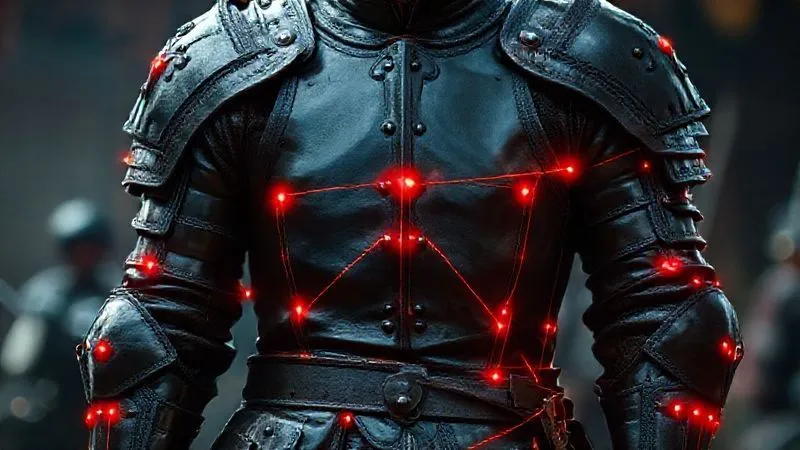
Once materials are selected, the next critical step is identifying and reinforcing the costume's inherent weak points. Every human movement, every stunt action, places specific stresses on a garment. My process involves a detailed 'stress map' of the costume.
This begins by:
- Consulting Stunt Choreography: Understand the exact movements, impacts, and friction points the costume will endure.
- Performer Feedback: Engage with the stunt performers. They are the ultimate stress testers and can pinpoint areas of discomfort or potential failure.
- Anatomical Consideration: Recognize where natural body movements (knees, elbows, crotch, shoulders, armpits) will exert maximum force on seams and fabric.
| Stress Point | Typical Action | Reinforcement Strategy | Material Examples |
|---|---|---|---|
| Elbows & Knees | Falls, crawling, impacts | Internal padding, double layers of high-abrasion fabric, articulated seams, stretch gussets | Cordura, Kevlar-reinforced patches, neoprene |
| Shoulders & Armpits | Wire work, grappling, lifting | Heavy-duty stitching, gusseted construction, stretch panels, internal webbing for tension distribution | Ballistic nylon, rip-stop fabrics, heavy-duty elastic webbing |
| Crotch & Inner Thighs | Kicks, jumps, splits, riding | Diamond gussets, triple stitching, stretch panels with high recovery, internal reinforcement layers | Athletic spandex blends, Cordura patches, leather or synthetic leather |
| Necklines & Collars | Choking, pulling, grappling | Interfacing, double-stitched seams, reinforced closures, internal support structures | Heavy-duty interfacing, reinforced trim, webbing |
Collaborative Design: Integrating Stunt Coordinators & Performers
One of the most valuable lessons I've learned in my career is that costume durability for stunts isn't solely the costume department's responsibility. It's a team sport. Early and continuous collaboration with stunt coordinators, performers, and even the props department is absolutely non-negotiable for Solving costume durability issues for intense film stunt sequences?.
I advocate for:
- Joint Concept Meetings: From the earliest design phase, bring everyone to the table. The stunt coordinator can flag potential issues with specific movements, and performers can offer invaluable insights into comfort and mobility.
- Stunt Rehearsal Attendance: The costume team should be present at stunt rehearsals. This is where you see the costume in action, identify areas of strain, and get immediate feedback.
- Mock-ups & Prototypes: Don't wait for the final garment. Create quick mock-ups from similar fabrics for stunt performers to test during early rehearsals. This iterative process saves immense time and resources.
"A costume that looks perfect but restricts a performer or fails mid-stunt is not a successful costume. True success lies in the seamless integration of aesthetics, safety, and functionality, achieved through relentless collaboration." - My personal mantra on set.
Case Study: 'The Gauntlet's Unyielding Armor'
On a recent fantasy epic, 'The Gauntlet,' the lead character, a warrior, wore intricate leather armor for intense combat sequences. Early prototypes, while visually stunning, proved too restrictive and began cracking at the armpits and knees during initial fight choreography. Instead of pushing through, we paused. I brought the stunt coordinator and lead stunt performer directly into my workshop. Through open dialogue and live fitting sessions during a rehearsal, we identified that the issue wasn't just the leather's rigidity, but the placement of the articulation points and the lack of hidden stretch panels. We redesigned key sections, incorporating discreet, high-tensile elastic webbing beneath the leather in high-flex areas and using a more flexible, composite leather for the inner joints. This iterative, collaborative process, though initially delaying the costume by a few days, ultimately saved weeks of reshoots and countless repairs, allowing the performer to execute complex moves flawlessly, take after take, and preserving the armor's imposing aesthetic.
Innovative Construction Techniques for Extreme Durability
Beyond materials and design, the actual construction of the costume is paramount. Even the strongest fabric will fail if poorly assembled. This is where the artistry of tailoring meets the precision of engineering, focusing on techniques that build resilience from the inside out.
3. Seaming & Stitching Mastery
Seams are often the first point of failure. Elevating our stitching practices is fundamental to Solving costume durability issues for intense film stunt sequences?.
- Industrial-Grade Machines: Utilize heavy-duty industrial sewing machines capable of handling thick materials and multiple layers.
- Specialized Threads: Opt for high-strength threads like bonded nylon, polyester, or even Kevlar threads for critical stress points. These threads are designed for durability, abrasion resistance, and UV stability.
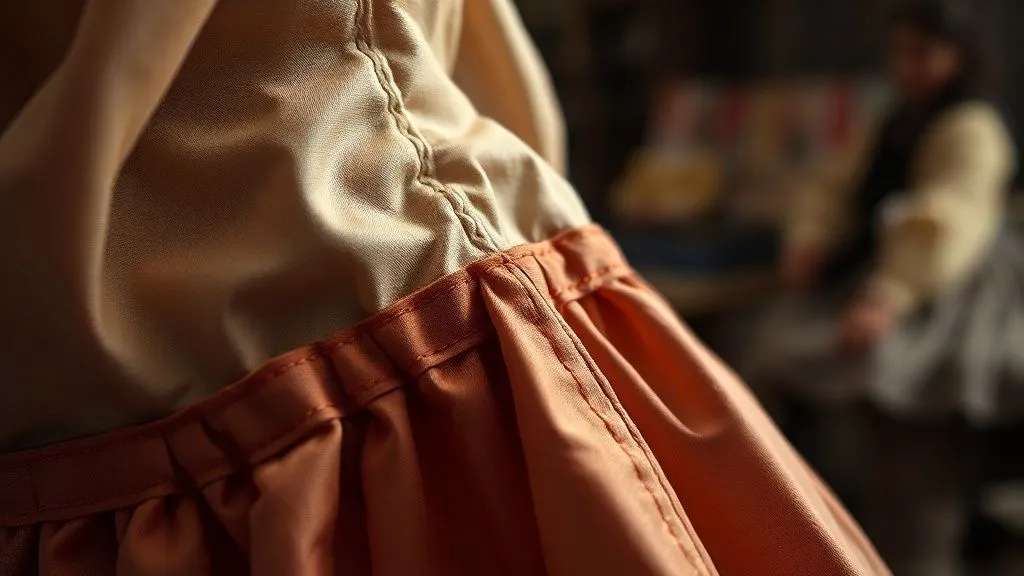
- Reinforced Seam Types: Employ techniques like flat-felled seams, French seams (for clean finish and enclosed raw edges), or taped seams. For areas under extreme tension, triple-stitched or safety-stitched seams are essential.
- Bar Tacking & Rivets: At points of significant strain (e.g., belt loops, strap attachments, corners of pockets), use bar tacking for reinforcement. For leather or heavy canvas, strategically placed rivets can add immense strength.
- Seam Allowance: Use generous seam allowances, especially in high-stress areas. This provides more material for the stitch to grip and distributes tension over a larger area.
4. Layering and Modular Design
Modern stunt costumes often benefit from a multi-layered or modular approach, akin to performance athletic wear or tactical gear.
Here’s how to implement it:
- Base Layer: A comfortable, moisture-wicking base layer for the performer is crucial for hygiene and comfort.
- Structural Layer: This is where the true durability is built. It can include internal webbing, hidden padding, and robust, high-tenacity fabrics that form the core structure.
- Aesthetic Layer: The outermost layer, designed purely for visual appeal, can be made of more delicate or visually specific fabrics, knowing that the underlying structure provides the strength. This allows for quick replacement of the aesthetic layer without rebuilding the entire costume.
- Modular Components: Design elements like armor plates, belts, pouches, or specific decorative pieces as separate, attachable modules. If one component is damaged, it can be quickly swapped out without affecting the entire costume. This also allows for customization based on specific stunt requirements.
The Role of Maintenance, Repair, and On-Set Vigilance
Even the most expertly designed and constructed costume will eventually show wear and tear under the relentless demands of stunt work. Proactive maintenance and a robust on-set repair protocol are vital for extending costume life and preventing catastrophic failures. It’s a continuous battle, and diligence is our greatest weapon in Solving costume durability issues for intense film stunt sequences?.
5. Pre-Stunt Checks and Post-Stunt Care
The wardrobe department's work doesn't end when the actor steps onto set; it intensifies. A strict regimen of checks and care is essential:
- Daily Inspections: Before each use, every stunt costume must undergo a thorough inspection. Check all seams, closures, stress points, and any integrated padding or rigging elements. Look for fraying, loose threads, minor tears, or signs of material fatigue.
- Performer Feedback Loop: After each take or sequence, check in with the stunt performer. They can often feel issues developing before they become visible.
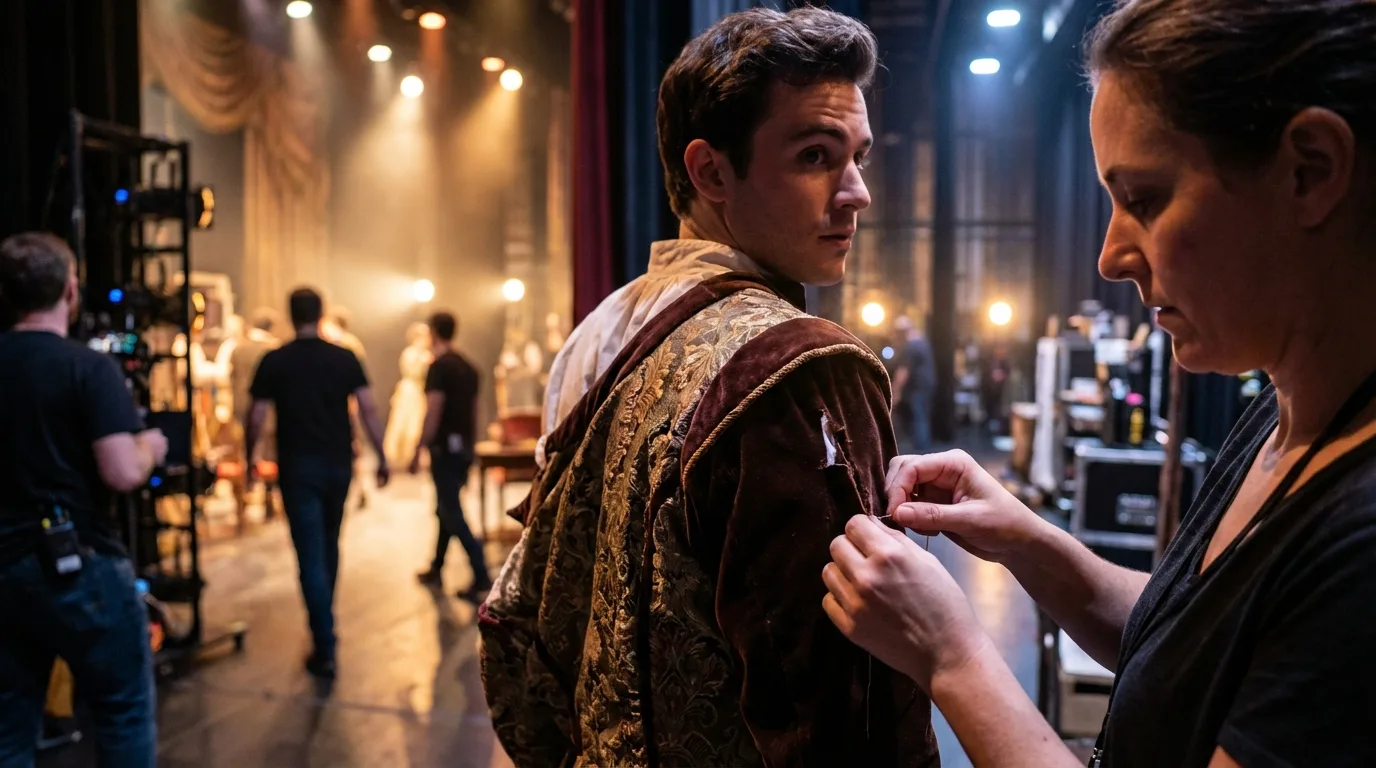
- Immediate Minor Repairs: Don't let small issues fester. A loose button or a tiny fray can quickly escalate into a major problem. Address it immediately.
- Proper Cleaning & Storage: Follow manufacturer guidelines for cleaning specialized materials. Improper cleaning can degrade fabrics and reinforcements. Store costumes carefully to prevent unnecessary wear and tear.
- Rotation of Duplicates: For highly demanding costumes, having multiple identical duplicates allows for rotation, giving worn garments time for repair and recovery, significantly extending the lifespan of the set.
For comprehensive guidelines on film production safety and best practices, I often consult resources from organizations like the Contract Services Administration Trust Fund (CSATF), which offers invaluable insights into set protocols.
6. Rapid Repair Kits & On-Set Expertise
Despite best efforts, accidents happen. A well-stocked, strategically organized rapid repair kit is an absolute necessity, and the wardrobe team on set must possess exceptional problem-solving skills and technical proficiency.
- Comprehensive Kit: Include a wide array of threads (various colors, strengths), needles (hand and machine), fabric patches (matching costume materials), strong adhesives (fabric glue, contact cement), basic sewing tools, snaps, zippers, Velcro, and specialized tools for specific costume elements (e.g., leather punches, rivet setters).
- Skilled Wardrobe Technicians: The on-set wardrobe team needs to be more than just dressers; they must be highly skilled repair technicians, capable of quick, durable, and discreet fixes under pressure.
- Portable Sewing Machine: A robust portable sewing machine on standby can be a lifesaver for larger repairs that can't be done by hand.
- Pre-prepared Patches: Have pre-cut and pre-finished patches of common costume materials ready for quick application.
Testing, Iteration, and Performance Validation
The final, yet continuous, pillar in Solving costume durability issues for intense film stunt sequences? is rigorous testing and iteration. Never assume a costume is ready until it has proven its mettle under simulated and real-world conditions. This validation process is what truly builds trust and confidence in the costume's performance.
7. Rigorous Pre-Production Testing
Testing shouldn't wait until the cameras roll. It should be an integral part of pre-production:
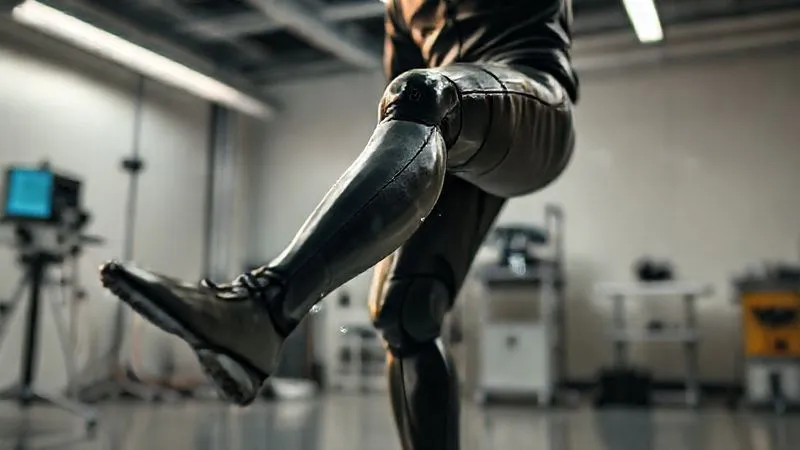
- Stress Simulation: Before involving performers, subject costume prototypes or key components to simulated stress tests. This could involve weighted pulls, abrasion tests, or even controlled impacts.
- Stunt Rehearsal Integration: The most effective testing happens during stunt rehearsals. Observe the costume in action, looking for areas of strain, restriction, or potential failure. Encourage stunt performers to push the limits (safely, of course).
- Video Analysis: Film the costume during rehearsals from multiple angles. Slow-motion playback can reveal subtle issues that are missed in real-time.
- Feedback Documentation: Maintain a detailed log of all feedback, observations, and necessary modifications. This creates a valuable institutional memory for future projects.
- Iterative Refinement: Be prepared to make multiple adjustments and refinements based on testing. This iterative process is crucial for optimizing durability without sacrificing aesthetics or mobility.
Adhering to industry standards for testing and safety, such as those outlined by organizations like the National Fire Protection Association (NFPA) for certain material applications, can also provide a valuable framework for validation.
Frequently Asked Questions (FAQ)
Q: How do you balance extreme durability with the aesthetic demands of a high-fashion or period costume? A: This is the eternal tightrope walk of stunt costume design. My approach is to create a 'sandwich' construction. The outer layer maintains the desired aesthetic, often using delicate or historically accurate fabrics. Beneath this, I integrate a robust, high-performance structural layer that takes the brunt of the stunt work. This hidden layer might use modern athletic fabrics, industrial webbing, or discreet padding. For period costumes, I might use traditional construction methods but reinforce critical seams with modern, strong threads or add hidden gussets made from durable, stretchable material that matches the inner lining. It's about clever engineering that respects the visual integrity.
Q: What are the primary concerns regarding weight and mobility when designing for stunts? A: Weight and mobility are paramount. Excessive weight fatigues performers, compromises safety, and restricts fluid movement. My priority is always to achieve maximum durability with minimal weight. This involves using lightweight yet strong materials (e.g., carbon fiber composites for armor, technical athletic fabrics for base layers) and employing strategic reinforcement only where absolutely necessary. Mobility is addressed through articulated design, generous stretch panels in high-flex areas, and ensuring seams don't cross major joints in a restrictive way. Every design choice is filtered through the question: "Does this enhance or hinder the performer's ability to execute the stunt safely and effectively?"
Q: Are there sustainable and eco-friendly durable materials available for stunt costumes? A: Absolutely, and this is an area of growing innovation. While some high-performance materials are still petroleum-based, there's a strong push for alternatives. I actively seek out recycled nylons and polyesters, organic cottons with rip-stop weaves, bio-based polymers, and innovative materials derived from natural sources like mushroom leather or pineapple fibers for certain applications. The key is to balance sustainability with the non-negotiable safety and durability requirements of stunt work. It's a continuous process of research and development, and collaborating with eco-conscious material suppliers is crucial. The goal is to create costumes that last longer, reducing the need for constant replacement and thus lessening environmental impact.
Q: How do you approach unique challenges like creature costumes or highly stylized fantasy garments for stunts? A: Creature and fantasy costumes amplify the durability challenge, often adding complex sculptural elements, animatronics, or unusual forms. For these, I lean heavily on modular design and advanced fabrication techniques. Often, the 'skin' of the creature is separate from its internal robust skeleton or harness, which provides the structural integrity and attachment points for rigging. Materials like reinforced silicone, sculpted EVA foam with durable coatings, and lightweight fiberglass composites are common. Collaboration with creature effects artists, animatronics engineers, and the stunt team from day one is even more critical here. Every moving part, every joint, and every point of contact with the performer or environment must be meticulously engineered for extreme resilience.
Q: What's the biggest mistake costume designers make when addressing stunt costume durability? A: In my experience, the biggest mistake is underestimating the sheer destructive force of a film stunt and approaching the costume from a purely aesthetic viewpoint. It's often the failure to engage early and deeply with the stunt team, to understand the physics of the action, and to test rigorously. Designers sometimes prioritize the 'look' over the 'survive-ability,' leading to beautiful costumes that simply aren't fit for purpose. Another common error is assuming that a single, heavy-duty fabric will solve all problems, rather than adopting a multi-faceted approach encompassing strategic design, advanced construction, and proactive maintenance. Durability is a feature, not an afterthought.
Key Takeaways and Final Thoughts
Successfully Solving costume durability issues for intense film stunt sequences? is a complex, multi-faceted endeavor that demands a blend of artistic vision, scientific understanding, and meticulous planning. It's a testament to the unsung heroes of the costume department and their essential role in bringing cinematic magic to life, safely and effectively. My hope is that this guide empowers you to approach these challenges with renewed confidence and a comprehensive strategy.
- Embrace a Holistic Mindset: Durability is not just about fabric; it's about design, construction, collaboration, and continuous care.
- Invest in Material Science: Leverage high-tenacity fibers, smart stretch, and impact-absorbing materials for foundational strength.
- Design for Stress: Proactively identify and reinforce stress points through strategic layering, gussets, and industrial-grade stitching.
- Collaborate Early & Often: Integrate stunt coordinators and performers into the design and testing process from day one.
- Prioritize On-Set Vigilance: Implement rigorous pre- and post-stunt checks, and ensure a skilled repair team is always ready.
- Test, Test, Test: Subject costumes to extreme conditions during rehearsals and simulations to validate their performance.
The world of film stunts is unforgiving, but with these strategies, your costumes won't just survive; they'll thrive, enabling breathtaking performances and ensuring the integrity of your cinematic narrative. Remember, a durable costume is not just a practical necessity; it's an investment in the safety of your performers, the efficiency of your production, and the immersive power of your storytelling. Go forth and create costumes that can withstand anything the script throws at them!
Recommended Reading
- Fashion Affiliate Slump? 7 Steps to Recover Commissions Post-Update
- Mastering Silk: 7 Techniques to Eliminate Puckering in Haute Couture Hand-Sewn Details
- 7 Steps: How to Recommend Eyewear for a Client's Personal Brand
- 5 Strategies: Beat Streetwear Design Fatigue & Stay Relevant
- Top 7 Pro Cruelty-Free Makeup Brands: Client-Approved Performance

Your email address will not be published. Required fields are marked *